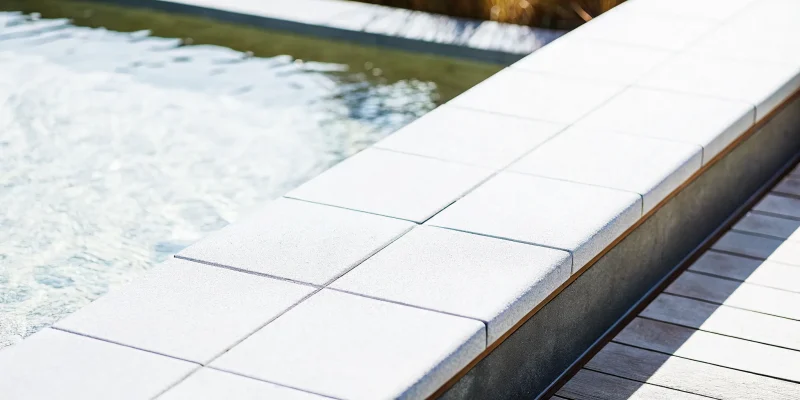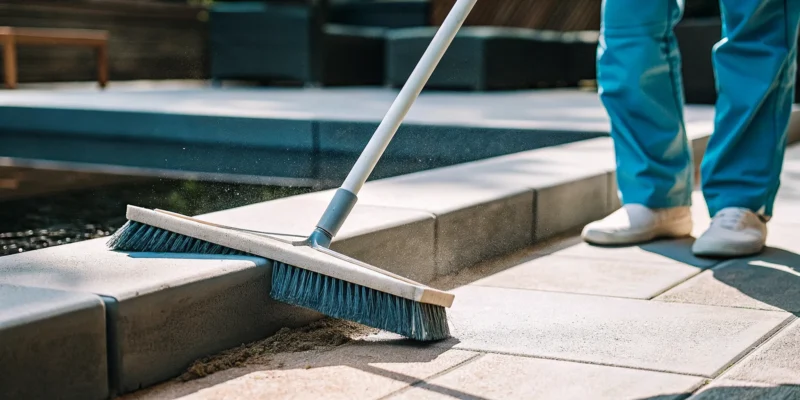
Sweeping polymeric sand into paver joints for a stable, weed-free patio surface.

Polymeric Sand for Pavers: A Complete DIY Guide

For many homeowners, the battle against weeds sprouting between patio pavers is a constant chore. Just when you think you’ve pulled them all, new ones appear. This frustrating cycle is often a sign that the joint filler isn’t doing its job. If you’re tired of the endless maintenance, it’s time to learn about polymeric sand for pavers. This innovative product creates a hardened barrier that makes it nearly impossible for weed seeds to take root. It also prevents insects from burrowing underneath and stops erosion from washing out the joints during heavy rain. It’s a simple upgrade that delivers powerful, long-term results, letting you spend less time on upkeep and more time enjoying your beautiful outdoor living area.

Key Takeaways

  • Choose performance over price: Polymeric sand is a smart upgrade from regular sand because its polymer additives harden when wet. This process locks pavers in place, creating a durable barrier that effectively stops weeds and resists erosion.
  • Master the application details: A flawless finish depends on careful preparation. Start with a completely dry surface, fill joints to the correct depth, and use a leaf blower to remove all sand residue from paver tops before activating with a gentle mist of water.
  • Recognize when to reapply or call a pro: Expect to refresh your sand every few years, especially if you see weeds or wobbly pavers. If your patio has deeper issues like an uneven base, hiring a professional ensures a lasting fix and a perfect result.

What Is Polymeric Sand and How Does It Work?

If you’ve ever admired a perfectly smooth paver patio and wondered how the stones stay so neatly in place, the secret is likely polymeric sand. Think of it as the high-performance glue that holds your outdoor masterpiece together. It’s a special type of sand used to fill the joints, or gaps, between pavers, natural stones, and bricks. Unlike the loose sand you’d find at the beach,

This process not only locks your pavers in place but also adds a clean, finished look to your patio, walkway, or driveway. It’s a crucial final step in any professional masonry project that ensures your investment looks great and lasts for years. Understanding how it works is the first step to achieving a flawless, long-lasting finish for your outdoor space.

Breaking Down the Ingredients

So, what exactly is in this special sand? At its core, polymeric sand is a simple mixture of fine sand and polymer additives. These polymers are the key ingredient. They act as a powerful binding agent that remains dormant until it comes into contact with water. When you wet the sand according to the product’s instructions, the polymers activate and begin to harden.

This chemical reaction creates a firm yet flexible bond that locks the pavers together, transforming individual stones into a single, interconnected surface. It’s this unique formula that gives your patio or walkway its stability and resilience against the elements, preventing shifting and maintaining that crisp, professional appearance.

Polymeric Sand vs. Regular Sand: What’s the Difference?

You might be wondering if you can just use regular sand from the hardware store. While regular sand can fill the gaps, it simply can’t compete with the performance of polymeric sand. The biggest difference is durability. Polymeric sand’s binding agents help stop weeds from growing through the cracks and keep pesky insects from burrowing underneath your pavers.

Unlike regular sand, which can easily wash out during a heavy rainstorm, properly installed polymeric sand stays put. This hardened joint is specifically designed to withstand foot traffic, weather, and erosion, keeping your stone pavers secure for years to come. It’s a small upgrade that makes a huge difference in the longevity and maintenance of your outdoor living area.

Why Use Polymeric Sand for Your Pavers?

If you’ve invested in a beautiful paver patio or walkway, the last thing you want is for it to be overrun with weeds or become uneven. The secret to a long-lasting, pristine paver surface lies in the joints, and that’s where polymeric sand comes in. This isn’t just ordinary sand; it’s a high-tech mix of fine sand and polymer binders that hardens when activated with water. Using it to fill the gaps between your pavers offers some major advantages over traditional joint sand, transforming your outdoor space from high-maintenance to hassle-free.

Say Goodbye to Weeds and Pests

One of the biggest headaches for paver owners is the constant battle against weeds sprouting up in the joints. Polymeric sand creates a solid, durable barrier that stops weed seeds from taking root. When the sand hardens, it forms a firm bond that’s almost impossible for weeds to penetrate. This also means you can say goodbye to pesky ants and other insects that love to build their homes in the soft sand between pavers. You’ll spend less time on your knees pulling weeds and more time actually enjoying your beautiful masonry work. It’s a simple step that provides a powerful, long-term defense for your patio or driveway.

Keep Your Pavers Stable and Strong

Have you ever walked across a paver patio and felt a few stones wobble under your feet? That’s often a sign that the joint sand has washed away, leaving the pavers loose. Polymeric sand solves this problem by acting like a flexible yet firm grout, locking each paver securely in place. This interlocking bond distributes weight more evenly and prevents the pavers from shifting over time. It’s also highly resistant to erosion from heavy rain or power washing. While regular sand can easily wash out, polymeric sand stays put, ensuring your paver surfaces remain stable, safe, and level for years to come.

Enjoy a Flawless Finish and Easy Maintenance

Beyond its structural benefits, polymeric sand gives your paver project a clean, polished look. It fills the joints completely, creating a smooth and uniform surface that highlights the beauty of the stones themselves. With various colors available, you can even choose a sand that complements your pavers perfectly. This flawless finish also makes maintenance a breeze. Since the joints are sealed, dirt and debris tend to sit on the surface instead of getting lodged in the cracks, making cleanup as simple as a quick sweep or rinse. For a perfect application without any leftover haze, professional restoration and sealing can ensure your patio looks its best from day one.

Choosing the Right Type of Polymeric Sand

Walking into a home improvement store and seeing a wall of different polymeric sand options can feel a bit overwhelming. They aren’t all created equal, and picking the right one is key to getting that durable, beautiful finish you’re looking for. The best choice for your project depends on a few things: the type of traffic your paver surface will get, the look you want to achieve, and the specific size of the joints between your pavers. Thinking through these factors beforehand will help you select the perfect sand for a long-lasting, professional-looking result.

Standard vs. Premium: Which Is for You?

Think of polymeric sand as a special blend of sand mixed with a glue-like polymer. When you add water, it activates and hardens, locking your pavers tightly in place. While any polymeric sand is a big step up from regular sand, you’ll usually find two main grades: standard and premium. Standard-grade sand is great for projects with less foot traffic, like a garden walkway or a small patio. Premium options contain stronger polymers, offering more flexibility and durability. This makes them ideal for high-traffic areas like driveways or pool decks, wider paver joints, and places exposed to harsh weather. If you want maximum protection against weeds and erosion, investing in a premium product is often worth it.

Finding the Perfect Color Match

The color of your polymeric sand plays a huge role in the final look of your project. It can either blend in seamlessly with your pavers or create a striking contrast that makes the pattern pop. Most brands offer a range of neutral colors like gray, beige, and black to complement different paver styles. To find the perfect match, take a sample of your paver with you when you shop, or bring a few sand color samples home. Seeing the colors together in the natural light of your outdoor space is the best way to decide. A well-chosen color will tie the whole look together, giving your patio or walkway a polished, cohesive finish.

Making Sure It Fits Your Paver Joints

Polymeric sand is designed to work within a specific range of joint widths, typically between 1/8 of an inch and up to 4 inches, depending on the product. Before you buy, measure the gaps between your pavers. If the joints are too narrow, the sand won’t be able to fill them properly, leading to a weak bond. If they’re too wide for the product you chose, it may wash out or crack over time. Always check the manufacturer’s instructions on the bag to see the recommended joint width and depth. Getting the right fit ensures the sand can compact properly and create a strong, flexible bond that will last for years. If you’re unsure, our masonry experts can always help.

How to Apply Polymeric Sand: A Step-by-Step Guide

With the right polymeric sand in hand, you’re ready for the most important part: the application. Getting this right is key to achieving that durable, professional-looking finish for your paver patio, walkway, or driveway. The process isn’t complicated, but it does require attention to detail. By following these steps carefully, you can ensure your pavers stay locked in place and free from weeds for years to come. Let’s walk through exactly how to get it done.

Prep and Clean Your Paver Surface

A successful application starts with a clean slate. Before you even open the bag of sand, your paver surface and joints must be completely clean and, most importantly, bone dry. Any moisture can activate the polymers prematurely, leaving a hazy film on your pavers that’s tough to remove. Start by clearing out any old sand, dirt, or weeds from the joints. A pressure washer on a gentle setting or a sturdy utility knife can work well for this. Once the joints are clear, sweep the entire surface thoroughly. If you’re dealing with stubborn stains or an older patio, professional restoration and sealing services can get your pavers back to their original condition.

The Right Way to Install Polymeric Sand

Once your surface is perfectly dry, pour the polymeric sand directly onto the pavers. Using a push broom with stiff bristles, sweep the sand across the surface, guiding it into the joints from multiple angles. Your goal is to fill each joint to the very bottom. After the initial fill, you need to compact the sand to eliminate any air pockets. You can do this by gently tapping the pavers with a rubber mallet or by using a plate compactor for larger areas. This vibration helps the sand settle deep into the joints. Add more sand and repeat the process until the joints are filled to about 1/8 inch below the paver’s edge. Finally, use a leaf blower on a low setting to remove every last grain of sand from the paver surfaces.

Activating and Curing for a Perfect Set

Now it’s time to activate the polymers with water. Set your garden hose nozzle to a gentle “shower” or “mist” setting. A strong jet of water will wash the sand right out of the joints. Start at the highest point of your paved area and work your way down, watering in small sections. Lightly spray each section for about 20-30 seconds, let the water soak in, and then repeat two or three more times until the joints are saturated. You’ll know they’re done when the water starts to pool slightly on top. Once you’ve watered the entire area, the curing process begins. Check the manufacturer’s instructions, but most products need 24-48 hours to fully harden. During this time, it’s crucial to keep all foot and vehicle traffic off the pavers.

Common Polymeric Sand Mistakes to Avoid

Applying polymeric sand can give your patio or walkway a professional, long-lasting finish. But a few simple mistakes can turn your dream project into a frustrating mess. Getting the details right is key to avoiding issues like a hazy film on your pavers or joints that wash out in the first rainstorm. Let’s walk through the most common slip-ups so you can get a flawless result the first time. By paying close attention to the weather, your application technique, and how you water, you’ll ensure your hard work pays off with a beautiful, durable surface that stands the test of time.

Don’t Ignore the Weather Forecast

Think of yourself as a fair-weather friend to your polymeric sand project. The polymers in the sand need a specific set of conditions to cure properly, and moisture is the main variable you need to control. Before you even open the bag, check the forecast. You need a solid 24-48 hours of dry weather after you finish the job. Rain can wash the sand out of the joints before it has a chance to harden, creating a mess and weakening the bond. It’s also important that your pavers and the joint base are completely dry before you start. Any existing moisture can cause the sand to clump and cure unevenly. If your patio has low spots that tend to collect water, you’ll want to address those drainage issues first. Proper masonry installation is foundational to good drainage and a long-lasting paver surface.

Avoid Overfilling and Hazy Surfaces

One of the most common frustrations with polymeric sand is “poly-haze,” a white, cloudy film that can linger on your paver surfaces. This happens when sand residue is left on top of the pavers when you add water. To avoid this, be meticulous about cleaning. After sweeping the sand into the joints, use a leaf blower on a low setting to blow all the excess dust and grains off the surface. Make sure the joints are filled correctly, leaving the sand about 1/8 inch below the paver’s edge. This small gap prevents the sand from smearing onto the surface during activation. Overfilling is a primary cause of hazing. If you do end up with a hazy finish, don’t panic. There are cleaners available, but prevention is always easier. For stubborn haze or older stains, professional restoration and sealing services can bring your pavers back to life.

Using the Right Amount of Water

Activating the sand with water is the final, and arguably most critical, step. This is where the magic happens, as the water causes the polymers to bind and harden. However, using the wrong amount of water can ruin the entire application. Too little water will only harden the top layer, leaving the sand below loose and unstable. Too much water can wash the binding polymers right out of the joints, resulting in a weak bond that won’t stand up to weeds or weather. The best method is to use a hose with a spray nozzle set to a gentle “shower” setting. Mist the pavers in a sweeping motion, allowing the water to soak in slowly. Repeat this two or three times until the joints are saturated but not flooded. You want the water to penetrate to the bottom of the joint without dislodging the sand. This careful approach ensures a strong, consistent bond from top to bottom.

How Long Does Polymeric Sand Last?

When you put your time and energy into a paver project, you want the results to last. So, how long can you expect your polymeric sand to hold up? Generally, a good application of polymeric sand will last between three to five years. However, with the right conditions and a top-notch installation, it’s not uncommon for it to last up to 10 years.

The biggest factor influencing its lifespan is the quality of the initial application. A job done right from the start will always perform better. Other elements also play a part, like the amount of foot traffic the area receives and the local weather. Here on Long Island, our patios and walkways face freeze-thaw cycles, which can be tough on any jointing material. Proper drainage is also crucial; if water constantly pools on your patio, it can shorten the sand’s life.

Ensuring your pavers are installed on a solid base with good drainage is the first step toward a long-lasting finish. When every step is handled correctly, from the base preparation to the final curing of the sand, you give your project the best possible chance to reach that 10-year mark. For complex projects, working with a professional masonry team can make all the difference in maximizing durability.

What Makes Polymeric Sand Last Longer?

The secret to polymeric sand’s durability is right in its name: polymers. These are binding agents mixed in with the fine sand particles. Think of it as a special sand blended with a powerful, water-activated adhesive. When you introduce water, these polymers create a glue-like reaction, causing the sand to harden into a firm yet flexible joint.

This hardened material locks your porcelain and natural stone pavers in place, preventing them from shifting over time. Unlike regular sand, which can easily wash away with heavy rain or get displaced by foot traffic, polymeric sand stays put. This solid barrier is what gives it its staying power, resisting erosion and effectively blocking weeds and insects from making a home between your pavers.

Signs It’s Time for a Reapplication

Your patio will give you a few clear signals when it’s ready for a refresh. Catching these signs early can prevent small issues from turning into bigger problems. Here’s what to look for:

  • Empty or Low Joints: If you notice the sand between your pavers looks sunken or washed out, it’s a sign of erosion.
  • Weeds and Moss: Are little green sprouts popping up? This is a clear indication that the sand’s protective barrier has weakened, allowing seeds to take root.
  • Loose Pavers: If a few pavers have started to wobble underfoot, the sand is no longer doing its job of locking them securely in place.
  • Ant Hills: Tiny mounds of sand are a telltale sign that insects have found a way to tunnel through the joints.

If you’re seeing any of these issues, it might be time to consider Gappsi’s restoration and sealing services to bring your patio back to life.

Tips to Extend Its Lifespan

A little care goes a long way in getting the most out of your polymeric sand. To help it last as long as possible, follow these simple tips.

First, preparation is everything. If you’re reapplying, make sure you remove all the old, failed sand and any debris from the joints. Clean the paver surfaces thoroughly and let them dry completely before you begin.

Next, pay close attention to the curing process. After activating the sand with water, keep all foot traffic off the area for at least 24 hours and vehicles off for 72 hours. If heavy rain is in the forecast, protect the surface with a tarp to allow the sand to set properly without being disturbed.

Polymeric Sand vs. Other Joint Fillers

When you’re finishing a paver project, you have a few options for filling the joints. The most common alternative to polymeric sand is regular jointing sand, sometimes called paver sand. While it’s less expensive, it doesn’t offer the same long-term benefits. Think of regular sand as a simple filler, while polymeric sand is an active bonding agent that works to protect and stabilize your entire patio or walkway.

So, how do they really stack up against each other? Let’s compare their performance and look at whether the extra cost for polymeric sand is a smart investment for your home.

Comparing Durability and Performance

The biggest difference between polymeric sand and regular sand comes down to its composition. Polymeric sand is a special mix of fine sands and polymer additives. When you add water, these polymers activate and harden, creating a firm, durable joint. According to the experts at Sakrete, this hardened material is much better than regular sand because it helps stop weeds from growing, resists washing out during heavy rain, and keeps insects from burrowing between your pavers.

Regular sand, on the other hand, stays loose. It can easily be washed away by rain or a hose, creating a mess and leaving your paver joints empty. This means you’ll have to reapply it often. More importantly, polymeric sand locks the pavers together, adding stability to the entire surface. This is a crucial part of any quality masonry project and ensures your investment looks great for years.

Is It Worth the Investment?

It’s true that polymeric sand costs more upfront than regular sand, which might make you pause. However, it’s a worthwhile investment that pays for itself over time. Because it creates a durable, semi-solid joint, you won’t have to spend your weekends pulling weeds or sweeping away anthills. It provides long-lasting stability and a much cleaner, more polished look for your pavers.

Think of it this way: the higher initial cost saves you money and time on maintenance down the road. You won’t need to buy bags of replacement sand every year or spend hours on upkeep. The demand for polymeric sand is rising in both residential and commercial construction for this very reason. It delivers a professional-grade finish that protects your patio, driveway, or walkway, making it a smart choice for any homeowner who values durability and a pristine appearance.

When to Call in the Pros for Your Project

Tackling a home improvement project yourself can be incredibly satisfying. But sometimes, what looks like a simple weekend task can reveal deeper issues that need an expert eye. Applying polymeric sand is often straightforward, but knowing when to step back and call a professional can save you time, money, and a lot of frustration. It’s the key to ensuring your patio or walkway not only looks great but is also structurally sound for years to come.

Deciding between DIY and hiring a pro often comes down to the complexity of the job and the quality of the finish you’re after. If your pavers are in rough shape or you simply want the peace of mind that comes with a flawless, long-lasting result, bringing in an experienced team is a smart move. Let’s walk through a few signs that indicate your project might be bigger than it seems.

Assessing Your Project’s Complexity

Take a good look at your paver surface. Is it mostly level with just a few weeds, or are you seeing more significant problems? If your pavers are very broken, tilted, or uneven, this usually points to an issue with the foundation beneath them. Simply sweeping in a new layer of polymeric sand won’t fix the root cause. A professional will need to lift the pavers, re-level the base, and replace any damaged stones before application. Ignoring these underlying problems means you’ll likely face the same issues again in a year or two. A professional restoration and sealing service can properly diagnose and fix these foundational issues for a lasting repair.

The Advantages of a Professional Touch

Even if your pavers are in good condition, there are still great reasons to hire a professional. Reapplying polymeric sand might seem like a minor maintenance task, but it plays a big role in extending the life and look of your hardscape. Professionals have the right equipment, like commercial-grade plate compactors, to ensure the sand settles deep into the joints for maximum stability. They also have the experience to avoid common DIY mistakes, such as leaving a hazy residue on the paver surface or using the wrong amount of water during activation. Hiring an expert masonry team guarantees the job is done efficiently and correctly the first time, giving you a perfect finish without the guesswork.

Related Articles

Frequently Asked Questions

Can I just add new polymeric sand on top of the old stuff? It’s tempting to take a shortcut, but for the best results, you really need to remove the old, failed sand first. The new sand needs to fill the entire joint from bottom to top to create a strong, stable bond. If you just top it off, the new layer will be too thin to harden properly and will likely crack or wash away, leaving you back where you started. Taking the time to clean out the joints completely ensures a durable, long-lasting finish.

What should I do if it unexpectedly rains after I’ve applied the sand? An unexpected rain shower is a common worry. If you can, cover the area with a plastic tarp as soon as you see rain coming. If the area does get wet before the sand has had a chance to cure, the best thing to do is wait. Let it dry out completely for a day or two and then check the joints. Sometimes, a light shower won’t cause major issues, but a heavy downpour can wash the polymers out. If the sand is loose or washed out after drying, you will likely need to re-do the application.

Is polymeric sand a good choice for around a swimming pool? Absolutely. In fact, it’s an excellent choice for pool decks. The area around a pool sees a lot of water and foot traffic. Polymeric sand creates a solid joint that won’t wash out from splashes or rain. It also helps keep the paver surface stable and prevents weeds from growing, which keeps your pool area looking clean and well-maintained with less effort.

Why did my polymeric sand crack or wash out so quickly? If your polymeric sand failed soon after application, it usually points to an issue with the installation process. The most common reasons are applying it when the pavers were not completely dry, not compacting the sand enough to fill all the air pockets, or using too much or too little water during the final activation step. Poor drainage under the pavers can also cause problems, as constant moisture can weaken the bond over time.

How do I clean my paver patio without damaging the polymeric sand? Regular, gentle cleaning is the best way to maintain your patio. You can sweep it with a broom or use a leaf blower on a low setting to clear away debris. For dirt or stains, use a paver-safe cleaner and a brush with soft bristles. It’s best to avoid using a high-pressure washer, as the intense spray can blast the sand right out of the joints. If you must use one, use a wide-angle nozzle and keep a safe distance from the surface.
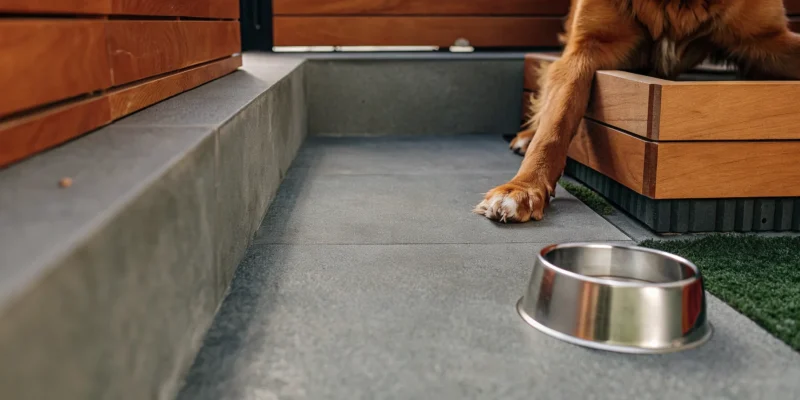
A dog's paws on the best artificial grass for pets.

Best Artificial Grass for Pets: A Pet Owner’s Guide

If you’re a pet owner, you know the constant struggle of maintaining a beautiful lawn. Between muddy paws tracked through the house, patchy yellow spots, and the endless worry about your dog digging up your hard work, a natural grass yard can feel like a losing battle. You deserve an outdoor space that’s both pristine and practical, a place where your pet can play freely without creating a mess. This is where artificial turf comes in. It offers a clean, durable, and consistently green solution. But not all turf is created equal. This guide will walk you through everything you need to know to choose the best artificial grass for pets, focusing on the key features that ensure a safe, hygienic, and beautiful lawn for your entire family.

Key Takeaways

  • Prioritize pet-specific turf features: When choosing artificial grass, look for excellent drainage to manage waste, non-toxic materials to ensure safety, and a durable, shorter pile height that simplifies cleaning.
  • Create a cleaner, safer environment: Artificial turf eliminates muddy paws tracked indoors, removes the need for potentially harmful lawn chemicals, and reduces common pests like fleas and ticks, making your yard healthier for your pet.
  • Rely on professional installation for lasting results: The long-term success of your pet-friendly lawn depends on expert installation. Proper ground preparation is essential for guaranteeing the superior drainage and durability needed to withstand daily play.

What to Look for in Pet-Friendly Artificial Grass

When you’re choosing artificial grass for your home, adding a pet to the mix changes the game. You’re not just looking for something green and neat; you need a surface that can handle everything from potty breaks to playful pounces. The right turf will make your life easier and give your pet a safe, comfortable space to enjoy. To find the perfect match, focus on a few key features that separate standard turf from a true pet-friendly solution. Let’s walk through exactly what you should look for.

Superior drainage for easy cleanup

First things first: drainage. This is probably the most important factor for any pet owner. When your dog does their business, you need assurance that liquids won’t pool on the surface. High-quality pet turf is designed with a permeable backing that allows urine and water to drain through quickly, preventing smelly puddles and making cleanup a breeze. Look for turf with a high drainage rate, ideally over 100 inches per hour. This ensures that a quick rinse with the hose is all you need to wash away messes, keeping your yard fresh and hygienic for everyone to enjoy.

Non-toxic materials for your peace of mind

Your pet’s safety is non-negotiable. Since they’ll be rolling, playing, and maybe even chewing on the grass, you need to be sure it’s made from non-toxic materials. The best synthetic turf for pets is free from harmful chemicals like lead, heavy metals, and PFAs. Always check that the product you’re considering has been tested and proven safe for animals. Choosing a hypoallergenic and lead-safe option gives you complete peace of mind, knowing your furry family member has a secure place to play without being exposed to any hazardous substances.

Durability that withstands zoomies and play

Pets can be tough on lawns. From energetic zoomies to determined digging, their daily activities can turn a natural lawn into a muddy mess. That’s why durability is a must-have. Pet-friendly artificial grass is engineered to withstand rough-and-tumble play. Its strong backing and resilient fibers resist digging, chewing, and heavy foot traffic, so your yard stays looking pristine. This resilience means you can say goodbye to patchy spots and muddy paws tracked through the house. It’s a clean, low-maintenance solution built to last through years of fun.

Odor-control to keep your yard fresh

No one wants a backyard that smells like a litter box. While superior drainage is the first line of defense against odors, some turf systems offer extra protection. Many modern options feature antimicrobial technology built into the blades or infill, which helps to break down bacteria from pet waste and prevent unpleasant smells from developing. For extra assurance, you can use specialized deodorizing products designed for turf. These solutions, like the ones we use for a custom dog run, sanitize the surface without harsh chemicals, keeping your yard smelling fresh and clean.

Why Long Island Pet Owners Choose Gappsi Turf

Choosing the right artificial grass for your pet involves more than just picking a product; it’s about trusting the team that installs it. For years, Long Island homeowners have turned to Gappsi for our deep understanding of local needs and our commitment to creating beautiful, functional, and pet-safe outdoor spaces. We combine high-quality materials with decades of hands-on experience to deliver a lawn that both you and your furry family members will love. Our approach is built on providing personalized service and flawless execution, ensuring your new turf is a perfect fit for your home and lifestyle.

We know that for parents and pet owners, safety is the top priority. Synthetic turf provides peace of mind by creating a controlled, clean, and safe outdoor environment. From the initial design consultation to the final installation, our team works with you every step of the way. We listen to your concerns, answer your questions, and make sure the final result exceeds your expectations. It’s this dedication to quality and customer satisfaction that has made us a trusted name in home improvement across Suffolk and Nassau counties.

Customized solutions for your yard and pet

Your yard is unique, and so is your pet. That’s why we don’t believe in one-size-fits-all solutions. We take the time to understand how you and your pet use your outdoor space. Whether you have a tiny terrier who loves to sunbathe or a high-energy retriever who needs room to run, we design a turf solution that works for everyone. Gappsi also designs custom dog runs with American-made synthetic grass and safe chain-link fencing, providing a secure, comfortable space for pets to play and exercise outdoors. We consider every detail, from the layout of your yard to your pet’s specific habits.

Expert installation for flawless results

The best artificial turf in the world won’t perform well if it’s not installed correctly. Our experienced team handles every aspect of the installation process with precision and care, ensuring proper ground preparation, seamless connections, and optimal drainage. We know that a flawless installation is key to a long-lasting, beautiful lawn. As one of our clients shared, “Gappsi designed our inground pool, laid artificial turf, as well as laid natural stone in our yard. We absolutely love the work they did in our yard.” This level of satisfaction comes from our team’s dedication to getting every detail right, from start to finish.

High-quality, pet-safe materials

Your pet’s safety is our top priority. We exclusively use high-quality, non-toxic turf materials that are completely safe for animals and children. You’ll never have to worry about your pet being exposed to harmful chemicals, lead, or heavy metals. This commitment to safety means you can let your pet play freely with complete peace of mind. We also ensure our turf is paired with effective cleaning solutions that are just as safe. As our product guides state, our sanitizers are “specially designed to sanitize and deodorize synthetic turf without the use of harsh chemicals. It’s safe for both humans and pets.”

Local expertise you can trust

As a Long Island-based company, we have a unique understanding of the local environment. We know the soil, the weather patterns, and what it takes to create a durable, beautiful lawn that can withstand our region’s specific challenges. Since 1987, Gappsi has been helping homeowners across Suffolk and Nassau counties transform their properties. Our long history in the community is a testament to our reliability and commitment to quality. When you work with us, you’re not just hiring a contractor; you’re partnering with a local expert who is invested in making your home the best it can be.

How to Choose the Right Turf Features for Your Pet

When you’re creating a backyard oasis for your family, your furry members are a top priority. Choosing the right artificial grass involves more than just picking a shade of green; it’s about selecting features that ensure a safe, clean, and durable space for your pets to enjoy. The right turf makes cleanup a breeze, keeps your yard looking pristine, and gives your pet a comfortable surface for everything from sunbathing to spirited games of fetch. A beautiful, low-maintenance lawn that your dog loves is the ultimate win-win for any Long Island homeowner.

Thinking about the technical details might seem overwhelming, but it’s actually quite simple when you know what to look for. Key features like drainage capacity, blade height, and heat resistance can make all the difference in the long-term success of your lawn. A quality pet turf system is designed from the ground up, considering everything from the sub-base preparation to the type of infill used between the blades. This holistic approach ensures that your investment not only looks great on day one but also stands up to years of play, weather, and pet-related messes. Let’s walk through the most important factors to consider so you can feel confident you’re making the best choice for your home and your four-legged friend.

Get the right drainage rate

Proper drainage is non-negotiable when it comes to pet-friendly turf. Without it, pet urine can pool on the surface or get trapped in the backing, leading to unpleasant odors and a soggy, unhygienic mess. Look for turf with a high drainage rate, ideally over 100 inches per hour. This allows liquids to pass through quickly, washing away waste and keeping the surface fresh. A fully permeable backing is essential for this process. When you install synthetic turf, a proper sub-base is also prepared to ensure water drains away from the surface efficiently, preventing any lingering moisture or smells.

Choose the perfect pile height and density

Pile height, or the length of the grass blades, plays a big role in maintenance and comfort. For pets, a shorter pile height of around 1.6 inches or less is usually best. Shorter blades make it much easier to spot and clean up solid waste, and they are less likely to trap odors over time. This height also provides a soft yet sturdy surface that feels great under paws. Density refers to how many fibers are stitched into the backing. A denser turf is more durable and can better withstand the wear and tear of active pets, ensuring your lawn stays lush and full for years.

Select the best backing and infill

The backing and infill are the unsung heroes of a great pet turf system. The backing holds the turf blades in place, while the infill weighs the turf down, helps the blades stand upright, and provides cushioning. For pet areas, it’s crucial to choose a turf with a 100% permeable backing to maximize drainage. For the infill, opt for a non-toxic, antimicrobial material. Many modern infills are specifically designed to neutralize ammonia in pet urine, which is the primary source of odor. This combination creates a clean, safe, and fresh-smelling environment for everyone to enjoy.

Protect paws with UV and heat resistance

We all know how hot surfaces can get on a sunny Long Island day, and artificial turf is no exception. To keep your pet’s paws safe and comfortable, look for turf with built-in UV and heat resistance. Advanced technologies in modern turf and game courts can reflect sunlight, keeping the surface temperature significantly cooler than older turf products. UV protection also prevents the grass from fading or becoming brittle over time, preserving its vibrant color and soft texture. This ensures your lawn remains a safe and inviting place for your pet to play, even during the warmest months.

Artificial Turf vs. Natural Grass: What’s Best for Pets?

Choosing the right surface for your yard is a big decision, especially when you have a four-legged family member to consider. While a natural lawn has its classic appeal, many Long Island pet owners are finding that artificial turf offers a more practical, clean, and durable solution that stands up to zoomies and digging. The constant battle with mud, pests, and patchiness can make a natural lawn feel like more work than it’s worth. On the other hand, artificial turf promises a consistently green, low-maintenance space for everyone to enjoy. But is it the right fit for your home and your pet? The best choice comes down to a few key factors: maintenance, health and safety, long-term cost, and year-round usability. We’ll break down how natural grass and artificial turf stack up in each of these areas so you can feel confident in your decision and create a backyard that both you and your pet will love for years to come.

Maintenance: Say goodbye to mud and mowing

If you’re tired of muddy paw prints trailing through your house after every rainy day, you’re not alone. For many homeowners, muddy paws and a torn-up yard are top complaints. Artificial turf eliminates this problem entirely. Because it has a built-in drainage system and no soil, your yard stays clean and mud-free, no matter the weather. This also means you can say goodbye to the endless cycle of mowing, watering, and fertilizing. With high-quality synthetic turf and sports game courts, you get a perfectly green lawn with minimal effort, giving you more time for fetch and less time on chores.

Health & Safety: Avoid pesticides and pests

A pet’s health is a top priority, and your yard plays a big role in their well-being. Natural lawns often require chemical fertilizers, pesticides, and weed killers to stay lush, which can expose your pet to harmful toxins. Artificial turf provides peace of mind by creating a controlled and safe environment. It doesn’t need chemical treatments to look great, so your pet can roll around and play without you having to worry. Plus, turf is less hospitable to pests like fleas and ticks, which prefer the soil and moisture of a natural lawn. A professional landscape designer can help you integrate pet-safe turf seamlessly into your overall yard design.

Cost: Understand the long-term investment

There’s no getting around it: the initial installation cost for artificial turf is higher than laying down sod or seed. However, it’s important to look at the bigger picture. Think of it as a long-term investment in your property. With a natural lawn, you’re constantly paying for upkeep, whether it’s a higher water bill, bags of fertilizer, lawnmower fuel, or hiring a landscaping service. Over the years, these recurring costs add up significantly. Artificial turf, on the other hand, eliminates most of these expenses. It’s a one-time home remodeling project that pays for itself in savings and convenience.

Usability: Enjoy a perfect lawn year-round

A natural lawn can be temperamental. It gets muddy in the spring, can develop brown patches in the summer heat, and becomes a frozen, brittle surface in the winter. This often means there are long stretches when the yard is off-limits for play. Artificial turf is ready for action 365 days a year. Its durable surface stands up to energetic pets and drains quickly after rain, so there’s no downtime. For pet owners, we can even design custom dog runs with synthetic grass and secure fences and netting, giving your pet a secure and comfortable space to play and exercise outdoors, no matter the season.

Addressing Common Health and Safety Questions

When you’re thinking about a new lawn, your pet’s well-being is naturally at the top of your list. You want a space that’s not only beautiful and low-maintenance but also a safe playground for your furry family members. It’s smart to ask questions about what goes into your yard. Let’s walk through some of the most common health and safety concerns pet owners have about artificial turf, so you can feel confident in your decision.

Is it free of harmful chemicals?

Absolutely, your pet’s safety comes first. High-quality, modern artificial grass is specifically designed to be non-toxic and safe for both pets and children. Reputable manufacturers ensure their products are free from harmful chemicals like lead, PFAs, and other heavy metals. When we help you select your turf, we prioritize materials that are hypoallergenic and completely safe for your pets to roll around and play on. You can rest easy knowing that the synthetic turf we install is made with your family’s health in mind, giving you a beautiful yard without the worry.

Will it get too hot for my pet’s paws?

This is a great question, especially when you think about those sunny Long Island summer days. While older generations of turf could get warm in direct sunlight, today’s products are much more advanced. Many types of pet-friendly turf now include cooling technology, with fibers that are shaped to reflect sunlight and dissipate heat. This innovation helps keep the surface temperature comfortable and safe for sensitive paws. When choosing your turf, we can show you options with the best heat-resistance properties, ensuring your pet has a cool, comfortable place to play year-round.

How do I keep it clean and hygienic?

Keeping your artificial lawn fresh and clean is surprisingly simple. For solid waste, you just scoop it up as you would on any surface. For liquid waste, the turf’s built-in drainage system does most of the work. A quick rinse with a hose will wash away any residue and prevent odors from setting in. For a deeper clean, you can use specialized, pet-safe cleaners. We even offer products designed to sanitize and deodorize synthetic turf without harsh chemicals, ensuring your yard stays a pleasant and hygienic environment for everyone to enjoy.

Your Simple Guide to Maintaining Pet-Friendly Turf

One of the best things about artificial turf is how little maintenance it requires compared to a natural lawn. But a little regular care goes a long way, especially with pets. Keeping your turf clean and fresh is simple with a few easy habits. These steps will help you protect your investment and ensure your yard remains a beautiful, hygienic space for your whole family, paws included.

Quick daily clean-up

This is the easiest but most important step. Remove any solid waste as soon as you spot it, then give the area a quick rinse with a hose. This simple action prevents odors from setting in and keeps the surface clean and ready for your pet’s next play session. Think of it like wiping a kitchen counter right after you cook; doing it immediately makes deep cleans much easier and less frequent. It’s a small habit that makes a huge difference in maintaining a fresh, inviting, and hygienic yard for everyone.

Your weekly refresh routine

To keep your lawn looking and smelling its best, set aside a few minutes each week. A couple of times a week, give the areas where your dog frequently urinates a good rinse with the hose. For a deeper clean, a mixture of equal parts water and white vinegar can neutralize any lingering smells. Once a month, give the entire lawn a thorough rinse and gently brush the fibers with a stiff, non-metal brush. This helps the blades stand up and keeps your synthetic turf looking lush and new.

Simple strategies to prevent odors

The best way to deal with odors is to stop them before they start. During installation, choosing a safe, antibacterial infill is key, as it helps control smells and supports the grass blades. For ongoing maintenance, use a specialized turf deodorizer. Gappsi recommends products designed to sanitize and deodorize synthetic turf without harsh chemicals, making them completely safe for your pets. You can find effective and pet-friendly cleaning solutions at the Gappsi Store to keep your lawn fresh.

Know when it’s time for a replacement

High-quality synthetic turf is incredibly durable, but it won’t last forever, especially in a yard with active pets. Over time, you might notice signs of wear. Look for matted areas that won’t fluff up, persistent odors that cleaning can’t resolve, or visible damage like tears or separating seams. When your turf no longer provides that clean and safe environment for your pet, it might be time for an update. A fresh turf installation restores your yard’s beauty and function, ensuring your pet has a safe place to play for years to come.

How to Choose the Perfect Artificial Grass for Your Pet

Picking the right artificial grass for your pet goes beyond aesthetics. You’re creating a space for them to play, relax, and live, so it needs to be safe, durable, and easy to clean. Thinking through a few key factors will help you find the perfect match for your yard and your four-legged friend. Let’s walk through how to make the best choice for your home.

Assess your yard and drainage

Before you fall in love with a turf sample, take a good look at your yard. The success of your pet-friendly lawn depends heavily on what’s underneath it. Proper drainage is the most critical factor. Without it, pet urine and rainwater can pool, creating unpleasant odors and a soggy mess. A quality pet turf will have a permeable backing with plenty of drainage holes. We also ensure the ground is properly prepared with a base of crushed stone to help whisk moisture away, keeping the surface dry and fresh. A professional assessment of your yard’s grading and soil is the best first step to guarantee your synthetic turf performs perfectly for years to come.

Match the turf to your pet’s lifestyle

Think about your pet’s daily routine. Do you have a high-energy dog who loves to sprint and dig, or a calm cat who prefers to sunbathe? An active pet requires a highly durable turf with a strong, resilient backing that can withstand rough play. A shorter pile height (the length of the grass blades) is often easier to clean and more durable for energetic dogs. If you have multiple pets, prioritizing superior drainage and odor control is even more important. The goal is to create a clean, safe, and comfortable space. Gappsi can even design custom dog runs that give your pet a dedicated area to play without compromising the rest of your beautiful lawn.

Plan your budget and installation

Artificial turf is a significant investment in your home, but it pays off in the long run with minimal maintenance and water savings. Your total project cost will include the turf itself, the materials for the sub-base, and professional installation. While a DIY approach might seem tempting, we always recommend professional installation for pet turf. An expert team ensures the ground is perfectly graded, the base is compacted correctly for optimal drainage, and the seams are invisible and secure. This prevents future issues like lifting edges or poor drainage, giving you a flawless, long-lasting lawn where your pet can safely play.

Related Articles

Frequently Asked Questions

Will my yard smell bad, especially during hot Long Island summers? This is a top concern for pet owners, and a valid one. The key to preventing odors is a proper turf system, not just the grass itself. It starts with a permeable backing that allows liquids to drain through quickly, combined with a properly prepared base underneath that wicks moisture away. Using a specialized antimicrobial infill also works to neutralize ammonia from pet urine. With the right installation and a simple routine of rinsing the area regularly, your yard will stay fresh, even on the hottest days.

My dog is a big digger. Can they tear through the turf? High-quality pet turf is designed specifically to stand up to this kind of behavior. The material has a very strong, reinforced backing that is incredibly difficult for a dog to tear or dig through. Unlike natural grass, there’s no satisfying soil to get to underneath. This resilience means you can finally stop worrying about your dog creating muddy holes and tracking dirt into the house.

What’s the real difference between professional installation and doing it myself? While a DIY project can be tempting, professional installation is critical for a pet-friendly lawn. An expert team ensures the ground is graded correctly for perfect drainage, which is the most important factor in preventing odors and sogginess. They also prepare a solid sub-base, secure the turf properly, and make sure the seams are invisible and durable. A flawless installation is what guarantees your turf will perform well and last for years, even with active pets.

Does the type of infill really matter for a pet-friendly lawn? Yes, it absolutely does. The infill is the material that goes between the grass blades, and it plays a huge role in a pet turf system. It helps the blades stand up, provides cushioning for paws, and, most importantly, can help control odors. We recommend using a non-toxic, antimicrobial infill specifically designed to neutralize the ammonia in pet urine, which is the main source of bad smells. It’s a small detail that makes a massive difference in keeping your yard clean and fresh.

Can I still have real plants and garden beds with an artificial lawn? Of course. Artificial turf integrates beautifully with all kinds of landscaping features. You can absolutely design a yard that includes natural flower beds, shrubs, trees, and stone pathways alongside your turf. A professional designer can help you create a cohesive look that gives you the best of both worlds: a lush, green, low-maintenance area for your pet to play and beautiful, natural elements that complete your outdoor space.

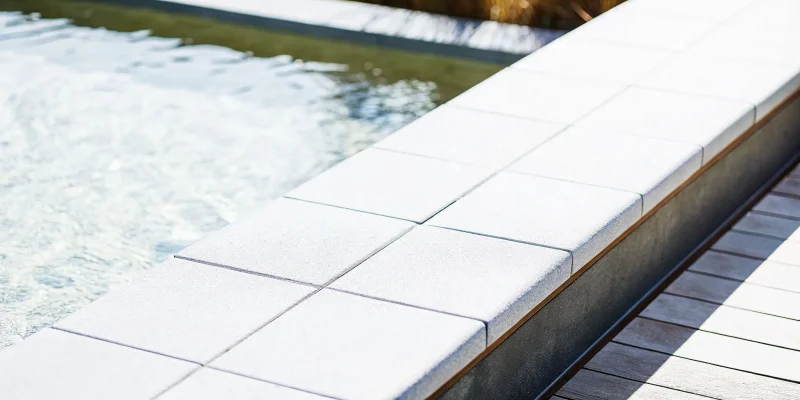
Modern porcelain pool copings with a slip-resistant tile surface beside the water.

Your Guide to Porcelain Tiles for Pool Copings

A swimming pool should be a source of relaxation, not a list of chores. Yet, many traditional coping materials demand constant attention. Natural stone needs regular sealing to prevent stains, while concrete can crack under the pressure of our harsh freeze-thaw cycles. These issues can turn your backyard oasis into a maintenance headache. This is exactly why so many homeowners are turning to a more resilient solution. Porcelain tiles for pool copings are engineered to resist stains, water damage, and fading, all without needing to be sealed. This guide will walk you through why this low-maintenance material is the perfect choice for a beautiful, worry-free pool.

Key Takeaways

  • Opt for porcelain for a low-maintenance finish: Its non-porous surface resists stains, weather damage, and fading, saving you time and money on upkeep compared to materials that require regular sealing.
  • Get your ideal look without compromising safety: Porcelain offers endless design options, from realistic wood grains to sleek stone, and comes in textured, slip-resistant finishes to keep your pool area safe for everyone.
  • Professional installation is non-negotiable: The long-term performance of porcelain coping depends on expert installation; using the correct adhesives and techniques is essential to prevent future issues and protect your investment.

What Are Porcelain Pool Copings?

If you’re planning a new pool or renovating an existing one, you’ve probably heard the term “coping.” Think of it as the frame for your masterpiece. It’s the material used to cap the edge of the pool shell, creating a finished look. While you have a few material options, porcelain has become a favorite for good reason. It’s a man-made product crafted from fine clay and fired at high temperatures, which makes it incredibly dense, strong, and beautiful.

What they are and why they matter

Porcelain pool copings are specially designed tiles that create a smooth, rounded border around your swimming pool. Unlike other materials, porcelain is non-porous, meaning it won’t absorb water. This prevents staining, frost damage, and the growth of mold or mildew, which is a huge deal for any outdoor surface, especially one that’s constantly exposed to chlorinated water and the elements here on Long Island. This durability matters because it translates directly to less work and fewer costs for you over time. You won’t have to worry about constant sealing or frequent repairs. Instead, you get a stunning, low-maintenance finish that lasts. Gappsi offers a curated collection of premium porcelain and natural stone that provides that perfect, lasting look for your backyard oasis.

The role of copings in pool safety and style

Coping isn’t just about looks; it serves a critical purpose for both safety and the structural health of your pool. The rounded edge, often called a bullnose, provides a secure and comfortable grip for swimmers as they enter or exit the water. Many porcelain tiles also feature a slightly textured, slip-resistant finish, adding an essential layer of safety for wet feet on the pool deck. Functionally, coping acts as a protective barrier. It directs water that splashes out of the pool away from the shell and into your deck drains. This prevents water from seeping behind the pool wall, which could cause serious damage over time. Aesthetically, the coping is what ties everything together, creating a seamless transition from your pool to your patio. The right choice can elevate your swimming pool from a simple backyard feature to a luxurious retreat.

Why Choose Porcelain for Your Pool Coping?

When you’re designing your dream pool, the details make all the difference. Pool coping, the material that caps the edge of your pool shell, is one of those crucial details. It’s not just about looks; it’s about safety, comfort, and longevity. While you have several options, porcelain has become a top choice for homeowners, and for good reason. It blends incredible strength with sophisticated style, giving you a beautiful finish that’s built to last.

Porcelain is an engineered material, which means it’s designed to overcome the common issues you see with other materials. It’s strong, non-porous, and incredibly versatile. Choosing porcelain for your pool coping means you’re investing in a material that will keep your pool area looking pristine with minimal effort. Let’s get into the specific benefits that make porcelain such a smart and stylish option for your Long Island home.

Unmatched durability and weather resistance

Here on Long Island, our pool materials have to withstand a lot, from scorching summer sun to freezing winter temperatures. Porcelain is exceptionally well-suited for this challenge. Because it’s fired at extremely high temperatures, it has a very low water absorption rate. This means it won’t soak up water that can freeze, expand, and cause cracks during the winter. Unlike some natural stones that can degrade over time, porcelain maintains its integrity year after year. This durability means fewer repairs and replacements down the road, making it a cost-effective choice for your swimming pool.

Low-maintenance for easy upkeep

Your pool should be a place for relaxation, not constant chores. Porcelain coping makes that possible. Its non-porous surface is highly resistant to stains from pool chemicals, spilled drinks, and even algae growth. A simple wipe-down is usually all it takes to keep it looking brand new. You won’t need to worry about annual sealing or special cleaners. This gives you an easy-maintenance, high-end finish that lets you spend more time enjoying your pool and less time working on it. You get a product that won’t fade, crack, stain, or be damaged by weather.

A safer, slip-resistant surface

Safety is always the top priority around a swimming pool, especially if you have kids or frequently host guests. Water and smooth surfaces can be a dangerous combination. Porcelain tiles are manufactured with safety in mind and are available in textured, matte finishes that provide excellent grip underfoot, even when wet. This slip-resistant quality offers peace of mind, allowing everyone to walk around the pool edge with confidence. When selecting your tiles, it’s important to choose a product specifically rated for pool decks and coping to ensure you get the right texture for maximum safety.

Versatile styles to match your aesthetic

Your pool coping should complement your home’s overall design, and porcelain offers endless possibilities to achieve your perfect look. Whether your style is modern, rustic, or classic, there’s a porcelain tile to match. These tiles are designed to “add an elegant and lasting look to your home.” You can find porcelain that beautifully mimics the appearance of natural stone, rich wood grains, or sleek concrete, all without the maintenance headaches of the real materials. You can explore a wide variety of these styles at the Gappsi Store to find the perfect finish for your outdoor oasis.

Porcelain vs. Other Coping Materials

When you’re deciding on the perfect finishing touch for your pool, it’s helpful to see how porcelain stacks up against other popular materials. Each option has its own unique profile when it comes to appearance, durability, and overall cost. The main contenders you’ll likely consider are natural stone, concrete, and brick. While all can create a functional pool edge, they differ quite a bit in maintenance needs and long-term performance. Understanding these differences will help you choose a material that not only fits your budget and style but also suits your lifestyle. Let’s break down how porcelain compares to the classics.

Porcelain vs. Natural Stone

Natural stone, like travertine or bluestone, offers a timeless, organic beauty that’s hard to deny. Each piece is unique, adding a touch of luxury that can attract future homebuyers. However, this beauty comes with responsibility. Natural stone is porous, meaning it needs to be sealed regularly to prevent stains and water damage. It can also be more expensive upfront. Porcelain, on the other hand, gives you the high-end look of stone without the demanding upkeep. Since it’s non-porous, you never have to seal it. It provides a consistent, durable surface that mimics the look of natural materials beautifully, making it a practical and cost-effective alternative. You can explore a wide variety of both porcelain and natural stone to see the difference for yourself.

Porcelain vs. Concrete and Brick

Concrete and brick are often seen as the most budget-friendly choices for pool coping. Poured or precast concrete can get the job done at a lower initial price point, but it comes with trade-offs. These materials can be rough on bare feet and swimsuits, and they are prone to cracking over time, especially with Long Island’s freeze-thaw cycles. They also require sealing to maintain their color and integrity. Porcelain offers a significant upgrade in both feel and function. Its smooth, dense surface is comfortable to walk on and incredibly resilient. It won’t fade in the sun or crack under pressure, giving your pool a polished, modern look that lasts for years. While Gappsi’s expert masonry team can install any material flawlessly, porcelain is the clear winner for durability.

A look at cost and long-term value

Thinking about the budget for your pool project involves more than just the initial price tag. While concrete may be the cheapest option upfront, porcelain often provides better long-term value. Its durability means you’ll spend far less on maintenance and repairs down the road. Unlike natural stone or concrete, porcelain doesn’t require costly annual treatments. You can skip the expense of professional cleaning and sealing services that other materials need to stay in good shape. By reducing these recurring costs, porcelain proves to be a smart investment that saves you money and time over the life of your pool.

Exploring Styles and Colors for Porcelain Copings

One of the best parts of designing your pool area is choosing the finishes that bring your vision to life. Porcelain coping is a fantastic choice because it offers an incredible range of styles, letting you create a space that feels uniquely you. Whether you’re dreaming of a sleek, modern oasis or a cozy, rustic retreat, there’s a porcelain tile that fits perfectly. Think of the coping as the frame for your masterpiece; it’s the finishing touch that ties your pool, patio, and landscaping together into one cohesive design.

Find your look: from modern to rustic

Because porcelain is a manufactured material, the design possibilities are nearly endless. You aren’t limited by what can be pulled from a quarry. This versatility means you can find a coping style to match any outdoor aesthetic. For a contemporary look, you might choose a large-format tile in a solid, neutral color with a clean, square edge. If you prefer something more traditional or rustic, you can find porcelain that mimics the look of classic stone. The key is to think about the overall vibe you want for your backyard and select a coping that complements it.

Popular color palettes

While you can find porcelain in many colors, the most popular choices tend to be timeless neutrals. Shades of gray, beige, cream, and white are always in style and create a sophisticated backdrop for your pool. These colors beautifully complement the sparkling blue water and any surrounding greenery in your landscape. Choosing a neutral palette for your coping also gives you more freedom to play with color in your outdoor furniture, planters, and decor, knowing that your pool’s border will work with any accents you choose season after season.

Realistic wood and stone finishes

Want the warm, inviting look of wood or the earthy texture of natural stone without the demanding upkeep? This is where porcelain truly shines. Modern manufacturing techniques make it possible to create porcelain pavers with incredibly realistic wood grain or stone vein patterns. You can achieve the aesthetic of a natural material while getting all the benefits of porcelain’s strength and low maintenance. It’s the perfect way to get a high-end, natural look that’s built to last through every Long Island season.

Textured surfaces for added safety

When it comes to your swimming pool, safety is just as important as style. The area around the water will inevitably get wet, so choosing a slip-resistant material is essential. For pool decks and copings, it’s best to select a porcelain tile with a textured or matte finish rather than a smooth, polished one. This texture provides better traction underfoot, helping to prevent slips and falls. It’s a simple choice that makes a big difference in creating a safer and more enjoyable environment for your family and guests.

Finding the Best Porcelain Tile Brands

Once you’ve decided on porcelain for your pool coping, the next step is choosing a brand. This might seem like a small detail, but the manufacturer you choose can make a big difference in the quality, durability, and overall look of your finished project. Different brands specialize in different finishes, thicknesses, and styles, so it’s worth doing a little research to find the one that aligns with your vision and performance needs.

The good news is that you don’t have to sort through countless options alone. A trusted partner can guide you to collections that are proven to perform well, especially in the unique climate of Long Island. At Gappsi, we’ve spent years curating a selection of top-tier porcelain tiles that we stand behind, ensuring you get a product that is as beautiful as it is resilient. Let’s explore what makes our collection special and what to look for in other quality manufacturers.

Discover Gappsi’s premium porcelain collection

We’ve carefully selected a premium collection of outdoor porcelain pavers specifically for projects like pool copings. Unlike standard indoor tiles, our porcelain is thicker and engineered for superior durability. This is crucial for a pool area, which has to endure everything from constant sun and water exposure to heavy foot traffic and changing seasons. Our pavers are designed to resist wear and tear, so you can be confident you’re investing in a solution that will look stunning for years to come. By focusing on high-performance materials, we help you create a safe, stylish, and long-lasting outdoor oasis.

A look at other top manufacturers

When you look at the broader market, you’ll notice that leading manufacturers focus on a few key qualities. Many brands emphasize the cost-effectiveness of their porcelain, highlighting how its incredible durability reduces long-term maintenance and replacement costs. Others specialize in creating specific trim and coping pieces that are engineered for both strength and a clean, finished aesthetic around the pool’s edge. Top designers often gravitate toward brands that offer a wide range of elegant styles and realistic textures, proving that porcelain can deliver both longevity and high-end appeal. These are the hallmarks of a quality brand and the exact standards we use to select products for our own clients.

How to Choose the Right Porcelain Pool Coping

Once you’ve explored the beautiful styles and colors of porcelain, it’s time to get practical. Choosing the right coping isn’t just about picking your favorite look; it’s about selecting the perfect fit for your pool’s structure, your backyard design, and our unique Long Island environment. Thinking through a few key details will ensure your pool edge is not only stunning but also safe, durable, and built to last. Let’s walk through the most important factors to consider so you can make a choice with confidence.

Selecting the perfect size, thickness, and edge

The dimensions of your coping play a huge role in your pool’s look and function. Most porcelain coping tiles are two centimeters thick, offering a sleek, modern profile that’s incredibly strong. For a bolder look, some options come in a five-centimeter thickness. The edge style is another key decision. A rounded “bullnose” edge is a classic that provides a soft, comfortable grip, while a straight edge offers a clean, contemporary aesthetic. When you explore different porcelain pavers, consider how these details will contribute to your pool’s overall character and safety.

Coordinating colors with your overall design

Your pool coping is the frame for your pool, so its color should connect with the rest of your outdoor space. With so many styles available, you can easily find a porcelain tile to match any outdoor area. Look at your home’s siding, your patio materials, and your landscaping. Do you want the coping to blend seamlessly or create a contrast that makes the pool pop? I always recommend getting samples to see how they look under the Long Island sun. The right color will tie your entire landscape design together beautifully.

Planning for proper drainage

Water management around a pool is non-negotiable. Proper drainage is crucial to prevent water from pooling on the surface, which can create slipping hazards and strain the pool structure over time. The coping should be installed with a slight slope away from the pool’s edge to direct splashes and rainwater toward deck drains. It’s a technical detail that makes a world of difference for safety and longevity. When discussing your swimming pool project, make sure you work with your installer to create an effective drainage plan from the start.

Considering Long Island’s climate

Here on Long Island, we get the full range of seasons, and your pool coping needs to handle it all. This is where porcelain truly shines. Because it absorbs very little water, it’s highly resistant to the freeze-thaw cycles that can crack more porous materials. Its durability means fewer repairs and lower maintenance costs over the years. Porcelain is also fade-resistant, so its color will stay true even after years of summer sun. Choosing a weather-resistant material is a smart investment that looks great season after season, without needing constant restoration and sealing.

Breaking Down the Cost of Porcelain Copings

When you’re planning your pool project, the budget is always a key consideration. Understanding the costs associated with porcelain copings can help you make an informed decision that balances beauty, durability, and your finances. The price isn’t just about the tiles themselves; it’s a combination of materials, installation, and long-term value. Let’s look at what goes into the total cost.

Price factors: style and brand

Porcelain pool copings come in a wide range of price points, largely depending on the style and brand you choose. While it’s generally more affordable than premium natural stone, the specific design impacts the cost. For example, tiles that expertly mimic the look of rare marble or rustic wood may have a higher price tag than simpler, solid-color options. At Gappsi, we offer a curated selection of high-quality porcelain and natural stone to fit various budgets and design visions. Think of it like any other design element for your home: premium brands and more intricate patterns will be a larger investment upfront, but they also bring a unique character to your poolside.

What to expect for installation costs

The cost of the tiles is only one part of the equation; professional installation is the other. While materials like precast concrete might seem cheaper initially, the skill required for a flawless porcelain installation is what ensures its longevity. Proper installation prevents issues like cracking or shifting down the road, which can be expensive to fix. The process involves careful surface preparation, using the right adhesives for a poolside environment, and ensuring perfect alignment. Investing in an expert team for your swimming pool construction guarantees your coping will not only look stunning but will also be safe and durable for years of enjoyment.

How porcelain saves you money over time

Here’s where porcelain truly shines as a smart investment. While the initial cost might be higher than some alternatives, it offers significant long-term savings. Porcelain is incredibly durable and non-porous, meaning it resists stains, fading, and water damage without needing regular sealing. This saves you money on the maintenance and restoration services that other materials like natural stone often require. Its strength also means it’s less likely to chip or crack, reducing the need for costly repairs or replacements. For Long Island homeowners, this resilience against weather and wear makes porcelain a cost-effective choice that keeps your pool looking pristine with minimal effort and expense.

A Guide to Porcelain Coping Installation

Porcelain coping is an incredible choice for its beauty and durability, but the secret to making it last is all in the installation. Getting the details right ensures your pool edge looks stunning and stands up to years of sun and splashes. Here’s a look at the key steps for a flawless finish.

Preparing the surface correctly

Think of this as the foundation of your project. Before a single tile is laid, the pool’s bond beam must be perfectly clean, dry, and level. Any lingering dust or debris will prevent the new coping from bonding properly, which can lead to shifting or cracking down the road. A strong, stable base is non-negotiable for a professional result that lasts. This meticulous prep work is a hallmark of quality masonry and is the first step toward a secure pool edge.

Using the right adhesive for pools

The adhesive you use is just as important as the porcelain itself. A standard tile adhesive won’t work in a pool environment with its constant exposure to water and chemicals. For porcelain coping, you need a high-performance, polymer-modified thin-set mortar specifically formulated for wet conditions. Using the right product ensures a powerful, waterproof bond that holds your coping securely in place for decades. This is a crucial detail that protects the integrity of your entire swimming pool structure.

Ensuring proper spacing and joints

Those small gaps between each piece of coping are more than just a design choice. Proper spacing is essential, as these joints allow the tiles to expand and contract with temperature changes without cracking or buckling. Using tile spacers ensures every gap is uniform for a clean, professional look. Once the tiles are set, these joints are filled with a flexible, durable grout that can withstand the pool environment. This small detail makes a huge difference in the longevity of your coping.

The value of professional installation

While it might be tempting to tackle this project yourself, installing pool coping has many nuances. From achieving the perfect slope for drainage to cutting intricate curves, experience makes a difference. A professional installer understands the common pitfalls and has the right tools and materials to get the job done efficiently. Investing in expert installation from a team that specializes in porcelain and natural stone means you can relax, knowing your pool coping will be safe, beautiful, and correctly installed from day one.

Where to Find Porcelain Pool Copings on Long Island

Once you’ve decided on porcelain, the next step is finding the perfect tiles for your Long Island home. You have a few great options, from visiting local showrooms to partnering with a full-service expert who can manage the entire process for you. The right path depends on how hands-on you want to be. For most homeowners, a combination of seeing materials in person and getting professional guidance ensures the best results for your poolside project.

Exploring local suppliers and showrooms

There’s a real advantage to seeing your options up close. Visiting a local showroom allows you to touch the different textures, compare colors in natural light, and get a true sense of the material’s quality. Photos online can be helpful, but they don’t always capture the subtle details and finishes of a porcelain tile. At a showroom, you can lay out different samples next to each other and visualize how they’ll look with your pool and patio design. The Gappsi Store is a great place to explore a curated selection of high-quality porcelain pavers and get expert advice tailored to Long Island’s unique environment.

Shopping online vs. in-person

Shopping online offers convenience and an almost endless variety of styles at your fingertips. You can browse options from multiple brands from the comfort of your home. However, the biggest drawback is not being able to see the product before you buy. Colors can vary significantly from screen to screen, and what looks like a perfect match online might clash with your existing hardscaping. Shopping in person removes that guesswork. It also gives you the opportunity to speak with a professional who can answer your questions immediately. We always recommend seeing a physical sample before making a final decision for your project.

Partnering with an expert contractor

The simplest and most effective way to source and install your pool coping is by working with an expert contractor. A team like Gappsi not only helps you select the perfect porcelain and natural stone but also handles the entire installation process. This integrated approach guarantees that the design is cohesive and the materials are installed correctly for lasting beauty and safety. An experienced contractor understands the specific requirements for poolside applications, from ensuring proper drainage to using the right adhesives. Partnering with an expert saves you time, prevents costly mistakes, and delivers a beautiful, professional finish for your swimming pool.

Are There Any Downsides to Porcelain Copings?

Porcelain is an incredible material for pool copings, but like any choice in a big home project, it’s smart to look at the full picture. While the benefits often outweigh the drawbacks, there are a few things to keep in mind before you commit. Thinking through these points ensures you’ll be completely happy with your decision for years to come. The main considerations boil down to the initial cost, the importance of a flawless installation, and what happens if a repair is ever needed.

Understanding the initial investment

Let’s talk about budget. Porcelain coping typically costs more upfront than basic options like precast concrete. However, it’s generally more affordable than high-end natural stone like travertine or bluestone. It’s best to view porcelain as a long-term investment in your pool area. Its incredible durability means you’ll spend far less on maintenance and replacements over the life of your pool. When you factor in the savings from not having to seal it annually or deal with stains and weathering, the value becomes clear. Gappsi offers a beautiful selection of porcelain and natural stone so you can directly compare the costs and benefits.

Why proper installation is critical

The success of your porcelain coping lies almost entirely in the quality of the installation. This is not a forgiving DIY project. Because porcelain is non-porous, it requires a specific type of mortar and a perfectly prepared, clean surface for the adhesive to bond correctly. Any mistakes, like improper spacing or an uneven base, can lead to shifting, cracking, or water issues down the line. A professional installation is essential to guarantee your coping is secure, level, and built to last. Entrusting your swimming pool project to experienced installers protects your investment and ensures you get all the performance benefits porcelain has to offer.

What to know about repairs

Porcelain is tough, but it’s not indestructible. A very heavy or sharp object dropped from a height could potentially chip or crack a tile. While repairs are rare, they can be tricky. The biggest challenge is finding an exact match for the damaged tile, as dye lots can vary and styles can be discontinued over time. To be safe, I always recommend buying a few extra tiles from the same batch during your initial installation. Storing them away gives you perfect replacements for any future repairs, making a potential fix seamless and stress-free.

Related Articles

Frequently Asked Questions

Does porcelain coping get hot in the summer sun? This is a great question, especially for Long Island summers. Porcelain’s heat retention really depends on the color you choose. Lighter shades of white, cream, or beige will reflect more sunlight and stay much cooler underfoot compared to dark grays or blacks. While no material is completely cool in direct sun, porcelain generally performs better than many types of dark natural stone or concrete.

Is porcelain coping slippery when it gets wet? Safety is a top priority, and porcelain is designed with that in mind. The key is to choose a tile specifically made for outdoor, poolside use. These products have a textured, matte finish that provides excellent traction for wet feet. You should avoid using smooth, polished porcelain tiles, which are meant for indoor applications and would be very slippery around a pool.

How do I clean and maintain my porcelain coping? This is one of the best parts about choosing porcelain: it’s incredibly easy to care for. Because the material is non-porous, it resists stains, mold, and mildew. For routine cleaning, a simple sweep to remove debris and an occasional wash with water and a mild soap is all you need. You can skip the annual sealing and special chemical treatments that other materials require.

Can porcelain be installed directly over my old pool coping? It’s almost always best to remove the old coping first. A successful porcelain installation depends on having a perfectly clean, stable, and level surface for the adhesive to bond to. Installing new tiles over an old, potentially uneven or deteriorating surface can lead to instability, cracking, and drainage problems down the road. Starting with a fresh base ensures your new coping will be secure for years.

Why is professional installation so important for porcelain? Porcelain’s durability is directly linked to how it’s installed. It requires a specific type of polymer-modified mortar to create a strong bond, since the tiles themselves don’t absorb water. A professional installer ensures the surface is perfectly prepared, uses the correct materials, and sets the tiles with the proper slope for drainage. This expert touch prevents future issues and protects your investment.

Modern porcelain pool copings with a slip-resistant tile surface beside the water.

Your Guide to Porcelain Tiles for Pool Copings

A swimming pool should be a source of relaxation, not a list of chores. Yet, many traditional coping materials demand constant attention. Natural stone needs regular sealing to prevent stains, while concrete can crack under the pressure of our harsh freeze-thaw cycles. These issues can turn your backyard oasis into a maintenance headache. This is exactly why so many homeowners are turning to a more resilient solution. Porcelain tiles for pool copings are engineered to resist stains, water damage, and fading, all without needing to be sealed. This guide will walk you through why this low-maintenance material is the perfect choice for a beautiful, worry-free pool.

Key Takeaways

  • Opt for porcelain for a low-maintenance finish: Its non-porous surface resists stains, weather damage, and fading, saving you time and money on upkeep compared to materials that require regular sealing.
  • Get your ideal look without compromising safety: Porcelain offers endless design options, from realistic wood grains to sleek stone, and comes in textured, slip-resistant finishes to keep your pool area safe for everyone.
  • Professional installation is non-negotiable: The long-term performance of porcelain coping depends on expert installation; using the correct adhesives and techniques is essential to prevent future issues and protect your investment.

What Are Porcelain Pool Copings?

If you’re planning a new pool or renovating an existing one, you’ve probably heard the term “coping.” Think of it as the frame for your masterpiece. It’s the material used to cap the edge of the pool shell, creating a finished look. While you have a few material options, porcelain has become a favorite for good reason. It’s a man-made product crafted from fine clay and fired at high temperatures, which makes it incredibly dense, strong, and beautiful.

What they are and why they matter

Porcelain pool copings are specially designed tiles that create a smooth, rounded border around your swimming pool. Unlike other materials, porcelain is non-porous, meaning it won’t absorb water. This prevents staining, frost damage, and the growth of mold or mildew, which is a huge deal for any outdoor surface, especially one that’s constantly exposed to chlorinated water and the elements here on Long Island. This durability matters because it translates directly to less work and fewer costs for you over time. You won’t have to worry about constant sealing or frequent repairs. Instead, you get a stunning, low-maintenance finish that lasts. Gappsi offers a curated collection of premium porcelain and natural stone that provides that perfect, lasting look for your backyard oasis.

The role of copings in pool safety and style

Coping isn’t just about looks; it serves a critical purpose for both safety and the structural health of your pool. The rounded edge, often called a bullnose, provides a secure and comfortable grip for swimmers as they enter or exit the water. Many porcelain tiles also feature a slightly textured, slip-resistant finish, adding an essential layer of safety for wet feet on the pool deck. Functionally, coping acts as a protective barrier. It directs water that splashes out of the pool away from the shell and into your deck drains. This prevents water from seeping behind the pool wall, which could cause serious damage over time. Aesthetically, the coping is what ties everything together, creating a seamless transition from your pool to your patio. The right choice can elevate your swimming pool from a simple backyard feature to a luxurious retreat.

Why Choose Porcelain for Your Pool Coping?

When you’re designing your dream pool, the details make all the difference. Pool coping, the material that caps the edge of your pool shell, is one of those crucial details. It’s not just about looks; it’s about safety, comfort, and longevity. While you have several options, porcelain has become a top choice for homeowners, and for good reason. It blends incredible strength with sophisticated style, giving you a beautiful finish that’s built to last.

Porcelain is an engineered material, which means it’s designed to overcome the common issues you see with other materials. It’s strong, non-porous, and incredibly versatile. Choosing porcelain for your pool coping means you’re investing in a material that will keep your pool area looking pristine with minimal effort. Let’s get into the specific benefits that make porcelain such a smart and stylish option for your Long Island home.

Unmatched durability and weather resistance

Here on Long Island, our pool materials have to withstand a lot, from scorching summer sun to freezing winter temperatures. Porcelain is exceptionally well-suited for this challenge. Because it’s fired at extremely high temperatures, it has a very low water absorption rate. This means it won’t soak up water that can freeze, expand, and cause cracks during the winter. Unlike some natural stones that can degrade over time, porcelain maintains its integrity year after year. This durability means fewer repairs and replacements down the road, making it a cost-effective choice for your swimming pool.

Low-maintenance for easy upkeep

Your pool should be a place for relaxation, not constant chores. Porcelain coping makes that possible. Its non-porous surface is highly resistant to stains from pool chemicals, spilled drinks, and even algae growth. A simple wipe-down is usually all it takes to keep it looking brand new. You won’t need to worry about annual sealing or special cleaners. This gives you an easy-maintenance, high-end finish that lets you spend more time enjoying your pool and less time working on it. You get a product that won’t fade, crack, stain, or be damaged by weather.

A safer, slip-resistant surface

Safety is always the top priority around a swimming pool, especially if you have kids or frequently host guests. Water and smooth surfaces can be a dangerous combination. Porcelain tiles are manufactured with safety in mind and are available in textured, matte finishes that provide excellent grip underfoot, even when wet. This slip-resistant quality offers peace of mind, allowing everyone to walk around the pool edge with confidence. When selecting your tiles, it’s important to choose a product specifically rated for pool decks and coping to ensure you get the right texture for maximum safety.

Versatile styles to match your aesthetic

Your pool coping should complement your home’s overall design, and porcelain offers endless possibilities to achieve your perfect look. Whether your style is modern, rustic, or classic, there’s a porcelain tile to match. These tiles are designed to “add an elegant and lasting look to your home.” You can find porcelain that beautifully mimics the appearance of natural stone, rich wood grains, or sleek concrete, all without the maintenance headaches of the real materials. You can explore a wide variety of these styles at the Gappsi Store to find the perfect finish for your outdoor oasis.

Porcelain vs. Other Coping Materials

When you’re deciding on the perfect finishing touch for your pool, it’s helpful to see how porcelain stacks up against other popular materials. Each option has its own unique profile when it comes to appearance, durability, and overall cost. The main contenders you’ll likely consider are natural stone, concrete, and brick. While all can create a functional pool edge, they differ quite a bit in maintenance needs and long-term performance. Understanding these differences will help you choose a material that not only fits your budget and style but also suits your lifestyle. Let’s break down how porcelain compares to the classics.

Porcelain vs. Natural Stone

Natural stone, like travertine or bluestone, offers a timeless, organic beauty that’s hard to deny. Each piece is unique, adding a touch of luxury that can attract future homebuyers. However, this beauty comes with responsibility. Natural stone is porous, meaning it needs to be sealed regularly to prevent stains and water damage. It can also be more expensive upfront. Porcelain, on the other hand, gives you the high-end look of stone without the demanding upkeep. Since it’s non-porous, you never have to seal it. It provides a consistent, durable surface that mimics the look of natural materials beautifully, making it a practical and cost-effective alternative. You can explore a wide variety of both porcelain and natural stone to see the difference for yourself.

Porcelain vs. Concrete and Brick

Concrete and brick are often seen as the most budget-friendly choices for pool coping. Poured or precast concrete can get the job done at a lower initial price point, but it comes with trade-offs. These materials can be rough on bare feet and swimsuits, and they are prone to cracking over time, especially with Long Island’s freeze-thaw cycles. They also require sealing to maintain their color and integrity. Porcelain offers a significant upgrade in both feel and function. Its smooth, dense surface is comfortable to walk on and incredibly resilient. It won’t fade in the sun or crack under pressure, giving your pool a polished, modern look that lasts for years. While Gappsi’s expert masonry team can install any material flawlessly, porcelain is the clear winner for durability.

A look at cost and long-term value

Thinking about the budget for your pool project involves more than just the initial price tag. While concrete may be the cheapest option upfront, porcelain often provides better long-term value. Its durability means you’ll spend far less on maintenance and repairs down the road. Unlike natural stone or concrete, porcelain doesn’t require costly annual treatments. You can skip the expense of professional cleaning and sealing services that other materials need to stay in good shape. By reducing these recurring costs, porcelain proves to be a smart investment that saves you money and time over the life of your pool.

Exploring Styles and Colors for Porcelain Copings

One of the best parts of designing your pool area is choosing the finishes that bring your vision to life. Porcelain coping is a fantastic choice because it offers an incredible range of styles, letting you create a space that feels uniquely you. Whether you’re dreaming of a sleek, modern oasis or a cozy, rustic retreat, there’s a porcelain tile that fits perfectly. Think of the coping as the frame for your masterpiece; it’s the finishing touch that ties your pool, patio, and landscaping together into one cohesive design.

Find your look: from modern to rustic

Because porcelain is a manufactured material, the design possibilities are nearly endless. You aren’t limited by what can be pulled from a quarry. This versatility means you can find a coping style to match any outdoor aesthetic. For a contemporary look, you might choose a large-format tile in a solid, neutral color with a clean, square edge. If you prefer something more traditional or rustic, you can find porcelain that mimics the look of classic stone. The key is to think about the overall vibe you want for your backyard and select a coping that complements it.

Popular color palettes

While you can find porcelain in many colors, the most popular choices tend to be timeless neutrals. Shades of gray, beige, cream, and white are always in style and create a sophisticated backdrop for your pool. These colors beautifully complement the sparkling blue water and any surrounding greenery in your landscape. Choosing a neutral palette for your coping also gives you more freedom to play with color in your outdoor furniture, planters, and decor, knowing that your pool’s border will work with any accents you choose season after season.

Realistic wood and stone finishes

Want the warm, inviting look of wood or the earthy texture of natural stone without the demanding upkeep? This is where porcelain truly shines. Modern manufacturing techniques make it possible to create porcelain pavers with incredibly realistic wood grain or stone vein patterns. You can achieve the aesthetic of a natural material while getting all the benefits of porcelain’s strength and low maintenance. It’s the perfect way to get a high-end, natural look that’s built to last through every Long Island season.

Textured surfaces for added safety

When it comes to your swimming pool, safety is just as important as style. The area around the water will inevitably get wet, so choosing a slip-resistant material is essential. For pool decks and copings, it’s best to select a porcelain tile with a textured or matte finish rather than a smooth, polished one. This texture provides better traction underfoot, helping to prevent slips and falls. It’s a simple choice that makes a big difference in creating a safer and more enjoyable environment for your family and guests.

Finding the Best Porcelain Tile Brands

Once you’ve decided on porcelain for your pool coping, the next step is choosing a brand. This might seem like a small detail, but the manufacturer you choose can make a big difference in the quality, durability, and overall look of your finished project. Different brands specialize in different finishes, thicknesses, and styles, so it’s worth doing a little research to find the one that aligns with your vision and performance needs.

The good news is that you don’t have to sort through countless options alone. A trusted partner can guide you to collections that are proven to perform well, especially in the unique climate of Long Island. At Gappsi, we’ve spent years curating a selection of top-tier porcelain tiles that we stand behind, ensuring you get a product that is as beautiful as it is resilient. Let’s explore what makes our collection special and what to look for in other quality manufacturers.

Discover Gappsi’s premium porcelain collection

We’ve carefully selected a premium collection of outdoor porcelain pavers specifically for projects like pool copings. Unlike standard indoor tiles, our porcelain is thicker and engineered for superior durability. This is crucial for a pool area, which has to endure everything from constant sun and water exposure to heavy foot traffic and changing seasons. Our pavers are designed to resist wear and tear, so you can be confident you’re investing in a solution that will look stunning for years to come. By focusing on high-performance materials, we help you create a safe, stylish, and long-lasting outdoor oasis.

A look at other top manufacturers

When you look at the broader market, you’ll notice that leading manufacturers focus on a few key qualities. Many brands emphasize the cost-effectiveness of their porcelain, highlighting how its incredible durability reduces long-term maintenance and replacement costs. Others specialize in creating specific trim and coping pieces that are engineered for both strength and a clean, finished aesthetic around the pool’s edge. Top designers often gravitate toward brands that offer a wide range of elegant styles and realistic textures, proving that porcelain can deliver both longevity and high-end appeal. These are the hallmarks of a quality brand and the exact standards we use to select products for our own clients.

How to Choose the Right Porcelain Pool Coping

Once you’ve explored the beautiful styles and colors of porcelain, it’s time to get practical. Choosing the right coping isn’t just about picking your favorite look; it’s about selecting the perfect fit for your pool’s structure, your backyard design, and our unique Long Island environment. Thinking through a few key details will ensure your pool edge is not only stunning but also safe, durable, and built to last. Let’s walk through the most important factors to consider so you can make a choice with confidence.

Selecting the perfect size, thickness, and edge

The dimensions of your coping play a huge role in your pool’s look and function. Most porcelain coping tiles are two centimeters thick, offering a sleek, modern profile that’s incredibly strong. For a bolder look, some options come in a five-centimeter thickness. The edge style is another key decision. A rounded “bullnose” edge is a classic that provides a soft, comfortable grip, while a straight edge offers a clean, contemporary aesthetic. When you explore different porcelain pavers, consider how these details will contribute to your pool’s overall character and safety.

Coordinating colors with your overall design

Your pool coping is the frame for your pool, so its color should connect with the rest of your outdoor space. With so many styles available, you can easily find a porcelain tile to match any outdoor area. Look at your home’s siding, your patio materials, and your landscaping. Do you want the coping to blend seamlessly or create a contrast that makes the pool pop? I always recommend getting samples to see how they look under the Long Island sun. The right color will tie your entire landscape design together beautifully.

Planning for proper drainage

Water management around a pool is non-negotiable. Proper drainage is crucial to prevent water from pooling on the surface, which can create slipping hazards and strain the pool structure over time. The coping should be installed with a slight slope away from the pool’s edge to direct splashes and rainwater toward deck drains. It’s a technical detail that makes a world of difference for safety and longevity. When discussing your swimming pool project, make sure you work with your installer to create an effective drainage plan from the start.

Considering Long Island’s climate

Here on Long Island, we get the full range of seasons, and your pool coping needs to handle it all. This is where porcelain truly shines. Because it absorbs very little water, it’s highly resistant to the freeze-thaw cycles that can crack more porous materials. Its durability means fewer repairs and lower maintenance costs over the years. Porcelain is also fade-resistant, so its color will stay true even after years of summer sun. Choosing a weather-resistant material is a smart investment that looks great season after season, without needing constant restoration and sealing.

Breaking Down the Cost of Porcelain Copings

When you’re planning your pool project, the budget is always a key consideration. Understanding the costs associated with porcelain copings can help you make an informed decision that balances beauty, durability, and your finances. The price isn’t just about the tiles themselves; it’s a combination of materials, installation, and long-term value. Let’s look at what goes into the total cost.

Price factors: style and brand

Porcelain pool copings come in a wide range of price points, largely depending on the style and brand you choose. While it’s generally more affordable than premium natural stone, the specific design impacts the cost. For example, tiles that expertly mimic the look of rare marble or rustic wood may have a higher price tag than simpler, solid-color options. At Gappsi, we offer a curated selection of high-quality porcelain and natural stone to fit various budgets and design visions. Think of it like any other design element for your home: premium brands and more intricate patterns will be a larger investment upfront, but they also bring a unique character to your poolside.

What to expect for installation costs

The cost of the tiles is only one part of the equation; professional installation is the other. While materials like precast concrete might seem cheaper initially, the skill required for a flawless porcelain installation is what ensures its longevity. Proper installation prevents issues like cracking or shifting down the road, which can be expensive to fix. The process involves careful surface preparation, using the right adhesives for a poolside environment, and ensuring perfect alignment. Investing in an expert team for your swimming pool construction guarantees your coping will not only look stunning but will also be safe and durable for years of enjoyment.

How porcelain saves you money over time

Here’s where porcelain truly shines as a smart investment. While the initial cost might be higher than some alternatives, it offers significant long-term savings. Porcelain is incredibly durable and non-porous, meaning it resists stains, fading, and water damage without needing regular sealing. This saves you money on the maintenance and restoration services that other materials like natural stone often require. Its strength also means it’s less likely to chip or crack, reducing the need for costly repairs or replacements. For Long Island homeowners, this resilience against weather and wear makes porcelain a cost-effective choice that keeps your pool looking pristine with minimal effort and expense.

A Guide to Porcelain Coping Installation

Porcelain coping is an incredible choice for its beauty and durability, but the secret to making it last is all in the installation. Getting the details right ensures your pool edge looks stunning and stands up to years of sun and splashes. Here’s a look at the key steps for a flawless finish.

Preparing the surface correctly

Think of this as the foundation of your project. Before a single tile is laid, the pool’s bond beam must be perfectly clean, dry, and level. Any lingering dust or debris will prevent the new coping from bonding properly, which can lead to shifting or cracking down the road. A strong, stable base is non-negotiable for a professional result that lasts. This meticulous prep work is a hallmark of quality masonry and is the first step toward a secure pool edge.

Using the right adhesive for pools

The adhesive you use is just as important as the porcelain itself. A standard tile adhesive won’t work in a pool environment with its constant exposure to water and chemicals. For porcelain coping, you need a high-performance, polymer-modified thin-set mortar specifically formulated for wet conditions. Using the right product ensures a powerful, waterproof bond that holds your coping securely in place for decades. This is a crucial detail that protects the integrity of your entire swimming pool structure.

Ensuring proper spacing and joints

Those small gaps between each piece of coping are more than just a design choice. Proper spacing is essential, as these joints allow the tiles to expand and contract with temperature changes without cracking or buckling. Using tile spacers ensures every gap is uniform for a clean, professional look. Once the tiles are set, these joints are filled with a flexible, durable grout that can withstand the pool environment. This small detail makes a huge difference in the longevity of your coping.

The value of professional installation

While it might be tempting to tackle this project yourself, installing pool coping has many nuances. From achieving the perfect slope for drainage to cutting intricate curves, experience makes a difference. A professional installer understands the common pitfalls and has the right tools and materials to get the job done efficiently. Investing in expert installation from a team that specializes in porcelain and natural stone means you can relax, knowing your pool coping will be safe, beautiful, and correctly installed from day one.

Where to Find Porcelain Pool Copings on Long Island

Once you’ve decided on porcelain, the next step is finding the perfect tiles for your Long Island home. You have a few great options, from visiting local showrooms to partnering with a full-service expert who can manage the entire process for you. The right path depends on how hands-on you want to be. For most homeowners, a combination of seeing materials in person and getting professional guidance ensures the best results for your poolside project.

Exploring local suppliers and showrooms

There’s a real advantage to seeing your options up close. Visiting a local showroom allows you to touch the different textures, compare colors in natural light, and get a true sense of the material’s quality. Photos online can be helpful, but they don’t always capture the subtle details and finishes of a porcelain tile. At a showroom, you can lay out different samples next to each other and visualize how they’ll look with your pool and patio design. The Gappsi Store is a great place to explore a curated selection of high-quality porcelain pavers and get expert advice tailored to Long Island’s unique environment.

Shopping online vs. in-person

Shopping online offers convenience and an almost endless variety of styles at your fingertips. You can browse options from multiple brands from the comfort of your home. However, the biggest drawback is not being able to see the product before you buy. Colors can vary significantly from screen to screen, and what looks like a perfect match online might clash with your existing hardscaping. Shopping in person removes that guesswork. It also gives you the opportunity to speak with a professional who can answer your questions immediately. We always recommend seeing a physical sample before making a final decision for your project.

Partnering with an expert contractor

The simplest and most effective way to source and install your pool coping is by working with an expert contractor. A team like Gappsi not only helps you select the perfect porcelain and natural stone but also handles the entire installation process. This integrated approach guarantees that the design is cohesive and the materials are installed correctly for lasting beauty and safety. An experienced contractor understands the specific requirements for poolside applications, from ensuring proper drainage to using the right adhesives. Partnering with an expert saves you time, prevents costly mistakes, and delivers a beautiful, professional finish for your swimming pool.

Are There Any Downsides to Porcelain Copings?

Porcelain is an incredible material for pool copings, but like any choice in a big home project, it’s smart to look at the full picture. While the benefits often outweigh the drawbacks, there are a few things to keep in mind before you commit. Thinking through these points ensures you’ll be completely happy with your decision for years to come. The main considerations boil down to the initial cost, the importance of a flawless installation, and what happens if a repair is ever needed.

Understanding the initial investment

Let’s talk about budget. Porcelain coping typically costs more upfront than basic options like precast concrete. However, it’s generally more affordable than high-end natural stone like travertine or bluestone. It’s best to view porcelain as a long-term investment in your pool area. Its incredible durability means you’ll spend far less on maintenance and replacements over the life of your pool. When you factor in the savings from not having to seal it annually or deal with stains and weathering, the value becomes clear. Gappsi offers a beautiful selection of porcelain and natural stone so you can directly compare the costs and benefits.

Why proper installation is critical

The success of your porcelain coping lies almost entirely in the quality of the installation. This is not a forgiving DIY project. Because porcelain is non-porous, it requires a specific type of mortar and a perfectly prepared, clean surface for the adhesive to bond correctly. Any mistakes, like improper spacing or an uneven base, can lead to shifting, cracking, or water issues down the line. A professional installation is essential to guarantee your coping is secure, level, and built to last. Entrusting your swimming pool project to experienced installers protects your investment and ensures you get all the performance benefits porcelain has to offer.

What to know about repairs

Porcelain is tough, but it’s not indestructible. A very heavy or sharp object dropped from a height could potentially chip or crack a tile. While repairs are rare, they can be tricky. The biggest challenge is finding an exact match for the damaged tile, as dye lots can vary and styles can be discontinued over time. To be safe, I always recommend buying a few extra tiles from the same batch during your initial installation. Storing them away gives you perfect replacements for any future repairs, making a potential fix seamless and stress-free.

Related Articles

Frequently Asked Questions

Does porcelain coping get hot in the summer sun? This is a great question, especially for Long Island summers. Porcelain’s heat retention really depends on the color you choose. Lighter shades of white, cream, or beige will reflect more sunlight and stay much cooler underfoot compared to dark grays or blacks. While no material is completely cool in direct sun, porcelain generally performs better than many types of dark natural stone or concrete.

Is porcelain coping slippery when it gets wet? Safety is a top priority, and porcelain is designed with that in mind. The key is to choose a tile specifically made for outdoor, poolside use. These products have a textured, matte finish that provides excellent traction for wet feet. You should avoid using smooth, polished porcelain tiles, which are meant for indoor applications and would be very slippery around a pool.

How do I clean and maintain my porcelain coping? This is one of the best parts about choosing porcelain: it’s incredibly easy to care for. Because the material is non-porous, it resists stains, mold, and mildew. For routine cleaning, a simple sweep to remove debris and an occasional wash with water and a mild soap is all you need. You can skip the annual sealing and special chemical treatments that other materials require.

Can porcelain be installed directly over my old pool coping? It’s almost always best to remove the old coping first. A successful porcelain installation depends on having a perfectly clean, stable, and level surface for the adhesive to bond to. Installing new tiles over an old, potentially uneven or deteriorating surface can lead to instability, cracking, and drainage problems down the road. Starting with a fresh base ensures your new coping will be secure for years.

Why is professional installation so important for porcelain? Porcelain’s durability is directly linked to how it’s installed. It requires a specific type of polymer-modified mortar to create a strong bond, since the tiles themselves don’t absorb water. A professional installer ensures the surface is perfectly prepared, uses the correct materials, and sets the tiles with the proper slope for drainage. This expert touch prevents future issues and protects your investment.

Outdoor kitchen contractor plans a design on a tablet at a waterfront Long Island, NY home.

How to Find an Outdoor Kitchen Designer Long Island

When you decide to build an outdoor kitchen, you’re not just hiring one person; you’re assembling a team. You need a designer for the vision, an installer for the appliances, and a contractor for the construction. Managing all those moving parts can be complicated. The best approach is to find a single, experienced firm that does it all. This ensures a smooth process where the design, masonry, and utility work are perfectly coordinated. A unified Outdoor Kitchen Designer Installer Contractor Long Island NY simplifies the entire project, providing a single point of contact and guaranteeing that every element works together harmoniously from start to finish.

Key Takeaways

  • A designer is your project lead: Their role goes far beyond aesthetics; they create a functional layout, manage utility hookups, secure permits, and oversee the foundational masonry work to ensure a seamless build.
  • Choose materials built for the climate: For a kitchen that lasts on Long Island, select durable surfaces like natural stone or porcelain and weatherproof cabinetry that can withstand humidity, salt air, and changing temperatures.
  • The right partner prevents costly mistakes: Take time to find a licensed, insured designer with a strong portfolio. A thorough planning process is your best defense against common issues and ensures the final kitchen matches your vision and budget.

What Does an Outdoor Kitchen Designer Actually Do?

When you decide to build an outdoor kitchen, you’re creating more than just a place to grill. You’re designing a new hub for your home, a space for making memories with family and friends. An outdoor kitchen designer is the professional who brings that vision to life. Think of them as a project manager, creative director, and technical expert all rolled into one. Their job goes far beyond just picking out a nice grill or stylish countertops.

A great designer considers how you live, how you entertain, and how your new kitchen will blend seamlessly with your home’s existing architecture and landscape. They are responsible for the entire project, managing every detail from the initial sketch to the final installation. This ensures the final product is not only beautiful but also highly functional, safe, and built to withstand Long Island weather for years to come. They are the key to transforming a simple idea into a stunning and practical extension of your living space, preventing costly mistakes and making the process smooth and enjoyable for you. From ensuring proper drainage to selecting materials that won’t fade in the sun, their expertise covers all the little things that make a big difference.

Crafting Your Custom Layout

The first thing a designer does is map out a functional and beautiful layout. This isn’t just about where to put the grill. They carefully consider the size of your space, how people will move through it, and what you need to make cooking and entertaining effortless. They’ll ask questions about how you plan to use the kitchen. Are you hosting large parties or intimate family dinners? This thoughtful planning ensures every inch is maximized, creating a natural flow between cooking, dining, and relaxing areas. The goal is a custom layout that fits your specific lifestyle perfectly.

Installing Appliances and Features

Choosing the right appliances is crucial, and a designer is your expert guide. They are knowledgeable about the latest high-quality, “chef-grade” appliances built to withstand the elements. From built-in grills and smokers to outdoor refrigerators, sinks, and even pizza ovens, they help you select features that match your cooking style. More importantly, they ensure these appliances are installed correctly and integrated seamlessly into the overall design. You can find a wide range of top-tier outdoor kitchen products at the Gappsi Store to get an idea of what’s possible for your space.

Building the Foundation: Hardscaping and Masonry

An outdoor kitchen is a permanent structure that needs a solid and durable foundation. A huge part of a designer’s job is planning the hardscaping and masonry that will support your kitchen for years to come. This includes building the base for your cabinets and countertops, as well as any surrounding patios or seating walls. They work with strong materials like natural stone and porcelain to create a structure that is not only stable and long-lasting but also visually stunning. This foundational work is what gives your outdoor kitchen its character and permanence.

Handling Utilities and Permits

Beyond the design, there are critical logistics to manage. An outdoor kitchen often requires gas lines, plumbing, and electrical wiring for lighting and appliances. A designer coordinates all of this, ensuring everything is installed safely and correctly. They are also well-versed in local Long Island building codes and regulations. They can handle the entire permit application process for you, which saves you time and prevents headaches. This expertise ensures your project is completed to the highest safety standards and is fully compliant with all local requirements.

Choosing the Right Materials and Features

Once you have a layout in mind, the real fun begins: selecting the materials and features that will define your outdoor kitchen’s style and functionality. This is where your space develops its personality. The right combination of durable countertops, high-performance appliances, and thoughtful extras will make your kitchen a joy to use for years to come. A great designer will guide you through the options, but knowing what you like ahead of time can make the process smoother. Think about how you plan to cook, who you’ll be entertaining, and the overall vibe you want to create in your backyard.

Countertops: Natural Stone vs. Porcelain

Your countertops are one of the most visible elements of your outdoor kitchen, so you want them to be both beautiful and tough. Natural stone, like granite, offers a timeless, luxurious look, with each slab having a unique pattern. It’s incredibly durable and holds up well against the elements. On the other hand, you have modern porcelain pavers and countertops, which are non-porous and highly resistant to stains, scratches, and fading from the sun. Gappsi offers a stunning collection of porcelain and natural stone options, allowing you to find the perfect surface that matches your aesthetic and can handle Long Island’s weather without constant upkeep.

Must-Have Appliances: Grills, Fridges, and Pizza Ovens

The appliances you choose will form the heart of your outdoor kitchen. A high-quality built-in grill is typically the main event, but don’t stop there. Think about how you like to cook and entertain. An outdoor refrigerator is a game-changer, keeping drinks and ingredients cold and saving you trips back inside. For families and entertainers, a wood-fired or gas pizza oven can become an instant centerpiece for fun gatherings. Other popular additions include side burners for sauces and side dishes, sinks for easy cleanup, and even outdoor-rated ice makers. The right appliances transform your patio from a simple barbecue spot into a fully functional Gappsi-built culinary workspace.

Smart Storage: Weatherproof Cabinetry

An organized kitchen is an efficient kitchen, and that holds true outdoors. To protect your grilling tools, serving dishes, and other essentials from the elements, you need proper storage. Standard wood cabinets won’t survive a Long Island winter, so weatherproof cabinetry is a must. Look for options made from stainless steel or durable powder-coated aluminum, which resist rust, moisture, and pests. These cabinets are designed to keep everything dry and secure. Integrating smart storage is a key part of the masonry and construction process, ensuring your kitchen remains tidy and ready for action whenever you are.

Ambiance: Fire Pits and Outdoor Bars

An outdoor kitchen is more than just a place to cook; it’s a destination for relaxation and connection. Features that build ambiance can make your space the most popular spot in the house. A built-in bar with comfortable seating invites guests to linger and chat while you cook. Adding a nearby fire pit creates a cozy gathering point for cool evenings, perfect for making s’mores or just enjoying the warmth. To complete the setting, consider adding a structure like one of Gappsi’s custom pavilions and pergolas. It provides shade, defines the space, and adds an element of architectural beauty to your backyard oasis.

How to Find the Best Outdoor Kitchen Designer on Long Island

Finding the right designer is the most important step in bringing your outdoor kitchen dreams to life. You need a partner who not only understands your vision but also has the technical expertise to execute it flawlessly. A great designer will guide you through every decision, from the overall layout to the smallest material details, ensuring the final space is both beautiful and functional. They are the bridge between your ideas and a well-built, lasting addition to your home. Here’s how to find the perfect professional for your Long Island project.

Verify Their Experience and Specialization

When you start your search, look for a designer or company that specializes in outdoor kitchens. This is a unique field that requires knowledge of weather-resistant materials, outdoor-rated appliances, and creating a functional flow in an open-air environment. A common mistake is getting caught up in specific appliances before the layout is even planned. An experienced outdoor kitchen designer will focus on functionality first, ensuring your grill, sink, and prep areas are arranged logically. Ask potential designers about their background in custom masonry and hardscaping, as these skills are fundamental to building a durable and integrated outdoor kitchen.

Check for Licenses, Insurance, and Permit Know-How

Your outdoor kitchen project is a significant investment, so you’ll want to make sure it’s protected. Only work with designers and contractors who are fully licensed and insured in New York. This protects you from liability and confirms they meet professional standards. An outdoor kitchen often involves complex utility work, including running gas, water, and electrical lines. Your designer must be well-versed in local building codes and the permit process in Nassau or Suffolk County. A full-service home remodeling company will handle all of this for you, which simplifies the process and gives you peace of mind.

Review Their Portfolio and Communication Style

A designer’s portfolio is the best way to see their work firsthand. Look for a collection of projects that showcases a range of styles and high-quality craftsmanship. This will give you a clear idea of their aesthetic and what they can create. Pay attention to the details in their past work, from the stonework to the appliance integration. Just as important is their communication style. You should feel comfortable asking questions and sharing your ideas. A great designer will listen to your needs and collaborate with you, offering professional advice to refine your vision. Watching videos of their completed projects on a platform like YouTube can also give you a better sense of their work.

Avoid These Common Hiring Mistakes

Many outdoor kitchen issues stem from poor planning in the early stages. Rushing the design, underestimating the budget, or choosing the wrong materials for Long Island’s climate can lead to costly problems down the road. To avoid this, take your time during the hiring process. Choose a designer who encourages a thorough planning phase and provides a detailed, transparent quote. Discuss material options carefully, considering both appearance and durability. For example, selecting the right porcelain or natural stone for your countertops is crucial for longevity. By being diligent upfront, you can ensure your project runs smoothly and results in an outdoor kitchen you’ll love for years.

What to Expect During the Design and Build Process

Bringing an outdoor kitchen to life is an exciting journey, and knowing what to expect can make the process feel smooth and straightforward. At Gappsi, we guide you through every stage, from the first spark of an idea to the final, beautiful result. Here’s a look at our four-step process designed to create the outdoor oasis you’ve always wanted.

Step 1: The Initial Consultation and Site Visit

It all starts with a conversation. During our initial consultation, we’ll visit your home to see the space and listen to your vision. This is your time to share ideas, discuss your budget, and ask questions. We’ll assess the site and provide professional feedback to create a collaborative plan. Our goal is to blend your dreams with practical, beautiful masonry design that fits your lifestyle and home.

Step 2: Finalizing the Design and Materials

Next, we turn your ideas into a concrete plan. Using advanced design tools, we’ll create a visual rendering of your outdoor kitchen so you can see exactly how it will look. This is where we finalize the layout and select materials. You can explore our wide selection of durable and stunning porcelain and natural stone for countertops and patios. We’ll refine the design until you’re completely happy with every element.

Step 3: The Construction Phase

With the design approved, our skilled construction team gets to work. We handle every aspect of the build, from site preparation and foundation work to installing utilities and assembling the kitchen structure. Because our team manages the entire project, we ensure a seamless process and a flawless integration with your existing patio or pool area. You can relax knowing that every phase is handled with precision and a commitment to quality craftsmanship.

Step 4: The Final Walkthrough

The final step is the walkthrough. Once construction is complete, we’ll tour your new outdoor kitchen together. This is our chance to show you how everything works and your opportunity to confirm that every detail is perfect. We want to make sure you are completely satisfied and ready to start making memories. Your new kitchen is the future setting for countless family dinners and neighborhood parties in your beautiful Long Island home.

Breaking Down the Cost of an Outdoor Kitchen

An outdoor kitchen is a significant investment, and the final price tag can vary quite a bit. The total cost depends on your vision, the materials you choose, and the specifics of your property. Think of it less like buying a product off the shelf and more like commissioning a custom piece of functional art for your backyard. Each decision, from the layout to the type of grill, plays a role in the final budget. To give you a clearer picture, let’s break down the main factors that influence the cost.

How Size and Complexity Affect Price

As you might guess, a larger and more intricate outdoor kitchen will cost more than a simple grilling station. A straightforward, linear island is the most budget-friendly layout. Once you move into L-shaped or U-shaped designs with features like multi-level counters or a built-in bar, both material and labor costs increase. The complexity of the masonry work also plays a big part. A simple structure is one thing, but adding custom stone veneers, arches, or built-in planters requires more time and specialized skill, which will be reflected in the price.

Budgeting for Materials and Appliances

This is where you can really customize your kitchen to fit your style and cooking needs. Your choice of appliances is a major cost driver. A high-end grill with multiple burners, a rotisserie, and a sear station will cost more than a basic built-in model. The same goes for outdoor refrigerators, sinks, ice makers, and specialty items like a wood-fired pizza oven. The materials for your countertops and cabinets are another key consideration. We work with a beautiful range of porcelain and natural stone that offer different looks and levels of durability, each with its own price point.

Factoring in Site Prep and Utilities

Before the first stone is laid, your backyard needs to be ready. Site preparation can be a hidden cost if you’re not expecting it. If your chosen spot isn’t level, the ground will need to be graded. You may also need a concrete slab or paver patio to serve as a foundation. Then there are the utilities. Running gas, electrical, and water lines from your house to the kitchen area is a critical step that requires licensed professionals to ensure safety and code compliance. A good landscape design plan will account for these essential preparations from the very beginning.

Understanding Labor and Timeline Costs

Labor is a significant portion of any outdoor kitchen budget, and for good reason. You’re paying for the expertise of skilled masons, electricians, and plumbers who will bring your design to life safely and correctly. The cost of labor is directly tied to the complexity of your project and how long it will take to complete. A more detailed design with custom features requires more hours and a higher level of craftsmanship. While it might be tempting to cut corners here, investing in a professional, experienced team ensures your outdoor kitchen is built to last and will be a source of enjoyment for years to come.

Getting the Most Out of Your Investment

An outdoor kitchen is more than just a place to grill; it’s an extension of your home and a hub for making memories. To ensure it remains a source of joy for years to come, it’s important to think beyond the initial build. A truly great investment is one that is beautiful, functional, and built to last. This means making smart choices from the very beginning, from the materials you select to the long-term care you have in mind.

By focusing on durability, timeless style, and practical maintenance, you create a space that not only meets your needs today but also adds lasting value to your property. A thoughtful approach to the design and construction process will help you avoid common pitfalls and ensure your outdoor kitchen can handle everything from summer barbecues to the changing Long Island seasons. Let’s walk through the key considerations that will help you protect your investment and enjoy your outdoor oasis for many years.

Design for Long Island’s Climate

Here on Long Island, our weather can be tough on outdoor structures. From humid, salty summer air to the freezing and thawing cycles of winter, your outdoor kitchen needs to be built with materials that can withstand the elements. Choosing the right materials is the single most important decision you’ll make for the longevity of your space. Materials like high-quality natural stone and porcelain pavers are excellent choices for countertops and patios because they resist moisture, staining, and temperature changes. A skilled designer will guide you toward options that not only look great but are proven to endure our specific coastal climate, preventing cracks, fading, and other weather-related damage down the road.

Explore Timeless Design Trends

While it’s fun to look at the latest trends, you want an outdoor kitchen that feels current without becoming dated in a few years. The best way to achieve this is by focusing on timeless design principles. Think about clean lines, natural materials, and a functional layout that flows seamlessly with your home and landscape. Incorporating elements like a classic stone finish or a functional island creates a look that will always be in style. You can also add long-lasting structures like pavilions and pergolas to define the space and provide shelter, ensuring your kitchen remains a beautiful and practical feature of your home for decades.

Plan for Easy, Long-Term Maintenance

A beautiful outdoor kitchen that’s difficult to clean will quickly lose its appeal. Planning for easy maintenance from the start will save you a lot of time and effort. This means selecting non-porous countertop surfaces that wipe clean easily, choosing weatherproof cabinetry that won’t warp or rust, and ensuring your layout provides easy access for cleaning behind appliances. For natural stone surfaces, professional cleaning and sealing services can protect against stains and weather damage. By carefully considering these details during the design phase, you can avoid common mistakes and ensure your outdoor kitchen remains a source of enjoyment, not a chore.

Schedule Your Installation for the Right Season

Timing your project correctly can make the entire process smoother and less disruptive. The best times to build an outdoor kitchen on Long Island are typically in the spring and fall when the weather is mild. This allows construction crews to work efficiently without battling extreme heat, humidity, or freezing temperatures. Planning your installation for the spring means your kitchen will be ready to enjoy all summer long. Keep in mind that experienced designers and builders book up quickly, so it’s wise to start the conversation a season ahead of when you want the project completed. This gives you plenty of time to finalize designs and secure your spot on the schedule.

Related Articles

Frequently Asked Questions

How long does it typically take to build an outdoor kitchen? The timeline can vary quite a bit depending on the project’s complexity, the permit process, and material availability. Generally, you can expect the design and planning phase to take a few weeks. Once the design is approved and materials are ordered, the actual construction can take anywhere from several weeks to a couple of months. A full-service team can give you a more precise timeline after an initial site visit.

Can I build an outdoor kitchen on my existing patio? It’s definitely possible, but it depends on the condition of your current patio. An outdoor kitchen, with its heavy masonry and appliances, needs a strong, stable foundation. A professional will need to assess your patio to make sure it can support the weight and is properly graded for drainage. In some cases, the existing patio works perfectly; in others, it may need to be reinforced or replaced.

What’s the single biggest mistake to avoid when planning my outdoor kitchen? The most common mistake is focusing on the grill and other appliances before thinking about the layout and workflow. A functional kitchen needs adequate counter space for prep on both sides of the grill, a logical path between the fridge, sink, and cooking area, and enough room for people to move around comfortably. A great designer prioritizes this “work triangle” to ensure the space is a joy to use, not a frustration.

Do I need to buy all my appliances from the same brand? Not at all. In fact, it’s often better to mix and match. You can choose the best grill for your needs from one brand and an outdoor refrigerator with the perfect features from another. The goal is to select each component based on its quality, performance, and how it fits your cooking style. A designer can help you find top-performing appliances that work together seamlessly in the final design.

How do I protect my outdoor kitchen during a Long Island winter? Proper winterizing is key to protecting your investment. This involves shutting off and draining the water lines to the sink and any ice makers to prevent pipes from freezing and bursting. You should also thoroughly clean your grill and other appliances and protect them with high-quality, weatherproof covers. Finally, make sure all cabinets are closed tightly and any cushions or portable items are stored in a dry place.