A modern backyard featuring large porcelain pavers from one of the largest suppliers on Long Island NY.

Top 5 Largest Porcelain Pavers Suppliers on Long Island NY

Your home is more than just a house; it’s a reflection of your style and a space for making memories. When you decide to enhance your outdoor living area with a new porcelain paver patio or walkway, you’re making a significant investment. The supplier you choose is key to protecting that investment. You need a company that not only offers a great selection but also provides the support and expertise to ensure a flawless result. To help you get started, we’ve compiled a list of the largest porcelain pavers suppliers on Long Island NY. We’ll compare their offerings, from design services to installation support, so you can confidently select a team that will help you create a stunning and durable outdoor space you’ll love for years.

Key Takeaways

  • Prioritize both style and performance: Porcelain pavers give you the best of both worlds, offering the sophisticated look of natural materials like wood or stone while providing superior durability against Long Island’s weather without the need for constant upkeep.
  • A full-service supplier simplifies the process: Your project will run more smoothly when you partner with a company that provides everything from design guidance and premium materials to professional installation, ensuring a single point of contact and a cohesive final result.
  • Understand the total investment for long-term value: The final cost includes the pavers, essential site preparation, and expert labor. This comprehensive approach is a smart investment that saves you future expenses on the sealing and repairs often required by other paving materials.

Who Are the Top Porcelain Paver Suppliers on Long Island?

Choosing the right supplier is one of the most important steps in planning your new patio, walkway, or driveway. You need a partner who not only offers high-quality products but also provides the expertise to guide you through the selection process. Luckily, Long Island has several excellent suppliers, each with its own unique strengths. Whether you’re looking for a full-service design-and-install team or a specialized materials provider, you’ll find a great fit right here in our community. Let’s explore some of the top names you should know.

Gappsi: Your Premier Supplier and Installer

When you want a seamless experience from concept to completion, Gappsi is your all-in-one solution. With a legacy of transforming Long Island homes since 1987, we don’t just supply premium porcelain and natural stone pavers; we are expert installers. We are known for high-quality porcelain driveway paver installations and provide exceptional service across Long Island. Choosing Gappsi means you get a cohesive team that manages every detail, ensuring your vision is executed perfectly. This integrated approach eliminates the hassle of coordinating with multiple contractors, making your home improvement project smooth and stress-free.

Powerhouse Mason Supply

Powerhouse Mason Supply has earned a strong reputation for bringing innovative and durable materials to Long Island homeowners. They are focused on revolutionizing outdoor living spaces with porcelain pavers that beautifully mimic natural stone while offering superior strength. If you’re looking for a supplier that combines modern aesthetics with practical performance, Powerhouse is an excellent choice. Their commitment to quality materials ensures your outdoor project will not only look stunning but will also stand the test of time, making them a reliable local mason supply for any homeowner.

Outdoor Living Long Island

Based in Mineola, Outdoor Living Long Island specializes in providing top-tier porcelain tiles designed for longevity. Their core focus is on customer satisfaction, which they achieve by offering a wide selection of products suitable for projects of any scale. Whether you’re planning a small patio refresh or a complete backyard overhaul, their team is dedicated to helping you find the perfect materials. They are a go-to source for homeowners who value a supplier that provides both a diverse product range and a commitment to ensuring a successful outcome for every outdoor living project.

NT Pavers

NT Pavers operates as a leading national supplier, bringing high-end natural stone, porcelain, and travertine to the market. What sets them apart is their close collaboration with mason yards, architects, and designers to maintain the highest standards of quality and design. For homeowners with a specific aesthetic in mind or those working with a design professional, this is a significant advantage. Knowing that NT Pavers is a trusted name among industry experts provides confidence that you are selecting from a curated collection of premium, design-forward products for your home.

Regional Distribution Centers

Working with a supplier that has a strong local presence can make a world of difference for your project’s timeline and budget. Regional distributors like Powerhouse Mason Supply have a long-standing reputation in the community because they offer a vast selection, competitive pricing, and robust customer support. A local distribution center means better product availability, quicker delivery times, and access to a knowledgeable team that understands the specific needs of Long Island homeowners. This local expertise and support system are invaluable for keeping your project running smoothly from start to finish.

What Styles of Porcelain Pavers Are Available?

One of the best things about choosing porcelain pavers is the sheer variety of styles available. Long gone are the days of limited, uninspired options. Today’s porcelain can convincingly replicate the look of high-end natural materials while giving you superior durability and low maintenance. Whether your home has a classic, rustic, or ultra-modern vibe, there’s a porcelain paver that will fit right in and complete your vision for the perfect outdoor space. Let’s walk through some of the most popular styles you’ll find.

Realistic Wood-Look Pavers

If you love the warm, inviting look of a wooden deck but dread the thought of splinters, staining, and rot, wood-look porcelain pavers are the perfect solution. This style captures the intricate grain and rich tones of natural wood without any of the demanding upkeep. Imagine a beautiful poolside patio that looks like reclaimed barn wood but won’t warp or fade from sun and water exposure. These pavers are ideal for creating a cozy, rustic atmosphere for your outdoor living areas, giving you the aesthetic of wood with the resilience of stone. You get all the beauty with none of the headaches.

Elegant Natural Stone Finishes

For a timeless and sophisticated look, many homeowners turn to natural stone. Porcelain pavers offer an incredible alternative, mimicking the appearance of materials like slate, travertine, and bluestone with stunning accuracy. These pavers combine the classic beauty of natural stone with the enhanced durability of porcelain, making them a fantastic choice for patios, walkways, and outdoor kitchens. Because porcelain is non-porous, it resists stains from spills and prevents moss or algae growth, which can be a common issue with some natural stones. You can achieve that luxurious, high-end feel for your masonry projects without the associated maintenance.

Modern Concrete-Look Designs

If your style leans more contemporary, concrete-look porcelain pavers deliver a sleek, minimalist aesthetic. This design offers a clean and uniform appearance that is perfect for modern homes, providing an industrial-chic vibe that is both understated and impactful. These pavers are great for creating expansive, seamless patios or sharp, defined walkways that complement modern architecture and landscaping. The neutral color palette of concrete-look porcelain also serves as a perfect backdrop for vibrant outdoor furniture and lush greenery, allowing your other design elements to truly stand out. It’s a simple way to create a sophisticated and polished outdoor environment.

Large Format and Textured Tiles

The size and texture of your pavers can dramatically change the look and feel of your space. Large format tiles are increasingly popular because they create a sense of openness and reduce the number of grout lines, resulting in a cleaner, more continuous surface. Fewer grout lines also mean less to clean and maintain over time. Many porcelain and natural stone pavers also come with textured surfaces. This isn’t just a design choice; it’s a crucial safety feature that provides slip resistance, making them an excellent option for pool surrounds and other areas that get wet.

A Variety of Sizes and Thicknesses

Porcelain pavers are not a one-size-fits-all product. They come in a wide range of sizes and thicknesses, which gives you incredible design flexibility. You can mix and match different sizes to create unique patterns like herringbone, basketweave, or a classic running bond. The ability to play with patterns allows you to add a custom touch to your patio or walkway. The thickness of the paver is also a key consideration. Standard thickness is great for patios and walkways, while thicker options are available to handle the weight of vehicles, making them suitable for driveways.

Slip-Resistant and Weather-Proof Features

Beyond their good looks, porcelain pavers are engineered for performance. Their inherent slip resistance provides peace of mind, especially for families with children or for spaces around a swimming pool. They are also incredibly tough, resisting chips, scratches, and stains from everyday life. Here on Long Island, one of the biggest benefits is their ability to withstand our harsh weather. Porcelain pavers are frost-resistant and won’t crack during freeze-thaw cycles. Plus, their color is baked in, so they won’t fade after years of sun exposure, ensuring your outdoor space looks great for years to come.

How Much Do Porcelain Pavers Cost on Long Island?

Let’s talk about one of the biggest questions for any home project: the budget. When you’re planning a new patio or walkway, you want to know what to expect. For porcelain pavers, the cost is best seen as an investment in your home’s long-term beauty and function. The final price tag is a combination of the materials you select and the professional installation required to ensure it lasts for years to come. Here’s a clear breakdown of what you can expect to pay for a porcelain paver project on Long Island.

Breaking Down the Price Per Square Foot

First up are the pavers themselves. On Long Island, high-quality porcelain pavers generally range from $7 to $9 per square foot. This price reflects the premium nature of the material—it’s incredibly dense, resistant to stains and moisture, and comes in a stunning variety of styles that can mimic wood, stone, or concrete. While this might be higher upfront than some other options, you’re paying for a product that won’t fade from the sun, crack during a frost, or require constant sealing. Think of this as the foundational cost for materials that will truly transform your outdoor space and stand up to the elements.

Factoring in Professional Installation Costs

The cost of the pavers is only one part of the equation. Professional installation is crucial for ensuring your patio or pool deck looks perfect and stands the test of time. Installation costs typically add another $5 to $10 per square foot. This price covers the skilled labor, extensive site preparation like grading and base material, and the specialized equipment needed for a flawless finish. The final installation price can vary based on the complexity of your design, the current condition of the site, and the specific installation method used. Investing in expert masonry services ensures the job is done right from the very beginning.

Comparing Costs to Other Paving Materials

It’s always smart to compare your options. While materials like concrete pavers might have a lower initial cost, they often come with long-term maintenance expenses. Many other materials require regular power washing and sealing to prevent staining, moss growth, and weather damage. Porcelain, on the other hand, is non-porous and incredibly low-maintenance. Over the years, you’ll save both time and money on the upkeep that other surfaces demand. This means you won’t have to worry about frequent restoration and sealing to keep your space looking brand new, making porcelain a very cost-effective choice in the long run.

What Affects Your Total Project Cost?

Several key factors will influence your final project cost. The specific style and size of the porcelain paver you select, the total square footage of the area, and the amount of site preparation needed all play a role. A simple, flat patio will naturally cost less than a multi-level space with intricate cuts and custom patterns. It can be tempting to choose a cheaper paver to lower the initial price, but this can sometimes lead to higher costs for repairs and cleaning down the road. For a clear and accurate picture of your investment, it’s always best to get a detailed quote from a trusted home improvement company that considers your unique space and vision.

Common Myths About Porcelain Pavers

When you’re planning a new patio or walkway, you’ll hear a lot of opinions about different materials. Porcelain pavers are a fantastic choice for Long Island homes, but they’re often misunderstood. Let’s clear up some of the most common myths so you can make a confident decision for your outdoor space. From durability to design, the truth about porcelain might just surprise you.

Myth: They’re Fragile and Not Durable

It’s easy to associate “porcelain” with delicate teacups, but when it comes to pavers, this couldn’t be further from the truth. Porcelain pavers are incredibly strong. They’re created through a process called vitrification, where materials are fired at extremely high temperatures. This makes them exceptionally dense, hard, and non-porous. As a result, they can handle heavy foot traffic, patio furniture, and the freeze-thaw cycles of a Long Island winter without cracking. Their resistance to water and frost makes them a reliable choice for everything from pool decks to driveways.

Myth: They Require Constant Maintenance

If you’d rather spend your weekends enjoying your patio than cleaning it, you’ll love porcelain pavers. Because their surface is non-porous, spills like oil or wine don’t easily soak in and cause stains. They’re also resistant to mold and mildew growth, which is a huge plus in our humid climate. Unlike natural stone, porcelain pavers don’t require regular sealing to protect them from the elements. A simple sweep and occasional wash with soap and water are all you need to keep them looking brand new, saving you time and money on upkeep.

Myth: Your Design Options Are Limited

This is one of the biggest misconceptions out there. The reality is that porcelain and natural stone pavers offer an incredible range of design possibilities. Modern manufacturing technology allows them to mimic the appearance of other materials with stunning accuracy. You can get the warm, rustic look of wood without the warping, the elegant veining of marble without the high maintenance, or the sleek, industrial feel of concrete. With so many colors, textures, and sizes available, you can achieve virtually any aesthetic, from traditional to contemporary.

Myth: You Can Easily DIY the Installation

While tackling a home improvement project yourself can be rewarding, installing porcelain pavers is a job best left to the pros. Proper installation is complex and requires a perfectly level base, precise spacing, and specialized tools to cut the dense material. Mistakes can lead to uneven surfaces, poor drainage, or cracked pavers down the line, undoing all the benefits of this premium material. Investing in a professional installation ensures your patio or walkway is built to last, giving you a beautiful, functional space for years to come.

What Other Services Do Suppliers Offer?

Choosing a porcelain paver supplier is about more than just finding the right color and style. The best suppliers on Long Island act as partners in your project, offering a suite of services that simplify the process from start to finish. Think of them as your project support system. They provide the expertise and resources that ensure your new patio, walkway, or pool deck not only looks fantastic but is also built to last.

From initial design brainstorming to long-term maintenance advice, these additional services are what separate a simple materials provider from a true home improvement expert. A great supplier doesn’t just sell you pavers; they invest in the success of your project. They can help you avoid common pitfalls, make smarter design choices, and connect you with the right professionals to get the job done correctly. By taking advantage of these offerings, you can save time, reduce stress, and feel much more confident in your investment. At Gappsi, we handle every detail, from supplying premium porcelain and natural stone to executing the final installation.

Design Consultations and Project Planning

Feeling overwhelmed by all the choices? A top-tier supplier can help. Many offer design consultations where an expert will sit down with you to discuss your vision, lifestyle, and budget. They’ll help you select the perfect pavers that match your home’s aesthetic and meet your functional needs. This planning phase is crucial for visualizing the final outcome and ensuring every detail is considered before construction begins. A good design consultation helps you move forward with a clear, actionable plan, turning your ideas into a beautiful and practical outdoor space.

Access to Professional Installation Teams

Porcelain pavers require a specific installation technique to ensure they remain level, stable, and durable for years. Because the process is so precise, it’s best left to experienced professionals. The leading suppliers often have their own in-house masonry and construction teams or can connect you with a network of trusted, vetted installers who specialize in porcelain. This saves you the headache of searching for a qualified contractor and gives you peace of mind knowing the job will be done right the first time.

Delivery and Logistics Coordination

One of the less glamorous but incredibly important parts of any project is getting the materials to your home safely and on time. A reliable supplier manages all the logistics for you. They coordinate delivery schedules that work for you and your contractor, ensuring the pavers arrive without damage and when you need them. Local suppliers can often provide faster and more flexible delivery options, helping your project stay on track without any costly delays. This seamless coordination is a huge relief for any homeowner.

Guidance on Maintenance and Cleaning

Your beautiful new patio is installed—now what? A great supplier will provide you with clear, simple instructions on how to care for your porcelain pavers. They can recommend the right cleaning products and techniques to keep them looking brand new. Porcelain is known for being low-maintenance, but proper care prevents stains and preserves its finish. Some companies even offer professional restoration and sealing services to protect your investment for the long haul, ensuring you can enjoy your outdoor space for many years.

Help with Tools and Equipment

While we always recommend professional installation for porcelain pavers, a good supplier supports their clients in every way possible. For contractors or highly experienced DIYers, some suppliers can provide information on the specialized tools and equipment needed for a successful installation. They can guide you on everything from the right diamond blade for cutting tiles to the proper base preparation materials. This level of support shows a supplier’s commitment to quality and their deep understanding of the products they sell, making them a valuable resource for any home remodeling project.

How to Choose the Right Porcelain Paver Supplier

Choosing the right porcelain paver supplier is just as important as picking the perfect style for your patio or walkway. Think of your supplier as a partner in your home improvement project. The right one can make the entire process feel seamless, from browsing samples in a showroom to coordinating the final installation. A great supplier doesn’t just sell you materials; they provide expertise, reliable service, and the peace of mind that comes with knowing you’re investing in a high-quality product that will last for years. For homeowners on Long Island, finding a local company with a solid reputation is key, as they’ll understand the specific needs of our climate and building codes.

To make sure you find the best fit, it helps to focus on a few key areas beyond just the price tag. Consider their experience, the breadth and quality of their product selection, and the level of service they provide. Do they offer design help? Do they have their own installation crews? These factors can dramatically impact your project’s success and your overall satisfaction. By asking the right questions and knowing what to look for, you can confidently select a supplier who will not only provide beautiful pavers but also help bring your entire outdoor vision to life without the usual renovation headaches.

Evaluate Their Credentials and Experience

When you’re investing in a project like a new patio, you want to work with a team that knows their stuff. Look for a supplier with a long history and a strong reputation in the Long Island community. An established company has a proven track record and has likely handled projects similar to yours many times over. Check their website for a portfolio of past work and read online reviews to see what other homeowners have to say. A supplier with deep experience can also be an incredible resource, offering valuable advice on design and material choices that you might not have considered.

Assess Product Quality and Selection

The beauty of porcelain pavers is the incredible variety available. You can find styles that mimic natural wood, sleek modern concrete, or classic stone. A top-tier supplier will have a wide selection of high-quality porcelain and natural stone pavers for you to see and touch. It’s one thing to look at pictures online, but holding a sample in your hand gives you a true sense of its color, texture, and durability. A great showroom with diverse options ensures you can find the perfect match for your home’s aesthetic, whether you’re creating a rustic backyard retreat or a chic, contemporary outdoor living area.

Compare Pricing and Service Packages

While budget is always a factor, the cheapest price isn’t always the best value. When comparing suppliers, look at the entire package they offer. Does the price include delivery? Do they offer design and planning services? Some suppliers, like Gappsi, provide comprehensive masonry design and construction, which means you get a cohesive plan from a single, accountable team. Ask for a detailed quote that breaks down all the costs so you can avoid surprises. A slightly higher price from a full-service supplier often translates to a smoother project and a better long-term result.

Check Product Availability and Delivery Times

There’s nothing more frustrating than having your project stall because the materials are on backorder. Before you commit, ask about product availability and delivery timelines. A reliable supplier will be transparent about their stock levels and provide a clear schedule for when you can expect your pavers to arrive. Local suppliers with a physical storefront often have an advantage here, as they may have products in stock and can offer more flexible delivery options. This simple step can save you from weeks of delays and help keep your entire home improvement project on track.

Understand Their Warranty and Installation Support

A solid product warranty is a sign that the supplier stands behind the quality of their materials. Make sure you understand what the warranty covers and for how long. Equally important is the support they offer for installation. Does the supplier have their own expert installation team, or can they recommend trusted local contractors? Proper installation is critical for the performance and longevity of your porcelain pavers. Working with a supplier who offers both the materials and the installation creates a seamless experience and ensures that if any issues arise, you have one point of contact to resolve them.

Related Articles

Frequently Asked Questions

Are porcelain pavers strong enough for a driveway? Absolutely, but it’s important to use the right type. For driveways, you’ll need thicker porcelain pavers, typically around 3 centimeters, which are specifically engineered to handle the weight of vehicles. Their incredible density means they resist cracking under pressure, and because they are non-porous, you won’t have to worry about oil leaks or other fluids causing permanent stains.

How do porcelain pavers hold up to Long Island winters? They perform exceptionally well, which is one of the main reasons they are so popular here. Since porcelain pavers absorb almost no water, there’s no risk of moisture getting trapped inside, freezing, and causing cracks during our harsh freeze-thaw cycles. This makes them far more durable than many other materials that can degrade over the winter.

Are porcelain pavers slippery when they get wet, especially around a pool? This is a common concern, but you can rest easy. Porcelain pavers intended for outdoor use are manufactured with a textured, slip-resistant surface. This makes them one of the safest options available for pool decks, patios, and walkways. You get a secure footing without sacrificing that beautiful, high-end look for your poolside area.

Why is professional installation so important for porcelain pavers? Proper installation is the key to making sure your investment lasts a lifetime. The process requires creating a perfectly compacted and level base to prevent the pavers from shifting or cracking over time. Because porcelain is so dense, it also requires specialized diamond-blade saws for clean, precise cuts. A professional team has the right equipment and expertise to ensure the job is done correctly from the ground up.

What’s the real advantage of using a full-service company over just buying materials from a supplier? The biggest advantage is having a single, accountable team manage your entire project. When you work with a full-service company, you don’t have to juggle communication between a designer, a materials supplier, and an installation crew. It creates a seamless and stress-free process where one point of contact ensures your vision is perfectly executed from the initial design to the final paver being set.

A modern outdoor kitchen installation featuring a built-in grill, stone countertops, and stainless steel cabinets.

Outdoor Kitchen Cost Estimate: A Complete Breakdown

An outdoor kitchen is a fantastic investment in your home and your quality of life, especially here on Long Island where we love our backyards. It extends your living area and creates the perfect spot for family gatherings. But a successful project starts with a solid financial plan. Understanding the outdoor kitchen installation cost estimate from the very beginning is crucial for a stress-free process. From the foundational masonry work to the finishing touches, every decision impacts the budget. We’ll break down where the money goes, helping you prioritize your spending to create a functional and stunning outdoor oasis you’ll enjoy for years.

Key Takeaways

  • Prioritize your must-haves to set your budget: The final cost depends entirely on your choices, from a simple grill station to a full culinary setup. Deciding what features are essential for your lifestyle is the first step to creating a realistic budget.
  • Invest in quality materials for long-term value: While durable, weather-resistant materials and appliances are a major part of the cost, they are a smart investment. Choosing the right surfaces and equipment from the start prevents costly repairs and replacements down the road.
  • Budget for foundational work, not just the finishes: A successful project plan accounts for crucial but less visible expenses. Remember to factor in costs for permits, utility hookups, and proper site preparation to avoid surprises and ensure a smooth build.

What’s the Price Tag on an Outdoor Kitchen?

Figuring out the cost of an outdoor kitchen is a lot like pricing out a car—the final number depends entirely on the features you choose. A simple grill station will have a very different price tag than a full-service culinary setup with a pizza oven and wet bar. The great news is that this flexibility allows you to design a space that fits both your lifestyle and your budget. Whether you’re dreaming of a simple spot for weekend barbecues or a complete entertainment hub, there’s a solution for you.

Think of it as an investment in your home and your quality of life. A well-designed outdoor kitchen not only adds significant value to your property but also creates a perfect setting for making memories with family and friends. To give you a clearer picture of what to expect, we can break down the costs into three general categories: basic, mid-range, and luxury. This will help you understand where your vision might land and what factors will influence your total investment in a beautiful outdoor living space. Each tier offers a different level of customization and functionality, ensuring that you can find an option that aligns perfectly with how you plan to use your new backyard retreat.

Basic Setups

If you’re just looking to create a dedicated and functional cooking area, a basic setup is a fantastic starting point. According to home improvement resource Angi, a simple, prefabricated grill island can cost as little as $950. This entry-level option typically includes a space for a grill and a small amount of counter space for prep work, all without the extra frills. It’s the perfect choice if you have a smaller patio, are working with a tighter budget, or simply want to upgrade from a standalone grill to a more permanent and polished station. This approach gets you cooking outdoors with a clean, integrated look.

Mid-Range Designs

This is where most homeowners find their sweet spot. A mid-range outdoor kitchen offers a wonderful balance of functionality, style, and value, with costs typically falling between $6,310 and $26,903, as data from Angi shows. In this price range, you can incorporate more custom features, such as durable stone or porcelain countertops, a built-in sink for easy cleanup, a mini-fridge for drinks, and additional storage. The final cost depends heavily on the materials you select and the complexity of the design. This tier allows you to create a truly personalized and highly functional outdoor cooking and dining area that feels like a natural extension of your home.

Luxury Installations

For those who envision a premier, all-inclusive outdoor entertainment experience, a luxury installation is the way to go. These high-end projects often exceed $60,000 and can include everything you’d find in an indoor gourmet kitchen and more. Think premium stainless steel appliances, a wood-fired pizza oven, a full-service bar with an ice maker, and custom lighting, all housed under a stunning pavilion or pergola. As outdoor living specialists at Werever explain, a comprehensive build can range from $10,000 to $80,000, showcasing the vast possibilities. This is about creating a destination in your own backyard—a true outdoor oasis for cooking, dining, and entertaining.

Key Factors That Shape Your Budget

When you start dreaming up your perfect outdoor kitchen, it’s easy to focus on the big-ticket items like a shiny new grill. But the final cost is a blend of several key decisions you’ll make along the way. Think of it like building a custom car—every choice, from the engine to the paint color, influences the final price. The main drivers behind your outdoor kitchen budget are its size and layout, the materials you select, the appliances you can’t live without, and where you decide to build it. Understanding how these elements work together will help you create a realistic budget and a space you’ll love for years to come.

Size and Layout

It makes sense that the bigger your outdoor kitchen, the more it will cost. A larger footprint requires more materials for countertops, flooring, and cabinetry, plus more labor to put it all together. But it’s not just about square footage. The layout you choose also plays a significant role. A simple, straight-line kitchen against a wall will be more straightforward and less expensive than a sprawling U-shaped design with a separate island. When planning, think about how you’ll use the space. Do you need a simple grilling station or a full-service entertainment hub? Your layout should support how people will move around and interact, all while considering the existing locations of power and water lines.

Material Choices

The materials you choose are where your personal style really comes to life, and they have a huge impact on your budget. For Long Island homes, durability is key. You need materials that can stand up to our coastal weather, from hot summers to freezing winters. High-quality porcelain and natural stone pavers create a stunning and resilient foundation, while stainless steel cabinets offer a sleek look that resists rust. While a prefabricated kit might seem like a budget-friendly option, a custom-built kitchen allows you to select every finish and create a truly integrated part of your home. Investing in quality materials from the start means less maintenance and a longer lifespan for your outdoor oasis.

Appliance Selection

Appliances are the heart of your outdoor kitchen and a major factor in the overall cost. You can go from a simple, high-quality built-in grill to a full suite of professional-grade equipment. Think about what you truly need to create your ideal outdoor cooking experience. Beyond the grill, you might consider a refrigerator to keep drinks cold, a sink for easy cleanup, a side burner for sauces, or even a specialty appliance like a pizza oven or smoker. We always recommend choosing appliances made from durable materials like 304 stainless steel, which are designed to withstand the elements and perform beautifully for years. The selection at the Gappsi Store can give you a great idea of the quality options available.

Location and Site Prep

Where you decide to build your kitchen matters more than you might think. Placing it adjacent to your house can simplify the process of running utility lines for gas, water, and electricity. A standalone kitchen further out in your yard might offer a better view but will likely increase costs due to longer utility trenches. Preparing the site is a critical first step that involves creating a level, stable foundation. This might require grading, pouring a concrete slab, or installing pavers. Proper masonry work ensures your kitchen is built on solid ground. You’ll also need to check with your local municipality about any required permits for plumbing, electrical, or gas work before construction begins.

Where Does the Money Go? A Breakdown by Component

When you start planning your outdoor kitchen, it helps to think of it as a collection of individual components. Each piece contributes to the final cost, and understanding where your money is going is the first step to creating a realistic budget. From the grill that will be the star of the show to the countertops where you’ll be prepping and serving, let’s break down the typical costs for each major element. This way, you can see how your choices will shape the final price tag and decide where you want to save and where you want to splurge.

Grills and Cooktops

The grill is the heart of any outdoor kitchen, and your investment here can range from about $1,500 for a solid, reliable model to over $10,000 for a professional-grade grill with all the bells and whistles. The price difference comes down to size, materials, and features like rotisseries or infrared side burners. No matter which grill you choose, you’ll also need to budget for an insulating jacket, which typically costs between $500 and $1,200. This is a non-negotiable safety feature that protects the surrounding cabinetry from high heat, ensuring your beautiful new kitchen is built to last.

Countertops and Surfaces

Your countertops need to be tough enough to handle Long Island’s weather while looking great year after year. They are a major visual element, so this is a great place to add personal style. Granite is a classic choice, usually running between $30 and $85 per square foot. However, there are many other beautiful and durable options. High-quality porcelain and natural stone can add anywhere from $200 to $3,000 to the total project cost, but their resilience against sun, rain, and snow makes them a worthwhile investment. The right surface provides a functional prep space and defines the overall aesthetic of your outdoor kitchen.

Cabinetry and Storage

Proper storage is what makes an outdoor kitchen truly functional, saving you from running back and forth to the house. Outdoor-rated cabinetry is built to withstand moisture, temperature changes, and UV rays. A single cabinet can cost between $1,700 and $2,400, while a full setup for an average kitchen often lands between $10,000 and $15,000. For larger, more elaborate designs with custom features, that cost can grow to $20,000 or more. Investing in quality, weather-resistant cabinetry ensures your tools and supplies stay clean, dry, and protected from the elements.

Sinks and Plumbing

Adding a sink is one of the best ways to improve the functionality of your outdoor kitchen. It provides a convenient spot for washing hands, rinsing vegetables, and cleaning up messes without having to go inside. The cost for the necessary plumbing and electrical work generally falls between $250 and $2,000. This price depends on how far your kitchen is from your home’s existing utility lines and the complexity of the installation. While it’s an added expense, the convenience of having running water right where you need it is something most homeowners find invaluable.

Specialty Appliances (Like Pizza Ovens)

If you want to create a true outdoor entertainment destination, specialty appliances are the way to go. A wood-fired pizza oven, for example, can become the centerpiece of your backyard parties, but it’s a significant investment, typically ranging from $7,000 to $15,000. Other popular additions include outdoor refrigerators, ice makers, and smokers. These appliances are often integrated into stunning, custom-built structures. Our masonry experts can design and build the perfect housing for these features, turning a simple cooking area into a complete outdoor culinary experience.

Don’t Forget These Hidden Costs

When you’re dreaming up your perfect outdoor kitchen, it’s easy to focus on the big-ticket items like the grill and countertops. But some of the most important costs are the ones that happen behind the scenes. Planning for these expenses from the start is the key to keeping your project on track and avoiding any last-minute budget surprises. Think of it as building a strong foundation—it’s not the most glamorous part, but it’s essential for a beautiful and functional final result.

From local regulations to preparing the land itself, these “hidden” costs are a normal part of any major outdoor renovation. A professional team will factor these into your initial quote, but it’s smart for you to understand what they are and why they matter. Let’s walk through the expenses that are often overlooked but absolutely crucial for a successful build.

Permits and Inspections

I know, paperwork is probably the last thing you want to think about, but it’s a step you can’t skip. While the outdoor kitchen structure itself might not need a permit, any significant electrical, plumbing, or gas line work almost certainly will. Every town on Long Island has its own set of rules, so it’s important to check with your local municipality to ensure everything is up to code. Handling permits and inspections properly ensures your project is safe, compliant, and won’t cause issues down the road. A full-service company can manage this entire process for you, which is a huge relief.

Utility Hookups

Getting water, gas, and electricity to your outdoor kitchen is what makes it truly functional, but it comes at a cost. Hooking up these utilities can range from $1,000 to over $4,000, depending on how far your kitchen is from your home’s existing lines and the complexity of the job. This work involves more than just flipping a switch; it often requires trenching, running new lines safely, and professional installation by licensed plumbers and electricians. Factoring this into your budget early on ensures you’ll have the power and water you need for your sink, refrigerator, and grill without any surprises.

Site Preparation

Before the first cabinet can be placed, your chosen spot needs to be ready. Site preparation is all about creating a stable and level base for your new kitchen. This phase can involve clearing grass and plants, leveling uneven ground, or even demolishing an old patio or deck. Proper site prep is critical for the longevity of your outdoor kitchen, as it prevents issues like shifting or cracking over time. The cost will depend on the current condition of your yard, but it’s a foundational investment in the quality of your project. This is where professional masonry and construction expertise really pays off.

Landscaping and Finishing Touches

Your new outdoor kitchen shouldn’t look like it was just dropped into your backyard. The final step is to blend it seamlessly with its surroundings. This includes landscaping, lighting, and other finishing touches that make the space feel complete and intentional. You might want to add a stone walkway from your house, plant new garden beds around the patio, or install landscape lighting for ambiance and safety. These details are what transform a functional cooking area into a beautiful outdoor living space. Planning for these landscaping elements ensures your new kitchen truly enhances your entire property.

Common Budgeting Mistakes to Avoid

Planning your outdoor kitchen budget is one of the most exciting parts of the process—it’s when your dream space starts to feel real. But it’s also where some of the most common and costly mistakes happen. It’s easy to get swept up in choosing the perfect grill or countertop material and lose sight of the bigger financial picture. A well-planned budget is your roadmap to a successful project, ensuring you can create the outdoor oasis you want without unexpected financial stress.

Thinking through your project from every angle is the best way to protect your investment. From accounting for every last screw to planning for long-term care, a little foresight goes a long way. We’ve seen it all over the years, and we want to help you sidestep the common pitfalls that can turn a dream project into a headache. Let’s walk through the four biggest budgeting mistakes homeowners make and how you can steer clear of them.

Underestimating the Total Cost

It’s one of the most frequent missteps we see: focusing on the price of the grill and appliances while forgetting everything else. The reality is that an outdoor kitchen’s total cost is a sum of many parts, including materials, labor, site prep, and finishing touches. While a basic setup can be modest, most projects land in a much higher range, and luxury kitchens can be a significant investment.

To avoid sticker shock, create a detailed line-item budget that covers every component. Research the costs for everything from cabinetry and countertops to lighting and landscaping. A good rule of thumb is to add a 10-20% contingency fund to your final estimate. This buffer will cover any surprises that pop up, giving you peace of mind.

Overlooking Permits and Utilities

Getting tangled in red tape is no fun. While the kitchen structure itself might not need a permit, any work involving utilities almost certainly will. Hooking up gas for your grill, running water to a sink, or installing electrical outlets for a refrigerator requires permits and inspections to ensure everything is safe and up to code. These costs, while not glamorous, are non-negotiable.

Before you begin, check with your local Long Island town or village to understand the specific requirements. The process and fees can vary between Nassau and Suffolk County. Professional installation for these utility lines is also a must, so be sure to factor the cost of licensed plumbers and electricians into your budget. A full-service team can handle this coordination for you, simplifying the process.

Choosing the Wrong Materials for the Outdoors

Long Island’s weather can be tough, with hot, humid summers and cold, icy winters. Materials that aren’t designed for the outdoors simply won’t last. Opting for cheaper, indoor-grade cabinets or countertops might save you money upfront, but they will likely warp, fade, crack, or rust within a few seasons, forcing you to pay for replacements.

Invest in durable, weather-resistant materials from the start. Marine-grade polymers, stainless steel, and natural stone are excellent choices for cabinetry and surfaces because they are built to withstand moisture, temperature swings, and UV exposure. Your material selections are a long-term investment in the beauty and functionality of your outdoor kitchen, so it pays to choose wisely.

Forgetting About Long-Term Maintenance

Your outdoor kitchen is an extension of your home, and just like any other valuable asset, it requires ongoing care. Many homeowners forget to budget for the time and money needed for long-term maintenance. Outdoor appliances are built to be more robust than their indoor counterparts, but they still need regular cleaning and protection to function properly and look their best.

Plan for expenses like grill covers, cleaning supplies, and annual servicing. If you have natural stone countertops or patios, they may need periodic cleaning and sealing to protect them from stains and weather damage. Factoring these restoration and sealing costs into your initial budget ensures you can keep your beautiful new space in pristine condition for years of enjoyment.

DIY vs. Hiring a Pro: What’s Right for You?

Deciding whether to tackle your outdoor kitchen yourself or bring in a professional is one of the biggest choices you’ll make. While the idea of a DIY project can be appealing, it’s important to weigh the satisfaction of building something yourself against the expertise, safety, and polish that a professional team brings to the table. This isn’t just about saving money; it’s about understanding the scope of the project and being realistic about your skills, time, and the final result you want. Let’s break down what each path looks like so you can make the best decision for your home and your budget.

The Benefits of a Professional Build

Hiring a professional team is about more than just getting the job done—it’s about getting it done right, with less stress on your end. A seasoned crew handles everything from securing the right permits to ensuring every utility connection meets local codes. This investment in professional masonry and construction guarantees a safe, durable, and beautiful outdoor kitchen. While installation can be a significant part of the budget, you’re paying for peace of mind, expert craftsmanship, and a streamlined process that saves you from costly mistakes and logistical headaches down the road. Plus, you get access to design expertise that can truly transform your space.

What to Consider Before You DIY

The biggest draw for a DIY outdoor kitchen is saving on labor costs, and if you’re genuinely skilled, it can be a rewarding project. However, it’s crucial to be honest about the time and expertise required. A simple mistake can lead to serious safety issues, poor quality that doesn’t last, or even problems with appliance warranties. Before you start, assess your skills in carpentry, masonry, and basic plumbing. Even if you’re handy, you might find that assembling pre-built cabinets is manageable, but building the foundational structure or countertops is a job best left to someone with years of experience building outdoor living spaces.

When an Expert is Non-Negotiable

Some parts of an outdoor kitchen build are simply not DIY-friendly, no matter how skilled you are. Electrical and gas lines are at the top of that list. For your safety and to meet legal requirements, you must hire a licensed electrician for any wiring and a certified gas technician to run a gas line. There’s no room for error with these tasks. The same goes for complex plumbing or significant structural work. An expert ensures these critical components are installed safely and correctly, protecting your home and family. It’s a part of the project where cutting corners is never an option.

How Design Trends Affect Your Budget

It’s easy to get excited about the latest outdoor kitchen trends, but it’s just as important to understand how they can influence your final costs. A popular design choice isn’t just about aesthetics; it has real-world implications for your material and labor expenses. The key is to find a style that you love and that aligns with your financial plan. For example, a sprawling, multi-zone kitchen with a separate bar area will naturally cost more than a compact, linear one, regardless of the finishes.

Working with an experienced designer can help you get the look you want without unexpected expenses. They can show you where to invest in high-impact features and where you can choose more cost-effective alternatives without sacrificing quality. From smart appliances to minimalist layouts, every trend comes with its own price tag. Understanding these costs upfront allows you to make informed decisions and create a beautiful, functional outdoor kitchen that truly fits your home and your budget. Let’s look at a few popular styles and see how they might affect your project’s total.

Smart Technology and Appliances

Integrating smart technology is a growing trend for outdoor kitchens. This includes everything from app-controlled smokers and grills to outdoor refrigerators that notify you when you’re low on drinks. These features offer incredible convenience and a touch of modern luxury, allowing you to manage your cooking and entertaining with ease. However, this innovation comes at a premium. Smart appliances are typically more expensive than their standard counterparts and may require specialized installation. While they add a “wow” factor, be prepared to allocate a larger portion of your budget to these high-tech additions, which you can explore at the Gappsi Store.

Eco-Friendly and Sustainable Materials

Many Long Island homeowners are opting for eco-friendly materials, such as reclaimed wood, recycled composite decking, or locally sourced natural stone. This trend focuses on creating a space that is not only beautiful but also has a lower environmental impact. These materials often have a higher upfront cost compared to traditional options. However, they can provide long-term value through exceptional durability and reduced maintenance needs. Choosing high-quality porcelain and natural stone pavers can also contribute to a sustainable design that stands the test of time, potentially saving you money on future repairs and replacements.

The Cost of a Minimalist Look

A minimalist design, characterized by clean lines, simple forms, and a neutral color palette, is a popular choice for modern homes. While “minimal” might sound like it means “less expensive,” that’s often not the case. This aesthetic relies on precision and high-quality materials to achieve its sleek, uncluttered feel. For example, a minimalist kitchen might feature a single, large-format stone slab for a countertop, which can be more costly than smaller tiles. The expert masonry work required for flawless execution also contributes to the overall budget, as there is no room for error in a simple design.

Prefab and Modular Kitchens

For those looking for a more budget-friendly approach, prefab and modular kitchen systems are an excellent trend to consider. These kitchens are built in sections off-site and then assembled in your backyard. This process significantly reduces on-site construction time and labor costs, making it a game-changer for many homeowners. While you might have fewer customization options compared to a fully custom-built kitchen, modern modular units offer a wide range of styles, finishes, and layouts. This allows you to achieve a high-end look for a fraction of the cost and with much less disruption to your property.

How to Get an Accurate Project Quote

Once you have a clear vision for your outdoor kitchen, it’s time to figure out what it will actually cost. A detailed project quote is more than just a number; it’s a roadmap for your project that outlines the scope, materials, and labor involved. Getting this part right is crucial for a smooth process and ensures there are no major surprises down the line. A trustworthy contractor will provide a transparent, itemized estimate that helps you understand exactly where your investment is going. This step helps you align your dream design with your budget before breaking ground.

Why You Should Get Multiple Quotes

It’s always a good idea to get estimates from a few different professionals. This isn’t just about shopping for the lowest price—it’s about finding the best value and the right partner for your project. Comparing quotes helps you understand the market rate for the work you want done and see how different companies approach the project. A detailed quote from an experienced team like Gappsi will clearly outline every aspect of the job, from site prep to final installation. This transparency allows you to compare apples to apples and make an informed decision based on expertise, quality, and scope, not just the bottom line.

How to Read Your Estimate

A good estimate should be clear, detailed, and easy to understand. Avoid any quote that gives you a single lump sum with no breakdown. The biggest factors that influence cost are the kitchen’s size, the quality of the materials, the appliances you choose, and the amount of professional labor required. Your estimate should itemize these costs. Look for specifics on cabinetry, countertops, appliance models, and any necessary masonry or utility work. This level of detail shows that the contractor has thoroughly planned your project and helps you see exactly how your budget is being allocated.

Planning for Unexpected Expenses

Even with the most detailed plan, unexpected costs can pop up. It’s smart to build a contingency fund into your budget—typically 10% to 15% of the total project cost—to cover any surprises. Common extra expenses can include building permits, demolition of an existing patio, or significant site grading. You’ll also need to account for the cost of running electrical and plumbing lines to the site. Carefully planning your kitchen’s layout and features from the start with a professional landscape designer can help minimize these surprise costs and ensure you get the most out of your investment.

Smart Ways to Manage Your Outdoor Kitchen Budget

Creating your dream outdoor kitchen doesn’t have to mean writing a blank check. With some smart planning and strategic thinking, you can build a beautiful, functional space that respects your budget. The key is to focus on what truly matters to you and make informed decisions about where to invest your money. By thinking through your priorities, project timeline, and material choices, you can manage costs effectively without sacrificing quality or style. This approach ensures you get the most value out of every dollar spent, resulting in an outdoor oasis you’ll love for years to come.

Prioritize Your Must-Have Features

Before you get swept away by fancy appliances and elaborate designs, take a moment to create a “must-have” versus “nice-to-have” list. Think about how you envision using the space. Are you a grill master who needs a top-of-the-line built-in grill? Or do you see yourself hosting pizza nights with a wood-fired oven? It’s essential to plan your kitchen’s layout and features carefully to avoid surprise costs. By identifying your non-negotiables, you can allocate your budget to the elements that will bring you the most joy and use. Everything else can be considered for a later phase or a more budget-friendly alternative.

Build Your Kitchen in Phases

An outdoor kitchen is a significant investment, but you don’t have to build it all at once. Consider constructing it in phases to spread out the expense and make the project more manageable. Start with the core components in Phase One: the foundation, countertops, and your primary cooking appliance, like the grill. You can live with this functional setup for a season or two. Later, in Phase Two, you can add features like a sink, refrigerator, or even one of Gappsi’s stunning pavilions and pergolas for shade and ambiance. This phased approach allows you to build your dream space over time as your budget allows.

Select Materials That Offer the Best Value

When it comes to outdoor construction, “value” is about finding the sweet spot between upfront cost and long-term durability. Cheaper materials might save you money now, but they could lead to costly repairs and replacements down the road, especially with Long Island’s weather. For cabinetry, marine-grade materials like HDPE are incredibly resilient and won’t split, fade, or rust. For surfaces, durable options like porcelain and natural stone pavers offer timeless beauty and can withstand the elements. Investing in high-quality, weather-resistant materials from the start is one of the smartest financial decisions you can make for your outdoor kitchen.

Related Articles

Frequently Asked Questions

What’s the most common ‘hidden cost’ I should plan for? Hands down, the most frequently overlooked expense is utility hookups. It’s easy to budget for the grill and countertops, but getting the gas, water, and electricity to your new kitchen is a significant part of the project. The cost can vary quite a bit depending on how far the kitchen is from your house. This isn’t a DIY job—it requires licensed professionals to ensure everything is safe and up to code, so be sure to account for it in your initial budget.

How can I make a smaller outdoor kitchen feel high-end? You can absolutely create a luxurious feel in a compact space by focusing on quality over quantity. Instead of trying to fit in every possible appliance, invest in one fantastic grill and a beautiful, durable countertop material like natural stone or porcelain. Thoughtful details like stylish hardware, integrated task lighting, and high-quality masonry work make a huge impact and give a smaller kitchen a custom, polished look that feels just as impressive as a larger one.

Will an outdoor kitchen actually increase my home’s resale value? Yes, it’s a feature that is highly attractive to potential buyers, especially here on Long Island where we love our backyards. A well-designed, professionally built outdoor kitchen is seen as a valuable extension of the home’s living space. While you get to enjoy it for years, it also functions as a smart investment that can provide a significant return when it comes time to sell your property.

How long does a typical outdoor kitchen project take from start to finish? The timeline really depends on the complexity of your project. A straightforward modular or prefabricated kitchen might be installed in a week or two. A fully custom-built kitchen with extensive masonry, utility lines, and a pergola can take anywhere from four to eight weeks, or sometimes longer. This includes the design phase, ordering materials, securing permits, and the construction itself.

What’s the first step I should take if I’m serious about building an outdoor kitchen? The best first step is to think about how you truly want to use the space. Don’t just scroll through pictures—imagine yourself cooking and entertaining in your own backyard. What meals do you want to make? How many people will you host? Once you have a clear vision for its function, you can start creating a realistic budget and a list of must-have features. This clarity will make your first conversation with a design and build professional much more productive.

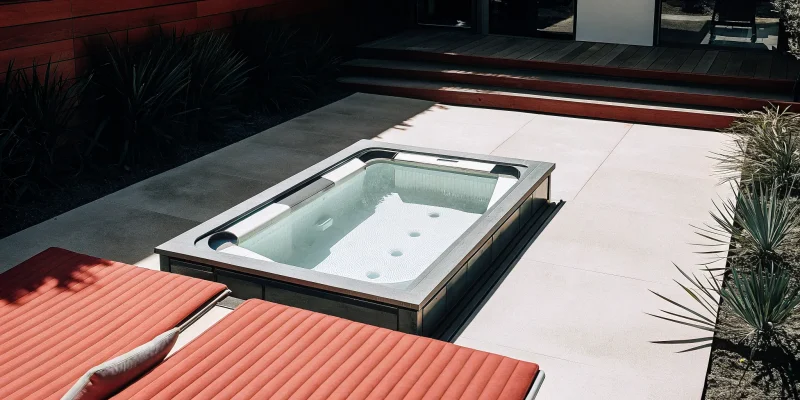
The complete budget and cost for installing a new in-ground swim spa.

In-Ground Swim Spa Cost: A Complete Budget Guide

For many Long Island homeowners, the dream of a backyard pool often meets the reality of limited space or a desire for year-round use. An in-ground swim spa offers the perfect solution, providing a compact, versatile space for exercise, therapy, and family fun. As you begin to explore this incredible home upgrade, understanding the financial side is crucial. The total in-ground swim spa cost is a combination of the unit price, professional installation, and long-term upkeep. To help you plan confidently, we’ve broken down every factor that influences the price, from entry-level models to luxury units and all the installation details in between.

Key Takeaways

  • Look beyond the sticker price: Your total investment includes the spa unit plus installation costs like excavation, electrical work, and delivery. A comprehensive quote is the best way to see the full picture and avoid surprises.
  • Know where your money is going: The price of a swim spa reflects its size, jet technology, and energy efficiency. Deciding on your must-have features will help you choose a model that offers the best long-term value for your family.
  • Leave the installation to the pros: An in-ground swim spa is a complex project involving excavation, plumbing, and electrical work. Hiring an experienced partner is crucial for a safe, high-quality installation that protects your home and your investment.

What Is an In-Ground Swim Spa?

If you’re dreaming of a backyard oasis but are tight on space or looking for year-round enjoyment, a swim spa might be the perfect fit. Think of it as the ultimate hybrid: it combines the relaxation of a hot tub with the fitness benefits of a full-length pool, all in one compact unit. The magic lies in a powerful jet system that creates a continuous current, allowing you to swim in place for an incredible workout. You can adjust the current’s strength to match your fitness level, whether you’re training for a triathlon or just enjoying a gentle breaststroke.

But it’s not just for swimming. The versatile design also makes it ideal for low-impact exercises like aqua jogging and resistance training. After your workout, you can retreat to the dedicated hydrotherapy seats, where powerful jets soothe sore muscles. While some swim spas sit above ground, an in-ground installation offers a completely different experience. By setting the spa into the ground, it becomes a seamless, integrated feature of your backyard. This creates a sleek, custom look that blends beautifully with your patio, deck, and landscaping. It’s a fantastic way to get the best of both worlds—a space for exercise, relaxation, and family fun—without the massive footprint of a traditional swimming pool. It becomes a year-round destination for health, wellness, and making memories.

Why Go In-Ground?

Choosing an in-ground installation is all about creating a polished, cohesive look for your outdoor space. Instead of a bulky unit sitting on your patio, an in-ground swim spa looks like it was always meant to be there. This approach hides the exterior shell and equipment, giving your backyard a clean, high-end finish that complements your overall landscape design. It’s an aesthetic choice that makes a big impact.

Beyond looks, in-ground swim spas are built for year-round use. Thanks to excellent insulation and efficient heating, you can enjoy a warm swim or a relaxing soak even when the Long Island weather turns chilly. While the initial installation is more involved due to excavation and site preparation, the result is a durable and beautifully integrated feature that adds lasting value to your home.

Swim Spa vs. Pool: What’s the Difference?

When deciding between a swim spa and a traditional pool, the key differences come down to cost, space, and functionality. A full-sized in-ground pool is a significant investment, often starting around $35,000 and going up from there. A swim spa, on the other hand, is generally more budget-friendly. The ongoing expenses are also lower, as the smaller volume of water requires less heating, electricity, and chemicals each month.

The biggest advantage of a swim spa is its versatility. You get a powerful swimming experience for fitness, plus dedicated seating with hydrotherapy jets for relaxation—all in one. This makes it an ideal solution for homeowners who want both exercise and leisure without committing to two separate installations. While traditional swimming pools are fantastic for hosting large parties, a swim spa offers a more compact, year-round solution for health and wellness.

How Much Does an In-Ground Swim Spa Cost?

Figuring out the budget for a swim spa is one of the first, and most important, steps you’ll take. The price of the unit itself can vary quite a bit, depending on the size, features, and overall quality you’re looking for. Think of it like buying a car—there are practical daily drivers, popular well-equipped models, and high-performance luxury vehicles. Each tier offers a different experience.

To give you a clear idea of what to expect, we can break down the costs into three main categories. Keep in mind these prices are for the swim spa unit itself; installation costs are a separate part of your overall project budget. At Gappsi, we help you find the perfect model and provide a complete picture of the investment for your dream backyard oasis.

Entry-Level Models ($15,000–$25,000)

If you’re new to the world of swim spas or want to add a touch of luxury without a massive investment, an entry-level model is a fantastic place to start. In this price range, you’ll find quality spas that are perfect for relaxation, family fun, and light aquatic exercise. While they may not have the powerful jets of higher-end models, they provide a wonderful space to unwind and stay active. These units are a great way to get all the core benefits of a swim spa and see how it fits into your lifestyle before committing to a more feature-rich option.

Mid-Range Models ($25,000–$40,000)

This is the sweet spot for many homeowners, offering a perfect balance of performance, features, and value. Mid-range swim spas typically come with more powerful, adjustable jets that create a stronger current for serious swimming. You’ll also find better insulation, which helps with energy efficiency and lowers your long-term running costs. These models often include upgraded features like enhanced hydrotherapy seating and more sophisticated control systems. If you’re looking for a reliable fitness tool and a premium relaxation spot, a mid-range model is a solid investment that will complement your landscape design beautifully.

Luxury Models ($40,000+)

For those who want the absolute best, luxury swim spas deliver an unmatched experience. Starting at $40,000 and going up from there, these top-tier models are packed with advanced technology and premium components. Features often include dual-temperature zones, allowing you to have a cool area for swimming and a warm hot tub section simultaneously. Expect superior construction, the most powerful propulsion systems for elite training, and high-end finishes. Wi-Fi controls, integrated sound systems, and stunning lighting packages are also common. A luxury model is more than just a swim spa; it’s a complete wellness and entertainment centerpiece for your home, much like our custom swimming pools.

What Factors Drive the Price?

When you start shopping for an in-ground swim spa, you’ll notice a wide range of prices. This isn’t arbitrary; several key elements determine the final cost. Understanding these factors will help you see where your money is going and decide which features are most important for your family. The price tag is a reflection of the spa’s size, the sophistication of its water current system, its energy efficiency, and the reputation of the brand behind it. Think of it less as a single purchase and more as a collection of components and features, each contributing to the overall quality and experience. By breaking down these drivers, you can make a more informed decision and find a swim spa that fits both your backyard and your budget.

Size and Dimensions

It’s no surprise that one of the biggest factors influencing cost is the swim spa’s size. A larger spa requires more raw materials to build, a more powerful heating and filtration system to operate, and a larger volume of water to fill. This directly translates to a higher upfront price. When you’re planning, think about how you’ll use the space. Do you need a long lane for serious swimming, or is a more compact model with a comfortable hydrotherapy area a better fit? Remember, the size also impacts installation costs—a larger footprint means more excavation and site preparation. A bigger spa will also have slightly higher long-term maintenance costs for chemicals and heating.

Jets and Water Current Systems

The heart of the swim spa experience is its current system, and its quality is a major price driver. Entry-level models typically use a series of powerful jets to create resistance, which is great for a casual workout. However, more advanced—and more expensive—models feature sophisticated systems that produce a smoother, wider, and more consistent current. These high-end systems often use propellers or paddlewheel technology to create a river-like flow that feels more natural to swim against. The number and type of hydrotherapy jets also play a role. Models with dedicated, ergonomically placed massage jets for relaxation will naturally cost more than those with a simpler, swim-focused design. The right swim spa technology truly defines your daily use and enjoyment.

Insulation and Energy Efficiency

A swim spa is an investment that you’ll want to use year-round, especially here on Long Island. That’s why insulation and energy efficiency are critical factors in the overall cost—both upfront and over time. High-quality swim spas come with multi-layer or full-foam insulation that traps heat, significantly reducing the energy needed to keep the water warm. Cheaper models might only have minimal insulation, leading to higher monthly utility bills. An energy-efficient pump and a well-fitting, insulated cover also contribute to lower running costs. While a well-insulated model might have a higher initial price, it often saves you a considerable amount of money on electricity over the life of the spa.

Brand and Warranty

Just like with cars or appliances, the brand name on a swim spa matters. Established brands with a long history of quality engineering, innovation, and positive customer reviews typically command a higher price. This premium reflects their investment in research, durable materials, and reliable performance. A key part of this is the warranty. A strong, comprehensive warranty is the manufacturer’s promise to stand behind their product, offering you peace of mind. Choosing a model from a reputable brand like the ones offered at the Gappsi Store may cost a bit more initially, but it can save you from expensive repairs and headaches down the road, making it a smarter long-term investment.

Breaking Down Installation Costs

The sticker price of your swim spa is just the beginning. The installation process involves several critical steps, each with its own cost. Understanding these expenses ahead of time helps you create a realistic budget and avoid surprises. From preparing the ground to getting the final sign-off from your town, a professional installation team handles these moving parts to ensure your swim spa is safe, functional, and beautifully integrated into your backyard. Let’s walk through the key components of installation so you know exactly what to expect.

Site Prep and Excavation

Before your swim spa can be delivered, its future home needs to be perfectly prepared. For an in-ground model, this means excavation. The process involves more than just digging a hole; it requires creating a precise, level space that can support the spa’s weight and structure. A solid foundation, often a concrete slab, is essential for stability and longevity. This foundational work is a job for experts in masonry and site preparation. The cost for this phase can range from a few thousand dollars upwards, depending on the size of the spa and the complexity of your site, such as dealing with slopes or difficult soil conditions.

Electrical and Plumbing

A swim spa is a powerful piece of equipment that requires dedicated electrical and plumbing work. This is not a DIY project. You’ll need a licensed electrician to run a dedicated circuit from your home’s main panel to the spa’s location, ensuring it has the power it needs to run the jets, heaters, and filtration systems safely. This typically costs between $1,000 and $2,000. Similarly, proper plumbing is crucial for filling, draining, and maintaining your spa. Hiring professionals for these tasks is non-negotiable for safety and to meet local building codes. A full-service company like Gappsi coordinates these home remodeling and construction services for a seamless installation.

Delivery and Labor

Getting a multi-ton swim spa from the truck to its final resting place in your yard is a major logistical step. Because of their size and weight, most swim spas require a crane for placement, especially for in-ground installations or properties with tricky access. Crane services can cost anywhere from $500 to $1,500, depending on the distance and difficulty of the placement. This fee, along with the labor costs for the installation crew, covers the specialized expertise needed to handle the equipment carefully and position it correctly. It’s a crucial part of the process that ensures your investment is set in place without damage.

Permits and Fees

Just like building a deck or installing a pool, an in-ground swim spa installation typically requires a permit from your local municipality. The purpose of a permit is to ensure the project meets all safety, zoning, and construction codes. The cost for permits can vary widely, generally falling between $200 and $1,000. Your installation partner should be well-versed in local requirements and can often handle the entire application process for you. This step is essential for a legal and safe installation, and it also protects your home’s value by ensuring all work is properly documented and approved.

Are There Hidden Costs?

The price of the swim spa and basic installation is just the starting point. To create a complete backyard oasis, you need to account for a few additional expenses. Thinking about these potential costs upfront helps you set a realistic budget and avoid surprises down the road.

Landscaping and Finishes

Your in-ground swim spa is the centerpiece, but the surrounding area is what truly brings the vision to life. This includes costs for landscaping and finishes like a beautiful stone patio, a custom deck, or privacy plantings. Don’t forget ambient lighting for evening swims or a sound system for entertaining. These touches transform the space from a simple installation into a luxurious retreat. Planning your complete outdoor living space from the start ensures a cohesive and stunning result that feels like a natural extension of your home.

Safety Covers and Accessories

Beyond the spa itself, you’ll need key accessories for safety and convenience. A high-quality safety cover is essential for security, keeping debris out, and retaining heat, which saves on energy bills. A durable, custom-fit cover can be a significant separate investment, so be sure to ask about it. You should also budget for sturdy steps, handrails for easy access, and a water care kit to keep your spa sparkling. Always clarify which accessories are included in your quote so you can plan for any necessary additions without last-minute surprises.

Insurance Adjustments

Your insurance provider views a swim spa much like a swimming pool—it’s a fantastic feature that can also increase liability. Before breaking ground, it’s a good idea to call your agent to discuss how it might affect your homeowner’s policy. Your premium could increase slightly, and they may have specific safety requirements. This often includes a lockable cover or a perimeter fence to secure the area. Factoring this potential cost and any required safety measures into your budget early on is a smart, proactive step.

Potential Site Issues

Every property is unique, and sometimes the ground holds surprises. During excavation, your team could encounter large boulders, poor soil that needs reinforcement, or unexpected utility lines that must be carefully moved. A professional site assessment is crucial for identifying these potential issues ahead of time. An experienced installation partner can anticipate these problems, check for underground lines, and include contingencies in the plan. This foresight helps you avoid costly delays and extra work once the project has already started, ensuring a smoother process from day one.

Budgeting for Long-Term Upkeep

The initial price of your swim spa is the biggest line item, but it’s not the only one. Thinking ahead about the long-term costs of ownership will help you create a realistic budget and ensure you can enjoy your investment for years to come. Just like a car, your swim spa needs regular care to perform its best. Fortunately, the ongoing expenses are often more manageable than you might think, especially when compared to a traditional swimming pool. Let’s break down what you can expect to spend on utilities, maintenance, and future repairs.

Monthly Utilities and Chemicals

When you think about monthly bills, a swim spa is a pleasant surprise. They are generally more economical to run than a full-sized in-ground pool, typically costing between $50 and $100 per month. Because they hold less water and have excellent insulation, they require less electricity to heat and operate. This efficiency makes it easier to enjoy a warm, relaxing soak or a vigorous swim workout without worrying about a major spike in your utility costs. It’s one of the key reasons many homeowners find swim spas to be a practical and enjoyable year-round luxury.

Annual Service and Maintenance

To keep your swim spa in top condition, you should plan for annual upkeep costs ranging from $1,000 to $2,500. This budget covers professional servicing and the chemicals needed to maintain crystal-clear, balanced water. Regular maintenance is not just about cleanliness; it’s about protecting your investment. A professional check-up can catch small issues before they become big problems, ensuring all the jets, pumps, and heating systems are working correctly. Consistent care is the best way to guarantee your swim spa is always ready for you to hop in and unwind after a long day.

Future Repairs and Replacements

While it’s impossible to predict the future, you can plan for it. Investing in a higher-quality swim spa from a reputable brand can save you significant money on repairs down the road, even if the upfront cost is a bit higher. Think of it as paying for peace of mind. Simple, consistent care, like changing the water every three to six months, also plays a huge role in extending the life of your spa’s components. By choosing a durable model and sticking to a maintenance schedule, you can minimize unexpected expenses and focus on enjoying your backyard oasis.

Comparing Swim Spa Brands and Costs

When you start shopping for a swim spa, you’ll see prices ranging from $15,000 to over $50,000. It’s a wide spectrum, and understanding what drives those costs is key to making a smart choice. The brand, size, jet technology, and overall build quality all play a significant role. A lower price tag might seem appealing initially, but it could lead to higher energy bills or more frequent repairs down the road. It’s about finding the right balance of features, performance, and long-term value for your home.

Gappsi’s Approach to Value and Quality

At Gappsi, we help you make sense of the options. We believe in long-term value, which means partnering with brands known for quality and reliability. We’ll walk you through how size, jet technology, and construction materials impact the cost, ensuring you find a beautiful and functional swim spa that fits your budget and will be a joy to own for years to come. Our goal is to find the perfect fit for your family and your home, focusing on a product that delivers consistent performance and efficiency, so you can focus on enjoying it.

How Premium Brands Stack Up

If you’re seeking the ultimate swim and spa experience, high-end models are where it’s at. These units typically start around $30,000 and can exceed $50,000. For that investment, you get powerful, river-like currents for serious swimmers, advanced hydrotherapy jets, and even dual-temperature zones for swimming and relaxing separately. They’re built with superior insulation for energy efficiency and robust materials for longevity. For homeowners who want top-tier performance and cutting-edge features, a premium brand is a fantastic addition to their outdoor living space, offering unmatched quality and enjoyment.

Understanding Value-Priced Options

You don’t need to break the bank to bring a swim spa home. Many excellent value-oriented options offer a fantastic experience. Mid-range models, often the most popular choice, typically fall between $15,000 and $25,000, providing a great balance of quality jets and reliable performance. More standard models can be found for even less. While they may have fewer high-tech features or less powerful currents, they still create a wonderful space for exercise, relaxation, and family fun. It’s about identifying your priorities and finding a reputable brand that delivers them within your budget, ensuring you get a quality product without paying for extras you won’t use.

How to Finance Your Swim Spa

A swim spa is a wonderful investment in your home and well-being, but it’s also a significant financial one. The good news is that with some planning, you can make it work for your budget. Thinking through your financing options and understanding the full scope of the costs upfront will set you up for a smooth process from start to finish. Let’s break down how you can approach financing your new backyard oasis.

Exploring Financing and Payment Plans

Seeing the price tag on a swim spa, which can range from $20,000 to over $70,000 once installed, might feel a bit daunting. But you don’t necessarily need to pay for it all at once. Many homeowners explore home improvement financing options to make the purchase more manageable. These can include home equity loans, personal loans, or even financing plans offered directly by dealers. Taking the time to research different lenders and plans can help you find a monthly payment that fits comfortably within your budget, turning your dream of owning a swim spa into a reality without the financial strain.

Tips for Planning Your Budget

A successful swim spa project starts with a realistic budget that covers more than just the unit itself. When you’re mapping out your expenses, be sure to account for every step of the process. This includes the cost of site preparation and excavation, electrical and plumbing work, delivery, and any necessary permits. It’s also smart to plan for the long term. Annual upkeep, including chemicals, service, and utilities, can cost between $1,000 and $2,500. Factoring these elements into your initial budget ensures there are no surprises, allowing you to simply relax and enjoy your new swim spa.

Why You Need a Comprehensive Quote

Getting a detailed, all-inclusive quote is one of the most important steps in this process. A trustworthy installer won’t just give you a price for the spa; they’ll provide an itemized breakdown of the entire project. This quote should clearly outline costs for labor, excavation, materials, electrical setup, and any other services required for a complete installation. Because an in-ground swim spa requires professional masonry and construction, a comprehensive quote is a sign that your contractor is thorough and transparent. It protects you from unexpected costs and serves as a clear roadmap for your project.

Making a Smart Investment

A swim spa is more than just a purchase; it’s an investment in your home, health, and happiness. To make sure you get the best return on that investment, it’s important to think strategically about the entire process, from budgeting to installation. A little planning goes a long way in ensuring your new backyard oasis brings you joy for years to come, without any unexpected headaches or hidden costs. Let’s walk through how to approach this purchase thoughtfully so you can feel confident in your decision.

Look Beyond the Initial Price Tag

The sticker price is just the starting point. The total cost of a swim spa is much more than the price of the unit itself, so it’s wise to budget for everything involved. To create a realistic financial plan, you need to account for delivery, installation, landscaping, and long-term maintenance. Think about the costs for site preparation, electrical and plumbing hookups, and building a deck or patio surround. Factoring in these expenses from the beginning helps you avoid surprises and ensures your project stays on track. A comprehensive quote from a trusted partner will break down all these elements for you.

When Is the Best Time to Buy?

Timing your purchase can lead to some great savings. Many retailers offer sales events during the off-season or around major holidays, which can be a perfect opportunity to get a great deal. You might also find package deals that bundle the swim spa with essential accessories like a cover or steps. Planning your installation for the fall or winter can also be a smart move. Contractors are often less busy during these months, which could mean more flexible scheduling and potentially better pricing on labor. It pays to do a little research and ask about upcoming promotions.

Choose the Right Installation Partner

While a DIY project can be tempting, installing an in-ground swim spa is a job for the pros. It’s a complex process that involves excavation, heavy machinery, and specialized electrical and plumbing work—much like installing an in-ground pool. Hiring an experienced installation team is essential for safety and quality. A professional partner will handle all the necessary permits, ensure the site is properly prepared, and make sure all connections are secure and up to code. This not only protects your investment but also gives you peace of mind knowing the job was done right from the start.

Related Articles

Frequently Asked Questions

How long does the entire installation process take? The timeline for an in-ground swim spa installation can vary, but you can generally expect the project to take a few weeks from start to finish. The process begins with planning and securing permits, followed by excavation and site preparation. Once the foundation is ready, the spa is delivered and set in place, followed by the crucial electrical and plumbing connections. The final step involves finishing the surrounding patio or deck, which completes the seamless, built-in look.

Can I really use a swim spa year-round, even with Long Island winters? Absolutely. This is one of the biggest advantages of a swim spa. Unlike a traditional pool that you have to close for the season, a high-quality swim spa is designed for four-season enjoyment. Thanks to excellent multi-layer insulation and an efficient, insulated cover, it holds its heat remarkably well. This means you can enjoy a warm swim or a relaxing hydrotherapy session on a snowy day just as easily as you can on a summer afternoon.

How does the maintenance of a swim spa compare to a traditional pool? Swim spa maintenance is typically much simpler and less time-consuming than caring for a full-sized swimming pool. Because you’re dealing with a smaller volume of water, you’ll use fewer chemicals and spend less time on testing and balancing. The filtration systems are highly efficient, and with a good cover to keep debris out, your daily upkeep is minimal. It’s a great option if you want the benefits of water without the extensive work of a large pool.

Will an in-ground swim spa increase my property value? A professionally installed, beautifully integrated in-ground swim spa can certainly be an attractive feature for potential buyers. Much like a well-designed patio or a custom outdoor kitchen, it enhances the home’s appeal by creating a luxurious and functional outdoor living space. It signals a home that’s been well-cared-for and is designed for wellness and entertainment, which can make your property stand out in the market.

What is the first step I should take if I’m considering a swim spa? The best way to start is with a professional site consultation. This allows an expert to assess your backyard, discuss your vision, and understand how you plan to use the spa. They can help you determine the ideal size and placement, identify any potential site challenges, and provide a clear, comprehensive quote that covers the entire scope of the project. This initial conversation is the key to turning your idea into a realistic plan.

A freshly refinished interior brick wall painted green with tools on the windowsill.

The Ultimate Guide to Interior Brick Refinishing

That exposed brick wall is a perfect canvas, but the wrong approach can turn your dream project into a nightmare. A simple coat of paint might seem easy, but it can lead to a peeling mess that traps moisture and damages your wall. Proper brick refinishing is about more than just color. Whether you want to refinish brick with a new look or simply seal interior brick, you need the right process. This guide cuts through the confusion, showing you the common mistakes to avoid and giving you a step-by-step plan for a professional-quality finish that lasts.

Key Takeaways

  • Preparation is Non-Negotiable: Before choosing a finish, you must address any underlying issues like crumbling mortar or moisture. A successful project relies on a thoroughly cleaned, repaired, and completely dry brick surface to ensure your new finish adheres properly and lasts.
  • Select a Finish That Protects and Styles: The right finish does more than just look good; it protects your wall. Always choose a breathable, masonry-specific product over standard interior paint to prevent trapping moisture, which can lead to peeling and brick damage.
  • Follow a Methodical Process for Lasting Results: Achieve a professional look by using the right tools and applying your finish in thin, even coats. Once the project is done, a simple maintenance routine, like regular dusting and gentle cleaning, will preserve your work for years to come.

Signs Your Interior Brick Wall Needs a Refresh

An exposed brick wall adds so much character and warmth to a room, but it’s not a set-it-and-forget-it feature. Over time, brick and mortar can show signs of wear that signal it’s time for a little TLC. Ignoring these clues can lead to bigger, more expensive problems down the road. So, how do you know if your brick wall just needs a good cleaning or a full refinish? It’s all about looking for a few key indicators. If you spot any of the following signs, it’s a good idea to consider a refinishing project to protect your home’s structure and style. Taking action early can preserve the beauty of your brick for years to come.

Spotting Spalling and Chipped Bricks

Take a close look at the surface of your bricks. Do you see any areas that are flaking, peeling, or chipping? This is a process called spalling, and it’s a definite red flag. While a few chipped bricks might seem like a minor cosmetic issue at first, they often point to a deeper problem, usually moisture trapped inside the brick. When water freezes and thaws within the brick, it causes the surface to pop off. Left unaddressed, this damage can spread and compromise the strength of the wall. Proper restoration and sealing can stop the damage and prevent it from getting worse.

Checking for Crumbling Mortar Joints

The mortar is the material that holds your bricks together, and it’s the first line of defense for your wall’s structural integrity. If you can easily scrape away the mortar with a key or notice sandy dust collecting on the floor below, it’s deteriorating. Sometimes, the signs are less obvious and show up nearby, like splitting plaster on adjacent walls or deformed window seals. Crumbling mortar joints create channels for moisture to enter the wall, leading to further decay and potential structural issues. Addressing this often requires professional masonry work to repoint the joints and restore the wall’s strength.

Identifying Moisture Damage and Efflorescence

Have you noticed a white, chalky powder appearing on the surface of your bricks? That’s efflorescence, and it’s a classic sign that water is moving through your wall. As moisture evaporates, it leaves these salt deposits behind. You might also notice persistent damp spots, peeling paint on nearby surfaces, or a musty odor in the room. These are all strong indicators of moisture intrusion. Before you can even think about refinishing, it’s crucial to find and fix the source of the water. Simply cleaning the efflorescence off won’t solve the underlying problem that’s causing it.

Dealing with Excessive Dust and Discoloration

While a bit of dust from an old brick wall is expected, a constant layer of fine, reddish powder on your floor is not. This means the face of the bricks is actively breaking down and deteriorating. Pay attention to any discoloration as well. Dark stains or patches that never seem to dry can indicate trapped moisture or even mold growth within the brick. If you’re seeing these issues combined with other signs like bubbling paint on the surrounding drywall, it’s a clear signal that your brick wall needs attention. A professional assessment can help you understand the cause and determine the best course for your home remodeling project.

How to Prep Your Brick for a Flawless Finish

Before you even think about what color to paint or which sealer to use, you have to get your hands dirty. Proper preparation is the single most important factor in achieving a beautiful, long-lasting finish on your interior brick. Think of it as creating the perfect canvas. Skipping this step can lead to peeling paint, a splotchy finish, and a lot of frustration down the road. Taking the time to thoroughly clean, repair, and dry your brick wall ensures that your hard work pays off and your new look stands the test of time.

Understanding Your Brick’s Properties

Not all bricks are created equal, and knowing what you’re working with is fundamental to a successful refinishing project. The age, manufacturing process, and condition of your brick will dictate the best methods for cleaning, repairing, and finishing. Treating a soft, historic brick the same way you would a modern, dense one can lead to irreversible damage. Before you start, take a moment to get acquainted with the specific characteristics of your wall. This knowledge will help you choose the right products and techniques, ensuring your refinished wall looks great and remains healthy for years to come.

The Importance of the Brick “Fireskin”

During the firing process, bricks develop a hard, protective outer layer often called the “fireskin.” This durable shell is the brick’s first line of defense against the elements, shielding the softer, more porous interior from moisture and physical wear. Aggressive cleaning methods like sandblasting, high-pressure washing, or using harsh chemicals can strip away this vital layer. Once the fireskin is gone, the brick becomes much more susceptible to water absorption, which can lead to spalling, crumbling, and freeze-thaw damage. Preserving this fireskin is essential for the long-term health of your wall, so always opt for gentle cleaning methods to protect its integrity.

Considering Old vs. New Brick

The difference between old and new brick goes far beyond appearance. Bricks made a century ago were typically hand-pressed and fired at lower temperatures, resulting in a softer, more porous material that needs to breathe. Modern bricks, on the other hand, are machine-extruded and fired at very high temperatures, making them much harder and denser. This is critical when choosing a finish; a non-breathable sealer that works fine on new brick can trap moisture inside an older brick, causing it to deteriorate from within. If you need to replace damaged sections, it’s crucial to match not just the color but the physical properties. A professional masonry expert can help source bricks that have similar strength and water absorption rates to ensure the entire wall functions as a cohesive system.

Your Essential Cleaning Toolkit

Getting the right tools together before you start makes the whole process go much smoother. You don’t need a lot of fancy equipment, just a few key items to tackle the grime and dust that brick tends to collect.

Here’s a quick checklist of what you’ll need:

  • A steel wire brush: This is your primary tool for scrubbing away stubborn dirt and any loose bits from the brick and mortar.
  • Drop cloths: Protect your floors and any nearby furniture from water and dust.
  • Rubber gloves and safety goggles: Always a good idea to protect your hands and eyes, especially when scrubbing.
  • Buckets and clean rags: One for your cleaning solution and one for rinsing.
  • Mild soap: A simple dish soap works perfectly.

A Step-by-Step Guide to Cleaning Brick

Once you have your supplies, you’re ready to start cleaning. The goal is to remove all the surface dirt, soot, and oils so your new finish can adhere properly. Start by using your wire brush to do a dry scrub of the entire wall, which will dislodge any loose debris.

Next, mix a simple cleaning solution of mild soap and warm water. Dip your wire brush into the soapy water and scrub the brick in small sections. Don’t be afraid to use a little elbow grease on any stained areas. Once you’ve scrubbed the wall, rinse it thoroughly with a clean, damp rag to remove all soap residue. This is a crucial step, as leftover soap can prevent sealers and paints from sticking. If you uncover more significant staining or damage, our restoration and sealing services can bring your brick back to life.

The Bottom-Up Cleaning Technique

It might sound a little backward, but the secret to a streak-free clean is to work from the bottom of the wall to the top. This technique prevents dirty, soapy water from running down and staining the porous brick below. After your initial dry scrub with a wire brush, mix your mild soap and warm water solution. Dip your brush and start scrubbing a small section at the very bottom of the wall. Work your way upward, section by section, until you reach the ceiling. Once you’ve scrubbed an area, be sure to rinse it thoroughly with a clean, damp rag to remove every bit of soap residue. This step is non-negotiable, as leftover soap can ruin the adhesion of your new finish. Getting the prep work right is the most critical part of any brick restoration, ensuring your hard work looks great for years.

How to Repair Damaged Mortar and Bricks

As you clean, pay close attention to the condition of the mortar joints and the bricks themselves. If you notice crumbling mortar or cracked bricks, now is the time to fix them. Painting over damaged areas won’t solve the underlying problem and can make it worse.

The process of repairing mortar is called repointing, which involves carefully removing the old, deteriorating mortar and replacing it with a fresh mix. While it’s possible to do this yourself, achieving a clean, professional look can be tricky. For significant damage, it’s often best to call in a masonry expert to ensure the structural integrity and appearance of your wall are properly restored. After repairs are made, you can proceed with your refinishing project.

When to Repair vs. When to Replace

Deciding whether to repair a few spots or replace entire bricks comes down to the extent of the damage. Repairing, which often involves repointing the mortar or filling minor cracks, is the best route for small, cosmetic issues. If you’re dealing with a few hairline fractures or slightly deteriorated mortar but the bricks themselves are solid, a targeted repair is usually enough. This approach is less disruptive and preserves the original character of your wall. However, if you see deep cracks, significant spalling where the brick face is crumbling off, or any bulging in the wall, it’s time to think about replacement. These are signs of more serious structural problems that a simple patch job won’t fix. Replacing damaged bricks is crucial for restoring the wall’s strength and ensuring its long-term stability, a job best left to a masonry professional.

Materials for Minor Repairs like Concrete Caulk

For very small imperfections, like tiny chips or hairline cracks in the mortar, concrete caulk can be a quick and effective fix. This flexible sealant is designed to fill small gaps and can help improve the look of your wall before you apply a final finish. It’s a simple way to create a smoother surface and can prevent tiny cracks from collecting dust and debris. Just be sure to choose a caulk that is paintable if you plan to paint the wall later. Keep in mind, this is a solution for cosmetic touch-ups only. It is not a substitute for proper repointing or structural repair. If you have widespread crumbling or deep cracks, caulk is just a temporary band-aid; you’ll need a more robust restoration approach to address the root cause.

Why Proper Drying Time Is Crucial

Patience is key after you’ve cleaned and rinsed your brick wall. Because brick is porous, it absorbs and holds onto water. Applying a sealer or paint to a damp wall will trap that moisture, which can cause the finish to bubble, peel, and fail prematurely.

You must allow the brick to dry completely before moving on to the next step. How long this takes depends on the humidity and airflow in your home, but you should plan on waiting at least 24 to 48 hours. To be safe, you can press a piece of plastic wrap against the wall with tape. If you see condensation form under the plastic after a day, the wall needs more time to dry.

Your Guide to Interior Brick Refinishing Options

Once your brick wall is clean, repaired, and fully dry, you can move on to the most exciting part: choosing a new finish. The right finish not only protects your brick but also defines the style of your entire room. Whether you want to preserve the original character, add a splash of modern color, or create a rustic, aged look, there’s a perfect option for you. Each method offers a unique aesthetic and level of protection, so it’s worth exploring what painting, sealing, staining, or limewashing can do for your space. Let’s look at the most popular choices to help you find the best fit for your home.

Option 1: Seal Interior Brick for a Natural Look

If you love the natural color and texture of your brick but are tired of the dust and occasional crumbling, a clear sealer is your best friend. Applying a sealer is one of the simplest ways to protect your interior brick without changing its appearance dramatically. These products create a protective barrier that helps keep the wall clean, reduces brick dust, and prevents wear and tear. You can choose from several finishes, including sealers that maintain the brick’s natural matte look, add a soft shine, or create a “wet look” that deepens and enriches the brick’s colors. It’s an ideal solution for preserving that classic charm while making maintenance easier. For professional results, consider Gappsi’s expert restoration and sealing services.

Option 2: Painting for a Bold Transformation

Painting your brick wall is a fantastic way to make a bold statement and completely transform your space. A coat of paint can brighten a dark room, create a striking accent wall, or unify the brick with the rest of your decor. However, it’s crucial to use the right materials. Standard interior paint can trap moisture and cause the brick to deteriorate over time. Instead, opt for a high-quality, breathable paint designed for masonry. To get a smooth, professional finish, invest in the right tools, including a sturdy metal paint tray, a quality roller, and an angled brush for cutting in around the edges. Painting is a commitment, but when done correctly as part of a home remodeling project, it delivers stunning results.

Option 3: Limewashing for a Rustic, Breathable Finish

For a timeless, old-world feel, limewash is an excellent choice. Unlike paint, which forms a film on the surface, limewash is made from crushed limestone and penetrates the brick, creating a soft, chalky finish. This allows the wall to breathe, letting moisture escape easily, which is great for the long-term health of your brick. You can apply a thin coat for a translucent, whitewashed effect that lets the brick’s texture show through, or build up layers for a more opaque, solid color. Limewashing gives you a beautifully textured, rustic look that feels both authentic and fresh. It’s a classic technique that our masonry design experts have perfected over the years.

Option 4: Staining to Enhance Natural Color

If you want to change the color of your brick without hiding its natural texture, staining is the perfect middle ground. Masonry stain soaks into the brick, changing its color while preserving the surface variations and texture that make it unique. It’s a great way to even out inconsistent coloring, darken the tone for a cozier atmosphere, or simply shift the hue to better complement your furniture and decor. Because stain is breathable, it won’t trap moisture or peel the way paint can. This method offers a durable, low-maintenance finish that subtly refines your brick wall’s appearance, giving you a custom look that feels completely natural.

Why Experts Prefer Staining Over Painting

When it comes to refinishing brick, most professionals will guide you toward staining over painting, and for a very good reason: breathability. Brick is a porous material, meaning it needs to release moisture to stay healthy. As contractor Mike Holmes often advises, staining allows the brick to “breathe” because the stain soaks into the brick rather than sitting on top of it. Paint, on the other hand, creates a solid film over the surface. This film can trap moisture trying to escape from within the wall, leading to peeling, chipping, and bubbling paint. Over time, this trapped moisture can cause significant damage to the brick itself. Staining works with the brick’s natural properties, offering a durable color change that won’t fail due to moisture.

Choosing Between Semi-Transparent and Opaque Stains

Once you’ve decided on staining, you have another choice to make based on your desired aesthetic: semi-transparent or opaque. A semi-transparent stain is perfect if you love the natural character of your brick. It allows the original color variations and texture to show through, simply shifting the overall hue. This option is great for enhancing the brick’s existing beauty or evening out minor color inconsistencies. If you’re looking for a more dramatic and uniform appearance, an opaque stain is the way to go. It provides a solid, consistent color, much like paint, but still allows the brick to breathe. This gives you the best of both worlds—a bold new look without compromising the health of your wall.

What to Look for in a Quality Brick Stain

Not all stains are created equal, and choosing a high-quality product is essential for a lasting and safe finish. When you’re shopping for a brick stain, look for a product that is specifically designed for masonry. A quality stain should be non-toxic and have no VOCs (Volatile Organic Compounds), which are harmful chemicals you don’t want in your home’s air. It should also be water-repellent to help protect the brick from external moisture while remaining breathable. Finally, look for features like UV resistance to prevent fading from sunlight (even indoors) and properties that inhibit the growth of mold and algae. Investing in a superior product ensures your refinished wall will look great and stay protected for years.

Option 5: Whitewashing for a Translucent Finish

If you’re aiming for a light, airy feel but don’t want the solid look of paint, whitewashing is a fantastic option. This classic technique involves applying a thinned-down paint mixture, typically half water and half white latex paint, to the brick surface. The result is a beautiful, translucent finish that softens the brick’s color while allowing its natural texture and some of the original color to peek through. It creates a charming, slightly rustic look that can brighten up any room. Whitewashing is also quite durable and can last for many years, making it a practical and stylish choice for updating an interior brick wall without completely covering its character.

Option 6: German Smear for a Rustic Texture

For a truly authentic, old-world look, consider the German smear technique. This method involves applying a layer of wet mortar over the brick and then removing some of it before it dries, creating a textured, irregular finish that mimics the look of centuries-old European masonry. It’s an excellent way to add rustic charm and character to a room, and it’s particularly effective at hiding imperfections like mismatched bricks or minor cracks. It’s important to know that a German smear is a permanent application; once it’s on, it is extremely difficult to remove. Because of its permanence and the skill required for a beautiful result, this is a job best left to professional masonry designers.

Option 7: Painting the Mortar for a Subtle Change

Sometimes, a small change can make a big impact. If you’re not ready to commit to covering your bricks, consider changing the color of the mortar instead. Painting the mortar joints a lighter or darker color can dramatically alter the overall appearance of the wall by changing the contrast and making the bricks pop or recede. A lighter mortar can brighten the wall and give it a fresh, clean look, while a darker mortar can create a more dramatic, industrial feel. This is a meticulous and time-consuming process, so it’s best suited for smaller accent walls rather than entire rooms. However, for the patient homeowner, it offers a unique way to refresh a brick wall while preserving the natural beauty of the bricks themselves.

Which Brick Finish Is Right for You?

Choosing a finish for your interior brick wall goes beyond picking a color. The right choice protects the brick, complements your home’s style, and fits your budget for years to come. Think of it less as a simple paint job and more as a long-term investment in your home’s character and health. To make the best decision, you’ll want to weigh a few key factors, from how the material interacts with moisture to the look you want to achieve.

Factor In Moisture and Breathability

One of the most important things to understand about brick is that it’s porous—it needs to breathe. Trapping moisture inside with a non-breathable finish, like a standard acrylic paint, can lead to peeling, chipping, and long-term damage to the brick and mortar. That’s why we often recommend products designed specifically for masonry. Finishes like limewash or silicate-based paints allow water vapor to escape, preserving the integrity of your wall. Proper restoration and sealing techniques are essential for ensuring your brick stays healthy and looks great for the long haul.

Durability vs. Maintenance: What to Expect

Your finish will determine how much upkeep your wall needs. While a coat of paint might seem like a quick fix, it often requires the most maintenance. Because it forms a film on the surface, it can easily chip or peel, especially in high-traffic areas, leading to frequent touch-ups. On the other hand, finishes like limewash or stain penetrate the brick itself. This creates a much more durable, long-lasting color that won’t peel and ages gracefully over time. A clear sealant can also be a great low-maintenance option, protecting the brick from dust and stains while preserving its natural look.

Lifespan of Painted Brick (5-20 Years)

Paint on an interior brick wall typically lasts between 5 and 20 years. That’s a pretty big range, and the final number really comes down to the quality of the job. If you use a top-tier, breathable masonry paint and put in the work to properly clean and prep the surface, you can expect to be on the higher end of that estimate. However, using standard latex paint or applying it to a wall that hasn’t fully dried can lead to failure in just a few years, with peeling and bubbling becoming a constant headache. Think of paint as a surface-level commitment; it looks great, but it will require touch-ups and eventually a full repaint to keep it looking fresh.

Lifespan of Stained Brick (40-50 Years)

If you’re looking for a finish that will last a lifetime, brick stain is the clear winner. A properly applied stain can last an incredible 40 to 50 years. The reason for this remarkable durability is that stain doesn’t just sit on the surface like paint does; it chemically bonds with and penetrates the brick. This means there’s no film to peel, chip, or flake away over time. It becomes a permanent part of the brick, changing its color while preserving the natural texture. While the upfront process is meticulous, the result is a beautiful, low-maintenance finish that you won’t have to think about again for decades, making it a smart investment for any home remodeling project.

Breaking Down the Cost of Each Method

When you’re planning your budget, it’s helpful to think about both the initial cost and the long-term value. A gallon of standard latex paint is inexpensive, but the cost adds up when you factor in potential repairs and repainting every few years. Specialized masonry products might have a higher upfront price tag, but their durability often makes them more cost-effective over time. Investing in a quality finish from the start can save you from the headache and expense of fixing a failing paint job down the road. Discussing your options during a home remodeling consultation can help clarify the best path for your budget.

Typical Costs for Brick Repair and Replacement

Addressing damaged brick is an investment in your home’s health, and costs can vary widely depending on the extent of the issue. For minor fixes, like repairing a few cracks or repointing small areas of mortar, you can generally expect to pay between $250 and $2,000. However, if the damage is more widespread, costs can easily exceed that. When it comes to replacing individual bricks, industry estimates place the cost between $200 and $263 per brick. For larger-scale projects, such as rebuilding an entire section of a wall, the price can range from $5,000 to $10,000 or more. Getting a professional assessment from a masonry expert is the best way to understand the scope and cost for your specific situation.

Labor Costs for Professional Staining

If you decide to stain your brick, hiring a professional ensures a flawless, even finish that lasts. While material costs are separate, it’s helpful to understand what to budget for labor. On average, professional labor costs for brick staining range from about $2.50 to $6 per square foot. Some contractors may charge an hourly rate, typically between $30 and $60 per hour, or a full-day rate of around $250 to $450 for larger projects. While DIY is an option, the expertise of a professional can save you from common pitfalls like uneven application or choosing the wrong product. For a precise quote tailored to your project, consider a consultation for our restoration and sealing services.

Matching the Finish to Your Home’s Style

Finally, let’s talk about style. The finish you choose has a huge impact on the room’s atmosphere. Leaving the brick natural or using a clear sealer creates a warm, industrial, or rustic vibe that celebrates texture. A limewash finish offers a soft, matte look with subtle variations in color, perfect for a rustic European or farmhouse aesthetic. Stains can deepen or change the brick’s color without hiding its texture. And a solid coat of paint provides a clean, modern, and uniform look that can make a bold statement. You can find great visual inspiration to see how different finishes look in real homes.

How to Apply Your New Brick Finish

With your brick wall clean, repaired, and ready to go, it’s time for the fun part: the transformation. Applying a new finish is where your vision comes to life, but a little technique goes a long way. Whether you’re painting, staining, or sealing, following the right steps ensures a beautiful, long-lasting result. Let’s walk through the process, from gathering your gear to applying that final, perfect coat.

Gather Your Tools and Safety Gear

Before you even think about opening a can of paint, let’s get your toolkit in order. Having everything on hand makes the job go so much smoother. You’ll want to lay down drop cloths to protect your floors and furniture. For safety, always wear rubber gloves and safety goggles—brick dust and paint splashes are no joke. Your application toolkit should include a sturdy paint roller designed for rough surfaces, a small angled paintbrush for getting into those tricky mortar lines, and a steel wire brush for any last-minute prep. A good quality paint tray will also make your life easier. Proper preparation isn’t just about the wall; it’s about setting yourself up for a clean and safe project.

Perfecting Your Surface Prep

A flawless finish starts with a perfectly prepped surface. If you haven’t already, give the brick a thorough cleaning. A wire brush and a simple solution of warm water and a little dish soap usually do the trick. Scrub away any remaining dust or grime, then wipe the wall down with clean, damp rags. The most important part? Let it dry completely. Applying any finish to a damp wall is a recipe for disaster. If you notice any crumbling mortar or chipped bricks during this stage, it’s best to address those repairs now. For significant damage, you may want to call in our masonry experts to ensure your wall’s integrity before you seal it up with a new finish.

A Simple Water Test to Check for Sealant

Before you apply a new finish, you need to know if your brick is already sealed, since an old sealant can prevent a new product from adhering properly. You can find out with a couple of simple tests. First, try the touch test: rub your thumb across the brick. A smooth or slightly slick surface usually means it’s sealed, while a rough, sandy texture indicates it’s not. For a more definitive answer, do the water test. Just spray a small amount of water onto an inconspicuous area. If the water beads up and runs off without changing the brick’s color, the surface is sealed. If it soaks in and darkens the brick, it’s unsealed and ready for its new finish. This is a crucial step because a sealed surface may need to be stripped before refinishing. If you find the sealant is failing, our restoration and sealing services can ensure the surface is prepped correctly for its new look.

Step-by-Step Application Instructions

Now you’re ready to apply your finish. Start by using your angled brush to “cut in,” which means painting the edges along the ceiling, floor, and corners, as well as the mortar joints between the bricks. This gives you clean lines and ensures full coverage. Once the details are done, switch to your roller for the flat faces of the bricks. Load it with a moderate amount of paint or sealant and apply it in a “W” or “N” pattern to distribute the product evenly. Work in small, manageable sections to maintain a wet edge, which helps prevent noticeable lines or streaks between areas. This methodical approach is key to achieving a professional look for your home remodeling project.

Pro Tips for a Smooth, Even Finish

The secret to a uniform, streak-free finish is patience and the right tools. Always opt for a high-quality roller or brush specifically made for masonry. These are designed to hold more paint and get into the porous texture of the brick. If you’re painting, don’t skip the primer. A good masonry primer will seal the porous brick, prevent the topcoat from soaking in unevenly, and give you a much truer color. Apply your finish in two thin coats rather than one thick one. This allows for better adhesion and a smoother, more durable result. Let the first coat dry completely according to the manufacturer’s instructions before starting the second. This extra step is well worth the wait for a stunning final product.

Common Brick Refinishing Mistakes to Avoid

Refinishing an interior brick wall is an exciting project that can add so much character to your home. But even with the best intentions, a few common missteps can lead to a finish that doesn’t last. Taking the time to understand what not to do is just as important as learning the right steps. By avoiding these pitfalls, you can ensure your hard work pays off with a beautiful, durable result that you’ll love for years to come. Let’s look at the most frequent mistakes homeowners make and how you can steer clear of them.

Mistake #1: Using the Wrong Type of Paint

It can be tempting to grab a can of standard interior paint, but this is one of the biggest mistakes you can make. Brick is a porous material that needs to “breathe”—meaning it allows moisture vapor to pass through it. Regular acrylic or latex paint creates a non-permeable film that traps moisture inside the brick. This can cause the paint to bubble and peel over time and, more seriously, can lead to deterioration of the brick and mortar. Always opt for a breathable, masonry-specific product like silicate or mineral-based paint. These paints bond with the brick instead of just sitting on top, ensuring a finish that is both beautiful and healthy for your wall.

Mistake #2: Skipping Crucial Prep Work

I get it—you’re excited to see the transformation and want to jump right to the fun part. But proper preparation is absolutely crucial for a successful refinishing project. A new coat of paint or sealant will only highlight imperfections and won’t adhere properly to a dirty or damaged surface. Before you even think about opening a can of paint, you need to thoroughly clean the brick to remove all dust, dirt, and efflorescence. You also need to repair any crumbling mortar or chipped bricks. Taking the time for this step ensures your new finish will go on smoothly and stand the test of time. If the prep work seems daunting, professional restoration and sealing services can get your wall ready for its new look.

Mistake #3: Ignoring Moisture Problems

If you notice peeling paint, musty odors, or persistent damp spots on your brick wall, putting on a fresh coat of paint is like putting a bandage on a broken arm. These are strong indicators of an underlying moisture problem that a new finish will only temporarily hide. Before you begin, you have to play detective and find the source of the water. Is it a leaky pipe inside the wall? Poor exterior drainage causing water to seep through? Whatever the cause, it must be fully resolved first. Covering up a moisture issue will only lead to more significant problems down the road, including damage to the brick and potential mold growth. A professional masonry expert can help diagnose and fix the root cause.

Mistake #4: Applying Finishes in the Wrong Conditions

Patience is a virtue, especially when it comes to refinishing brick. Rushing the process or working in the wrong environment can easily lead to an unsatisfactory result. Every product, whether it’s a sealant, stain, or paint, has specific instructions for application, including ideal temperature and humidity ranges. Applying a finish when it’s too cold, too hot, or too humid can affect how it cures, causing streaks, poor adhesion, or a tacky finish. It’s also important to allow adequate drying time between coats. Applying a second coat too soon can pull up the first one, creating a messy texture. Always read the manufacturer’s guidelines carefully and plan your project for a day when the conditions are just right.

How to Maintain Your Refinished Brick Wall

You’ve put in the work, and your interior brick wall looks absolutely stunning. The final step is making sure it stays that way. Proper maintenance is key to preserving the beauty and integrity of your newly refinished surface. A little bit of regular care will protect your investment and keep your brick feature wall looking fresh for years to come. Think of it not as a chore, but as the finishing touch on a project you can be proud of. With a simple routine, you can easily manage dust, prevent damage, and know exactly when a little touch-up is needed.

Set Up a Simple Cleaning Routine

Keeping your brick wall clean is simpler than you might think. For routine upkeep, a weekly dusting with a soft brush attachment on your vacuum is usually enough to prevent buildup. For light dirt or smudges, a cloth dampened with warm water will do the trick. If you’re dealing with more stubborn grime, a solution of equal parts white vinegar and water works wonders. Just use a soft brush or a thick rag to gently scrub the area. The most important step? Always rinse the brick with a clean, damp cloth afterward to remove any lingering vinegar, which can be acidic.

How to Protect Your Brick from Moisture

Brick is naturally porous, which means it can absorb moisture from the air. While this isn’t as big of an issue indoors as it is outside, sealing your wall is a crucial step for protection. A good quality sealer not only enhances the color and finish of the brick but also creates a barrier that helps prevent annoying brick dust from shedding. If your refinished wall is in a kitchen or bathroom where humidity is higher, sealing is non-negotiable. This protective layer makes the surface easier to clean and helps guard against stains and water spots, ensuring your wall’s long-term health and appearance. For professional application, Gappsi offers expert restoration and sealing services.

When to Touch Up or Reapply the Finish

No finish lasts forever, so it’s smart to inspect your brick wall annually to see how it’s holding up. Look for areas where the finish appears dull, faded, or worn. For a sealed wall, you can test its integrity by flicking a few drops of water onto the surface. If the water beads up, the sealer is still working. If it soaks in and darkens the brick, it’s time to reapply. When you first apply a sealer, it’s often wise to use two coats to ensure even coverage, especially on very porous brick. For painted or limewashed walls, keep a small amount of the original product for quick and seamless touch-ups on any chips or scuffs that appear over time.

Specific Care for Painted Brick

A painted brick wall offers a clean, modern look, but its maintenance is all about protecting the finish. Unlike natural brick, you’ll want to skip the wire brushes. For routine cleaning, a soft cloth or the brush attachment on your vacuum is perfect. If you encounter a stubborn scuff, use a soft sponge with a mild soap and water solution, being careful not to scrub too hard. The biggest thing to watch for is any sign of bubbling or peeling paint, as this often points to trapped moisture—a major issue if non-breathable paint was used. Addressing these spots quickly is key. Keeping a small amount of your original paint on hand for touch-ups is a smart move for any future home remodeling project, ensuring you can seamlessly fix minor imperfections and keep your wall looking flawless.

Long-Term Care for Lasting Results

Thinking about the long-term health of your brick wall will save you from major headaches down the road. If you ever need to make repairs, using the right materials is critical. For example, using a modern, hard cement-based mortar on old, soft bricks can cause the bricks themselves to crack over time. Proper masonry techniques, even for small interior repairs, are essential. Keep an eye out for any new cracks or signs of crumbling, as these could point to underlying issues. A proactive approach ensures your beautiful brick wall remains a stable and timeless feature in your home.

Related Articles

Frequently Asked Questions

Can I just paint over my brick wall without cleaning it first? I know it’s tempting to skip the prep work and get right to the transformation, but I strongly advise against it. Brick walls collect a surprising amount of dust and grime over the years. Painting over that layer means the paint is sticking to the dirt, not the brick itself. This will almost certainly lead to peeling, chipping, and a finish that just doesn’t last, forcing you to redo all your hard work sooner than you’d like.

What’s the real difference between painting and limewashing? While both can give you a lighter look, they are fundamentally different. Paint creates a solid film that sits on the surface of the brick, offering a uniform, modern finish. Limewash, on the other hand, is a breathable material that soaks into the brick, resulting in a soft, chalky texture with subtle color variations. Because it allows moisture to escape, limewash is often a healthier long-term choice for the brick itself and provides a more rustic, timeless aesthetic.

How can I tell if the white powder on my brick is just dust or something more serious? This is a great question. If you see a fine, reddish powder on the floor, that’s likely just brick dust from normal aging. However, if you notice a white, chalky substance on the face of the bricks, that’s called efflorescence. It’s a sign that water is traveling through the brick and leaving salt deposits behind as it evaporates. This indicates an underlying moisture issue that absolutely needs to be fixed before you consider any refinishing project.

Is refinishing an interior brick wall a project I can do myself? It really depends on the condition of your wall and the finish you choose. If your brick is in good shape and you’re simply cleaning and applying a clear sealer or a single coat of paint, it can be a very manageable DIY project. However, if you’re dealing with crumbling mortar that needs repointing or have signs of moisture damage, it’s always best to bring in a professional. These issues can affect your home’s structural integrity, and an expert can ensure the job is done right.

My brick wall looks fine, but it’s always shedding dust. What’s the simplest fix? If your main complaint is the constant fine dust, you don’t necessarily need a full-blown refinishing project. The easiest and most effective solution is to apply a good quality clear sealer. A water-based matte sealer will bind the surface of the brick, stop the dusting, and make the wall easier to wipe down without changing its natural color or texture. It’s a low-commitment project that solves one of the biggest annoyances of exposed brick.

Gunite Pool and Backyard Renovation in Upper Brookville, NY

View Gappsi’s YouTube Channel to view Gunite Pool and Backyard Renovation in Upper Brookville, NY

A backyard renovation is more than a construction project.  It is a complete transformation of how a home is experienced and enjoyed. View our recently completed gunite pool and backyard renovation in Upper Brookville, NY.  It is a prime example of how thoughtful design, premium materials, and expert craftsmanship can turn an outdated outdoor space into a cohesive luxury retreat. This project represents the latest backyard renovation completed by Gappsi.  It showcases the level of detail and customization that defines our work.

Starting Fresh: Removing the Old Patio

The renovation began with a clean slate. The existing backyard featured an old clay brick patio that had reached the end of its functional and aesthetic lifespan. To ensure a long-lasting and visually unified result, the entire patio area was removed. This enabled proper base preparation and allowed us to redesign the layout to suit better the homeowner’s lifestyle and the property’s scale.

By stripping the space down to its foundation, we were able to reimagine the backyard.  It is a valid extension of the home, seamlessly blending entertainment, relaxation, and architectural elegance.

Expansive Marble Patio with G040 Pavers

One of the most striking elements of this renovation is the expansive patio paved entirely with G040 marble pavers. This is a large-scale patio, and the choice of G040 marble was intentional. Known for its durability, refined texture, and light, elegant tone, G040 marble provides a timeless look while remaining cool underfoot, an essential feature for poolside areas.

The consistent use of G040 marble across the central pool patio creates a clean, uninterrupted visual flow.  It enhances the sense of openness in the yard. Precision installation ensured uniform joints and proper drainage, both critical to longevity and performance.

In addition to the central patio, we constructed a new stoop at the backyard sliding door. This transition point was designed to integrate seamlessly with the surrounding marble pavers, enhancing accessibility and visual continuity between the home and the outdoor living space.

Gunite Pool and Backyard Renovation in Upper Brookville, NY

Complete Gunite Pool Renovation

The existing gunite pool underwent a full renovation, beginning with a complete plumbing overhaul. All new pool equipment was installed to improve efficiency, performance, and reliability. Updating the plumbing and equipment ensures the pool operates at modern standards while reducing maintenance concerns for the homeowner.

Visually, the pool received a significant upgrade as well. New porcelain tiles were installed along the waterline, providing a crisp, clean contrast against the water’s surface. Porcelain was selected for its durability, resistance to staining, and refined appearance.

The pool coping was replaced with new marble coping, tying the pool seamlessly into the surrounding G040 marble patio. This creates a unified look that feels intentional and polished from every angle.

To complete the pool renovation, the interior was refinished with Diamond Brite Super Blue. This finish enhances water clarity and color, giving the pool a vibrant, inviting appearance. Tile markers were also installed on the pool steps, adding both a safety feature and a subtle design detail that improves visibility.

Pavilion Patio with Distinct Marble Transition

One of the standout design choices in this project is the transition from the pool patio to the pavilion patio. Rather than continuing the same stone throughout, we introduced a completely different marble color, G034 marble, to define the pavilion area as its own destination within the backyard.

This thoughtful change in material creates visual interest while still maintaining harmony with the overall design. The transition between G040 and G034 marble was carefully executed to ensure a smooth, elegant shift that feels natural rather than abrupt.

Custom 16×36 Country Lane Pavilion

Anchoring the pavilion patio is a custom-built 16×36 Country Lane Pavilion featuring substantial 8-inch columns. The pavilion serves as a focal point of the backyard and provides a shaded, weather-protected area for entertaining and dining.

Inside, the pavilion was left in bare wood, stained a rich mahogany color. This finish adds warmth and contrast to the surrounding stone, complementing the natural materials used throughout the space. The exposed wood ceiling enhances the pavilion’s architectural presence while maintaining a relaxed, inviting atmosphere.

Outdoor Kitchen and Cooking Island

Designed for serious outdoor entertaining, the custom cooking island is both functional and visually striking. The countertop is finished in black leather-finished granite, offering a textured, matte surface that resists fingerprints and glare while delivering a bold, modern look.

The base of the island is clad in a 4-inch silver travertine veneer, adding depth and natural variation that complements the marble patios. The kitchen is fully outfitted with premium Twin Eagles appliances and an Alpha oven, making it suitable for everything from casual family meals to large gatherings.

This outdoor kitchen transforms the pavilion into a true culinary hub, allowing homeowners to cook, serve, and entertain without ever leaving the backyard.

Fire Pit and Seating Wall

To complete the outdoor living experience, we constructed a custom fire pit featuring a Breeo smokeless insert. Known for its efficient burn and reduced smoke output, the Breeo fire pit enhances comfort and usability, even during extended gatherings.

Surrounding the fire pit is a built-in seating wall, designed to encourage conversation and provide ample seating without cluttering the space. This area serves as a natural gathering point, perfect for evenings spent outdoors in any season.

A Complete Backyard Transformation

This gunite pool and backyard renovation in Upper Brookville, NY, is a testament to what is possible when design, materials, and craftsmanship come together seamlessly. From the expansive marble patios and fully renovated pool to the custom pavilion, outdoor kitchen, and fire pit, every detail was thoughtfully planned and expertly executed.

This is the latest backyard renovation completed by Gappsi in Upper Brookville.  This project reflects our commitment to creating outdoor environments that are not only beautiful but also functional, durable, and tailored to how our clients live and entertain. The result is a backyard that feels cohesive, luxurious, and built to be enjoyed for years to come.

Contact Gappsi Today

📍 Serving all of Long Island, NY — Nassau & Suffolk Counties
🌐 www.gappsi.com
📞 Call now for a free consultation and estimate!

SCHEDULE A MEETING TODAY WITH GAPPSI