


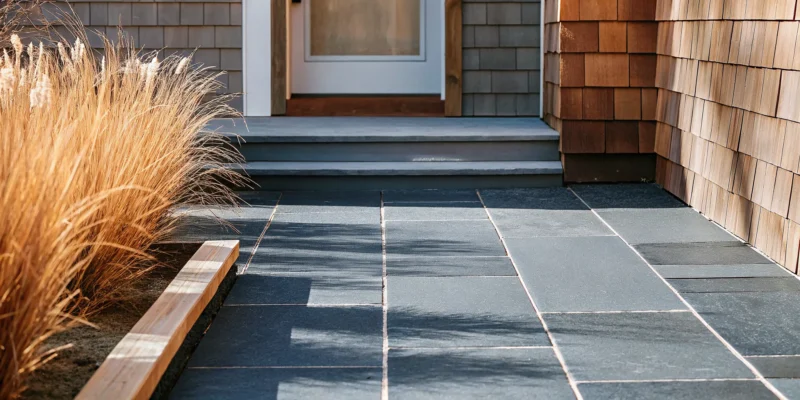
Let’s talk about home improvement budgets. Replacing a whole patio, walkway, or driveway is a major financial commitment that isn’t always necessary. If your pavers are structurally sound but just look worn out, there’s a more practical path forward. Staining offers a dramatic visual upgrade for a fraction of the cost of a full tear-out and replacement. It’s one of the most effective ways to get that brand-new look without the brand-new price tag. For homeowners looking to make a smart investment, the decision to stain old concrete pavers on Long Island NY is a clear winner. This guide will walk you through how this process works, what it costs, and why it’s the perfect solution for refreshing your property’s appearance while protecting your wallet.
Key Takeaways
- Refresh your pavers instead of replacing them: Staining is a budget-friendly solution that revitalizes the look of your outdoor spaces and protects your investment from the elements, saving you the significant cost of a full replacement.
- A successful project depends on the process: A flawless, durable finish requires meticulous surface preparation, an even application of stain (preferably with a sprayer), and two protective coats of a quality sealer.
- Choose your contractor with care: Hire a licensed and insured specialist in paver restoration, check their portfolio and reviews, and ask specific questions about their methods to ensure you get a high-quality, lasting result.
Why Stain Your Old Concrete Pavers?
If your concrete paver patio, walkway, or driveway is looking a bit tired and faded, you might think your only option is a complete, and costly, replacement. But there’s a much simpler way to bring them back to life. Staining your old concrete pavers can completely transform your outdoor space, giving it a fresh, vibrant look while also adding a crucial layer of protection. It’s a practical and stylish solution that addresses aesthetics, durability, and your budget all at once.
Think of it as a makeover for your hardscaping. Over time, the sun, rain, and changing seasons on Long Island can take a toll, leaving pavers looking washed out. A quality stain penetrates the surface of the concrete, depositing rich, permanent color that revitalizes the appearance of your entire property. Beyond the visual upgrade, staining helps shield your investment from the elements, extending its lifespan for years to come. It’s one of the most effective ways to refresh your home’s exterior without the disruption of a major construction project. This process not only restores color but also unifies the look of pavers that may have weathered differently over the years, creating a cohesive and polished finish for your outdoor living areas.
Improve Curb Appeal and Property Value
Let’s be honest, the first thing people notice is your home’s exterior. Faded, stained, or worn-out pavers can make an entire property look dated. Staining can make old, faded pavers look almost new again, instantly enhancing your home’s curb appeal. You can choose a color that matches your home’s original design or opt for a completely new shade to create a modern look. This simple update makes your outdoor living areas more inviting and enjoyable for your family and guests. A beautiful and well-maintained hardscape, from your driveway to your pool deck, also contributes directly to your property value, making it a smart investment for any Long Island homeowner.
Protect Pavers from Long Island’s Climate
The weather on Long Island can be tough on outdoor surfaces. From the hot, humid summers and UV exposure to the freezing winters with snow and ice, your pavers are constantly under assault. Staining and sealing provide a protective barrier against these harsh conditions. A quality stain helps prevent water from seeping into the concrete, which can stop erosion and prevent cracking during freeze-thaw cycles. Gappsi’s professional restoration and sealing services are designed to protect your pavers from moisture, salt damage, and fading. Regularly maintaining your pavers this way ensures they last longer and continue to look great season after season.
Save Money by Staining, Not Replacing
One of the biggest advantages of staining is the cost savings. Tearing out and replacing an entire paver patio or driveway is a significant expense and a major project. Staining is a much more affordable option that delivers dramatic results without the high price tag or lengthy disruption of a full replacement. By choosing to restore your existing pavers, you’re making a budget-friendly decision that extends the life of your current hardscape. It’s an efficient way to get the look of brand-new masonry and protect your investment for a fraction of the cost of starting over from scratch.
Choosing the Best Stain for Your Pavers
Picking the right stain is the most important step in bringing your old pavers back to life. The product you choose will determine the final color, finish, and how well your patio or walkway holds up to Long Island’s weather. It’s about finding the perfect balance between beautiful aesthetics and long-lasting durability. Let’s walk through the best options available, the key differences between stain types, and where you can find them locally.
Top Stain Brands You Can Find on Long Island
When you start looking for paver stains, you’ll find many options, but not all are created equal. For older, porous concrete pavers, a high-quality, semi-transparent stain is often your best bet. These products are specifically designed to penetrate the surface rather than just sitting on top, which helps create a rich, durable color that won’t easily chip or peel. They are formulated to revitalize faded surfaces and give them a more natural, stone-like appearance. While you can find consumer brands at hardware stores, the products used by professionals are selected for their superior performance and longevity in our specific climate.
Water-Based vs. Acid-Based Stains: What’s the Difference?
Understanding the chemistry behind your stain helps you choose the right one for your project. The main choice is between water-based and acid-based stains. An acid-based stain chemically reacts with the lime in the concrete, creating a permanent, mottled, and variegated color that becomes part of the paver itself. This makes it incredibly durable and a great choice for high-traffic areas. A water-based stain, on the other hand, is a non-reactive coating that offers a wider range of colors and a more uniform finish. It’s generally easier to apply and has lower odors, making it a solid option for projects where you want more control over the final look.
Where to Buy Paver Stain Locally
For a DIY project, you can find paver stains at most big-box home improvement stores on Long Island. However, for a project that truly lasts, sourcing professional-grade materials is a smart move. Local suppliers often carry products that are better suited for our region’s specific weather challenges. For expert advice and a curated selection of top-tier products, you can visit the Gappsi Store. If you’d rather leave the job to the experts, our team offers professional paver restoration and sealing services. We use proven techniques and premium stains to ensure your pavers look incredible and are protected for years to come.
What’s the Cost to Stain Pavers on Long Island?
Figuring out the budget for a paver staining project is a top priority for most homeowners. The total cost can vary quite a bit, as it depends on several factors specific to your property and the look you want to achieve. Think of it less as a fixed price and more as a custom investment in your home’s curb appeal. The size of your patio or driveway, the current condition of the pavers, and whether you hire a professional all play a part in the final number. Let’s break down what goes into the cost so you can plan your project with confidence.
What Affects the Final Price?
Several key elements influence the cost of staining pavers on Long Island. The most obvious factor is the size of the area you want to stain; a larger driveway will naturally require more materials and time than a small walkway. The current condition of your pavers is also important. If they need extensive cleaning, repairs, or stripping of old sealant, expect the prep work to add to the overall cost. The complexity of the job, such as creating a multi-toned or patterned design, will also impact the price compared to a simple, single-color application. Finally, local labor and material costs are a significant part of the equation.
DIY vs. Professional Staining: A Cost Comparison
You might be tempted to stain your pavers yourself to save money. A DIY project involves paying for the stain, cleaner, a sprayer, brushes, and a good quality sealer. While the upfront material cost is lower, the process can be tricky. Achieving an even, professional-looking finish requires skill and the right equipment. Mistakes can be difficult and expensive to fix. Hiring a professional service costs more, primarily due to labor, but you are paying for expertise, efficiency, and peace of mind. A professional team has the experience to properly prep the surface and apply the stain for a durable, beautiful result, saving you from potential DIY mishaps and ensuring the job is done right.
How to Get an Accurate Quote
To get a clear and accurate price for your project, it’s best to request a detailed quote from a local professional. Before you call, gather some basic information. First, measure the square footage of the area you want to stain. Second, take a few photos of the pavers to show their current condition. Finally, have an idea of the color and finish you’re hoping for. When you speak with a contractor, provide these details to get a more precise estimate. Always ask for an itemized quote that breaks down the costs for surface preparation, materials, and labor. This transparency helps you understand exactly what you’re paying for and allows you to compare quotes effectively.
How to Hire the Right Paver Staining Contractor
Choosing the right professional for your paver staining project is just as important as picking the right color. The quality of the application determines how your pavers will look and how well they’ll hold up over time. A great contractor not only has the technical skills but also serves as a trusted partner, guiding you to the best outcome for your home. Taking the time to find an experienced, reliable company ensures your investment is protected and your patio, driveway, or walkway looks fantastic for years to come.
What to Look for in a Contractor
When you start your search, look for a contractor who specializes in paver restoration. A general handyman might not have the specific knowledge needed for a lasting finish. You want a team that understands how to bring life back to faded driveways, patios, and pool areas with the right products and techniques. Ask to see a portfolio of their previous staining projects. This will give you a clear idea of their workmanship and the results you can expect. A dedicated professional will offer comprehensive restoration and sealing services, showing they have deep expertise in caring for hardscapes.
Key Questions to Ask Before You Hire
Before making a decision, have a list of questions ready. This helps you compare contractors and find the best fit. Start by asking about their process. How do they prepare the pavers before staining? What type of stain do they recommend for your specific situation and why? It’s also smart to confirm if staining is the right choice. A trustworthy expert will tell you if staining is a good, affordable option or if your pavers require more extensive repairs. Don’t forget to ask for a project timeline, what kind of warranty they offer on their work, and for a detailed, written estimate.
Check for Reviews, Licensing, and Insurance
Protect yourself by doing a final background check. Look for recent reviews and testimonials from other Long Island homeowners. Past customer experiences can tell you a lot about a company’s reliability, communication, and quality of work. Pay attention to comments about their professionalism and whether they completed the job on time and on budget. Most importantly, always confirm that the contractor is fully licensed and insured. This is non-negotiable, as it protects you from any liability in case of accidents on your property. A reputable company will gladly provide proof of their credentials.
What to Expect During the Staining Process
Staining your concrete pavers is a straightforward project, but it requires careful attention to detail to get that beautiful, long-lasting finish you’re looking for. Whether you plan to tackle this yourself or hire a professional, understanding the key stages will help you know what a quality job looks like. The process breaks down into three main phases: preparing the surface, applying the stain, and sealing it for protection. Each step is crucial for ensuring the stain adheres properly and stands up to Long Island’s weather for years to come. A professional team will handle every detail, from the initial cleaning to the final coat of sealer, giving you a flawless result without the guesswork.
Step 1: Preparing and Cleaning the Surface
You can’t get a beautiful finish on a dirty canvas. That’s why the first step is always a thorough cleaning. Before any stain is applied, you have to “make sure your pavers are very clean, free of all dirt and dust.” This means removing any grime, moss, algae, or tough stains that have built up over time. For most patios and walkways, a power washer is the best tool for the job. This deep cleaning clears the pores of the concrete, allowing the stain to penetrate evenly and bond directly with the paver. Skipping this step can lead to a splotchy, uneven color that won’t last. Proper surface preparation is the foundation of a professional-grade restoration and sealing project.
Step 2: Applying the Stain Correctly
Once the pavers are clean and completely dry, it’s time to apply the color. Technique is everything here. For the most consistent finish, it’s best to “use a pump sprayer to put on two even coats of stain in a circular motion.” This method helps prevent streaks and blotches, ensuring the color looks natural across your entire patio or driveway. Applying two thin coats is always better than one thick one, as it allows for better absorption and a richer final color. While different products may have slightly different instructions, this technique works well for most high-quality paver stains. A steady hand and careful application are key to transforming your old pavers and creating a stunning new look for your outdoor living space.
Step 3: Curing and Long-Term Care
The job isn’t finished once the stain is down. Protecting that fresh color is the final, and arguably most important, step. “After the stain dries, apply two coats of sealer, letting each coat dry completely.” The sealer acts as a protective topcoat, locking in the stain and shielding it from UV rays, rain, and foot traffic. This is what gives your pavers their durability and vibrant appearance for the long haul. To keep them looking their best, you should “regularly maintain and seal your brick pavers to protect them from stains and fading.” A little upkeep goes a long way in preserving your investment and ensuring your newly stained pavers remain a beautiful feature of your home for years.
Related Articles
- Staining and Restoring Brick Pavers | Long Island NY – Gappsi Group
- Cleaning and Sealing Paver Stones on Long Island NY – Gappsi Group
- Leaf Stains on Concrete Pavers: The Ultimate Guide
- Cleaning and Sealing Paving Stones on Long Island NY – Gappsi Group
- A Guide to Polymeric Sand Colours for Pavers
Frequently Asked Questions
How long will the new stain last on my pavers? The longevity of your paver stain really depends on a few things: the quality of the stain and sealer used, how much foot traffic the area gets, and its exposure to the elements. When applied professionally and properly sealed, you can expect the color to look great for many years. To keep it looking fresh, we recommend a simple cleaning and re-sealing every few years, which protects the color and the paver itself.
Will staining make my patio or walkway slippery? This is a great question, especially for pool decks and high-traffic walkways. The stain itself doesn’t make pavers slippery; the finish of the sealer is what determines the texture. A high-gloss sealer can sometimes reduce traction, but professionals can mix a non-slip additive into the final sealing coat. This creates a slightly gritty, invisible texture that maintains excellent grip without changing the beautiful new look of your pavers.
What if my pavers have some cracks or damage? Can they still be stained? In many cases, yes. Minor surface cracks and small chips can typically be repaired as part of the preparation process before any stain is applied. However, if your pavers have significant structural issues, like heaving or widespread cracking, those problems should be addressed first to ensure a stable foundation. An experienced contractor can assess the condition and let you know the best course of action.
Is it possible to choose a completely different color for my pavers? Absolutely. One of the best parts about staining is the opportunity to completely refresh your outdoor space with a new color palette. You can easily go from a dated, faded red to a sophisticated charcoal or a warm tan. A semi-transparent stain allows you to achieve a rich, new hue while still letting some of the paver’s natural texture show through for a more authentic look.
How long does the whole staining and sealing process take? For an average-sized patio or driveway, the entire project usually takes just a few days from start to finish. The first day is typically for deep cleaning and any necessary prep work. The pavers then need to dry completely, which can take a day or two depending on the weather. The actual staining and sealing process is relatively quick, but the final coats of sealer will need some time to cure before you can walk on them or place furniture.