


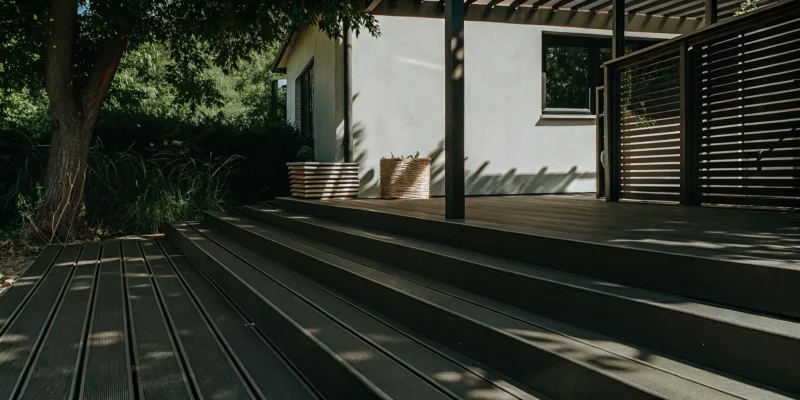
A pergola can completely transform how you use your outdoor space, turning a simple patio into a four-season retreat. Modern pergolas offer much more than just shade. With features like adjustable louvered roofs, integrated lighting, and built-in heaters, you can create a comfortable atmosphere no matter the weather. This level of functionality allows you to extend your outdoor enjoyment from early spring through late fall. Achieving this requires careful planning and execution. This guide explores the innovative features available today and how to incorporate them into your backyard. A smart pergola design and installation is the key to unlocking your yard’s full potential and creating a versatile space for year-round living.
Key Takeaways
- Define Your Pergola’s Role First: Your pergola’s main function, whether for dining, lounging, or as a garden feature, should guide every decision. This purpose will help you choose the right size, style (like attached or freestanding), and placement to create a space that truly works for you.
- Select Materials Suited for Long Island Weather: The material you choose determines both maintenance and lifespan. Low-maintenance options like aluminum and vinyl are ideal for resisting coastal air and humidity, while classic wood requires consistent sealing to protect it from rot and weather damage.
- Ensure a Safe and Stable Installation: A pergola is only as good as its foundation. A successful build requires a solid, level base, secure anchoring for every post, and the correct local permits. Getting these details right is critical for safety and prevents costly mistakes down the road.
Which Pergola Style Is Right for You?
Once you decide to add a pergola to your yard, the fun part begins: choosing a style. The right design will feel like a natural extension of your home and support how you want to live outdoors. Your main choices come down to placement, aesthetic, and functionality. Let’s walk through the most popular options to help you find the perfect fit for your Long Island home.
Attached vs. Freestanding Pergolas
An attached pergola connects directly to your house, creating a smooth transition from your indoor living room to an outdoor patio. This style is a fantastic choice if you want to extend your living area, providing a shaded, comfortable spot for dining or relaxing just steps from your door. On the other hand, a freestanding pergola is a standalone structure you can place anywhere in your yard. This gives you more flexibility. You could create a quiet retreat in a garden, a shaded lounge area by your swimming pool, or a stunning focal point in your landscape design. The choice really depends on how you envision using your new outdoor room.
Traditional vs. Modern Designs
Your pergola’s design should complement your home’s architecture. Traditional pergolas often use classic materials like wood, featuring beautiful details like latticework and decorative post ends. They bring a timeless, romantic charm to gardens and patios, pairing wonderfully with classic home styles. Modern pergolas, however, focus on minimalism and clean lines. They often use materials like aluminum, steel, or sleek composites for a sharp, functional aesthetic. These designs are a perfect match for contemporary homes, creating a sophisticated outdoor space that feels both simple and luxurious. The right design will harmonize with your existing masonry and landscaping.
What Is a Bioclimatic Pergola?
For the ultimate in function and control, a bioclimatic pergola is an incredible option. These innovative structures feature adjustable motorized slats or louvers in the roof. With the touch of a button, you can open the slats to let in the sun, close them completely for rain protection, or angle them to create the perfect amount of shade and airflow. This adaptability means you can comfortably use your outdoor space nearly year-round, regardless of the weather. Bioclimatic pavilions and pergolas are designed to help regulate temperature naturally, making them a smart and sophisticated addition to any modern home looking to maximize its outdoor living potential.
How to Choose the Best Pergola Material
The material you choose for your pergola is one of the most important decisions you’ll make. It defines the structure’s appearance, how much maintenance it will need, and how long it will last in your backyard. Your choice will likely come down to three popular options: classic wood, low-maintenance vinyl, or modern aluminum. Each has its own set of benefits and considerations, especially when you factor in Long Island’s unique climate. Thinking through these options will help you find the perfect fit for your home, lifestyle, and budget, ensuring your new outdoor space is exactly what you envisioned.
The Classic Look of Wood
Wood is a timeless choice for a reason. It offers a natural, warm beauty that blends seamlessly into any landscape design. You can stain it to highlight the grain or paint it to perfectly match your home’s exterior, giving you plenty of design flexibility. Wood’s timeless appeal makes it a favorite for creating a traditional and inviting outdoor room. However, this classic look comes with a commitment. To protect it from moisture, insects, and rot, wood requires regular maintenance, including sealing or staining every few years. If you love the authentic look of real wood and don’t mind the upkeep, it’s an excellent option.
The Low-Maintenance Appeal of Vinyl
If your goal is to spend more time relaxing under your pergola and less time maintaining it, vinyl is an outstanding choice. Vinyl pergolas have become incredibly popular with busy homeowners because they require almost no upkeep. You’ll never have to worry about painting or staining, and cleaning is as simple as a quick rinse with a hose. Because vinyl is resistant to rot and insects, it’s a durable material that won’t fade, crack, or warp over time. It’s a practical, long-lasting solution that keeps its fresh look for years with minimal effort.
The Modern Durability of Aluminum
For a sleek, contemporary look combined with incredible strength, aluminum is the top contender. Aluminum pergolas are lightweight yet exceptionally durable, offering a clean, minimalist aesthetic that complements modern architecture. They are naturally resistant to rust and corrosion, making them a perfect fit for Long Island’s humid, salty air. Aluminum is a fantastic choice for a long-lasting structure that can handle extreme weather conditions without showing wear and tear. If you want a structure that is both stylish and requires virtually no maintenance, aluminum is an ideal investment for your property.
Select a Material Built for Long Island Weather
Here on Long Island, we get a bit of everything: hot and humid summers, strong coastal winds, and heavy snow in the winter. Your pergola material needs to be tough enough to handle it all. While wood is beautiful, it requires diligent care to prevent weather-related damage. Materials like aluminum and vinyl are especially well-suited for our coastal climate because they resist corrosion and decay. Choosing a material designed for these conditions ensures your investment is protected for years to come. At Gappsi, we help homeowners select from a range of high-quality pavilions and pergolas built to last in our local environment.
How to Choose the Right Pergola Size
Picking the right pergola size is about more than just making sure it fits. It’s about creating a structure that feels proportional to your home and yard, and that perfectly suits how you plan to use it. A pergola that’s too small can feel cramped and insignificant, while one that’s too large can overwhelm your landscape. The goal is to find that sweet spot where the size enhances both the function and the beauty of your outdoor living area.
Before you fall in love with a specific design, think about what you want to do under your pergola. Will it be a cozy reading nook for two? An outdoor dining room for family dinners? Or a spacious lounge area for entertaining guests? Answering these questions will give you a realistic idea of the footprint you need. We can help you visualize the possibilities and find a size that complements your home and lifestyle, ensuring your new pergola or pavilion becomes your favorite spot.
Measure Your Outdoor Space
First things first, grab a tape measure. Accurately measuring your available space is a critical first step. As you measure, consider the flow of traffic around the area and leave enough room for landscaping and walkways. It’s also interesting to note that with many pergola kits, bigger can be a better value. The price per square foot often decreases as the size increases. For example, a 12×10 foot kit provides nearly double the usable area of an 8×8 foot kit but may only cost about 25% more. Thinking about the scale from the start helps you maximize both your space and your budget.
Match the Pergola to Your Home’s Architecture
Next, decide if you want your pergola to be an extension of your home or a standalone feature. An attached pergola connects directly to your house, creating a seamless transition from indoors to outdoors. This style is often more economical because it uses the house for support, requiring only two posts instead of four. A freestanding pergola, on the other hand, can be placed anywhere in your yard. It acts as a destination, defining a specific area like a poolside lounge or a garden retreat. Your choice will depend on your property’s layout and the overall look you want to achieve with your landscape design.
Account for Sun, Wind, and Shade
Think about how the natural elements interact with your yard. Where does the sun fall throughout the day? A pergola’s primary function is to provide shade, so its placement and orientation are key. The direction of the rafters and the spacing between them will determine how much sunlight filters through. You can design it for dappled light or for more complete coverage. For Long Island homes, it’s also wise to consider the wind. A well-built, properly anchored pergola is essential to withstand coastal weather, ensuring your structure is both beautiful and durable for years to come.
How to Integrate a Pergola into Your Landscape
A pergola should feel like it was always meant to be part of your yard, not just an afterthought. Integrating it thoughtfully into your existing landscape is the key to creating a space that looks beautiful and functions perfectly. It’s about making the pergola a natural extension of your home and garden, connecting different elements to create one cohesive outdoor retreat. By considering how it relates to your home, patio, and plants, you can build a structure that truly belongs.
Create Visual Balance with Proportion and Scale
Getting the size right is one of the most important steps. A pergola should feel balanced with your home and the scale of your yard. If you have a large, sprawling backyard, a tiny pergola will look lost and insignificant. On the other hand, a massive structure can easily overwhelm a smaller, cozier space. The goal is to find that sweet spot where the pergola complements its surroundings. Think about the height of your home’s roofline and the overall footprint of your outdoor area to guide your pergola design choices.
Pair It with a Patio, Pool, or Masonry
A pergola works best when it connects to other features in your yard. Placing it over a patio creates a designated outdoor room for dining or lounging. When positioned next to a swimming pool, it offers a shady spot to relax between dips. You can use a pergola to create a seamless transition from your back door to your garden. By pairing it with beautiful masonry walkways or a stone patio, you can build a cohesive and functional outdoor living area that flows naturally from one space to the next.
Use Climbing Plants and Greenery
Wrapping your pergola in climbing plants is a wonderful way to soften its lines and merge it with your garden. Vines not only add a touch of romance and natural beauty but also provide extra shade as they grow. Imagine fragrant wisteria, vibrant clematis, or classic climbing roses weaving through the rafters. This living canopy makes the space feel lush and inviting. Choosing the best plants for your pergola can transform it from a simple structure into a vibrant part of your landscape design.
Add Smart Technology and Lighting
To get the most out of your pergola, think about how you’ll use it after the sun goes down. Integrating lighting is a must for evening entertaining or quiet relaxation. You can opt for simple string lights for a festive mood or install built-in LED lighting for a sleeker, more modern look. Many modern pavilions and pergolas also offer smart features like automated retractable canopies, built-in heaters, or ceiling fans, allowing you to control the climate with the touch of a button and enjoy your outdoor space in any weather.
Key Features of a Quality Pergola
When you start looking at pergolas, you’ll quickly see that they come in all shapes, sizes, and materials. But what really separates a great pergola from a mediocre one? It comes down to a few key features that ensure your new outdoor structure is not just beautiful, but also functional and long-lasting. A quality pergola is an investment in your home and lifestyle, so it’s worth paying attention to the details that guarantee you’ll be enjoying it for years to come. From the sturdiness of its frame to the cleverness of its shade options, these are the features to look for.
Structural Integrity and Durability
A quality pergola is built to last. The best structures are made from high-quality materials that can handle anything Long Island weather throws at them, from humid summers to coastal winds. Materials like cedar, pine, or durable aluminum provide the strength needed for a stable and secure structure. A well-built pergola is designed to stand up to strong winds and resist wear over time. When you work with experts, you can be confident that your pergola’s structural integrity is a top priority, ensuring it remains a safe and beautiful centerpiece in your yard for many seasons.
Roof and Shade Options
One of the main purposes of a pergola is to provide shade, and a quality design gives you control over how much sun you get. You can choose between a freestanding pergola that acts as a destination in your yard or one that attaches to your house to extend your living space. Many modern pavilions and pergolas come with smart roof options, like retractable canopies for adjustable shade or louvered roofs that you can open and close with the touch of a button. This versatility lets you create the perfect atmosphere, whether you’re soaking up the morning sun or seeking cool relief on a hot afternoon.
Custom Add-Ons: Curtains, Screens, and Furniture
Customization is what transforms a simple structure into your personal outdoor retreat. A quality pergola allows you to tailor the design to your exact needs and style. Beyond choosing the material and size, you can incorporate a wide range of add-ons to enhance comfort and privacy. Adding flowing curtains can create a soft, resort-like feel, while integrated screens can protect you from insects on summer evenings. These custom features allow you to design an outdoor space that truly feels like an extension of your home, complete with lighting, heating, and comfortable furniture.
DIY Pergola Kits vs. Custom Builds
One of the first decisions you’ll make is whether to use a DIY pergola kit or hire a professional for a custom build. Kits offer a straightforward, budget-friendly path, while custom designs provide limitless possibilities and a truly integrated look. Your choice depends on your budget, your timeline, your comfort with DIY projects, and your vision for your backyard. Let’s walk through the key differences to help you decide which approach is the right fit for your Long Island home.
What’s Included in a Pergola Kit?
A pergola kit is essentially a structure in a box. These kits are designed for accessibility, providing everything you need for assembly in one package. Inside, you’ll find all the wood or vinyl pieces pre-cut to the correct size and often pre-drilled for easier construction. The kit also includes all the necessary hardware, like screws and brackets, along with a set of step-by-step instructions. Most are designed so that two people with basic tool knowledge can put one together in a single afternoon, typically within four to six hours. This makes it a very appealing option if you’re looking for a quick and simple weekend project.
The Pros and Cons of a DIY Project
The most significant advantage of a DIY pergola project is the cost savings. By assembling it yourself, you can save thousands of dollars in labor costs. For many homeowners, there’s also a great sense of pride and accomplishment that comes from building something with your own hands. However, it’s important to be realistic about your skills. A DIY project requires the right tools, a bit of patience, and a clear understanding of the instructions. A small mistake can lead to a wobbly structure or an unprofessional finish. You are also limited to the specific sizes, materials, and designs offered by the kit manufacturer.
Why Choose a Custom-Built Pergola?
A custom-built pergola is designed to be a perfect extension of your home and landscape. Unlike a one-size-fits-all kit, a custom design is tailored to your exact specifications, matching your home’s architectural style and fitting precisely into your desired location. Working with a professional team gives you access to higher-quality materials and expert craftsmanship, ensuring your pergola is not only beautiful but also structurally sound enough to handle Long Island’s coastal weather. A professionally designed and installed structure from Gappsi can become a stunning centerpiece, especially when integrated with other features like a stone patio or pool deck, significantly increasing your home’s value.
Compare the Costs: Kits vs. Professional Installation
When you look at the upfront price tag, a DIY kit is almost always the cheaper option. You are only paying for the materials, not the professional labor, which can cut the total cost by half or more. However, it’s helpful to think of a custom build as a long-term investment. While the initial cost is higher, you are paying for durability, superior materials, and a flawless installation that is guaranteed to last for years. A custom pavilion or pergola also eliminates the risk of costly DIY errors and ensures your structure is safely and securely anchored, adding lasting value and enjoyment to your property.
What Does Pergola Installation Involve?
So, you’ve picked out the perfect pergola style and material for your Long Island home. What’s next? The installation process might seem like a huge undertaking, but it’s really just a series of manageable steps. Breaking it down can help you decide whether to tackle it yourself or bring in a professional. The journey from a bare patch of lawn to a beautiful, shaded retreat involves preparing the site, securing the right permits, assembling the structure, and making that final call on who will do the building.
Understanding what the installation entails is the first step toward a successful project. Whether you’re a seasoned DIYer ready for a weekend challenge or you’d prefer to have an expert team handle everything, knowing the process helps you plan your time and budget. A well-installed pergola not only looks great but also stands strong against the elements for years to come. At Gappsi, we specialize in creating stunning, durable pavilions and pergolas that are built to last, handling every detail from the ground up.
Prepare Your Site and Foundation
Before any posts go up, you need a solid base. The first step in any pergola installation is preparing the site. This means clearing the designated area of any grass, plants, rocks, or debris to create a clean slate. Most importantly, the ground must be perfectly level. An uneven surface can compromise the structural integrity of your pergola, so taking the time to get this right is crucial. You should also confirm the location of any underground utility lines before you start digging.
Your pergola needs to stand on a firm foundation to ensure it’s safe and stable. For a pergola on a lawn, this typically involves digging holes and pouring concrete footings to anchor the posts. If you’re installing it on an existing surface, you’ll need to securely anchor the posts to the patio. A professionally installed masonry patio provides an ideal, durable base that ensures your pergola will remain stable and secure through every season.
Understand Local Permit Requirements
This is one step you definitely do not want to skip. Many towns across Long Island, in both Nassau and Suffolk counties, require a building permit for outdoor structures like pergolas. The specific requirements often depend on the pergola’s size, its height, and whether it is attached to your house or freestanding. It’s always best to call your local building department to get clear information on what’s needed for your project.
Trying to get a permit can feel complicated, but it protects you from potential fines and ensures your structure is built to code. Some pergola kits even provide custom drawings that can help with your application. If you work with a professional installer, they will typically handle the entire permitting process for you. This service alone can save you a lot of time and prevent common headaches associated with municipal rules.
A Look at the Assembly Process
Once your site is prepped and your permits are in hand, it’s time for the fun part: assembly. If you’ve opted for a DIY pergola kit, you’ll find that most of the hard work has been done for you. These kits typically arrive with all the wood or vinyl pre-cut, holes pre-drilled, and a set of easy-to-follow instructions. With a helper, most small to medium-sized pergolas can be put together in a weekend, requiring just some basic tools and a bit of patience.
For a custom-built pergola, the assembly process is handled entirely by a professional crew. Our team at Gappsi manages the construction from start to finish, ensuring every joint is secure and every angle is perfect. This approach not only guarantees a high-quality result but also allows for unique designs and features that a standard kit can’t offer.
Know When to Hire a Professional
While a DIY pergola project can be a rewarding experience and may save you money on labor, it’s not the right fit for everyone. It requires some basic woodworking skills, the right tools, and a willingness to dedicate a weekend or two to the project. If you’re short on time or not confident in your building abilities, hiring a professional is often the better choice. A pro can handle complex installations, like those on uneven ground or attached to a house, with ease.
Hiring an expert ensures your pergola is not only beautiful but also structurally sound and safely installed. A professional team manages all the logistics, from securing permits to site preparation and final assembly. This gives you a stress-free experience and a flawless finish that integrates perfectly with your existing landscape. For a truly custom structure designed to complement your home, a professional installation delivers peace of mind and exceptional quality.
Common Pergola Installation Mistakes to Avoid
Building a pergola is an exciting project, but a few common missteps can turn your dream addition into a headache. Knowing what to watch out for ahead of time can save you from costly fixes and ensure your new outdoor structure is safe, beautiful, and built to last. Let’s walk through some of the most frequent installation mistakes so you can avoid them.
Incorrect Measurements and Sizing
One of the easiest mistakes to make is getting the measurements wrong. A pergola that’s too large can overwhelm your yard, while one that’s too small looks out of place and won’t provide the function you need. Beyond aesthetics, accurate measurements are crucial for structural integrity. If your posts are unevenly spaced or the beams are cut to the wrong length, the entire structure can become unbalanced and unsafe. Always measure your space twice (or even three times) before you cut any materials or dig any holes. This simple step ensures everything fits together perfectly and looks just right in your backyard.
Weak Anchoring and Foundation
A pergola is only as strong as its foundation. A critical error is failing to anchor the structure properly, leaving it vulnerable to Long Island’s strong winds and changing weather. Every post needs to be secured into a solid footing, typically made of concrete, to prevent it from shifting, leaning, or even collapsing over time. A pergola must be anchored securely with appropriate hardware to create a stable and permanent structure. Skimping on the foundation might save a little time upfront, but it creates a serious safety hazard and will ultimately shorten the life of your beautiful new addition.
Forgetting to Secure Permits
“Do I really need a permit for that?” It’s a question many homeowners ask, and skipping this step is a frequent oversight. The answer is, you probably do. Many towns on Long Island require permits for structures like pergolas, especially if they are over a certain size or attached to your house. Building without a permit can lead to fines from your local municipality, and you might even be ordered to take the structure down. Checking with your local building department before you start is a non-negotiable part of the process. It ensures your project is compliant with all safety codes and saves you from major trouble later.
Using Materials Unsuited for Long Island Weather
The materials you choose have a huge impact on how long your pergola will last and how much maintenance it will need. Long Island’s climate, with its humid summers, freezing winters, and salty air near the coast, can be tough on outdoor structures. Selecting weather-resistant materials is essential for durability. While some woods look beautiful initially, they can rot or warp without proper treatment. Materials like aluminum, high-quality vinyl, or naturally resilient woods like cedar are excellent choices for our area. They stand up to moisture and temperature swings, ensuring your pergola remains a stunning feature for years to come.
How to Maintain Your Pergola
Your new pergola is the centerpiece of your backyard, and a little routine maintenance will keep it looking beautiful for years to come. The care your pergola needs depends on its material, but the effort is well worth it to protect your investment. Here’s a simple breakdown of how to care for your structure through the seasons.
Caring for Wood Pergolas
A wood pergola offers timeless, natural beauty, and with a bit of annual care, you can keep it that way. I recommend giving it a gentle wash each year with mild soap and water to clear away any dirt or mildew. After a good rinse, let it dry completely. To protect it from Long Island’s weather, apply a quality wood sealant every few years. This simple step is the best way to prevent rot and insect damage. If you notice any stubborn stains or wear, our team offers professional restoration and sealing services to bring it back to life.
Maintaining Vinyl and Aluminum
If you chose a vinyl or aluminum pergola, you’re in luck because they are incredibly low-maintenance. These materials are built to withstand the elements without needing to be painted or stained. For routine cleaning, a simple wash with soap and water is usually all you need to remove surface dirt. For any tougher spots, a soft cloth and a non-abrasive cleaner will do the trick. Just be sure to avoid harsh chemicals that could damage the finish. These durable pergola options are designed for an easy-care lifestyle, giving you more time to simply enjoy your outdoor space.
Seasonal Maintenance for Long Island Homes
Living on Long Island means your pergola will experience all four seasons, so a little seasonal prep is smart. In the fall, make it a habit to clear away fallen leaves and debris from the roof. This prevents moisture from getting trapped, which can lead to mold. When winter arrives, gently remove any heavy snow accumulation to avoid putting excess strain on the frame. Throughout the year, it’s a good idea to periodically check for any loose fittings and ensure the area has proper drainage. A quick seasonal check-up will keep your pergola safe for every backyard occasion.
Find the Right Pergola Company on Long Island
Once you have a vision for your pergola, the next step is deciding how to bring it to life. You generally have two paths: using a DIY pergola kit or hiring a professional company. DIY kits, which you can order online, come with pre-cut and pre-drilled materials and are designed for home assembly. For some, this can be a rewarding weekend project, and the initial cost might seem lower than a custom build. These kits are available in materials like cedar and fiberglass, with options for both freestanding and attached designs.
However, the DIY route puts all the responsibility on your shoulders. You’ll need to ensure your measurements are perfect, prepare a stable foundation, and secure any necessary local permits. An improperly anchored pergola can be a safety hazard, and using materials not suited for Long Island’s coastal climate can lead to premature wear and costly repairs. While kits offer a starting point, they often lack the customization and durability needed to truly complement your home and withstand the local weather for years to come.
Working with an experienced Long Island pergola company removes the guesswork and ensures a high-quality, lasting result. A professional team handles every detail, from initial design to final installation. They can create a structure that perfectly fits your space and architectural style, something a one-size-fits-all kit can rarely achieve. This expertise is invaluable for integrating your new pergola with existing features like a patio or for planning it as part of a larger backyard transformation, perhaps alongside a new swimming pool.
A full-service company like Gappsi provides a seamless experience, offering a wide selection of premium materials built to last. We guide you through choosing the best options, whether it’s classic wood, low-maintenance vinyl, or modern aluminum. Our design and construction experts manage the entire project, ensuring your pergola is not only beautiful but also structurally sound and perfectly integrated into your landscape. By partnering with a professional, you invest in peace of mind and a stunning outdoor feature that you and your family will enjoy for decades. You can explore a gallery of our custom pavilions and pergolas to see the difference professional craftsmanship makes.
Related Articles
- What You Should Know About Pergolas on Long Island
- Custom Long Island Railings: Style & Durability
- Custom Pavilions, Pergolas & Gazebos in Long Island, NY
Frequently Asked Questions
How do I choose between wood, vinyl, and aluminum for my pergola? The best material really comes down to your personal style and how much maintenance you’re willing to do. If you love a classic, natural look and don’t mind some annual upkeep like sealing or staining, wood is a beautiful choice. For a truly low-maintenance option, vinyl is fantastic because it resists rot and just needs an occasional rinse. If you prefer a modern aesthetic and want maximum durability, especially for our coastal Long Island weather, aluminum is an excellent investment that won’t rust or corrode.
What are the main factors that determine the cost of a new pergola? The final cost of a pergola is influenced by three main things: its size, the material you choose, and whether it’s a standard kit or a custom build. A larger, more complex structure will naturally cost more than a smaller, simpler one. Premium materials like aluminum or bioclimatic systems are a bigger investment than a standard pine kit. Finally, professional custom design and installation will have a higher upfront cost than a DIY kit, but it ensures a perfect fit, superior quality, and long-term durability.
What makes a bioclimatic pergola different from a regular one? Think of a bioclimatic pergola as the smart version of a traditional pergola. While a standard pergola has a fixed roof, like open rafters or a solid cover, a bioclimatic pergola has adjustable louvers. With the touch of a button, you can change the angle of these roof slats to let in full sun, create partial shade, or close them completely to block out rain. This gives you total control over the environment, making your outdoor space comfortable in almost any weather.
Do I really need a permit to build a pergola on Long Island? Yes, in most cases, you will need a permit. The specific rules can vary between towns in Nassau and Suffolk County, but most municipalities require one for outdoor structures of a certain size or height. Skipping this step can lead to fines or even having to remove the structure. It’s always best to check with your local building department before you begin. When you work with a professional company, they typically handle the entire permitting process for you, which saves a lot of time and hassle.
Is a DIY pergola kit a good idea, or should I hire a professional? A DIY kit can be a great option if you are confident in your building skills, have the right tools, and are looking to save on labor costs. However, a custom build by a professional team ensures the structure is perfectly tailored to your home and landscape. Professionals can handle complex installations, guarantee the pergola is safely anchored to withstand our weather, and deliver a higher-quality finish. It really comes down to balancing your budget against your desire for a flawless, long-lasting result.