


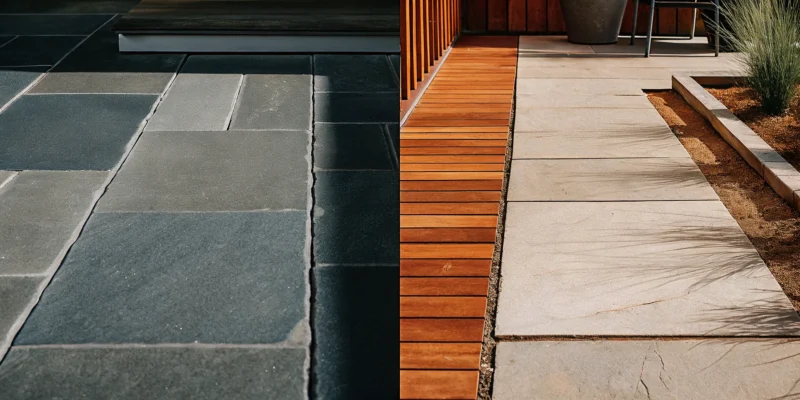
Living on Long Island means our outdoor spaces have to be tough. They need to endure hot, humid summers, icy winters, and the constant freeze-thaw cycles that can wreak havoc on lesser materials. When you’re investing in a new patio, you need a surface that will look beautiful for decades, not just for a season. This is why the conversation around bluestone vs pavers for patio is so critical for local homeowners. It’s about more than just aesthetics; it’s about choosing a material that is built to last in our specific climate. We’ll compare how each option handles the elements, from slip resistance on rainy days to staying cool under the summer sun.
Key Takeaways
- Balance Your Budget and Aesthetic: Bluestone offers a premium, authentic stone appearance at a higher cost, while pavers provide a budget-friendly and versatile alternative with a huge selection of colors and styles.
- Consider Long-Term Upkeep: Pavers are a practical, low-maintenance choice for the Long Island climate, as their interlocking design handles freeze-thaw cycles and allows for simple repairs. Bluestone offers incredible durability but requires regular sealing to protect its natural surface from stains and weather.
- Choose Your Design Philosophy: Select bluestone for its timeless, organic elegance where every stone is unique, creating a sophisticated, one-of-a-kind surface. Opt for pavers when you want complete creative control, using endless color and pattern combinations to create a truly custom look.
Bluestone vs. Pavers: Which Is Right for Your Patio?
Choosing the right material for your new patio is one of the most exciting parts of a backyard project. It sets the tone for your entire outdoor space. The decision often comes down to two popular choices: bluestone and pavers. One offers timeless, natural beauty, while the other provides incredible design flexibility. Let’s break down what makes each material unique so you can find the perfect fit for your Long Island home.
What Is Bluestone?
Bluestone is a beautiful, dense natural stone that is quarried directly from the earth. It’s known for its classic, elegant appearance that feels both upscale and grounded. You’ll typically find two main varieties: Pennsylvania bluestone, which is a type of sandstone, and Shenandoah bluestone, which is a form of limestone. Each slab has subtle variations in color and texture, giving your patio a one-of-a-kind character that simply can’t be replicated. Its rich, earthy tones create a sophisticated backdrop for any outdoor living area, from a cozy fire pit seating area to a sprawling poolside deck. If you’re aiming for a timeless look that can last a lifetime with proper installation, bluestone is a fantastic choice.
What Are Pavers?
Unlike bluestone, pavers are manufactured, typically from concrete, clay, or even recycled materials. This factory process gives them a huge advantage in versatility. Pavers come in a nearly endless variety of colors, shapes, sizes, and textures, allowing you to create truly custom patterns and designs. Whether you want the look of classic cobblestone, sleek modern tiles, or something in between, there’s a paver for it. This consistency also makes installation straightforward and allows the individual units to shift slightly with changing weather, which is a great feature for Long Island’s climate. If you value creative freedom and want to perfectly match your patio to your home’s style, pavers offer a world of possibilities.
Key Differences at a Glance
When you put them side by side, the main differences between bluestone and pavers become clear. Bluestone offers an authentic, high-end aesthetic with unique natural variations, but it generally comes with a higher price tag, often ranging from $17 to $25 per square foot. Pavers, on the other hand, provide a much wider range of costs, typically from $8 to $25 per square foot, making them accessible for various budgets. While bluestone is celebrated for its timeless elegance, pavers are the go-to for design flexibility and durability. Many homeowners find pavers easier to maintain and appreciate how they handle wear and tear, making them a practical choice for large, high-traffic areas.
Comparing Costs: Bluestone vs. Pavers
Let’s talk about one of the biggest factors in any home project: the budget. When you’re planning a new patio, understanding the costs involved is the first step to making a confident decision. Both bluestone and pavers create beautiful, lasting outdoor spaces, but they come with different price tags. It’s not just about the price per square foot, it’s about the total investment in your home and lifestyle. The final cost of your project will depend on the material you choose, the size of your patio, the complexity of the design, and the specific installation requirements.
Bluestone, a natural stone quarried from the earth, generally sits at a higher price point. This cost reflects its natural origins, the labor involved in extracting it, and its unique, timeless beauty. On the other hand, pavers are manufactured materials, which often makes them a more budget-friendly choice. They come in a huge variety of styles and materials, from concrete to porcelain, giving you a lot of flexibility. Think of this as an investment. A well-built patio not only gives you a wonderful space for making memories but can also add significant value to your home. Our team at Gappsi can walk you through all the options and help you create a beautiful patio that aligns with your budget and vision. We have years of experience in masonry design and construction and can help you weigh the costs and benefits of each material for your Long Island home.
How Much Does Bluestone Cost?
Bluestone is considered a premium material, and its price reflects that. You can generally expect the cost to range from $17 to $25 per square foot for the stone itself. For higher-end or more unique cuts and finishes, the price can climb to between $30 and $40 per square foot. This higher cost is tied directly to its natural origin. Each piece is quarried, cut, and shipped, which is a more labor-intensive process than manufacturing pavers. When you choose bluestone, you’re paying for a one-of-a-kind product. The subtle color variations and natural textures mean that no two bluestone patios are ever identical. It’s an investment in authentic, long-lasting elegance that brings a touch of nature right to your backyard.
How Much Do Pavers Cost?
Pavers are typically the more wallet-friendly option, making them a popular choice for many homeowners. The cost for pavers generally falls between $8 and $25 per square foot. This wide range exists because “pavers” is a broad category that includes many different materials, like concrete, clay, and even high-tech porcelain. While some premium pavers can approach the cost of bluestone, the vast majority of options are more affordable. This allows you to achieve a beautiful, durable patio without the premium price tag of natural stone. The lower cost is mainly because pavers are manufactured, which makes them more widely available and less labor-intensive to produce. This makes them a fantastic and versatile choice for projects of any size or budget.
What Factors Influence the Price?
Beyond the base cost of the material, several other factors will shape your project’s final price. For bluestone, the higher price is due to it being a natural product that needs to be quarried and transported, often from specific regions. The installation process can also be more complex, especially for a wet-laid application, which requires a concrete base and mortar. Pavers, being manufactured, are more readily available and often lighter, which can simplify the installation process. The installation method, whether it’s a dry-laid or wet-laid technique, will also affect the total cost for either material. At Gappsi, we specialize in installing a wide variety of porcelain and natural stone pavers, ensuring your project is built to last, no matter which material you choose.
Design and Aesthetics: Finding the Perfect Look
The look of your patio sets the tone for your entire outdoor space. Both bluestone and pavers offer beautiful, distinct aesthetics, but they achieve them in very different ways. Your choice will come down to whether you prefer the organic character of natural stone or the controlled creativity of manufactured pavers. A well-designed patio should complement your home’s architecture and your personal style, creating a seamless flow from indoors to out. Gappsi’s design experts can help you visualize how each material will look with your home, ensuring the final result is exactly what you imagined. We can even integrate features like outdoor kitchens or fire pits using matching or complementary masonry for a cohesive design.
The Natural Elegance of Bluestone
If you’re drawn to a timeless, organic look, bluestone is an incredible choice. Each stone is unique, with subtle variations in color ranging from deep blues and grays to hints of green, brown, and lilac. This natural variation creates a rich, textured surface that feels both luxurious and grounded. Bluestone patios have an authentic elegance that manufactured products work hard to imitate. Because it’s a natural stone, it blends beautifully with landscaping elements like garden beds and lush lawns. The inherent character of bluestone means your patio will be one of a kind, with a sophisticated charm that only improves with age.
The Creative Versatility of Pavers
For homeowners who want complete creative control, pavers are the perfect canvas. While bluestone’s beauty lies in its natural imperfections, pavers offer endless possibilities in color, shape, texture, and size. Modern manufacturing techniques allow concrete pavers to convincingly mimic the look of natural stone, including bluestone, but with greater consistency and a wider range of options. This versatility means you can design a patio that perfectly matches your home’s siding, trim, or other outdoor features. From rustic cobblestone styles to sleek, modern slabs, pavers give you the tools to create a truly custom outdoor living area that reflects your exact vision.
Popular Patterns and Layouts
The pattern you choose for your patio has a major impact on its overall style. With bluestone, a random rectangular or “Ashlar” pattern is most common. This layout uses a mix of different-sized rectangular stones to create a dynamic, natural-looking surface that breaks up straight lines. For pavers, the options are nearly limitless. Classic running bond and herringbone patterns are always popular, offering a traditional and elegant feel. More intricate designs like basketweave or circular patterns can create a stunning focal point. The pattern can make a space feel larger or more intimate, and our design team can help you select a layout that complements your home and landscape.
Color Options and Design Flexibility
When it comes to color, the choice between bluestone and pavers is clear. Bluestone offers a beautiful but limited palette of natural earth tones. While you can select stones that lean more blue or more gray, the final look is determined by nature. Pavers, on the other hand, come in a huge spectrum of colors. You can find everything from warm reds and browns to cool grays and charcoals, often with blended tones to add depth. This flexibility makes it easy to coordinate your patio with your home’s existing color scheme. You can see how different materials and colors come together in our past projects on the Gappsi YouTube channel.
Durability in the Long Island Climate
Living on Long Island means we get to experience all four seasons, from humid summer days to icy winter nights. While beautiful, this weather can be tough on outdoor materials. When you’re investing in a new patio, you need to know it will stand up to the elements year after year. Both bluestone and pavers are strong contenders, but they handle Long Island’s specific climate challenges in different ways. Understanding these differences is key to choosing a material that not only looks great on day one but continues to perform beautifully for decades. Your patio is an extension of your home, and picking the right foundation ensures it will be a source of enjoyment, not a maintenance headache.
Surviving Freeze-Thaw Cycles
If you’ve lived here long enough, you’re familiar with the freeze-thaw cycle. Water seeps into tiny cracks, freezes, expands, and then thaws, putting immense pressure on outdoor surfaces. Pavers are exceptionally good at handling this. Because they are individual units installed with sand-filled joints, they can shift slightly with the ground’s movement without cracking. This flexibility is a major advantage. While bluestone is a dense and durable stone, a large slab is more rigid. If water gets underneath and freezes, it can lead to heaving or cracking, which is a much more involved repair than replacing a single paver. Proper masonry installation is crucial for both, but pavers offer a bit more forgiveness.
Beating the Summer Heat
Think about walking barefoot on your patio on a hot July afternoon. The material you choose can make a big difference in comfort. Natural bluestone, especially in its darker gray and blue shades, absorbs a lot of sunlight and can get surprisingly hot to the touch. This can be a concern for families with children or pets, and it’s something to consider for patios around swimming pools. Pavers, on the other hand, come in a vast spectrum of colors. Opting for a lighter shade of paver will reflect more sunlight, keeping the surface temperature much cooler and more comfortable for bare feet all summer long. This simple choice can greatly improve how you enjoy your outdoor space during our warmest months.
Safety and Slip Resistance
Safety is another practical point to consider, especially for areas that get wet. Bluestone has a relatively smooth surface that can become quite slippery when it rains or after the sprinklers run. In shady, damp areas, it can also be prone to algae or moss growth, which further increases the slip factor. Many pavers are manufactured with a textured surface that provides better traction, making them a safer choice for walkways, pool decks, and patios. While sealing can help protect both surfaces, the inherent texture of many porcelain and natural stone pavers gives them an edge in slip resistance right from the start, offering you more peace of mind.
How Long Will Your Patio Last?
A new patio is a long-term investment, so you want it to last. With professional installation and proper care, both materials offer impressive longevity. Bluestone is a natural stone that can last 30 to 75 years or even longer. Its lifespan is a testament to its natural durability. Pavers also boast a long life, typically lasting between 25 and 40 years. The key difference lies in repairs. If a large bluestone slab cracks, replacing it can be a significant project. If a paver cracks or gets stained, you can simply lift it out and replace that one piece, making repairs simple and cost-effective. This ease of maintenance helps ensure your patio looks its best for its entire lifespan.
What to Expect for Long-Term Maintenance
Any beautiful patio requires some level of care to keep it looking its best year after year. Understanding the long-term commitment before you invest is key to choosing a material you’ll love for the long haul. Both bluestone and pavers have distinct maintenance needs, and the right choice for you will depend on how much time you want to spend on upkeep.
The good news is that many common maintenance tasks, like cleaning and sealing, can be handled by professionals. Gappsi offers expert restoration and sealing services to protect your investment and keep your patio looking brand new. Ultimately, the single biggest factor in reducing future headaches is a flawless installation from the start. When your patio is built correctly on a proper base, it will be far more resilient and require less work from you down the road.
Caring for a Bluestone Patio
Bluestone’s natural beauty is undeniable, but it does ask for a bit more attention to stay pristine. As a porous natural stone, it can be susceptible to damage from water, especially if your patio is near a swimming pool or in an area that doesn’t get much sun. To protect it from dirt, stains, and chemicals like chlorine, bluestone needs to be sealed regularly. This simple step is the best way to preserve its color and integrity. With the right care and a professional sealing schedule, a bluestone patio can easily last a lifetime, becoming a timeless feature of your home.
Caring for a Paver Patio
If a low-maintenance lifestyle is your goal, pavers are an excellent choice. They are incredibly durable and engineered to withstand Long Island’s freeze-thaw cycles without cracking. One of the biggest advantages of pavers is the ease of repair. If a single paver ever chips or cracks, you can simply replace that one piece, which is much simpler and more affordable than repairing a large stone slab. Your main upkeep tasks will be occasional cleaning and perhaps topping off the joint sand every few years to keep weeds at bay and the pavers locked in place.
How Proper Installation Minimizes Upkeep
No matter which material you choose, the quality of the installation is the most critical factor for a long-lasting, low-maintenance patio. A patio is only as good as the foundation it’s built on. An expert masonry team ensures the base is properly excavated and compacted, creating a stable surface that prevents sinking and shifting. For example, a dry-laid installation technique allows the patio to flex slightly during freeze-thaw cycles, preventing cracks. Investing in a professional installation from the beginning means you’re setting your patio up for decades of beauty with minimal fuss.
A Quick Comparison of Pros and Cons
Making a final decision can be tough, so let’s break it down into a simple list of pros and cons. Seeing the advantages and disadvantages side-by-side can help clarify which material truly fits your vision and lifestyle. Whether you prioritize timeless beauty or practical versatility, this quick comparison will give you the key points you need to consider for your Long Island patio.
We’ll look at what makes each option shine and what potential drawbacks you should be aware of. This way, you can feel confident in your choice and get one step closer to enjoying your dream outdoor space.
Bluestone: The Pros and Cons
Bluestone offers a classic, elegant look that feels both high-end and timeless. Because it’s a natural product, every single stone is unique, giving your patio a one-of-a-kind character that complements almost any home style. With the right installation, a bluestone patio can last a lifetime.
However, there are a few things to keep in mind. Bluestone can become quite slippery when wet, particularly in shady areas where moisture lingers. It also comes with a higher price tag than most pavers. To keep it looking its best and prevent issues, you’ll want to invest in professional restoration and sealing services, which adds to the long-term cost.
Pavers: The Pros and Cons
Pavers are known for their incredible versatility and durability. They are engineered to handle wear and tear, and their interlocking design allows them to shift slightly with temperature changes, which is a huge plus for weathering Long Island’s seasons. Pavers are also generally more budget-friendly, making them a great option for larger projects.
On the other hand, the joints between pavers can sometimes allow weeds to sprout, requiring a bit of maintenance. If not installed correctly, pavers can also shift over time and create an uneven surface. While many modern pavers are beautifully designed, achieving the same authentic, large-slab appearance of natural stone can be a challenge.
How to Choose the Best Material for You
You’ve seen the head-to-head comparison, so now for the most important part: deciding which material is the right fit for your home, your family, and your vision. Making the final call comes down to balancing three key areas. Think about your budget, your personal style, and your long-term goals for your property. Let’s walk through each one so you can feel confident in your choice.
Matching Your Budget
Let’s talk numbers, because your budget is a practical and important part of any home project. Generally, bluestone costs more because it’s a natural product that is difficult to find and quarry. You can expect bluestone to cost between $17 and $25 per square foot. Pavers, on the other hand, are typically more affordable, with a price range of $8 to $25 per square foot. This difference can add up quickly depending on the size of your patio. While both options can create a stunning outdoor space, understanding the cost from the start helps you plan a project that you’re both excited about and comfortable with financially. Exploring different types of natural stone can also give you a clearer picture of your options.
Aligning with Your Lifestyle and Design Goals
Beyond the price tag, how do you want your patio to look and feel? If you’re aiming for a look that is classic, timeless, and elegant, bluestone is an incredible choice. Its natural color variations and textures can give your home a sophisticated feel that works with many architectural styles. However, if you love having plenty of options and want to get creative, pavers might be your perfect match. Since they are factory-made, pavers come in a huge variety of colors, shapes, and sizes. This allows for much greater customization, letting you design a patio that truly reflects your personal style.
Thinking About Your Home’s Resale Value
A new patio is more than just an upgrade for you to enjoy now; it’s an investment in your home’s future. When it comes to resale value, high-end materials often catch the eye of potential buyers. If you want a premium look that adds tangible value to your home, bluestone is a fantastic choice. Its classic appeal is often seen as a luxury feature that can make your property stand out. While a well-designed paver patio is also a great asset, the inherent elegance of bluestone can be a significant selling point, making the initial higher cost a worthwhile investment in the long run.
Related Articles
- Patio Pavers & Driveway Guide for Long Island Homes | Gappsi Inc
- Bluestone patio pavers Archives – Gappsi Group
Frequently Asked Questions
Which material is truly better for Long Island’s freeze-thaw weather? This is a great question because our weather is tough on outdoor surfaces. Pavers generally have an edge here. Because they are individual units with sand-filled joints, they can move and flex slightly as the ground freezes and thaws. This prevents the widespread cracking you might see with a more rigid surface. While bluestone is very dense, a large slab doesn’t have that same flexibility, so a flawless installation is absolutely critical to prevent heaving or damage over the winter.
Is the higher cost of bluestone actually worth it in the long run? Think of it as an investment in authenticity. The higher price of bluestone comes from it being a natural, quarried stone, which gives it a unique character and elegance that’s hard to replicate. For many homeowners, this timeless look and the potential boost in home resale value make the initial cost worthwhile. Pavers offer fantastic durability and design flexibility for a lower price, so it really comes down to whether you prioritize the one-of-a-kind beauty of natural stone or the practical versatility of a manufactured product.
Can I get the look of bluestone without the high price tag? Yes, you absolutely can. Many modern paver manufacturers have gotten incredibly good at creating products that mimic the look of natural stone, including bluestone. These pavers can replicate the color variations and textures of bluestone but offer more consistency and a much friendlier price point. It’s a fantastic way to achieve that classic, upscale aesthetic while staying within a specific budget.
Which option is safer for a family with kids or for a pool deck? For high-traffic family areas, especially around a pool, pavers are often the more practical choice. Many paver styles are manufactured with a textured surface that provides better slip resistance when wet. Additionally, dark bluestone can get very hot under the summer sun, while pavers come in a wide variety of light colors that stay much cooler on bare feet.
How important is professional installation for my new patio? It is the single most important factor for the longevity of your patio, regardless of which material you choose. A patio is only as strong as the foundation it’s built on. A professional installation ensures the base is properly prepared to prevent sinking, shifting, and drainage problems down the road. Investing in expert installation from the start saves you from costly repairs and headaches later on and is the best way to protect your new outdoor space.