


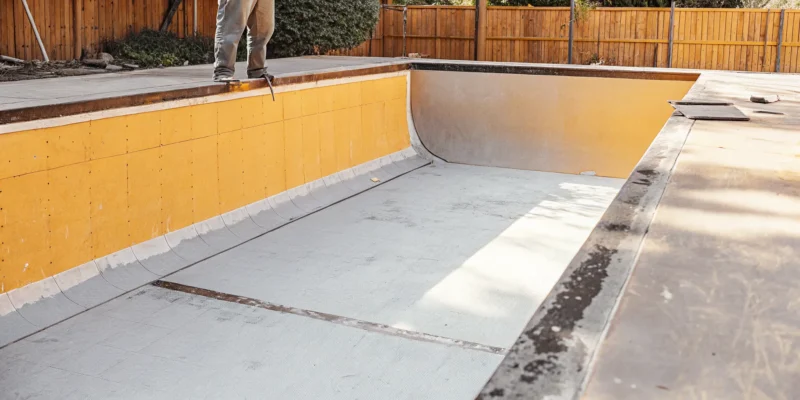
Old vinyl liners in time lose their stretch and start to pull away from the pool walls. Homeowners on Long Island must track these changes to avoid costly repairs to the pool floor or walls.
Vinyl liner pool replacement is a needed update for Long Island pools. It happens every ten years to protect the concrete or steel base from ground water pressure. The process involves draining the pool and installing a new twenty-eight mil liner. This thickness stands up to the freeze and thaw cycles in Nassau and Suffolk counties. Experts check the pipes and walls for rust or cracks before fitting the new liner. This makes sure the pool stays water-tight for at least another decade. Patterns that look like natural bluestone or travertine update your backyard while stopping leaks that could hurt the pool base and walls.
Knowing exactly when to start this project is the first step toward a beautiful and safe swimming area. Spotting the specific signs that your liner needs replacement before a small tear becomes a major flood is key to protecting your pool investment.
How Do You Know When Your Vinyl Liner Needs Replacement?
A vinyl pool liner is a key part of your swimming pool. It keeps the water in and protects the walls and floor. Like any part of your home, a liner will age over time. Most vinyl liners last between 7 and 12 years. This depends on how well you care for your pool water. On Long Island, the weather can also change how long your liner lasts. It is vital to know the signs of wear. This helps you plan for a vinyl liner pool replacement before a big leak starts. Seeing leaks early keeps your pool safe for your family. A new liner can change the look of your whole yard.
Visible Cracks and Water Loss
One of the first signs of an old liner is plain harm. You may see small cracks or tears near the water line or steps. These happen because the vinyl becomes brittle. Sun rays and pool tools dry out the liner over time. Even a small rip can cause your pool to lose water.
If you see the water level drop more than an inch a week, you may have a leak. Constant water loss can harm the base of your pool. It can also lead to high water bills and more work for your pump. Check your pool water level every week to spot these leaks early.
Fading and Surface Stains
The look of your liner can tell you a lot about its health. Fading from the sun is a common sign of age. While a faded liner might still hold water, it is often weak. Sun rays break down the vinyl and make it less flexed. You might also see stains from algae or grit.
If you cannot clean these spots with normal pool tools, they may be fixed for good. Stains can make your pool look old and dirty. Changing the liner is the best way to get a clean and fresh look for your yard. A new liner adds value to your home and makes the pool more fun to use. It is a great way to make your backyard look bright and new again.
Wrinkling and Floor Heaving
A good liner should be smooth and tight. If you see wrinkles or loose spots, the liner may be failing. Wrinkles can happen if the bead snaps out of its track. They can also occur if ground water gets under the pool. This is common in Nassau and Suffolk counties during the spring when the ground stays wet.
In some cases, the pool floor can even rise or feel bumpy. This is called a raised floor or heaving. It often means there is too much water pressure under the pool. These issues mean your liner is no longer doing its job well. If your pool floor feels uneven, you should call a pro for a checkup.
Watch for these telltale signs to know when it is time to call Gappsi’s swimming pool services:
- Frequent water loss that needs adding more water.
- Cracks and tears near the steps or water line.
- Large stains or severe fading from the sun.
- Wrinkles that do not go away.
- A pool floor that feels bumpy or has shifted.
- A liner that is older than 12 years.
If your vinyl liner shows cracking, fading, wrinkling, or water loss of more than one inch per week, it is likely time for a replacement. These issues worsen over time and can cause structural damage to the pool walls and floor. Replacing the liner when these signs first appear saves you from more costly repairs and keeps your pool safe for swimming.
What Is the Vinyl Liner Replacement Process?
The process for a vinyl liner pool replacement is hard. It needs the right tools and years of skill. Gappsi has helped owners in Nassau and Suffolk counties for over 38 years. We start the job by draining every drop of water from the pool. Our team uses strong pumps to clear the pool in a few hours.
Next, we take out the old, worn-out vinyl and the metal or plastic faceplates. We strip the pool down to its core to see the state of the walls. It is vital to check for rust, cracks, or floor sinking. Long Island’s freeze-thaw cycles stress your pool over time.
Fixing the Base and Fitting the Liner
A clean and flat base is the goal for this stage. We patch any cracks in the floor and sand the walls if they are rough. Gappsi’s experts then line up the new vinyl. We use a strong vacuum to suck out the air behind the liner. This vacuum holds the vinyl in place while the water starts to fill.
You can choose from many new patterns and colors. We offer thick 27 mil and 28 mil options for better strength. Modern beadlock systems give a tight fit that lasts for years. These systems are much more secure than the old J-hook styles used in the past.
- Drain the pool water all the way using high-speed pumps.
- Cut out the old vinyl liner and remove the gaskets and faceplates.
- Clean and repair the pool walls and floor to create a smooth base.
- Replace the gaskets and seal the tracks for the new liner.
- Fit the new vinyl liner into the track using an expert vacuum system.
- Fill the pool with fresh water and adjust the liner to remove any wrinkles.
- Install the final faceplates and restart the pool filter and heater.
Filling and Final Setup
Filling the pool is a slow and careful step. As the water rises, we walk the pool floor to smooth out any small folds. We do not cut the openings for the skimmers or returns until the water is deep enough. This keeps the liner from stretching too much after it is cut.
Once the pool is full, we install new gaskets and faceplates for a watertight seal. Finally, we hook up the pump, filter, and heater. This is a great time to upgrade to a variable-speed pump. These pumps can save you 30 to 80 percent on your energy bill each year.
The vinyl liner replacement process typically takes 2 to 5 days and involves draining the pool. Removing the old liner, repairing the walls and floor, fitting a new liner with a vacuum system, and refilling the pool. Each step must be done carefully to ensure the liner sits flat and seals tight around all fittings and plumbing.
What Modern Vinyl Liner Patterns and Designs Are Available?
Choosing a new pattern is the best part of a vinyl liner pool replacement. New print methods allow for complex looks that mimic natural stone. These choices help your pool match your deck and home style. They also boost the look of your yard.
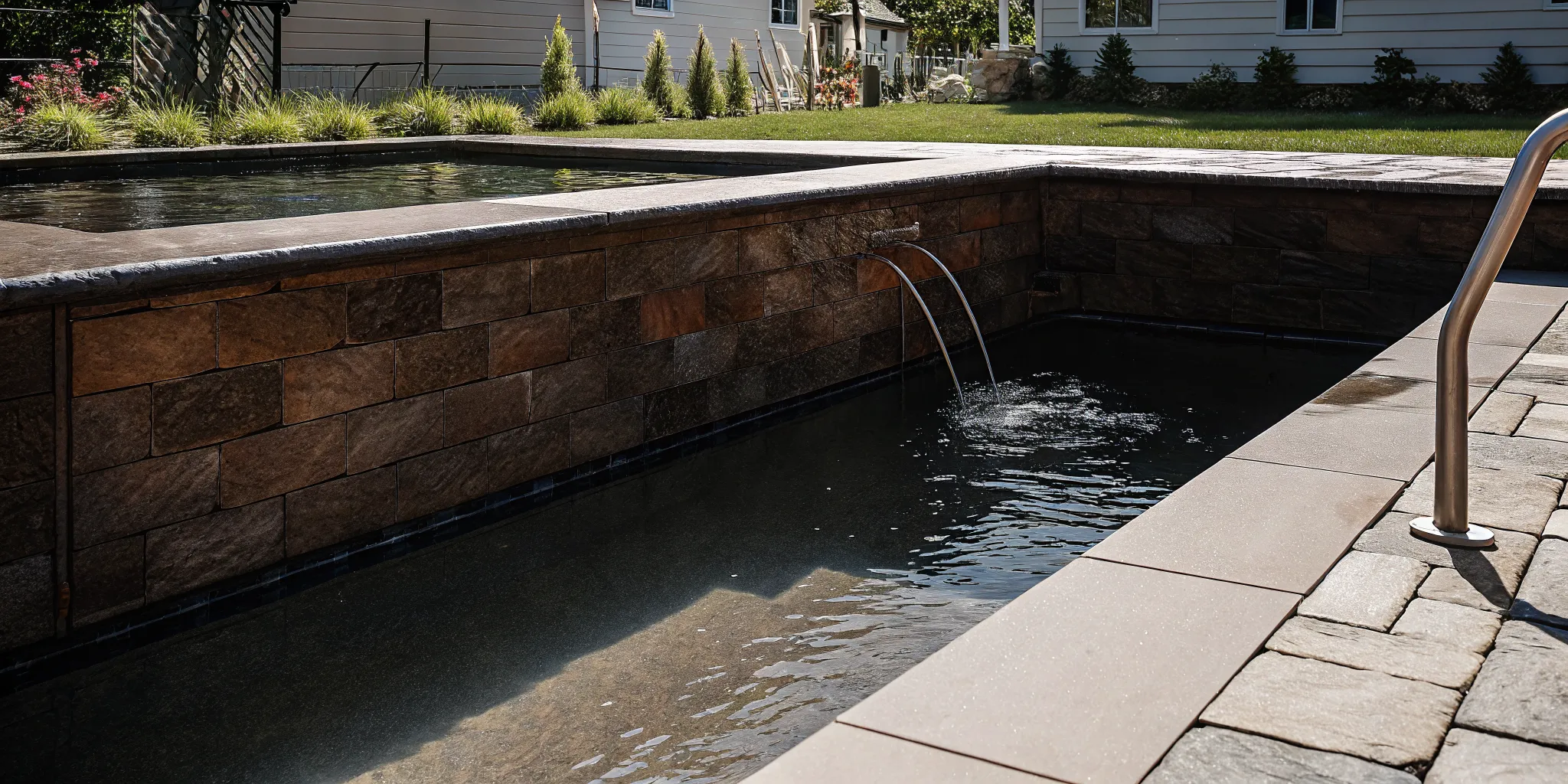
Current design trends for pool liners
You no longer have to settle for a plain blue pool floor. Now you can pick patterns that look like pebble, marble, or travertine. Many people on Long Island choose tile looks for the waterline. This gives the pool the look of a custom gunite build. Geometric shapes and lagoon themes are also top choices for a unique look.
The color you pick will change how your water looks in the sun. Dark liners can help hold heat and create a deep feel. Light colors make the water look bright and clear. Gappsi can show you many samples at our Smithtown shop to help you find the best fit for your yard.
Liner thickness and life
Liner thickness is measured in mils. Most pool owners choose 20 mil, 27 mil, or 28 mil. A 20 mil liner is the standard pick and costs less. But a 27 mil or 28 mil liner is more tough against tears and sun damage. This extra thickness helps if you have pets or use the pool a lot. It can help the liner last longer than the usual seven to twelve years.
While a thick liner costs more now, it may save you money by lasting for many years. We suggest the thicker mil picks for those who want a strong pool.
Secure fit and retention
How your liner stays in place is key. Two main ways are the J-hook and the beadlock system. A J-hook hangs over the pool wall. A beadlock system uses a track to snap the liner into place. These systems are more secure. They help stop the liner from slipping or pulling away from the wall.
A tight fit is the best way to avoid wrinkles. This is why we take exact measures during a pool liner swap. Pros use vacuums to pull air out from behind the vinyl. This helps the liner sit flat against the floor as the pool fills with water.
Modern vinyl liners come in patterns that mimic bluestone, travertine, marble, pebble, and tile. Thickness options range from 20 mil to 28 mil, with thicker liners offering better resistance to punctures and UV damage. Beadlock retention systems provide a more secure fit than traditional J-hook methods and help prevent wrinkling over time.
Energy-Efficient Pool Pump Upgrades During Replacement
Changing a vinyl pool liner is the best time to check your pool tools. When the pool is empty for a vinyl liner pool replacement, you can simply swap out old pumps. New systems help you save money and reduce the time you spend on pool care. Gappsi works with brands like Pentair and Hayward to bring the latest tools to your backyard on Long Island. Adding these upgrades now is smart because the pool is already open for service. You can save on labor by doing all the work at once.
Variable-Speed Pump Energy Savings
A standard single-speed pump runs at one high speed all day. This uses a lot of power and adds to high power bills in Nassau and Suffolk counties. A variable-speed pump is other than a standard one because it can run at lower speeds. These pumps use 30% to 80% less energy than older models. Over time, the energy savings can pay for the cost of the new pump.
Salt Chlorine Generator Systems
Many people choose to add salt chlorine systems during a liner change. These tools turn salt into chlorine right in your pool water. This means you do not have to buy or handle heavy buckets of chlorine. Saltwater pools feel softer on your skin and eyes than standard pools. They also keep chlorine levels steady, which helps your new liner last longer. Because salt is less harsh than liquid chlorine, it can prevent the fading often seen on older vinyl liners. This keeps your new liner looking great for many years to come.
Modern LED Lighting and Filter Upgrades
Old pool lights often use a lot of power and need new bulbs often. New LED lights are much better and last for many years. You can even choose lights that change colors to create a new mood for your pool area.
Along with lights, consider a new high-flow filter. Gappsi uses strong filters from Pentair and Hayward that catch more dirt. These filters keep your water clear with less work from you. Adding new gear while the pool is down for service saves on labor costs. It gets your pool ready for the next decade of use without extra trips from a repair team.
Scheduling equipment upgrades during a liner replacement is cost-effective because the pool is already drained and the equipment pad is accessible. Variable-speed pumps reduce energy use by 30 to 80 percent. Salt chlorine generators soften pool water and reduce chemical handling, and LED lighting lasts years longer than older incandescent models.
Structural Integrity: What to Inspect While the Pool Is Empty
When you drain your pool for a vinyl liner pool replacement, you get a rare look at the structure. This is the best time to find hidden problems that you cannot see when the pool is full of water. Catching these issues now is much cheaper than fixing them after you install the new liner.
Examining the Pool Walls and Floor
We start by checking the pool walls for any signs of damage. For pools with concrete walls, we look for cracks that could let water seep through. If your pool has steel walls, we check for rust or corrosion that could weaken the shell. On Long Island, the ground moves as it freezes and thaws each year. This ground movement can cause the pool floor to settle or heave, making bumps or low spots. We can smooth out these areas to ensure your new liner fits well.
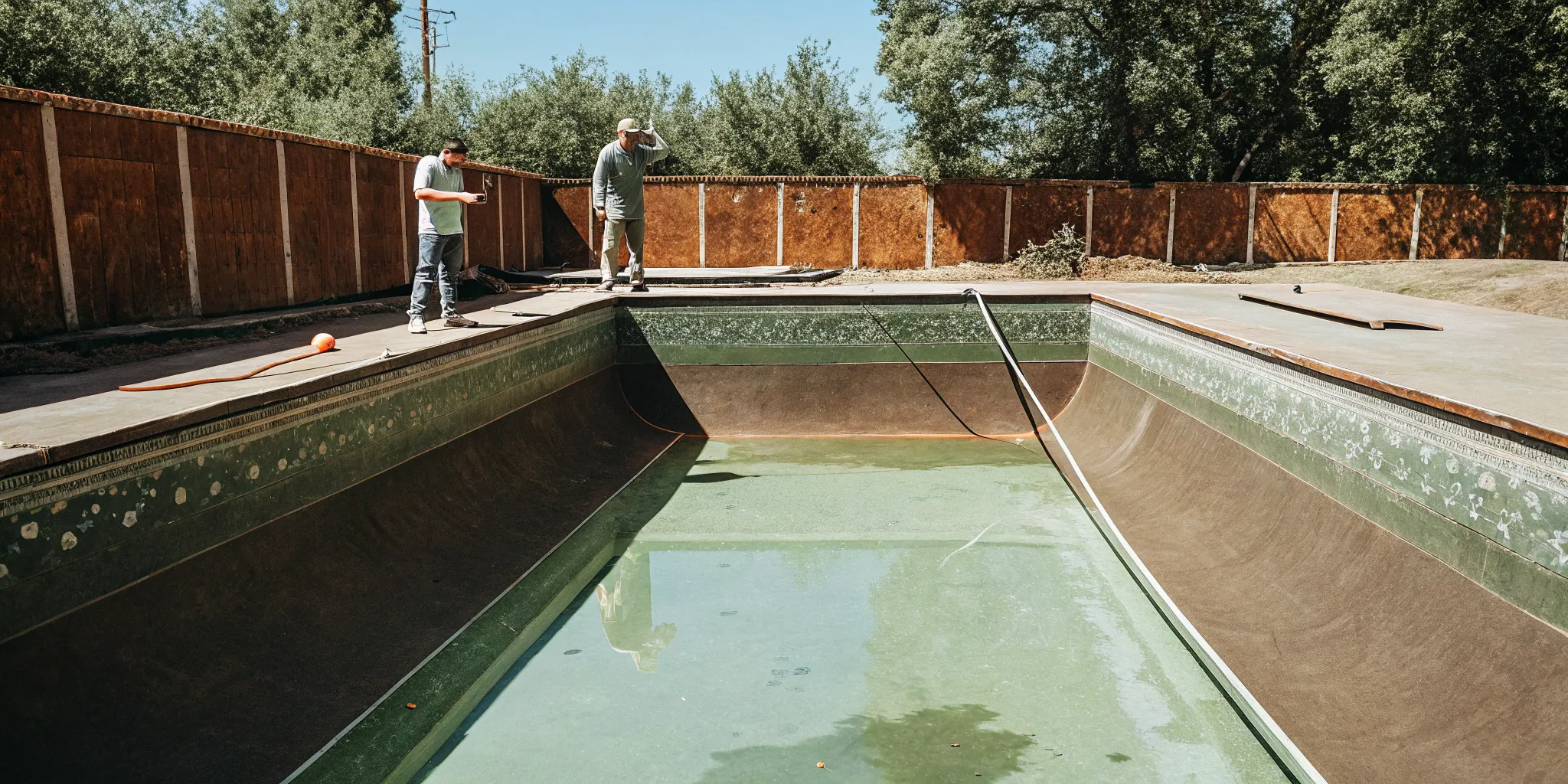
Checking the Plumbing and Skimmers
Next, we inspect the plumbing and the areas where the liner meets the pool parts. We check the skimmer integrity and the state of the return line fittings to make sure they are still sealed. Leaks in these spots can cause water to build up behind the vinyl. This often leads to wrinkles or soft spots on the pool floor. By checking these parts now, you avoid the need for costly repairs later. Proper pool care, including keeping the water chemistry in balance, helps your new liner last for many years.
Why Repairs Matter Now
Fixing structural issues during a liner swap saves you both time and money. Once the new liner is in place and the pool is full, it is hard to reach the walls or plumbing. A solid shell also helps your liner reach its full lifespan, which is often 7 to 12 years. Our team at Gappsi has given swimming pool services on Long Island since 1987. We have the skills to handle full-service repairs to keep your pool in top shape for your family.
An empty pool reveals hidden structural problems that are invisible when the pool is full. Common issues include concrete wall cracks, steel wall rust, floor settling or heaving, and leaking skimmer or return line seals. Fixing these during a liner replacement is far less expensive than addressing them later.
Vinyl Liner Replacement vs. New Pool Construction
Choosing between a vinyl liner pool replacement and a full new build depends on your budget and the state of your yard. For most Long Island owners, a liner change is the fastest way to fix up a backyard. It costs much less than starting from scratch but still gives the pool a fresh, clean look.
The Cost and Budget Difference
Swapping a liner is a budget-friendly move for pool owners. Most liner jobs cost between 1/3 and 1/5 of the price of a new pool. Gappsi’s pricing for a standard vinyl liner pool usually ranges from $21,000 to $23,000 for a 16×34 Roman end model. This price includes the filter, pump, and permits. A full build of a new pool would cost much more and take weeks of heavy work.
Pool owners often choose to swap the liner when they want a new look without the high cost of a new build. Modern liners come in many stone and tile patterns that mimic the look of more expensive pools. This gives you a high-end feel while keeping your costs low.
Construction and Yard Impact
A vinyl liner pool replacement usually takes just a few days to finish. Our team drains the water, removes the old vinyl, and checks the walls for damage. We also look at the floor for signs of settling or heaving. If the concrete walls are solid, we can install the new liner quickly. This limits the mess in your yard more than a full build.
Long Island’s freeze-thaw cycle can cause ground shifts over time. During a swap, we check the walls for any shifts or leaks. This helps ensure the pool stays safe and level for years to come. A full new build requires deep digging and heavy gear that can damage your lawn and plants.
When a New Build Makes Sense
Sometimes a simple liner swap is not enough to fix the pool. If your pool has big cracks or major leaks in the walls, you may need a new build. A full project also makes sense if you want to change the size, shape, or depth of your pool. In these cases, Gappsi’s swimming pool services can help you design a brand-new space from the ground up.
| Project Detail | Vinyl Liner Replacement | New Pool Construction |
|---|---|---|
| Average Cost | $3,000 to $8,000 | $21,000 to $50,000+ |
| Time to Finish | 2 to 5 days | 4 to 8 weeks |
| Mess in Yard | Low; pool area only | High; heavy gear used |
| Frame Repair | Minor wall and floor fixes | Full digging and new walls |
| Style Choice | Limited to color and pattern | Total change of shape or size |
| Added Value | Keeps current value | Adds big home value |
Better Gear and Energy Savings
Changing your gear during a liner swap can also save you money. Setting up a new pump can cut your power use by up to 80%. ENERGY STAR says these new pumps pay for themselves quickly through lower bills. This is a good time to check for leaks and ensure your system runs well for the next decade.
Why Hire an Expert for Your Vinyl Liner Replacement
Replacing a vinyl liner is more than just swapping out a sheet of plastic. It starts with exact sizes of your pool’s walls, floors, and corners. If the liner is off by even an inch, it can stretch too much or create large folds. Experts use tools to map the pool shape with care. This ensures the liner fits tight against the walls. A good fit prevents the vinyl from pulling away from the track, which helps the liner last longer.
Special Tools and Seam Welding
Vinyl liners have seams that must stay tight for many years. Experts use high-tech tools to bond the vinyl pieces together. This creates a strong seal that can handle the weight of many gallons of water. They also use strong vacuums to pull the air from behind the liner. This removes air pockets that could cause the vinyl to shift or tear. Proper seating into the tracks also keeps the liner from slipping as the pool fills.
Balancing Water and Preventing Wrinkles
Filling a pool with water needs careful timing and pressure. If the water enters too fast or too slow, the liner might bunch up. Experts watch the fill process to smooth out any small wrinkles before the water pressure becomes too high. They also check the chemical balance of the water as they fill. This protects the new vinyl from fading or staining early on. Gappsi has 38 years of history with pool services on Long Island. Our team knows how to handle the local climate and ground water issues.
Wall Checks and Warranty Safety
When you drain a pool, you can see the walls and floor for the first time in years. An expert will look for rust on steel walls or cracks in concrete. They can find plumbing leaks that you might have missed. Fixing these issues now saves you from a bigger repair later. Most makers also need an expert to set up the liner to keep the warranty active. If you try to do it yourself and make a mistake, you could lose that protection. Hiring an expert is the best way to keep your pool value safe.
The Risks of DIY Setup
Many homeowners ask if they can replace a vinyl pool liner themselves to save money. While it is possible, the risks are often higher than the savings. A small error in measuring or hanging the liner can lead to lasting damage. You might end up with leaks that ruin the pool base or the surrounding deck. Experts have the tools and training to avoid these costly mistakes. Explore Gappsi’s full service offerings to find the best plan for your pool and yard.
Professional vinyl liner installation starts with precise measurements, uses industrial vacuums for wrinkle-free fitting, and includes inspection of pool walls, plumbing, and floor. Professional installation also preserves the manufacturer’s warranty, which DIY installation may void. The cost of hiring an expert is offset by fewer errors, better material handling, and longer liner life.
Frequently Asked Questions
How much does it cost to replace a vinyl inground pool liner?
Most pool liner replacements on Long Island cost between $3,000 and $8,000. The final price depends on the pool size, liner thickness, and the complexity of the install. A thicker 28 mil liner costs more upfront but lasts longer and resists punctures better. Labor and any structural repairs also affect the total cost. Gappsi provides free estimates to give you a firm price for your specific pool.
How long does a vinyl liner replacement take?
A complete vinyl liner pool replacement takes 2 to 5 days from drain to full refill. The actual installation of the liner happens in one day. The remaining time covers draining, repairs to walls or floor, and filling the pool slowly to prevent wrinkles. Weather can also affect the timeline if rain delays the drain and installation steps.
Can you replace a vinyl liner without draining the pool?
No. The pool must be fully drained to remove the old liner, inspect the walls and floor, and install the new liner correctly. Draining also lets the crew check for structural issues that are hidden when the pool is full. The drain water can be redirected to the yard or sewer depending on local codes in Nassau and Suffolk counties.
What is the best time of year for a vinyl liner replacement?
Spring and early summer are the most popular times for liner replacements on Long Island. The weather is mild enough to drain and work on the pool without freezing pipes. Scheduling early in the season also ensures your pool is ready for the hottest months. Gappsi starts taking bookings in February for spring installations.
Do saltwater pools damage vinyl liners?
Saltwater pools do not damage vinyl liners when the salt and chlorine levels are balanced properly. In fact, salt chlorine generators produce a steady, low level of chlorine that can be gentler on vinyl than manually adding high doses of liquid chlorine. The key is maintaining balanced water chemistry regardless of the sanitizer type used.
Can you install a new liner over an old one?
No. Installing a new liner over an old one traps moisture and bacteria between the layers. This leads to mold growth and accelerates liner deterioration. It also hides cracks and rust in the pool walls that need repair. The old liner must always be removed completely before installing a new one.
Ready to schedule your free liner consultation?
Your pool’s liner is the single most important barrier between your family’s swimming water and the structure of your pool. When it starts to show cracks, fading, or wrinkles, acting quickly prevents damage that costs far more than the liner itself. Gappsi has served Long Island homeowners for over 38 years with expert vinyl liner installation, pump upgrades, and pool structural repairs. Our team handles every detail from the initial drain to the final water chemistry check. Contact Gappsi’s pool services team to schedule a free consultation and get a firm quote for your vinyl liner pool replacement.