


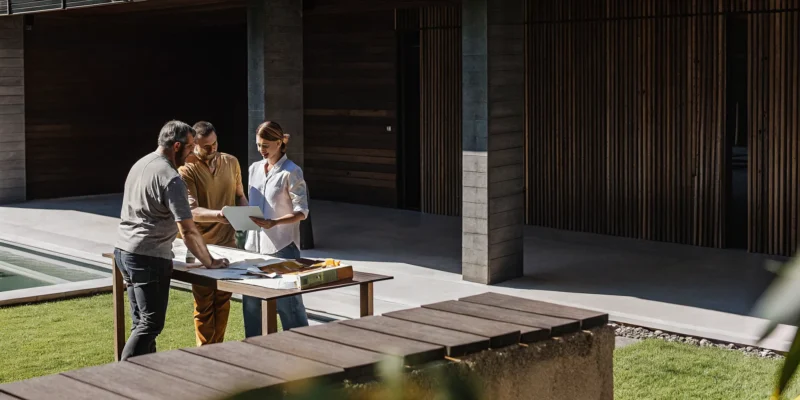
Your new pool is not an island; it’s the centerpiece of your entire backyard ecosystem. To create a truly stunning and functional space, the pool must integrate seamlessly with the surrounding patio, landscaping, and outdoor living features. One of the biggest mistakes homeowners make is hiring a builder who only focuses on the pool itself, leaving you to coordinate other contractors for the rest. This often results in a disjointed design and added stress. The best inground pool builders are comprehensive design-build firms that see the big picture. They help you plan the entire outdoor environment, from the masonry to the landscaping, ensuring a cohesive and beautiful retreat.
Key Takeaways
- Match Your Pool Type to Your Priorities: Your choice between vinyl, fiberglass, and concrete directly affects your budget, design options, and future maintenance. Decide whether a lower upfront cost, easy upkeep, or complete design freedom is most important to you.
- Plan Your Budget Beyond the Water’s Edge: A realistic budget includes more than just the pool itself. Remember to account for essential costs like site preparation, decking, safety features, landscaping, and long-term upkeep.
- Vet Your Builder Thoroughly: A great partner is licensed, insured, and has a strong portfolio of past work. Prioritize a full-service builder who can manage the entire project, from the pool to the patio and landscape, to ensure a cohesive and stress-free process.
Choosing Your Inground Pool Type
Deciding to build a pool is exciting, but the first big choice you’ll make is selecting the type of pool. The three main options for inground pools are fiberglass, concrete, and vinyl liner. Each one comes with its own set of benefits and considerations related to cost, appearance, and long-term care. Think of it like choosing the foundation for your backyard oasis. Your decision will shape not only the look of your pool but also your budget and maintenance routine for years to come.
Understanding the differences is the first step toward creating a space that perfectly fits your family’s lifestyle. Do you want complete design freedom to create a one-of-a-kind shape? Or is a quick installation and minimal upkeep your top priority? We have years of experience helping Long Island homeowners find the perfect fit, and we can guide you through the pros and cons of each option. Exploring the details will help you feel confident as you begin to design your dream swimming pool. Let’s look at what makes each pool type unique.
Fiberglass Pools
Fiberglass pools are a fantastic choice if you value speed and simplicity. These pools are created from a factory-molded shell that arrives at your home in one piece, ready for installation. This process is much faster than building a concrete pool from scratch. The biggest advantage is their incredibly low maintenance. The smooth, non-porous surface is gentle on your feet, naturally resists algae growth, and never needs to be resurfaced. You’ll spend less time and money on chemicals and cleaning, giving you more time to simply enjoy the water.
Concrete Pools
If you can dream it, you can build it with concrete. Concrete pools, also known as gunite pools, offer complete design freedom. They are built on-site, allowing for any shape, size, or depth you can imagine. This makes them ideal for custom projects or fitting a pool into a unique backyard space. You can add creative features like built-in barstools, tanning ledges, or vanishing edges. This level of customization comes with a higher initial price tag and more involved maintenance, as the surface will need to be resurfaced every 10 to 15 years. The design possibilities extend beyond the pool itself, as you can create a seamless look with surrounding masonry and stonework.
Vinyl Liner Pools
Vinyl liner pools are the most budget-friendly option upfront, making them a popular starting point for many families. These pools are constructed with a vinyl liner that fits into a prepared hole, and they can be customized into a wide variety of shapes and sizes. The liner itself is smooth to the touch and comes in countless patterns and colors, so you can easily personalize the look of your water. While the initial cost is lower, keep in mind that the liner will need to be replaced every 7 to 10 years on average. This makes them a great choice if you want a beautiful, custom-feeling pool without the high initial investment of concrete.
Comparing Cost, Maintenance, and Durability
Let’s put it all together. Vinyl liner pools generally have the lowest initial cost, making them very accessible. Fiberglass pools sit in the middle, offering a balance of price and incredible long-term value due to their low maintenance needs. Concrete pools have the highest upfront cost but provide limitless design flexibility. When you think about long-term expenses, fiberglass often comes out ahead because it doesn’t require liner replacements or resurfacing. Your choice ultimately depends on what you value most: initial budget, design freedom, or ease of ownership. Discussing these factors with an expert can help you select the perfect swimming pool for your home.
How Much Does an Inground Pool Installation Cost?
Let’s talk about the big question: what will your new pool actually cost? Thinking about the budget is a huge part of the planning process, and it’s smart to have a clear picture from the start. The final price tag for an inground pool can vary quite a bit, with most homeowners in Long Island spending anywhere from $50,000 to over $120,000. This range seems wide because the cost isn’t just for the pool itself. It includes the type of pool you choose, the materials you select, the complexity of the installation, and all the beautiful features that will make it uniquely yours.
Think of it like building a custom home. The basic structure has one price, but the finishes, fixtures, and custom additions are what shape the final cost. From the excavation of your yard to the type of patio stone you choose and whether you add a waterfall or an automatic cover, every decision plays a role. Understanding these different cost factors will help you create a realistic budget and work with your builder to design a beautiful swimming pool that fits your financial comfort zone. In the next few sections, we’ll break down these costs so you can feel confident in your investment.
Average Cost by Pool Type
The type of pool you choose is the biggest factor in your initial cost. A vinyl liner pool is often the most budget-friendly option upfront, typically ranging from $25,000 to $65,000. Just remember to factor in the long-term cost of replacing the liner every five to ten years. Concrete pools offer the most design freedom but come with a higher price tag, usually starting at $50,000 and going well over $100,000 for custom designs. They also require more maintenance, like resurfacing. Fiberglass pools land in the middle, providing a durable, low-maintenance option that generally costs between $45,000 and $75,000. Each has its own set of benefits, so it’s about balancing your dream design with your budget.
Factoring in Add-On Features and Costs
The base price of your pool is just the beginning. The features you add are what transform a simple pool into a true backyard oasis, and they also influence the final cost. Things like excavation can vary depending on your property’s terrain and soil. Then there are the fun choices, like adding a tanning ledge, built-in steps, or a soothing water feature. The materials for the area around your pool, known as coping and decking, are another key consideration. Choosing high-quality porcelain and natural stone will create a stunning, durable patio. Don’t forget practical additions like an automatic pool cover, which can cost between $8,000 and $20,000, or required safety fencing.
Exploring Your Financing Options
A new pool is a significant home improvement project, and many homeowners choose to finance it. With average costs often falling between $50,000 and $100,000, financing can make your dream pool an immediate reality. Common options include a home equity loan, a home equity line of credit (HELOC), or a personal loan from a bank or credit union. Some pool builders also have relationships with lenders who specialize in financing home improvement projects. When you have your initial consultation, it’s a great time to discuss your budget openly. An experienced builder can help you understand all the costs involved and guide you toward a project that aligns with what you’re comfortable spending.
What to Expect During Your Pool Installation
Once you’ve chosen your builder and pool type, the real excitement begins. Understanding the construction process from start to finish helps you know what’s happening in your backyard at every stage. While every project is unique, a professional pool installation follows a clear, step-by-step timeline to transform your vision into a beautiful reality. From the first design sketch to the final splash, here’s a breakdown of what you can expect.
Your Initial Consultation and Design
The journey to your new pool starts with a conversation. During an initial consultation, your builder will visit your home to walk through the space, discuss your ideas, and understand exactly what you’re looking for in a backyard oasis. This is your chance to share your vision, from the pool’s shape and size to features like waterfalls or attached spas. A reputable builder provides an honest price estimate based on this discussion. At Gappsi, we use this time to create a custom design that fits your property and lifestyle, ensuring the final plan is something you’ll love for years.
Handling Permits and Preparing the Site
Before any digging can begin, there’s important prep work to do. The foundation of a smooth swimming pool installation is thorough planning, which includes handling all necessary permits with your local municipality. A seasoned builder will manage this entire process for you, so you don’t have to worry about the paperwork. Once the permits are approved, our team will stake out the pool’s location in your yard and prepare the site for excavation. This involves marking utility lines and ensuring clear access for construction equipment, setting the stage for a seamless build.
Excavation and Building the Pool Structure
This is when your backyard truly starts to transform. The excavation phase is where heavy equipment digs out the area for your new pool. The cost and timeline for this step can vary based on factors like your soil type and the complexity of the terrain. After the hole is dug, the team begins constructing the pool’s shell. For a concrete pool, this involves installing a steel rebar framework before applying the gunite or shotcrete. For a fiberglass pool, the pre-molded shell is carefully lowered into place. Our masonry experts ensure this foundational step is executed with precision.
Plumbing, Electrical, and Finishing Touches
With the pool shell in place, it’s time to make it functional. Our crews will install all the necessary plumbing for the filtration and circulation systems, as well as run the electrical wiring for lighting, pumps, and any automated features. This is a critical step that ensures your pool operates efficiently and safely. After the technical components are installed, we move on to the finishing touches. This includes backfilling around the pool shell, pouring the concrete for the pool deck, and installing your chosen coping and waterline tile from our wide selection of porcelain and natural stone.
Adding Landscaping and Final Details
A pool is the centerpiece of your backyard, but the surrounding environment is what makes it a true retreat. The final stage of installation focuses on integrating the pool with your landscape. Every pool installation comes with ideas for how to build a deck or patio around it, and we can help you design the perfect setting. This is also the time to add features like outdoor lighting, fencing, and plantings to complete the look. Whether you envision a simple patio or a complete outdoor living area with a pavilion and pergola, our landscape design team will bring it all together.
How Long Will the Installation Take?
The timeline for a pool installation depends heavily on the type of pool you choose and the scope of your project. A fiberglass pool is often swimmable in just a few weeks, as the shell is manufactured off-site. Vinyl liner pools also have a relatively quick installation time. Concrete pools take the longest, typically several months, because the concrete needs time to cure properly. Weather, inspections, and the complexity of your design can also affect the schedule. Your builder should provide a realistic timeline upfront so you know when you can plan your first pool party.
How to Prepare for Your Pool Installation
Once you’ve chosen your pool type and builder, the real excitement begins. But before the first scoop of dirt is moved, a little preparation on your part can make the entire installation process smoother for everyone involved. Thinking through the details now ensures your new backyard oasis is everything you’ve dreamed of. From picking the perfect location to knowing what to expect during the build, getting ready for your pool is a key step in the journey. This preparation helps prevent surprises and ensures the final result integrates beautifully with your home and lifestyle.
Picking the Perfect Spot in Your Yard
Choosing where to place your pool is one of the most important decisions you’ll make. Think about how the sun moves across your yard throughout the day. Do you want full sun for warm water, or a bit of afternoon shade? Also, consider privacy from neighbors and visibility from your house, especially if you have children. One of the most common mistakes is misjudging the size. Your pool should be large enough for enjoyment but not so big that it overwhelms your yard. A professional can help you visualize the final layout and ensure your swimming pool fits perfectly into your outdoor space.
Planning for Landscaping and Safety
A pool is more than just a hole in the ground filled with water; it’s the centerpiece of your backyard. The foundation of a smooth installation is thorough planning, which includes the surrounding environment. How will you integrate patios, walkways, and gardens? Consider materials like beautiful and durable porcelain pavers for the pool deck. Most importantly, you must plan for safety. Local regulations require specific types of fencing and gates around pools. Planning these elements from the start ensures they complement your design instead of looking like an afterthought, creating a secure and cohesive backyard retreat.
Budgeting for Ongoing Maintenance
The initial installation cost is just one part of your overall pool budget. It’s smart to plan for the long-term expenses of pool ownership. These costs include chemicals, electricity for the pump and filter, and routine cleaning. Different pool types also have different long-term needs. For example, a vinyl liner pool may have a lower upfront cost, but the liner will need replacement every several years. In contrast, fiberglass pools require less long-term maintenance since they don’t need resurfacing. Factoring these ongoing costs into your budget from day one will help you enjoy your pool without financial stress down the road.
Living with Construction: What to Expect
A pool installation is a major construction project, and it’s helpful to know what to expect. The process involves heavy machinery, noise, and a bit of a mess. It requires careful planning and skilled labor to create a safe and functional pool that will last for years. Your yard will be a work zone for several weeks. Try to be patient with the process and communicate openly with your project manager about any concerns. You can watch videos of Gappsi’s past projects to get a better sense of the construction timeline. A professional team will work to minimize disruption and keep you informed every step of the way.
What to Look for in an Inground Pool Builder
Choosing the right builder is just as important as picking the perfect pool design. This is the team you’ll be trusting with your home, your budget, and your backyard dreams for the next several months. A great builder makes the process feel seamless and exciting, while the wrong one can turn it into a headache. To make sure you find a true partner for your project, it’s helpful to have a checklist. Think of these next steps as your guide to finding a qualified, trustworthy, and talented pool builder who can bring your vision to life without any surprises.
Licensing, Insurance, and Certifications
Before you even look at a portfolio, make sure your potential builder has their paperwork in order. This is the non-negotiable first step that protects you. A reputable builder must have the proper state and local licenses, liability insurance, and worker’s compensation coverage. This ensures they are compliant with regulations and that you are protected from any potential liability if an accident happens on your property. Don’t be shy about asking for proof of these credentials. A professional company will have them ready to share. This simple verification provides peace of mind and confirms you’re working with a legitimate business that values safety and accountability in their swimming pool projects.
Reviewing Their Experience, Portfolio, and Reputation
Once you’ve confirmed a builder is properly licensed and insured, it’s time for the fun part: seeing their work. A builder with a long history in your area has likely handled projects similar to yours and understands local zoning and environmental factors. Ask to see a portfolio of their completed pools. Look for quality craftsmanship and a style that aligns with your vision. A strong portfolio on their website or a platform like their YouTube channel can give you a great sense of their capabilities. Beyond pretty pictures, read online reviews and ask for references. Hearing from past clients will tell you a lot about their communication, professionalism, and ability to stay on schedule and within budget.
Ensuring Transparent Pricing and Detailed Contracts
While it’s tempting to go with the lowest bid, price shouldn’t be the only factor in your decision. A surprisingly low quote can sometimes hide future costs or signal subpar materials. A trustworthy builder will provide a detailed, itemized contract that clearly outlines every aspect of the project. This document should include the full scope of work, a list of materials, a payment schedule, and a projected timeline. Make sure you understand everything in the contract before you sign. This transparency is key to a healthy working relationship and prevents misunderstandings about what is included, from excavation to the final masonry around the pool deck.
Understanding Warranties and Aftercare Support
Your relationship with your pool builder shouldn’t end the day the water is added. A quality installation is a long-term investment, and you need to know what kind of support you can expect down the road. Before signing a contract, ask detailed questions about the warranties they offer. What do they cover, and for how long? A good builder provides strong warranties on both their workmanship and the equipment they install. Also, inquire about their aftercare support. Knowing who to call for future maintenance, questions, or potential repairs is vital for your long-term satisfaction. Companies that offer ongoing services like restoration and sealing often have a deeper commitment to their clients.
Common Mistakes to Avoid When Hiring
Being aware of common pitfalls can help you make a smarter choice. One major mistake is failing to plan for the entire backyard ecosystem. Your pool is the centerpiece, but what about the patio, fencing, and plants around it? Hiring a builder who only handles the pool itself can lead to a disjointed project. A full-service company can create a cohesive design that integrates your pool with beautiful and functional landscaping. Another error is not having a realistic budget that includes potential add-ons and ongoing maintenance. A good builder will help you understand all the potential costs upfront so you can plan accordingly and avoid financial stress later on.
Start Your Pool Project with a Long Island Expert
Building a new swimming pool is an exciting project, but it also comes with a lot of big decisions. The foundation of a smooth installation is solid planning, and that begins with choosing the right partner. After all, you want a builder who not only understands your vision but also has the expertise to bring it to life without any headaches. Selecting the wrong team can lead to issues with budget, timing, and the final quality of your pool.
Working with a builder who truly understands Long Island is key. An expert familiar with Suffolk and Nassau counties will know exactly how to handle local permits, design for our specific climate, and recommend materials that will last for years. This local knowledge is invaluable and ensures your project runs smoothly from the first day of excavation to the first time you dive in. Gappsi has been designing and building custom swimming pools for homeowners here since 1987, giving us a deep understanding of what makes a pool project successful in our community.
This is where having a seasoned partner makes all the difference. Instead of juggling multiple contractors for design, construction, and landscaping, our team handles everything. We believe the process should be as relaxing as the final result. We guide you through every step, from creating a functional and beautiful design to installing the final details that make your backyard a true oasis. You can see the quality of our craftsmanship and the variety of our projects on our YouTube channel, where we showcase completed backyard transformations.
Starting your project with an expert consultation helps you avoid common pitfalls like setting an unrealistic budget or choosing a design that doesn’t fit your lifestyle. A professional can help you create a realistic plan that covers all the bases. If you’re ready to turn your dream backyard into a reality, our team is here to help you create a detailed plan. We can walk you through your options and show you what’s possible for your home.
Related Articles
- 6 Best Pool Companies on Long Island (2026 Guide)
- Swimming Pools for Long Island: Gunite vs. Vinyl Guide | Gappsi Inc
- Hiring a Vinyl Pool Builder on Long Island: A Guide
- Swimming Pools Archives – Gappsi Group
- Latest News – Gappsi Group
Frequently Asked Questions
Which type of pool is the best one for my family? The “best” pool really depends on your top priorities. If you want the lowest possible maintenance and a quick installation, a fiberglass pool is an excellent choice. If your dream is a completely unique shape with custom features like a tanning ledge or built-in seating, then a concrete pool offers limitless design freedom. For those balancing a modest initial budget with a desire for a beautiful, customizable look, a vinyl liner pool is a fantastic starting point. Think about what matters most to you: long-term ease, total design control, or upfront cost.
How long will my backyard be a construction zone? The total time from start to finish varies with the type of pool you select. A fiberglass pool installation is the fastest, often taking just a few weeks from excavation to filling it with water. Vinyl liner pools are also relatively quick to install. Concrete pools require the most time, typically several months, because the structure needs time to cure properly before the finishing touches can be applied. Your builder will provide a more specific timeline based on your project’s design, local permit processing, and inspection schedules.
My yard is small or has a slope. Can I still get a pool? Absolutely. A challenging yard doesn’t mean a pool is out of the question; it just means you need a creative design. Concrete pools are especially well-suited for unique spaces because they can be built in any shape or size to fit the specific contours of your property. We can also use retaining walls and clever masonry to handle slopes and create a stunning, multi-level patio area. An on-site consultation is the best way to explore what’s possible for your specific space.
What are the biggest “hidden” costs I should plan for? A good builder will be transparent about all costs, but it’s smart to think beyond the pool shell itself. Your budget should account for the surrounding patio or deck, mandatory safety fencing, and any necessary electrical upgrades. Landscaping to integrate the pool into your yard is another key element. Also, remember to plan for the future. This includes the ongoing costs of chemicals and electricity, as well as long-term items like replacing a vinyl liner or resurfacing a concrete pool down the road.
Do I need to hire a separate landscaper or mason for the patio and surrounding area? You don’t have to when you work with a full-service company. One of the biggest advantages of partnering with a team that handles everything is creating a single, cohesive vision for your entire backyard. This ensures your pool, patio, walkways, and plantings all work together beautifully. It also streamlines the process, so you have one point of contact managing the whole project, which saves you the headache of coordinating multiple contractors and timelines.