


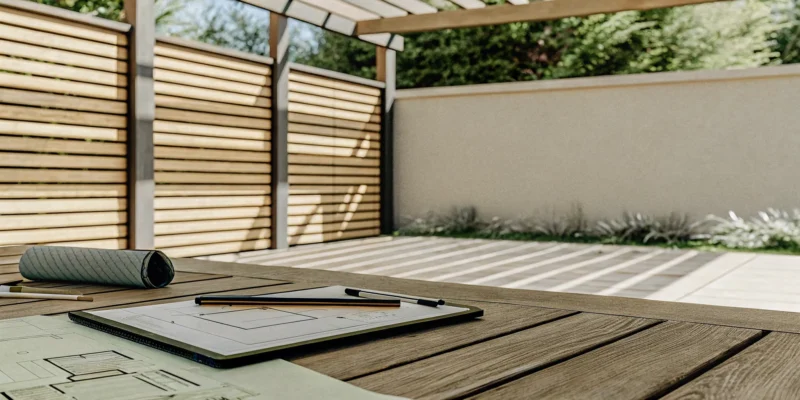
Your backyard is a blank canvas, and you have a vision for turning it into a personal retreat. The problem with one-size-fits-all solutions is that they rarely fit perfectly. A premade pergola kit forces you to compromise, often resulting in an awkward size or a style that doesn’t quite match your home. Opting for a custom pergola design puts you in complete control. Every detail, from the exact dimensions and shape to the materials and integrated features like lighting or a louvered roof, is chosen by you. This tailored approach guarantees your new pergola is not just an addition, but a beautiful and functional centerpiece that reflects your personal style and enhances your home’s unique character.
Key Takeaways
- Opt for a Custom Build Over a Kit: A custom pergola provides a better return on your investment because it is designed to perfectly fit your space and match your home’s style, adding more significant and lasting value than a generic, one-size-fits-all kit.
- Match Materials to Your Lifestyle: Your material choice affects the pergola’s look, durability, and upkeep; consider classic wood for its natural beauty if you don’t mind seasonal maintenance, or choose modern aluminum or vinyl for a sleek, low-maintenance solution.
- Hire an Expert for a Stress-Free Process: Working with a professional builder ensures your pergola is structurally sound and built to last, while also handling the complexities of local Long Island permits and building codes for you.
Custom vs. Premade Pergola: Which Is the Right Investment?
When you decide to add a pergola to your backyard, one of the first choices you’ll face is whether to go with a premade kit or a custom design. While a premade pergola might seem like a straightforward and budget-friendly option, it’s important to think about this decision as a long-term investment in your home and lifestyle. A pergola isn’t just a structure; it’s the centerpiece of your outdoor living area, a place where you’ll relax, entertain, and make memories for years to come.
The right choice depends on your property, your vision, and your priorities. A premade kit offers a one-size-fits-most solution, but a custom build provides a structure that is perfectly tailored to your home’s architecture and your family’s needs. At Gappsi, we specialize in creating beautiful, functional, and lasting pavilions and pergolas that integrate seamlessly with your property. Let’s explore the differences so you can make an informed decision that adds true value to your Long Island home.
Why Premade Pergolas Fall Short
Premade pergola kits are designed to be mass-produced and sold as a complete package. They typically come in standard dimensions intended to fit common patio sizes, which can be a major drawback if your space is unique. You might find that a premade kit is slightly too large or too small, creating an awkward fit that detracts from your home’s overall look. The design and material options are also very limited, often forcing you to compromise on style or durability. While these kits are designed to meet general building codes, they don’t account for the specific nuances of your property or local Long Island requirements, which can lead to unexpected complications during installation. A premade pergola is a generic solution for what should be a personal space.
The Advantages of Going Custom
Opting for a custom pergola means every detail is designed specifically for you. You are in complete control of the size, shape, color, and materials, ensuring the final structure is a perfect extension of your home and personal style. Do you have an irregularly shaped patio or a specific vision for your backyard? A custom design can accommodate that. You can work with a designer to create a pergola that complements your home’s architectural features, from the roofline to the trim color. This approach also allows you to choose high-quality materials that can withstand Long Island’s coastal weather, ensuring your investment lasts. Plus, you can integrate features like built-in lighting, fans, or retractable canopies right into the initial landscape design, creating a truly functional and cohesive outdoor room.
Add Long-Term Value to Your Property
A well-designed custom pergola does more than just provide shade; it adds significant value to your property. Think of it as creating an additional room outdoors. This kind of functional, beautiful living space is a huge selling point for future buyers. A custom pergola serves as a stunning architectural feature that adds character and becomes a natural focal point in your backyard. When built with quality materials and expert craftsmanship, a pergola is a durable, long-lasting structure that you can enjoy for decades. Unlike a temporary kit, a permanent, professionally installed pergola is a wise investment that enhances your home’s appeal and your quality of life. Proper construction and occasional maintenance, like our restoration and sealing services, will protect this investment for years to come.
What Can You Customize on a Pergola?
When you hear “custom pergola,” you might just think about picking a paint color. But a truly custom design goes so much deeper. It’s about creating a structure that is perfectly tailored to your home’s architecture, your landscape, and how you want to live outdoors. From the exact footprint it occupies to the technology integrated within it, every detail can be designed just for you. This level of personalization ensures your new pergola isn’t just an addition, but a seamless and functional extension of your home.
Size, Shape, and Layout
Forget trying to make a pre-sized kit fit your space. With a custom build, your pergola’s dimensions are determined by your needs, not a factory’s template. You can design a small, intimate structure for a quiet reading nook or an expansive one that covers an entire outdoor kitchen and dining area. The shape is also completely flexible. While rectangular is classic, you could opt for a square, an L-shape to hug a corner of your home, or a design that perfectly frames your swimming pool. The layout is all about how it connects to your property, whether it’s attached to the house for easy access or a standalone destination in your garden.
Roof Style and Coverage Options
How much sun or shade do you want? The roof is one of the most impactful features you can customize. A traditional pergola with open rafters offers light shade, creating a beautiful play of light and shadow. For more protection, a fixed roof provides a solid cover from sun and rain. The ultimate in flexibility is a louvered roof system. With the touch of a button, you can adjust the slats from fully open to completely closed, giving you complete control over the elements. This feature allows you to enjoy your outdoor space comfortably, whether it’s a blazing hot afternoon or a light summer shower. You can see some of these stunning louvered systems in action to get a feel for how they work.
Color, Finish, and Decorative Details
This is where you can infuse your personal style. The color and finish of your pergola can be chosen to perfectly match your home’s exterior trim, siding, or stonework for a cohesive and polished look. Wood can be stained to highlight its natural grain or painted any color you can imagine. Aluminum and steel pergolas come in a variety of durable, powder-coated finishes like white, bronze, or black. Beyond color, you can select decorative details like the style of the support posts, the design of the rafter tail ends, and even incorporate beautiful masonry bases made of stone or brick to anchor the structure.
Integrated Features: Lighting, Canopies, and Seating
A custom pergola can be so much more than just a cover. Think of it as a true outdoor room, complete with all the modern comforts. You can integrate features like recessed LED lighting to create ambiance for evening gatherings, or a ceiling fan to provide a gentle breeze on warm days. For extra privacy and protection from bugs, you can add retractable screens. Many homeowners also choose to include built-in speakers for music, mounts for an outdoor television, or infrared heaters for chilly nights. These thoughtful additions transform your pergola into a versatile hub for relaxation and entertainment all year long.
Choose the Best Material for Your Pergola
Choosing the right material is one of the most important decisions you’ll make for your new pergola. This choice affects everything from the overall look and feel of your outdoor space to the amount of maintenance you’ll need to perform each year. Your budget and Long Island’s coastal climate are also key factors to consider. Each material offers a unique blend of style, durability, and upkeep requirements.
Think about what matters most to you. Are you drawn to a classic, natural aesthetic and don’t mind some seasonal upkeep? Or do you prefer a modern, low-maintenance design that you can enjoy without worry? Gappsi offers a wide selection of high-quality pavilions and pergolas to suit any preference. Let’s walk through the most popular materials to help you find the perfect fit for your home and lifestyle.
Wood: Timeless Style, Regular Upkeep
There’s a reason wood is a classic choice for outdoor structures. It offers a warm, timeless, and natural beauty that blends seamlessly with any landscape design. Woods like cedar and redwood are excellent options because they naturally resist insects and decay. Treated pine is another popular choice that is often more budget-friendly. A wooden pergola creates an inviting, rustic atmosphere that’s perfect for a cozy garden or a traditional backyard setting.
The main consideration with wood is that it requires regular maintenance to keep it looking its best and to prevent weathering or rot. This typically involves cleaning, staining, or sealing it every few years. For homeowners who love the authentic look of wood and are prepared for a little upkeep, the aesthetic payoff is well worth it. Plus, professional restoration and sealing services can make this maintenance hassle-free.
Aluminum: Modern and Low-Maintenance
If your goal is a sleek, modern look with minimal upkeep, aluminum is an outstanding choice. Aluminum sets the standard for durability and style in contemporary outdoor design. Unlike wood, it will not rot or warp, and unlike some metals, it is naturally rust-proof. This makes it an ideal material for Long Island’s humid summers and snowy winters. An aluminum pergola is a true “set it and forget it” solution.
Beyond its strength, aluminum offers clean lines and a sophisticated finish that complements modern architecture perfectly. It can be finished in various colors to match your home’s exterior, providing a polished and cohesive look. For homeowners who value strength, longevity, and a maintenance-free lifestyle, an aluminum pergola or pavilion is the ultimate investment.
Vinyl: Durable and Weather-Resistant
Vinyl is another champion of low-maintenance living. Known for its impressive durability and resistance to all kinds of weather, a vinyl pergola is built to last. It stands up to moisture, sun, and salt air without cracking, fading, or peeling. One of its biggest advantages is that it never needs to be painted or stained. A simple cleaning with soap and water is all it takes to keep it looking brand new.
This material is a practical and attractive choice for busy homeowners who want the look of a classic painted-wood pergola without the demanding upkeep. Vinyl pergolas often come in bright white and other neutral colors, offering a crisp, clean aesthetic for your backyard. Gappsi’s experience with high-quality vinyl fencing shows our commitment to using durable, beautiful materials across all outdoor projects.
Steel: Unmatched Strength for Grand Designs
When your vision is big and bold, steel provides the unmatched strength to make it happen. Steel is the strongest material available for pergolas, making it the perfect choice for large, expansive, or intricate designs. If you’re dreaming of a substantial structure to cover a large patio, an outdoor kitchen, or a commercial space, steel has the structural integrity to span long distances without needing extra support posts.
Steel is also incredibly durable and resistant to pests and rot. It can be powder-coated in any color, giving you complete creative control over the final look. This material is ideal for homeowners who want to make a statement with a custom, architectural feature. Gappsi’s expertise in large-scale masonry and construction means we have the skill to execute even the most ambitious steel pergola projects with precision.
Find a Design Style for Your Outdoor Space
Your pergola should feel like a natural extension of your home, not an afterthought. The right design can tie your entire backyard together, creating a cohesive and inviting atmosphere. Whether your home is a sleek modern build, a classic colonial, or a rustic retreat, there’s a pergola style that will complement it perfectly. Exploring different design approaches is the first step toward creating an outdoor space you’ll love for years.
Modern and Contemporary
If your style leans toward clean lines and a minimalist feel, a modern pergola is an excellent choice. These designs often feature sleek, geometric shapes and are typically built from materials like aluminum or steel for a sharp, uncluttered look. Modern pergola designs have evolved to blend contemporary aesthetics with functional innovations, like adjustable louvered roofs that let you control sun and shade with the touch of a button. This style is less about ornate details and more about creating a sophisticated, highly functional outdoor room that feels both open and defined.
Traditional and Craftsman
For a timeless look that adds warmth and character, a traditional or craftsman style might be the perfect fit. These pergolas often use wood and feature classic architectural details like decorative post caps, corbels, and intricate joinery. The goal is to create a structure that complements your home’s existing architecture, adding interest and artistic character to your outdoor space. Imagine a beautiful cedar pergola resting on stone pillars, creating a stately and welcoming entrance to your patio or garden. This style feels established, elegant, and always in fashion.
Rustic and Natural
To create a space that feels deeply connected to the outdoors, a rustic design is the way to go. This style uses raw, natural materials like thick, rough-hewn wood beams and stone bases to create an organic feel. A rustic pergola is designed to blend seamlessly with your landscape, providing a framework for climbing vines and hanging plants. It’s perfect for creating a cozy, sheltered nook in your garden or a relaxed setting for outdoor dining. A custom-designed pergola can be tailored to your home and lifestyle, creating a beautiful and inviting natural retreat.
Match Your Pergola to Your Home’s Style
Ultimately, the best pergola is one that looks like it has always been part of your home. Take cues from your house’s architectural style, color palette, and the materials used on its exterior. A modern pergola might look out of place next to a historic home, just as a rustic design might clash with a contemporary facade. Choosing the right style ensures you invest wisely and create an outdoor retreat you’ll enjoy for years. When in doubt, our design experts can help you find the perfect balance between your vision and your home’s unique character.
How Much Does a Custom Pergola Cost?
Figuring out the cost of a custom pergola is one of the first steps in turning your backyard vision into a reality. While there isn’t a single price tag, thinking of it as a flexible investment rather than a fixed cost can be helpful. The final price depends entirely on your unique choices, from the materials you love to the size of the structure you need. A small, simple wood pergola will have a very different price point than a large, fully-loaded aluminum one with integrated lighting and a retractable canopy. The final cost is a direct reflection of your personal style and functional needs.
The beauty of a custom project is that you are in control. You get to decide where to invest, whether it’s in premium materials that last a lifetime or in special features that make your outdoor space truly one-of-a-kind. At Gappsi, we create beautiful and functional pavilions and pergolas designed to fit your home and lifestyle perfectly. Working with a professional team ensures you get a clear, detailed quote with no surprises, allowing you to plan your budget confidently. This investment not only creates a beautiful new living area for your family to enjoy but also adds lasting value to your home.
What Factors Determine the Cost?
Several key factors influence the final cost of your custom pergola. The biggest one is materials. Classic wood offers a timeless look but can vary in price depending on the type, while modern aluminum and low-maintenance vinyl have their own cost structures. The size and complexity of the design also play a major role. A larger, more intricate pergola will require more materials and labor.
Beyond the main structure, any custom features you add will affect the budget. This can include anything from a specific roof style for more shade, decorative finishes, or integrated elements like lighting, fans, or even retractable canopies. The foundation is another consideration; building over an existing patio is different from creating a new paver or stone base for your pergola.
Compare Costs: Custom vs. Premade
When you start looking at pergolas, you’ll see premade kits available online or at big-box stores. While the initial price might seem appealing, it’s important to compare what you’re truly getting. These kits are mass-produced and often made with lower-quality materials that may not stand up to Long Island’s weather over time. They offer limited to no customization, meaning you have to fit your space to the pergola, not the other way around.
A custom-built pergola is a long-term investment in quality and style. It’s designed by professionals to perfectly complement your home’s architecture and fit your backyard’s specific dimensions. You get to choose high-quality materials and work with expert craftsmen to create a durable, beautiful structure that is uniquely yours. This tailored approach ensures your new outdoor space is exactly what you dreamed of.
Understand Long Island’s Permit Requirements
Before any construction begins, it’s essential to know the local rules. Many towns and villages across Nassau and Suffolk County require a building permit for outdoor structures like pergolas, especially if they are over a certain size or attached to your house. Navigating these regulations can feel overwhelming, as each municipality has its own set of codes and application processes. Homeowner’s associations can also have their own specific guidelines.
This is where hiring an experienced local builder makes a huge difference. A professional team like Gappsi is familiar with Long Island’s various building departments and will manage the entire permitting process for you. We ensure your project is fully compliant from the start, saving you from potential headaches, fines, or delays. This lets you focus on the exciting parts of the design while we handle the paperwork.
How to Budget for Your Pergola Project
Creating a budget for your pergola starts with thinking about how you want to use your new outdoor space. Will it be a cozy spot for morning coffee, an expansive area for dining and entertaining, or a shaded retreat by the pool? Your intended use will help determine the ideal size, layout, and features, which are the building blocks of your budget. Make a list of your must-haves and your nice-to-haves to find a balance between your vision and your target spending.
Once you have an idea of what you want, the next step is to get a detailed, transparent quote from a professional builder. A good quote will break down all the costs, including materials, labor, permits, and any special additions. This clarity allows you to see exactly where your money is going and make informed decisions. Planning ahead helps ensure your custom pergola project stays on track financially.
DIY vs. Professional Installation: Which Is Right for You?
Deciding between building a pergola yourself and hiring a professional is a big choice. The satisfaction of a DIY project is undeniable, and it can seem like a great way to save money. On the other hand, a pergola is a major structural addition to your home. You want it to be safe, beautiful, and built to last for years of backyard gatherings and quiet afternoons. This decision comes down to balancing your skills, time, and budget with your desire for a high-quality, worry-free result. Let’s walk through what each path looks like so you can make the best choice for your home.
The Reality of a DIY Pergola Build
Tackling a DIY pergola build can be an exciting project. With the right kit and a set of clear instructions, you might be able to construct a new pergola in just a week or two. This path is perfect for homeowners who love hands-on work and have some experience with basic construction. However, it’s important to be realistic about the scope of the job. A successful build requires precise measurements, a level foundation, and the ability to handle heavy materials safely. While the plans might seem simple, the actual execution demands patience and a keen eye for detail to ensure everything is square and secure.
Know the Rules for DIY Builds
Before you even buy your materials, you need to do some homework. Always check with your local Long Island building department and your homeowner’s association. They will tell you if you need a permit and if there are specific rules for building a pergola in your neighborhood. For example, many areas require concrete footings that go below the frost line to prevent the structure from shifting during the winter. Understanding and following these local codes is essential for a safe and legal build. This step can be complicated, so give yourself plenty of time to gather the right information before you start digging.
Why You Should Hire a Professional
While DIY is rewarding, hiring a professional team offers peace of mind and a guarantee of quality. Experts build pavilions and pergolas that are engineered to withstand tough weather and last for generations. We use premium materials and proven construction techniques to ensure your pergola is not only beautiful but also structurally sound. A professional installer handles everything from securing permits to ensuring the final build is perfectly level and compliant with all local codes. This expert support means you can avoid common pitfalls and get a stunning, durable pergola without the stress of managing the project yourself.
Complete Your Outdoor Space
A custom pergola is a fantastic centerpiece, but its true potential shines when it’s part of a cohesive outdoor living plan. Think of it as the architectural anchor that ties everything together, from your patio to your garden beds. By considering how your pergola will interact with other elements in your backyard, you can create a space that feels intentional, functional, and completely unified. It’s the difference between simply adding a structure and designing a true outdoor retreat. Let’s look at how a pergola can work with other key features of your backyard.
Patios, Pavers, and Stonework
A pergola is the perfect way to define a specific zone on your patio, creating the sense of an outdoor room without walls. It can be designed to complement your home’s existing architecture or stand out as a stunning focal point. Whether your patio is made of classic brick or modern porcelain pavers, a pergola adds vertical dimension and architectural character. It frames the space, provides welcome shade, and makes your patio feel more inviting and purposeful. Imagine a cozy seating area or an elegant dining spot, all perfectly situated under a beautifully crafted pergola that enhances your stonework.
Outdoor Kitchens and Entertainment Areas
If you love to entertain, placing a pergola over your outdoor kitchen or dining area is a game-changer. It provides essential shade, protecting you and your guests from the sun while you grill and dine. More than just a cover, a custom pergola creates an inviting atmosphere for any gathering. It defines the entertainment zone, making it feel like a dedicated outdoor room. You can add integrated lighting for evening cookouts or even a ceiling fan for extra comfort on warm days. This simple addition transforms your outdoor kitchen from a utility space into the heart of your backyard party scene.
Landscaping and Integrated Lighting
A pergola helps you blend your hardscaping with the softer elements of your yard. You can train climbing plants like wisteria, clematis, or grapevines to grow up the posts and across the rafters, creating a lush, living canopy. When combined with strategic landscape design, your pergola becomes a natural focal point that draws people together. Integrating features like string lights, recessed lighting, or even elegant drapery turns the structure into a magical destination for evening relaxation. It becomes the perfect spot to unwind and enjoy your garden after the sun goes down.
Start Planning Your Custom Pergola
How to Choose the Right Pergola Builder
Choosing the right builder is one of the most important decisions you’ll make. You’re looking for a partner who can take your ideas and turn them into a beautiful, well-built structure. Start by looking for a team with a proven track record on Long Island. A reputable builder will be happy to show you a portfolio of their work and connect you with past clients.
Reading reviews is helpful, but seeing the quality of their craftsmanship firsthand gives you real confidence. Ask about their experience with the specific materials and style you have in mind. A great builder listens to your vision, offers practical suggestions, and communicates clearly from the first conversation to the final walkthrough. Their expertise should make the entire process feel straightforward and exciting.
Partner With Long Island’s Pergola Experts
Working with a local expert means you get a team that understands Long Island’s unique environment and architectural styles. We know which materials stand up to coastal weather and how to design a structure that complements your home. Plus, a local builder is an expert in your town’s specific permitting and building codes, which saves you from potential headaches and delays. At Gappsi, we handle the entire project, ensuring your pergola not only meets but exceeds local standards.
For over 35 years, Gappsi has been designing and installing custom pavilions and pergolas across Suffolk and Nassau counties. We manage everything from the initial design to the final installation, including any surrounding masonry or landscaping. Our goal is to create a seamless, beautiful outdoor living space you’ll enjoy for years to come.
Related Articles
- Hiring Custom Pergola Builders: A Complete Guide
- Custom Pergola Attached to House with Roof: A Guide
- Gazebo | Pavilion | Pergola Archives – Gappsi Group
Frequently Asked Questions
How long does it take to build a custom pergola? The timeline for a custom pergola project varies depending on a few factors, including the complexity of your design, material availability, and the local permitting process. Generally, you can think of it in three phases: design, permitting, and construction. The design phase can take a few weeks as we work together to perfect the details. Permitting can take anywhere from a few weeks to a couple of months, depending on your town. Once the permits are approved and materials are on-site, the actual construction is often the quickest part, typically taking one to three weeks.
Do I really need a permit for a pergola on Long Island? In most cases, yes. Many towns and villages across Nassau and Suffolk counties require a building permit for a pergola, especially if it is attached to your house or exceeds a certain size. These regulations exist to ensure the structure is safe and built to last. The rules can differ quite a bit from one town to the next, which is why working with an experienced local builder is so valuable. A professional team will be familiar with your area’s specific codes and will manage the entire permitting process for you.
What is the difference between a pergola and a pavilion? That’s a great question, as the terms are often used together. The main difference is the roof. A traditional pergola has an open roof structure with rafters or slats that provide partial shade, creating a beautiful play of light and shadow. A pavilion, on the other hand, has a solid, fully covered roof that offers complete protection from both sun and rain. Your choice depends on how you want to use the space; a pergola is great for defining an area with light shade, while a pavilion creates a true outdoor room you can use in any weather.
Can a pergola be installed on my existing patio or deck? Yes, it is often possible to build a pergola on an existing foundation like a concrete patio, paver patio, or even a reinforced deck. The most important factor is the condition and strength of that existing surface. A professional installer will need to inspect your patio or deck to ensure its foundation is stable and can safely support the weight of the new pergola. If the foundation is not sufficient, we would discuss options for reinforcing it or installing new footings.
What material is best for a pergola that will last in Long Island’s weather? For a low-maintenance solution that holds up beautifully to Long Island’s humid summers, salty air, and cold winters, aluminum and vinyl are fantastic choices. They are incredibly durable, will not rot or warp, and require little more than an occasional cleaning. If you love the classic look of wood, it is still a wonderful option, but be prepared for regular maintenance. A wood pergola will need to be professionally cleaned and sealed every few years to protect it from moisture and sun damage.