


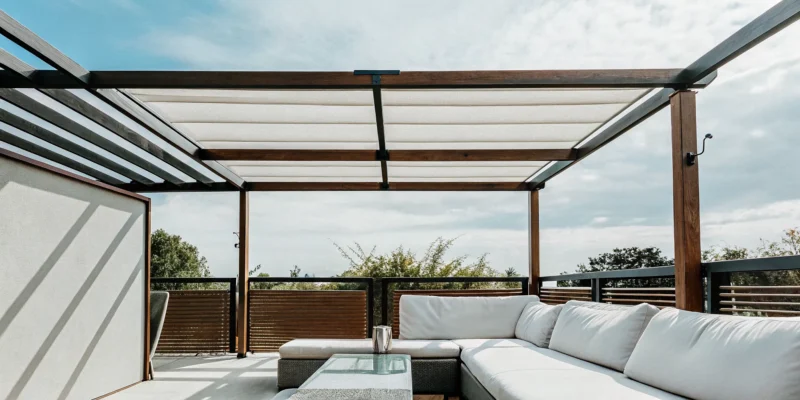
Your home is a reflection of your personal style, and your backyard should be no different. Instead of settling for a generic, one-size-fits-all structure, you can create an outdoor oasis that is uniquely yours. A custom wood pergola serves as the perfect canvas for this personalization. You get to control every detail, from the exact dimensions and shape to the type of wood, the finish color, and integrated features like lighting or privacy screens. This is your opportunity to design a space that perfectly suits your needs and aesthetic, creating the backyard you’ve always wanted.
Key Takeaways
- Choose a custom build over a kit for lasting quality: A custom pergola is tailored to your home’s exact dimensions and style, using superior materials designed for the local climate. This approach creates a seamless, durable addition, not a generic, one-size-fits-all structure.
- Plan for function and durability from the start: Your choice of wood, like cedar or redwood, directly impacts your pergola’s lifespan. Integrating features such as lighting, electrical outlets, and privacy screens during the design phase is more efficient and creates a more useful, polished outdoor room.
- Invest in professional installation for peace of mind: Hiring an experienced builder ensures your pergola is structurally sound, safe, and compliant with all local building codes. This protects your investment by preventing common DIY mistakes and guarantees a high-quality result that adds true value to your home.
Custom vs. Kit: Why Choose a Custom Wood Pergola?
When you start looking at pergolas, you’ll quickly find two main paths: pre-made kits and custom-built structures. While a kit might seem like a straightforward solution, a custom wood pergola offers unmatched benefits in quality, design, and long-term value, especially for a discerning homeowner. A custom approach ensures your new outdoor feature is a perfect extension of your home, not just a generic addition.
The Limits of a Pre-Made Pergola
A pre-made pergola kit is a one-size-fits-all solution for a home that is anything but. These kits come in standard dimensions with limited material and style options, which may not fit the unique layout of your yard or complement your home’s architecture. More importantly, the materials are often chosen for cost-effectiveness, not durability. They may not be prepared to handle Long Island’s humid summers and coastal air, making them susceptible to rot, warping, and insect damage. A structure that isn’t built for our specific climate can quickly become a maintenance headache, requiring frequent repairs or even a full restoration and sealing to keep it looking its best.
Design for Your Exact Size, Style, and Needs
Choosing a custom build means you are in complete control of the final product. Custom pavilions and pergolas are a versatile way to give your home and landscape a dynamic new look and feel because they are designed just for you. You can specify the exact dimensions to perfectly cover your patio, select a roof style that provides the right amount of sun and shade, and choose a design that echoes your home’s architectural details. Most importantly, you get to select the right material. Your choice of wood is the single biggest factor in your pergola’s longevity and upkeep. With a custom project, you can opt for premium, weather-resistant woods like cedar that will stand the test of time.
Add Lasting Value to Your Property
A beautiful, well-built pergola does more than just create a lovely spot for outdoor dining; it’s a smart investment in your property. A custom wood pergola can provide an estimated 50% to 80% return on investment by enhancing your outdoor living space and increasing your home’s overall appeal to future buyers. Unlike a standard kit, a custom structure feels like an intentional and permanent part of the home. It creates a true outdoor room that extends your living area and makes your home more enjoyable. This kind of thoughtful home remodeling adds significant functional and financial value that you and your family can appreciate for years to come.
What Are the Best Woods for a Custom Pergola?
Choosing the right wood for your pergola is one of the most important decisions you’ll make. This choice directly impacts your pergola’s appearance, its durability against the Long Island weather, and how much maintenance it will need over the years. While aesthetics are important, you also need a material that can stand up to humid summers, snowy winters, and everything in between. The best wood for you will balance your style goals, your budget, and your desired level of long-term upkeep.
At Gappsi, we guide homeowners through selecting the perfect materials for their custom pavilions and pergolas. Some woods offer incredible natural resistance to rot and pests, while others provide immense strength for larger, more intricate designs. Understanding the unique properties of each option helps you make an informed choice that you’ll be happy with for decades. Let’s look at some of the most popular and effective wood choices for a custom pergola.
Western Red Cedar
Western Red Cedar is a top contender for outdoor projects, and for good reason. This wood is naturally resistant to rot and insects, which makes it an incredibly durable choice for a pergola. You get peace of mind knowing your structure can handle moisture and pests without needing chemical treatments. Aesthetically, it has a beautiful reddish-brown tone that looks stunning with a clear sealant or can be left to age into a sophisticated silvery-gray. It’s a reliable, beautiful, and long-lasting option that performs exceptionally well in the Long Island climate.
Redwood
Similar to cedar, redwood is another premium choice known for its striking beauty and natural longevity. Its rich red hue brings a touch of elegance to any backyard, creating a warm and inviting atmosphere. Redwood contains natural oils and compounds that make it inherently resistant to decay and insects, so it’s built to last. With proper care and sealing, a redwood pergola can easily last for decades, making it a wonderful long-term investment for your home. It’s a fantastic material if you want your pergola to be a standout feature.
Pressure-Treated Pine
If you’re working with a specific budget, pressure-treated pine is often the most affordable wood for a pergola. This wood is chemically treated to resist rot and insects, giving it a durability it wouldn’t have otherwise. While it’s a cost-effective solution, it does require more diligent maintenance. You will need to regularly clean and apply a stain or sealant to prevent warping and decay, ensuring it lasts. With consistent care, a pressure-treated pine pergola can serve your family well for many years.
Douglas Fir
When strength is the top priority, Douglas Fir is an excellent choice. This wood is known for its structural integrity and durability, making it ideal for large or complex pergola designs that require long, sturdy beams. It’s exceptionally strong for its weight and can handle the demands of various climates, including environments with high moisture. Douglas Fir provides a solid, reliable frame for your outdoor living space. It also takes stains and paints very well, giving you complete flexibility to match your home’s exterior style.
Cypress and Tropical Hardwoods
For the ultimate in durability and elegance, tropical hardwoods like Ipe and Cumaru are in a class of their own. These woods are incredibly dense and so naturally resistant to weather, rot, and insects that they are often used for boardwalks and docks. A pergola built from a tropical hardwood offers unmatched longevity and a truly luxurious appearance. While the upfront cost is higher, the minimal maintenance and incredible lifespan make it a worthwhile investment for a high-end, permanent addition to your property.
What Are Your Customization Options for a Wood Pergola?
This is where the fun really begins. Choosing a custom wood pergola means you get to be the architect of your own backyard oasis. Unlike a one-size-fits-all kit, a custom design allows you to tailor every single detail to your home, your landscape, and the way you want to live outdoors. From the fundamental structure to the finishing touches that add comfort and personality, you have complete creative control.
Think of your pergola not just as a structure, but as a framework for your ideal outdoor experience. Do you envision a cozy nook for morning coffee, a grand space for entertaining friends, or a shaded retreat by the pool? The right customizations can bring that vision to life. As you explore the options, you’ll see how a few thoughtful choices can transform a simple wooden frame into the heart of your backyard. We can help you design and build stunning pavilions and pergolas that perfectly suit your style and needs. Let’s walk through the exciting possibilities for making your pergola uniquely yours.
Size, Shape, and Roof Design
The first and most important decisions you’ll make are about the pergola’s core structure. The size should be proportional to your yard and home, providing enough space for its intended use without overwhelming the landscape. Whether you need a small 10×10 frame for an intimate seating area or a large 20×30 structure to cover an outdoor kitchen and dining table, a custom build ensures a perfect fit. You can also get creative with the shape. While rectangular pergolas are classic, you might consider an L-shape to wrap around a corner of your patio or a custom shape that follows the curve of a swimming pool. The roof design itself offers more options, from traditional open rafters to angled louvers that provide more shade.
Stains, Finishes, and Paint Colors
The finish you choose for your wood pergola does double duty: it defines the structure’s aesthetic and provides critical protection from the elements. You can opt for a translucent stain that celebrates the natural grain and color of cedar or redwood, giving it a warm, organic feel. Alternatively, a solid stain or paint can create a completely different look. A crisp white pergola can feel bright and coastal, while a dark charcoal or espresso stain offers a modern, dramatic touch. You can even paint it to perfectly match your home’s trim for a seamless, integrated appearance. A quality finish is your first line of defense, so we always recommend professional restoration and sealing services to keep the wood healthy for years.
Integrated Lighting and Electrical Outlets
Don’t let the sunset put an end to your outdoor enjoyment. Planning for integrated lighting and electrical access from the start will make your pergola a functional and inviting space day or night. You can incorporate subtle downlights on the posts, recessed LEDs along the beams for a clean look, or hang elegant string lights for a festive ambiance. Beyond lighting, adding electrical outlets is a game-changer. They provide convenient power for speakers, a television, phone chargers, or even a blender for poolside drinks. Thoughtful electrical planning turns your pergola into a true extension of your home, ready for relaxation or entertainment at any hour.
Privacy Walls and Screens
While a pergola’s open design is part of its appeal, sometimes you need a bit of seclusion. Adding privacy walls or screens can shield you from nearby neighbors, block an undesirable view, or simply create a more intimate, room-like feel. These can be designed in countless ways. A solid wall on one side can offer complete privacy and wind protection, while slatted wood panels provide partial screening without completely closing off the space. For a decorative touch, consider laser-cut metal screens or a traditional lattice perfect for climbing vines. Even outdoor curtains can be installed on a track to give you flexible, resort-style privacy whenever you want it.
Heaters, Fans, and Retractable Canopies
Make your pergola comfortable through more of the year by incorporating climate control features. For chilly Long Island evenings in the spring and fall, built-in infrared heaters can be mounted overhead to provide gentle, radiant warmth that keeps you and your guests cozy. In the peak of summer, a ceiling fan can create a welcome breeze that makes hot, humid days much more pleasant. For the ultimate control over sun and shade, a retractable canopy is an excellent addition. You can extend it for full shade during the hottest part of the day and retract it in the evening to enjoy a view of the stars. These features maximize the usability of your investment.
Built-In Planters and Trellises
Integrate your pergola with the surrounding garden by incorporating elements for plants. Built-in planters at the base of the posts can create a beautiful, seamless look, allowing you to add colorful flowers or herbs right into the structure. You can also add trellises or wire systems to the posts and overhead beams to support climbing plants. Imagine fragrant wisteria, vibrant clematis, or classic climbing roses winding their way up the posts and across the roof. This not only softens the look of the structure and helps it blend with your landscape design, but the foliage will also provide additional natural shade and privacy as it grows.
How Much Does a Custom Wood Pergola Cost?
A custom wood pergola is a beautiful investment that adds living space, style, and value to your home. While it’s exciting to imagine the final result, it’s also important to understand the costs involved. The final price tag for a custom pergola can vary quite a bit, as it depends entirely on your specific choices. Most homeowners find themselves spending between $4,000 and $7,000, but this is just a starting point. A simple structure might be on the lower end, while a large, intricate design with premium materials can go well beyond $15,000. Let’s look at the four main factors that will shape your budget.
The Impact of Size and Footprint
The single biggest factor influencing the cost of your pergola is its size. A larger footprint requires more materials, more labor, and a more substantial foundation, all of which contribute to a higher price. Before you settle on dimensions, think about how you plan to use the space. Will it be a cozy nook for two, or will it need to accommodate a large dining table for entertaining? Planning the function first helps you determine the right size. A well-proportioned pergola not only provides shade and structure but also becomes a true extension of your home, making your backyard feel more complete. Our team can help you design custom pavilions and pergolas that perfectly fit your property and lifestyle.
Your Choice of Wood
The type of wood you select has a major impact on both the initial cost and the long-term maintenance of your pergola. Pressure-treated pine is often the most budget-friendly option and can last 10 to 15 years with proper care. For a more premium look and natural durability, woods like cedar and redwood are excellent choices. They have a natural resistance to rot and insects, often lasting 15 to 25 years. While they cost more upfront, their longevity can make them a worthwhile investment. Just as with our natural stone pavers, choosing the right material is key to creating an outdoor feature that stands the test of time.
The Complexity of the Design
A simple, four-post rectangular pergola will naturally cost less than a complex, multi-level structure with custom curves or an elaborate roof design. Intricate details, such as decorative post carvings, arched beams, or a unique lattice pattern, require more skilled craftsmanship and time to build. The height of the structure and the complexity of its connection to your home can also add to the cost. Working with an experienced designer ensures your vision is not only beautiful but also structurally sound. A professional landscape design process helps you avoid common mistakes and creates a pergola that seamlessly integrates with your home and yard.
Optional Add-Ons and Features
Custom features are what truly make a pergola your own, but they also add to the final cost. Popular add-ons include integrated lighting for evening ambiance, ceiling fans for a cooling breeze, and electrical outlets for convenience. You might also consider retractable canopies for adjustable shade, privacy screens for a more intimate feel, or built-in heaters to extend your outdoor season. It’s almost always more cost-effective to include these elements in the initial design rather than trying to add them later. Planning ahead ensures all wiring and structural supports are handled correctly from the start, giving you a polished and functional space for years to come.
DIY Pergola vs. Hiring a Professional Builder
Deciding between building a pergola yourself and hiring a professional comes down to more than just your budget or weekend availability. While the idea of a DIY project is tempting, a pergola is a permanent addition to your home. It’s important to weigh the convenience of a kit against the lasting quality and safety of a professional build. Let’s break down what each path looks like so you can make the right choice for your backyard.
What Comes in a DIY Kit
If you’ve ever put together a piece of furniture, you have a good idea of what to expect from a DIY pergola kit. These kits are designed to be straightforward, arriving with all the necessary components in one box. You’ll typically find pre-cut and pre-drilled lumber, along with the required screws, bolts, and other hardware. The goal is to simplify the process, removing the need for complex measurements or cuts. Most manufacturers claim that two people can assemble their pergolas in just a few hours, making it a manageable weekend project for someone who is comfortable with basic tools and following instructions.
Where DIY Projects Fall Short
The main drawback of a kit is its one-size-fits-all nature. Your yard isn’t standard, and a pre-made pergola can’t account for uneven ground, unique dimensions, or how the sun hits your patio at different times of day. A common mistake is choosing a height that feels too low and cramped or so tall that it fails to provide adequate shade. More importantly, installation errors can compromise the structure’s stability, creating safety risks. Without professional experience, it’s easy to overlook crucial steps that ensure your pergola can withstand Long Island’s coastal weather, leading to a structure that lacks durability and doesn’t truly fit your space.
The Benefits of Working with a Professional
Hiring a professional builder is an investment in peace of mind. While it costs more upfront, you’re paying for expertise that prevents costly mistakes and ensures the job is done safely and correctly. A professional team manages the entire process, from creating a custom design that complements your home to securing the necessary permits. They build pavilions and pergolas that are engineered to last and integrate perfectly with your landscape. Plus, a professionally installed, permitted pergola is often covered by your homeowner’s insurance, which isn’t always the case for a DIY build. This approach guarantees a beautiful, durable, and safe addition to your home.
How to Design the Perfect Pergola for Your Yard
Designing a pergola is more than just picking a style you like. It’s about creating a structure that feels like a natural extension of your home and lifestyle. A little forethought can be the difference between an awkward add-on and a stunning outdoor room that becomes your family’s favorite spot. Before you get caught up in the details of wood types and finishes, take a step back and look at the big picture. Think about how the pergola will integrate with your home’s architecture, your existing landscape, and the unique Long Island climate.
The perfect pergola design considers both form and function. It should provide the right amount of shade exactly where you need it, stand up to coastal weather, and complement the flow of your yard. Will it be a quiet retreat for your morning coffee, a poolside lounge area, or the centerpiece for your outdoor dining set? By answering these questions first, you can ensure your new pergola not only looks beautiful but also works perfectly for your needs. Working with a professional can help you see all the possibilities and create a truly cohesive design that blends seamlessly with your landscaping and patio.
Match Your Home’s Architectural Style
Your new pergola should look like it was always meant to be there. The best way to achieve this is by matching its design to your home’s existing architectural style. Custom pergolas are a versatile way to give your home and landscape a dynamic new look, but harmony is key. A modern home with clean lines might call for a sleek pergola with a simple, unadorned frame. A traditional colonial or cape-style house, on the other hand, could support a more classic design with decorative rafter tails and substantial posts. The goal is to create a visual connection between the two structures, making your yard feel like a true outdoor living room.
Choose the Right Location
Where you place your pergola is just as important as how it looks. It’s tempting to pick a spot based only on aesthetics, but you also need to consider function and structure. Think about how you plan to use the space. Do you want it attached to the house for easy access from the kitchen, or would a freestanding structure create a lovely destination spot by the pool? Pay attention to the sun’s path throughout the day to ensure your pergola provides shade when and where you need it most. Also, consider the foundation. A pergola needs a stable, level base, like one of Gappsi’s expertly installed porcelain or natural stone patios, to ensure its long-term stability.
Plan for the Long Island Climate
Long Island weather can be tough on outdoor structures. From humid, sunny summers to windy, snowy winters, your pergola needs to be built to last. Understanding the local climate and its impact on design is essential for creating a structure that remains beautiful and functional year after year. This means choosing materials that can withstand moisture, resist rot, and handle the occasional nor’easter. It also means designing for factors like snow load and wind resistance. Features like retractable canopies can offer flexible protection from sun and rain, while proper sealing and finishing will protect the wood from the elements.
Understand Local Permits and Building Codes
Before you break ground, it’s crucial to understand your local building codes. Many towns across Long Island have specific regulations for outdoor structures like pergolas, covering everything from their size and height to how close they can be to your property line. Trying to figure this out on your own can be a real headache, and making a mistake can lead to costly fines or even having to tear down your project. This is where working with an experienced professional really pays off. A reputable builder will be familiar with local requirements and can manage the entire permitting process for you, ensuring your beautiful new pergola is fully compliant and built to code.
Pergola, Pavilion, or Gazebo: What’s the Difference?
Walking through backyard design options can feel like learning a new language. The terms pergola, pavilion, and gazebo are often used interchangeably, but they describe three distinct structures with different functions. Understanding the difference is the first step to choosing the perfect centerpiece for your outdoor living space. The main distinction comes down to the roof design and the level of shelter each one provides.
A pergola is defined by its open, slatted roof supported by posts or columns. Think of it as a framework for your outdoor room. It creates partial shade, casting beautiful light and shadows, but it won’t offer full protection from rain or intense sun. Pergolas are fantastic for defining a walkway, creating an airy cover for a patio, or supporting climbing plants like wisteria or ivy. They add architectural interest without completely closing off a space.
A pavilion, on the other hand, features a solid, continuous roof but has open sides. This makes it the ideal choice if you want reliable protection from the elements. A pavilion can comfortably shelter an outdoor kitchen, a dining set, or a full seating area, keeping you and your guests dry during a summer shower and shaded on hot days. Gappsi offers a range of custom pavilions and pergolas to fit any backyard style.
Finally, a gazebo is a freestanding structure with a solid, pitched roof, a closed floor, and a distinct shape, often octagonal or round. Gazebos typically have built-in railings and seating, creating a more enclosed and intimate feel. They work beautifully as a quiet garden retreat or a charming focal point in a landscape design. So, when choosing, ask yourself: do you want decorative partial shade (pergola), a fully sheltered open-air room (pavilion), or a cozy, enclosed hideaway (gazebo)?
Common Mistakes to Avoid with Your Pergola Design
A custom pergola is a fantastic investment, but a few design missteps can keep it from reaching its full potential. Planning ahead helps you create a structure that is not only beautiful but also functional and durable for years to come. By sidestepping these common mistakes, you can ensure your new outdoor space is everything you dreamed it would be.
Choosing the Wrong Size or Placement
One of the easiest mistakes to make is getting the scale wrong. A pergola that’s too small will feel insignificant and fail to define the space, while one that’s too large can overwhelm your yard and home. It’s all about proportion. Think about how you want to use the area. Will it be for intimate dinners or large gatherings? The function should inform the footprint. Placement is just as important. Consider the sun’s path throughout the day to ensure you get shade right where you need it, and plan for a natural flow between your pergola and other spaces like your patio or swimming pool.
Focusing on Looks Over Durability
It’s tempting to choose a material based on aesthetics alone, but looks won’t matter if your pergola can’t handle a Long Island winter. Prioritizing appearance over structural resilience is a recipe for future problems. Lightweight wood or flimsy hardware might look good at first, but they can quickly fall victim to moisture, wind, and wear. A durable structure starts from the ground up with a solid foundation. Working with an expert ensures you select high-quality wood and strong masonry footings that provide both the style you want and the long-lasting strength you need.
Skipping Essential Weatherproofing
A pergola should be a comfortable retreat, but that won’t happen if it’s constantly exposed to the elements. Forgetting to plan for weather is a common oversight. For example, setting the structure’s height too low can make it difficult to add a fan for hot summer days or a retractable canopy for rain showers. An ideal height is typically between 8 and 10 feet. You should also think about how you’ll protect the wood itself. Proper sealing and staining are non-negotiable for preventing rot and weather damage, keeping your pergola looking its best season after season.
Ignoring Local Climate and Codes
Every design choice should be made with Long Island’s climate in mind. Your pergola needs to be strong enough to handle a heavy snow load and provide enough shade to offer relief during humid summers. You might consider an adjustable or louvered roof for maximum flexibility. Beyond the weather, you also need to account for local building codes. Depending on the size and location, your pergola may require a permit from your town. A professional builder will be familiar with these regulations and can manage the entire process, ensuring your project is safe, compliant, and built to last.
How Do You Maintain a Wood Pergola?
A custom wood pergola is a stunning addition to any Long Island backyard, but like any beautiful wooden structure, it needs a little care to stay that way. Think of it as protecting your investment. With our region’s mix of sunny summers, wet springs, and snowy winters, a consistent maintenance routine is the best way to ensure your pergola stands strong and looks great for years to come. The good news is that it doesn’t require a huge amount of work. A few simple tasks performed seasonally can prevent common issues like rot, fading, and weather damage, saving you from more significant repairs down the road. By staying on top of these small jobs, you can keep your outdoor retreat as inviting as the day it was built. Gappsi’s pavilions and pergolas are built to last, and with this guide, you’ll have all the information you need to maintain its beauty.
Perform Seasonal Cleaning and Inspections
Think of this as a quick health check for your pergola. At least once a season, take a walk around and give it a good look. Are there any loose screws or wobbly joints? Do you see any small cracks, signs of peeling stain, or rusted hardware? Catching these things early is the key. It’s also a great time for a gentle cleaning. You can use a soft brush to sweep away any cobwebs, leaves, or debris. For a deeper clean, a simple mixture of mild soap and water is usually all you need to wash away dirt and pollen. This simple seasonal routine helps keep your pergola looking fresh and allows you to spot potential issues before they become big problems.
Stain, Seal, and Refinish as Needed
Stain and sealant are your pergola’s best defense against sun and moisture. Within the first year or two of installation, it’s wise to apply a maintenance coat of stain and seal any small cracks with an exterior-grade caulk. After that, a good rule of thumb is to re-stain and seal your pergola every few years. The exact timing depends on the type of wood and how much direct sunlight it gets. A pergola in a very sunny spot might need attention more often than one in a shadier area. This step is crucial for preventing the wood from fading, drying out, or absorbing too much water. If the job feels too big, professional restoration and sealing services can get it done efficiently.
Prevent Rot, Pests, and Weather Damage
A little prevention goes a long way in protecting your pergola’s structural integrity. Once a year, check the base of each post to make sure water isn’t pooling there. Proper drainage is essential for preventing rot from starting at the bottom. While you’re there, clear away any soil, mulch, or debris piled up against the wood, as this can trap moisture and invite pests. It’s also a good idea to check and tighten any hardware, like bolts and screws, that may have loosened over time as the wood expands and contracts. Just be careful not to overtighten them. These proactive steps help ensure your pergola remains a safe and sturdy structure for your family to enjoy.
Prepare Your Pergola for Winter
Long Island winters can be tough, so getting your pergola ready is an important final step in your yearly maintenance plan. If your pergola has a retractable canopy or fabric shade, be sure to remove and store it to protect it from snow and wind. The most important task is to keep an eye on snow and ice accumulation on the roof. Heavy, wet snow can put a lot of stress on the structure. If you notice a significant buildup, use a broom with soft bristles or a roof rake to gently brush it off. Taking this simple precaution can prevent the weight from causing damage, ensuring your pergola is ready for action as soon as the warm weather returns.
Ready to Build Your Custom Wood Pergola?
Building a custom wood pergola is an exciting project, and you’re likely already picturing how it will transform your outdoor space. Before you start, a little planning goes a long way in creating a structure that’s both beautiful and built to last. The beauty of a custom build is that you can design a pergola that perfectly fits your yard’s dimensions and your personal style. Unlike a one-size-fits-all kit, a custom project gives you complete control over the final look and function.
Choosing the right materials is one of the most critical steps. Woods like Western Red Cedar and Redwood are popular for a reason, as they are naturally resistant to rot and insects, which is a huge plus for Long Island weather. While it can be tempting to focus on looks, a common mistake is choosing materials that can’t stand up to the elements. Prioritizing structural resilience will save you from costly repairs down the road. A professional can help you select the right wood for your design and local climate.
Once your pergola is built, a little upkeep will keep it looking its best for years. Simple pergola maintenance, like seasonal cleaning and applying a fresh coat of stain every few years, protects your investment. Working with an experienced builder ensures every detail, from the foundation to the final finish, is handled correctly. If you’re ready to create the perfect outdoor retreat, our team at Gappsi can help you design and build the custom wood pergola you’ve been dreaming of.
Related Articles
- Hiring Custom Pergola Builders: A Complete Guide
- Traditional Wood Pergolas: Custom Styles & Options | Gappsi Inc
- Custom Pergola Attached to House with Roof: A Guide
- Gazebo | Pavilion | Pergola Archives – Gappsi Group
Frequently Asked Questions
How long will a custom wood pergola actually last? The lifespan of your pergola depends heavily on the wood you choose and how well it’s built. A pressure-treated pine structure might last 10 to 15 years with consistent maintenance. However, a custom pergola built by a professional using a premium, rot-resistant wood like cedar or redwood can easily last 20 to 30 years or more. Proper installation and routine care, like sealing the wood, are key to ensuring it stands up to the Long Island climate for decades.
What’s the main difference between a pergola and a pavilion? The simplest way to tell them apart is by looking at the roof. A pergola has an open, slatted or latticed roof designed to provide partial shade and create an airy, architectural feature. A pavilion has a solid, continuous roof that offers full protection from sun and rain, essentially creating a true open-air room. If you want a defined space with some light filtering through, choose a pergola. If you need reliable shelter for an outdoor kitchen or dining area, a pavilion is the better choice.
Do I really need a permit to build a pergola on Long Island? In most cases, yes. Many towns across Nassau and Suffolk counties have specific building codes for outdoor structures, including pergolas. The requirements often depend on the structure’s size, height, and whether it’s attached to your house. Navigating these local regulations can be complicated, which is a major benefit of working with a professional builder who understands the process and can handle the permits for you, ensuring your project is safe and compliant.
Can I add features like lights or a fan to my pergola later on? While it’s sometimes possible to retrofit these features, it is always better and more cost-effective to plan for them from the start. Integrating electrical elements like lighting, outlets, or a ceiling fan during the initial build means all the wiring can be hidden cleanly within the structure. Adding them later often requires running visible conduit, cutting into the wood, and hiring a separate electrician, which can be more complex and expensive.
How much maintenance does a wood pergola require in our climate? The maintenance is quite manageable, especially if you choose a durable wood. Your main tasks will be seasonal cleaning to remove dirt and debris, and inspecting for any loose hardware. The most important job is re-staining or sealing the wood every few years to protect it from sun and moisture. A wood like pressure-treated pine will require more frequent attention than a naturally resilient wood like cedar, but a little upkeep goes a long way in preserving the beauty and integrity of your investment.