


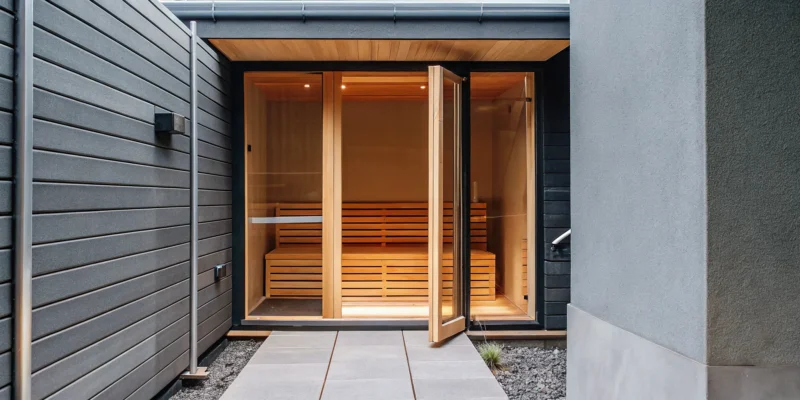
Living on Long Island means enjoying beautiful, distinct seasons, but it also means any outdoor structure needs to be built tough. When you decide to install a backyard sauna, you need more than just a generic builder; you need a local expert. Someone who understands how to weatherproof a structure against coastal air and winter cold, and who knows the specific building codes for Nassau and Suffolk counties. A qualified backyard sauna installer Long Island brings this essential local knowledge to your project, ensuring your sauna is not only beautiful but also durable and compliant, ready for you to enjoy year-round.
Key Takeaways
- Define your ideal sauna experience: Decide if you prefer the intense, steamy heat of a traditional Finnish sauna or the gentler, radiant warmth of an infrared model. Your choice will shape your wellness routine and the overall feel of your space.
- Plan for the total investment: A realistic budget goes beyond the price of the sauna unit. Remember to account for professional installation, site preparation for a solid foundation, and the crucial cost of hiring a licensed electrician for safe wiring.
- Vet your installer for a quality build: The right installer is essential for safety and durability. Always verify their license and insurance, ask for references from past clients, and get a detailed written estimate to ensure there are no surprises.
What Kind of Backyard Sauna Is Right for You?
Choosing a sauna for your home is an exciting step toward creating your personal wellness retreat. But with a few different types available, you might wonder which one is the best fit. The right choice really comes down to the experience you’re looking for, your health goals, and the space you have. Do you imagine a classic, steamy session after a long day, or a gentler, more modern heat? Are you dreaming of a standalone sauna in your backyard or a convenient unit inside your home?
Thinking about these questions will help you decide between the main types: traditional Finnish, infrared, and steam. Each offers a unique way to relax and recharge. At Gappsi, we help Long Island homeowners find the perfect sauna to match their lifestyle, whether it’s part of a larger backyard transformation or a quiet corner indoors. Let’s walk through the options so you can feel confident in your decision.
Traditional Finnish Saunas
When you picture a classic sauna, you’re likely thinking of a traditional Finnish sauna. These use an electric or wood stove to heat rocks, creating a powerful dry heat that can reach up to 195°F. You can also pour water over the rocks to generate a burst of steam, which adds a wonderful layer to the experience. This is the perfect choice if you love intense heat and the ritual of a classic sauna session. Because they require specific wiring or even a chimney for wood-burning models, professional installation is key to ensuring everything is safe and works perfectly from day one.
Infrared Saunas
If you find the high heat of a traditional sauna a bit too much, an infrared sauna could be your perfect match. Instead of heating the air around you, infrared saunas use special heaters to warm your body directly with gentle, radiant heat. The temperature inside usually stays between a comfortable 120°F and 140°F, allowing you to enjoy longer sessions. They are also very energy-efficient and heat up much faster than traditional models. Many infrared saunas are designed for easy setup, making them a fantastic option for those who want the wellness benefits of a sauna without the extreme temperatures.
Steam Saunas
A steam sauna, often called a steam room, offers a completely different experience. Instead of dry heat, these rooms are filled with 100% humidity. This moist heat is incredible for deep relaxation, and many people find it helps with breathing and skin hydration, leaving you feeling refreshed and glowing. A steam sauna can turn your master bathroom into a personal spa. It’s a luxurious addition that can be seamlessly integrated into a larger home remodeling project, creating a true sanctuary right in your house.
Outdoor vs. Indoor Installations
Where you put your sauna is just as important as the type you choose. An outdoor sauna can become the centerpiece of your backyard, creating a beautiful escape where you can unwind in nature. Imagine stepping out of your sauna and into a cool evening or taking a dip in your swimming pool. On the other hand, an indoor sauna offers unmatched convenience and privacy. You can convert a spare room, a corner of your basement, or even a large closet into your personal wellness zone. With custom designs, a sauna can be built to fit almost any space, indoors or out.
Breaking Down the Cost of a Backyard Sauna in Long Island
Thinking about adding a sauna to your Long Island backyard is exciting, but it’s natural to wonder about the investment. The final price tag is more than just the cost of the sauna unit itself. To get a clear picture, you need to consider three main components: the sauna, the installation, and the necessary site preparations like electrical work. Understanding these elements will help you create a realistic budget and avoid any surprises along the way.
While the numbers here provide a solid starting point, remember that every project is unique. The size of your yard, the specific model you choose, and any custom features will all influence the final cost. The best way to get an accurate price is to work with a professional who can assess your space and provide a detailed quote. At Gappsi, we handle every aspect of the project, from designing the perfect layout to ensuring all the technical details are managed correctly, giving you a seamless experience and a clear understanding of the investment from day one.
Cost of the Sauna Unit
The first major expense is the sauna itself. The price can vary quite a bit depending on the type you choose. Generally, infrared saunas are a bit more budget-friendly, with prices typically ranging from $3,200 to $6,500. Traditional Finnish-style saunas, which use heated rocks and steam, often cost between $4,000 and $10,000.
What causes this price difference? It comes down to size, materials, and features. A larger sauna that fits more people will naturally cost more than a two-person model. The type of wood used, like cedar versus hemlock, also plays a role. Plus, any extra features like chromotherapy lighting or built-in sound systems will add to the price. Exploring different saunas and spas can help you see what features matter most to you.
Factoring in Installation
Once you’ve picked your sauna, the next step is getting it installed. Professional installation costs typically fall between $400 and $1,500. The final price depends on the complexity of the job. For example, assembling a pre-fabricated sauna kit is usually quicker and less expensive than building a fully custom sauna from scratch.
A straightforward installation of a pre-built model might only take a day, while a more involved custom project could take a week or more. While a DIY installation might seem tempting, hiring a professional ensures everything is set up safely and correctly, protecting your investment for years to come. A team with extensive home remodeling experience will handle the process efficiently.
Budgeting for Electrical and Extras
A crucial cost that homeowners sometimes overlook is the electrical work. Sauna heaters are powerful and require a dedicated 240-volt circuit with a GFCI breaker for safe operation. This isn’t just a suggestion; it’s often required by local building codes on Long Island. Budgeting between $300 and $800 for a licensed electrician to handle this is a smart move.
Beyond wiring, you might also need to prepare a foundation for your sauna. It needs a solid, level surface, like a concrete pad or a reinforced deck. If your chosen spot isn’t ready, you’ll need to factor in the cost of site preparation. This is where having a full-service team is beneficial, as they can handle everything from masonry work for the foundation to the final electrical hookup.
Essential Features for Your Backyard Sauna
Once you have an idea of the type of sauna you want, it’s time to think about the details that will make it perfect for you. Focusing on a few key features during the planning phase ensures your final sauna is not only beautiful but also safe, durable, and perfectly suited to your lifestyle. From the materials you choose to the way it fits into your backyard, these elements are what separate a good sauna from a great one.
Prioritize Quality Materials and Weatherproofing
Your backyard sauna is an investment, and you want it to last. Choosing high-quality, weather-resistant materials is crucial, especially with Long Island’s variable climate. Materials like cedar, hemlock, or thermally modified wood are popular for a reason: they naturally resist moisture, decay, and insects. A well-built sauna should feel solid and secure. Gappsi provides extensive design and construction expertise to ensure every structure we build is made to withstand the local weather, giving you peace of mind and a beautiful sauna for years to come. Think about the foundation and surrounding area, too, ensuring it’s built on a stable, level surface that can handle the elements.
Select Your Heating System
The heater is the heart of your sauna, and your choice will define your experience. Traditional saunas use electric or wood-fired stoves to heat rocks, creating a powerful, enveloping heat that you can control with water. If you love intense heat and steam, this is the classic choice. On the other hand, infrared saunas use infrared panels to heat your body directly, offering a gentler warmth at a lower air temperature. Many people find this experience more comfortable for longer sessions. Gappsi can help you explore the best sauna options and heating systems to match the wellness routine you’re looking for.
Ensure Proper Ventilation and Safety
Proper ventilation and electrical safety are non-negotiable. Good airflow is essential for a comfortable and safe sauna session, as it prevents the air from becoming stuffy and helps regulate the temperature. Without it, you can experience overheating and general discomfort. On the electrical side, sauna heaters require a dedicated 240V circuit, often with a GFCI breaker, to operate safely and meet local codes. This is not a DIY project. Hiring a professional installer ensures all electrical work is done correctly, protecting your home and family. It’s a critical step that guarantees your sauna is a place of relaxation, not risk.
Explore Custom Designs
Your sauna doesn’t have to be a standard box. A custom design allows you to create a sauna that fits perfectly into your backyard’s layout and your personal style. You can integrate it with an existing patio, deck, or pool area, or make it a stunning standalone feature. Think about adding a picture window to enjoy your garden view, incorporating unique bench layouts, or designing an exterior that complements your home’s architecture. With a custom build, you can tailor every detail to your needs, from the size and shape to the interior finishes. This is your chance to create a truly personal retreat with the help of Gappsi’s landscape design team.
Who Installs Backyard Saunas on Long Island?
Finding the right installer is just as important as picking the perfect sauna. You need a team that understands Long Island’s specific building codes and climate. A great installer handles everything from preparing the site to the final electrical hookup, making the process smooth and stress-free. When you partner with a full-service company, you get the peace of mind that every detail is managed correctly. Several excellent brands offer high-quality sauna units, and a local expert can help you source and install the one that fits your vision. Here are a few top names you’ll come across.
Gappsi
As a Long Island-based company with decades of experience, we at Gappsi are a one-stop shop for your entire sauna project. We supply, deliver, and install a wide range of saunas, including traditional wood-burning, electric, infrared, and steam models. Our team handles the complete installation for both indoor and outdoor setups, ensuring all electrical work complies with local regulations. Choosing a local installer who manages the whole process means you have a single point of contact and a partner who understands how to build lasting outdoor living spaces right here in your community.
Finnmark
Finnmark is a great choice if you appreciate true craftsmanship and durability. They are well-known for their high-quality traditional Finnish and infrared saunas that are built to withstand the elements. This focus on robust materials makes their units a reliable option for a backyard installation, where your sauna will be exposed to Long Island’s changing seasons. Their designs are perfect for anyone wanting an authentic and long-lasting sauna experience that feels both timeless and resilient.
SaunaLife
If you’re looking for a modern and practical solution, SaunaLife is a brand worth considering. They focus on creating energy-efficient and user-friendly designs, which can help keep your utility bills in check over the long run. SaunaLife offers a versatile selection of both indoor and outdoor models, making it easier to find a unit that fits your specific space and lifestyle. Their products are a popular choice for homeowners who want a blend of modern convenience, efficiency, and straightforward operation.
Auroom
For those who want their sauna to be a stunning design feature, Auroom delivers. This brand specializes in creating high-quality saunas that blend sleek, modern aesthetics with the traditional sauna experience. Their units are designed to be a beautiful addition to your backyard, turning your wellness space into a visual centerpiece. Auroom products are also engineered for optimal performance and a smooth installation process, making them a fantastic option for homeowners who value both form and function.
Haljas
Haljas stands out for its innovative and sustainable designs. If being eco-conscious is a priority for your home improvement projects, this brand is an excellent match. They focus on creating energy-efficient saunas with a modern, forward-thinking approach to design. Haljas offers a variety of options that can suit different backyard layouts and personal preferences. They are a top contender for homeowners interested in a sustainable product that doesn’t compromise on quality or performance.
What to Ask a Sauna Installer Before You Hire Them
Choosing the right installer is just as important as picking the perfect sauna. A great installation experience ensures your new backyard retreat is safe, functional, and built to last. Before you sign any contracts, it’s smart to have a list of questions ready. This helps you understand exactly what you’re getting and allows you to compare different companies effectively. Think of it as a friendly interview to find the best partner for your project.
Experience, Licensing, and Insurance
First things first, you want to know who you’re working with. Ask potential installers about their experience specifically with sauna installations. How many have they completed in the Long Island area? A seasoned pro will have a portfolio of work and be happy to share it. Don’t be shy about asking for references from past clients. Hearing directly from other homeowners is one of the best ways to gauge an installer’s reliability and the quality of their work.
Equally important are licensing and insurance. Your installer should have the proper licenses for construction and electrical work in Nassau or Suffolk County. Also, confirm they carry liability insurance and worker’s compensation. This protects you from any liability in case of accidents on your property. A professional company like Gappsi will readily provide this documentation for your peace of mind.
The Installation Process and Timeline
Understanding the full scope of the project will help you prepare and avoid surprises. Ask for a detailed overview of the installation process from start to finish. A key part of this involves electrical work. Most sauna heaters need a dedicated 240V circuit, which requires a licensed electrician to install safely and up to code. Clarify if their team includes a qualified electrician or if you need to hire one separately.
You should also ask about necessary permits. Many towns require building permits for permanent outdoor structures. A full-service installer should know the local regulations and handle the permit application process for you. Finally, get a clear and realistic timeline. While delays can happen, a professional installer should be able to give you a solid estimate for how long the project will take, from site preparation to the final walkthrough.
Warranties and Post-Sale Support
Your relationship with the installer shouldn’t end once the sauna is built. It’s important to ask about warranties. There are typically two types: the manufacturer’s warranty, which covers the sauna unit and its components, and the installer’s warranty, which covers their workmanship. Make sure you understand the terms and duration of both. A reputable installer will stand behind their work with a clear labor warranty.
Beyond the warranty, ask about post-sale support and maintenance. What happens if you have a question or an issue down the road? Find out if they offer any maintenance services to keep your sauna in top condition. Knowing what kind of long-term support is available can be a deciding factor, as it reflects the company’s commitment to its customers and the durability of their construction projects.
Pricing and Written Estimates
Talking about money can feel awkward, but it’s essential for a smooth project. Always request a detailed, written estimate from any installer you’re considering. A vague quote is a red flag. The estimate should break down all the costs clearly, including the sauna unit, materials, labor, permit fees, electrical work, and any other potential charges. This transparency helps you understand exactly what you’re paying for and prevents unexpected costs from popping up later.
When you compare estimates, make sure you’re comparing apples to apples. One company might seem cheaper, but they may not include services like permit handling or electrical wiring. Asking for a comprehensive quote helps you see the true value each installer offers. A trustworthy company will provide a clear, itemized estimate as part of their design and consultation process, ensuring you can budget confidently for your new backyard oasis.
How to Vet Local Sauna Installation Companies
Choosing the right installer is just as important as picking the perfect sauna. You’re not just buying a product; you’re investing in a complex project that involves design, construction, and electrical work. A great contractor ensures your sauna is safe, beautiful, and built to last, while a poor one can lead to headaches and costly repairs. Taking the time to properly vet potential companies is the best thing you can do to protect your investment and ensure you get the relaxing oasis you’ve been dreaming of. It’s about finding a partner you can trust to bring your vision to life correctly and safely.
Check Reviews and Ask for References
Before you sign any contracts, it’s time to do a little homework. Start by looking up online reviews, but don’t stop there. A reputable company should be more than willing to provide you with references from past clients. Ask for a list of recent projects and see if you can speak to a few homeowners about their experience. It’s also a great idea to see their work firsthand. Many installers showcase their finished projects online, which can give you a clear sense of their craftsmanship. You can often find video tours and testimonials on a company’s YouTube channel that provide an authentic look at their process and results.
Avoid These Common Hiring Mistakes
One of the biggest mistakes you can make is rushing the process. Some homeowners get so excited about the final product that they skip right over the critical planning and design stage. A good installer will work with you to map out every detail before construction begins. Another major pitfall is overlooking the electrical work. Improper wiring isn’t just a performance issue; it’s a serious safety hazard that can put your home and family at risk. Make sure your installer is licensed and follows all local codes. A well-planned sauna installation considers every detail from the start, ensuring a smooth process and a safe, functional final product.
Watch Out for These Red Flags
Many installation problems begin long before a single tool is picked up. Be wary of any contractor who seems to dismiss the importance of the planning phase. Critical details like layout, precise measurements, and especially ventilation must be thoughtfully considered. Forgetting to plan for proper ventilation is a classic mistake that can lead to an stuffy, uncomfortable experience and even cause the sauna to overheat. Vents need to be placed strategically to create a pleasant airflow. If an installer seems vague about these technical details or pressures you to make a quick decision, consider it a major red flag. A true professional will prioritize a safe and effective design for your backyard sauna.
Prepare Your Property for a Sauna Installation
Once you’ve picked out your dream sauna, the next step is getting your property ready for its arrival. Proper preparation is about more than just clearing a space; it’s about ensuring your sauna is safe, functional, and built to last for years of enjoyment. Thinking through the foundation, location, and electrical needs ahead of time will make the installation process smooth and stress-free. Let’s walk through the key considerations for getting your Long Island backyard ready for your new wellness retreat.
Prepare the Foundation and Site
Your sauna needs a solid, level base to sit on. Start by finding a spot in your yard with good natural drainage to prevent water from pooling around the structure. A concrete slab or a deck of crushed stone are popular choices for a stable foundation. It’s also important to check your local building codes for setback rules, which dictate how far the structure must be from property lines. Finally, consider the distance to your home’s electrical panel. A shorter distance can often simplify the wiring process and reduce installation costs. Our masonry experts can help you design and build the perfect foundation for your new sauna.
Choose the Right Location for Drainage and Access
Where you place your sauna can have a big impact on how often you use it. Think about the path from your house to the sauna, especially during a cold Long Island winter. You’ll want it close enough for a quick, comfortable walk. However, it shouldn’t be so close that it poses a fire risk or creates issues with your home’s existing utilities. A professional installer can help you find the sweet spot that balances convenience with safety. Thoughtful placement is a key part of our landscape design process, ensuring your sauna fits perfectly into your backyard oasis.
Plan for Electrical Safety and Wiring
Proper electrical work is not a place to cut corners. Most sauna heaters require a dedicated 240-volt circuit with a GFCI breaker, a safety feature that is required by code in many areas. This is not a typical DIY project. Improper wiring is a serious safety hazard that can damage your new sauna or, worse, cause a fire. Always hire a licensed electrician to handle the installation. At Gappsi, we coordinate all aspects of the project, including the electrical work, to ensure your sauna is installed safely and correctly from the start.
Consider Long Island’s Climate
Long Island weather gives us beautiful summers and chilly winters, and your outdoor sauna needs to be able to handle it all. A quality outdoor sauna is built with durable, weather-resistant materials that can withstand moisture, temperature fluctuations, and sun exposure without warping or degrading. Proper insulation is also key to ensure your sauna heats up efficiently, even on the coldest days. When we build outdoor structures, from pavilions and pergolas to saunas, we select materials and use construction techniques designed specifically for our local climate, giving you a beautiful and durable addition to your home.
Related Articles
- Long Island Sauna Installation: A Complete Guide
- Outdoor Cabin Sauna Long Island: A Buyer’s Guide
- The Ultimate Long Island Sauna Installation Guide
- Swim Spas Saunas Nassau & Suffolk County Long Island – Gappsi Group
- SaunaLife GL4 Outdoor Sauna Kit Review: Is It Worth It?
Frequently Asked Questions
I’m still not sure if I want a traditional or infrared sauna. What’s the easiest way to decide? The best way to choose is to think about the experience you want. If you love the feeling of intense, enveloping heat and the classic ritual of pouring water over hot stones to create steam, a traditional Finnish sauna is for you. If you prefer a gentler warmth that heats your body directly and allows for longer, more meditative sessions at a lower temperature, an infrared sauna would be a perfect fit. It really comes down to whether you crave that powerful, steamy heat or a milder, radiant warmth.
Besides the sauna unit itself, what are the biggest extra costs I should budget for? It’s smart to plan for two main additional costs: the foundation and the electrical work. Your sauna needs a perfectly level and solid base, like a concrete pad or a reinforced deck, which might need to be built if you don’t have a suitable spot already. More importantly, every sauna requires a dedicated 240-volt circuit installed by a licensed electrician to operate safely. This isn’t an optional step; it’s essential for safety and meeting local codes, so be sure to include it in your initial budget.
How complicated is the installation process? Is it something I could handle myself to save money? While assembling a pre-fabricated sauna kit might seem straightforward, the complete installation has some critical steps that are best left to professionals. The electrical wiring, for example, must be done by a licensed electrician to ensure it’s safe and up to code. A professional installer also ensures the foundation is perfect, the structure is properly sealed against the weather, and the ventilation is set up correctly for a comfortable experience. Think of professional installation as an investment in safety and the long-term durability of your sauna.
What’s the best spot for a sauna in my backyard? Does it need to be near my pool or patio? The ideal location is a balance of convenience and atmosphere. You want it close enough to your house for easy access, especially on a cold day, but also placed in a way that feels like a special retreat. Integrating it near a pool or patio is a fantastic idea, as it helps create a cohesive wellness and entertainment zone. A professional can help you find a spot with good drainage that also works with your property’s layout and your home’s electrical panel location.
What kind of maintenance does an outdoor sauna require to keep it in good shape? Outdoor saunas are built to be durable, but a little regular care goes a long way. On the inside, it’s good practice to wipe down the benches and backrests after use and keep the floor clean. For the exterior, you’ll want to periodically inspect the wood for any signs of weathering and reapply a protective sealant every few years, depending on the material and Long Island’s climate. You should also occasionally check that the heater and any lighting are functioning correctly. This simple routine will keep your sauna looking and performing its best for years.