


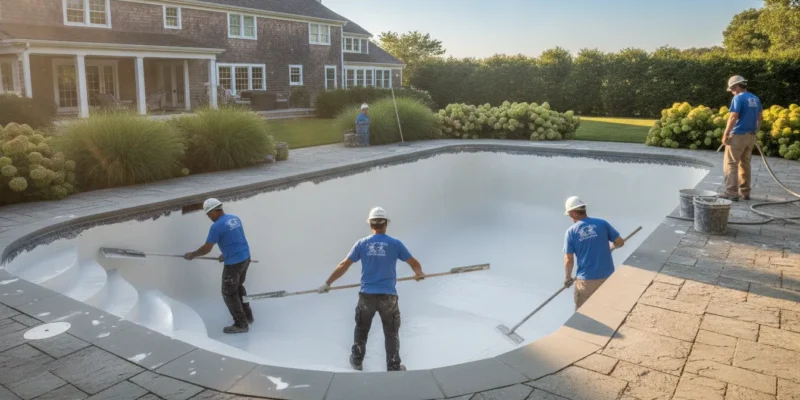
A pool finish does more than affect appearance. As plaster, quartz, pebble, or another interior surface ages, stains, roughness, cracks, and repeated maintenance can signal that the finish is ready for professional attention. On Long Island, the right budget depends on the pool’s size, current condition, selected finish, and the work required around the shell.
The typical pool resurfacing cost is about $6,000 to $15,000, with an average near $11,000, while larger or more complex concrete pool projects can reach approximately $10,000 to $20,000. Those figures generally cover the interior finish work, not a full renovation that changes lighting, tile, coping, plumbing, or the pool structure.
Knowing what is included in an estimate makes it easier to compare contractors and distinguish a straightforward refinishing project from repairs or upgrades. Start by examining the factors that shape the final scope and price.
Contact Gappsi through our contact page
What Determines Pool Resurfacing Cost on Long Island
A resurfacing estimate is built around the condition of the pool, the work required to prepare it, and the finish selected for the new interior surface. Pool size, current condition, finish choice, and location are the primary variables that move the total cost up or down. A larger pool requires more surface material, more labor, and more time to drain, prepare, and refill. A smaller pool can still require significant work if the existing surface has widespread damage.
The existing pool surface is often the first cost variable to investigate. A contractor may need to remove failing material, clean and prepare the shell. And inspect for cracks or other areas that need repair before the new finish is applied. A surface with staining or roughness may need different preparation than one with delamination, exposed aggregate, or shell damage. The condition should be documented during an on-site inspection rather than assumed from the pool’s age alone.
The selected finish also affects the budget. Plaster, quartz, pebble, and other finish systems have different material costs, application requirements, appearance, and expected service life. A finish should be chosen for the pool’s design, maintenance plan, and use, not just its initial price. The cost of a pool resurfacing project can include labor, materials, waste disposal, and possible pool-shell repairs, so an estimate that lists only the finish material may not represent the complete scope. See the documented cost components and influencing factors.
Long Island location can affect drive and logistical costs. Access to the property, distance for crews and deliveries, staging space, disposal requirements, and the municipality where the work takes place may all influence project planning. Nassau and Suffolk properties can have different site conditions, access constraints, and local procedures.
Before work begins, homeowners should verify permit requirements with their specific Long Island municipality. Requirements can vary by town or village, and confirming them early helps prevent scheduling surprises. Ask for a written scope that separates preparation, shell repairs, finish application, cleanup, disposal, and any optional updates to coping, tile, or lighting.
Contact Gappsi through our contact page
How Much Does Pool Resurfacing Cost on Long Island?
For many Long Island homeowners, the pool resurfacing cost falls between approximately $6,000 and $15,000, with an average near $11,000. That range is a budgeting guide, not a fixed quote. The final price depends on the pool’s size, the condition of the existing finish. The selected material, and whether the crew finds shell damage after draining and preparing the pool.
Concrete pool resurfacing often occupies the higher end of the range. A typical estimate for resurfacing a concrete pool is approximately $10,000 to $20,000. Concrete surfaces may require more preparation, repairs, or finish material than a smaller or less deteriorated pool. A contractor should inspect the surface and explain each preparation or repair charge before work begins.
Resurfacing is not the same as building a new pool. These figures generally apply to renewing the pool’s interior surface. They do not represent a new gunite pool installation, and they should not be compared as if the two projects deliver the same scope. Gappsi’s published baseline for a new gunite swimming pool on Long Island is $90,000 to $140,000. A new build can include excavation, structural construction, plumbing, equipment, finishes, and other features. Resurfacing addresses the interior finish of an existing pool, although a broader renovation may add separate upgrades.
When comparing estimates, ask whether the quoted amount includes draining, surface preparation, labor, materials, disposal, and repairs. Also confirm whether the proposed finish is plaster, quartz, pebble, or another material. Two estimates with different totals may be pricing different levels of preparation or different expected service life.
Contact Gappsi through our contact page
A useful estimate should identify the work included, the finish being installed, and any conditions that could change the price. It should also distinguish resurfacing from tile, coping, lighting, plumbing, or structural updates. Those additions can turn a surface project into a larger renovation, so keeping the scopes separate makes the budget easier to evaluate.
Pool Resurfacing Finish Types and Their Costs
The finish is one of the clearest ways to shape both the appearance and the pool resurfacing cost of a project. Gappsi Group installs several finish families, including marble dust plaster, quartz Diamond Brite, glass, Hydrazzo, and pebble. The right choice depends on the condition of the pool shell. The look you want in the water, and how much service life you expect from the new surface.
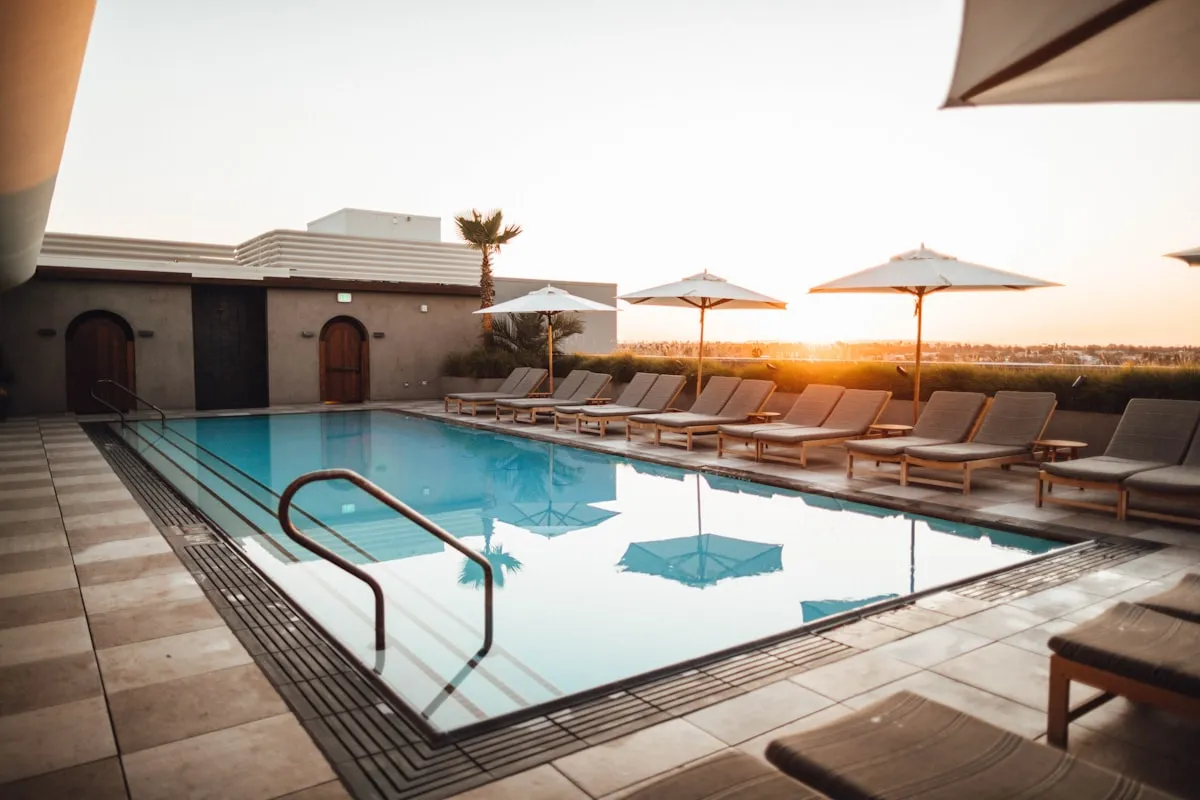
Cost tiers below are directional rather than fixed prices. Pool size, preparation, shell repairs, access, and selected color or aggregate can change the estimate. A contractor should inspect the existing surface before comparing finish proposals.
| Finish type | Cost tier | Typical service life | Look and characteristics |
|---|---|---|---|
| Plaster or marble dust | Most budget-friendly | About 7-10 years | Clean, traditional surface with a simple color field |
| Quartz | Middle | Longer-lasting than standard plaster when maintained correctly | Fine aggregate adds texture, color variation, and durability |
| Hydrazzo or polished finish | Higher | Varies by product, installation, and water care | Smooth, marbled appearance; polished surfaces resist chemical erosion |
| Glass aggregate | Higher | Varies by product, installation, and water care | Reflective detail that can create brighter color and visual depth |
| Pebble | Higher | About 15-20 years with proper care | Natural, textured appearance with pronounced aggregate character |
Plaster is often the practical choice when the initial budget is the priority, but its shorter expected life can mean more frequent resurfacing. Quartz occupies the middle ground, offering a durability and cost compromise between plaster and pebble. Pebble finishes generally command a higher initial investment, yet their 15-20-year service life can make the long-term calculation different. The finish is not the only variable: disciplined water chemistry helps protect any surface from premature damage.
For a closer look at finish and refinishing choices, visit Gappsi’s gunite pool refinishing guide. A site-specific estimate should identify the existing finish, preparation work, chosen material, and any related tile, coping, or shell repairs as separate line items.
When Should You Resurface Your Pool?
A pool finish does not fail all at once. It usually shows smaller warning signs before the surface becomes difficult or expensive to restore. Stains, visible cracks, rough texture, and persistent discoloration are all reasons to schedule an inspection rather than waiting for the next major pool season.
Age is another useful planning signal. Many pool finishes begin to need attention when they are approximately 10 to 15 years old, although the actual service life depends on the material, water chemistry, installation, and routine maintenance. A finish that still looks uniform and feels smooth may have more useful life remaining. A newer finish with severe wear may need work sooner if the pool has experienced chemical imbalance or surface damage.
What does a failing pool finish look like?
- Rough or sandpaper-like areas: texture can indicate erosion, exposed aggregate, or deterioration of the finish.
- Cracks and chips: isolated damage should be evaluated to determine whether it is limited to the finish or points to a deeper shell concern.
- Stains that return after cleaning: recurring rust-colored, gray, or dark marks may not be ordinary surface dirt.
- Discoloration across broad areas: uneven fading or mottling can signal that the finish is aging or reacting to water conditions.
Staining does not always mean that resurfacing is immediately necessary. Prolonged unbalanced pool chemistry can contribute to staining and discoloration, so testing the water and correcting pH, alkalinity, and sanitizer levels should be part of the diagnosis. If the surface remains stained, rough, or damaged after chemistry is brought under control, resurfacing may be the more practical solution.
It is also worth looking beyond appearance. A deteriorating finish can make brushing and cleaning harder, hold debris in rough areas, and affect how comfortable the pool feels underfoot. During an evaluation, the contractor should inspect the entire interior, waterline tile, coping, and surrounding details rather than quoting a finish replacement based only on photographs.
For a closer look at the process and local considerations, review Gappsi’s Long Island pool resurfacing guide. Planning before the finish reaches an advanced stage can give you more control over scheduling, finish selection, and the overall pool resurfacing cost.
How Long Does Pool Resurfacing Take?
Most pool resurfacing projects take about one to two weeks from preparation through refill, although the exact schedule depends on the finish, curing requirements, and weather. A contractor should give you a project sequence rather than a single optimistic date, because each stage affects the next one.
What happens during the resurfacing process?
The work typically begins with draining the pool and inspecting the exposed shell. The crew removes loose or damaged material, cleans the surface, and addresses preparation needs before the new finish is applied. For a concrete pool, preparation can include an acid wash, bond coat, and plastering. These steps are not interchangeable shortcuts. The condition of the existing surface can add work to the schedule, particularly when repairs are needed before the finish can be installed. Acid-washing chemicals can also cause serious burns when handled incorrectly, so this stage belongs with trained professionals. Safety information on muriatic acid explains the risk of improper use.
After preparation, the selected material is applied across the pool interior. The surface then needs time to cure and stabilize. Curing is one reason a finish should not be judged only by how quickly it can be installed. Plaster and pebble surfaces have different requirements, and curing time varies by product and site conditions. In some installations, pebble surfaces can be filled sooner than traditional plaster, but the installer should provide the specific startup and filling instructions for your finish.
How does Long Island weather affect scheduling?
On Long Island, seasonal planning matters. Temperature, rain, humidity, and overnight conditions can affect application and curing, while freezing weather makes late-season work more difficult. Spring and summer calendars can also fill quickly, especially when homeowners are preparing for pool season. Scheduling an inspection early helps identify whether the project can be completed before a planned event or opening date.
Once curing requirements are met, the pool can be refilled and the water balanced according to the finish manufacturer’s instructions. Plan for a follow-up period while the chemistry is monitored and adjusted. A realistic pool resurfacing cost discussion should include this timeline, the finish-specific care instructions, and any shell preparation, not just the days when material is being applied. That planning helps protect the new surface and reduces surprises during the first weeks of operation.
Pool Resurfacing vs Full Pool Renovation: What’s the Difference?
The distinction comes down to what needs to change. Pool resurfacing addresses the interior finish of an existing pool. The work may include draining the pool, preparing the shell, applying a bond coat, and installing a new plaster, quartz, hydrazzo, marble dust, glass, or pebble finish. It can correct a worn, rough, stained, or discolored surface while leaving the pool’s basic shape and equipment layout intact.
A full pool renovation has a broader scope. Renovation may change the pool structure, reshape steps or benches, add features, or alter how the pool functions within the surrounding outdoor space. If you want to change the footprint, add a tanning ledge, rebuild damaged structural areas. Or coordinate major deck and patio work, resurfacing alone will not address the entire project.
When is resurfacing the better fit?
Resurfacing is usually the practical choice when the shell remains sound and the main concern is the finish. A new surface can update the color, texture, and feel of the pool without turning a maintenance project into a structural remodel. It is also an opportunity to coordinate related details, including waterline tile, coping, and pool lighting. Those updates can make the pool look and operate more current while keeping the underlying basin in place.
The right scope depends on the condition of the pool, the finish you want, and the improvements you expect to make over the next several years. Homeowners comparing options can review this gunite pool renovation guide for a broader look at renovation planning. It is useful to separate cosmetic finish work from structural changes before estimating pool resurfacing cost, because combining several upgrades may change labor, materials, scheduling, and permitting requirements.
When does a renovation make more sense?
Renovation is the stronger fit when the pool needs more than a new interior surface. Structural repairs, redesigned circulation areas, new water features, and coordinated changes to the pool deck may require several trades and a single project plan. A renovation can also combine resurfacing with tile, coping, lighting, and surrounding masonry so the finished pool does not look like an isolated repair.
Gappsi uses a vertically integrated design-build model with its own specialized crews rather than relying on outside subcontractors. That structure allows the team to evaluate the pool, finish, lighting, coping, and surrounding hardscape as connected parts of one project. For examples of broader work, see this gunite swimming pool renovation overview. On Long Island, seasonal conditions should also be considered when combining resurfacing with a larger renovation. Since the sequence and timing of each phase affect when the pool can return to service.
How to Budget for Pool Resurfacing and Avoid Hidden Costs
A reliable budget begins with the work beneath the visible finish. The quoted pool resurfacing cost may cover labor and materials, but the final project can also involve waste disposal, repairs to the pool shell, surface preparation, and related updates. Ask for these items to be identified separately so you can compare proposals accurately instead of choosing a bid that leaves necessary work out.
On Long Island, also ask whether your municipality requires a permit for the planned work. Permit requirements can vary by location, so homeowners should verify the rules for their specific Nassau or Suffolk County municipality before scheduling the project. Building that step into the timeline can help prevent avoidable delays, reinspection costs, or changes after work has started.
Acid washing is another area where cutting costs can create a larger problem. It is used to clean and prepare some concrete pool surfaces, but it must be performed by trained professionals. Incorrect handling can damage the pool structure and turn routine preparation into a repair expense. A proper concrete resurfacing process may include acid washing, applying a bond coat, and installing the new plaster or selected finish. Your written proposal should explain which preparation steps are included and how the existing surface will be evaluated.
Contractor selection also affects the real cost of the job. Look for relevant resurfacing experience, current references, and crews managed by the contractor. Ask who will perform each stage, who handles shell repairs, and who is responsible if the finish does not cure as expected. A design-build company with its own specialized teams can provide clearer coordination when resurfacing is combined with tile, coping, lighting, or surrounding patio work.
Finally, protect the finish after installation. Regularly monitor and balance the pool’s pH, since proper chemistry helps prevent premature finish degradation and surface damage. Visible staining or discoloration can indicate that chemistry has been unbalanced for an extended period. Include opening, closing, and ongoing water-care responsibilities in your maintenance plan. A complete budget accounts not only for the installation, but also for the care that helps the new surface reach its expected service life.
Contact Gappsi through our contact page to discuss the right finish for your pool and get a site-specific estimate before you commit to a resurfacing plan.
Frequently Asked Questions
How much does it cost to resurface a pool?
Many pool owners spend about $6,000 to $15,000, with an average near $11,000. Although the final price depends on pool size, surface condition, finish selection, access, and required repairs. These figures are a planning range, not a project quote. Source: Swimply cost research.
How much does resurfacing a concrete pool cost?
Concrete pool resurfacing commonly falls around $10,000 to $20,000 when preparation, the selected finish, labor, and possible shell repairs are included. A site inspection is important because cracks, hollow areas, waterline tile, coping, and difficult access can change the scope. Source: industry cost research.
When should you consider pool resurfacing?
Consider an evaluation when the finish is roughly 10 to 15 years old or you see persistent staining. Discoloration, cracks, roughness, exposed aggregate, or trouble keeping the surface clean. Staining can also point to prolonged water-chemistry imbalance, so testing the water helps identify the cause before work begins.
How long does pool resurfacing take?
Most projects take approximately one to two weeks, but weather, preparation, finish selection, curing requirements, and inspection timing can extend the schedule. Long Island homeowners should plan around seasonal demand and confirm when the selected finish can safely be filled and treated. Source: industry timeline research.
What is the difference between pool resurfacing and a full renovation?
Resurfacing replaces the pool’s interior finish. A full renovation can also change the structure or add features such as new lighting, tile, coping, steps, equipment, or a redesigned layout. If the shell and layout are sound, resurfacing may address the main problem. Broader structural or functional goals call for a renovation assessment.
Ready to Plan Your Pool Resurfacing?
A site-specific review can help you compare finish options, identify necessary shell or surface repairs, and build a clearer budget for your Long Island pool project.
Contact Gappsi through our contact page for a free pool resurfacing consultation and site-specific quote.