


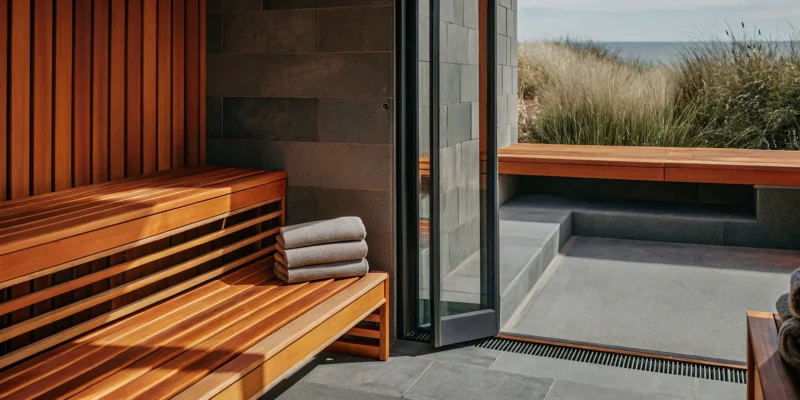
A home renovation project can feel overwhelming, especially one as specialized as a sauna installation. You have to consider the right type of sauna, the best location, and the specific electrical and ventilation needs for your space. Getting any of these details wrong can lead to costly problems down the road. This is why selecting a qualified and experienced home sauna contractor Long Island residents rely on is so critical. The right partner takes the complexity off your shoulders, managing the project with professionalism and ensuring every detail is handled correctly, so you can simply look forward to relaxing in your new oasis.
Key Takeaways
- Choose the right sauna for your home: Understand the key differences between traditional, infrared, and steam saunas to select one that fits your space, budget, and desired wellness experience.
- Prioritize a professional and safe installation: A sauna involves complex electrical and ventilation systems, so hiring a licensed professional is essential. This ensures your installation is safe, meets local codes, and protects your home.
- Vet your contractor with care: A great project starts with a great partner. Look for a licensed and insured contractor with specific sauna experience who provides a detailed quote, a clear timeline, and strong warranties.
What Are the Different Types of Home Saunas?
Choosing the right sauna for your home is the first step toward creating your personal wellness retreat. The best option for you depends on the experience you want, the space you have, and your installation preferences. From the intense, steamy heat of a traditional Finnish sauna to the gentle warmth of an infrared model, each type offers a unique way to relax and recharge. Understanding the differences will help you decide which sauna will fit perfectly into your Long Island home and lifestyle.
Whether you envision a rustic outdoor cabin or a sleek indoor unit integrated into your master bathroom, there’s a sauna to match. Let’s walk through the most popular types so you can find the one that’s right for you.
Traditional Finnish Saunas
When you picture a classic sauna, you’re likely thinking of a traditional Finnish sauna. These rooms use an electric or wood-burning stove to heat rocks, bringing the air temperature to a toasty 195°F. The environment is typically dry, but you can create bursts of steam, known as “löyly,” by ladling water over the hot stones. This type of sauna provides an intense, purifying sweat. Because of the high heat and specific electrical or ventilation needs (especially for wood stoves), a traditional sauna requires careful planning and professional installation.
Infrared Saunas
If you prefer a less intense heat, an infrared sauna might be a better fit. Instead of heating the air, infrared saunas use special lamps to warm your body directly with gentle, radiant heat. The temperatures are much lower, usually between 120°F and 140°F, allowing for longer, comfortable sessions. Many people find this warmth deeply relaxing. Infrared saunas are also very energy-efficient, heat up quickly, and often come as pre-built kits that can plug into a standard household outlet, simplifying the installation process. Gappsi offers a variety of high-quality saunas to suit any preference.
Steam Saunas
Often called steam rooms, steam saunas are all about high humidity. A steam generator boils water and pumps the vapor into an airtight enclosure, creating a moist environment with nearly 100% humidity. While the temperature is lower than a traditional sauna, the wet heat feels very penetrating. This experience is excellent for respiratory health, helping to clear congestion and soothe sinuses. It’s also fantastic for your skin. A steam room requires waterproof construction with materials like tile or glass, making it a great addition to a home remodeling project.
Outdoor Saunas
An outdoor sauna transforms your backyard into a year-round escape. Imagine stepping out into the crisp Long Island air before warming up in your private retreat. These saunas are built to withstand the elements and can be designed as charming barrel saunas, modern cubes, or rustic cabins. You can choose between traditional or infrared heating systems to create your ideal experience. An outdoor sauna can stand alone or be integrated into a larger outdoor living space, perhaps next to a pool or under a custom-built pavilion or pergola for the ultimate backyard oasis.
How Much Does a Sauna Installation Cost on Long Island?
One of the first questions homeowners ask when considering a home sauna is, “How much will this cost?” It’s a great question, and the answer depends on several factors. Think of it not just as a purchase but as an investment in your home and your well-being. The final price tag for a sauna installation on Long Island can range from a few thousand dollars for a simple, prefabricated kit to tens of thousands for a large, custom-built outdoor oasis.
The total cost is influenced by the type of sauna you choose, its size and location, the quality of materials, and the complexity of the installation. Beyond the sauna unit itself, you also need to account for essential services like electrical work, ventilation, and any necessary permits. Understanding these components will help you create a realistic budget and ensure there are no surprises along the way. A trustworthy contractor will walk you through a detailed quote, breaking down every aspect of the project so you know exactly where your money is going. At Gappsi, we provide clear, comprehensive estimates for all our sauna installations, ensuring you feel confident and informed from start to finish.
How Costs Vary by Sauna Type
The type of sauna you select is the biggest factor in determining your starting price point. Infrared saunas, which use light to create radiant heat, are often the most budget-friendly option. On Long Island, you can expect an infrared sauna installation to range from about $3,200 to $6,500 or more, depending on the size and features.
Traditional Finnish saunas, which use a heater to warm rocks and create a deep, steamy heat, typically have a higher price tag. These installations generally start around $4,000 and can go up to $10,000 or more. The cost difference comes from the more powerful heater, the robust construction needed to handle high heat and humidity, and often more extensive labor for a proper build.
Factors That Affect Your Final Price
Beyond the basic type, several other choices will shape your final cost. A smaller, two-person indoor sauna might fall in the $6,000 to $8,000 range, while a larger custom sauna built for entertaining will naturally cost more. The location also plays a huge role. An outdoor sauna is a fantastic luxury, but it requires a foundation, weatherproofing, and running electrical lines outside, which can bring the total cost to between $10,000 and $20,000 or more.
The materials you choose and any custom features also add to the price. High-end woods, intricate layouts, large glass panels, and advanced lighting systems will increase the budget. These details are where a standard installation transforms into a personalized retreat, and our team can help you balance your vision with your budget during the home remodeling design process.
Budgeting for Electrical, Ventilation, and Permits
It’s easy to focus on the sauna itself, but the supporting work is just as important for a safe and functional installation. Most traditional electric saunas require a dedicated 240-volt hookup, which must be installed by a licensed electrician. While some smaller infrared saunas can use a standard 120-volt outlet, it’s crucial to confirm the electrical requirements beforehand.
Proper ventilation is another key consideration to ensure good air quality and prevent moisture from damaging your home. This may involve installing new vents, which adds to the labor and material costs. Finally, most permanent sauna installations on Long Island require building permits and an electrical inspection to ensure everything is up to code. Factoring these professional services and administrative fees into your initial budget will help you avoid unexpected expenses down the road.
Custom Build vs. Sauna Kit: Which Is Right for You?
Deciding between a custom-built sauna and a pre-made kit is one of the first big choices you’ll make. A custom sauna is designed from the ground up to fit your space and style, while a kit comes with pre-fabricated parts for a more straightforward assembly. Both paths can lead to a fantastic home wellness retreat, but they cater to different priorities, budgets, and design goals. Thinking about how you want the final product to look, feel, and function will help you determine the best route for your Long Island home.
Why Choose a Custom-Built Sauna?
A custom-built sauna is the perfect choice if you have a unique space or a specific vision in mind. Instead of a one-size-fits-all box, you get a sauna that is designed to fit your lifestyle and integrate perfectly with your home’s aesthetic. This personalized approach means you can select every detail, from the bench layout to the type of wood and heater. For homeowners on Long Island, a professionally installed, custom-built sauna can also be a smart investment, making your property more appealing and potentially increasing its resale value. It becomes more than just a wellness feature; it’s a permanent, valuable upgrade to your home.
Is a High-Quality Sauna Kit a Good Fit?
If you think sauna kits are a major step down in quality, it might be time to look again. Modern, premium sauna kits have improved dramatically, often using the same high-grade cedar or spruce and effective insulation you’d find in a custom project. A kit can be an excellent fit if your budget is a primary concern or if you find a design that already meets your needs without requiring modifications. While they offer less design flexibility, high-quality kits provide a more predictable and often faster path to owning a sauna. You can still achieve a luxurious and durable result without starting entirely from scratch.
Why Professional Installation Is Key for Both
Whether you choose a custom design or a top-tier kit, proper installation is not the place to cut corners. A sauna involves heat, moisture, and complex electrical components, making professional installation essential for safety and long-term performance. An expert ensures that your sauna has correct ventilation to prevent moisture issues and that all electrical work is up to code. You should always hire a licensed electrician for the wiring to prevent serious safety hazards. Relying on professional installation guarantees your sauna will be a safe, efficient, and lasting addition to your home for years to come.
What to Look for in a Long Island Sauna Contractor
Choosing the right contractor is just as important as picking the perfect sauna for your home. The right partner will make the entire process smooth, safe, and successful, ensuring your new wellness retreat is built to last. When you start meeting with potential installers, focusing on a few key areas will help you separate the true professionals from the rest. Think of it as a checklist to find a contractor who values quality and client satisfaction as much as you do.
Verify Licensing, Insurance, and Local Expertise
First things first, always confirm that any contractor you consider is fully licensed and insured to work in Long Island. This is non-negotiable. Proper licensing proves they meet local and state standards, while insurance protects you from any liability in case of accidents on your property. A professional installation is critical for safety, especially with the complex electrical and ventilation systems a sauna requires. A contractor with deep local expertise will also understand Nassau and Suffolk County building codes, ensuring your project is completed correctly from the start.
Review Their Specialization and Material Quality
Not all sauna contractors are the same. Some may specialize in infrared models, while others are experts in traditional Finnish saunas or custom steam rooms. Ask about their specific experience with the type of sauna you want. It’s also a great idea to inquire about the materials they use. The quality of the wood, heaters, and insulation will directly impact your sauna’s performance and durability. A reputable company will be transparent about their suppliers and proud to showcase the high-quality materials they use in their home remodeling projects.
Ask About Warranties and Ongoing Support
Your relationship with a contractor shouldn’t end the day the installation is complete. Ask detailed questions about the warranties they offer on both the sauna unit and their craftsmanship. A confident contractor will stand behind their work. Find out if they provide ongoing support or service plans to help you maintain your sauna over the years. This commitment to long-term customer care is a strong indicator of a trustworthy and reliable company that plans to be around for years to come, offering services like restoration and sealing to keep your investments pristine.
Look for Clear Pricing and Timelines
A professional contractor will provide a clear, detailed, and transparent quote. This estimate should break down the costs for the sauna itself, labor, materials, and any necessary electrical or ventilation work. Sauna prices can vary, so having a comprehensive proposal helps you understand exactly what you are paying for and avoids surprise fees later. You should also receive a realistic project timeline. Knowing the key milestones, from permit approval to final installation, helps you plan accordingly and ensures everyone is on the same page.
Avoid These Mistakes When Hiring a Sauna Contractor
Hiring the right contractor is the most important step in your sauna journey. To make sure your project goes smoothly and you end up with a relaxing retreat instead of a renovation headache, it helps to know what pitfalls to avoid. Let’s walk through some of the most common mistakes homeowners make so you can steer clear of them.
Skipping the Planning and Design Stage
It’s easy to get excited and want to jump straight into building, but skipping the planning phase is a recipe for disappointment. A great sauna is more than just a hot room; it’s a space designed for your specific needs and home. Take the time to work with your contractor on a detailed design. Think about where it will go, how it will blend with your home’s style, and what features are most important to you. A thorough home remodeling expert will help you map out every detail, from bench layout to lighting, ensuring the final result is a perfect fit.
Overlooking Electrical and Ventilation Requirements
This is a big one. Proper electrical work and ventilation are crucial for your sauna’s safety and performance. Inadequate ventilation can lead to poor air quality and moisture issues, while faulty wiring is a serious safety hazard. Your contractor must have a clear and compliant plan for both. Make sure they can explain how they will handle the electrical load and create proper airflow according to local building codes. A professional installation ensures your sauna runs efficiently and safely for years, giving you peace of mind every time you step inside to relax.
Choosing Size Over Functionality
Many people assume that a bigger sauna is automatically a better one, but that’s not always the case. The best sauna is one that’s sized for its intended use. An oversized sauna can feel empty, take longer to heat, and use more energy than necessary. Think about your real-world needs. Will it be a private escape for one or two people, or will you be hosting friends? A contractor can help you find the sweet spot between spaciousness and efficiency, creating a cozy and functional retreat. You can explore different saunas to get a feel for the options that might work for your space.
Not Asking the Right Questions Before Signing
Before you sign any contract, make sure you’ve done your homework on the contractor. Don’t be shy about asking detailed questions. Inquire about their specific experience with sauna installations, the types of materials they use, and what their warranty covers. Ask for a clear timeline and a detailed, itemized quote so you know exactly what you’re paying for. A reputable contractor will be happy to provide this information and answer all your questions. Visiting a showroom like the Gappsi Store can also give you a firsthand look at the quality of materials and craftsmanship you can expect.
What Is the Sauna Installation Process?
Understanding the installation process from start to finish helps you know what to expect when you hire a contractor. While every project is unique, a professional installation generally follows a clear, three-step path. This structured approach ensures your sauna is not only beautiful and functional but also safe and built to last. From the initial creative vision to the final flick of the switch, a seasoned team handles the complexities so you can focus on the excitement of your new home wellness retreat. Here’s a breakdown of what that journey looks like.
Step 1: Design, Planning, and Securing Permits
This is where your vision starts to take shape. A professional sauna contractor will work with you to design a sauna that fits your specific needs and the layout of your home. They will help you choose the right type, size, and materials, considering everything from your wellness goals to your home’s aesthetic. This initial phase also involves careful planning to account for the local climate and building styles common on Long Island. Your contractor will create detailed plans and handle the process of securing any necessary building permits, making sure your project gets started on the right foot and without any administrative headaches.
Step 2: Ensuring Code Compliance and Safety
Safety is the most important part of any home project, and sauna installation is no exception. It is crucial that your new sauna complies with all local building codes in Nassau and Suffolk Counties. A reputable contractor will manage all the technical details, especially the electrical requirements. They ensure the sauna is wired correctly by a licensed electrician and that all components adhere to strict safety regulations. This step protects your home and family and guarantees your sauna will operate reliably for years. This is where an experienced team’s value truly shows, as they handle the critical safety checks with precision.
Step 3: The Final Installation and Finishing Touches
Once the design is approved and all permits are in place, it’s time for the main event. Your contractor will coordinate the delivery and assembly of the sauna. The timeline can vary, but many modern infrared saunas can be fully installed in just a few hours. After the core unit is assembled, the team will add the finishing touches. This could include integrating the sauna with existing walls, adding custom lighting, or installing exterior trim. This final step transforms a simple kit or set of materials into a seamless part of your home, ready for you to enjoy.
How to Find the Best Sauna Contractor on Long Island
Finding the right contractor is the most critical step in turning your dream of a home sauna into a reality. You need a partner who not only understands the technical aspects of the installation but also shares your vision for a relaxing, beautiful space. The right professional will guide you through the process, ensuring every detail is handled correctly, from the initial design to the final flip of the switch. On Long Island, you have many options, so knowing how to identify a top-tier contractor will make all the difference in the quality and longevity of your investment.
Start with a Premier Full-Service Provider like Gappsi
When you’re ready to bring a sauna into your home, your first step can make all the difference. I always recommend starting your search with a premier, full-service provider. A company like Gappsi, for example, handles everything from start to finish. They specialize in creating complete wellness spaces, including saunas, swim spas, and hot tubs for homeowners across Long Island. The major benefit here is that they manage the entire installation, including all the tricky plumbing and electrical work. This integrated approach ensures every piece of the puzzle fits together perfectly, saving you the headache of coordinating multiple contractors and hoping for the best. It’s a much smoother path to your dream sauna.
Tips for Vetting Other Local Specialists
If you decide to explore other local specialists, it’s important to know what to look for. Don’t just go with the biggest name; instead, find a contractor who listens and offers solutions tailored to your specific space and needs. A detailed planning and design phase is non-negotiable. A great contractor will walk you through this process, not rush past it. Also, make sure to discuss ventilation thoroughly. It’s one of the most common mistakes in sauna construction and can seriously impact your experience. Asking the right questions upfront helps ensure you partner with a true professional who will build a safe, functional, and beautiful sauna.
Related Articles
- The Ultimate Long Island Sauna Installation Guide
- Long Island Sauna Installation: A Complete Guide
- Outdoor Cabin Sauna Long Island: A Buyer’s Guide
- Swim Spas Saunas Nassau & Suffolk County Long Island – Gappsi Group
- Backyards Archives – Gappsi Group
Frequently Asked Questions
What’s the real difference in feel between a traditional sauna and an infrared one? Think of it as the difference between sitting in a hot, steamy room versus feeling the sun’s warmth on your skin. A traditional sauna uses a heater to raise the air temperature to a very high level, creating an intense, purifying sweat that you can enhance with bursts of steam. An infrared sauna uses special lamps to warm your body directly, providing a gentler heat at a lower temperature that many find deeply relaxing and comfortable for longer sessions.
Do I really need to hire an electrician for a sauna installation? For most saunas, yes, and it’s a step you should never skip. Traditional saunas and larger infrared models almost always require a dedicated 240-volt circuit to operate safely and efficiently. This is not a standard outlet and must be installed by a licensed electrician to meet safety codes. While some very small, plug-in infrared saunas exist, professional electrical work is the standard for a safe, permanent installation.
Is an outdoor sauna a practical choice for the Long Island climate? Absolutely. Outdoor saunas are specifically designed to withstand the elements, including our cold winters and humid summers. They are built with durable, weather-resistant materials and proper insulation. An outdoor model can turn your backyard into a year-round wellness destination. The key is ensuring it’s installed correctly on a solid foundation to handle seasonal shifts in the ground.
Why should I hire a professional for a sauna kit if it’s designed for assembly? While a kit provides the core components, a professional installation ensures everything comes together safely and performs correctly for the long haul. A contractor handles the critical details that go beyond basic assembly, like ensuring the electrical wiring is up to code, the ventilation is adequate to prevent moisture damage to your home, and the unit is perfectly level and sealed. This expertise protects your investment and gives you peace of mind.
How much disruption should I expect during a sauna installation? The level of disruption depends on the project’s scope. A straightforward installation of a prefabricated indoor sauna can often be completed in a day or two with minimal fuss. A custom-built sauna or an outdoor model is a more involved process that includes a design phase, potential permit applications, and construction, so it will naturally take longer. A good contractor will provide a clear timeline so you know exactly what to expect and when.