


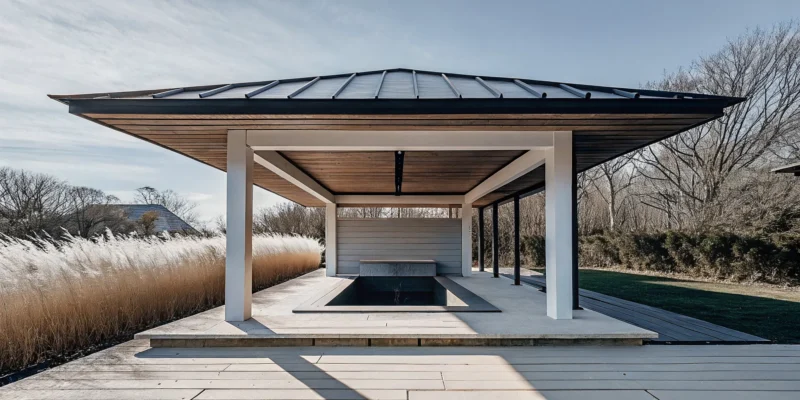
Your home reflects your personal style, and your backyard should be no different. When you decide to add an outdoor structure, you’re faced with a choice: a generic, off-the-shelf kit or a structure designed just for you. A prefabricated gazebo limits you to standard sizes and materials, often resulting in a feature that feels disconnected from your home. The real magic lies in personalization. A custom gazebo on Long Island gives you complete creative control to build a space that fits your lifestyle perfectly. You can choose the ideal shape, select materials that match your home, and add features like integrated lighting, screens, or a ceiling fan. This guide is for homeowners who want to create a truly unique outdoor retreat.
Key Takeaways
- Choose Custom for a Lasting Structure: A custom-built gazebo lets you pick the right materials, like wood, vinyl, or aluminum, and a design that perfectly matches your home and stands up to Long Island’s weather, unlike a one-size-fits-all kit.
- Hire a Pro to Handle the Headaches: A full-service builder is your best partner, managing everything from the design and materials to the tricky local permit process, which saves you time and ensures the project is done right.
- View Your Gazebo as a Valuable Addition: Think of a custom gazebo as an investment in your lifestyle and property value, as it creates a functional outdoor room for relaxing and entertaining that makes your home more enjoyable and appealing.
Custom or Prefab Gazebo: Which Should You Choose?
When you decide to add a gazebo to your backyard, one of the first choices you’ll face is whether to go with a custom build or a prefabricated kit. While a prefab kit from a big-box store might seem like a straightforward solution, it often comes with trade-offs. A custom-designed gazebo, on the other hand, is built to your exact specifications, ensuring it perfectly complements your home and lifestyle. Let’s walk through the key differences to help you decide which path is right for your Long Island home.
The Perks of a Custom Design
A custom design gives you complete creative control. Instead of being limited to a few standard models, you can create an outdoor structure that is uniquely yours. We can help you design and build custom pavilions, pergolas, and gazebos that fit your yard, your vision, and your budget perfectly. This means choosing the ideal size, shape, and materials to match your home’s architecture and your existing landscape. A custom approach ensures your new gazebo doesn’t just sit in your yard, it becomes a seamless and functional part of your outdoor living space.
The Downsides of Prefab Kits
Prefabricated gazebo kits can seem appealing because of their lower initial price, but they have significant limitations. You’re stuck with the designs, materials, and sizes offered, which may not suit your space or style. These one-size-fits-all solutions can look out of place and often lack the durability of a professionally built structure. With a kit, you miss the opportunity to create a cohesive look that ties into your patio’s porcelain and natural stone or other landscape features. A custom build avoids these issues, giving you a high-quality, personalized structure built to last.
Choosing the Best Materials for a Long Island Gazebo
Selecting the right material for your gazebo is one of the most important decisions you’ll make. It determines not only the look and feel of your new outdoor space but also how much maintenance it will require over the years. On Long Island, our four-season climate, complete with humid summers, freezing winters, and salty coastal air, makes durability a top priority. You need a material that can stand up to the elements while matching your home’s aesthetic.
The three most popular choices are classic wood, low-maintenance vinyl, and modern aluminum or composite. Each has its own unique benefits, from the timeless charm of natural cedar to the hassle-free resilience of vinyl. Gappsi designs and builds custom pavilions, pergolas, and gazebos using a variety of high-quality materials, so you can find the perfect fit for your backyard vision and lifestyle. Let’s walk through the pros and cons of each option to help you decide.
Classic Wood Gazebos
There’s something undeniably beautiful about a classic wood gazebo. It offers a warm, natural look that blends seamlessly into any landscape. For a durable and stunning option, Western Red Cedar is an excellent choice because it contains natural oils that help it resist rot and decay. A wood structure feels traditional and authentic, creating a cozy retreat in your backyard.
While wood is gorgeous, it does require some upkeep to maintain its beauty, especially in our climate. To protect it from moisture and sun damage, you’ll need to periodically stain or seal it. For homeowners who love the rich character of natural materials and don’t mind a little seasonal maintenance, a wood gazebo is a fantastic investment that adds timeless value to your property.
Low-Maintenance Vinyl Gazebos
If your goal is to spend more time relaxing in your gazebo and less time maintaining it, vinyl is the perfect material for you. Vinyl gazebos are designed to handle Long Island’s weather with ease, from summer sun to winter snow. They won’t rot, splinter, or fade, and they are completely impervious to pests like termites. This makes them an incredibly practical choice for busy families.
Best of all, vinyl is exceptionally easy to clean. A simple wash with soap and water is all it takes to keep your gazebo looking brand new year after year. With a clean, polished appearance, a vinyl gazebo offers a crisp look that complements many modern home styles while giving you a beautiful outdoor feature without the work.
Durable Aluminum and Composite
For a sleek, contemporary structure with maximum durability, look no further than aluminum and composite materials. These options offer a modern aesthetic and are engineered for superior longevity. Gappsi can even design structures with special louvered aluminum roofs that you can adjust for sun or shade. These materials are perfect for creating a sophisticated, resort-like feel right in your own backyard.
Aluminum and composite are completely resistant to rust, corrosion, and insect damage, making them an ideal choice for coastal homes exposed to salty air. They require virtually no maintenance and will retain their structural integrity and appearance for decades. When paired with a beautiful stone patio, an aluminum or composite gazebo creates a truly stunning and durable outdoor living space.
How Long Island Weather Impacts Your Choice
Your gazebo’s material will be its first line of defense against Long Island’s demanding weather. The constant exposure to sun, rain, snow, and salt can take a toll on any outdoor structure, so choosing wisely is key to protecting your investment. For example, the high humidity in the summer can be tough on untreated wood, making a proper seal essential.
This is where a material’s inherent properties really matter. Vinyl is unfazed by moisture, making it a worry-free option for rainy seasons. Aluminum is an excellent choice for homes near the South Shore, as it won’t corrode from the salty air. Understanding how each material reacts to our local climate helps you select a gazebo that not only looks great on day one but continues to perform beautifully for years to come. Proper restoration and sealing are also part of a long-term care plan for many outdoor surfaces.
Personalize Your Gazebo: Top Custom Features
A custom gazebo is more than just a structure; it’s a personal retreat designed just for you. This is where you can move beyond a standard kit and create a space that perfectly fits your lifestyle and your backyard’s aesthetic. The real beauty of a custom build lies in the details, from the foundational shape and size to the functional features that make it comfortable and inviting year-round.
Thinking through your customization options is the most exciting part of the process. Do you envision a cozy reading nook, a lively hub for family dinners, or a serene poolside escape? By tailoring the design, you ensure your new gazebo isn’t just an addition to your yard, but the heart of your outdoor living space. Let’s explore some of the top features you can choose to make your gazebo uniquely yours.
Finding the Right Size, Shape, and Roof
The first step in personalizing your gazebo is choosing the right footprint. The ideal size depends on both your available space and how you plan to use it. A smaller, intimate gazebo might be perfect for a quiet corner of your garden, while a larger structure can comfortably host dinner parties. Common shapes like octagons, squares, and rectangles each offer a different feel and flow. An octagonal shape provides a classic, panoramic view, while a rectangular design can feel more like a defined outdoor room.
The roof is another key element that defines your gazebo’s character. You can select materials that complement your home’s existing architecture, from traditional wood shingles to durable metal or modern composite roofing. A well-chosen roof not only protects you from the elements but also completes the structure’s visual appeal.
Adding Screens, Lighting, and Power
To get the most out of your gazebo, consider features that add comfort and convenience. On Long Island, screens are a popular addition, allowing you to enjoy warm evenings without worrying about mosquitos and other insects. This simple feature can transform your gazebo into a usable three-season room.
Properly planned lighting and power can take your gazebo from a daytime spot to a 24/7 destination. We can help you design and build a structure with integrated, hidden wiring for ceiling fans, overhead lights, speakers, and outlets. Imagine having a place to charge your phone, play music, or plug in a small refrigerator for cold drinks. These thoughtful additions make the space more functional for relaxing, dining, and entertaining.
Integrating Your Gazebo with Pools, Patios, and Landscapes
A truly stunning gazebo doesn’t stand alone; it connects seamlessly with the rest of your outdoor environment. Think of it as a key feature within your overall landscape design. Placing your gazebo next to a swimming pool creates a perfect shaded lounge for drying off or watching the kids play. Connecting it to your patio with a matching stone walkway creates a natural flow between your home and garden.
Your gazebo can serve as a beautiful focal point, drawing the eye and anchoring your backyard design. By integrating it with other elements like an outdoor kitchen, a nearby fire pit, or surrounding garden beds, you create a cohesive and inviting outdoor living area. It becomes the central hub for everything from morning coffee to evening gatherings with friends and family.
How to Choose the Best Gazebo Builder on Long Island
Finding the right partner to build your gazebo is just as important as choosing the right materials and design. You want a team that understands the local landscape, has a proven track record, and can make the process feel effortless. On Long Island, your best bet is a builder with deep roots in the community and a portfolio that speaks for itself.
What to Look For in a Top-Tier Builder
The best builder is one who can bring your specific vision to life. Start by looking for a company with an extensive portfolio of completed projects in Nassau and Suffolk counties. This gives you a clear idea of their craftsmanship and design versatility. A top-tier builder should be able to create fully custom outdoor structures tailored to your yard, while also offering beautiful standard models if you prefer a more straightforward option. Don’t forget to check online reviews and ask for references. Hearing directly from past clients about their experience provides invaluable insight and helps you choose a builder with confidence.
Why a Full-Service Approach Matters
Opting for a builder with a full-service approach can make your project significantly smoother and less stressful. Instead of you juggling separate designers, suppliers, and construction crews, a full-service company manages everything for you. This means one dedicated team handles the entire project, from the initial design concepts and material selection to securing permits and the final installation. This integrated process ensures clear communication and a cohesive result, preventing costly errors and delays. You get a single point of contact and the peace of mind that comes from knowing every detail is being expertly managed from start to finish.
How Much Does a Custom Gazebo Cost on Long Island?
Let’s talk about one of the biggest questions on every homeowner’s mind: the budget. The cost of a custom gazebo isn’t a one-size-fits-all number because every project is unique. The final price depends entirely on your vision, from the size and materials to the special features you choose to include. While a simple wood pergola might cost between $4,000 and $7,000, a custom gazebo is typically a more complex structure and falls on the higher end of that spectrum. It’s not uncommon for a fully customized gazebo to cost $15,000 or more, especially when it includes high-end materials and intricate details.
Think of it as investing in a permanent, beautiful addition to your home that’s built to last. This isn’t just an outdoor accessory; it’s a functional living space designed to your exact specifications. By understanding the key cost drivers from the start, you can create a realistic budget and make informed decisions as you plan your perfect outdoor retreat. A good builder will walk you through every line item, ensuring there are no surprises and that the final result is exactly what you imagined for your Long Island backyard.
Key Factors That Affect the Price
The primary factors influencing your gazebo’s cost are its size, materials, and custom features. A larger, more elaborate structure will naturally require more materials and labor. Your choice of materials also plays a huge role. For example, premium woods like cedar or durable, low-maintenance vinyl will cost more upfront than standard pressure-treated pine. The foundation is another consideration, whether it’s a simple concrete slab or an elegant patio made from high-quality porcelain and natural stone pavers. Finally, add-ons like built-in seating, electrical wiring for lighting and fans, or integrated screens will increase the total investment. These features are what truly personalize the space and make it your own.
Budgeting and Financing Your Project
Seeing the potential price tag can feel overwhelming, but a custom gazebo is a significant home improvement project that adds lasting value. Don’t let the initial number discourage you. Many homeowners find that financing is a practical way to make their dream project a reality without depleting their savings. Some financing options allow you to break down the total cost into predictable, manageable monthly payments. This approach makes it easier to move forward with your project now instead of waiting. When you consult with a full-service builder, be sure to ask about the payment and financing solutions they recommend to help you budget effectively for your new outdoor structure.
Do You Need a Permit for a Gazebo on Long Island?
Let’s talk about one of the less glamorous, but very important, parts of building a gazebo: the paperwork. The short answer is yes, you will likely need a permit for a permanent, custom gazebo on Long Island. While the specific rules can differ from town to town across Nassau and Suffolk County, most municipalities require one for structures of a certain size and permanence. Factors like the gazebo’s square footage, its height, and whether it has electricity or is attached to a foundation all play a role in the permitting process.
Trying to figure this out on your own can feel like a full-time job. It often involves digging through your town’s building codes, filling out applications, and providing detailed plans. This is where the value of an experienced local builder really shines. A team that regularly works in your area will already know the specific requirements for your project. They understand that getting a permit isn’t just about checking a box; it’s about ensuring your new gazebo is safe, structurally sound, and a compliant addition to your property. This protects your investment and gives you confidence that the job is done right from the very beginning. Choosing a builder who is an expert in custom pavilions, pergolas, and gazebos means they will have this process down to a science.
How a Full-Service Builder Handles the Paperwork
A full-service builder manages your entire project, and that includes handling all the permit-related headaches for you. Instead of you spending hours at the town building department, your builder takes care of the entire process. They will prepare and submit all the necessary applications, architectural drawings, and site plans required by your local municipality. They act as the main point of contact with town officials, answering any questions and providing additional information as needed.
This comprehensive approach means you can focus on the exciting parts of the project, like choosing materials and design features, while your builder handles the bureaucracy. This is a standard part of a professional home remodeling or outdoor construction project. From initial submission to scheduling final inspections, a full-service team ensures every step is completed correctly, giving you total peace of mind.
Key Questions to Ask a Gazebo Builder
Choosing a builder is the most important decision you’ll make for your gazebo project. Think of it as a job interview where you’re the hiring manager. The right partner will not only build a beautiful structure but also make the entire process smooth and stress-free. Before you commit, sit down with potential builders and come prepared with a list of questions. Their answers will tell you everything you need to know about their expertise, process, and reliability.
Start with the basics to gauge their experience. Ask to see a portfolio of their completed pavilions and gazebos, paying close attention to the quality of the craftsmanship. Inquire if they offer standard models or specialize in fully custom designs. A great builder can work with you to create a structure that perfectly fits your vision and your property. Be sure to ask what materials they recommend for Long Island’s weather and why. You should also get a clear understanding of their design process, including whether they provide 3D renderings so you can visualize the final product. Finally, ask about their team, the project timeline, and how they handle the essential, and often complicated, permit process. A confident builder will have clear, direct answers that give you peace of mind.
Your Pre-Hiring Checklist
Before you sign any contracts, run through this final checklist to ensure you’re partnering with a true professional. First, verify that the builder is fully licensed and insured to work in your area. This is non-negotiable. Next, carefully review the contract to confirm it includes a detailed scope of work, a list of materials, a project timeline, and a clear payment schedule. A trustworthy builder will also manage the entire permit process for you, leveraging their experience with local regulations in towns across Nassau and Suffolk County. Finally, discuss the warranty they offer on both materials and labor. A solid warranty shows that a company stands behind its work.
Red Flags to Watch For
Knowing what to avoid is just as important as knowing what to look for. Be cautious of any builder who gives you a vague estimate or uses high-pressure sales tactics to rush your decision. A professional provides a detailed, itemized quote and respects your need to consider your options. Another major red flag is a lack of a portfolio or verifiable references. If they can’t show you their past work, they may not have the experience you need. It’s also wise to be wary of companies without a physical office or showroom. A local presence, like the Gappsi Store, provides accountability. Lastly, if a builder dismisses the need for permits or is difficult to communicate with from the start, it’s best to walk away.
Is a Custom Gazebo a Good Investment?
Absolutely. For many Long Island homeowners, a custom gazebo is a smart investment that pays off in more ways than one. It’s not just about adding a beautiful structure to your yard; it’s about creating a new area for your family to live, relax, and entertain. Think of it as an outdoor living room, a shaded retreat on a hot summer day, or the perfect spot for hosting dinner parties. This added functional space can make your entire property feel more expansive and useful.
From a financial perspective, a well-designed gazebo can offer a solid return on investment by increasing your home’s curb appeal and overall value. While the initial cost is a key consideration, the long-term benefits often outweigh it. The real magic happens with customization. Unlike a one-size-fits-all kit, a custom build allows you to design a space that perfectly fits your lifestyle. You can work with a builder to create unique pavilions and pergolas that include features like built-in lighting, ceiling fans, or even outlets for a sound system. By tailoring the gazebo to your specific needs, you create a truly personal oasis that enhances both your property’s value and your daily enjoyment of it.
Related Articles
- Amish Gazebo Showrooms: A Long Island Buyer’s Guide
- Finding a Great Gazebo in the Long Island Area – Gappsi Group
- Long Island gazebo builder Archives – Gappsi Group
- gazebo installation Archives – Gappsi Group
- outdoor structures Long Island Archives – Gappsi Group
Frequently Asked Questions
How long does it take to build a custom gazebo? The timeline for a custom gazebo project can vary quite a bit, as it depends on the design’s complexity, the materials you choose, and the local permit process. Generally, you can expect the entire process, from the initial design consultation to the final installation, to take anywhere from a few weeks to a couple of months. A full-service builder will give you a clear and realistic timeline upfront and will manage every step to keep the project moving forward efficiently.
What’s the real difference between a gazebo, a pergola, and a pavilion? It’s easy to get these terms mixed up, but they each serve a different purpose. A gazebo is typically a freestanding, often octagonal structure with a solid roof and partially enclosed sides, creating a cozy, room-like feel. A pavilion also has a solid roof but is usually larger, rectangular, and completely open on the sides, making it ideal for covering an outdoor dining area or kitchen. A pergola is the most open of the three, featuring a slatted or open-beam roof designed to provide partial shade for a walkway or patio.
How much maintenance will my new gazebo actually need? The amount of maintenance really comes down to the material you select. If you choose a vinyl, aluminum, or composite gazebo, you’re looking at very little upkeep, usually just a simple cleaning with soap and water to keep it looking fresh. A classic wood gazebo requires a bit more care. To protect it from Long Island’s weather and keep it looking its best, you will need to stain or seal it every few years.
Can I really use a gazebo for more than just the summer months? Absolutely. While a gazebo is a perfect escape from the summer sun, adding custom features can extend its use well into the spring and fall. Installing screens is a fantastic way to create a bug-free zone for relaxing on warm evenings. With proper lighting and a ceiling fan, your gazebo can become a comfortable three-season retreat for reading, dining, or just enjoying your backyard without being fully exposed to the elements.
How does the custom design process actually work? The custom design process is a collaborative effort to bring your vision to life. It starts with a consultation where we discuss how you want to use the space, your style preferences, and your budget. From there, we create initial designs, often including 3D renderings so you can see exactly what the finished structure will look like in your yard. We’ll help you select the perfect materials, colors, and features before finalizing the plans and moving on to construction.