


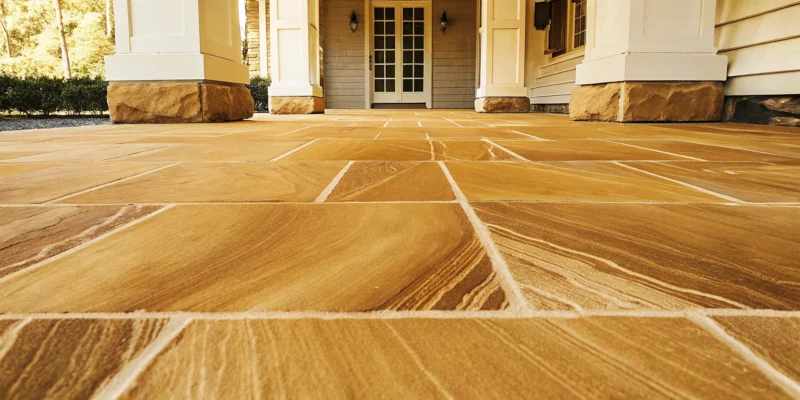
Your home should reflect your personal style, right down to the details of your outdoor space. If you’re looking for a truly custom look, manufactured pavers with their uniform shapes and colors might not be the right fit. Natural stone, on the other hand, offers a beauty that is entirely one-of-a-kind. Each paver has its own unique veining, texture, and color palette, formed by nature over millions of years. This ensures your patio or walkway is unlike any other. For those seeking a distinctive and elegant finish, exploring the world of natural stone pavers Nassau County provides is the first step toward creating a truly personalized outdoor retreat.
Key Takeaways
- Understand each stone’s unique benefits: Think about how you will use the space to choose the right material. For example, travertine stays cool underfoot, making it perfect for pool surrounds, while durable granite is an excellent choice for high-traffic driveways.
- Invest in lasting quality and value: While natural stone has a higher upfront cost than concrete or brick, its unmatched durability and timeless beauty provide a significant return. It enhances your home’s curb appeal and saves you from future replacement costs.
- Protect your project with the right pro and proper care: The success of your paver project depends on two things: hiring a licensed, experienced contractor and following a simple maintenance plan. Regular cleaning and sealing will keep your stone looking its best for decades.
What Are the Most Popular Natural Stone Pavers in Nassau County?
When you start looking at natural stone, it’s easy to feel a little overwhelmed by the options. The great thing is that you can’t really make a wrong choice, it’s more about finding the right fit for your home’s style and how you plan to use your outdoor space. Here in Nassau County, homeowners tend to gravitate toward a few specific types of stone that hold up beautifully to our seasons and match the classic Long Island aesthetic. From the rich, deep tones of bluestone to the sunny, Mediterranean feel of travertine, each stone has its own personality.
At Gappsi, we work with a wide variety of porcelain and natural stone pavers, so we’ve seen firsthand what works best for patios, pool surrounds, and walkways in our area. We can help you find the perfect material that not only looks incredible but also fits your lifestyle. Think about the look you’re going for. Do you want something sleek and modern, or rustic and charming? Answering that question is the first step in narrowing down your choices. Let’s walk through some of the most popular options you’ll find in backyards across Nassau County.
Bluestone
Bluestone is a true classic on Long Island for a reason. Its signature blue-gray color creates a look that is both elegant and timeless, fitting in perfectly with traditional and contemporary homes alike. You’ll often see it used for patios and walkways because of its dense, durable nature. One thing to keep in mind is that natural stone pavers, particularly bluestone, can be “vulnerable to neglect.” This just means they look their best with a little upkeep. Proper installation and sealing are key to preventing moisture damage and staining, ensuring your bluestone patio looks stunning for years. We can always help with professional cleaning and sealing to keep it in top condition.
Travertine
If you’re dreaming of a bright, resort-style backyard, travertine is a fantastic choice. As a popular stone for outdoor paving, it’s “known for its durability and aesthetic appeal.” Travertine pavers often come in warm, earthy tones like ivory, beige, and gold, which can make any space feel sunny and inviting. One of its best features is that it stays relatively cool to the touch, even in direct summer sun. This makes it an ideal material for swimming pool decks and patios where you and your family will be walking around barefoot. Its naturally porous texture also provides good slip resistance, adding a layer of safety around wet areas.
Limestone
Limestone offers a softer, more understated beauty compared to other stones. It is “favored for its natural beauty and versatility,” making it a wonderful choice for creating serene and elegant outdoor living areas. Available in creamy whites, light grays, and soft tans, limestone has a fine grain and consistent coloring that lends a clean, sophisticated look to any project. It’s a great fit for garden paths, courtyards, and patios where you want the focus to be on the surrounding landscape design. Its subtle charm complements lush greenery and colorful flowers without overpowering them, creating a harmonious and peaceful outdoor retreat.
Granite
When you need a paver that is incredibly strong and makes a bold statement, granite is the answer. It’s one of the hardest natural stones available, making it exceptionally resistant to scratches, stains, and heavy traffic. At Gappsi, we install an “extensive selection of natural stones, including bluestone, travertine, limestone, granite, marble, and sandstone,” and we often recommend granite for its combination of strength and elegance. It’s a perfect choice for driveways or busy patio areas. With a range of colors from dark grays and blacks to speckled whites and pinks, granite’s polished or flamed finishes can create a truly high-end, custom look for your home’s exterior.
Slate and Sandstone
For homeowners who love rich color and texture, slate and sandstone are two excellent options. Sandstone brings a “warm, earthy feel with its rich red and gold tones,” creating a rustic and inviting atmosphere that’s perfect for a cozy patio or winding garden path. On the other hand, slate is “known for its unique colors and textures,” often displaying deep blues, greens, and purples with a distinctive layered appearance. Both stones add a ton of character to an outdoor space. You can see examples of these beautiful materials and more at the Gappsi Store to get a real feel for how their unique qualities can transform your backyard.
Why Choose Natural Stone Over Concrete or Brick?
When you’re planning a new patio, walkway, or pool deck, you’ll find plenty of material options. Concrete and brick pavers are common, but if you’re looking for a solution that offers timeless beauty, incredible strength, and long-term value, natural stone is in a class of its own. While manufactured pavers try to imitate the look of stone, they can’t replicate the authentic character and performance that comes from a material formed over millions of years.
Choosing natural stone is an investment in your home’s quality and appeal. It’s a decision that pays off not just in stunning aesthetics but also in practical, everyday benefits. From its ability to withstand Long Island’s demanding climate to its unique, earth-given patterns, natural stone provides a superior foundation for your outdoor living spaces. Let’s explore the specific advantages that make it the premier choice for discerning homeowners.
Unmatched Durability for Long Island Weather
Long Island weather can be tough on outdoor materials, with its hot, humid summers and cold, icy winters. Natural stone is uniquely equipped to handle these extremes. Formed under immense heat and pressure, stones like granite and quartzite are incredibly dense and strong, making them resistant to cracking, chipping, and wear. Unlike concrete pavers that can fade and degrade over time, high-quality natural stone maintains its color and integrity for decades. This inherent strength means you can build with confidence, knowing your beautiful masonry work will endure season after season with minimal upkeep.
Enhance Your Home’s Beauty and Value
There’s a reason why manufactured pavers are often designed to look like natural stone: nothing compares to the real thing. Each piece of travertine, bluestone, or granite has unique colors, veins, and textures, ensuring your patio or walkway is truly one-of-a-kind. This natural variation creates a rich, organic look that adds a touch of luxury and sophistication to any property. Beyond its visual appeal, natural stone adds significant, lasting value to your home. It’s a premium feature that enhances curb appeal and provides a great return on investment, saving you the replacement costs associated with lower-grade materials down the line. A well-designed stone feature is a permanent upgrade that you and future owners will appreciate.
Cooler Surfaces and Better Grip
Think about walking barefoot on your patio on a hot July afternoon. Many materials, like concrete and certain composites, can become uncomfortably hot in direct sun. Many types of natural stone pavers, especially lighter-colored options like travertine, stay cooler to the touch. This makes them a perfect and more comfortable choice for pool surrounds and outdoor living areas where you and your family spend time. Additionally, the natural texture of stones like bluestone provides excellent slip resistance, which is a crucial safety feature for surfaces that get wet. This combination of comfort and safety makes natural stone a practical and family-friendly option for any backyard.
The Eco-Friendly Advantage
For homeowners looking to make more sustainable choices, natural stone is an excellent option. As a product quarried directly from the earth, it doesn’t require the extensive energy and water used to manufacture concrete pavers. It’s a natural, non-toxic material that exists in harmony with the environment. Furthermore, certain installation techniques can make natural stone pavers permeable. This allows rainwater to soak into the ground below instead of creating excess runoff, which helps replenish local aquifers and reduces strain on storm drains. Choosing a permeable system is a simple way to make your landscape more environmentally responsible.
How Much Do Natural Stone Pavers Cost in Nassau County?
Understanding the budget for your new patio or walkway is one of the first steps in planning your project. The cost of natural stone pavers in Nassau County can vary quite a bit, but breaking it down can make it much easier to figure out. The final price tag depends on the type of stone you choose, the size of your project, and the complexity of the installation. Let’s look at what you can expect to invest in bringing the timeless beauty of natural stone to your home.
A Cost Comparison of Different Stones
When you start shopping for natural stone, you’ll find that prices generally range from $15 to $50 per square foot for the material itself. This wide range exists because each type of stone has its own unique qualities and sourcing process. For example, a durable and popular choice like travertine might fall in the middle of that range, while a more exclusive type of granite or bluestone could be at the higher end. The key is to balance your aesthetic goals with your budget. At the Gappsi Store, you can explore a variety of options to see which stone best fits your vision and financial plan for your outdoor space.
The Price of Natural Stone vs. Concrete and Brick
It’s helpful to see how natural stone stacks up against other popular paving materials. Generally, natural stone is the premium choice and carries the highest price tag. On the other end of the spectrum, standard concrete pavers are the most economical option, often costing between $2 and $6 per square foot. Brick pavers usually fall somewhere in between. While concrete offers a lower upfront cost, it doesn’t provide the same unique character or long-term value as natural stone. Your choice ultimately depends on your priorities, whether it’s sticking to a tight budget or investing in the unparalleled durability and elegance that only natural stone can offer.
What Factors Influence Your Final Installation Cost?
The price per square foot for the stone is just one part of the equation. Several other factors will determine your project’s total cost. The complexity of the design plays a big role; a simple rectangular patio will cost less to install than one with intricate curves and patterns. Site preparation, such as grading the land or removing an old patio, also adds to the labor costs. Finally, the expertise of your installation team is a crucial factor. An experienced masonry contractor ensures the job is done right, preventing costly repairs down the road. Getting a comprehensive quote will help you understand all the elements that contribute to the final price.
What to Look for in a Nassau County Paver Contractor
Choosing your natural stone is the fun part, but finding the right contractor is what truly brings your project to life. The right partner will not only have the technical skill to install your pavers correctly but will also guide you through the process with confidence. Think of your contractor as your project co-pilot. You want someone who understands your vision, knows the local landscape, and has a proven track record of quality work. Here’s what to focus on to find the best paver contractor for your Nassau County home.
Review Their Portfolio and Local Experience
A contractor’s past work is the best predictor of your future results. Start by asking to see a detailed portfolio. Look for high-quality photos and videos that showcase a variety of projects similar to what you have in mind. This is your chance to see their design style and attention to detail up close. A contractor with deep roots in Nassau County also brings invaluable local knowledge about soil conditions, drainage, and permitting. They know how to build patios, walkways, and driveways that can handle Long Island’s specific weather challenges. Don’t be shy about asking for references or even addresses of completed projects you can see for yourself. A confident contractor will be proud to show off their work.
Ask About Material Sourcing and Quality
The beauty and longevity of your project depend heavily on the quality of the stone. A reputable contractor will be transparent about where they source their materials. They should have strong relationships with trusted suppliers, ensuring you get high-grade, consistent natural stone. Ask them about the different types of stone and why they might recommend one over another for your specific needs. A great contractor will educate you on the pros and cons of travertine versus bluestone for a pool deck, for example. Visiting a showroom like the Gappsi Store can also be incredibly helpful, allowing you to see and touch the materials before making a final decision.
Licensing, Insurance, and Warranties
This is the part that protects you, so it’s not something to skim over. Before you hire anyone, confirm they are fully licensed to work in Nassau County and carry comprehensive liability insurance. A license ensures they are accountable to local standards, while insurance protects you from any liability if an accident happens on your property. Also, ask about the warranties they offer. A professional contractor will stand behind their work with a guarantee on their craftsmanship. This shows they are confident in their installation methods and committed to your long-term satisfaction with their masonry services. Always ask for copies of these documents for your records.
How to Maintain Your Natural Stone Pavers
Choosing natural stone pavers for your patio or walkway is a wonderful investment in your home’s beauty and value. One of its best qualities is its inherent durability, but even the strongest materials benefit from a little attention. While natural stone doesn’t require constant upkeep, a consistent maintenance routine is the key to preserving its elegance for decades. Think of it as protecting your investment. A little care prevents small issues like stains or weeds from becoming bigger problems, ensuring your outdoor space remains a source of pride and enjoyment.
Here on Long Island, our pavers face everything from hot, humid summers to freezing winters. These weather cycles can be tough on outdoor surfaces, but natural stone is uniquely equipped to handle them, provided it’s cared for properly. Some stone types can be more vulnerable to neglect than homeowners expect, so staying on top of simple tasks makes a huge difference. Proper maintenance preserves the stone’s rich color and texture, prevents slick moss growth, and keeps the joints between pavers tight and free of weeds. In the following sections, we’ll walk through simple cleaning and sealing steps, how to manage common issues like weeds, and how to prepare your pavers for every season.
Simple Steps for Cleaning and Sealing
Keeping your natural stone pavers clean is easier than you might think. For general upkeep, simply sweep them regularly to remove dirt and leaves. For a deeper clean, a bucket of warm water with a little mild soap and a soft-bristle brush will do the trick. Gently scrub the surface and rinse thoroughly with a garden hose. It’s best to avoid pressure washers and harsh, acidic cleaners, as they can damage the stone’s surface and sealant.
Sealing your pavers is a crucial step for long-term protection. A quality sealant acts as a barrier against stains from things like spilled drinks, oil, or fallen leaves. It also makes routine cleaning much easier and can enhance the stone’s natural color. While you can do it yourself, professional restoration and sealing services ensure an even application and a durable finish that protects your investment for years to come.
How to Handle Weeds, Moss, and Cracks
Even with the most expert installation, you might eventually see a few weeds or a bit of moss pop up between your pavers. The easiest way to handle them is to pull them by hand or use a specialized weeding tool designed for tight spaces. To prevent them from coming back, you can have polymeric sand swept into the joints. This special sand hardens to lock pavers in place and block weed growth.
While natural stone is incredibly strong, certain types like travertine and bluestone can show signs of neglect if not cared for. If you notice a paver has shifted or developed a significant crack, it’s best to address it quickly. A skilled masonry professional can often repair or replace a single stone without disrupting the entire patio, keeping your outdoor space safe and beautiful.
Prepare Your Pavers for Every Long Island Season
Natural stone is an excellent choice for Long Island because it holds up so well to our freeze-thaw cycles. To keep it in top shape, a little seasonal prep is all you need. In the fall, make sure to sweep away fallen leaves and debris to prevent staining. Before winter arrives, give your pavers a good cleaning and ensure they are properly sealed to resist moisture.
When it comes to snow and ice, avoid using rock salt (sodium chloride), which can corrode and discolor the stone. Instead, opt for sand for traction or a calcium chloride-based de-icer, which is much gentler on porcelain and natural stone. Once spring arrives and the snow melts, a simple cleaning will wash away any winter residue and get your patio ready for warmer weather.
When to Call in a Professional
While most routine maintenance is simple enough to handle on your own, there are times when calling a professional is the smartest move. If you’re dealing with deep-set stains, widespread moss, or multiple cracked pavers, an expert can solve the problem efficiently without causing further damage. Professional teams have the right tools and products to tackle tough jobs that DIY methods might not fix.
Think of it as a check-up for your outdoor space. Gappsi offers comprehensive maintenance programs, from deep cleaning and sealing to repairing settled areas. Having a professional restore and seal your pavers every few years is a great way to protect your investment and keep your property looking pristine. It saves you time and gives you peace of mind knowing the job is done right.
Related Articles
- Bluestone patio in Nassau County Archives – Gappsi Group
- Bluestone Patio Pavers and Pool Copings in Nassau and Suffolk County
- CST Pavers Nassau & Suffolk County long island New York – Gappsi Group
- Nassau county swimming pools-Natural stone patios long island – Gappsi Group
Frequently Asked Questions
How often should I seal my natural stone pavers? The best rule of thumb is to have your pavers sealed every three to five years. The exact timing depends on the type of stone you have and how much foot traffic it gets. Sealing is your best defense against stains from things like spilled wine or grill grease, and it also helps protect the stone from moisture damage during our Long Island winters. A good sealant can even bring out the stone’s natural colors, keeping your patio looking vibrant.
Can I use a pressure washer to clean my stone patio? I would strongly advise against using a pressure washer on your natural stone. The high-pressure stream can be too aggressive, potentially etching the surface of the stone, damaging the sealant, and blasting out the sand in the joints. A much safer and still effective method is to use a simple garden hose, a soft-bristle brush, and a mild, pH-neutral cleaner. This gentle approach will clean your pavers beautifully without risking any damage.
What’s the safest way to remove ice from my stone walkway in the winter? This is a great question because using the wrong product can cause serious damage. You should absolutely avoid using standard rock salt (sodium chloride) on your natural stone pavers, as it can cause pitting and discoloration. Your best options are to use sand for traction or to find a de-icer that is specifically made for natural stone, which is usually a calcium chloride-based product. These alternatives are much gentler and will keep your walkway safe without harming your investment.
Weeds are starting to grow between my pavers. What should I do? Seeing a few weeds pop up is completely normal, so don’t worry that your patio is failing. The easiest solution is to pull them by hand or use a small weeding tool. For a more long-term fix, you can have polymeric sand swept into the joints. When activated with water, this sand hardens and creates a strong yet flexible barrier that makes it very difficult for weeds to grow through.
My pavers look faded and have some old stains. Is it too late to restore them? It’s almost never too late. Natural stone is incredibly resilient, and even pavers that look a bit neglected can often be brought back to life. For deep-set stains or an overall dull appearance, a professional cleaning and sealing can make a world of difference. An expert team has access to specialized cleaning agents and techniques that can lift old stains and restore the stone’s original richness, making your patio look new again.