


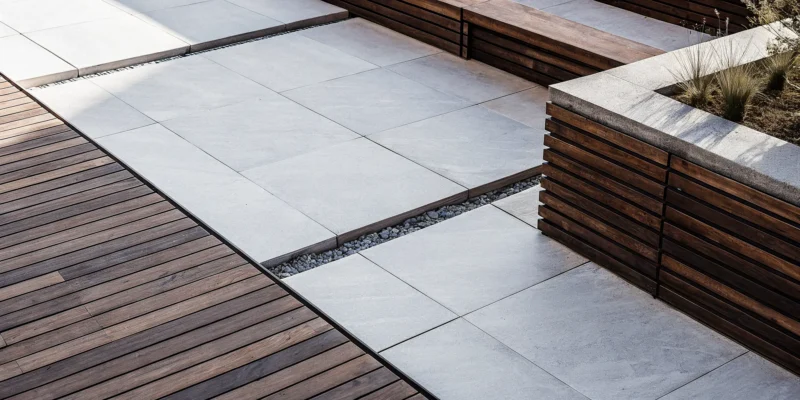
How do you plan to use your backyard? The answer to that question is the key to selecting the perfect patio stone. A poolside patio needs a non-slip, heat-resistant surface for bare feet, while an outdoor dining area requires something durable and stain-resistant. Your lifestyle should guide your decision. We’ll break down how different stone patio materials Long Island families love perform in real-world situations. Whether you envision a rustic retreat or a sleek, modern entertainment space, we’ll help you find a material that is not only beautiful but also perfectly suited to your needs.
Key Takeaways
- Balance Beauty with Durability: Select a stone that not only matches your home’s style but can also withstand Long Island’s weather. Consider factors like a stone’s density for winter and its heat resistance for summer to find a practical, long-lasting fit.
- Prioritize a Quality Installation: The most beautiful stone will fail on a poor foundation. Ensure your project includes proper site preparation and drainage to prevent future issues like shifting or cracking, which makes hiring an experienced professional a crucial step.
- Understand the Full Scope of Your Project: A successful patio project involves more than just the stone itself. Remember to budget for essential costs like site preparation and professional installation, and plan for simple long-term maintenance, such as cleaning and sealing, to protect your investment.
What Are the Best Stone Materials for a Long Island Patio?
Choosing the right material for your patio is a big decision, especially here on Long Island where we get the full range of seasons. You need something that can handle hot, sunny summers and survive the winter freeze-thaw cycle without cracking or fading. The perfect stone should not only look beautiful but also fit your lifestyle. Do you have a pool? Do you love to host big family barbecues? The answers will help guide you to the right choice.
Your patio is the foundation of your outdoor living space, so it’s worth taking the time to explore your options. From the classic appeal of natural stone to the modern durability of manufactured pavers, there’s a perfect fit for every home. We’ll walk through five of the best materials that stand up to the Long Island climate while providing a stunning backdrop for your backyard oasis. Gappsi offers a wide selection of high-quality porcelain and natural stone pavers to bring your vision to life. Let’s look at the top contenders.
Bluestone
Bluestone is a timeless choice for Long Island patios, and for good reason. This natural sandstone has a beautiful, classic look with subtle color variations of blue, gray, and lilac that complement any home style. Its biggest advantage is its durability; it holds up incredibly well against our harsh weather conditions. The natural cleft surface provides excellent slip resistance, making it a safe and popular option for walkways and pool surrounds. While it can get warm in direct sun, its rich color and texture create an elegant, established feel that’s hard to beat.
Granite
If you’re looking for a material that is practically indestructible, granite is your answer. As one of the hardest natural stones available, it’s extremely resistant to scratches, heat, and pressure. Granite pavers can easily handle heavy foot traffic and patio furniture without showing wear and tear. They come in a variety of colors, from deep blacks and grays to warmer earth tones, often with a unique speckled pattern that adds character. Because it’s so dense, granite is less likely to stain, making it a great low-maintenance choice for outdoor kitchens and dining areas where spills are bound to happen.
Limestone
Limestone offers a soft, elegant look that can give your patio a touch of old-world charm. Its color palette is typically more consistent than granite or bluestone, with shades of beige, gray, and white that create a clean and sophisticated surface. Limestone is a durable stone that holds up well in the rain, but it is softer than granite. You’ll want to be mindful of spills from acidic things like citrus or wine, as they can cause etching. With proper sealing and care, a limestone patio provides a refined and inviting space for relaxing and entertaining.
Travertine
For patios that get a lot of direct sun, travertine is an amazing choice. This type of limestone stays remarkably cool to the touch, even on the hottest summer days, making it a top pick for swimming pool decks. Travertine has a naturally porous, fibrous texture that gives it a rustic, Mediterranean feel. It comes in warm, earthy tones like cream, tan, and gold that can make any backyard feel like a resort. Because it is porous, it’s important to have it properly sealed to protect it from stains and the Long Island freeze-thaw cycle.
Porcelain Pavers
Porcelain pavers are a fantastic modern alternative to natural stone. As a manufactured product, they offer incredible performance and design flexibility. They are non-porous, which means they won’t stain, fade, or grow mold, and you never have to seal them. Porcelain is also extremely strong and resistant to scratches and frost, making it one of the most durable, low-maintenance options available. Best of all, you can find porcelain pavers that mimic the look of almost any material, from natural bluestone to rich hardwood, giving you complete creative control over your patio’s style.
How Do Different Stone Materials Compare?
Choosing the right stone for your patio goes beyond picking your favorite color. You need a material that fits your home’s aesthetic, your family’s lifestyle, and can stand up to everything a Long Island climate throws at it. From sweltering summer days to icy winter nights, your patio stone has a tough job to do. Let’s look at how different materials stack up in the key areas that matter most: style, durability, safety, and how they work with other backyard features like a pool.
Finding Your Style: Color and Texture
The look of your patio sets the tone for your entire outdoor space. Some materials, like bluestone, are loved for their rich, natural color variations that bring a classic and visually interesting feel to a backyard. Other options, like limestone and travertine, offer a different vibe with their own unique textures and hues. But choosing between them isn’t just about personal taste. In Nassau and Suffolk counties, it’s also about picking a stone that will still look beautiful after a decade of Long Island winters. Exploring a wide selection of porcelain and natural stone options is the best way to find a material that you love and that will last.
Built to Last: Durability in a Long Island Climate
Durability is non-negotiable for a Long Island patio. Our freeze-thaw cycles can be brutal on outdoor materials. Some stones with a lower density are more porous, meaning they can absorb water. When that water freezes, it expands and can cause cracks and damage. This is why natural bluestone has been a go-to choice for pool coping and patios across the Northeast for decades; its density helps it resist this cycle. No matter which stone you choose, its lifespan depends heavily on proper installation. Expert masonry work ensures your patio has the right foundation and drainage to withstand the elements year after year.
Staying Safe and Cool: Slip Resistance and Heat
A great patio is both beautiful and functional. If your patio gets a lot of direct sun, some darker stones can get uncomfortably hot on bare feet. Materials like travertine are excellent for sun-drenched areas because they stay cooler to the touch. This makes them a fantastic choice for pool surrounds where you and your family will be walking barefoot. Slip resistance is another critical safety feature, especially around swimming pools. Many natural stones offer a textured surface that provides good grip even when wet, helping to prevent slips and falls while you’re enjoying your backyard oasis.
Perfecting Your Pool and Patio Space
If you have a pool, the stone you choose for your patio and coping (the edge around the pool) is a crucial decision. The right coping material directly affects how long your pool edge lasts and how much maintenance it will need down the road. You want a seamless look where your patio stone complements your pool design, creating a cohesive and inviting environment. Thinking about these elements together ensures your entire backyard works as one beautiful, functional space. Plus, choosing a durable, well-sealed stone from the start can save you headaches and money on future patio restoration and sealing.
How Do You Choose the Right Stone for Your Yard?
Choosing the right stone for your yard is about more than just picking a color you like. It’s a decision that impacts your home’s curb appeal, your weekend maintenance list, and the long-term value of your property. With so many beautiful options available, from classic bluestone to sleek porcelain, it’s easy to feel a little overwhelmed. The key is to think about your patio as a long-term investment. You want a material that not only looks fantastic on day one but also holds up beautifully through years of family barbecues, kids’ playtime, and Long Island’s unpredictable weather.
To make a choice you’ll love for years to come, you need to balance aesthetics with practicality. Think about how you plan to use the space. Will it be a poolside lounge area, a cozy spot for a fire pit, or an elegant outdoor dining room? The function of your patio will help determine the best material. For example, a poolside patio needs a non-slip, heat-resistant surface, while a heavily used walkway requires something exceptionally durable. We’ll walk through the most important factors to consider, including how different stones handle our local climate, the upkeep they require, and how to match them to your home’s unique style. Making an informed decision now will save you from costly mistakes and ensure your outdoor space is a source of enjoyment, not a chore.
Handling Long Island Winters: Freeze-Thaw Cycles
On Long Island, our patios face a tough opponent every winter: the freeze-thaw cycle. This happens when water seeps into porous stone, freezes, expands, and then thaws, creating tiny cracks that can grow over time. Choosing a stone that can withstand this is not just a matter of taste; it’s about ensuring your patio still looks great after ten winters. Denser, less porous materials like high-quality porcelain and natural stone pavers are excellent choices because they absorb very little water. This resistance prevents the internal expansion and contraction that leads to spalling and cracking, keeping your patio surface smooth and intact for years.
How Much Upkeep Does Each Stone Need?
While stone patios are wonderfully low-maintenance compared to wood decks, they are not completely hands-off. The good news is that a little care goes a long way. For most stone patios, regular sweeping to prevent dirt buildup and an annual deep cleaning are all you need to keep them looking fresh. Every few years, applying a sealant can offer an extra layer of protection against stains and weather damage. If the idea of pressure washing and sealing sounds like a weekend you’d rather spend relaxing, Gappsi offers professional restoration and sealing services to handle the work for you, keeping your investment protected without you having to lift a finger.
Matching Stone to Your Home’s Style
Your patio should feel like a natural extension of your home, and the stone you choose plays a huge role in creating that seamless flow. Consider your home’s architectural style and color palette. A traditional colonial home might be beautifully complemented by the classic, rich tones of bluestone, while a modern home could be the perfect backdrop for sleek, large-format porcelain pavers. Think about the overall feeling you want to create. Do you envision a rustic, charming retreat or a sophisticated, elegant entertaining space? Our masonry design experts can help you explore options that harmonize with your home’s existing character.
Common Mistakes to Avoid When Choosing Stone
One of the biggest mistakes homeowners make is focusing only on the stone itself and not the installation process. Even the most durable, beautiful stone will fail if the foundation beneath it is not prepared correctly. Without proper excavation, compaction, and the right base material, your pavers can shift, sink, or become uneven over time. This is especially critical for areas around swimming pools, where ground stability is essential. Selecting the wrong material for your specific needs is another common pitfall. Choosing a porous stone for a shady, damp area, for example, can lead to issues with moss and algae. Working with an experienced team ensures both the material and the installation are right for your project.
What Does a Stone Patio Cost in Long Island?
Figuring out a budget is one of the first steps in any home project, and building a stone patio is no different. On Long Island, the cost can vary quite a bit, but it helps to have a general idea of what to expect. For a standard 300-square-foot stone patio, most homeowners pay between $6,250 and $11,500. The total project cost can fall anywhere from $3,500 for a very simple design to over $13,900 for a more complex one.
Think of this as a starting point. The final price tag depends on a few key things: the type of stone you fall in love with, the size of your dream patio, how much prep work your yard needs, and any special features you want to add. Understanding these elements will help you create a realistic budget and make informed decisions. At Gappsi, we believe in transparency, so we work with you to design a beautiful patio that fits your vision and your wallet. Our expertise in masonry construction ensures you get a clear picture of the costs from start to finish.
Breaking Down Material Costs
The stone you choose is one of the biggest factors in your patio’s total cost. Just like shopping for anything else, materials come in a range of price points. For a 300-square-foot patio, the average cost is around $9,000, and a large part of that is the stone itself. Options like bluestone and travertine have a different price per square foot than granite or high-end porcelain pavers.
While it can be tempting to go for the least expensive option, it’s smart to think about long-term value. Some more durable or low-maintenance stones might cost more upfront but save you money on repairs down the road. You can explore a wide variety of beautiful and durable porcelain and natural stone pavers to find a material that matches both your style and your budget.
What Factors Influence Installation Costs?
Beyond the materials, the cost of installation plays a major role in your budget. The two most significant factors here are the size of your patio and the type of stone you select. A larger patio requires more materials and more labor, which naturally increases the price. Similarly, some stones are heavier or more difficult to cut and lay, which can add to the installation time.
The complexity of your design also matters. A simple square or rectangular patio will cost less to install than one with intricate curves, multiple levels, or a detailed pattern. These custom designs require more skill and precision from the installation team. Watching videos of different patio projects on our YouTube channel can give you a better sense of the craftsmanship involved in bringing these unique designs to life.
Planning for Site Prep and Other Costs
Before the first stone can be laid, your yard needs to be ready. This site preparation is a crucial step that prevents future problems like sinking or cracking. Getting the ground level and properly graded typically costs about $1 to $2 per square foot. For an average-sized yard, this might add around $2,200 to your total.
Another important consideration is drainage. Proper drainage prevents water from pooling on your patio, which is essential for protecting it from water damage and freeze-thaw cycles in the winter. Adding a drainage system can cost between $10 and $50 per linear foot. While it’s an added expense, think of it as an investment in your patio’s longevity. Proper prep and ongoing care, like our restoration and sealing services, will keep your patio looking great for years.
How Add-Ons Affect Your Budget
This is where you can really make your patio your own. Optional features, or add-ons, are what transform a simple stone slab into a true outdoor living room. Things like built-in stone seating, a cozy fire pit, an outdoor kitchen, or elegant landscape lighting can make your space more functional and inviting.
Of course, these additions will affect your budget. A built-in fire pit or a custom seating wall can add anywhere from $1,500 to $6,000 or more to your project cost. While these features increase the price, they also add immense value and enjoyment to your home. You can even expand your vision to include structures like pavilions and pergolas to create a complete backyard oasis. Planning for these features from the start helps ensure they integrate seamlessly with your patio design.
Where Can You Find Stone Patio Experts in Long Island?
Choosing the perfect stone is a huge step, but the success of your patio ultimately depends on the team you hire to install it. A beautiful stone can quickly become a backyard headache if it’s not laid correctly. You need a partner who not only works with high-quality materials but also understands the specific challenges of building in our Long Island climate. Finding an expert who can manage everything from design to drainage is key to creating an outdoor space that you’ll love for years to come. This means looking for a team with proven local experience, a deep knowledge of materials, and a commitment to quality craftsmanship.
Why Choose Gappsi for Your Project?
Choosing Gappsi means you get a designer, supplier, and builder all in one. We simplify the entire process by managing every detail of your project from start to finish. With decades of experience on Long Island, we know exactly which materials, like classic bluestone or modern porcelain, will stand up to our weather. Our integrated approach to masonry ensures your patio has proper drainage and a solid foundation, preventing common issues like shifting or cracking. We don’t just build patios; we create complete outdoor living environments, seamlessly incorporating features like swimming pools and landscaping into a single, cohesive design.
Finding Local Stone Suppliers
Working with local stone suppliers is a smart move. They have firsthand knowledge of which materials perform best through Long Island’s freeze-thaw cycles. Visiting a showroom allows you to see and feel the textures of different stones, helping you visualize them in your own backyard. A great contractor will have strong relationships with top suppliers, ensuring you get the best materials available. At the Gappsi Store, you can explore a wide selection of high-quality natural stone and porcelain pavers that we’ve personally vetted for their beauty and durability, making it easy to find the perfect match for your home.
How to Choose the Right Contractor
The right contractor can make all the difference. While a DIY project might seem tempting, it often leads to mistakes like uneven surfaces or poor drainage that are costly to fix. Look for a contractor with a strong portfolio of local work; you can see our projects on our YouTube channel. A true expert will guide you through material selection and explain their installation process, especially how they plan to prepare the site. It’s also wise to choose a company that offers long-term care. We provide professional restoration and sealing services to keep your patio looking its best for years to come.
How Do You Maintain Your Long Island Stone Patio?
Your new stone patio is an investment in your home and your lifestyle, so you’ll want to keep it looking its best. The good news is that maintaining a stone patio doesn’t have to be a huge chore. With a simple routine, you can protect your beautiful outdoor space from the effects of weather and everyday use, ensuring it remains a stunning feature of your home for years to come. Proper care involves a few key steps: regular cleaning, periodic sealing, managing the joints between stones, and knowing when a repair calls for a professional touch. By staying on top of these tasks, you’ll prevent small issues from becoming bigger problems and keep your patio ready for every barbecue, family gathering, and quiet morning coffee. Think of it as a small commitment that pays off every time you step outside to enjoy your yard. A little bit of effort goes a long way in preserving the natural beauty and structural integrity of your patio, making sure it withstands Long Island’s changing seasons, from hot summer sun to winter freezes. This guide will walk you through each step, giving you actionable tips to make maintenance simple and effective.
Simple Cleaning Tips for Every Stone Type
One of the easiest ways to maintain your patio is to clean it regularly. Think of it like tidying up your house. A frequent sweep with a broom removes leaves, dirt, and other debris that can hold moisture and lead to stains or moss growth over time. For a deeper clean, you can gently wash the surface. Most of the time, a simple mix of mild soap and water applied with a soft-bristle brush is all you need to lift away grime without damaging the stone. You can find safe and effective cleaning solutions at the Gappsi Store that are specifically designed for natural stone. This simple routine prevents the buildup of dirt and keeps your patio looking fresh and inviting.
Protecting Your Patio with Sealing
Sealing your stone patio is like applying sunscreen. It provides a protective layer that helps repel water, oil, and other substances that could cause stains. It also helps protect the stone from UV rays, which can fade its natural color over time. While it sounds like a big job, you typically only need to reseal your patio every few years. The exact timing depends on the type of stone you have and how much sun and foot traffic it gets. An annual cleaning and a fresh coat of sealer when needed is a fantastic way to preserve the stone’s beauty and durability. If you’d rather leave it to the experts, our team offers professional restoration and sealing services to keep your patio in top condition.
Keeping Weeds Out and Joints Intact
Nothing disrupts the clean lines of a beautiful stone patio quite like weeds popping up in the cracks. Managing weed and moss growth between your pavers is a common maintenance task, but it’s one you can definitely get ahead of. During installation, using polymeric sand in the joints is a great preventative measure. This special sand hardens to lock pavers in place and create a barrier that weeds can’t easily penetrate. If you do spot a few unwelcome sprouts, pulling them by hand or using a natural weed killer, like a vinegar solution, can keep them under control. Maintaining healthy, solid joints not only looks better but also prevents pavers from shifting, ensuring your patio remains stable and even.
When to Call a Pro for Patio Repairs
While routine cleaning and upkeep can be handled on your own, some issues are best left to a professional. If you notice a stone has a significant crack, has started to sink, or has shifted out of place, it’s a good idea to call for help. These problems can be signs of an underlying issue with the base or drainage that needs an expert eye. Trying to fix major repairs yourself can sometimes lead to bigger problems. Addressing issues like cracked stones or uneven surfaces early is the key to long-term durability. Our masonry experts can diagnose the problem and perform the right repairs to restore your patio’s safety and beauty.
Related Articles
- Best Pool Deck Stone by a Long Island Patio Contractor
- Natural Stone Pavers Long Island Outdoor Living
- Limestone Patio Pavers and Pool Copings in Long Island
- Porcelain & Stone Patio Pavers on Long Island | Gappsi Inc
Frequently Asked Questions
Which stone is best for a pool deck on Long Island? For a pool deck, your top priorities are safety and comfort. You want a stone that stays cool under the hot summer sun and provides good grip when it’s wet. Travertine is a fantastic choice because it naturally stays cooler than many other stones, making it comfortable for bare feet. Many natural stones, like bluestone, also have a textured surface that offers excellent slip resistance. Porcelain pavers are another great option, as you can choose a finish that is specifically designed to be non-slip and they don’t absorb heat as much as darker, denser stones.
Do I really have to seal my stone patio? Think of sealant as a protective shield for your investment. While some materials like porcelain don’t require it, sealing most natural stones is a very smart move. It helps prevent stains from things like spilled wine or grill grease and protects the stone from moisture absorption. On Long Island, this is especially important because it helps guard against damage from our winter freeze-thaw cycles. It’s a simple step you can take every few years to keep your patio’s color vibrant and its surface intact, saving you from potential repairs down the road.
What’s the biggest difference between natural stone and porcelain pavers? The main difference comes down to consistency versus character. Natural stone, like bluestone or granite, offers one-of-a-kind beauty, with unique colors, textures, and variations in every single piece. It brings an organic, timeless feel to a space. Porcelain pavers are manufactured, so they provide incredible durability and consistency. They are non-porous, meaning they are extremely resistant to stains, fading, and frost. You can get porcelain that perfectly mimics the look of natural stone or wood, giving you a huge range of design options with minimal maintenance.
How can I get a high-end look for my patio without a huge budget? You can absolutely achieve a beautiful, expensive look without breaking the bank. One great strategy is to simplify your design. A clean, rectangular patio is less labor-intensive to install than one with complex curves and patterns, which lowers the cost. You can also create a high-end feel by using a more budget-friendly stone for the main patio area and splurging on a premium stone for a border or accent. This creates a custom look that draws the eye. Focusing your budget on excellent installation is also key, as a perfectly laid patio always looks more luxurious.
Why is the installation so important if I pick a durable stone? Even the strongest stone in the world will fail if the ground underneath it isn’t prepared correctly. The installation is the foundation of your patio’s longevity. A professional installation ensures the site is properly excavated and graded for drainage, and that a solid, compacted base is built. This prevents the stones from shifting, sinking, or becoming uneven over time. Without this crucial step, water can pool and cause damage, especially during the winter. A great stone on a bad base is a recipe for a failed patio, which is why the expertise of the installation team is just as important as the material you choose.