


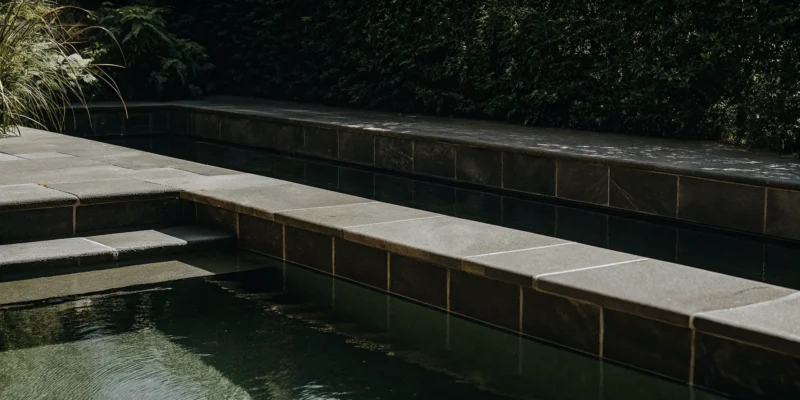
Your pool is the centerpiece of your backyard, and the coping is its frame. This single design choice ties your pool to the patio, deck, and your home’s overall style. Opting for natural stone is a way to create a truly unique and high-end finish. Unlike uniform pavers, each piece of stone has its own character, color, and texture, ensuring your pool area is one-of-a-kind. For those planning a project with natural stone pool coping Long Island, this guide covers the most popular and practical stone choices, what to expect for costs, and how to maintain your investment for lasting beauty.
Key Takeaways
- Prioritize Function and Durability: Natural stone coping is a key safety feature, offering a slip-resistant edge while protecting your pool’s structure from water damage. It is also tough enough to withstand Long Island’s weather, making it a smart, long-term investment.
- Balance Aesthetics with Practicality: Select a stone that complements your home’s style, but also consider its practical features. Lighter colors stay cooler for bare feet, and textured finishes like those on granite provide essential slip resistance for a safer pool area.
- Budget for Quality and Upkeep: Your total cost includes the stone, expert installation, and potential structural repairs, so plan accordingly. To keep your coping beautiful, incorporate simple cleaning and periodic sealing (every one to three years) into your pool care routine to prevent stains and weather damage.
What Is Natural Stone Pool Coping?
If you’re planning a new pool or renovating an existing one, you’ve probably heard the term “pool coping.” Think of it as the finishing touch, the material that caps the top edge of your pool’s shell. Natural stone pool coping uses materials quarried from the earth to create this border, providing a beautiful and functional frame for your backyard oasis. It’s the surface you’ll grab onto when you pull yourself out of the water and the edge you’ll sit on to dip your feet on a warm summer day. This edge is a key design element that ties your pool to the surrounding patio or deck.
While many materials can be used for coping, natural stone offers a unique blend of elegance and durability that is hard to match. Popular choices for Long Island homes include granite, travertine, limestone, and bluestone. Each type of stone brings its own distinct color, texture, and character, allowing you to create a look that feels both timeless and personal. Unlike manufactured materials, no two pieces of natural stone are exactly alike, which means your pool will have a truly one-of-a-kind finish. This natural variation adds depth and sophistication, connecting your landscape to the environment in a way that precast concrete or brick simply can’t replicate.
Why Pool Coping Matters
Coping is much more than just a decorative border around your pool. It serves several critical functions that protect your investment and keep your family safe. First, it shields the top of your pool wall from the elements and prevents water from getting behind the pool shell, which could cause serious structural damage over time. It also helps direct splash-out water away from the pool and into deck drains, keeping your patio area drier and cleaner.
Most importantly, coping provides a safe, non-slip surface for walking and entering the pool. This is where material choice becomes essential. For example, granite has a naturally textured surface that offers excellent grip, even when it’s wet. Choosing the right coping is a key step in designing beautiful and secure swimming pools that you can enjoy with peace of mind for years to come.
How Natural Stone Compares to Other Coping Materials
Choosing the right coping is a big decision, and while natural stone is a stunning option, it’s smart to see how it compares to other popular materials. Every choice has its own look, feel, and set of benefits. Understanding the differences between natural stone and materials like concrete, porcelain, and brick will help you find the perfect match for your pool, your style, and your budget. Let’s walk through the key comparisons so you can feel confident in your final decision.
Natural Stone vs. Concrete
Concrete pavers are a common sight on Long Island, mostly because they are budget-friendly and come in many styles. If your primary concern is cost, concrete is an appealing choice. However, while stamped concrete can mimic the look of stone, it can’t replicate the authentic, one-of-a-kind character you get from the real thing. Each piece of natural stone has unique veining and texture that an engineered product simply can’t match.
When it comes to durability, high-quality natural stone often outperforms concrete in the long run, especially with our local freeze-thaw cycles. Gappsi’s expert masonry services ensure a perfect installation, whether you choose the natural beauty of stone or the versatility of concrete.
Natural Stone vs. Porcelain Pavers
Porcelain pavers are a modern favorite, known for being extremely dense, non-porous, and resistant to stains and fading. This makes them a very low-maintenance option for a busy pool area. While porcelain can convincingly imitate the appearance of natural stone, it sometimes lacks the organic texture and depth that makes stone feel so special underfoot. The beauty of natural stone is in its imperfections and natural variations.
Cost-wise, high-end porcelain can be in a similar price range to some natural stones. For example, premium travertine or bluestone coping can run from $40 to $60 per linear foot. You can explore both beautiful porcelain and natural stone options to see which material speaks to you.
Natural Stone vs. Brick
Brick coping offers a classic, traditional look that pairs beautifully with many architectural styles. It brings a sense of history and warmth to a poolside. However, when it comes to standing up to the elements, natural stone generally has the edge. Dense stones like granite are less porous than brick, making them more resistant to water absorption and the spalling (flaking) that can occur during freezing winters.
While brick provides a uniform color and texture, natural stone offers a much wider spectrum of colors, patterns, and finishes, from rustic and rugged to sleek and smooth. Proper care is key for both materials, and knowing how to restore and seal your coping will keep it looking great for years.
The Best Natural Stone Options for Your Pool
Choosing the right natural stone is one of the most exciting parts of designing your pool area. Each stone has a unique personality, offering a different look, feel, and set of benefits. From the rugged strength of granite to the classic elegance of limestone, the best choice for your Long Island home depends on your personal style and how you plan to use your space. Let’s look at some of the most popular and reliable porcelain and natural stone options.
Granite
Granite is a fantastic all-around choice for pool coping, especially here on Long Island. It’s incredibly strong and has a naturally textured surface that provides excellent slip resistance, which is a huge plus for safety around a wet pool deck. This durable stone holds up beautifully against our harsh freeze-thaw cycles and resists damage from pool chemicals and constant foot traffic. Available in a variety of colors, granite offers a timeless, sophisticated look that complements any backyard design, from modern to traditional. It’s a practical and beautiful investment that will keep your pool area looking great for years.
Travertine
If you’re dreaming of a pool area with a touch of Mediterranean elegance, travertine is an excellent option. This popular stone is known for its beautiful, earthy tones, ranging from soft creams to warm tans and rich browns. One of its best features is that it stays relatively cool to the touch, even in direct summer sun, making it comfortable for bare feet. Travertine’s porous nature allows it to absorb water quickly, which helps keep the surface from getting too slippery. Its classic, luxurious feel can transform your backyard into a true oasis, perfect for relaxing and entertaining around your swimming pool.
Limestone
Limestone offers a classic, refined look that brings a sense of understated luxury to any poolscape. Its fine grain and consistent, soft color palette, often in shades of beige, gray, or white, create a clean and elegant finish. Like other natural stones, limestone is a durable material that can handle the elements well, making it a reliable choice for pool coping. It provides a smooth yet non-slip surface when properly finished. If you want to create a timeless, sophisticated atmosphere for your masonry project that feels both high-end and inviting, limestone is a wonderful material to consider for your pool’s edge.
Bluestone
Bluestone is a classic choice that delivers a distinct and iconic look, especially popular in the Northeast. Its signature blue-gray color can also feature beautiful variations of rust, green, and lilac, adding unique character to your pool area. This dense, durable sandstone is built to last and can withstand heavy use. It’s important to know that bluestone can absorb heat and get warm in direct sunlight, so it’s often best used in areas with some shade or paired with other materials. Proper sealing is also recommended to protect its rich color and prevent staining, ensuring it remains a stunning feature for years to come.
What Are the Benefits of Natural Stone Coping?
Choosing the right coping is a big decision, but natural stone offers a combination of beauty, durability, and safety that’s hard to beat. When you invest in natural stone, you’re not just finishing your pool edge; you’re adding a feature that brings several key advantages to your backyard oasis. From its ability to withstand the local climate to its timeless look, natural stone provides benefits that make it a top choice for Long Island homeowners.
Stands Up to Long Island Weather
Here on Long Island, our outdoor materials have to be tough. Natural stone is up for the challenge. It can handle our freezing winters and hot, sunny summers without cracking or fading. Unlike some other materials, it also holds up well against pool chemicals and constant foot traffic from summer pool parties. When you choose a durable option like granite or travertine, you’re getting a material that’s built to last for years, giving you peace of mind and a beautiful pool surround season after season. This durability makes natural stone pavers a smart, long-term investment for any local homeowner.
Provides a Safe, Slip-Resistant Surface
Safety is always a top priority around a swimming pool, especially with kids and guests running around. Natural stone provides an excellent slip-resistant surface, which is a huge plus. Many stones, like granite and travertine, have a naturally textured finish that offers good grip, even when the surface is wet from splashes. This inherent texture helps prevent slips and falls, making your pool area safer for everyone. Choosing a material that looks great and protects your family is a win-win. It’s a key reason why so many homeowners prefer natural stone for their swimming pools and patios.
Offers Timeless Style
Natural stone brings an elegance and sophistication to your pool that never goes out of style. Each piece is unique, with its own variations in color, veining, and texture, creating a look that is both organic and luxurious. Whether you prefer the classic look of travertine, the rich tones of bluestone, or the uniform strength of granite, there’s a stone to match your home’s aesthetic. This timeless appeal ensures your pool will look just as stunning in ten years as it does today. Our masonry design team can help you select the perfect stone to create a cohesive and beautiful outdoor living space.
Adds Long-Term Value to Your Home
A pool is a significant investment, and the materials you choose can directly impact your home’s value. While natural stone coping might have a higher initial cost than some alternatives, it pays off in the long run. Its incredible durability means you’ll spend less time and money on repairs and replacements down the road. Plus, the high-end, beautiful finish of natural stone is a major selling point for potential buyers if you ever decide to sell. Think of it as a lasting upgrade that enhances your enjoyment now and adds to your property’s value for the future. It’s a key part of any successful home remodeling project.
How Much Does Natural Stone Coping Cost?
Figuring out the budget for your pool project is a big step, and the coping is a key part of that puzzle. The cost of natural stone coping on Long Island can vary quite a bit, typically ranging from $15 to $60 per linear foot installed. Think of it as an investment in your home’s safety, style, and long-term value. While it might be tempting to cut corners here, choosing the right material and professional installation prevents costly repairs down the road.
The final price tag depends on a few main things: the type of stone you choose, the complexity of the installation, and local labor rates. High-end stones like travertine and granite will naturally be at the upper end of the price spectrum, but their durability and stunning appearance often justify the cost. We can help you explore a wide range of porcelain and natural stone options to find the perfect fit for your design vision and budget. Understanding these factors will help you plan more effectively and ensure there are no surprises along the way.
Cost Differences Between Stone Types
The type of stone you select is the biggest factor in your coping cost. On Long Island, premium natural stones like travertine or granite usually fall in the $40 to $60 per linear foot range. More common options might be closer to the lower end of the scale. This price difference comes down to the stone’s rarity, durability, and origin. A stone that is harder to quarry or has to be shipped from far away will cost more than a locally sourced one. Each stone has a unique character, so the price reflects not just its physical properties but also its aesthetic appeal. Your choice will ultimately balance the look you want with the budget you have.
What Factors Influence the Final Price?
Beyond the stone itself, several other elements affect the total cost. Materials typically make up about 40% to 50% of the final price, with the rest going toward labor. Here on Long Island, labor rates are higher than in many other areas, generally between $45 and $75 per hour. This is because skilled masons are in high demand. Other local factors, like needing deeper foundations to handle our winter frosts and higher shipping and insurance costs, also play a part. When you’re planning your swimming pool installation, it’s important to account for these regional variables to get a realistic estimate for your project.
Hidden Costs to Keep in Mind
When budgeting for natural stone coping, it’s smart to be aware of a few potential hidden costs. If you’re replacing old coping, it’s crucial to have a professional inspect the concrete beam underneath. If this beam is damaged, it must be repaired before the new coping is installed to prevent future problems. It might seem like a good idea to save money with a cheaper material, but lower-quality options often don’t withstand Long Island’s weather cycles. Investing in a durable stone like bluestone from the start can save you money in the long run. Proper restoration and sealing are also key to protecting your investment for years to come.
How to Choose the Right Natural Stone for Your Pool
Picking the perfect natural stone for your pool coping feels like a big decision, because it is. This is the finishing touch that frames your beautiful pool, and it needs to be both stunning and safe. It’s about finding that sweet spot where your design vision meets practical needs like durability and comfort. Don’t worry, it’s easier than it sounds when you break it down. By focusing on your pool’s overall design, the stone’s specific characteristics, and a few common pitfalls to sidestep, you can confidently select a material you’ll love for years. Let’s walk through the key things to consider.
Match the Stone to Your Pool’s Design
Your pool coping should feel like a natural extension of your backyard oasis, not an afterthought. Start by looking at the big picture: your home’s architecture, your patio materials, and your landscaping style. The goal is harmony. For a natural and elegant look, materials like travertine, limestone, granite, or bluestone are consistently popular choices. A sleek, modern home might call for the clean lines of granite, while a rustic farmhouse could be beautifully complemented by the earthy texture of bluestone. Take a look at different swimming pools to see how different coping stones create a distinct feel and tie the whole space together.
Select the Right Color, Finish, and Texture
Beyond the type of stone, its color and finish play a huge role in both looks and function. Lighter colors are a smart choice because they stay cooler under the hot summer sun, making them much more comfortable for bare feet. Texture is your best friend when it comes to safety. For instance, granite often has a naturally rough surface that provides excellent slip resistance, even when it’s wet from splashes. You’ll also see options like “honed,” “flamed,” or “tumbled” finishes. Each offers a different level of texture and visual appeal, so it’s important to see and feel the natural stone options in person to understand what works best for your family.
Avoid These Common Selection Mistakes
Making a confident choice also means knowing what to avoid. One of the most common mistakes homeowners make is choosing a stone based only on the lowest price. While budget is important, the cheapest option may not be durable enough for Long Island weather, leading to costly repairs down the road. Another pitfall is selecting a material that clashes with your existing patio or deck, creating a disjointed look. Finally, if you’re replacing old coping, don’t ignore the structure underneath. Overlooking necessary beam repairs during a replacement can cause serious problems later. Working with an expert in masonry ensures these foundational issues are addressed correctly from the start.
How to Maintain Your Natural Stone Coping
Your natural stone coping is a durable, long-lasting choice, but a little routine care will keep it looking brand new for years. Thankfully, maintenance is straightforward and doesn’t require a lot of time. By staying on top of cleaning, sealing, and minor repairs, you protect your investment and ensure your pool area remains a stunning, safe centerpiece for your Long Island home.
Think of it as part of your regular pool care routine. A few simple steps each season will prevent buildup, protect the stone from the elements, and stop small issues from becoming big problems. This proactive approach keeps your coping beautiful and functional, so you can spend more time enjoying your pool and less time worrying about its upkeep. With the right care, your natural stone will continue to add value and style to your backyard oasis.
Simple Tips for Routine Cleaning
Keeping your natural stone coping clean is easier than you might think. The best strategy is to prevent dirt and grime from settling in the first place. Make it a habit to sweep away leaves, twigs, and other debris regularly, especially after a storm. This simple step prevents organic matter from staining the stone. A quick rinse with a garden hose can also wash away loose dirt and pollen.
For a deeper clean, use a pH-neutral cleaner designed for natural stone or a simple mixture of mild dish soap and warm water. Gently scrub the surface with a soft-bristle brush, then rinse thoroughly to remove any soap residue. Avoid using acidic or abrasive cleaners, like vinegar or bleach, as they can etch and damage the stone’s surface. If you encounter stubborn stains, our team offers professional restoration and sealing services to bring your stone back to life.
Know When and How to Seal Your Stone
Sealing is your stone’s best defense against the elements. A quality sealant creates an invisible barrier that repels water, pool chemicals, and oils, preventing them from soaking into the porous stone and causing stains or damage. For Long Island homeowners, sealing is especially important to protect against the freeze-thaw cycles of winter, which can cause moisture inside the stone to expand and create cracks.
Most natural stone coping should be sealed upon installation and then resealed every one to three years, depending on the type of stone and the amount of traffic it gets. A good way to test if it’s time to reseal is to sprinkle some water on the surface. If it beads up, your sealant is still working. If it soaks in and darkens the stone, it’s time for a fresh coat. While DIY kits are available, professional swimming pool services ensure the job is done right for maximum protection.
How to Spot and Fix Damage Early
Regularly inspecting your pool coping is the key to catching minor issues before they become costly repairs. A few times a season, take a slow walk around your pool and look closely at the stone and the mortar joints between them. Pay attention to small cracks, chips, or any areas that look discolored or worn. Also, check for any loose or shifting stones, as this could indicate a problem with the underlying structure.
If you spot a small crack or a crumbling mortar joint, it’s best to address it quickly. Maintaining the proper chemical balance in your pool is also crucial, as imbalanced water can slowly degrade both the stone and the mortar. For any damage that seems beyond a simple fix, it’s wise to call in an expert. Our masonry team can assess the damage and perform seamless repairs, ensuring the integrity and beauty of your pool coping for years to come.
Find the Best Natural Stone Supplier on Long Island
Choosing the right supplier is just as important as selecting the perfect stone. A great partner will not only provide high-quality materials but also offer the expertise to ensure your project is a success from start to finish. When you’re investing in your home, you want to work with someone who understands your vision and has the resources to bring it to life. Here on Long Island, that means finding a supplier who knows the local environment and can guide you to the best choices for a lasting, beautiful pool deck.
What to Look For in a Local Supplier
Your search should start with quality and selection. A reputable supplier will have a diverse inventory, giving you plenty of options to match your home’s aesthetic. Look for a company that offers a wide selection of materials, from classic travertine to durable granite and even sleek porcelain alternatives. Don’t just rely on small samples; ask to see full-size slabs or view a portfolio of completed projects. This gives you a much better sense of how the stone’s color and texture will look on a larger scale. A supplier with a physical showroom, like the Gappsi Store, is a huge plus because you can see and feel the materials for yourself before making a final decision.
Questions to Ask Before You Buy
Once you’ve found a potential supplier, it’s time to get specific. Being prepared with the right questions helps you compare options accurately and avoid surprises down the road. Start by asking for a detailed, itemized quote that lists the pool coping as a separate line item. This transparency is key. You should also ask your masonry contractor about the specific grade and style of the stone they plan to use. Inquire about what the installation price includes, such as demolition of old materials, delivery fees, and any necessary repairs to the pool’s structure. Finally, don’t forget to ask about the warranty for both the material and the installation work.
Why Partnering With a Local Expert Matters
Working with a Long Island-based expert offers advantages that you just can’t get from a national chain or online-only retailer. A local supplier understands the unique challenges of our climate, from humid summers to freezing winters. They can recommend stones like granite that are proven to withstand freeze-thaw cycles, salt air, and pool chemicals without losing their integrity. Beyond material expertise, a local partner provides personalized service and quicker delivery times, keeping your project on schedule. When you’re building a beautiful pool, having a team you can trust and easily communicate with makes the entire process smoother and more enjoyable. They are invested in the local community and their reputation depends on your satisfaction.
Related Articles
Frequently Asked Questions
Will natural stone coping get too hot for bare feet? This is a great question, and the answer really depends on the color and type of stone you choose. Lighter-colored stones, like travertine, are fantastic because they reflect sunlight and stay comfortably cool even on the hottest summer days. Darker stones, such as bluestone, will absorb more heat and can get quite warm in direct sun. If you love the look of a darker stone, consider if your pool area gets any afternoon shade, as that can make a big difference.
Is natural stone a safe, non-slip option for a pool area? Absolutely. Safety is a huge reason why so many people choose natural stone. Many types, like granite, have a natural texture that provides excellent grip for wet feet. Beyond the stone itself, the finish you select also plays a key role. Finishes like “flamed” or “tumbled” are specifically created to enhance texture and improve slip resistance, giving you extra peace of mind when kids and guests are enjoying the pool.
How often do I really need to seal my stone coping? As a general rule, you should plan on resealing your stone every one to three years. The exact timing depends on the porosity of your stone and how much use your pool area gets. A simple way to check is to sprinkle a few drops of water on the surface. If the water beads up, your sealant is still working fine. If it soaks in and darkens the stone, it’s time to reseal. Proper sealing is your best defense against stains and weather damage.
Which type of natural stone is the most durable for Long Island’s climate? For our specific weather, with its freezing winters and humid summers, you want a dense, strong stone. Granite is an outstanding choice because it has very low porosity, which means it doesn’t absorb much water. This makes it highly resistant to the cracking that can happen during freeze-thaw cycles. That said, proper installation is just as important as the material itself for ensuring your coping lasts for decades.
Can I put new stone coping over my old, existing coping? I would strongly advise against this. It might seem like a way to save time or money, but it often leads to bigger problems. The old coping must be completely removed so a professional can inspect the concrete beam underneath. If that beam is cracked or damaged, it needs to be repaired before any new stone is installed. Covering up a problem will only cause the new coping to fail prematurely, so it’s always best to start with a solid, sound foundation.