


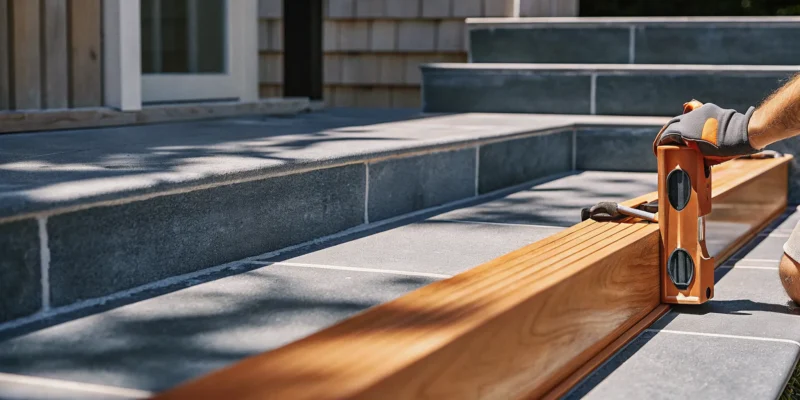
Your backyard pool is more than just a place to swim; it’s an investment in your home’s value and your family’s enjoyment. The materials you choose play a huge role in protecting that investment. When it comes to pool coping, marble is a choice that pays dividends in both beauty and longevity. Its natural strength stands up to Long Island’s weather, resisting cracks and fading far better than other materials. This durability, combined with its timeless elegance, ensures your pool area remains a stunning feature for decades. Realizing this long-term value depends on expert installation, which is why finding the right marble coping installer in Long Island is the most important step you can take.
Key Takeaways
- Choose marble for both luxury and function: It provides a timeless, high-end look for your pool while also offering practical benefits like a naturally slip-resistant texture and a surface that stays cooler in the summer sun.
- Hire a marble specialist, not just a general contractor: The long-term success of your coping depends on an installer with proven marble experience. A specialist will ensure proper site preparation, cutting, and sealing, which prevents costly issues like cracking and shifting down the road.
- Protect your investment with a simple care routine: To keep your marble looking pristine, clean it regularly with pH-neutral soap and have it professionally resealed every one to two years. This simple maintenance prevents stains, protects against weather damage, and preserves its natural beauty.
Why Choose Marble Coping for Your Long Island Pool?
When you’re designing your dream pool, the details make all the difference. Pool coping, the material used to cap the edge of your pool shell, is one of those critical details. It’s not just a finishing touch; it protects the structure and provides a safe, non-slip surface for swimmers. While you have many options, marble coping stands out for its unique combination of elegance, safety, and durability. It’s a choice that transforms your backyard into a true luxury escape, making it a favorite for Long Island homeowners looking for lasting quality.
The Timeless Beauty of Marble
There’s a reason marble has been a symbol of luxury for centuries. It brings an unmatched elegance and timeless beauty to any outdoor space. Choosing marble for your pool coping instantly creates a sophisticated, high-end feel that simple concrete or pavers can’t replicate. With a wide array of colors, styles, and finishes, you can find the perfect marble to complement your home’s architecture and landscape design. Whether you prefer a classic white, a warm beige, or a dramatic grey with intricate veining, the right natural stone can turn your pool into the stunning centerpiece of your backyard. It’s an investment in pure style.
A Safer, More Durable Pool Edge
A beautiful pool should also be a safe one. Marble coping is an excellent choice for creating a secure poolside environment. Many finishes, like honed or sandblasted marble, are naturally slip-resistant, which helps prevent slips and falls on wet surfaces. This is especially important if you have children or frequently host guests. Beyond safety, the coping serves a structural purpose by protecting the top edge of your swimming pool from water damage and daily wear. Marble’s inherent strength ensures this protective edge will hold up for years, keeping your pool in great condition while providing a sturdy, comfortable place to sit or hold onto.
How Marble Withstands Long Island Weather
Long Island weather can be tough on outdoor materials, with hot, sunny summers and cold, icy winters. Marble is remarkably resilient and built to last through it all. As a dense natural stone, it’s very strong and can endure for decades with the right care, making it a fantastic long-term investment for your home. When properly sealed, marble resists stains from pool chemicals, dirt, and spills. It also holds up against fading from UV exposure, so its beautiful color won’t wash out over time. Our professional sealing services ensure your marble coping remains protected and looks pristine season after season, giving you peace of mind.
Your Guide to Marble Coping Styles
Choosing marble for your pool coping is a fantastic first step, but the fun really begins when you start exploring the specific styles. Marble is not a one-size-fits-all material. The color, edge profile, and natural pattern you select will define the character of your entire pool area. Think of it as choosing the perfect frame for a beautiful picture. Getting these details right ensures your pool coping perfectly complements your home’s architecture and your personal taste, creating a cohesive and stunning outdoor space. Let’s walk through the key design choices you’ll get to make.
Exploring Color Options
When you think of marble, you might picture classic white with gray veins, and for good reason, it’s a timeless look. But the world of marble is much more colorful. You can find beautiful options in soft creams, warm beiges, and even subtle shades of gray-green that blend beautifully with landscaping. The color you choose sets the mood for your poolside. A bright white marble creates a crisp, luxurious resort feel, while an earthy-toned marble offers a more organic and relaxed vibe. We can help you explore a wide range of porcelain and natural stone to find the perfect shade that ties your patio, home, and garden together.
Common Edge Finishes: Bullnose, Tumbled, and Straight
The edge profile of your coping is a detail that has a big impact on both safety and style. A bullnose edge is fully rounded, making it soft to the touch and a safe, comfortable option for leaning on or climbing out of the pool. It’s a classic choice that works with almost any design. For a more modern and sleek appearance, a straight edge provides a clean, 90-degree angle that feels sharp and sophisticated. Another popular option is a tumbled edge, which is slightly weathered and softened for a rustic, old-world charm. The right edge finish helps define the look of your swimming pool and makes it uniquely yours.
Veined vs. Patterned Marble
Every slab of marble is a unique piece of natural art, and its character comes from its internal markings. You can generally choose between a distinctly veined look or a more subtle pattern. Veined marble features dramatic, flowing lines of color that create a bold and elegant statement. Since no two pieces are identical, it guarantees your pool has a one-of-a-kind look. Alternatively, some marble has a softer, more clouded pattern without strong veins. This creates a more uniform and serene appearance, perfect for a tranquil backyard retreat. Your choice here really comes down to personal preference and the expert masonry work that brings it all together.
How Marble Compares to Other Coping Materials
Choosing the right coping material is one of the most important decisions you’ll make for your pool. It’s the edge you’ll sit on, the frame for your water, and the surface your family will walk on all summer. While marble is a fantastic choice, it’s helpful to see how it stacks up against other popular options. Your decision will likely come down to four key factors: aesthetics, durability, maintenance, and of course, your budget.
Each material brings something different to the table. Travertine offers an earthy, natural look, while porcelain provides incredible durability and a vast array of styles. Concrete is often seen as the go-to budget-friendly option. Understanding the trade-offs between these materials will help you feel confident in your final choice. As you weigh your options, think about the overall atmosphere you want to create for your backyard oasis. Are you aiming for pure luxury, rustic charm, or modern simplicity? The right coping will tie your entire landscape design together, creating a cohesive and beautiful space for you to enjoy for years to come.
Marble vs. Travertine
At first glance, marble and travertine can seem quite similar. Both are beautiful natural stones that bring an organic, high-end feel to a poolscape. However, the key difference lies in their composition. Travertine is a more porous stone, meaning it has more tiny holes and a rougher texture. While this creates a wonderfully rustic look, it also means travertine requires more diligent maintenance and sealing to prevent stains and water absorption.
Marble, in contrast, is a denser and more durable stone. It stands up better to the elements and is less susceptible to staining, making it a more resilient choice over the long term. While travertine offers a distinct natural charm, marble provides a more polished and luxurious appearance with its smooth surface and elegant veining. For homeowners who prioritize durability and a refined aesthetic, marble is often the preferred natural stone option.
Marble vs. Porcelain
The comparison between marble and porcelain is a classic case of natural beauty versus engineered perfection. Porcelain pavers are manufactured materials known for their exceptional durability and consistency. Because they are non-porous, they are highly resistant to stains, water, and fading, requiring very little maintenance. They also come in a massive variety of styles, with many designed to mimic the look of natural stone, including marble.
However, while porcelain can replicate the look of marble, it can never capture its authentic, one-of-a-kind character. Each piece of marble is completely unique, with its own distinct veining and pattern forged by nature. This inherent uniqueness gives it a level of luxury and depth that a manufactured product simply cannot match. If you value the authentic character and timeless prestige of real stone, marble remains the superior choice for your masonry project.
Marble vs. Concrete
Concrete, whether poured or in paver form, is a common and generally more affordable coping material. While it gets the job done, it falls short when compared to the beauty, comfort, and longevity of marble. Aesthetically, concrete lacks the visual richness and sophistication of natural stone. Over time, it can also be prone to cracking, especially with the freeze-thaw cycles we experience here on Long Island.
More importantly, concrete can become uncomfortably hot under the summer sun and slippery when wet, posing safety and comfort issues around a swimming pool. Marble, on the other hand, naturally stays cooler to the touch, making it much more pleasant for bare feet. Its texture also provides better slip resistance. While concrete may have a lower upfront cost, marble is a long-term investment in safety, comfort, and enduring visual appeal.
The Marble Coping Installation Process, Step by Step
Installing marble coping is a craft that blends technical skill with an artistic eye. While the result is a seamless, elegant border for your pool, the process itself involves several critical stages that must be handled with precision. A professional installer understands that each step builds on the last, and a mistake at any point can compromise the entire project. From creating a stable base to applying the final protective coat, every detail matters. This isn’t a weekend DIY project; it requires specialized knowledge of materials, tools, and techniques to achieve a flawless, long-lasting finish.
Understanding this process will help you appreciate the expertise required and ensure you know what to look for when your project is underway. When you can recognize the signs of quality workmanship, you can feel more secure in your investment. It also helps you ask the right questions and have more productive conversations with your installer. Let’s walk through the key phases of a professional marble coping installation so you can feel confident in the work being done at your home.
Preparing the Foundation and Drainage
Think of the foundation for your coping like the foundation for your house: it has to be perfect. Before a single piece of marble is laid, the ground beneath it needs to be expertly prepared. This involves making sure the area is perfectly level and firmly compacted. An uneven or unstable base can cause the marble to shift, crack, or become a tripping hazard over time. Just as important is planning for proper drainage. Water needs a place to go, especially with Long Island’s mix of rain and snow. Without a good drainage plan, water can pool around and under the coping, leading to damage from freeze-thaw cycles. This foundational masonry work is the unseen hero of a long-lasting installation.
Cutting and Setting the Marble
Once the base is ready, the focus shifts to the marble itself. Cutting and placing these beautiful stones is where true craftsmanship shines. An expert uses specialized tools to make precise cuts, ensuring each piece fits perfectly, especially around the curves of a freeform pool. Using the wrong equipment can easily chip or crack the expensive marble. The surface also needs to be prepared correctly before setting the stones with the right adhesive. Choosing the wrong adhesive can cause the marble to come loose or, in some cases, even lead to discoloration that shows through the stone. A professional knows exactly which products work best with specific types of natural stone to create a secure and flawless finish.
Applying the Final Seal and Finish
The final step in the installation process is arguably one of the most important for long-term beauty and durability. After the marble is set and the grout has cured, a high-quality sealer is applied. This invisible barrier is essential for protecting your investment. It helps prevent stains from things like spilled drinks, sunscreen, and fallen leaves, and it also protects the stone from the effects of pool chemicals and weathering. Skipping this step or using a low-quality product leaves the porous marble vulnerable to damage that can be difficult or impossible to reverse. Professional sealing services ensure your coping stays as beautiful as the day it was installed.
Services to Look for in a Marble Coping Installer
Finding the right installer is about more than just the initial placement of the stone. A truly professional team will offer a range of services that cover your pool’s needs from day one and for years to come. When you’re vetting potential companies, look for a partner who can handle everything from a fresh installation to long-term care. This comprehensive approach is a sign of a company that stands behind its work and is invested in the longevity and beauty of your outdoor space.
New Coping Installation
When you’re building a new pool or giving an old one a major facelift, you need an installer who specializes in new coping installation. Look for a team with deep experience working on gunite swimming pools, as this ensures they understand the specific structural requirements. An expert installer knows how to properly set the marble for a flawless, level finish that not only looks stunning but is also built to last. This specialized skill is the foundation of a durable and beautiful pool edge, so it’s worth finding a company that makes it a core part of their business.
Coping Renovation and Replacement
A great installer’s job isn’t over once the initial project is complete. Over time, your pool may need some attention. That’s why you should choose a company that also offers coping renovation and replacement. This includes services like carefully removing old or cracked tiles and replacing damaged sections of coping. This expertise is crucial for maintaining the safety and structural integrity of your pool area. A company skilled in masonry will have the right techniques to seamlessly blend repairs with the existing structure, keeping your pool looking its best.
Sealing and Maintenance Services
Marble is a beautiful, natural stone, and proper care is key to preserving its elegance. A top-tier installer will offer sealing and maintenance as part of their services. Sealing your marble coping is essential: it helps protect the stone from stains, prevents fading from the sun, and maintains a non-slip surface for safety around the pool. Plus, a sealed surface is much easier to clean. By providing expert restoration and sealing services, an installer shows a commitment to helping you protect your investment for the long haul.
What Goes Into the Cost of Marble Coping?
Understanding the budget for your marble coping project means looking at a few key factors. The final price isn’t just about the stone itself. It’s a combination of your pool’s specific design, the type of marble you fall in love with, and the expert labor required for a flawless, lasting installation. By breaking down these components, you can get a clearer picture of the investment and make informed decisions that align with your vision and budget for the perfect poolside retreat.
Pool Size and Shape
The size and shape of your pool are the biggest drivers of your project’s cost. A larger pool naturally requires more material to create the coping, which increases the total price. Similarly, a pool with an intricate, custom shape, like a freeform lagoon or one with multiple curves and corners, demands more complex cuts and a higher level of craftsmanship. This detailed work takes more time and skill than a standard rectangular pool, influencing the labor costs. When planning your project, remember that the more complex the design, the more material and specialized labor will be needed to bring your vision for custom swimming pools to life.
Your Choice of Marble
Not all marble is created equal, and the specific type you select will significantly impact the overall cost. Different varieties of marble come with different price points based on factors like rarity, origin, color, and durability. Some of the more exotic or uniquely veined stones will be a higher investment, while more common types can be more budget-friendly. It’s important to explore various natural stone options to find a balance between the aesthetic you desire and the budget you have in mind. Our team can walk you through the characteristics of each choice, helping you select a beautiful marble that meets your functional needs and financial goals.
Labor and Site Preparation
Proper installation is just as important as the quality of the marble itself, and this starts with thorough site preparation. Before any coping can be laid, the surface of the pool’s shell, or bond beam, must be perfectly clean, level, and structurally sound. Skipping this crucial step can lead to uneven stones, poor adhesion, and future cracking, resulting in costly repairs down the road. The cost of labor includes this meticulous prep work, the precise cutting and setting of each stone, and the final grouting and sealing. Investing in a team that provides expert masonry work ensures your marble coping is not only beautiful but also built to last.
How to Choose the Right Marble Coping Installer
Selecting the perfect marble for your pool is just the first step. The success of your project, and the longevity of your investment, truly depends on the skill of the person installing it. A beautiful stone can be undermined by a poor installation, leading to cracks, uneven surfaces, and drainage issues down the road. You need a partner who not only understands the material but also has the technical expertise to execute the project flawlessly.
Finding the right installer in Long Island means looking beyond a simple price quote. You’re looking for a craftsman with a deep understanding of how marble behaves in our specific climate, from hot, humid summers to freezing winters. The right team will ensure your pool coping is not only stunning on day one but remains safe, durable, and beautiful for years to come. To help you make a confident choice, focus on four key areas: their experience with marble, their portfolio of local work, their professional credentials, and their reputation with past clients.
Proven Experience with Marble
Working with marble requires a specific skill set that differs from handling other materials like concrete or porcelain. An experienced installer knows that not all marble is the same quality and can guide you to a high-quality slab without structural flaws. They understand its unique characteristics, including its relative softness and porosity, which influences how it should be cut, handled, and sealed. When interviewing potential installers, ask them directly about their experience with marble pool coping. A general mason may not have the nuanced knowledge needed to prevent chipping during cutting or to ensure the sub-base is perfectly prepared for marble. This specialized experience is your best insurance against costly future repairs.
A Portfolio of Local Projects
A picture may be worth a thousand words, but seeing an installer’s work in person is priceless. Ask to see a portfolio of their completed marble coping projects, paying close attention to those located in Long Island. This allows you to assess the quality of their craftsmanship and see how their work holds up to our local weather. Look for clean grout lines, consistent spacing, and smooth, even surfaces. A strong portfolio also shows they know how to avoid common pitfalls, like a mismatched look that can happen when stones are sourced from different batches. Don’t hesitate to ask for addresses of recent projects you can see for yourself.
Proper Licensing, Insurance, and Warranties
This step is non-negotiable. A professional installer must be fully licensed and insured to work in Nassau or Suffolk County. This protects you from any liability in case of an accident on your property. It also indicates that they are a legitimate business that adheres to local building codes and regulations. Furthermore, ask about the warranties they offer on both their workmanship and the materials. A confident installer will stand behind their work. This is crucial, as many common installation mistakes, such as poor base preparation or incorrect drainage planning, may not become apparent until months after the job is done.
Strong Customer Reviews and Reputation
Before making your final decision, do some research on the company’s reputation. Look for reviews on Google, Houzz, and other third-party sites. Read through the comments to get a sense of the entire customer experience, from the initial consultation to the final cleanup. Are clients happy with the communication, professionalism, and timeliness of the crew? You can also ask the installer for a list of recent references. Speaking directly with a past customer gives you the chance to ask specific questions about their project and their satisfaction with the outcome. A contractor with a long list of happy clients is always a great sign.
Common Mistakes to Avoid When Hiring an Installer
Finding the right installer is just as important as picking the perfect marble for your pool coping. A beautiful stone can be completely undermined by a poor installation, leading to costly repairs and a lot of frustration. To make sure your project is a success from start to finish, let’s walk through a few common pitfalls you’ll want to sidestep when making your decision. By being aware of these issues ahead of time, you can confidently hire a team that will bring your vision to life beautifully and professionally.
Choosing on Price Alone
It’s always tempting to go with the lowest bid, but when it comes to marble installation, a price that seems too good to be true often is. A rock-bottom quote can be a red flag for lower-quality materials or rushed workmanship. Not all marble is the same, and an unusually low price might mean you’re getting a slab with hidden structural flaws that could lead to cracks later on. A trustworthy installer will guide you toward high-quality porcelain and natural stone options that fit your budget without sacrificing durability. Think of it as an investment in your home’s long-term value, not just a one-time expense.
Skipping the Vetting Process
Hiring an installer without thoroughly checking their background is a significant risk. A beautiful marble coping project depends on technical skill, and mistakes can be costly. Critical errors like improper surface preparation, using the wrong adhesive, or inadequate sealing can ruin the entire installation. Before you commit, take the time to verify their license and insurance, look through their portfolio of past work, and ask for references. A professional with deep masonry experience will have a proven process and will be happy to show you examples of their successful projects, giving you peace of mind that your pool is in capable hands.
Forgetting to Discuss Maintenance
Marble is a durable material, but it requires specific care to keep it looking its best. One common oversight is underestimating these maintenance requirements. Before you hire an installer, have a clear conversation about what it will take to care for your new coping. Ask them what cleaning products are safe to use, how often the marble should be sealed, and what signs of wear to look for. A reputable installer will not only complete the job but will also provide you with the knowledge to protect your investment. Some companies even offer ongoing restoration and sealing services to make long-term care even easier.
Unclear Communication and Expectations
Misunderstandings between a homeowner and an installer can quickly derail a project. Many people don’t realize how important it is to communicate their expectations clearly from the very beginning, which can lead to results that don’t match their vision. Be specific about what you want, from the exact shade of marble to the project timeline and budget. A great contractor will encourage this dialogue and ensure everything is documented in a detailed contract. They should listen to your ideas, offer professional input, and keep you informed throughout the installation of your swimming pool coping. Clear communication is the foundation of a successful partnership and a beautiful outcome.
How to Care for Your Marble Pool Coping
Your marble pool coping is a stunning feature, and with a little attention, it will stay that way for decades. Think of caring for it not as a chore, but as a simple routine to protect your beautiful investment. Keeping your marble looking its best is straightforward and ensures your poolside remains a luxurious retreat for your family and friends. Here are the key steps to follow.
Clean Regularly with Safe Products
Keeping your marble coping clean is the first and easiest step. A simple rinse with a hose can wash away loose dirt and pool chemicals. For a deeper clean, use a soft cloth or brush with a pH-neutral, gentle soap and water. It’s very important to avoid acidic or abrasive cleaners, including vinegar or lemon juice, as they can etch the marble’s surface and dull its finish. Regular, gentle cleaning prevents grime from building up and keeps your stone looking fresh. If you encounter a tough stain, our professional restoration and sealing services can help restore its original beauty without risking damage.
Reseal Your Coping Periodically
Think of sealer as your marble’s best defense against the elements. A quality sealer penetrates the stone to create a protective barrier that repels water, oil, and other potential stains. We recommend having your marble coping resealed every one to two years, though high-traffic areas might need it more often. A good way to check if your sealer is working is to see if water beads up on the surface. If it soaks in instead, it’s time to reseal. This simple maintenance step is crucial for preventing moisture damage and makes routine cleaning much easier. It’s a professional job that ensures complete protection for your investment.
Inspect Grout and Make Repairs Promptly
The grout between your marble slabs is just as important as the stone itself. It holds everything together and prevents water from seeping underneath the coping. Take a walk around your pool a few times a season to look for any cracks or crumbling sections in the grout lines. Catching these issues early is key. Water that gets below the coping can loosen the stones or, even worse, freeze and expand during the winter, causing significant damage. Promptly addressing small grout repairs will save you from much larger headaches down the road. Our expert masonry team can handle any necessary repairs to keep your coping secure.
Protect Your Marble from Winter Weather
Long Island winters can be tough on outdoor stonework, and your marble coping is no exception. The freeze-thaw cycle is the biggest threat, as any moisture that has soaked into the stone can freeze, expand, and cause cracks. The best defense starts with choosing a dense, high-quality stone from the beginning. Beyond that, ensuring your coping is properly sealed before winter arrives is your most important task. This prevents water from absorbing into the stone in the first place. Using a proper pool cover will also help keep excess snow and ice off the coping, providing an extra layer of protection until swimming season returns.
Why Choose Gappsi for Your Marble Coping Project?
Choosing an installer for your marble coping is a big decision. You need a team that not only understands the material but also the unique demands of Long Island’s climate. At Gappsi, we bring decades of experience to every project, ensuring your pool’s edge is as durable as it is beautiful. Our expertise means we know how to avoid common installation mistakes, from improper drainage to incorrect setting, that can lead to costly repairs down the road. We guide you through every step, from selecting the perfect high-quality porcelain and natural stone that can handle our hot summers and freezing winters to ensuring a flawless, safe installation.
Our commitment to excellence goes beyond just laying the stone. We provide comprehensive masonry services that treat your pool coping as an integral part of your entire outdoor living space. This holistic approach ensures that every element, from the coping to the surrounding patio, works together seamlessly in both function and design. We also understand that proper care is key to protecting your investment. That’s why we offer professional restoration and sealing services to preserve your marble’s color, prevent stains, and maintain its slip-resistant texture for years of safe enjoyment. Since 1987, we have been transforming backyards across Long Island. When you work with Gappsi, you’re not just hiring an installer; you’re partnering with a dedicated team that can manage your entire project, from the pool to the patio, with unmatched craftsmanship and attention to detail.
Related Articles
- marble pool coping long island Archives – Gappsi Group
- Marble Pool Coping & Pavers in Long Island | Gappsi Inc
- Marble Pavers & Pool Coping Showroom in Long Island | Gappsi Inc
- marble coping Archives – Gappsi Group
- Marble Pavers and Pool Copings in Nassau & Suffolk Counties – Gappsi Group
Frequently Asked Questions
Is marble coping slippery around a pool? This is a great question and a common concern. While any wet surface requires caution, many marble finishes are naturally slip-resistant. Finishes like honed or tumbled marble have a slightly textured surface that provides good traction for wet feet, making it a much safer option than many smooth concrete or tile surfaces. When we install your coping, we also apply a professional-grade sealer that helps maintain this safe, non-slip texture.
Will marble get too hot for bare feet in the summer? One of the best, and often surprising, benefits of marble is that it stays relatively cool to the touch, even in direct sunlight. Unlike dark pavers or concrete that can become scorching hot, light-colored marble reflects more of the sun’s heat. This makes it much more comfortable for sitting on the pool’s edge or walking around barefoot on a hot Long Island summer day.
How often does marble coping actually need to be sealed? We recommend having your marble coping professionally sealed every one to two years to keep it protected. The key is to be proactive rather than reactive. A good way to check is to splash a little water on the surface; if it beads up nicely, your sealer is still working. If the water soaks in and darkens the stone, it’s time to call for a reseal. This simple step is the best way to prevent stains and weather damage.
Can I use marble coping with a saltwater pool? Yes, you absolutely can use marble with a saltwater pool, provided it is installed and maintained correctly. The key is choosing a dense, high-quality marble and ensuring it is sealed with a product specifically designed to resist salt. Regular sealing is even more critical with a saltwater system to prevent the salt from penetrating and degrading the stone over time. We can guide you to the best stone and sealing routine for your specific pool.
What is the most important thing to know before choosing marble? The most important thing to understand is that the quality of the installation is just as crucial as the quality of the stone itself. A beautiful, expensive piece of marble can fail if the foundation is not prepared correctly or if it’s not sealed properly. You are investing in a luxury material, so it’s vital to partner with an experienced installer who understands how to handle it, especially in our Long Island climate.