


Your backyard should be an extension of your home, a place where you can relax, entertain, and make lasting memories. The foundation of that perfect outdoor living space is the patio, and limestone pavers provide a surface that is both elegant and welcoming. Their natural texture and warm tones create the perfect setting for everything from quiet morning coffees to lively family gatherings around a fire pit. A high-quality limestone paver installation Long Island is the key to turning your vision into a reality, creating a durable and beautiful centerpiece for your yard that will host countless special moments for years to come.
Key Takeaways
- Choose limestone for its blend of style and strength: It offers a timeless, elegant look that complements any home while being durable enough to handle Long Island’s weather, making it a smart and beautiful investment for your outdoor space.
- Plan your budget beyond the stone’s price tag: The total cost, typically $18 to $35 per square foot, includes not just the pavers but also crucial site preparation, labor, and design complexity, so it is important to get a detailed quote.
- Prioritize a quality installation to protect your investment: The long-term success of your limestone pavers depends on proper installation, including a solid base, correct drainage, and secure edge restraints. Hiring a vetted professional is the best way to prevent costly repairs.
Why Choose Limestone Pavers for Your Long Island Home?
When you’re planning a new patio, walkway, or pool deck, the material you choose sets the tone for your entire outdoor space. While there are many options, limestone pavers offer a unique combination of beauty, durability, and versatility that makes them a fantastic choice for Long Island homes. They provide a sophisticated foundation that works with almost any design style.
Limestone is a natural sedimentary rock, which gives it a soft, earthy appearance that feels both grounded and luxurious. Its subtle color variations and textures can transform a simple backyard into a true outdoor retreat. If you’re looking for a material that is as practical as it is beautiful, limestone checks all the boxes. Let’s look at a few reasons why it might be the perfect fit for your project.
Achieve a Timeless, Elegant Look
One of the best things about limestone is its classic appeal. It has a natural elegance that never goes out of style. Whether you want to create an old-world, European-inspired courtyard or a sleek, contemporary terrace, limestone adapts beautifully. Its soft color palette, ranging from creamy beiges and tans to cool grays, provides a neutral backdrop that complements any home exterior and landscaping design. This versatility allows you to build a space that feels personal and enduring. You can explore a wide variety of natural stone options to find the perfect shade and finish for your home.
Withstand Long Island’s Weather
We all know Long Island weather can be tough on outdoor materials. From hot, humid summers to freezing winters with plenty of snow and ice, you need a paver that can handle it all. Limestone is a very tough natural stone that stands up well to heavy foot traffic and harsh weather conditions. When the right type is selected and properly installed, it can endure our freeze-thaw cycles without cracking or deteriorating. This durability means your investment will last for years, giving you a beautiful and functional outdoor space with less worry about constant repairs. Proper sealing and maintenance will further protect your pavers for the long haul.
Enhance Any Outdoor Space
Limestone pavers are incredibly versatile and can be used to create a cohesive look throughout your property. They are an excellent choice for everything from garden paths and entryways to expansive patios perfect for entertaining. Because of its refined appearance, limestone also works well for creating stunning outdoor kitchen floors or elegant walkways that guide guests through your landscape. Using the same material for different masonry projects helps tie your entire outdoor design together, creating a seamless and harmonious flow from your back door to the furthest corners of your yard.
Pair Limestone With Other Features
Limestone is a team player. It looks fantastic next to other backyard elements, making it a great choice for a complete outdoor renovation. It’s an especially popular option for pool decks. Not only does it stay cooler under the summer sun compared to many other materials, but its naturally textured surface also provides slip resistance, which is a huge plus for safety around swimming pools. Imagine your beautiful limestone patio extending to a cozy seating area under a new pergola or connecting to a lush green lawn. The stone’s natural beauty complements wood, water, and greenery, making it the perfect foundation for your dream backyard.
What Does Limestone Paver Installation Cost on Long Island?
Figuring out the budget for a new limestone patio or walkway is a huge step in bringing your vision to life. While every project is unique, understanding the typical costs can help you plan effectively. The final price tag depends on your specific design, the materials you choose, and the condition of your property. Let’s walk through the numbers so you can feel confident about your investment.
Breaking Down the Average Cost Per Square Foot
On Long Island, you can generally expect limestone paver installation to range from $18 to $35 per square foot. This estimate usually covers the entire process from start to finish. It includes the cost of the limestone pavers themselves, the essential ground preparation, all labor involved, and finishing touches like joint fillers. Knowing this average gives you a solid baseline for your budget. As you start planning your project, you can use this range to get a rough idea of the total investment for your new outdoor space.
Understanding Material vs. Labor Costs
It’s helpful to see exactly where your money goes. The total cost can be broken down into a few key areas. The limestone pavers themselves typically cost between $6 and $15 per square foot, depending on the quality and style you select. Preparing the ground adds another $4 to $8 per square foot. Professional installation labor usually runs from $6 to $10 per square foot, while smaller items like edge restraints and joint fillers account for $2 to $4 per square foot. Gappsi offers a beautiful selection of high-quality porcelain and natural stone to fit your aesthetic and budget.
Budget for Additional Expenses
Beyond the basic installation, a few factors can influence your final cost. The size and shape of your project are the most obvious variables, but design complexity also plays a role. An intricate pattern will require more cutting and time than a simple layout. Your property’s current condition is another major factor. If your yard has poor drainage or a significant slope, your contractor will need to do extra work to create a stable, level base. These necessary site preparations are crucial for a lasting installation but will add to the overall project cost. Our expert landscape design services can handle any site challenges.
What Factors Influence Your Limestone Paver Installation Price?
When you start budgeting for a new limestone patio or walkway, it’s helpful to know that the final cost is more than just the price of the stone. Several key factors come together to determine your total investment. Understanding these variables will help you plan your project, make informed decisions, and ensure there are no surprises along the way. From the specific type of limestone you fall in love with to the unique conditions of your property, each element plays a role. Let’s walk through the main components that will shape the price of your Long Island limestone paver installation.
Quality and Type of Limestone
The first major factor is the stone itself. Not all limestone is the same, and the type you select will have a direct impact on your budget. Limestone comes in various grades, colors, and finishes, from smooth and honed to rustic and tumbled. Higher-density, premium stones often come from specific quarries and may cost more due to their durability and unique appearance. At Gappsi, you can explore a wide selection of porcelain and natural stone pavers to find the perfect match for your home’s style. Choosing a more common variety can be a great way to manage costs, while a rare or specialized limestone can create a truly one-of-a-kind look.
Project Size and Complexity
It might seem counterintuitive, but smaller projects can sometimes have a higher cost per square foot. This is because every job has fixed costs for mobilizing a crew and equipment. For a large patio or pool deck, these costs are spread out over a larger area, bringing the per-square-foot price down. In contrast, a small, simple walkway still requires the same initial setup. The complexity of the job also matters. A straightforward rectangular patio will be less labor-intensive than a project with intricate curves, multiple levels, or detailed patterns. Our masonry design and construction team can handle projects of any scale, ensuring a beautiful result no matter the size.
Site Preparation and Drainage Needs
What’s underneath your pavers is just as important as the pavers themselves. The existing condition of your property plays a huge role in the installation cost. If your yard is sloped, uneven, or has poor soil, it will require more extensive site preparation. This can include excavation, grading, and adding a robust base layer of crushed stone to create a stable foundation. Proper drainage is also critical on Long Island to prevent pavers from shifting or cracking during freeze-thaw cycles. A comprehensive landscape design plan will account for these needs, ensuring your investment lasts for decades.
Design Choices and Custom Finishes
Your creative vision helps bring your outdoor space to life, and your design choices will also influence the final price. While a simple layout is the most budget-friendly option, many homeowners opt for custom features that reflect their personal style. Elements like decorative borders, inset patterns, or circular designs require more precise cuts and a higher level of craftsmanship, which increases labor costs. Integrating your limestone pavers with other structures, such as built-in seating walls, fire pits, or outdoor kitchens, also adds to the complexity and cost. These custom touches are what transform a simple patio into a stunning outdoor living area.
Local Permits and Regulations
Working on Long Island means adhering to specific local building codes and regulations, which can affect your project’s total cost. Many towns in Nassau and Suffolk counties require permits for new patios, driveways, and pool surrounds. The process of obtaining these permits involves fees and sometimes requires detailed plans. Furthermore, many areas, especially those near the coast, have strict rules regarding water runoff and drainage to protect the local environment. A seasoned contractor will be familiar with these requirements and can manage the entire permitting process for you, ensuring your project is fully compliant from start to finish.
Avoid These Common, Costly Installation Mistakes
Investing in beautiful limestone pavers is a wonderful decision, but their stunning appearance and longevity depend entirely on a proper installation. It can be tempting to look for ways to cut costs, but skimping on the installation process is a recipe for disaster. What seems like a saving now can lead to thousands of dollars in repairs later, from wobbly pavers to serious drainage issues. A professional installation isn’t just about laying stones; it’s about building a lasting foundation that can handle everything from summer barbecues to Long Island’s winter freezes.
At Gappsi, we’ve spent decades perfecting our craft, and we’ve seen the expensive consequences of installations gone wrong. A poorly installed patio not only looks bad but can also be a safety hazard and even damage your home’s foundation. Ensuring the job is done right from the start protects your investment and gives you a beautiful outdoor space you can enjoy for years without worry. We build our patios and walkways with meticulous attention to detail, from the unseen base layers to the final finishing touches. Before you hire a contractor, make sure you understand what a quality installation involves so you can avoid these common and costly mistakes.
Skipping Proper Base Preparation
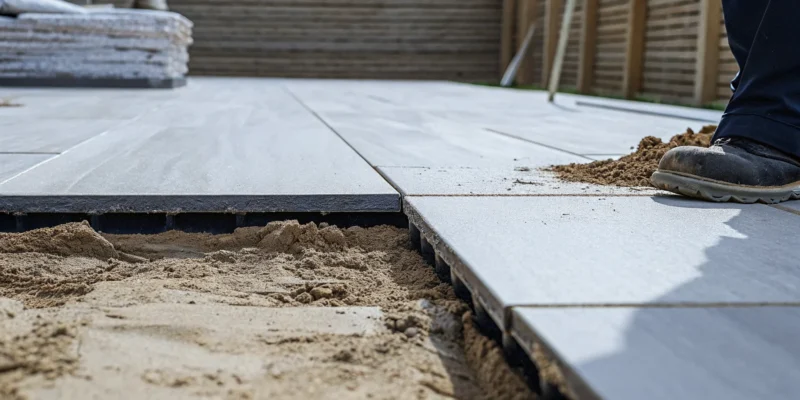
Think of the base as the foundation of your house. If it’s not solid, nothing you put on top will be stable. The same is true for your limestone paver patio. Skipping or rushing the base preparation is one of the most frequent and damaging mistakes we see. A proper base requires excavating several inches of soil, then layering and compacting materials like gravel and sand to create a firm, level surface. When this step is done incorrectly, pavers will shift, sink, and become uneven over time. This not only looks messy but also creates dangerous tripping hazards. A solid masonry foundation is the only way to guarantee your limestone patio remains beautiful and safe for years to come.
Neglecting a Solid Drainage Plan
On Long Island, we get our fair share of rain and snow. Without a proper drainage plan, all that water can become your patio’s worst enemy. A common mistake is installing pavers on a perfectly flat surface. This allows water to pool on top, leading to stains, moss growth, and slippery conditions. Even worse, standing water can seep into the base material, causing it to erode and wash away. During the winter, this trapped moisture will freeze and expand, pushing your pavers out of place. A professional installation always includes a subtle, carefully calculated slope that directs water away from the patio and your home’s foundation. This simple step is critical for preventing long-term structural damage and preserving the integrity of your entire outdoor living space.
Forgetting Edge Restraints and Joint Sand
The final touches of a paver installation are just as important as the first steps. Edge restraints are rigid borders, often made of plastic or concrete, that are installed around the perimeter of the patio. Their job is to hold everything in place and prevent the pavers from shifting outward under pressure. Without them, the edges of your patio will slowly spread apart, creating unsightly gaps. Just as crucial is the joint sand, which is swept between the pavers to lock them together. This creates a flexible, interlocking surface that distributes weight evenly. Skipping these finishing steps results in loose pavers, weed growth in the joints, and a patio that quickly loses its shape and stability. Proper restoration and sealing can help, but it’s best to get it right the first time.
How to Choose the Right Limestone Paver Contractor on Long Island
Choosing the right limestone is only half the battle; finding the right contractor to install it is just as important. The quality of the installation determines not only how your new patio or walkway looks but also how well it holds up over time. A great contractor brings your vision to life, while a poor one can turn your dream project into a costly headache. To make sure you hire the best team for the job, focus on a few key areas: their local track record, their credentials, and how they handle the quoting process. Taking the time to vet your options will give you peace of mind and a beautiful, lasting result.
Look for Proven Local Experience
When you’re investing in a natural stone project, you want a contractor who knows Long Island. A company with deep local roots understands the specific soil conditions, weather patterns, and building codes in our area. Ask potential contractors to see a portfolio of their completed limestone projects right here in Suffolk or Nassau County. A confident, experienced team will be excited to show you their work. This is your chance to see their craftsmanship up close and get a feel for their design style. A contractor with a long history of masonry design and construction will have the expertise to recommend the best techniques to ensure your pavers look great for years to come.
Check Their Licensing, Insurance, and Reviews
Never hire a contractor without first confirming they are fully licensed and insured. This is a non-negotiable step that protects you from liability in case of accidents or property damage. A professional company will have this information readily available. After you’ve handled the formalities, it’s time to see what past clients have to say. Online reviews on sites like Google and Houzz can offer honest insight into a company’s reliability, communication, and overall quality. You can also get a great sense of their work by watching project videos. Seeing the team in action on a platform like YouTube can tell you a lot about their process and the scale of projects they handle.
Get Multiple Detailed Quotes
Getting several quotes is a smart move, but it’s crucial to compare more than just the final price. A trustworthy contractor will provide a detailed, itemized quote that breaks down the costs for materials, labor, site preparation, and any other expenses. This transparency helps you understand exactly what you’re paying for and prevents surprise charges down the road. Be wary of any quote that seems unusually low, as it could signal subpar materials or rushed work. Use the quoting process as an opportunity to ask questions and gauge the contractor’s responsiveness and professionalism. A team that is happy to walk you through their landscape design services and explain every line item is one you can trust.
Maintain Your Limestone Pavers Year-Round
Once your beautiful limestone pavers are installed, a little routine care will keep them looking pristine for decades. Think of it as protecting your investment. Thankfully, limestone is a naturally resilient material that doesn’t demand a lot of fuss. With a simple maintenance plan, you can ensure your patio, walkway, or pool deck remains a stunning feature of your home. Regular upkeep prevents small issues from becoming larger problems, preserving the stone’s natural elegance and ensuring it withstands Long Island’s seasonal changes. Following a few key steps throughout the year will keep your outdoor space ready for everything from quiet morning coffees to lively family gatherings.
Clean Regularly to Prevent Stains
One of the best things about limestone is how easy it is to keep clean. Regular sweeping is your first line of defense, as it removes leaves, dirt, and other debris that can hold moisture and cause discoloration over time. For a deeper clean, simply wash the surface with water and a pH-neutral cleaner designed for natural stone. Avoid using acidic or abrasive cleaners, like vinegar or harsh chemical products, as they can etch and damage the stone’s surface. Consistent, gentle cleaning is the key to preventing stains from setting in and keeping your pavers looking fresh and inviting year after year.
Seal Your Pavers for Long-Term Protection
While limestone is tough, it is also a porous natural stone, meaning it can absorb liquids that lead to stains. This is where sealing comes in. Applying a quality sealer creates a protective barrier that repels water, oil, and other spills, making cleanup much easier. While you can technically skip this step, we highly recommend it to extend the life and preserve the appearance of your pavers. Professional restoration and sealing services ensure the right product is used and applied correctly, typically every three to five years, depending on the area’s traffic and exposure to the elements.
Address Freeze-Thaw Damage Early
Here on Long Island, we’re no strangers to the freeze-thaw cycle. When water seeps into pavers, freezes, and expands, it can cause shifting and cracking. This is why a solid base is so critical during installation. For maintenance, it’s important to keep an eye on your pavers, especially after a long winter. Check for any new cracks or widened joints. Addressing these minor issues quickly, such as by refilling joint sand or repairing a small chip, prevents water from getting in and causing more significant damage down the road. This is especially important for pavers around swimming pools, where water is always present.
Related Articles
- Limestone pavers in Long Island Archives – Gappsi Group
- Limestone Pavers: Garden Ornaments, Flower pots long Island NY – Gappsi Group
- Limestone Patio Pavers and Pool Copings in Long Island
- Limestone patio pavers Archives – Gappsi Group
- Limestone Pool Coping & Patio Pavers in Plandome | Gappsi Inc
Frequently Asked Questions
Is limestone slippery when it gets wet, especially around a pool? This is a great question, and a really important one for safety. Limestone naturally has a slightly textured surface that provides a good amount of grip, even when it’s wet. It’s generally less slippery than many smoother stones. If you’re particularly concerned about slip resistance for a pool deck, you can choose a limestone with a more textured finish, like a tumbled or brushed surface, which offers even more traction underfoot.
How does limestone compare to other popular materials, like porcelain pavers? Choosing between limestone and porcelain really comes down to the aesthetic you want to achieve. Limestone offers an organic, earthy beauty with subtle variations in color and texture that can only come from natural stone. It feels soft and timeless. Porcelain, on the other hand, is a manufactured product known for its incredible durability and uniform appearance. It provides a very clean, modern look and is virtually non-porous. Both are fantastic choices, so the decision depends on whether you prefer the unique character of natural stone or the sleek consistency of porcelain.
How long does a typical limestone paver installation take? The timeline for an installation can vary quite a bit based on the project’s size, the complexity of the design, and how much site preparation is needed. A simple, small walkway might only take a few days, while a large, intricate patio with extensive grading could take a week or more. A professional contractor will be able to give you a clear and realistic schedule once they have assessed your property and discussed the final design with you.
Can I use limestone pavers for my driveway? Yes, you can absolutely use limestone for a driveway, but it’s critical to select the right kind of stone and ensure the installation is done correctly. For a driveway, you need a thicker and denser limestone that is specifically rated to handle the weight of vehicles. The base preparation is also much more extensive than for a patio, requiring a deeper, more compacted foundation to prevent shifting and cracking under the load.
Do I really have to seal my limestone pavers? While it isn’t technically required, we strongly recommend sealing your limestone pavers. Because it’s a porous natural stone, limestone can absorb spills, which can lead to stains. A quality sealer acts as a protective shield, making it much easier to clean up messes and preventing moisture from seeping in. Think of it as insurance for your investment. You’ll typically want to have them resealed every three to five years to keep them fully protected and looking their best.