


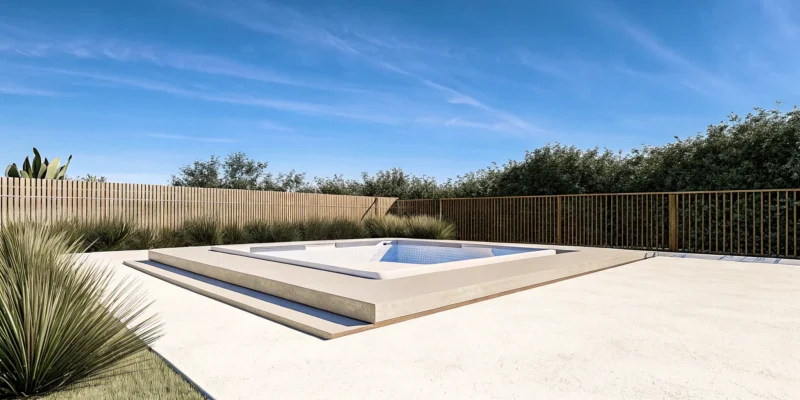
For homeowners on Long Island, our unique climate presents specific challenges for any outdoor construction project. The freeze-thaw cycles of our winters can wreak havoc on improperly installed foundations, causing the ground to shift and heave. When you’re installing something as heavy and valuable as a swim spa, you need a base that can withstand these seasonal pressures. A properly engineered concrete pad for a swim spa is designed to do just that. It provides a stable, monolithic base that resists movement and protects your spa for years. This guide will cover the key considerations for a Long Island installation, ensuring your backyard oasis is built on solid ground.
Key Takeaways
- Your Foundation is Your First Priority: A swim spa is incredibly heavy, so a professionally installed concrete pad is the only way to protect its shell from cracking, ensure it runs correctly, and keep your warranty valid. Don’t risk your investment on a less stable base like pavers or gravel.
- Get the Details Right from the Start: For a foundation that lasts, the details matter. Ensure your pad is at least four to six inches thick, includes steel rebar for strength, and has a slight slope built in to handle water drainage.
- Don’t Rush the Process or the Pro: A quality installation depends on careful site preparation and allowing the concrete to cure for at least seven days before placing the spa. Hiring an experienced professional who knows local codes is the best way to avoid common pitfalls and ensure a secure foundation.
What is a Concrete Pad for a Swim Spa?
So, you’re dreaming of a swim spa in your backyard. It’s an exciting addition, but before you pick out the model, let’s talk about what it will sit on. A concrete pad is a custom-built foundation for your
This isn’t just any patch of concrete. A proper pad is designed to remain stable through Long Island’s changing seasons, from hot summers to freezing winters, preventing any shifting or settling that could damage your investment. It provides a secure base that distributes the weight evenly, ensuring your swim spa functions correctly for years to come. Creating this kind of solid groundwork is a core part of quality masonry, which involves careful site preparation, forming, and pouring. Without a sturdy foundation, even the most luxurious swim spa is on shaky ground, both literally and figuratively. It’s the first and most critical step in a successful installation, setting the stage for countless hours of relaxation and fun.
Why Your Swim Spa’s Foundation Matters
Getting the foundation right is non-negotiable. Why does it matter so much? First and foremost, it’s about protecting your swim spa. An uneven or weak base can cause the spa’s shell to twist or crack under pressure, leading to leaks and costly structural damage that your warranty likely won’t cover. A solid concrete pad ensures your spa stays perfectly level, which is essential for its internal components and plumbing to work as designed.
Beyond protecting the spa itself, a proper foundation is a matter of safety and longevity. It prevents the ground underneath from eroding and creating a hazardous, unstable surface. A well-built pad also incorporates drainage to channel water away, protecting the base from water damage and frost heave in the winter. Investing in a professional installation for your swim spa and its foundation means you’re investing in peace of mind.
Swim Spa Concrete Pad Requirements
Getting the foundation for your swim spa right is one of the most important steps in the entire installation process. Think of it as the strong, silent partner to your new backyard oasis. A properly constructed concrete pad ensures your swim spa remains stable, safe, and functional for years to come. It prevents shifting or cracking that could damage the spa itself. Taking the time to meet these specific requirements from the start will save you from potential headaches and costly repairs down the road, letting you focus on enjoying your investment.
How Thick Should It Be?
When it comes to supporting a swim spa, which can weigh tens of thousands of pounds when filled with water, thickness matters. We recommend a concrete pad that is at least four inches thick. For larger swim spa models, increasing the thickness to six inches provides extra strength and peace of mind. This robust base is essential for distributing the immense weight evenly, preventing the pad from cracking or settling over time. A solid foundation is the first step in creating a lasting and durable setup for your swim spa. Getting this right ensures your spa stays level and secure through every season.
Getting the Size and Dimensions Right
It’s tempting to make the pad the exact size of your swim spa, but you’ll want to plan for a little extra room. A good rule of thumb is to extend the concrete pad by at least one to two feet beyond the spa’s dimensions on all sides. This extra space isn’t just for looks; it provides a stable, clean surface to walk on and makes accessing the spa’s components for maintenance much easier. You’ll be grateful for that extra footing when it’s time for a service check or cleaning. This thoughtful approach to masonry design ensures your entire spa area is both beautiful and practical.
Reinforcing Your Pad: Rebar vs. Wire Mesh
To give your concrete pad the strength it needs, reinforcement is a must. This is typically done by embedding a grid of steel bars (rebar) or a wire mesh within the concrete before it sets. Both options significantly increase the slab’s tensile strength, helping it resist cracking under the heavy, constant load of the swim spa. This step is not something you want to skip. Additionally, for electrical safety, the reinforcement should be connected to a bond wire. This is a critical detail that a professional installer will handle to ensure your spa area is completely safe for you and your family to enjoy.
Planning for Surface Finish and Drainage
Proper drainage is key to protecting your concrete pad and the surrounding area. Without it, you risk water pooling around the base of your swim spa, which can lead to water damage, premature wear, and safety hazards. The best practice is to create a very slight slope on the pad, about a quarter-inch per foot, to direct water away from the spa. Alternatively, a dedicated drainage system can be installed. A simple broom finish on the concrete can also provide a non-slip texture. Taking care of drainage from the start helps protect your investment and keeps your spa area safe and clean.
How Much Does a Concrete Pad for a Swim Spa Cost?
When you’re planning for a new swim spa, the foundation is one of the most important parts of the budget. Think of it as the literal groundwork for years of relaxation and fun. For most above-ground swim spas, a professionally installed concrete pad is the go-to solution. Generally, you can expect the cost for an installation that includes a concrete pad to fall somewhere between $3,000 and $5,000. This price range gives you a solid starting point for your financial planning.
This cost typically covers the essentials: the labor to prepare the site, the concrete itself, and the finishing work to make sure the pad is perfectly level. However, this is just an estimate. The final price tag can shift based on the specific needs of your project. Factors like the size of your swim spa, the condition of your yard, and even your location on Long Island can influence the total. A professional consultation is the best way to get a precise quote, as an expert can assess your property and give you a clear picture of the investment required to create a safe and durable foundation for your new backyard oasis.
What Affects the Final Cost?
Several key factors can influence the final price of your concrete pad. The size and weight of your swim spa are the biggest drivers. A larger, heavier model will require a thicker and wider pad, which means more materials and labor. While a 4-inch thick pad is the minimum, a 6-inch thickness is often recommended for the best support. The stability of the ground in your yard also plays a role. If your site needs significant grading or soil stabilization, this will add to the project’s cost. Finally, local labor rates and how easily contractors can access your backyard with equipment will also affect the quote you receive.
Factoring in Permits and Local Codes
Before any work begins, it’s essential to look into your local building codes and permit requirements here on Long Island. These regulations vary between towns in Nassau and Suffolk County, and they exist to ensure your installation is safe and structurally sound. Obtaining a permit comes with a fee, so be sure to include that in your budget. Working with an experienced installer is a huge advantage here. A team familiar with local codes can handle the permit process for you, making sure your foundation is fully compliant. A proper base is not just about following rules; it’s about protecting your investment and ensuring your swim spa remains stable and level for years to come.
Comparing Foundation Costs
While a concrete pad is the most common and often recommended foundation, it’s not your only option. Some homeowners consider alternatives like a reinforced wood deck, a gravel base, or even interlocking pavers. A gravel base might seem like a cheaper route, but it can shift over time and may not provide the perfectly level surface a swim spa needs. Decks must be specifically engineered to support the immense weight of a filled swim spa, which can be a complex and costly project. Using pavers can create a beautiful, integrated look, but they require a meticulously prepared and compacted sub-base to prevent sinking. Ultimately, concrete provides unmatched stability and longevity, making it the most reliable choice for supporting your swim spa.
Is a Concrete Pad the Best Foundation for a Swim Spa?
When you’re investing in a swim spa, the foundation is just as important as the spa itself. A solid, level base is critical for the spa’s performance, longevity, and even its warranty. While a reinforced concrete pad is the industry standard and our top recommendation, it’s helpful to understand how it compares to other options. You might be wondering if pavers, gravel, or even your existing deck could work.
Making the right choice from the start prevents costly problems down the road. Let’s walk through the most common foundation types to see why concrete consistently comes out on top for supporting a swim spa. We’ll compare it to pavers, gravel, wood decks, and prefabricated pads so you can feel confident in your decision.
Concrete vs. Pavers
Pavers can create a beautiful patio, but they aren’t ideal for supporting a swim spa. The main issue is stability. A swim spa is incredibly heavy, and that weight is concentrated on a small footprint. Over time, this pressure can cause individual pavers to shift or settle, creating an unlevel surface. An uneven foundation puts stress on the spa’s shell, which can lead to cracks and damage that may not be covered by your warranty.
While our team at Gappsi are experts in designing stunning patios with porcelain and natural stone pavers, we always recommend a solid concrete slab for a swim spa. A single, reinforced concrete pad provides a monolithic, completely stable surface that won’t shift. It’s the most reliable way to ensure your investment is protected for years to come.
Concrete vs. Gravel
A compacted gravel base is another option some people consider, mostly because it’s inexpensive and offers good drainage. However, it comes with significant drawbacks. Achieving a perfectly level and uniformly compacted gravel surface that can support thousands of pounds is extremely difficult. Even if it’s level at first, the immense weight of the swim spa can cause the gravel to shift and settle over time.
This can lead to an unstable spa, creating the same risks of shell damage as an uneven paver base. While gravel is a great solution for features like natural stone driveways, it simply doesn’t provide the rigid, long-term stability required for a swim spa. A concrete pad is a far more secure and dependable choice.
Concrete vs. Wood Decks
Placing a swim spa on a wood deck might seem like a great way to integrate it into your outdoor living space, but it requires serious structural planning. A typical deck is not designed to support the weight of a swim spa, which can exceed 15,000 pounds when filled with water. Placing a spa on an unprepared deck is a major safety hazard.
If you want to use a deck, you’ll need a structural engineer to confirm it can handle the load or design a new, heavily reinforced structure specifically for the spa. This process can be complex and expensive. In most cases, a concrete pad is a more straightforward and durable foundation. It provides unmatched strength without the structural questions that come with a wood deck.
Concrete vs. EZ Pads
EZ Pads and other prefabricated foundation systems are marketed as a quick and simple alternative to concrete. These modular plastic pads lock together to form a base for your swim spa. While they are faster to install, their stability depends entirely on the ground beneath them. The site must be perfectly leveled and compacted, because any imperfections will transfer through the pad and affect your spa.
According to some manufacturers, these pads can be a good alternative, but a concrete pad is often recommended for its superior strength. For a permanent, high-value installation like a swim spa, the proven durability of a reinforced concrete slab provides peace of mind that a modular system can’t quite match.
How is a Concrete Pad for a Swim Spa Installed?
Putting in a concrete pad for your swim spa is a multi-step process where every detail matters. From the initial ground preparation to the final curing, each stage builds upon the last to create a foundation that will support your investment for years to come. Getting this right prevents future headaches like cracking or shifting, ensuring your swim spa remains level and secure. Let’s walk through the key phases of a professional installation so you know exactly what to expect.
Preparing and Leveling the Site
Before any concrete is poured, the ground itself needs to be perfectly prepared. This is arguably the most important step, as a solid base is essential for the longevity of your swim spa. The process begins with clearing the designated area of all grass, roots, and topsoil. Once the site is clear, the ground is excavated and graded to be completely level. A professional team will then use a compactor to create a firm, stable sub-base that won’t settle over time. For added drainage and stability, a layer of crushed stone or gravel is often added and compacted on top of the soil. This meticulous site preparation ensures your concrete pad has an unshakeable foundation.
Pouring and Reinforcing the Concrete
With the site prepared, it’s time to build the framework and pour the concrete. A wooden form is constructed around the perimeter to hold the wet concrete in the exact shape and dimensions required for your pad. Inside this form, a grid of steel reinforcement bars, known as rebar, is laid out. This reinforcement is non-negotiable for a swim spa pad. The immense weight of the spa, water, and people requires the concrete to have extra tensile strength, which the rebar provides. Once the rebar is in place, the concrete is poured, carefully spread to fill the entire form, and smoothed out. This step creates the strong, durable slab needed to support your new swim spa without risk of cracking.
The Curing Process: How Long to Wait
This is the part that requires patience. Concrete doesn’t just dry; it goes through a chemical process called curing to gain its strength. Rushing this stage is a major mistake that can compromise the entire foundation. While the surface might feel hard to the touch within a day, it’s nowhere near ready to support thousands of pounds. You should wait at least seven days before even thinking about placing a swim spa on a new concrete pad. For the concrete to reach its maximum design strength, you should ideally wait 28 days. This curing period allows the internal structure of the concrete to fully form, giving you a pad that’s built to last and less prone to future damage that might require restoration services.
Final Checks and Inspection
Once the concrete has fully cured, it’s time for the final inspection before your swim spa arrives. The wooden forms are carefully removed, revealing the finished pad. We check to ensure the surface is perfectly level and free of any significant imperfections. A broom-finish is often applied during the pouring stage to create a non-slip texture, which is a key safety feature for the wet area around your spa. We also confirm that any planned drainage solutions are functioning correctly. With the pad inspected and the site cleaned up, you can finally coordinate the delivery and installation of your swim spa, confident that it rests on a solid, professionally built foundation.
Common Concrete Pad Mistakes to Avoid
Installing a concrete pad seems straightforward, but a few common missteps can lead to major headaches down the road, including cracks, shifting, and water damage. A properly installed foundation is the key to protecting your swim spa investment and ensuring it provides years of enjoyment. When you’re preparing for a project this significant, knowing what to watch out for is half the battle. From the initial ground preparation to the final curing, every step matters. An experienced installer will guide you through this process, but it’s always wise to understand the potential pitfalls yourself. This helps you ask the right questions and feel confident that your project is being handled correctly from the ground up. Avoiding these mistakes ensures your swim spa rests on a secure, durable, and long-lasting base, giving you peace of mind so you can focus on relaxing.
Improper Ground Prep and Reinforcement
You can’t build a strong structure on a weak base. Before any concrete is poured, the ground beneath must be perfectly compacted and level. Skipping this step is a recipe for disaster, as soft or uneven soil will cause the pad to settle, shift, and eventually crack under the immense weight of a filled swim spa. Just as important is what goes inside the concrete. Proper reinforcement, like a steel rebar grid, gives the slab the tensile strength it needs to resist cracking. Our masonry experts understand that meticulous ground prep and reinforcement are non-negotiable for a foundation that’s built to last.
Forgetting About Drainage
Water is a persistent force, and if you don’t give it a place to go, it will find one for you. A concrete pad that doesn’t account for drainage can lead to pooling water around your swim spa, which can damage its components and erode the soil supporting the foundation. This is a critical detail that is often overlooked in DIY projects. A professional installation will always include a plan for water management. This usually involves creating a subtle slope on the pad’s surface to direct water away from the spa. In some cases, a more extensive drainage system may be integrated into the surrounding landscape.
Making the Pad Too Thin
When it comes to supporting a swim spa, which can weigh over 20,000 pounds when full, a thin concrete pad simply won’t cut it. While a standard patio might only need a 4-inch slab, a swim spa requires more robust support. We recommend a minimum thickness of 6 inches to adequately distribute the weight and prevent the concrete from cracking under the constant, heavy load. Trying to save a little money by pouring a thinner pad is a costly mistake in the long run. It jeopardizes the structural integrity of your foundation and the safety of your swim spa investment.
Rushing the Curing Process
It’s exciting to see your project take shape, and the temptation to start using your swim spa as soon as the concrete looks dry is real. However, you have to be patient. Concrete doesn’t just dry; it cures. This is a chemical process where the concrete hardens and gains its full strength. Placing a multi-ton swim spa on the slab too early can cause permanent damage. As a general rule, you should wait at least seven days before putting any weight on a new slab. A professional will give you a clear timeline and let you know exactly when it’s safe to proceed with the swim spa installation.
Overlooking Local Codes and Permits
Before you break ground, you need to check with your local municipality. Many towns across Long Island have specific building codes and permit requirements for outdoor structures, including concrete pads for swim spas. These rules are in place to ensure safety and structural soundness. Ignoring them can result in fines, stop-work orders, or even being forced to tear out the finished work. A reputable contractor will be familiar with the local building codes in Nassau and Suffolk counties and will handle the entire permitting process for you, ensuring your project is fully compliant from start to finish.
How to Maintain Your Concrete Pad
Once your swim spa is sitting perfectly on its new concrete pad, your work isn’t quite done. A little routine maintenance will go a long way in protecting your investment and ensuring the foundation remains stable for decades. Think of it like caring for your car or home; consistent upkeep prevents small issues from turning into major headaches. Taking care of the concrete pad is just as important as maintaining the swim spa itself. These simple steps will help you keep your foundation in top shape, preserving the safety and longevity of your entire backyard oasis.
Inspect for and Repair Cracks
It’s a great idea to check your concrete pad for cracks a few times a year, especially after the winter freeze-thaw cycle. A concrete slab provides the strongest and most stable base for a swim spa, so keeping it in good condition is key to preventing any damage to the spa itself. Small hairline cracks are often just a cosmetic issue, but it’s wise to keep an eye on them. If you notice them getting wider or longer, it’s time to act. Water can seep into these cracks, freeze, and expand, making the problem much worse. For minor issues, a quality concrete crack filler can do the trick. For anything more significant, professional restoration and sealing is your best bet.
Keep Your Drainage System Clear
Proper drainage is absolutely essential for preventing water from pooling around and under your swim spa. When we install a concrete pad, we ensure it has a slight slope to guide water away from the foundation. Your job is to simply keep this path clear. Make it a habit to sweep away leaves, dirt, and other debris that can build up around the base of the spa. Clogged drainage can lead to water saturation, which can erode the soil beneath the pad and compromise its stability over time. A quick sweep every few weeks is all it takes to maintain the integrity of the concrete and the ground supporting it.
Seal the Concrete to Protect It
To really enhance the durability of your concrete pad, sealing it is a must. A high-quality sealer acts as a protective shield, guarding the concrete against moisture, pool chemicals, and UV damage. This barrier prevents water from penetrating the surface, which is the main cause of spalling and cracking, especially in our Long Island climate. We recommend applying a sealer after the concrete has fully cured and then reapplying it every few years. This simple step not only protects the structural integrity of your pad but also keeps it looking clean and new. If you need help, our team offers professional cleaning and sealing services to keep your entire patio area pristine.
Choosing the Right Concrete Pad Installer
Selecting the right installer for your concrete pad is just as critical as picking out the swim spa itself. This foundation is what protects your investment for years to come, so you want it done right from the very beginning. A professional installer not only provides a solid base but also offers peace of mind. When you start your search, focus on a few key areas to find a contractor you can trust to create a safe, durable, and perfectly prepared space for your new swim spa.
Experience with Local Codes
When vetting installers, start by asking about their experience with local building codes in Long Island. Every town can have slightly different regulations, and a contractor who is well-versed in these rules is essential. This expertise ensures your project is compliant, avoiding potential fines or the need for costly rework. More importantly, following code ensures a safe and structurally sound installation. A professional with local knowledge will handle the permitting process correctly and make sure your foundation meets all necessary safety standards, giving you confidence that the job is done right from day one.
Commitment to Quality Materials
A swim spa is incredibly heavy, especially when filled with water and people. Your concrete pad must be able to handle that immense weight without cracking or shifting. A reputable installer will never cut corners on materials. They will use a high-strength concrete mix and proper reinforcement, like rebar, which is critical for the stability and durability of the slab. Ask potential installers about the specific materials they use. A commitment to quality from the ground up ensures your swim spa’s foundation will last as long as the spa itself, preventing future headaches and protecting your backyard oasis.
Warranties and Customer Support
What happens if an issue arises with your concrete pad after the installation is complete? A trustworthy installer will stand by their work. Before signing a contract, always ask about warranties and what they cover. A company that offers a solid warranty and accessible customer support shows confidence in their craftsmanship and a commitment to your satisfaction. This is your assurance that if any problems come up, they will be addressed promptly and professionally. Getting the warranty details in writing provides an extra layer of security for your investment.
Why Choose Gappsi for Your Swim Spa Foundation
Choosing the right team can make all the difference between a stressful project and a seamless one. At Gappsi, we have decades of experience serving homeowners across Long Island. Our team has a deep understanding of local codes and the specific environmental factors of our area. We use only high-quality materials in our masonry work to build strong, lasting foundations for swim spas and other outdoor structures. By managing every detail with expert care, we ensure your installation process is smooth and stress-free, so you can start enjoying your new swim spa as soon as possible.
Related Articles
- Concrete Pool Archives – Gappsi Group
- Swimspa Activity 2-60″ – Gappsi Group
- Hot Tub & Spa Archives – Gappsi Group
Frequently Asked Questions
How long does the entire concrete pad installation process take? The hands-on work of preparing the site and pouring the concrete is usually completed in just a day or two. The most important part of the timeline, however, is the curing process. You must wait for the concrete to gain its strength before placing a heavy swim spa on it. We recommend waiting a minimum of seven days, but allowing the pad to cure for a full 28 days is the ideal way to ensure maximum durability.
Can I put my swim spa on my existing patio? While it might seem convenient, placing a swim spa on an existing patio is generally not a good idea. Most residential patios, whether they are made of concrete or pavers, are not designed to support the concentrated weight of a filled swim spa, which can be over 15,000 pounds. They often lack the necessary thickness and steel reinforcement, creating a risk of cracking your patio and damaging the spa’s shell.
Why is a 6-inch pad often recommended over the 4-inch minimum? Think of the extra two inches as an insurance policy for your investment. While a 4-inch pad is the absolute minimum, a 6-inch pad provides substantially more structural strength and rigidity. This extra thickness helps distribute the immense weight of the swim spa more effectively, making the foundation far more resistant to cracking and settling over time, especially with Long Island’s freeze-thaw cycles.
What happens if my foundation isn’t perfectly level? An unlevel foundation is a serious problem for a swim spa. The uneven support puts constant stress on the spa’s acrylic shell, which can cause it to twist, warp, or even crack over time. This type of damage often voids the manufacturer’s warranty. Additionally, an unlevel base can affect the spa’s plumbing and how the water sits, leading to performance issues with jets and filters.
Do I need to do anything to prepare my yard before the installers arrive? Yes, a little preparation can help the installation day go smoothly. The best thing you can do is ensure there is a clear, wide path for our crew and equipment to access the site. You should also clear the designated area of any personal items like furniture, planters, or toys. It is also helpful to mark the locations of any private underground lines, such as sprinkler systems or landscape lighting wires.