


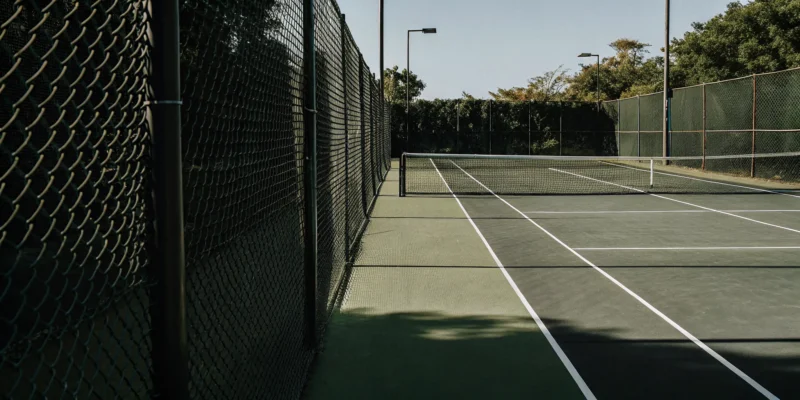
Not all pickleball courts are created equal, especially here on Long Island where our weather can be tough on outdoor surfaces. A court that looks great on day one can quickly develop cracks and wear if it’s not built with quality in mind. The secret to a long-lasting, high-performance court lies in the materials and craftsmanship that go into its foundation. A solid base, proper drainage, and a professional-grade acrylic surface are non-negotiable for ensuring a consistent bounce and safe play for years. This guide explains what defines a superior court and what you should look for in a pickleball court builder on Long Island to ensure your investment is built to last, season after season.
Key Takeaways
- Create a Social Hub at Home: A private pickleball court is an investment in your family’s fun and your home’s social life, offering a convenient space for entertainment that can also enhance your property’s value.
- Success Lies in the Details: Your court’s final cost and quality are determined by key choices, so carefully consider site preparation, surface materials like concrete or tile, and functional add-ons like fencing and lighting from the start.
- Choose a Builder Who Sees the Big Picture: The right partner for your sports games court project will have local expertise, a strong portfolio, and a comprehensive approach that covers everything from design and materials to final installation.
Why Pickleball Is Taking Over Long Island
It seems like pickleball has popped up everywhere on Long Island, from local parks to neighborhood chatter. This fun, fast-paced game is quickly becoming a favorite pastime for families and friends across Suffolk and Nassau counties. Its rise in popularity isn’t just a passing trend; it’s a reflection of a sport that is incredibly easy to love and accessible to just about everyone. The game’s unique blend of friendly competition and social interaction makes it a perfect fit for the Long Island lifestyle. Whether you’re a seasoned athlete or just looking for a new way to get active and socialize, pickleball offers something for you. Let’s look at what makes this game so special and why so many Long Islanders are getting hooked.
A Quick Guide to the Game
If you’re new to the game, here’s a simple breakdown. Pickleball is a paddle sport that combines elements of tennis, badminton, and table tennis. Two or four players use solid paddles to hit a perforated plastic ball over a net. The court is smaller than a tennis court, which makes it less demanding to run around but still provides a great workout. The rules are straightforward, and the learning curve is gentle, which is a huge part of its appeal. Unlike sports that require years of practice to master, most people can pick up a paddle and start having a fun rally within minutes.
Why Long Islanders Are Hooked
Pickleball is officially the fastest-growing sport in America, and that trend is certainly holding true here on Long Island. One of the biggest reasons for its popularity is the social aspect. It’s a fantastic way to connect with neighbors and make new friends in a fun, low-pressure setting. The smaller court size means players are closer together, making conversation and laughter a natural part of the game. Beyond the community parks, many homeowners are choosing to add custom sports game courts to their own backyards. This gives them the ultimate convenience to play whenever they want and creates a perfect hub for family gatherings and friendly get-togethers.
The Perks of a Backyard Pickleball Court
Imagine stepping out your back door and onto your very own pickleball court. No more booking time slots at a crowded park or driving across town for a game. Adding a private pickleball court is about more than just convenience; it’s about transforming your property into a destination for fun, fitness, and connection. It creates a unique space where you can stay active, entertain guests, and make memories that last a lifetime.
A backyard court becomes the heart of your outdoor living area, encouraging everyone to put down their screens and get moving. It’s an investment in your family’s well-being and your home’s social life. When designed as part of a complete backyard vision, including features like comfortable seating and professional landscaping, your court becomes a true centerpiece. Gappsi specializes in creating these integrated outdoor spaces, ensuring your new court feels like a natural and beautiful extension of your home. From the initial design to the final touches, we handle every detail to build the perfect setting for your new favorite pastime.
Play on Your Schedule
One of the greatest benefits of having your own pickleball court is the freedom it offers. Forget about public court hours or waiting for a spot to open up. Your court is ready whenever you are, whether you want to practice your serve at sunrise, enjoy a spontaneous match with your partner after work, or teach your kids the basics on a lazy Sunday afternoon. Having your own court adds incredible convenience and endless entertainment right in your backyard. This flexibility allows you to fit the game into your life, not the other way around, making it easier than ever to stay active and have fun on your own terms.
A Hub for Family and Friends
A private pickleball court quickly becomes the go-to spot for social gatherings. It’s an amazing way to bring people together for some friendly competition and laughter. Homeowners with a knack for entertaining find that a court is a natural draw, making it easy to host friends and family for weekend games or casual get-togethers. It’s an investment in your social life, creating a fun, active environment for everyone to enjoy. You can even complete the space with a nearby pavilion or pergola for shade and seating, turning your backyard into the ultimate entertainment hub.
Does a Pickleball Court Add Property Value?
Adding a backyard pickleball court can be more than just a fun recreational upgrade; it can also enhance your home’s appeal and value. As the sport’s popularity continues to grow, a private court is becoming a highly sought-after amenity for homebuyers. It sets your property apart, showcasing a commitment to an active and social lifestyle that many buyers find attractive. This kind of unique feature can make your home more memorable and desirable on the market. Think of it as an investment in both your daily enjoyment and your property’s long-term worth, similar to other high-impact home remodeling projects.
Choosing Your Pickleball Court Surface
The surface you choose for your pickleball court is one of the most important decisions you’ll make. It directly impacts the ball’s bounce, player comfort, and the court’s overall lifespan. On Long Island, you need a surface that can handle our varied weather, from hot summers to chilly winters. Each option has a unique feel and set of benefits, so it’s worth exploring what works best for your home.
Whether you prioritize a professional-grade playing experience or a surface that’s gentler on your joints, there’s a perfect fit for your backyard. We’ll walk through the three most popular choices: asphalt, concrete, and modular tiles. Understanding the differences will help you select the right material for your family’s new favorite spot. Gappsi has experience installing all types of sports game courts, so we can guide you toward the best surface for your property and playing style.
Asphalt
Asphalt is a classic and reliable choice for outdoor sports game courts, and for good reason. An asphalt court, finished with a durable acrylic coating, offers a fantastic balance of performance and value. It’s a resilient surface that holds up well against Long Island’s changing seasons, providing a consistent playing field year after year. This cost-effective option gives you a sturdy, all-weather court without breaking the bank. The acrylic topcoat not only provides the court’s color and texture but also protects the asphalt underneath, ensuring it lasts for years with proper maintenance. It’s a practical and popular solution for many backyard pickleball courts.
Concrete With Acrylic Coating
If you’re looking for the gold standard in pickleball court surfaces, concrete is the answer. A concrete base provides unmatched structural integrity, creating an exceptionally flat and stable playing area. When topped with a specialized acrylic coating, it delivers superior durability, excellent traction for quick movements, and a perfectly consistent ball bounce that serious players love. While the initial investment is higher than asphalt, a concrete court is built to last for decades. It’s the same type of surface you’ll find at professional venues, making it the ultimate choice for homeowners who want a top-tier pickleball court experience right in their own backyard.
Modular Tile
Modular tiles are a modern and versatile solution that’s gaining popularity for backyard courts. These interlocking tiles are engineered for player comfort, with built-in shock absorption that is noticeably easier on your knees and joints during long matches. Installation is often quicker than traditional surfaces, and the tiles come in a wide variety of colors, allowing for full customization. Modular tiles also offer excellent drainage, so your court dries quickly after a rainstorm. If you’re looking for a comfortable, low-maintenance, and visually appealing surface, modular tiles are an excellent option to consider for your home’s new pickleball court.
What Does It Cost to Build a Pickleball Court on Long Island?
Figuring out the cost of a backyard pickleball court is a lot like planning any other home project. The final price tag depends on the size, materials, and features you choose. While there isn’t a single fixed price, understanding the different components can help you create a realistic budget. The total investment covers everything from preparing the ground to installing the final net. Think of it as a breakdown into four main categories: site preparation, the playing surface, fencing and nets, and any extra features like lighting. Each choice you make will influence the overall cost, but it also allows you to create a court that perfectly fits your space, budget, and playing style.
Site Preparation and Grading
Before any lines are painted, you need a solid foundation. Site preparation is the essential first step, and its cost can vary significantly depending on your property. If your yard is already flat and clear, you’re off to a great start. However, most sites require some work, like clearing trees, removing rocks, or leveling a slope. Proper grading is critical to ensure the court has a stable base. This step also involves planning for drainage, which is crucial for preventing water from pooling and damaging the court surface over time. A well-prepared site is the key to a long-lasting and safe sports games court.
Surface and Material Costs
The playing surface is where you’ll spend most of your time, and it’s a major part of the budget. Concrete with an acrylic coating is the gold standard, offering excellent durability and a consistent ball bounce that professional players expect. It’s a long-term investment in quality play. Another popular option is asphalt, which can be a more budget-friendly choice initially but may require more maintenance. For a focus on comfort and quick installation, modular court tiles are a fantastic alternative. These interlocking tiles provide better shock absorption, which can be easier on your joints, and they come in a variety of colors to customize your court’s look.
Fencing, Netting, and Finishing Touches
A pickleball court isn’t complete without the features that make it functional and safe. Fencing is a must-have to contain stray shots and keep the game flowing without constant interruptions. The height and material of the fence, whether it’s classic chain-link or a more decorative option, will affect the cost. You’ll also need to budget for a quality pickleball net system, including the posts and the net itself. These finishing touches are not just practical, they are essential for a proper playing experience. Gappsi offers a variety of fencing and netting solutions to secure your court and match your home’s aesthetic.
Lighting and Optional Add-Ons
Why let the sunset end your game? Installing lighting is one of the most popular additions to a backyard court, allowing you to play well into the evening. The cost will depend on the type and number of lights needed to illuminate the court without creating glare. Beyond lighting, you can customize your court area with a range of other features. Consider adding benches for players to rest, a water fountain for hydration, or even a rebounder wall for solo practice. For extra comfort and style, a nearby pavilion or pergola can provide shade and a perfect spot for spectators to relax.
How to Choose a Pickleball Court Builder on Long Island
Finding the right builder for your pickleball court is a critical step. This isn’t just about hiring a contractor; it’s about finding a partner who understands the nuances of building a high-performance court right here on Long Island. The right team will guide you through every decision, from site selection to the final net installation, ensuring your investment is built to last and ready for years of enjoyment.
Local Experience and a Strong Portfolio
When you’re vetting builders, start with their local track record. A company with deep roots in Long Island will understand the specific challenges of our area, like soil conditions and weather patterns, which can affect the court’s foundation and longevity. Ask to see a portfolio of their completed synthetic turf and sports games courts. A strong portfolio is more than just a collection of pretty pictures; it’s proof of their craftsmanship and ability to deliver professional-grade courts for different types of properties. Seeing their past work gives you a clear idea of the quality you can expect.
Custom Design Options
Your backyard pickleball court should feel like a natural extension of your home. A great builder won’t offer a one-size-fits-all solution. Instead, they will provide custom design options that fit your space and personal style. Perhaps you’re looking to convert an old, unused tennis court into several pickleball courts, or maybe you want to integrate the court seamlessly into your existing landscape design. A builder with design expertise can help you visualize the final product and create a functional, beautiful space for playing and entertaining.
A Focus on Quality Materials and Craftsmanship
The performance and durability of your pickleball court come down to two things: materials and craftsmanship. A concrete base is often the best choice for a robust, long-lasting foundation. When topped with a specialized acrylic coating, it provides the ideal surface with excellent traction and a consistent ball bounce. While it might be tempting to cut corners, using high-quality materials is essential for a court that can withstand intense play and Long Island’s changing seasons. A builder who prioritizes quality, like we do with our masonry and stone work, will ensure your court is a lasting investment.
Common Mistakes to Avoid When Hiring a Builder
Choosing the wrong builder can lead to frustrating and expensive problems down the road. One of the most frequent mistakes homeowners make is failing to plan properly for the project. This includes not thinking about drainage, orientation to the sun, or how the court will be used in the future. Working with an inexperienced builder can result in a court with an uneven surface, poor lighting, or a layout that just doesn’t work for your space. To avoid these issues, partner with a team that asks detailed questions and helps you develop a comprehensive plan from the very beginning.
The Construction Process: From Groundbreaking to Game Time
Seeing your backyard transform into a professional-quality pickleball court is an exciting process. While it might seem complex, a good builder breaks it down into clear, manageable steps. Knowing what to expect from groundbreaking to game time helps you feel confident and involved in the project. At Gappsi, we provide a comprehensive, consultative service that keeps you in the loop from start to finish. We handle everything from initial sketches to the final net installation, so you can focus on planning your first match.
Our process is designed to be thorough and transparent, ensuring every detail aligns with your vision. We combine decades of construction experience with a passion for creating beautiful, functional outdoor spaces. From the moment we first walk your property to the day you hit the first serve, our team is dedicated to delivering a court that exceeds your expectations. You can see examples of our transformations on our YouTube channel. Here’s a look at how we bring your dream court to life.
Step 1: Initial Consultation and Site Assessment
Everything starts with a conversation. During our initial consultation, we’ll visit your Long Island home to assess your property and discuss your vision. This is our chance to understand exactly what you’re looking for, from the court’s location to your playing style and aesthetic preferences. We’ll evaluate the potential site for factors like sun exposure, accessibility, and any potential grading challenges. This comprehensive assessment allows us to provide tailored recommendations and a clear, upfront estimate for your project. Our goal is to create a plan that fits your space, budget, and lifestyle perfectly.
Step 2: Design and Layout Approval
Once we’ve gathered all the necessary information, our design team gets to work. We’ll create a detailed layout of your new pickleball court, showing its precise dimensions and placement in your yard. This is where you can customize the look, choosing surface colors and line markings that match your home’s style. We can also explore options for converting an old tennis court into one or more pickleball courts. We’ll present the design for your review and make any adjustments you want. Your final approval is our green light to begin transforming your outdoor living space.
Step 3: Site Preparation and Base Installation
A great court starts with a solid foundation. This step is all about preparing the ground for construction. Our team will handle any necessary excavation, clearing, and grading to create a perfectly level area. Proper site preparation is the key to a long-lasting court. We pay special attention to drainage, installing systems that prevent water from pooling on or under the surface, which can cause damage over time. We then construct a stable base, typically using compacted crushed stone, to ensure your court remains smooth and durable for years of play. This meticulous masonry work is crucial for a flawless finish.
Step 4: Surface Installation and Line Marking
With the base in place, it’s time to install the playing surface. For many homeowners, concrete is the best structural base because it offers exceptional durability. We pour the concrete and let it cure completely before applying multiple layers of a specialized acrylic coating. This coating provides the vibrant color, slip-resistant texture, and consistent ball bounce you expect from a professional court. Once the surface is ready, we paint the official lines for the kitchen, service boxes, and boundaries with precision, ensuring your court is ready for regulation play.
Step 5: Net Posts, Fencing, and Final Touches
The final step is adding the essential equipment and finishing touches that make your court complete. We’ll securely install the net posts and net to the correct height and tension. We also install any surrounding fences and netting to keep the ball in play and ensure safety. This is also when we add any optional features you’ve chosen, like professional lighting for evening games, benches for spectators, or shade structures. After a final inspection and cleanup, your brand new backyard pickleball court is officially ready for game time.
Completing Your Court with Outdoor Features
A great pickleball court is more than just a perfectly surfaced rectangle with a net. To truly make it the centerpiece of your backyard, you need to think about the entire environment surrounding it. The right features turn a simple playing area into a complete destination for fun, fitness, and socializing. Overlooking details like fencing, lighting, and seating can detract from the experience and even pose safety risks, turning a dream project into a frustrating one. It’s about creating a space that works for you in every way.
By planning for these elements from the start, you create a space that is not only functional for the game but also comfortable and beautiful. Think about how you’ll use the court. Will you play after sunset? Do you want a spot for friends to watch the game? Integrating these features seamlessly is what elevates a standard court to a luxury outdoor amenity. It’s about creating a cohesive space that complements your home and lifestyle, ensuring you get the most out of your investment for years to come. At Gappsi, we specialize in looking at the big picture, helping you design a complete outdoor experience from the ground up.
Fencing and Netting
Proper fencing is one of the most important functional elements of your pickleball court. Its main job is to keep the game moving by containing stray balls, so you can spend more time playing and less time chasing them down the driveway. A well-designed fence also adds a layer of safety, keeping players, kids, and pets securely within the court area. For most sports game courts, a 10-foot-high fence is standard to handle high lobs and energetic volleys.
While chain link is a popular and practical choice, you don’t have to sacrifice style. We can help you select materials that match your home’s aesthetic, from sleek aluminum to durable vinyl options. Thoughtful placement of gates is also key for easy access. With the right fencing and netting, your court will be safe, functional, and beautifully integrated into your yard.
Lighting for Evening Play
Why limit your pickleball games to daylight hours? With the right lighting, your court can come alive after the sun goes down, perfect for evening matches with family or a fun way to unwind after work. Professional lighting design is essential for a great playing experience. The goal is to achieve bright, even illumination across the entire surface without creating harsh glare or distracting shadows for the players.
Strategically placed, energy-efficient LED lights are the modern standard. They provide excellent visibility while minimizing light spillover into your neighbor’s yard. Integrating lighting transforms your court from a daytime activity spot into a versatile entertainment feature you can enjoy on your schedule. It’s one of the best ways to maximize the use and enjoyment of your new backyard amenity, especially during those beautiful Long Island evenings.
Shade Structures and Seating
A pickleball court naturally becomes a social hub, so making it comfortable for players and spectators is key. Adding dedicated seating, like benches or a small patio area, invites friends and family to relax and watch the action. On a hot summer day, however, direct sun can quickly become overwhelming. This is where shade structures make all the difference, providing a cool retreat between games.
Imagine a stylish pergola next to your court, offering filtered sunlight over a comfortable lounge area. These structures not only provide relief from the heat but also add a significant architectural and aesthetic element to your backyard. By incorporating pavilions and pergolas, you create a much more inviting and usable space. It’s the perfect spot for players to rest and for guests to enjoy the fun in total comfort.
Surrounding Turf and Landscaping
The final touches around your court are what tie the entire project together and integrate it flawlessly into your property. The area immediately surrounding the court surface should be clean, attractive, and low maintenance. High-quality synthetic turf is an excellent choice, as it provides a lush, green border that prevents mud and debris from being tracked onto the playing surface. It also creates a soft, safe area around the court’s perimeter.
Beyond the turf, thoughtful landscape design can soften the court’s hard lines and make it feel like a natural part of your yard. We can help you use plantings, stone pathways, and garden beds to frame the space beautifully. Proper landscape design also ensures effective drainage away from the court, protecting its foundation from water damage and ensuring its longevity. This holistic approach creates a stunning and functional pickleball environment.
How to Maintain Your Pickleball Court
Your new pickleball court is an investment in fun, family, and fitness, so you’ll want to keep it in top shape. Proper maintenance ensures your court remains safe, playable, and beautiful for years to come. A court built with high-quality materials and expert craftsmanship is your best defense against premature wear, but a little routine care goes a long way. Think of it less as a chore and more as protecting your home’s best new feature. Taking care of your court doesn’t have to be complicated, and it pays off every time you step out for a game without worrying about cracks or slippery spots.
Regular upkeep prevents small issues from becoming big, expensive problems. Simple cleaning preserves the surface’s grip and bounce, while being mindful of seasonal changes helps you get ahead of weather-related damage. For bigger tasks like fixing cracks or refreshing the surface, professional help is key. Gappsi offers expert restoration and sealing services to keep your court looking and playing like new. By following a straightforward maintenance plan, you can ensure your court is always ready for the next match, preserving its value and your enjoyment for a very long time.
Regular Cleaning and Surface Checks
Keeping your court clean is the easiest and most effective maintenance task. Regularly use a leaf blower or a soft-bristle broom to clear away leaves, dirt, and other debris. This simple step prevents organic matter from staining the surface and keeps the texture consistent for optimal ball bounce and player traction. Concrete courts with an acrylic coating system are the gold standard for durability, but they still need to be kept clean to perform their best. After a heavy rain, check for any standing water, as this could indicate a low spot or a drainage issue that needs attention. A quick weekly walkthrough is all it takes to spot and handle these minor issues.
Resurfacing and Crack Repair
Over time, even the most well-built court will show signs of use. Exposure to the elements and countless games can lead to fading colors, worn lines, or small surface cracks. Addressing these issues promptly is crucial. Selecting the right materials and ensuring professional installation from the start gives you a court that delivers great gameplay and durability for years. When you notice hairline cracks, it’s best to have them professionally filled and sealed to prevent water from seeping in and causing more significant damage, especially during Long Island’s freeze-thaw cycles. Eventually, your court will need resurfacing to restore its vibrant color, texture, and playability. This process gives your court a complete facelift, making it feel brand new again.
Proper Drainage and Seasonal Care
Proper drainage is a non-negotiable feature for a long-lasting pickleball court. A well-designed court allows water to run off efficiently, preventing puddles that can damage the surface and create slipping hazards. Materials with built-in UV protection and good drainage capabilities are essential for durability. Before winter arrives, give your court a thorough cleaning to remove any debris. If you get significant snowfall, use a plastic shovel or a snow blower with a raised blade to clear the surface, as metal shovels can scrape and gouge the acrylic coating. Taking these seasonal steps helps protect your investment and ensures your court is ready for play as soon as the weather warms up.
Why Gappsi Is Long Island’s Go-To Pickleball Court Builder
When it comes to building a pickleball court on Long Island, you want a team that combines deep expertise with a commitment to quality. Gappsi has earned its reputation as the area’s premier builder by consistently delivering professional-grade courts designed for the perfect playing experience. Our team focuses on creating spaces that not only perform beautifully but also add lasting value to your home.
A great court starts with a solid foundation. We specialize in using high-quality materials and proven construction methods to ensure your court stands the test of time. For example, a concrete base with an acrylic sport surfacing is widely considered the gold standard, as it provides excellent durability, traction, and a consistent ball bounce. This is the professional quality we bring to our sports games courts, giving you a reliable and enjoyable playing surface for years to come.
What truly sets Gappsi apart is our comprehensive approach. We don’t just build a court; we create a complete outdoor experience. Our expertise extends from initial design and site preparation to integrating the court seamlessly into your property. Whether you’re converting an old tennis court or starting from scratch, we handle every detail. This includes surrounding landscaping, proper fencing, and even lighting for evening games. We work with you every step of the way to ensure the final result perfectly matches your vision, making the entire process smooth and stress-free.
Related Articles
- Pickleball Court Construction for Long Island Yards
- Expert Pickleball Court Construction on Long Island
- Pickleball Sports Game Courts Long Island NY – Gappsi Group
- pickleball Archives – Gappsi Group
Frequently Asked Questions
How much space do I really need for a pickleball court? A regulation pickleball court is 20 feet wide and 44 feet long. However, you need extra room around the edges for safe play and to chase down shots. We generally recommend a total area of at least 30 feet by 60 feet to give you a comfortable and functional playing space without feeling cramped.
How long does it take to build a backyard pickleball court? The timeline can vary based on your property and the materials you choose. Factors like extensive site grading or waiting for a concrete base to cure properly will influence the schedule. Generally, you can expect the entire process, from initial site preparation to installing the final net, to take several weeks.
Concrete, asphalt, or modular tiles: how do I choose the right surface? Your choice of surface really depends on your priorities. If you want a professional-grade playing experience with maximum durability, a concrete court with an acrylic coating is the top choice. Modular tiles are fantastic for player comfort, as they offer better shock absorption for your joints and come in many custom colors. Asphalt provides a reliable and more budget-friendly option that still delivers a great game.
My yard has a bit of a slope. Is a pickleball court still possible? Yes, absolutely. Very few yards are perfectly level, which is why site preparation is such a critical step in the construction process. A professional builder will perform grading to create a flat, stable foundation for the court. This process also ensures proper drainage is established, which is essential for protecting the court’s surface and foundation for years to come.
Is a pickleball court a good investment for my home? Beyond the daily fun and fitness it provides, a well-built pickleball court can be a great addition to your property’s value. As the sport’s popularity grows, a private court is becoming a highly desirable feature for many homebuyers. It makes your home stand out and signals a commitment to an active, social lifestyle, much like other significant outdoor upgrades such as a swimming pool or a custom patio.