


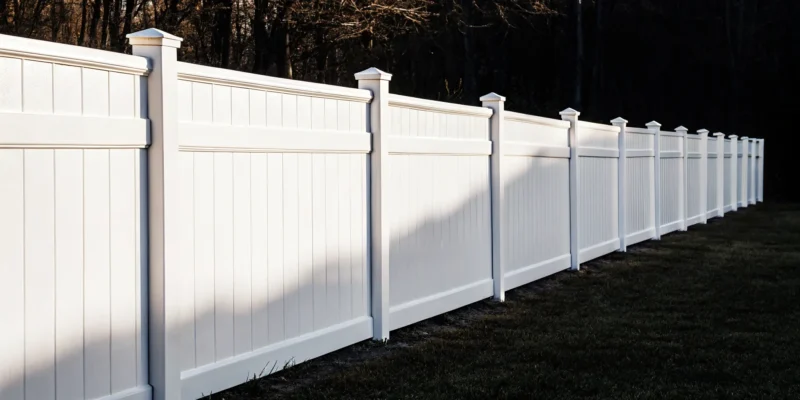
You’re here for a number, and I completely get it. But the truth is, the answer isn’t quite that simple. Asking “how much does 200 linear feet of vinyl fence cost?” is the perfect starting point, but the final price tag depends on choices that directly impact the quality and longevity of your investment. A cheaper fence isn’t always a better deal if it means sacrificing durability. The total cost is a reflection of the material’s thickness, the brand’s reputation, your property’s unique challenges, and the expertise of the installation team. This article will help you understand what goes into a quality fence quote, so you can make an informed decision that balances your budget with the lasting value you deserve.
Key Takeaways
- Understand What Shapes Your Final Price: The cost of a vinyl fence goes beyond a simple per-foot calculation, as the final price is influenced by height, style, material quality, and your property’s specific layout.
- Build an Accurate Budget from the Start: Create a realistic financial plan by getting detailed, itemized quotes that account for professional labor, permits, gates, and any necessary site preparation or old fence removal.
- Recognize the Long-Term Value: A quality vinyl fence is an investment in your property that pays off over time through minimal maintenance, enhanced curb appeal, and increased home value.
What Does 200 Linear Feet of Vinyl Fence Cost?
Budgeting for a new fence is one of the first and most important steps in your project. For many Long Island backyards, 200 linear feet is a pretty standard length, so it’s a great benchmark for estimating costs. As you start your research, you’ll find that prices can vary quite a bit. This is because the final cost depends on more than just the length of the fence.
Factors like the height you choose, the style of the panels, the quality of the vinyl, and whether you need gates all play a significant role in the total price. Think of the initial estimates as a starting point. To help you get a clearer picture, let’s break down the typical price ranges and explain the difference between a simple per-foot cost and the all-in price for your entire project. This will help you understand what to expect when you start gathering quotes for your new vinyl fence.
The Average Price Range
When you look up the cost for 200 linear feet of vinyl fencing, you’ll see a wide spectrum of prices. Some estimates suggest a range between $2,230 and $5,400, while others place the cost higher, from $6,000 to $12,000 for a fully installed fence. Why the big difference? The lower end often reflects basic materials and a straightforward installation, while the higher end accounts for premium materials, taller fences, complex layouts, and professional labor. While the initial investment might seem significant, it’s helpful to remember the long-term cost savings that come with vinyl’s low maintenance needs.
Linear Foot vs. Total Project Cost
It’s also important to understand how contractors price their work. You’ll often see costs broken down per linear foot, which typically ranges from $19 to $60. However, this number can be misleading if it only includes the materials. The total project cost is a more comprehensive figure that includes not just the fence panels and posts but also labor, gates, hardware, and any necessary site preparation. For an average yard, this can bring the total project cost to anywhere from $3,000 to over $9,000. When getting a quote, always ask for a detailed breakdown to ensure you’re comparing apples to apples and there are no hidden fees.
What Factors Affect Your Fence’s Final Cost?
When you start budgeting for a new vinyl fence, it’s easy to think the price is just the cost per foot multiplied by the length you need. While that’s a starting point, the final number on your quote is shaped by several important factors. Think of it like ordering a custom piece of furniture; the size, material, and special features all play a role in the final price. Understanding these variables will help you set a realistic budget and make choices that align with both your wallet and your vision for your property.
From the height of the panels to the style you choose, every decision influences the total investment. Even the unique layout of your Long Island property can affect the installation cost. We’ll break down the six key elements that determine your fence’s final price, so you can feel confident when you start planning your project. Gappsi offers a wide selection of fences and netting to suit any home, and knowing these details will help you find the perfect fit.
Fence Height
The height of your fence is one of the most direct factors influencing its cost. A taller fence requires more vinyl material and often more labor to install securely, which drives up the price per linear foot. A standard 4-foot fence, perfect for defining a garden or keeping small pets contained, is the most affordable option. For privacy, a 6-foot fence is the most popular choice for residential backyards. If you need maximum privacy or security, an 8-foot fence might be the answer, though it often requires special permits and a larger budget. As a general guide, you can expect the price to increase with each foot of height you add.
Fence Style and Design
Beyond its height, the style of your fence plays a huge role in the final cost. A simple, classic picket fence will be on the lower end of the price spectrum, while a solid privacy fence costs more due to the extra material needed. If you want something more decorative, the price will increase further. Styles that include features like lattice tops, custom patterns, or alternating panel sizes require more complex manufacturing and installation. A premium decorative fence with these kinds of embellishments can cost twice as much as a basic picket style. Your choice here is a balance between your desired aesthetic, your privacy needs, and your overall project budget.
Material Quality: Domestic vs. Imported Vinyl
Not all vinyl is created equal, and the source of your material matters. You’ll find both domestically manufactured and imported vinyl options on the market. While imported materials can sometimes be cheaper, they often lack the strict quality control standards of their domestic counterparts. Domestically produced vinyl typically offers a more consistent and durable product, ensuring your fence is stronger and more reliable. Investing in a high-quality material from a trusted supplier means you get a fence that will better withstand Long Island’s seasonal weather, resist fading, and last for decades. This is a key area where choosing a quality product upfront saves you from future headaches.
Your Property’s Layout and Ground Conditions
The unique characteristics of your land can significantly impact labor costs, which can make up a large portion of your total bill. A flat, clear, and level yard is the ideal canvas for a straightforward installation. However, many properties have challenges that require extra work. Sloped terrain, rocky soil, large tree roots, and other obstructions can make digging post holes and setting a level fence line more time-consuming and difficult. A professional installer will need to account for this extra labor, which will be reflected in your quote. An initial site assessment is crucial for identifying these potential issues early.
Custom Colors and Decorative Features
If you want your fence to be a true reflection of your personal style, custom features are the way to go. While classic white is the most common and cost-effective option, vinyl fencing is also available in a range of other colors, like tan, gray, and even black. You can also find textures that mimic the look of real wood. Beyond color, you can add decorative post caps, lattice accents, or other ornamental details to create a unique look. These custom touches add significant curb appeal but will also increase the material cost. They allow you to perfectly coordinate your fence with your home’s exterior and other outdoor living elements.
Location and Local Labor Rates
Where you live is a major, and often overlooked, factor in your fence’s total cost. Labor rates can vary widely from one region to another, and pricing in the Long Island area will naturally differ from costs in other parts of New York or the country. This is due to local costs of living, demand for services, and material availability. While national averages suggest a vinyl fence installation can range from $3,000 to $9,000 for a typical yard, these numbers are just a starting point. The only way to get an accurate picture of what your project will cost is to get a detailed quote from a local, reputable contractor who understands the market.
How Do Vinyl Fence Styles Compare in Cost?
Choosing the right style for your vinyl fence is about more than just looks; it’s one of the biggest factors that will shape your final project cost. The primary reason for the price difference comes down to a simple fact: some styles use significantly more vinyl material than others. A tall, solid privacy fence, for example, requires more raw material to manufacture than an open, airy picket fence of the same length. This difference in material directly impacts the price per linear foot.
Beyond the basic structure, decorative elements can also influence the cost within each style category. Adding a lattice top to a privacy fence or choosing custom-designed post caps for a picket fence will add to the total. When you start exploring your options, you’ll find that each style offers a unique blend of aesthetics, function, and price. Understanding these differences will help you select a fence design that not only complements your home but also aligns with your budget. From complete seclusion to a charming, open feel, there’s a vinyl fence style to match your vision and your wallet.
Privacy Fences
If total seclusion is your goal, a vinyl privacy fence is the perfect solution. These fences feature solid, interlocking panels that create a complete visual barrier, making them ideal for backyards, pool areas, and properties close to neighbors. Typically standing at 6 feet tall, they are excellent for containing pets and creating a safe space for children to play. Because they use the most material, privacy fences are usually the most expensive vinyl option. You can generally expect the cost to fall between a solid privacy fence and a more decorative one with lattice, but the investment provides maximum security and noise reduction for your home.
Picket Fences
The vinyl picket fence offers that timeless, classic look that beautifully defines front yards and garden areas. With evenly spaced vertical boards, this style creates a clear boundary without completely blocking the view, maintaining a friendly and open feel. Picket fences are typically shorter, around 4 feet high, and use far less material than privacy fences, making them a much more budget-friendly choice. They are perfect for enhancing your home’s curb appeal and safely enclosing a space for small pets or children. The simple design keeps costs down, giving you a charming aesthetic that is both practical and affordable.
Semi-Privacy Fences
Can’t decide between total privacy and an open design? A semi-privacy fence offers the perfect compromise. This style is designed with small, strategic gaps between the vertical boards, allowing light and air to filter through while still offering substantial screening. It’s a fantastic option for homeowners who want to feel a sense of seclusion without being completely closed off from their surroundings. A well-designed fence can add significant value and function to your property. Because they use less material than a full privacy fence, semi-privacy styles are a great mid-range option that balances cost, airflow, and seclusion.
Split Rail Fences
For a rustic, pastoral look that defines large property lines, the split rail fence is an excellent and highly economical choice. This style consists of posts with two or three horizontal rails, creating an open and expansive feel. While it won’t keep small pets contained, it’s perfect for marking boundaries on larger Long Island properties or adding a country-style charm to your landscape design. Of all the vinyl fence styles, split rail uses the least amount of material, making it the most affordable option per linear foot. It’s a simple, durable, and cost-effective way to frame your property without obstructing the view.
How Much Does Labor Add to the Total Cost?
When you’re budgeting for a new vinyl fence, it’s easy to focus on the price of the panels and posts. However, the installation itself is a major part of the equation. Labor costs typically account for 40% to 60% of your total project expenses. For homeowners in Long Island, this often translates to an installation cost between $19 and $40 per linear foot. So, for a 200-foot fence, you could be looking at $3,800 to $8,000 just for the installation, depending on the complexity of the job.
While that might seem like a wide range, it reflects the difference between a straightforward job and one with more challenges. This cost covers the team’s expertise, time, and the specialized equipment needed to ensure your fence is secure, straight, and built to last. Investing in professional fences and netting installation means you’re not just paying for labor, you’re paying for the peace of mind that comes with a job done right. A properly installed fence will stand strong against Long Island’s coastal weather for years to come. It’s the difference between a fence that simply stands and one that enhances your property’s security and curb appeal without future headaches. This professional touch ensures every detail, from post depth to panel alignment, is handled correctly, making it a worthwhile investment in your home’s value and your own satisfaction.
What Affects Installation Pricing
Several key factors can influence your final installation price. The height and style of your fence play a big role, as taller fences or more intricate designs require more time and precision to install. The biggest variable, however, is often your property’s terrain. A flat, clear yard is the ideal scenario. If your property is sloped, rocky, or has dense tree roots, the crew will need to do more site preparation and may require specialized equipment to dig post holes correctly. This extra work naturally adds to the labor cost. Choosing an experienced team that understands how to handle these challenges is crucial for avoiding expensive mistakes and ensuring your fence is stable and secure.
DIY vs. Professional Installation: Why Professional Wins
The idea of a DIY fence installation can be tempting, especially when you see the potential savings on labor. If you’re very handy, it might seem manageable. However, installing a fence involves much more than just digging holes. The most common fence installation mistakes, like failing to confirm property lines, setting posts at the wrong depth, or forgetting about proper drainage, can lead to major headaches. A small error can result in sagging panels, wobbly posts, or a fence that fails prematurely. A professional crew has the experience to avoid these pitfalls, ensuring every post is perfectly placed and secure. This guarantees your fence not only looks great but also provides the lasting durability you expect from a quality vinyl product.
Are There Hidden Costs to Consider?
When you’re budgeting for a new vinyl fence, the cost per linear foot is the headline number, but it’s not the full story. To build an accurate budget and prevent any surprises down the line, it’s smart to think about the other elements that contribute to the final cost. I don’t like to call them “hidden” costs, because a transparent contractor will always discuss them with you upfront. It’s better to think of them as project-specific details that ensure your fence is installed correctly and legally.
These additional costs are actually investments in the quality and longevity of your fence. For example, properly preparing uneven ground ensures your fence stands straight for decades, and securing the right permits keeps you on the right side of local regulations. A detailed quote from a professional team will break down every aspect of the job, from materials and labor to these extra considerations. Understanding what they are ahead of time helps you compare quotes effectively and feel confident in your investment. Let’s walk through the most common ones so you know exactly what to look for.
Permits and Long Island Regulations
Before the first post hole is dug, we need to talk about permits. Every town across Nassau and Suffolk County has its own set of rules for fencing, covering everything from how tall your fence can be to how far it must be from your property line. Securing a permit is a required step to make sure your project is fully compliant with local code. The fees for these permits can vary, but it’s a crucial part of the process. This is where working with a seasoned local installer really pays off. A team that knows Long Island’s specific town-by-town requirements can handle the entire permitting process for you, ensuring all the paperwork is correct and your fence is built to code.
Gate Additions and Hardware
A fence needs a gate to be functional, and it’s an item that’s typically priced separately from the fencing panels. The cost for each gate you add to your design includes the gate itself along with all the necessary hardware, like heavy-duty hinges and a secure latching mechanism. The final price will depend on the style and width you need, whether it’s a simple 4-foot walkway gate or a wider double gate for driveway access. We can help you plan the perfect placement and style for your fences and netting to ensure you have convenient access while maintaining a beautiful, cohesive look across your property.
Removing Your Old Fence
If you’re upgrading from an old fence, the existing structure needs to be taken down and hauled away before the new one can go up. This is a step that many homeowners forget to factor into their initial budget. The process involves the labor to carefully dismantle the old fence, whether it’s made of rotted wood, rusted chain-link, or another material, plus the cost of properly disposing of the debris. While it might seem like a simple task, it can be surprisingly time-consuming. Adding fence removal to your professional installation plan saves you a lot of time and hard work, leaving you with a clean slate for your beautiful new fence.
Ground Prep and Post Installation
The unique layout of your yard plays a significant role in the installation process. A perfectly flat, clear lawn is the dream scenario, but most properties have their own character, including slopes, large tree roots, or rocky soil. These conditions may require extra site preparation to ensure the fence line is graded correctly and free of obstructions. This work is absolutely vital, as the long-term stability of your fence depends entirely on how securely each post is set in the ground. Proper ground prep ensures your fence will stand straight and strong for years, making it a critical part of your investment in your overall landscape design.
What Should You Look for in a Vinyl Fence Brand?
When you start shopping for a vinyl fence, you’ll quickly realize that not all brands are the same. While it’s tempting to go with the lowest price, the brand you choose has a huge impact on how your fence looks, performs, and lasts over the years. A high-quality brand invests in better materials and manufacturing processes, giving you a fence that can handle Long Island’s weather, from humid summers to icy winters, without warping, fading, or cracking. Think of it as an investment in your home’s future curb appeal and security.
Choosing the right brand means looking beyond the price tag and focusing on the details that signal quality and durability. Key factors like the thickness of the vinyl, the type of UV protection used, and the manufacturer’s warranty are what separate a great fence from one you’ll regret in a few years. A reputable brand will also offer a wider range of styles and customization options, so you can find a fence that perfectly complements your home and landscape design. At Gappsi, we partner with top-tier manufacturers to ensure every fence installation we complete meets our high standards for quality and longevity, giving you peace of mind from day one.
Wall Thickness and UV Protection
When you’re comparing vinyl fence brands, two of the most important technical specs to check are wall thickness and UV protection. A thicker vinyl wall means a stronger, more durable fence panel that is less likely to sag or sustain damage from storms or impacts. While a thinner, cheaper panel might save you money upfront, it often leads to more expensive repairs down the road. It’s worth asking for the product specifications to ensure you’re getting a substantial product.
Equally important are the UV inhibitors mixed into the vinyl. These additives protect the fence from the sun’s harsh rays, preventing that chalky, yellowed look you sometimes see on older, lower-quality fences. A good brand uses a high concentration of titanium dioxide, which acts as a powerful sunblock for your fence, keeping its color true and its structure strong for decades.
Warranty and Manufacturer Support
A strong warranty is a clear sign that a manufacturer stands behind its product. Before you commit, look closely at the warranty details. Does it cover fading and discoloration in addition to defects? Is it transferable to a new homeowner if you sell your house? Reputable brands, particularly those that manufacture their products domestically, typically offer comprehensive, long-term warranties because they have confidence in their quality control.
This is also where manufacturer support comes in. If you ever have an issue, you want to know that help is available. Domestically manufactured PVC often comes with more reliable support and greater product consistency compared to some imported materials. Working with an installer who uses trusted brands ensures you have a reliable point of contact and access to quality materials from the Gappsi Store.
Design and Customization Options
Your fence is a major part of your home’s curb appeal, so its design should reflect your personal style. The best vinyl fence brands offer a wide array of design and customization options to match your aesthetic. Whether you’re looking for the classic charm of a picket fence, the complete seclusion of a privacy fence, or something in between, a quality brand will have a style that fits your needs.
Beyond the basic styles, look for brands that offer decorative details like lattice patterns, varied post cap designs, and a selection of colors. These features allow you to create a truly custom look that integrates beautifully with your home’s architecture and your overall landscape design. A fence shouldn’t just be a barrier; it should be a beautiful extension of your home.
Is Vinyl Fencing a Good Investment?
When you’re planning a major home improvement project, thinking about it as an investment is smart. You want to know that your money is going toward something that not only looks great but also adds lasting value to your property. Vinyl fencing is a perfect example of this. While you might focus on the initial price, the true value of a vinyl fence reveals itself over time through its durability, minimal maintenance, and positive effect on your home’s curb appeal.
Unlike other materials that require constant attention, vinyl stands up to Long Island weather without needing to be painted, stained, or sealed. This means you get to spend your weekends enjoying your yard, not working on it. A high-quality vinyl fence provides privacy and security, creating a safe space for your family and pets. It’s a modern, clean-looking choice that complements any home style, from classic to contemporary. When you weigh the upfront cost against the long-term savings and the increase in property value, it becomes clear that vinyl fencing is one of the most sensible investments you can make for your home’s exterior.
Vinyl vs. Wood vs. Aluminum: A Cost Breakdown
When you start comparing fencing materials, you’ll see that vinyl holds a competitive spot. Wood fencing often has a lower initial price, but it comes with a lifetime of maintenance costs for staining and repairs. Aluminum is typically more expensive upfront but shares vinyl’s low-maintenance benefits. Vinyl fencing strikes a great balance. The total project costs for a professionally installed vinyl fence position it as a mid-range option with premium advantages. When you consider that a vinyl fence can last for decades with very little upkeep, its lifetime cost is often lower than that of a wood fence that needs regular care.
Long-Term Maintenance Savings
One of the most compelling reasons to choose vinyl is the freedom from maintenance. Wood fences need to be stained or painted every few years to protect them from moisture, rot, and insects. This ongoing work costs you both time and money. In contrast, vinyl fencing is manufactured to withstand the elements. It won’t warp, rot, or get damaged by pests. The only upkeep it typically needs is a simple wash with soap and water to keep it looking fresh. These long-term cost savings are significant, allowing you to avoid the recurring expenses associated with other materials and making vinyl a financially sound choice for the future.
How a Vinyl Fence Impacts Home Value
A new fence does more than just mark your property line; it can genuinely increase your home’s value. A crisp, white vinyl fence adds instant curb appeal and gives your home a polished, well-maintained appearance that buyers love. It also provides a strong sense of privacy and security, which is a huge selling point for families with children or pets. A sturdy vinyl fence creates a safe and enclosed backyard environment. By choosing a modern and durable solution like vinyl, you not only improve your daily life but also enhance your property’s market value for years to come.
How to Create an Accurate Budget for Your Fence
Creating a realistic budget is the first step toward bringing your new fence to life. While it might seem like you’re just guessing at numbers, a little bit of prep work can give you a surprisingly accurate financial picture. It all comes down to three key actions: measuring your property correctly, gathering detailed quotes, and knowing what to look for in a professional installer.
Measure Your Property the Right Way
Before you can get a reliable quote, you need to know exactly how much fencing you need. Accurate measurements are critical because even a single off-set post can throw off your entire fence line, leading to wasted time and materials. You don’t want to buy too little or too much material. Grab a long tape measure and walk the perimeter where you plan to install the fence, marking the corners and any gate locations. Be sure to also note any significant slopes or obstacles like trees, as these can affect installation costs. Having these precise details will help your fencing contractor provide a much more accurate initial estimate.
Get Multiple Detailed Quotes
Once you have your measurements, it’s time to start talking to professionals. A good rule of thumb is to get at least three different quotes to compare prices and services. However, don’t just look at the final number. A trustworthy quote should be a written estimate that clearly breaks down the costs for both labor and materials. It should explain exactly what is included in the price, what assumptions the contractor is making about your property, and what potential issues could change the final cost. This level of transparency is a sign of a professional company and protects you from surprise charges later on, ensuring everyone is on the same page before work begins.
What to Look for in a Fencing Contractor
The contractor you choose will have the biggest impact on the quality and longevity of your fence. Look for a local, established company with a strong portfolio of completed projects in your area. An experienced installer will understand Long Island’s specific building codes and soil conditions. Ask for proof of license and insurance to protect yourself and your property. A great contractor is happy to answer your questions and provide a detailed plan. You can often get a feel for a company’s craftsmanship by looking at their past work, so check out their project galleries or YouTube channel to see their installations for yourself. This gives you concrete information about the quality you can expect.
Ready to Plan Your Long Island Vinyl Fence?
Now that you have a clearer picture of the costs, you can begin planning your project. While the initial price is a key factor, the true value of vinyl fencing comes from its impressive durability and low maintenance. It is a smart, cost-effective choice for your Long Island property because it frees you from the endless cycle of staining, painting, and repairing that often comes with other materials. You get a beautiful fence that stays that way for years, without the extra work.
Bringing your vision to life involves more than just picking a style. It requires careful planning, from accurately measuring your property to understanding local permit requirements. Professional installation is essential, as skilled labor costs reflect the expertise needed for a flawless result. An experienced team handles all the complexities, like preparing difficult ground conditions and ensuring every post is set perfectly for a fence that lasts.
At Gappsi, we specialize in creating beautiful and functional fences and netting solutions that complement your home’s unique character. Our team guides you through every step, helping you select the right materials, design, and features to match your aesthetic and budget. We manage the entire process, from initial design to final installation, so you can relax and look forward to your new outdoor space. If you’re ready to take the next step, let’s talk. We can provide a detailed quote that turns your ideas into a concrete plan.
Related Articles
- Aluminum Composite Vinyl and Wood Fencing on Long Island NY – Gappsi Group
- SLEEKFENCE™ Aluminum Fence vs Composite, Vinyl, Wood, Iron, and Chain Link Fences – Gappsi Group
- Aluminum & Composite Fencing Solutions on Long Island | Gappsi Inc
- Aluminum vs. Vinyl Fence Archives – Gappsi Group
- Fencing Archives – Gappsi Group
Frequently Asked Questions
Why do quotes for the same 200-foot fence vary so much? The price for 200 feet of fencing can differ quite a bit because the final cost depends on much more than just the length. Key factors include the height you choose, the style of the fence, and the quality of the vinyl. A 6-foot privacy fence, for example, uses more material and is more expensive than a 4-foot picket fence. Additionally, labor costs can change if your property is sloped or has rocky soil, as this requires more work to install the posts correctly.
Can I save money by installing the fence myself? While a DIY installation can seem like a great way to cut costs, it comes with significant risks. Installing a fence correctly requires precision, from setting posts at the proper depth to ensuring the panels are perfectly level. Small mistakes can lead to a wobbly or sagging fence that fails prematurely. Hiring a professional ensures the job is done right the first time, saving you from future headaches and repair costs, which makes it a worthwhile investment in the fence’s longevity.
What other costs should I budget for besides the fence panels and labor? It’s smart to plan for a few other items that are part of a complete fence project. You will need to account for the cost of any gates and their hardware, which are priced separately from the fence panels. You should also factor in the fee for your town’s building permit, which is required for compliance. If you have an old fence, the cost to remove and dispose of it will also be part of your total budget.
Is it worth paying more for a premium vinyl brand? Yes, investing in a high-quality brand makes a big difference in the long run. Premium vinyl is typically thicker and includes better UV inhibitors, which means it’s stronger and far more resistant to fading or turning yellow from sun exposure. A cheaper, lower-quality fence might save you money initially, but it is more likely to become brittle or discolored over time. A better brand ensures your fence stays beautiful and durable for decades.
How much does the style of the fence affect the price? The style you choose is one of the biggest factors in your final cost, mainly because of the amount of material used. A solid privacy fence requires the most vinyl, making it the most expensive option. A semi-privacy fence uses less material, placing it in the mid-range. Picket fences and split rail fences use the least amount of material, which makes them the most budget-friendly choices. Decorative elements, like a lattice top, will also add to the cost of any style.