


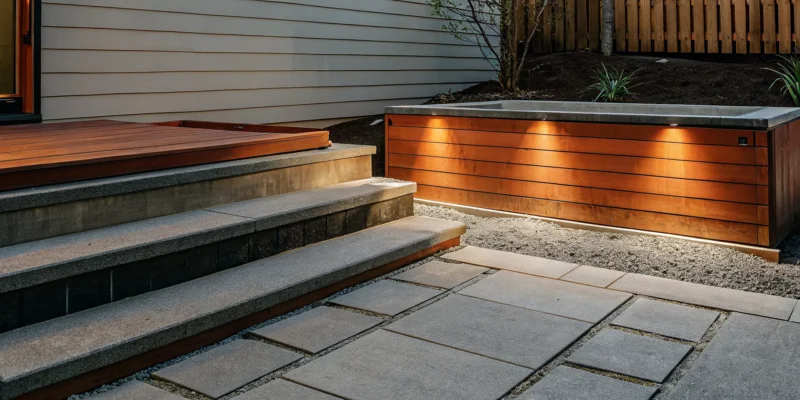
Your swim spa shouldn’t look like an afterthought dropped into your backyard. It should feel like a seamless, integrated part of your outdoor living space. This is where the swim spa pad becomes more than just a functional necessity; it becomes a design opportunity. While a simple concrete slab gets the job done, you can also use beautiful materials like natural stone or elegant porcelain pavers to create a foundation that enhances your entire patio and landscape. This guide explores how to choose a swim spa pad that not only provides the critical support your spa needs but also elevates the look and feel of your property for a truly luxurious finish.
Key Takeaways
- Your Foundation is Non-Negotiable: A swim spa needs a perfectly level, stable pad to support its massive weight. Using unprepared ground can lead to costly damage to the spa’s structure, so proper site preparation is the most critical part of the installation.
- Choose the Right Pad Material: Your pad can be made from concrete, gravel, or decorative pavers, each with different costs and benefits. Concrete is a durable workhorse, while pavers and stone offer a beautiful, integrated look, so weigh the pros and cons to find the best fit for your budget.
- Plan for Access, Permits, and Drainage: A successful project requires planning for the details. This includes building a pad larger than the spa, checking local Long Island permit requirements, planning for water runoff, and leaving enough clearance for future maintenance.
What Is a Swim Spa Pad?
Think of a swim spa pad as the essential foundation for your new backyard oasis. It’s a perfectly level, stable surface specifically engineered to support your swim spa. You can’t just place a spa on your lawn or an old patio. It needs a dedicated base to ensure it functions correctly and lasts for years. Without a proper pad, your spa could shift, crack, or even damage its internal components, leading to costly repairs.
Creating this foundation is a key part of any swim spa installation. Whether it’s a reinforced concrete slab, a bed of compacted gravel, or a system of interlocking pavers, the goal is the same: to provide unwavering support. The right pad distributes the spa’s immense weight evenly, preventing it from settling or becoming unlevel over time. It’s the unsung hero that protects your investment from the ground up.
Why a Solid Foundation Is Crucial
A solid foundation is non-negotiable because your swim spa needs to support a massive amount of weight on a completely level surface. Even a slight tilt can put stress on the spa’s shell and cause problems with water circulation and drainage. According to experts at Master Spas, the best practice is to use a reinforced concrete pad that is at least four inches thick. Proper site preparation is the first step to a successful installation, as it helps you spot and solve potential issues before they become major headaches. This is where professional expertise in services like masonry becomes invaluable, ensuring the base is built to last.
How Much Weight Does Your Swim Spa Pad Need to Hold?
To understand why the foundation is so important, let’s talk numbers. A typical swim spa can weigh upwards of 3,000 pounds once it’s filled with water and people. All of that weight is concentrated in a relatively small area. Most swim spas are about eight feet wide, with lengths ranging from 11 to 21 feet. Your pad must be strong enough to hold the equivalent of a small car without shifting, cracking, or sinking. This is why a simple patch of grass or a standard patio won’t work. The pad needs to be specifically designed and constructed to handle this significant load safely for decades.
Exploring Types of Swim Spa Pads
Choosing the right foundation for your swim spa is just as important as choosing the spa itself. This base, or pad, needs to support thousands of pounds of water and equipment while staying perfectly level for years. The best option for your Long Island home depends on your budget, your backyard’s conditions, and the look you want to achieve. Let’s walk through the most common types of swim spa pads so you can make a confident choice for your new backyard oasis.
Concrete Pads
A reinforced concrete pad is the gold standard for swim spa foundations. It’s incredibly strong, stable, and durable, making it a worry-free, long-term solution. For a swim spa, the pad should be at least four inches thick and reinforced with steel rebar to prevent cracking under the immense weight. While it’s one of the most reliable options, it’s also a permanent one. A professionally poured concrete pad ensures a perfectly level surface that will support your investment for decades. Our expert masonry team can prepare the site and pour a foundation that meets the exact specifications for your swim spa, giving you total peace of mind.
Gravel Pads
A compacted gravel base is a popular and cost-effective alternative to concrete. This type of pad is typically built by creating a level frame, often with timber, and filling it with layers of crushed stone that are then compacted to create a solid, stable surface. The key to a successful gravel pad is ensuring it’s perfectly level and provides excellent drainage, which is a natural benefit of using stone. While it can be a DIY project, professional installation guarantees the proper depth and compaction needed to support a heavy swim spa. This option offers a more natural look and can be a great choice for many backyards.
EZ Pads (Modular Plastic Pads)
Modular pads, like the popular EZ Pad, are another option for your swim spa foundation. These pads consist of interlocking, heavy-duty plastic pieces that you can snap together to create a base of the right size. They are lightweight, easy to transport, and can often be installed in less than an hour on an already level patch of ground. This makes them a fast and convenient choice, especially if you need a less permanent solution. However, it’s critical that the ground underneath is perfectly prepared, level, and compacted, as the plastic pad will conform to any imperfections below it, which could cause issues for your spa over time.
Pavers and Natural Stone
For a truly integrated and high-end look, a base made from pavers or natural stone is an excellent choice. This option allows your swim spa foundation to become a beautiful part of your patio or landscape design. When professionally installed over a properly compacted base, pavers create a strong and stable surface that can easily support the weight of a swim spa. You can choose from a wide variety of porcelain and natural stone options to match your home’s aesthetic, turning a simple foundation into a stunning design feature. This approach seamlessly blends your spa into its surroundings for a cohesive and luxurious feel.
Comparing Pad Types: Cost, Durability, and Installation
Choosing the right foundation for your swim spa involves balancing your budget, long-term expectations, and installation timeline. Each pad type comes with its own set of trade-offs, so understanding them upfront will help you make a confident decision for your Long Island home. Let’s break down what you can expect from each option when it comes to cost, durability, and the work involved to get it ready for your spa.
A Look at the Costs
When budgeting for your swim spa pad, it’s important to look at the total project cost, not just the price of materials. For example, modular plastic pads might seem affordable at first glance, with some brands costing around $400. However, homeowners have reported spending over $700 once they factor in site preparation and other necessities.
On the other hand, a professionally installed concrete or paver pad has a more inclusive upfront cost. While the initial quote may be higher, it typically covers the excavation, materials, and labor needed for a permanent, reliable foundation. A custom masonry base ensures you have a solid, level surface built to last, preventing costly issues down the road.
Durability and Longevity of Each Pad Type
Your swim spa is a heavy, long-term investment, and its foundation needs to be just as durable. A reinforced concrete slab is a classic choice known for its strength and ability to withstand thousands of pounds for decades. Similarly, high-quality pavers offer exceptional durability with the added benefit of aesthetic appeal. You can create a beautiful, integrated patio space using porcelain and natural stone that complements your landscape design.
Modular pads can be durable, but their longevity is entirely dependent on the ground beneath them. If the base isn’t perfectly compacted and level, the pads can shift or warp over time, potentially damaging your spa. No matter which option you choose, using quality materials and ensuring proper site work is the key to a foundation that lasts as long as your swim spa.
Installation Complexity and Timelines
The installation process varies significantly between pad types. A concrete pad is the most time-intensive option, as it requires excavation, framing, pouring, and several days (or even weeks) for the concrete to cure fully before you can place the spa on it. Modular pads are often marketed as a quick DIY solution, but achieving a perfectly level and compacted base can be a surprisingly complex and frustrating task for many homeowners.
A professionally installed paver or stone base offers a great balance. The installation is handled by experts who prepare the site, create a stable sub-base, and lay the pavers precisely. While it requires professional help, the pad is often ready to use much faster than concrete. A proper swim spa installation from start to finish removes the guesswork and ensures your foundation is flawless from day one.
How to Choose the Best Base for Your Swim Spa
Selecting the right foundation for your swim spa is one of the most important decisions you’ll make. The best base isn’t just about what looks good; it’s about creating a safe, stable, and long-lasting home for your investment. A solid foundation prevents shifting, cracking, and costly damage to both the spa and your property. To make the right choice, you need to look at your yard’s specific conditions, account for our local climate, and make sure you get the dimensions just right. Let’s walk through the key factors to help you build a perfect foundation from the ground up.
Assess Your Drainage and Ground Conditions
Before any materials are brought in, take a close look at your chosen spot. Proper site preparation is essential for a stable swim spa pad. Where will water go when it rains or splashes out of the spa? A good foundation plan includes effective drainage to guide water away from the base, preventing erosion and pooling that can compromise its integrity. The ground itself must be firm and level. Soft soil or uncompacted dirt will settle under the immense weight of a filled swim spa, leading to a tilted, unstable pad. A professional landscape design assessment can identify potential grading or soil issues early on, ensuring your project starts on solid ground.
Consider Long Island’s Climate and Freeze-Thaw Cycles
Here on Long Island, we know our weather can be tough. The constant cycle of freezing and thawing during the winter months can wreak havoc on improperly installed surfaces. When water seeps into tiny cracks, freezes, and expands, it can cause concrete to crumble and pavers to shift. To avoid this, your foundation must be built to withstand these temperature swings. For example, a concrete pad should be at least four inches thick and properly reinforced to handle the pressure. Using durable materials installed with expert masonry techniques ensures your swim spa base remains stable and secure year after year, no matter what the winter brings.
Determine the Right Pad Size
Your swim spa pad needs to be larger than the spa itself. A common mistake is creating a base that exactly matches the spa’s footprint, leaving no room for error or access. As a general rule, the pad should extend at least six inches to a foot beyond the spa’s dimensions on all sides. This provides a stable, level surface for the spa to rest on and gives you a clean, solid area to walk on when getting in and out. Before finalizing the size, consider your spa’s specific requirements, including the location of access panels for maintenance, and any accessories like steps or cover lifters that will need space on the pad.
Common Swim Spa Pad Mistakes to Avoid
Installing a swim spa is an exciting upgrade for your home, but a few common missteps with the foundation can cause major headaches down the road. The good news is that these mistakes are entirely preventable with a little planning and professional guidance. A solid pad is the key to protecting your investment and ensuring you can enjoy your spa for years to come. By understanding what not to do, you can make sure your project starts on the right foot.
From preparing the ground correctly to thinking about future maintenance, every detail matters. Let’s walk through the most frequent errors homeowners make so you can sidestep them completely. Taking the time to get your swim spa pad right from the beginning will save you a lot of hassle and expense in the long run.
Skipping Proper Site Preparation
One of the most critical errors is failing to properly prepare the site before installing the pad. It’s tempting to rush this step, but placing a pad on uncompacted or poorly graded soil is a recipe for trouble. Over time, the ground can shift and settle, causing your pad to become unstable, crack, or tilt. This not only looks bad but can also put uneven stress on your swim spa’s shell, potentially leading to damage.
Proper site preparation involves clearing the area of all vegetation, roots, and large rocks. The ground must then be excavated to the correct depth and graded for drainage before adding and compacting a base layer of gravel. This creates a stable foundation that won’t sink or move. A professional masonry contractor understands how to create a solid base that will support the immense weight of a swim spa for decades.
Ignoring Drainage and Water Runoff
Water is a swim spa’s best friend, but it can be your foundation’s worst enemy if not managed correctly. Overlooking drainage is a frequent mistake that can lead to serious issues. When rainwater or spa overflow has nowhere to go, it can pool around and under the pad. This can cause soil erosion, wash away the base material, and compromise the entire foundation. In Long Island’s climate, trapped water can also freeze and expand in the winter, causing the pad to heave and crack.
A well-designed site plan always includes a strategy for water runoff. This usually means grading the surrounding land to direct water away from the spa area. In some cases, installing a French drain or other drainage solutions might be necessary. Proper landscape design ensures your swim spa pad stays dry, stable, and secure through every season.
Placing Your Spa on Uneven or Soft Ground
Never place a swim spa directly on grass, soil, or any other soft surface. It also should never be placed on an uneven base. A swim spa filled with water and people can weigh tens of thousands of pounds, and it needs a perfectly level, solid surface to distribute that weight evenly. Trying to level a spa with shims or blocks is not a safe or sustainable solution. An unlevel spa puts enormous strain on the frame and acrylic shell, which can lead to cracks and leaks that may void your warranty.
Before your swim spa is delivered, the pad must be checked with a level to ensure it’s completely flat. Whether you choose concrete, pavers, or a gravel base, the final surface must be uniform and structurally sound. This non-negotiable step protects the spa itself and ensures safe, enjoyable use for your family.
Forgetting to Leave Enough Clearance
A swim spa pad that is the exact size of the spa itself is a pad that is too small. It’s a common oversight to forget about the space needed around the spa for access, maintenance, and safety. You need enough room to comfortably walk around the unit, operate the cover and cover lifter, and allow service technicians to access the equipment panels. Without adequate clearance, simple repairs can become a major, costly project.
As a general rule, you should leave at least three feet of clear, usable space on all sides of the swim spa. This ensures you have easy access for cleaning and service. When planning your backyard layout, think about the entire area, not just the spa’s footprint. Factoring in this extra space during the design phase will make your life much easier and help you get the most out of your new backyard feature.
Do You Need a Permit for a Swim Spa Pad on Long Island?
Figuring out permits can feel like a chore, but it’s a critical step for your swim spa project. On Long Island, the rules can differ quite a bit between towns, so you’ll need to check your local requirements. Getting this right from the start saves you from potential headaches and ensures your project goes smoothly. It’s not just about following rules; it’s about making sure your beautiful new swim spa is installed safely and correctly.
Review Local Building Codes in Nassau and Suffolk County
In Suffolk County, for instance, swim spas are often considered public bathing facilities and require an operating permit to ensure they meet health and safety standards. You can learn more about the specific Pool and Bathing Permits on the county’s website. In Nassau County, the regulations are just as important, and your local village or town building department will have the final say. It’s always best to call them directly to confirm what’s needed for your installation, as local zoning rules can also affect placement and safety features.
Meet Weight-Bearing and Safety Requirements
Permits aren’t just about paperwork; they’re about ensuring your swim spa is safe for years to come. A filled swim spa is incredibly heavy, and the pad underneath must be engineered to support that weight without shifting or cracking. Local building codes dictate the specific construction methods and materials needed for a stable foundation. This ensures your investment is protected and your family is safe. If your dream backyard includes a beautiful structure to house your spa, like one of Gappsi’s custom pavilions or pergolas, those additions will also require their own permits. Working with an experienced team ensures every part of your project, from the foundation up, is compliant and built to last.
Can You Upgrade Your Pad with Pavers or Stone?
If you’re wondering whether you can place your swim spa on something more attractive than a plain concrete slab, the answer is a definite yes. Upgrading your swim spa pad with pavers or natural stone is an excellent way to transform a purely functional base into a beautiful design element. This approach integrates your swim spa into your backyard, making it feel like a cohesive part of your outdoor living space rather than just an add-on.
The key to a successful paver or stone pad is what lies beneath. A solid foundation is non-negotiable. To prevent the surface from shifting or settling under the immense weight of a filled swim spa, the pavers must be installed over a properly compacted base of gravel and sand. This expert preparation ensures your spa remains stable and level for years to come. When done correctly, a decorative stone base provides a durable, reliable, and visually stunning foundation. Our masonry experts specialize in creating these custom pads, ensuring they are as strong as they are beautiful.
Explore Porcelain and Natural Stone Options
When you decide to upgrade your swim spa pad, you open up a world of design possibilities with materials like porcelain and natural stone. These options offer far more character and style than simple concrete. Gappsi provides a wide selection of porcelain and natural stone pavers that are perfect for this application. Porcelain is incredibly durable, resistant to stains and frost, and comes in countless styles that can mimic wood, stone, or modern concrete. Natural stone, like travertine or bluestone, offers timeless elegance and a unique look, as no two stones are exactly alike. These materials allow you to perfectly match your swim spa base to your existing patio, walkways, or pool deck, creating a seamless and high-end finish.
The Aesthetic and Functional Benefits of Upgrading
Choosing pavers or stone for your swim spa pad offers significant advantages beyond just looking good. Aesthetically, it creates a polished, resort-like feel in your own backyard. Functionally, these materials are built to last. High-quality pavers are designed to handle heavy loads, providing more than enough support for a swim spa. Unlike a large concrete slab that can crack over time, a paver pad is easier to repair; if a paver is damaged, you can simply replace it. This type of installation also promotes better drainage, as water can seep through the joints and into the gravel base below, preventing pooling around your spa. This thoughtful approach is a core part of our landscape design philosophy, where beauty and function work together.
How to Maintain Your Swim Spa Pad
Once your swim spa is installed, a little routine maintenance on the pad will protect your investment for years to come. The goal is to keep the foundation stable, secure, and looking great. The specific steps will vary slightly depending on whether you have a concrete, gravel, or paver base, but the core principles are the same. Regular checks can help you spot small issues before they turn into costly repairs, ensuring your backyard oasis remains a source of relaxation, not stress.
Keep Your Pad Level
A level pad is non-negotiable for the health of your swim spa. An uneven surface puts uneven pressure on the spa’s shell, which can lead to cracks and damage over time. After the initial installation, it’s a good idea to periodically check that everything is still perfectly flat, especially after Long Island’s winter freeze-thaw cycles. You can use a long carpenter’s level to check the surface of the pad itself. If you notice any sinking or shifting, it’s important to address it right away. For concrete, this might mean a professional repair, while for pavers or gravel, it could involve adding and re-compacting material. Addressing these issues promptly is key to ensuring your spa’s longevity and performance.
Maintain Drainage and Prevent Cracks
Proper drainage is essential for the stability of your swim spa pad. Water should always flow away from the base, never pool around or underneath it. Keep the surrounding area clear of leaves and debris that could block drainage paths. For concrete pads, regularly inspect for small cracks. Sealing them early on prevents water from seeping in, freezing, and making the cracks larger. For paver and stone pads, this means keeping the joints filled with sand to prevent shifting. Gappsi’s restoration and sealing services can help protect your pad from the elements and keep it in top condition.
Care for the Surrounding Area
Maintaining the area around your swim spa is just as important as maintaining the pad itself. It’s recommended to keep at least three feet of clear, accessible space on all sides of the spa. This clearance is crucial for a few reasons: it provides safe entry and exit, gives you a place to set the cover, and ensures a technician can easily access the spa’s internal components for service. Keep this zone free of clutter, trim back any encroaching plants, and ensure the ground is stable and not prone to turning into mud. This simple step makes using and servicing your swim spa much easier and safer.
Get Professional Swim Spa Pad Installation on Long Island
Once you’ve chosen your swim spa, the next step is getting it into your backyard. This part can be more complex than most people realize. A swim spa is a massive, heavy vessel, and getting it from the delivery truck to its final spot requires careful planning. You’ll need to measure every pathway and gate, and sometimes, a crane is necessary if access is tight. Handling these logistics is one of the biggest reasons to work with a professional team. An experienced installer manages the entire process, ensuring your spa arrives safely without any damage to your property or the unit itself.
The foundation itself is the most critical piece of the puzzle. Your swim spa needs an incredibly solid, perfectly level surface that can support thousands of pounds of water and people for years to come. A small error in leveling or an improperly prepared base can lead to structural stress on the spa, potentially voiding your warranty and causing serious damage over time. Our Gappsi team specializes in building durable foundations, from reinforced concrete pads to custom paver bases. We have the masonry expertise to construct a pad that meets the exact specifications for your swim spa, giving you total peace of mind.
Choosing a professional installer like Gappsi means you get a comprehensive solution. We don’t just pour a concrete slab; we handle the complete site preparation, including excavation, grading, and ensuring proper drainage to protect your investment. We see the project through from start to finish, integrating the pad seamlessly into your backyard design. By trusting experts with your swimming pools and spa installations, you’re not just buying a product, you’re investing in a safe, beautiful, and long-lasting addition to your home. It’s the best way to make sure your new backyard oasis starts on a solid footing.
Related Articles
- Landscaping Ideas, Patios & Pools for NY Backyards | Gappsi Inc
- Ideal Pool & Backyard Design Solutions in Long Island | Gappsi Inc
- Pool & Backyard Design Experts in Long Island | Gappsi Inc
- Limestone Patios, Pools & Pergolas in Long Island | Gappsi Inc
- Limestone Patios & Automated Pergolas in Long Island | Gappsi Inc
Frequently Asked Questions
Can I just put my swim spa on my existing patio? While it might seem convenient, most existing patios are not built to handle the immense, concentrated weight of a filled swim spa. A standard patio often lacks the reinforced foundation and perfectly level surface required to support thousands of pounds safely. Placing a spa on an inadequate base can cause the patio to crack and the spa to shift, potentially damaging its shell and voiding the warranty. It’s always best to have a dedicated pad built specifically for your spa.
How much bigger than the swim spa should the pad be? A good rule of thumb is to make the pad at least one foot larger than the spa on all sides. This extra space is more important than you might think. It provides a stable, clean area for you to walk on when getting in and out, gives you room for steps and cover lifters, and most importantly, ensures service technicians have enough clearance to access the spa’s maintenance panels. Planning for this extra room from the start will save you a lot of hassle later.
Which type of pad is the most durable for Long Island’s weather? For our local climate with its tough freeze-thaw cycles, the most durable options are a reinforced concrete pad or a professionally installed paver pad. A concrete pad, when poured to the right thickness and reinforced with steel, offers incredible strength. Likewise, a paver pad built on a properly compacted base is designed to be flexible and strong, allowing it to withstand ground movement without cracking. Both options, when installed correctly, will provide a stable foundation for decades.
Can I save money by building the pad myself? While a DIY project can be tempting, the foundation is the one area where you don’t want to cut corners. The pad must be perfectly level and built on a properly compacted base to support the spa’s weight evenly. Any imperfections can lead to serious, costly damage to the spa itself. Investing in a professional installation ensures the job is done right from the start, protecting your much larger investment in the swim spa.
How long after the pad is installed can my swim spa be delivered? The timeline depends entirely on the type of pad you choose. If you opt for a concrete pad, you will need to wait for it to cure completely, which can take anywhere from several days to a few weeks depending on the weather. However, if you choose a gravel or paver pad, your swim spa can often be delivered and installed as soon as the pad construction is finished, allowing you to enjoy your new oasis much sooner.