


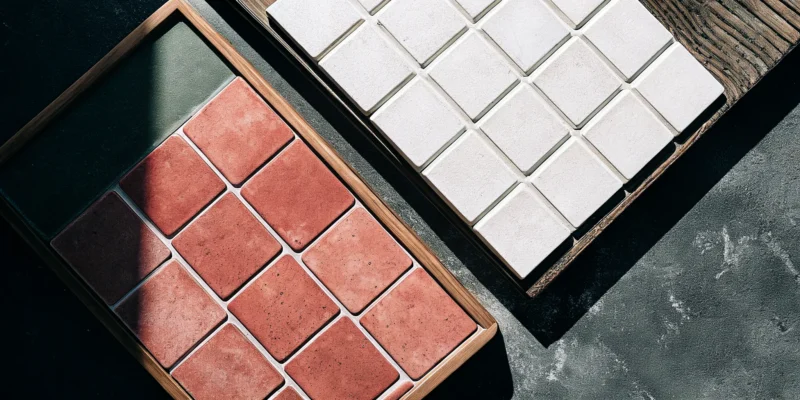
Your walls can do more than just hold up the roof; they can tell a story. For years, design has favored perfectly smooth surfaces, but many homeowners now crave more personality and warmth. This is where the timeless appeal of an old building wall texture comes in. Think of the rugged face of exposed brick or the gentle waves of hand-applied plaster. These elements add a layer of history and character that makes a space feel grounded and authentic. This guide will show you how to incorporate these beautiful, classic textures into your own home for a look that feels both curated and deeply personal.
Key Takeaways
- Add personality with texture: Instead of relying only on paint, use textures like stone or brick to give your walls a sense of history and warmth, making your home feel unique and full of character.
- Use texture selectively: Avoid overwhelming a room by applying texture to a single accent wall. This creates a beautiful focal point and adds visual interest without making the space feel small or dated.
- Choose quality materials and professional help: Opt for authentic materials like natural stone or high-quality porcelain for a durable, sophisticated finish. Partnering with a professional ensures the texture is applied correctly and fits perfectly with your home’s style.
What is Old Building Wall Texture?
When we talk about old building wall texture, we’re really talking about the character you see on the surfaces of historic structures. Think of the rugged face of an old brick building, the gentle waves in hand-applied plaster, or the solid, earthy feel of a stone wall. These textures are defined by their unique patterns and beautiful imperfections, all of which tell a story of the building’s past. It’s this sense of history that adds so much depth and personality to a space, making it feel layered and interesting.
Unlike a perfectly smooth, modern wall, a textured surface has a tangible quality that invites you to touch it. It reflects the craftsmanship of the era it came from and shows how materials age gracefully over time. The surface quality of these materials can transform a simple room into a space with soul, making it feel grounded and authentic. This approach moves beyond just color, introducing a tactile dimension that affects how a room feels. Whether it’s inside your home or part of your outdoor living area, incorporating these textures is a way to connect with timeless design principles and create a look that feels both classic and deeply personal. It’s about creating an environment that feels lived-in and curated, not just constructed.
The Story Behind Aged Walls
The textures we admire in old buildings weren’t originally created just for looks; they were born from function. For centuries, materials like brick were chosen for their strength and durability, giving builders a way to create sturdy structures. The beautiful patterns we see in historic masonry were often a byproduct of practical construction techniques. Similarly, plaster was applied over timber or stone to protect buildings from rain and wind. These materials served a vital purpose, and their aesthetic appeal was a happy accident that has stood the test of time. Today, we can appreciate both the history and the visual appeal of these functional choices.
Why This Look Endures
After years of minimalist design favoring flat, smooth surfaces, texture is making a major comeback. Why? Because it adds a layer of warmth and personality that sleek surfaces often lack. Textured walls bring depth and movement into a room, creating an atmosphere that feels cozy and inviting. They have the power to make a new space feel as if it has a rich history. This enduring appeal is rooted in our desire for homes that feel authentic and full of character. By incorporating classic materials like natural stone, you can create a space that feels both timeless and uniquely yours, turning simple walls into a central feature of your home’s design.
Popular Old Building Wall Textures
When we think of old buildings, we often picture walls with a story to tell. The textures on these walls, from weathered brick to hand-troweled plaster, add a layer of history and character that smooth, modern surfaces can’t always replicate. These classic finishes have a timeless quality that makes them just as relevant in today’s homes as they were centuries ago. Texture plays a huge role in how we experience a space, affecting everything from the room’s aesthetic to its overall feeling. It’s about creating depth, warmth, and visual interest.
Choosing a textured wall is a way to infuse your home with a sense of authenticity and craftsmanship. Whether you’re aiming for a rustic farmhouse vibe, an elegant European feel, or an edgy industrial look, there’s a classic wall texture that can help you achieve it. These finishes are not just for restoring historic properties; they can be beautifully integrated into contemporary designs to create a unique and personal space. By understanding the most popular types of old building textures, you can find the perfect one to bring a touch of timeless style into your own home. Our expertise in masonry allows us to bring these classic looks to life with quality materials and expert skill.
Brick
Brick is one of those materials that just never goes out of style. Used in construction for thousands of years, its appeal is rooted in its strength, warmth, and versatility. An exposed brick wall can serve as a stunning focal point in any room, adding an element of rustic charm or industrial chic depending on the style of the brick and mortar. The beauty of brick is in its inherent texture; no two walls are exactly alike. You can find bricks in a wide range of colors, from deep reds and browns to painted whites and grays, each creating a different mood. A well-designed brickwork texture can create a truly unique facade or interior wall that feels both historic and completely current.
Natural Stone
There’s something incredibly grounding and luxurious about natural stone. Whether it’s the rugged look of fieldstone on a fireplace or the smooth, cool surface of marble in a bathroom, stone connects a home to the natural world. Each piece of stone has its own unique pattern, color, and texture, making it a one-of-a-kind design element. This material adds a sense of permanence and organic elegance that can complement almost any architectural style. Using natural stone for an accent wall or exterior finish introduces a rich texture that changes with the light, adding depth and a sophisticated, earthy feel to your home. It’s a classic choice that truly stands the test of time.
Plaster and Stucco
Plaster and stucco finishes offer a softer, more artisanal texture that can transform a room. Historically, plaster was used to protect masonry from the elements, but it has long been appreciated for its decorative potential. The final look depends entirely on the application technique, ranging from the highly polished, marble-like finish of Venetian plaster to the gentle, rolling texture of a hand-troweled wall. These finishes are perfect for creating a warm, inviting atmosphere with a touch of Mediterranean or old-world charm. The subtle imperfections and variations in plaster and stucco add a human element to a space, making it feel crafted and unique. This is a great option to consider during a home remodeling project.
Concrete and Industrial
Once confined to warehouses and basements, concrete has become a surprisingly chic choice for interior walls. For homeowners who love a more industrial, edgy vibe, concrete and microcement are the go-to modern wall textures. This look is all about embracing raw, honest materials. A concrete wall can be polished to a smooth, subtle sheen or left rough and pitted for a more dramatic effect. It provides a cool, neutral backdrop that pairs beautifully with warm woods, sleek metals, and soft textiles. This contrast creates a balanced and sophisticated space that feels both modern and full of character. It’s a bold choice that makes a strong design statement.
How to Use Old Building Wall Textures in Design
Bringing the character of an old building wall into your home is more than just a design choice; it’s about telling a story. These textures add depth, warmth, and a sense of history that you can’t get from a simple coat of paint. Whether you’re renovating an older Long Island home or building a new one, incorporating these elements can create a truly unique and personal space. The key is to use them thoughtfully so they enhance your home’s style instead of overpowering it. You want the texture to feel like an integral part of the architecture, not an afterthought.
From a striking accent wall in your living room to a rustic backdrop for your outdoor kitchen, the possibilities are endless. The right texture can ground a modern design, add authenticity to a traditional space, or create a beautiful transition between indoor and outdoor living areas. Imagine a weathered stone wall that flows from your great room out to the patio, blurring the lines between inside and out. With a strategic approach, you can use these timeless materials to craft a home that feels both classic and completely new. Our team at Gappsi specializes in this kind of detailed masonry work, helping homeowners find the perfect balance of materials and placement.
Create an Accent Wall
One of the most effective ways to introduce an old-world texture is by creating an accent wall. This approach allows you to make a bold statement without committing your entire room to a single, heavy material. A wall of exposed brick behind your bed, natural stone surrounding a fireplace, or textured plaster in an entryway can serve as a stunning focal point. It’s a simple way to break up the monotony of smooth walls and add a dynamic, stylish look to your space. This single feature can define the room’s entire atmosphere, giving it an anchor and a conversation piece.
Incorporate into Digital Art and Photos
Before you commit to a physical installation, you can use digital textures to plan your design. Use images of brick, stone, or plaster to create a mood board or a digital mockup of your room. This allows you to visualize how the texture will interact with your furniture, flooring, and color scheme. Working with a design professional who can create 3D renderings is even better. This step helps you experiment with different options and ensures the final result of your home remodeling project is exactly what you envisioned, preventing costly changes down the line.
Mix Old Textures with Modern Materials
The real magic happens when you mix old textures with modern materials. The contrast between a rugged stone wall and a sleek, minimalist kitchen island, for example, creates a beautiful sense of balance. This layered approach makes a space feel rich and complete. Think about pairing a historic-looking brick wall with large glass windows or combining a rough stucco finish with smooth metal fixtures. This technique highlights the unique qualities of each material, making your interior design feel intentional and sophisticated. We often use this principle when designing outdoor spaces, pairing porcelain pavers with natural stone features.
Play with Light and Contrast
The way light hits a textured surface can completely transform its appearance. A rough stone wall can look dramatic and deeply shadowed with uplighting, while soft, angled light can bring out the subtle variations in a hand-troweled plaster finish. When planning your design, consider both natural and artificial light sources. How will the morning sun look on your accent wall? Where should you place lamps to best highlight the texture in the evening? Playing with light and shadow adds another layer of depth and makes the texture a dynamic element in your home’s design.
Are Textured Walls Still in Style?
So, are textured walls a thing of the past? It’s a question we hear a lot, and the answer isn’t a simple yes or no. While the days of heavy, uniform textures like popcorn ceilings are certainly behind us, texture itself is making a huge comeback in interior design. The trend has shifted away from covering every wall in the same pattern. Instead, it’s about using texture thoughtfully to create focal points, add character, and bring a sense of warmth and depth to a room. Think of it as an evolution, not an extinction.
Today’s approach is more refined. A beautifully crafted stone accent wall, the subtle lines of plaster, or the rustic charm of exposed brick can completely transform a space from sterile to stunning. These elements add a tactile quality that smooth walls simply can’t replicate. The key is intentionality. Rather than being a default finish, texture is now a deliberate design choice that adds a layer of sophistication. Whether you’re planning a full home remodeling project or just looking to update a single room, considering where to add texture can make all the difference in creating a space that feels unique and curated.
The Rise of Smooth, Minimalist Walls
There’s no denying the appeal of a perfectly smooth wall. For years, builders and homeowners have favored smooth finishes, and for good reason. They offer a clean, crisp backdrop that allows your furniture, artwork, and decor to take center stage. This minimalist approach creates a sense of openness and can make a room feel larger and brighter, as light reflects evenly across the surface.
Smooth walls are the definition of a blank canvas. They are incredibly versatile and work well with almost any design style, from ultra-modern to transitional. For many, this clean look represents a move away from the dated and often distracting wall textures of the past. It provides a quiet, calming foundation for the rest of your home’s design.
Where Texture Still Shines
But a room with only smooth surfaces can sometimes feel a bit flat or cold. This is where texture truly shines. In luxury and contemporary design, texture is used to add visual weight, depth, and a unique personality to a space. It’s a powerful tool for breaking up the monotony of flat walls and creating an atmosphere that feels both dynamic and inviting. A textured wall invites you to look closer and adds a sensory experience to the room.
Whether it’s the rugged face of an exposed brick wall or the elegant veins in natural stone, texture tells a story. It can ground a room, add a touch of organic beauty, and create an immediate focal point. Using authentic materials through expert masonry work is one of the best ways to introduce this timeless quality into your home.
How to Blend Classic Texture with Modern Style
The secret isn’t choosing one over the other, but learning how to combine them for a balanced and rich design. A layered approach makes an interior feel complete and thoughtfully designed. One of the most effective ways to do this is by creating an accent wall. You can keep three walls in a room smooth and clean, while the fourth features a beautiful texture that draws the eye.
Consider modern options like large-format porcelain and natural stone tiles that mimic the look of concrete, wood, or marble. These materials offer a sophisticated way to introduce texture without overwhelming the space. Combining a rough, natural material like stone with smooth plaster or sleek glass creates a beautiful contrast that feels both classic and contemporary. This blend of old and new is the key to a timeless interior.
Mistakes to Avoid with Textured Walls
Textured walls can bring incredible character and depth to a room, but a few common missteps can take them from stunning to overwhelming. When you’re planning your design, keeping these potential pitfalls in mind will help you achieve a timeless and sophisticated look. The goal is to create a space that feels intentional and beautifully curated, not accidental or dated. By avoiding these mistakes, you ensure your textured wall becomes the beautiful focal point you envisioned.
Using Too Much Texture
It’s easy to fall in love with a texture and want to use it everywhere, but this is one area where less is definitely more. Covering every wall in a heavy texture can make a room feel smaller, darker, and visually busy. Instead of creating a calming, historic vibe, you might end up with a space that feels dated. The best approach is to treat texture as a special feature. A single accent wall, a fireplace surround, or a kitchen backsplash created with expert masonry provides that perfect touch of character without overwhelming the senses.
Forgetting About Lighting
Lighting is one of the most critical elements in design, and it’s even more important when you have textured walls. The way light hits the surface can completely change its appearance. Shadows and highlights are what give texture its depth and dimension. Without proper lighting, a beautiful stone wall can look flat and uninteresting. Plan for a mix of light sources: ambient overhead light, accent lights like sconces to graze the wall, and task lighting where needed. This layered approach will truly bring your space to life and showcase the intricate details of your chosen texture.
Mixing Styles That Don’t Match
While mixing design styles can create a dynamic and interesting home, it requires a careful and deliberate hand. An old-world plaster wall might not naturally pair with sleek, futuristic furniture. When these elements are forced together without a connecting thread, the room can feel disjointed and confusing. If you want to blend opposing styles, find a way to create harmony through a shared color palette, repeated shapes, or similar materials. A successful home remodeling project often hinges on a designer’s ability to weave these different threads into a cohesive and beautiful final look.
Underestimating Upkeep
Before you commit to a textured wall, think about the long-term maintenance. Rough surfaces like brick or natural stone can be magnets for dust and cobwebs, making them harder to clean than a smooth wall. Some plaster finishes can be delicate and prone to chipping or staining. It’s important to choose a material that fits your lifestyle. Fortunately, many modern solutions offer both beauty and durability. For example, having your stone or pavers professionally cleaned and sealed makes upkeep much simpler and protects your investment for years to come.
How to Choose the Right Wall Texture
Choosing the right wall texture is about creating a feeling and telling a story within your home. It’s a decision that goes beyond a simple coat of paint, adding depth and character that can completely transform a room. To get it right, you need to think about how the texture will work with your home’s existing style, the scale of the space, and the quality of the materials you use. Let’s walk through how to make the best choice for your space.
Match the Texture to Your Home’s Style
Think of your walls as a backdrop for your life. The texture you choose should feel like a natural fit for your home’s personality. A modern home with clean lines might call for a subtle, smooth plaster finish, while a rustic or coastal design can come alive with the organic feel of wood paneling. Take a look at your home’s architecture and your existing decor. The right texture will complement these elements, not compete with them. A well-chosen texture can bring a stylish, contemporary look to any room, creating a cohesive and inviting atmosphere. For example, an exposed brick or natural stone wall, expertly installed through professional masonry, can add timeless character that feels both historic and fresh.
Consider Scale, Color, and Contrast
Texture adds visual weight, so it’s important to think about balance. A wall with a heavy, dramatic texture, like rough-cut stone, often works best as a single accent wall in a larger room. In a smaller space, it could feel overwhelming. Conversely, a very fine texture might not be noticeable enough in a grand, open-concept area. Color also plays a huge role. Darker paint colors will emphasize the shadows created by a texture, making it appear more pronounced. Lighter colors tend to soften the look. A thoughtful, layered approach to design, where you mix textures with smoother surfaces, creates a complete and polished interior. Getting this balance right is key to a successful home remodeling project, ensuring the final result feels intentional and harmonious.
Opt for Authentic, Quality Materials
While faux finishes have their place, nothing compares to the look and feel of authentic materials. The subtle variations in real brick, the cool, solid feel of natural stone, or the earthy elegance of a lime wash finish bring a level of sophistication that’s hard to replicate. These materials tell a story and add lasting value to your home. The way the mortar is applied to a brick wall or the specific finish of a plaster can dramatically change the overall texture and feel of the space. When you invest in high-quality porcelain and natural stone, you’re choosing a finish that is not only beautiful but also durable and timeless, ensuring your walls look incredible for years to come.
Where to Find Quality Wall Texture Images
Whether you’re creating a mood board or working on a digital mockup of your space, high-quality images are essential for visualizing the final look. Finding the right pictures can help you communicate your vision and ensure the texture you choose is the perfect fit for your home’s design.
Free Image Resources
If you’re in the brainstorming phase, free image resources are a fantastic place to start. Websites like Vecteezy offer a wide selection of old wall texture designs that are royalty-free. This means you can download and use them for personal projects, like creating a vision board, without any cost. It’s a low-risk way to play with different styles and see what resonates with you before you commit to a specific material or design direction. Exploring these free collections can spark new ideas and help you refine your aesthetic.
Premium Image Sources
When you need a professional-grade image for a detailed digital rendering or presentation, premium stock photo sites are your best bet. A service like Getty Images has an enormous library of high-resolution old building texture photos that capture incredible detail. While these images come with a fee, their quality is unmatched. Using a premium image can give you the most realistic preview of how a texture will look in your space, which is incredibly helpful when planning a significant project with a professional design team.
What Makes a Good Texture Image?
As you search for the perfect image, look for variety. A great texture library won’t just show one type of surface. Instead, it will include everything from weathered concrete to aged brick and rustic stone. The best images showcase a range of conditions, like cracked plaster or peeling paint, which add character and authenticity. Paying attention to these details in photos will help you choose the right physical materials for your home. The rich character you see in these images is often found in high-quality porcelain and natural stone, which can bring that timeless look to your own space.
How Much Do Wall Textures Cost?
Understanding the cost of adding texture to your walls is a key part of planning your home renovation. The price can vary quite a bit, depending on whether you’re working with digital images for design mockups or applying physical materials to your walls. The final cost depends on the materials you choose, the size of the space, and the complexity of the design. Let’s break down what you can expect for both digital and physical applications so you can budget for your project.
Digital Texture Pricing
If you’re in the planning stages, using digital textures is a fantastic, low-cost way to visualize a new look. These are high-resolution images of surfaces like brick, stone, or plaster that you can use in design software to create mockups of your space. Many websites offer free, high-quality texture images for personal use. For more unique or specialized options, premium stock photo sites offer individual images or subscription plans. This approach lets you experiment with different old-world textures to find the perfect fit for your home’s style before committing to a physical application.
Physical Wall Application Costs
When it comes to applying a physical texture, costs depend on the material and the complexity of the job. According to Angi, the average cost to apply a standard drywall texture in a single room is about $625. For more basic textures, some estimates place the cost between $1 and $2 per square foot. These prices typically cover common styles like orange peel or knockdown.
However, for an authentic, old-building feel, you’ll want to consider timeless materials. The cost for creating a stunning accent wall with natural stone or building a feature with expert masonry is a long-term investment in your home’s character and value. These projects are highly customized, so the best way to get an accurate price is to consult with a professional designer.
How to Add Aged Textures to Your Home
Bringing the character of an old building into your home is more achievable than you might think. It’s all about choosing the right materials and techniques to create an authentic, lived-in feel. Whether you’re dreaming of a rustic stone accent wall or an industrial-chic living space, you can add depth and history to your home’s design. The key is to focus on quality materials and expert craftsmanship to ensure the final result is both beautiful and durable. Here are a few ways to introduce these timeless textures into your own space.
Embrace Natural Stone and Masonry
Natural materials are the foundation of any authentic, aged look. Think of the charming cobblestone streets in Europe or the stately brick manors of New England. You can bring that same feeling home with masonry. Brick, for example, offers incredible versatility. Handmade bricks have slight irregularities that add a rustic charm, while different patterns and projections can create a completely unique facade. Natural stone is another fantastic option for adding texture, with each piece telling its own geological story. An accent wall in a living room or a stone-clad fireplace can become an instant focal point, grounding your space with a sense of permanence and history.
Consider Porcelain Pavers
If you love the look of natural stone but want a more modern, low-maintenance alternative, porcelain is an excellent choice. High-quality porcelain pavers can beautifully replicate the textures of everything from aged limestone to industrial concrete, giving you a wide range of styles to work with. Unlike some natural materials, porcelain is non-porous, so it resists staining, moisture, and fading. This makes it a practical option for both indoor and outdoor applications, like a kitchen backsplash, bathroom wall, or patio feature. You get the sophisticated, textured appearance you want without the demanding upkeep, which is a perfect combination for a busy household.
Work with a Professional for an Authentic Finish
Achieving a convincing old-world texture is part art, part science. While it might seem like a straightforward DIY project, applying these finishes correctly requires a deep understanding of materials and techniques. A professional can help you avoid common pitfalls, like a texture that looks artificial or a style that clashes with your home’s architecture. An expert will also handle the crucial prep work, which can sometimes involve installing new drywall or preparing the surface to ensure the material adheres properly. For a truly seamless integration, working with a home remodeling professional ensures your new textured wall feels like an original, intentional feature of your home, not an afterthought.
Related Articles
- Brick Refinishing: Step-by-Step Guide for Interior Walls
- Masonry Solutions & Inspiration for Homes in NY
- Masonry Archives – Gappsi Group
Frequently Asked Questions
Can I add a textured wall myself, or should I hire a professional? While some simpler texture applications might seem like a good weekend project, achieving an authentic, old-world look with materials like natural stone or brick is a job best left to professionals. An expert ensures the surface is properly prepared and the material is installed correctly for a lasting, high-quality finish. Working with a pro helps you avoid common mistakes and guarantees the final result feels like a seamless, original feature of your home.
Will a textured accent wall make my room feel smaller? This is a common concern, but a textured wall doesn’t have to shrink your space. The key is balance. When used thoughtfully on a single accent wall, texture can actually add depth and make a room feel more dynamic and interesting. To keep the space feeling open, stick to lighter colors for the textured material and ensure the room has plenty of natural and artificial light to highlight the surface without creating heavy shadows.
How do I clean and maintain a textured wall? The upkeep for a textured wall depends on the material. Rough surfaces like exposed brick or stone can collect dust, so they benefit from regular light dusting with a soft brush attachment on your vacuum. For more durable materials, a professional cleaning and sealing service can protect the surface from stains and make routine cleaning much easier. When choosing a material, it’s always a good idea to ask about its specific maintenance needs to ensure it fits your lifestyle.
Can I use these old-world textures in my outdoor living space? Absolutely. Using materials like natural stone or brick is a fantastic way to bring character to outdoor areas like patios, kitchens, or retaining walls. These textures create a beautiful, organic connection between your home and your landscape. They can define different zones in your backyard and add a sense of permanence and history to your outdoor design, making the space feel like a true extension of your home.
What are the benefits of using porcelain that looks like stone versus using real natural stone? Natural stone offers a one-of-a-kind, authentic beauty that is hard to match, with each piece having its own unique pattern and character. However, it can be porous and may require sealing to prevent staining. High-quality porcelain, on the other hand, provides a very convincing stone look with the added benefit of being extremely durable and low-maintenance. It’s non-porous, so it resists stains and moisture, making it a great, practical choice for high-traffic areas or spaces like kitchens and bathrooms.