


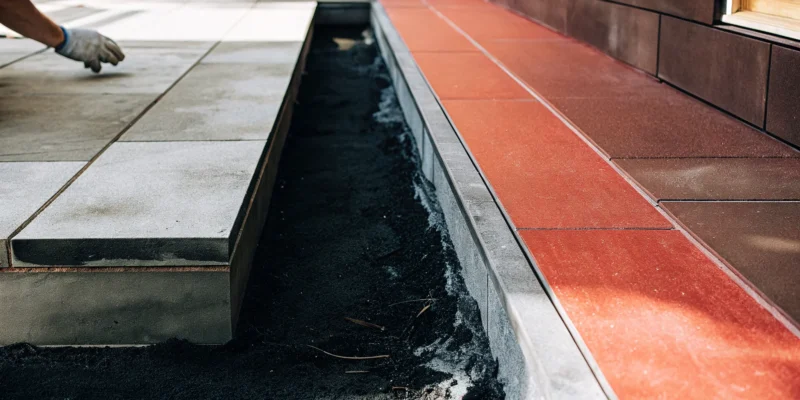
When you host a family gathering, the last thing you want to worry about is someone tripping over a raised edge on your patio. Yet, that’s the reality for many homeowners dealing with aging concrete. A bad concrete patio is a minefield of safety hazards, from uneven slabs that cause falls to slippery, moss-covered spots that never seem to dry. These issues are especially concerning when you have children or older relatives enjoying your backyard. This guide puts safety first, helping you identify the risks your damaged patio poses so you can take action before an accident happens and create a secure, stable surface for everyone to enjoy.
Key Takeaways
- Distinguish cosmetic flaws from structural failures: Surface issues like small cracks or stains can often be repaired, but deep fractures, sinking slabs, and poor drainage are signs that a professional solution is needed.
- A failing patio is an opportunity to upgrade: Instead of temporary patches, consider professional options like resurfacing for a new look, leveling for safety, or replacing the slab with durable porcelain pavers for a beautiful, long-term investment.
- Protect your investment with routine care: You can prevent most major issues by sealing your patio every few years, ensuring water drains away from the surface, and addressing minor cracks as soon as they appear.
Is Your Concrete Patio Past Its Prime? 7 Warning Signs
Your concrete patio is the heart of many backyard memories, but even the toughest surfaces need a little attention over time. Concrete is strong, but it’s not invincible, especially with Long Island’s changing seasons. Spotting the early signs of wear and tear can help you decide if a simple fix is enough or if it’s time for a more lasting solution. Let’s walk through the seven key warning signs that your patio might be asking for help.
Cracks and Fractures
It’s easy to ignore a tiny crack, but these are often the first signs of a bigger problem. Concrete naturally expands and contracts with temperature swings, which can cause small hairline cracks to form. Over time, water seeps in, freezes, and widens them. While you can patch small cracks, it’s often a temporary fix. If you’re seeing a web of fractures or cracks that are growing, it’s a clear signal that the slab’s integrity is compromised and needs a closer look from a professional.
Stubborn Stains and Discoloration
A beautiful patio can quickly look old and neglected when it’s covered in stains. Spills from the grill, fallen leaves, and rust from furniture can leave behind ugly marks that a simple hosing down won’t fix. While power washing can help, deep-set oil or chemical stains often penetrate the surface, leading to permanent discoloration. This not only looks bad but can also indicate that the concrete’s protective sealer has worn away, leaving it vulnerable to more damage. A proper restoration and sealing can sometimes revive it, but severe staining is often permanent.
Uneven or Sinking Spots
Does your patio feel like a bit of a rollercoaster? Uneven surfaces and sinking sections are more than just an eyesore; they’re serious trip hazards for you and your guests. This usually happens when the soil underneath the slab settles or washes away, creating voids that cause the concrete to sink and crack under its own weight. A wobbly patio table is annoying, but a sinking slab points to foundational issues that need to be addressed by a professional masonry designer.
Flaking or Peeling Surfaces (Spalling)
If the surface of your patio is flaking, chipping, or peeling away, you’re dealing with spalling. This happens when water gets into the concrete and the freeze-thaw cycle causes the top layer to pop off. It’s a very common issue in our climate. Using de-icing salts in the winter can make it even worse. While you can find patch kits, they rarely match the original color and texture, leaving you with a splotchy, uneven finish that doesn’t solve the core problem.
Puddles That Won’t Go Away
After a rainstorm, your patio should dry out relatively quickly. If you have persistent puddles that stick around for days, it’s a major red flag. Standing water means your patio has low spots or wasn’t sloped correctly to allow for proper drainage. This constant moisture can accelerate deterioration, encourage moss and algae growth, and even create a breeding ground for mosquitoes. It’s a sign that the slab itself is the problem, and no amount of sweeping will fix it.
Persistent Weed and Moss Growth
Weeds are determined, but if you see them growing directly through cracks in your concrete, it’s a sign of trouble. This means the cracks are deep enough to hold soil and moisture, creating a perfect environment for unwanted plants. Moss is another indicator of a moisture problem, thriving in damp, porous areas of the concrete. This growth not only looks messy but actively works to widen cracks as the roots expand, making a small issue much worse over time.
A Hollow Sound Underfoot
Here’s a simple test: gently tap different areas of your patio with a hammer or the handle of a screwdriver. Do you hear a solid thud or a hollow echo? A hollow sound is a telltale sign that the concrete slab has separated from the ground beneath it. This creates a void, leaving the slab unsupported and extremely vulnerable to cracking under the weight of foot traffic or patio furniture. It’s a clear indication that the patio’s foundation is failing.
Why Do Concrete Patios Fall Apart?
It’s easy to think of concrete as permanent, but even the toughest patios can show their age. If you’re seeing cracks, stains, or uneven spots, it’s not just you. Concrete naturally expands and shrinks with temperature shifts, and over time, this movement can lead to problems. Several factors can speed up this process, turning a beautiful outdoor space into a crumbling hazard. Understanding what causes this breakdown is the first step toward finding a lasting solution for your Long Island home. From the day it was poured to the seasonal weather it endures, your patio’s lifespan is influenced by a handful of key culprits.
A Poor Initial Installation
The strength of your patio starts with how it was built. If the initial job was rushed or done incorrectly, problems are almost guaranteed to show up later. This could mean the concrete mix itself wasn’t right, the ground underneath wasn’t properly compacted, or the slab wasn’t given enough time to cure. A weak foundation will eventually cause the concrete to crack and settle, no matter how well you maintain it. Professional masonry work is crucial because it ensures every step, from site prep to the final finish, is handled correctly for a patio that’s built to last.
Long Island’s Freeze-Thaw Cycles
Long Island winters are tough on concrete. The freeze-thaw cycle is one of the biggest reasons for surface damage. When rain or melting snow seeps into the tiny pores of your patio and the temperature drops, that water freezes and expands. This expansion acts like a tiny wedge, creating small cracks and forcing existing ones to get bigger. When the ice thaws, water gets even deeper into the new cracks. Repeating this process all winter long causes the surface to flake and chip away. Using de-icing salts can accelerate this damage, making proper care essential.
Shifting Soil and Foundation Settling
Your patio is only as stable as the ground it sits on. Over time, the soil underneath can shift, erode, or settle. Poor drainage is a common cause, as water can wash away the soil, creating empty pockets beneath the concrete slab. Without solid support, the heavy slab can sink and crack under its own weight, resulting in uneven, hazardous surfaces. This is why expert landscape design is so important during installation, as it ensures the area is graded for proper drainage and the base is stable enough to support the patio for years to come.
Heavy Foot Traffic and Impact
A patio is meant to be used, but constant activity takes a toll. Heavy foot traffic, scraping patio furniture, and dropped items can all contribute to surface wear and tear. This often appears as spalling, which is when the top layer of the concrete flakes or peels away, exposing the rougher material underneath. While concrete is durable, it’s not indestructible. If your patio serves as the main hub for outdoor gatherings or a play area for kids, you might notice this kind of damage sooner. For high-use areas, considering more resilient materials like porcelain and natural stone pavers can be a smart long-term investment.
Skipping Regular Sealing and Care
Think of sealant as your patio’s raincoat. Concrete is porous, meaning it absorbs liquids. Without a protective seal, it’s vulnerable to everything from spilled wine to motor oil and morning dew. This not only leads to stubborn stains but also allows more water to penetrate the surface, worsening the effects of the freeze-thaw cycle. Many homeowners overlook this simple maintenance step, but it’s one of the most effective ways to protect your investment. Gappsi’s restoration and sealing services can protect your patio from the elements and keep it looking great for years.
The Risks of Ignoring a Damaged Patio
It’s easy to look at a few cracks in your patio and add “fix it” to a to-do list that only seems to get longer. But a damaged patio is more than just a cosmetic issue. Those seemingly small problems can grow into significant risks for your family’s safety, your wallet, and even your home’s structural integrity. Putting off repairs might seem harmless, but it often allows minor issues to become major headaches. Understanding the real consequences can help you prioritize your patio and protect your home investment.
Creating Safety Hazards for Family and Friends
A cracked or uneven patio is a serious trip-and-fall hazard. Think about kids running around during a summer barbecue or older relatives navigating the space during a family get-together. As concrete ages, problems like cracks and uneven surfaces become more common, creating a liability right in your backyard. A raised edge or a sunken slab can easily catch a foot and lead to an injury. By not addressing these issues, you’re leaving a potential accident waiting to happen. A safe outdoor space is a welcoming one, and ensuring your patio is smooth and stable is the first step to worry-free enjoyment for everyone you invite over.
Facing Higher Repair Costs Later
Procrastination is rarely a good financial strategy, especially with concrete. A small crack today can become a sprawling fracture after just one Long Island winter. Water seeps into these openings, freezes, expands, and breaks the concrete apart from the inside. What might have been a simple patch job can quickly turn into a much larger, more expensive project. It’s almost always more affordable to resurface a patio than to tear it out and start over. Timely restoration and sealing can stop damage in its tracks, saving you from a complete replacement down the road.
Causing Damage to Your Home’s Foundation
One of the most critical risks of a failing patio is the potential damage to your home’s foundation. If your patio has sunk or is improperly sloped, it can direct water toward your house instead of away from it. This pooling water can saturate the soil around your foundation, leading to leaks, basement flooding, and long-term structural problems. Water is a powerful force, and consistently channeling it to the base of your home is a recipe for disaster. Proper masonry design ensures correct drainage from the start, protecting your entire property, not just the patio itself.
Can You Fix It Yourself? Simple DIY Repairs
If you’re comfortable with a bit of weekend work, you can tackle some minor concrete patio issues on your own. Small cracks and surface stains often respond well to DIY solutions, giving your patio a quick refresh and preventing small problems from getting worse. It’s a great way to maintain your space and save a little money.
However, it’s important to be realistic about what a DIY repair can accomplish. Many quick fixes are temporary because they don’t address the root cause of the damage, like shifting soil or improper drainage. Think of these repairs as first aid for your patio. They can handle the small stuff, but for anything deep, wide, or structural, you’ll want to bring in a professional. Knowing the difference between a simple patch job and a problem that needs an expert eye is key to protecting your investment and ensuring your family’s safety.
Patching Minor Cracks
For hairline cracks, a DIY patch can be a decent short-term solution. While you might be tempted to use grout or mortar, these materials are rigid and tend to crack again as the concrete expands and contracts with Long Island’s temperature swings. A better option is a flexible concrete caulk or sealant. This type of product is designed to stretch, which helps it maintain a seal as the patio moves. It also comes in various colors, making it easier to blend the repair with your existing concrete. These fillers are great for sealing small gaps and preventing water from seeping in and causing more damage.
Power Washing and Removing Stains
One of the most effective ways to instantly improve your patio’s appearance is with a thorough cleaning. A power washer can strip away years of built-up dirt, grime, and even algae. For stubborn spots like oil or grease, you may need something more. You can start with a homemade paste of dish soap and baking soda, but for tougher stains, a commercial concrete cleaner might be necessary. A deep clean not only makes your patio look better but is also the first step before applying a sealer, which is essential for long-term protection. Gappsi offers professional restoration and sealing services to bring your surfaces back to life.
Applying a Concrete Resurfacer
If your patio is covered in a web of small cracks or has a worn, flaky surface, a concrete resurfacer might seem like a good idea. This process involves applying a thin layer of a cement-based overlay to create a fresh, new surface. You can even find products that allow you to add color or stamp a pattern to mimic the look of brick or stone. While it can be a great solution, it’s only effective if the underlying concrete slab is structurally sound. Applying a resurfacer over a patio with deep cracks or foundational issues will only lead to the new layer cracking, too.
Common DIY Mistakes to Avoid
The biggest mistake homeowners make is underestimating the forces acting on their patio. Concrete naturally expands and shrinks, and many DIY patch kits aren’t flexible enough to move with it, leading to failed repairs. Another common error is using a self-leveling compound to fix a sunken area. These products are often a temporary fix that will likely crack and break apart under pressure or from freeze-thaw cycles. Before you spend a weekend on a repair that won’t last, it’s worth getting a professional opinion from our masonry team to see if a simple fix is truly the right approach.
Should You Repair or Replace Your Patio?
Deciding whether to fix your existing concrete patio or start fresh with a new one can feel like a huge decision. The right answer really depends on the kind of damage you’re seeing. Some issues are just cosmetic and can be handled with a straightforward repair, while others are signs of deeper problems that a simple patch can’t solve. Think of it like this: a small stain on your shirt is an easy fix, but a giant rip in the fabric might mean it’s time for a new shirt.
Your patio’s structural integrity is the most important factor. If the foundation is solid and the problems are only on the surface, a repair is often a smart, cost-effective choice. However, if you’re dealing with major cracks, sinking slabs, or constant water pooling, you might be throwing money away on temporary fixes. A full replacement not only solves the underlying issues for good but also gives you a chance to completely redesign your outdoor space. We can help you assess the damage and explore all your options, from professional restoration and sealing to a complete patio overhaul.
When a Simple Repair Is Enough
If your patio’s problems are only skin deep, a simple repair might be all you need. We’re talking about minor cosmetic issues like hairline cracks (thinner than a credit card), stubborn stains from fallen leaves, or a generally faded appearance. As long as the patio slab itself is level and stable, these surface-level flaws don’t necessarily mean the whole thing is a lost cause. A professional cleaning and resurfacing can work wonders, applying a thin new layer over the old concrete to create a fresh, uniform look. This is a great way to give your patio a facelift without the time and expense of a full replacement.
Dealing with Cracks Wider Than a Quarter-Inch
Once you start seeing cracks you could slip a coin into, it’s time to pay closer attention. Cracks wider than a quarter-inch are more than just an eyesore; they’re gateways for water to seep beneath your patio. Here on Long Island, that water can freeze and expand, turning a small crack into a major fracture. While you can find patching materials at a hardware store, they are often just a temporary bandage. These wider cracks suggest there might be movement or stress happening under the surface. A professional masonry expert can determine the cause and recommend a more durable, flexible filler that will properly seal the gap and prevent further damage.
Solving Major Drainage and Pooling Issues
Do you have a mini-lake on your patio every time it rains? That’s a big red flag. Puddles that stick around long after a storm mean your patio isn’t graded correctly to allow for proper drainage. This standing water not only creates a slippery, hazardous surface but also constantly soaks the concrete, accelerating its deterioration. Unfortunately, if the slope was poured incorrectly from the start, there isn’t an easy fix. While some might try to grind down high spots or add a thin layer of new concrete, these solutions rarely last. In most cases, the only permanent way to solve a serious drainage problem is to replace the slab entirely.
Addressing Serious Structural Damage
If your patio has large, uneven sections, with some parts sinking and others heaving upwards, you’re looking at serious structural damage. This is often caused by shifting soil or a poorly prepared base, meaning the foundation of your patio is failing. No amount of patching or resurfacing can fix an unstable base. Trying to repair it is like painting over a crumbling wall, it ignores the root of the problem. This kind of damage is a significant safety hazard and requires a full replacement. The good news is this gives you an opportunity to upgrade to a stronger, more beautiful material like porcelain and natural stone pavers, which are installed on a properly engineered base to prevent these issues from happening again.
Professional Patio Solutions That Last
When DIY fixes are no longer cutting it, it’s time to call in the professionals. While patching a small crack is one thing, addressing deep-seated issues requires expertise and the right equipment to ensure a beautiful and long-lasting result. Professional solutions don’t just cover up problems; they solve them from the ground up. This approach not only restores the safety and function of your patio but also protects your investment for years to come. A pro can spot underlying issues you might miss, like poor drainage or an unstable base, preventing you from wasting money on a fix that won’t last.
From decorative finishes to complete transformations, a professional team can assess the specific condition of your patio and recommend the best course of action. Whether it’s leveling a sunken slab, applying a durable overlay, or upgrading to premium materials, you have options. Choosing a professional path means you’re investing in quality craftsmanship that will stand up to Long Island’s weather and become a lasting feature of your home. Instead of spending another weekend struggling with repairs, you can trust an expert to deliver a safe, beautiful space for your family to enjoy. Let’s look at some of the most effective solutions a pro can offer.
Resurfacing with Decorative Overlays
If your patio’s foundation is solid but the surface looks tired, resurfacing is a fantastic option. Think of it as giving your patio a brand-new face. A professional will apply a thin cement-based overlay on top of your existing concrete, covering up minor cracks, stains, and imperfections. This isn’t just a cosmetic fix; the new layer adds strength and durability. Plus, it opens up a world of design possibilities. You can choose from different colors, textures, and patterns, like stamped designs that mimic stone or brick, to completely refresh your outdoor space without the cost of a full replacement.
Leveling Uneven Concrete Surfaces
Tripping hazards and poor drainage from a sinking patio are more than just annoying, they’re serious safety concerns. Professionals can fix this with concrete leveling, a process that lifts sunken slabs back into place. Techniques like mudjacking or poly-leveling involve injecting material beneath the concrete to fill voids and raise the surface until it’s perfectly even again. This method addresses the root of the problem, which is often settled soil, providing a stable and permanent fix. Leveling is much less invasive and more affordable than tearing out and replacing the entire patio, making it an excellent choice for structurally sound but uneven concrete.
When to Opt for a Full Replacement
Sometimes, a patio is simply beyond repair. If you’re dealing with a web of large, deep cracks, severe crumbling, or major structural failure, it may be time for a full replacement. While this is the most intensive option, it’s also an opportunity to start fresh and build a patio that’s designed to last. A professional masonry construction team will handle the heavy work of removing the old concrete and installing a new one with a proper foundation, reinforcement, and drainage. This ensures your new patio will be beautiful, functional, and free from the problems that plagued your old one.
The Ultimate Upgrade: Porcelain and Natural Stone Pavers
If you want to truly transform your backyard, consider upgrading your old concrete patio with elegant pavers. This premium solution involves laying beautiful and durable porcelain and natural stone pavers directly over your existing concrete. Using a specialized pedestal system, the new surface is elevated slightly, which hides the old patio completely and creates a perfectly level, high-end finish. This method gives you the stunning look of natural stone or sleek porcelain without the mess and expense of a full demolition. It’s an incredibly effective way to get a brand-new, luxurious patio that is built to last for decades.
How to Prevent Future Patio Problems
A beautiful patio is an investment in your home and your lifestyle. After you’ve repaired or replaced your old concrete, the last thing you want is to face the same problems again in a few years. The good news is that with a little proactive care, you can keep your patio looking and performing its best for years to come. Prevention is always easier and more affordable than a major repair. By following a few key maintenance steps, you can protect your surface from damage, ensure its longevity, and keep it safe for your family and friends to enjoy. This approach shifts your focus from reactive fixes to proactive protection, saving you time, money, and frustration. It’s about understanding the common culprits of patio damage, like water intrusion and seasonal weather changes, and taking simple, effective measures to counteract them before they can cause trouble.
Seal Your Concrete Every Few Years
Think of sealer as sunscreen for your patio. Applying a high-quality sealer is one of the most effective things you can do to protect your concrete. It creates a barrier that repels water, oil, and other substances that can cause ugly stains. It also shields the surface from harsh UV rays that lead to fading and discoloration. Most importantly, it prevents moisture from seeping into the concrete, which is a primary cause of cracking during Long Island’s freeze-thaw cycles. For best results, you should plan to have your patio resealed every two to three years. Professional restoration and sealing services can ensure the job is done right with the correct products for your specific surface.
Make Sure Water Drains Correctly
Water is the number one enemy of any paved surface. If you notice puddles lingering on your patio long after it rains, you have a drainage problem. This standing water not only creates a slipping hazard but also puts constant stress on your concrete, leading to spalling and cracks. Proper drainage starts with the initial design, ensuring the patio has a gentle slope that directs water away from your home’s foundation. If your existing patio has sunk in areas, a process called concrete leveling can sometimes correct the slope. An expert masonry team can assess your property and design a solution that effectively manages water runoff for good.
The Importance of a Professional Installation
Many patio problems can be traced back to a poor initial installation. A solid, well-compacted base, the right concrete mix, and proper joint placement are all critical for a durable, long-lasting surface. Cutting corners on any of these steps will almost certainly lead to premature failure. This is why a professional installation is so important. An experienced contractor understands the local soil conditions and climate, ensuring your patio is built to withstand everything from summer heat to winter freezes. Investing in a quality installation from the start is the single best way to prevent headaches and costly repairs down the road. It’s the foundation of a patio that you can enjoy for decades.
Seasonal Care Tips for Long Island Homes
Living on Long Island means your patio endures a wide range of weather, so seasonal care is key. In the spring, give your patio a good cleaning to wash away winter grime. Throughout the summer and fall, sweep it regularly to prevent dirt and leaves from causing stains. When winter arrives, avoid using harsh de-icing salts, which can eat away at the concrete’s surface. Instead, opt for sand for traction or a concrete-safe ice melt. A thoughtful landscape design can also help by preventing soil and mulch from washing onto your patio. Periodically inspect for tiny cracks and fill them right away to stop them from growing into bigger issues.
Your Long-Term Patio Maintenance Plan
Keeping your patio in great shape doesn’t have to be a huge chore. With a little consistent care, you can protect your investment and keep your outdoor space looking beautiful for years to come. Think of it as a simple routine that prevents small issues from turning into major headaches. A solid maintenance plan is your best defense against wear and tear, ensuring your patio remains a safe and inviting spot for relaxing and entertaining.
Clean Regularly and Treat Stains Immediately
One of the easiest ways to maintain your patio is to keep it clean. A quick sweep or rinse with a garden hose every few weeks will prevent dirt and debris from building up and grinding into the surface. More importantly, act fast when spills happen. Whether it’s a drip of grease from the grill or a splash of red wine, cleaning it up immediately can prevent a permanent stain. For deep-set grime or stains that just won’t budge, a professional cleaning and sealing can restore your patio’s original look and protect it from future messes.
Fix Small Cracks Before They Grow
It’s tempting to ignore a tiny crack, but these small flaws have a way of growing into big problems, especially with Long Island’s freeze-thaw cycles. Water gets in, freezes, expands, and turns a hairline fracture into a significant gap. While using grout might seem like a quick fix, it often doesn’t last. A flexible concrete caulk is a better DIY solution because it moves with the concrete and keeps water out. If you’re dealing with several cracks or a section that’s breaking apart, it’s a sign you may need a more substantial masonry repair to ensure a lasting solution.
Know When It’s Time to Call a Professional
While DIY fixes are great for minor issues, some problems require an expert eye. If you’re looking at large cracks, significant sinking, or widespread surface damage, it’s time to put down the tools and pick up the phone. A professional can accurately diagnose the root cause of the problem, which could be anything from poor drainage to an unstable base. They can tell you if resurfacing is an option or if more extensive work is needed. Getting a professional assessment is the best way to ensure you’re choosing a solution that will actually last. When you’re unsure, it’s always best to get expert advice on patio restoration.
Related Articles
- Find the Best Concrete Contractors on Long Island NY
- Slip Resistant Patio Pavers Long Island: 2026 Guide
- Best Patio Materials for Long Island: Bluestone vs Travertine vs Pavers
- Limestone Patio Pavers and Pool Copings in Long Island
- Best Pool Deck Stone by a Long Island Patio Contractor
Frequently Asked Questions
How often should I actually seal my concrete patio? A good rule of thumb is to reseal your concrete every two to three years. Think of it as essential preventative care. Sealing creates a protective shield that stops water from seeping in, which is the main cause of cracks and flaking during our freeze-thaw cycles on Long Island. It also helps repel stains from things like spilled drinks or grill grease, keeping your patio looking fresh.
My patio has a few small cracks. Can I just patch them myself? You can definitely handle tiny hairline cracks with a flexible concrete sealant from the hardware store. This is a good temporary measure to keep water out. However, if the cracks are wide enough to fit a coin, or if you see a lot of them, a DIY patch is usually just a short-term fix. These larger cracks often point to deeper issues, like an unstable base, that a simple filler won’t solve.
What’s the biggest sign that my patio needs to be replaced instead of just repaired? The most telling sign is a structural failure. If you see large sections of your patio sinking, heaving upwards, or feeling hollow when you tap on them, a repair won’t be enough. These issues indicate the ground underneath has shifted, and the slab is no longer stable. At that point, you are just putting a bandage on a problem that requires a full replacement to ensure safety and longevity.
Is upgrading to pavers a better option than just pouring new concrete? Upgrading to porcelain or natural stone pavers is often a superior long-term solution. While new concrete is a fine choice, pavers offer greater design flexibility and durability. They are installed on a specialized base that ensures proper drainage and prevents the shifting and cracking common with concrete slabs. Plus, if a single paver ever gets damaged, it can be replaced individually, which is much easier than patching concrete.
What should I use on my patio for ice in the winter if de-icing salt is bad? It’s smart to avoid traditional rock salt, as it can corrode the concrete surface and worsen flaking. For traction on icy days, your best bet is to use sand or cat litter. If you need something to melt the ice, look for products specifically labeled as “concrete-safe” or “calcium chloride-based” ice melts. These are much gentler on the surface and will help preserve your patio through the winter.