


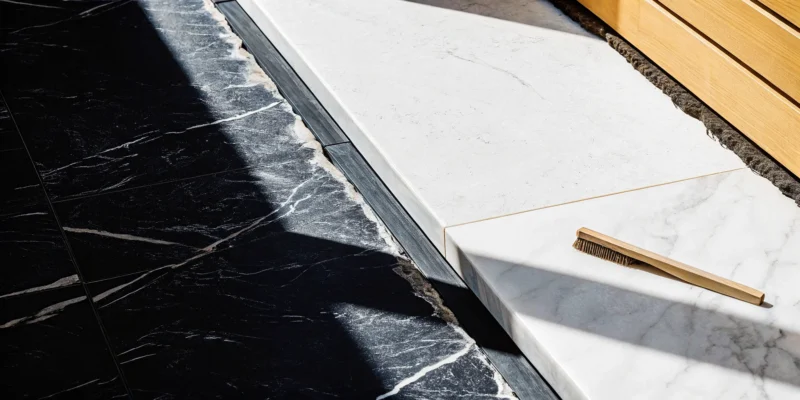
When considering a project to whitewash flagstone floor areas, the most important question to ask is: where is the stone located? A technique that works beautifully on a vertical, indoor surface like a fireplace surround is often a recipe for disaster on a horizontal floor or an outdoor patio. Indoor floors face foot traffic and furniture scuffs, while outdoor patios endure rain, sun, and freeze-thaw cycles. Most whitewash products simply aren’t built to withstand that kind of abuse and can fail within a single year, leaving you with a worn, shabby look. This article will explain why location matters so much, guide you through the proper preparation for an indoor project, and explore more durable alternatives for your valuable outdoor stone.
Key Takeaways
- Think twice before whitewashing floors and patios: This finish is not designed to handle foot traffic or outdoor weather, often leading to a peeling, patchy look that is very difficult and expensive to fix.
- Whitewashing works best on indoor, vertical surfaces: A technique that looks beautiful on a fireplace will likely fail on a horizontal patio floor because it cannot withstand constant moisture and heavy use.
- Restore your stone’s beauty instead of hiding it: Consider professional cleaning to reveal the stone’s true color, or use a color-enhancing sealer to deepen its natural tones for a vibrant, durable finish without the risks of painting.
What Is Whitewashing Flagstone?
Whitewashing is a popular technique for lightening and updating the look of stone. It involves applying a thin layer of diluted paint or a special whitewash stain to your flagstone, which can brighten up a space while still allowing the natural texture of the stone to peek through. It sounds like a simple weekend project, but there’s a big difference between a successful whitewash and a DIY disaster. The key is understanding what whitewashing really is, how it differs from painting, and whether it’s even the right choice for your specific flagstone surface, especially if it’s outdoors. Before you grab a brush, let’s walk through the essentials to make sure you get the beautiful, lasting finish you’re hoping for.
Whitewash vs. Paint
The main difference between whitewashing and painting comes down to transparency. A whitewash is semi-transparent, designed to tint the stone without completely hiding its character. Think of it as a stain. Paint, on the other hand, is opaque and creates a solid film over the surface, covering the flagstone’s natural color and texture variations. While painting might seem like an easy fix for outdated stone, it comes with a major catch, especially for patios or walkways. The constant exposure to foot traffic and weather will cause the paint to chip and peel, creating a maintenance headache that requires frequent touch-ups. A proper stone restoration is often a better long-term solution than covering issues with paint.
Indoor vs. Outdoor Considerations
This is where many whitewashing projects go wrong. A technique that looks beautiful on an indoor fireplace will likely fail on an outdoor patio. Indoor stone isn’t exposed to rain, snow, freeze-thaw cycles, or constant foot traffic. Outdoor flagstone is. Most whitewashing products, including popular limewashes, are simply not designed to withstand these harsh conditions, particularly on horizontal surfaces like floors and patios. They can wear away quickly, leaving you with a patchy, worn-out look that’s difficult to fix. Before you commit, it’s crucial to consider your flagstone’s environment. For durable and beautiful outdoor surfaces, selecting the right natural stone from the start is always the best approach.
Should You Whitewash Flagstone? The Risks to Know
The idea of whitewashing flagstone is tempting. It promises a bright, fresh look that can completely change the feel of a room or patio. Before you grab a brush, however, it’s important to understand the potential downsides. While whitewashing can be a great solution for an indoor, vertical surface like a fireplace, it often creates more problems than it solves when used on floors and outdoor patios. The finish can quickly look worn and shabby, and reversing the process is a serious challenge. This is especially true for exterior flagstone, which is exposed to weather and heavy use. A finish that looks great on day one can become a peeling, patchy mess in just a single season.
Instead of a quick fix that might not last, it’s often better to consider more durable solutions. A professional cleaning and sealing can revive the natural beauty of your stone without the risks of a coating that can chip and peel. If you truly want a different color or style, replacing the stone with a modern material might be a better long-term investment. At Gappsi, our masonry experts can help you explore options that will give you a beautiful, lasting finish you’ll love for years, saving you the headache of a failed DIY project. We can assess your current flagstone and recommend the best path forward, whether it’s restoration or replacement.
Poor Durability in High-Traffic Areas
One of the biggest issues with whitewashed flagstone is its lack of durability, especially in areas that get a lot of use. Think about your patio or main walkway. These surfaces endure constant foot traffic, scraping from patio furniture, and exposure to the elements. A thin layer of whitewash, which is essentially a diluted paint or mortar wash, simply isn’t designed to withstand that kind of wear and tear. The finish will likely begin to chip, scuff, and wear away unevenly, leaving you with a patchy, worn-out look that’s far from the fresh aesthetic you were hoping for.
Failure on Horizontal Surfaces
Most whitewash and limewash products are formulated for vertical surfaces like walls, not horizontal ones like floors or patios. When applied to a flat surface, the finish is much more vulnerable to failure. Rainwater can pool on it, breaking down the coating, while direct sun exposure can cause it to fade and peel. Unlike a wall, a patio floor doesn’t have gravity on its side to help shed moisture. This constant exposure means the whitewash will likely fail much faster than you expect, requiring frequent and frustrating touch-ups just to keep it looking decent.
Difficult to Remove
What happens if you don’t like the result or the finish starts to fail? Unfortunately, removing whitewash from a porous material like flagstone is incredibly difficult. You can’t just scrub it off. The process often requires aggressive methods like chemical stripping or sanding, which can permanently damage the natural texture and color of the stone underneath. What started as a simple cosmetic update can turn into a costly and labor-intensive restoration project. Before you commit, be certain it’s a look you can live with, because reversing it is no easy task.
How to Prepare Flagstone for Whitewashing
Proper preparation is the secret to a beautiful, long-lasting whitewashed finish. Think of it as the foundation of your project. If you skip these crucial steps, you risk a finish that peels, chips, or looks uneven within months. Taking the time to properly clean, inspect, and prime your flagstone will make all the difference between a DIY success and a frustrating redo. It ensures the whitewash adheres correctly and gives you a professional-quality result that you can be proud of. Before you even think about mixing your paint, follow these essential preparation steps to set your project up for success. This isn’t just about making the job look good for a week; it’s about creating a durable surface that enhances your home for years. Many people get excited and jump straight to the painting, but the real magic happens in these initial stages. Getting the surface just right means your whitewash will bond securely to the stone, creating a finish that can withstand foot traffic and daily life without failing.
Clean and Degrease the Stone
Your first step is to give the flagstone a deep, thorough cleaning. Over the years, stone floors can accumulate everything from dirt and grease to old paint splatters or even crayon marks from the kids. All of this has to go. For tough grime, a good degreaser, a wire brush, and some elbow grease are your best friends. The goal is to create a completely clean slate so the primer and whitewash can bond directly with the stone. If you’re dealing with extensive staining or a very large area, consider bringing in professionals. A team that specializes in restoration and sealing can efficiently get your stone back to its original, clean state.
Inspect for Damage and Moisture
Once the stone is clean and dry, take a close look at its condition. Check for any cracks, chips, or areas where the stone is flaking, which is also known as spalling. Whitewashing over damaged stone will only hide the problem temporarily and can make it worse in the long run. Also, pay close attention to any signs of moisture. If your flagstone is in a basement or a damp area, moisture can become trapped beneath the whitewash, causing it to bubble and peel. If you find significant cracks or damage, it’s best to have them repaired by a masonry professional before you proceed.
Prime the Surface
Priming is a step you absolutely should not skip. Flagstone is a porous material, meaning it will soak up whatever you put on it. Without a primer, the whitewash will absorb unevenly, leading to a blotchy and inconsistent finish. A quality masonry primer, available at most home improvement stores, seals the stone and creates a uniform surface for the whitewash to adhere to. Apply a thin, even coat with a brush or roller and let it dry completely according to the manufacturer’s instructions. This single step is one of the most effective ways to ensure your whitewash looks even and lasts for years.
Always Test a Small Area First
Before you commit to whitewashing the entire floor, always test your mixture on a small, out-of-the-way spot. A corner of the room, a spot that will be under a rug, or even a spare piece of flagstone will work perfectly. This allows you to see exactly how the whitewash will look on your specific stone. You can check the color, transparency, and overall texture to make sure it’s the effect you’re going for. It’s much easier to adjust your whitewash mixture now than to realize you don’t like the look after you’ve covered half the room. This simple test prevents surprises and ensures you’ll love the final result.
How to Whitewash a Flagstone Floor: A Step-by-Step Guide
If you’ve weighed the risks and decided that whitewashing is the right path for your indoor flagstone, doing it correctly is everything. A rushed or improper application can leave you with a result you’ll regret. To get that soft, bright finish you’re dreaming of, you need to be patient and methodical. Let’s walk through the process step by step to give your project the best chance of success.
Choose the Right Whitewash Product
The first, and most important, decision is your whitewash product. I can’t stress this enough: a finish made for an indoor fireplace surround is completely different from one meant for an outdoor patio. Exterior whitewash applications on horizontal surfaces like floors or patios often fail, peeling and deteriorating over time. For an indoor project, you can use a latex paint or a specialty chalk-style paint. Always read the label to confirm the product is suitable for stone and flooring applications. If you’re unsure, consulting with a professional about the right materials for your specific type of flagstone can save you a major headache later. Our team at Gappsi often performs stone restoration, and we’ve seen firsthand what happens when the wrong product is used.
Mix Your Whitewash
Creating the perfect whitewash is more art than science, as the ideal consistency depends on your stone’s porosity and your desired look. A great starting point is to use a simple white latex paint (a flat or matte finish works best) and thin it with water. A 1:1 ratio of paint to water is a common recommendation, but you can adjust it. For a more transparent wash, add more water; for a more opaque finish, use less. Mix thoroughly until you have a smooth, consistent liquid. Remember, you can always add more coats for a whiter look, but it’s much harder to take it away. If you’re hesitant about getting the mixture right, our masonry design experts can help you explore other long-lasting finishes.
Apply for a Natural Finish
Before you touch your floor, you must test your whitewash mixture. Find a spare piece of flagstone or a very inconspicuous area, like inside a closet or under a large piece of furniture that never moves. Apply a small amount of the wash with a brush or rag, then use a clean, damp cloth to wipe away some of the excess. This technique helps the whitewash settle into the stone’s texture while revealing some of its natural color, creating a more authentic look. Let it dry completely to see the final color, which is often lighter than when it’s wet. Only when you are 100% happy with your test spot should you move on to the main floor. The unique character of natural stone means each piece will absorb the wash differently, so this test is your best preview.
Dry and Apply Additional Coats
Patience is your best tool during the application process. After applying your first thin coat, you need to let it dry completely. Drying time can vary based on the paint, your mixture’s consistency, and the humidity in your home, so give it at least a few hours. Once dry, assess the color. If it’s too subtle, you can apply another thin coat to build up the opacity. It’s always better to apply several thin layers than one thick, goopy one. Work in small, manageable sections to maintain a wet edge and avoid lap marks. Once you achieve your desired look and the final coat is fully cured, the next critical step is to protect your work. Applying a high-quality sealer is essential for durability, which is why professional cleaning and sealing services are so important for stone care.
How to Maintain Whitewashed Flagstone
Once you’ve whitewashed your flagstone, the work isn’t over. This finish requires consistent care to keep it from chipping, yellowing, or wearing away. Unlike natural stone, which is durable on its own, a whitewashed surface is delicate and needs protection. Following a strict maintenance routine is the only way to preserve the look you worked so hard to create and delay the inevitable need for touch-ups or a complete re-do. Think of it as an ongoing project that needs regular attention to stay looking its best.
Seal the Surface for Protection
The most critical step in maintaining your whitewashed flagstone is applying a high-quality sealer. After your final whitewash coat is completely dry, you must apply a clear, water-based sealer over the entire surface. This protective topcoat acts as a barrier, shielding the delicate whitewash from dirt, spills, and scuffs. It also prevents the finish from yellowing over time, a common issue with light-colored treatments.
Without a sealer, the whitewash will quickly absorb stains and start to flake off, especially in areas with foot traffic. For a finish that lasts, you need to properly seal the stone to lock in the color and create a durable, wipeable surface. This isn’t a step you can afford to skip.
Clean with Stone-Safe Products
When it comes to cleaning, gentleness is key. Aggressive cleaning methods will strip the sealer and the whitewash right off your floor. Use a soft microfiber mop or cloth with a simple mixture of water and a pH-neutral cleaner specifically designed for stone or delicate surfaces. Avoid any harsh chemicals, especially bleach, ammonia, or acidic cleaners like vinegar, as they can damage both the sealer and the flagstone itself.
You should also steer clear of steam mops, since the high heat and moisture can weaken the sealer and cause the whitewash to peel. Regular, gentle sweeping or vacuuming (with a soft brush attachment) will handle daily dust and debris. Proper cleaning is fundamental to maintaining natural stone and is even more important for a delicate finish like whitewash.
Prevent Fading and Peeling
Fading and peeling are the biggest enemies of a whitewashed floor. This usually happens when the protective sealer wears down, exposing the fragile whitewash layer to daily life. High-traffic areas like hallways and entryways are the first to show signs of wear. The constant friction from shoes, pets, and furniture movement can quickly degrade the finish, leading to an uneven, patchy appearance that is difficult to fix.
To minimize this, use area rugs and runners in busy spots and place felt pads under furniture legs. Be mindful of direct sunlight, as UV rays can also cause the finish to fade or become chalky over time. Ultimately, the best prevention is a robust topcoat of sealer, which is why reapplying it is so important.
Know When to Reapply or Touch Up
A whitewashed floor is not a set-it-and-forget-it project. The protective sealer will need to be refreshed periodically to keep the finish intact. Depending on how much traffic the area gets, you can expect to reapply the topcoat every one to four years. You’ll know it’s time when the floor starts to look dull, scuffs no longer wipe away easily, or the surface feels rougher than it used to.
Touching up chipped or worn spots can be tricky, as it’s hard to blend the new whitewash seamlessly with the old. This often results in a blotchy look, which is why many people find they need to recoat the entire floor. Staying on top of sealer maintenance is your best bet for extending the life of the finish and avoiding a major overhaul.
Better Alternatives to Whitewashing Flagstone
If you’re having second thoughts about the permanence and potential pitfalls of whitewashing, you’re not alone. Covering up your beautiful, natural flagstone isn’t the only way to get a fresh look. In fact, there are several fantastic alternatives that celebrate the stone’s inherent character while giving your space the update you’re looking for. These methods are often more durable, easier to maintain, and can add more long-term value to your home.
Instead of hiding your flagstone, you can work with it. A professional cleaning can reveal colors you forgot were there, while specialized sealers can deepen those tones for a rich, vibrant finish. Sometimes, the best solution isn’t about changing the stone at all, but about changing the environment around it. By thinking about the entire space, from the ground up, you can create a completely new atmosphere. Before you pick up a paintbrush, consider these alternatives that can revitalize your flagstone patio, walkway, or floor without the risks of whitewashing.
Restore with Deep Cleaning
You might be surprised by what a thorough cleaning can do. Over time, dirt, grime, and mildew can build up, hiding the flagstone’s true colors and making it look dull. Instead of covering this up, you can bring the original surface back to life. While some homeowners try DIY methods with harsh chemicals, a professional approach is often safer and more effective. A deep, professional cleaning and restoration can strip away years of buildup without damaging the stone. This process reveals the stone’s natural variations and prepares it for a protective finish, making it look brand new again.
Protect with a Quality Sealer
Once your flagstone is sparkling clean, the next step is to protect it. Applying a high-quality sealer is one of the best things you can do for your stone surfaces. A good sealer penetrates the pores of the flagstone, creating a protective barrier against moisture, stains, and UV rays. This not only makes the stone easier to clean in the future but also prevents weathering and erosion. By properly sealing your flagstone, you ensure its beauty and integrity for years to come, giving you a durable finish that whitewash simply can’t match.
Use a Color-Enhancing Sealer
If you want to change the look of your flagstone without hiding its texture, a color-enhancing sealer is an excellent choice. Unlike paint or whitewash that sits on the surface, a color-enhancing sealer soaks into the stone to richen and deepen its natural tones. It can make muted grays, tans, and reds appear more vibrant, creating a beautiful “wet look” that highlights the unique patterns in each piece of natural stone. This gives you a dramatic visual update while preserving the authentic character of the flagstone, offering a sophisticated finish that looks intentional and high-end.
Refresh with Rugs and Decor
Sometimes, the most effective update has nothing to do with the stone itself. You can completely transform the feel of your patio or room by adding stylish decor. A large, durable outdoor rug can anchor a seating area and introduce new colors and patterns. Groupings of potted plants, stylish furniture, and ambient lighting can also draw the eye and create a fresh, inviting atmosphere. This approach allows you to update your outdoor living space with the seasons or as your style evolves, all without making a permanent change to your beautiful flagstone.
Is Whitewashing Your Flagstone a Good Idea?
If you’re looking at your flagstone patio and dreaming of a lighter, brighter finish, the idea of whitewashing can be very appealing. It seems like a quick and trendy way to update your outdoor space. Before you break out the brushes, however, it’s important to weigh the pros and cons, because this popular project often comes with some serious downsides. While it might look great in photos, the reality of a whitewashed outdoor surface can be a lot more complicated.
The simple truth is that most whitewashing or mortar washing treatments are not designed for exterior horizontal surfaces. There is a huge difference between a finish meant for an indoor, vertical wall and one that can withstand foot traffic, patio furniture, and Long Island weather. Many popular products, like limewash, are not recommended for floors or high-traffic areas because they simply can’t take the abuse. Homeowners often find that these finishes begin to fail quickly, leaving the surface looking patchy and worn.
What starts as a fresh update can soon turn into a maintenance headache. A whitewashed patio is prone to chipping, peeling, and uneven wear, creating a look that’s worse than the original stone. Instead of enjoying your patio, you could find yourself dealing with constant touch-ups or facing the difficult and expensive task of stripping the finish completely. A better approach is often to work with the stone’s inherent beauty. A professional restoration and sealing can dramatically improve the appearance of your flagstone without the risks of a temporary coating.
Ultimately, while whitewashing might provide a temporary new look, the high potential for failure and increased maintenance makes it a risky choice for most flagstone patios. Your beautiful natural stone is a valuable feature of your home, and it deserves a solution that will protect and enhance it for years, not just for a season.
Related Articles
- How to Remove Brown Spots on Bluestone: A DIY Guide
- Paver Sealing Guide & Expert Tips for Long-Lasting Results | Gappsi Inc
- Bluestone pool coping Archives – Gappsi Group
- driveway cleaning and sealing Archives – Gappsi Group
Frequently Asked Questions
Can I whitewash my outdoor flagstone patio? I strongly advise against whitewashing any outdoor, horizontal surface like a patio or walkway. Most whitewash products are not designed to handle foot traffic, patio furniture, and weather exposure. The finish will almost certainly begin to chip, peel, and wear away unevenly within a short time, leaving you with a patchy mess that looks worse than the original stone and requires constant upkeep.
My flagstone just looks old and dirty. Are there better options than whitewashing? Absolutely. Before you cover up your stone, consider restoring its natural beauty. A professional deep cleaning can remove years of built-up grime and reveal the stone’s original, vibrant colors. Afterward, applying a color-enhancing sealer can richen and deepen those tones for a dramatic “wet look” that highlights the stone’s texture instead of hiding it. These methods are far more durable and celebrate the material you already have.
Is it really that hard to remove whitewash if I change my mind? Yes, it is incredibly difficult. Because flagstone is porous, the diluted paint soaks into the surface. You can’t just scrub it off. Removal often requires harsh chemical strippers or abrasive methods like sanding, which can permanently damage the texture and color of the stone itself. What starts as a simple DIY can quickly turn into a costly restoration project, which is why it’s so important to be sure before you start.
What is the real difference between whitewashing and painting flagstone? The main difference is transparency. Whitewashing uses a thinned paint or stain to tint the stone while still allowing its natural texture and color variations to show through. Think of it as a translucent wash. Painting, on the other hand, applies an opaque, solid coat of color that completely covers the stone, hiding its character. While painting seems like an easy fix, it peels and chips very easily on floors, creating a significant maintenance problem.
If I whitewash an indoor surface, what is the most important step for making it last? Without a doubt, the most critical step is sealing the surface after the whitewash is completely dry. Applying a high-quality, clear, water-based sealer creates a protective topcoat. This barrier shields the delicate whitewash finish from scuffs, spills, and dirt, making it more durable and easier to clean. Without a sealer, your work will quickly become stained and worn, especially in any area that gets foot traffic.