


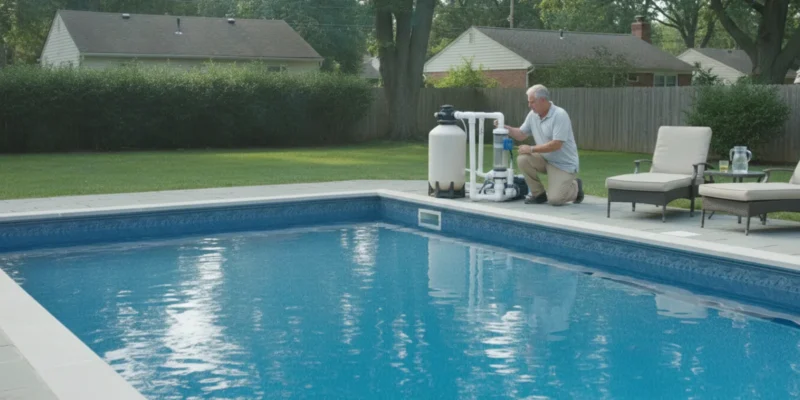
How should a Long Island homeowner maintain a saltwater pool system? The answer is a repeatable routine: test the water, confirm circulation, watch the generator’s alerts, inspect the cell as its manual directs, and prepare equipment carefully for winter. Pool saltwater system maintenance Long Island homeowners can manage starts with measurement, not guesswork. A saltwater pool still uses chlorine; its generator makes chlorine from dissolved salt while water moves through the cell.
Contact Gappsi through our contact page to discuss your pool system
What does a saltwater pool system do?
A salt chlorine generator uses electricity to produce chlorine from salt in the pool water. Chlorine sanitizes the water, but the generator does not replace testing, cleaning, circulation, or attention to water balance. It also cannot compensate for a pump that is not moving water or settings that do not suit the pool and the specific unit.
That distinction helps explain why a pool may show a normal salt reading yet still need attention. Salt concentration is one operating condition, not a complete measure of sanitation or water quality. Follow the equipment manual for its operating range and settings, and use an appropriate water test to check the sanitizer and balance factors relevant to your pool.
How should pool saltwater system maintenance Long Island routines begin?
Set a routine that fits the pool’s use and the manufacturer’s instructions. During the swimming season, test regularly and record results. Check the equipment area while the system is operating, without opening electrical components. Recheck after heavy rain, unusually busy swimming, or a substantial water addition, because conditions may have changed.
- Test and record: Write down sanitizer and other recommended water readings, the date, and any correction made. Records make trends easier to spot.
- Verify salt before adding any: Compare a suitable test result with the generator’s specified range. An alert alone is not a reason to pour in salt.
- Observe circulation: Note whether the pump and filter appear to be operating normally. Check for obvious leaks, unusual sounds, or flow warnings from a safe distance.
- Review the control panel: Record exact warning codes and consult the manual for the model, rather than relying on a generic description.
- Inspect the cell on schedule: Use the manufacturer’s inspection interval and clean only when and as the manual permits.
There is no universal testing or cleaning interval that suits every pool. Weather, pool use, water conditions, generator model, and pump schedule all matter. Avoid changing several settings at once: if a problem improves or worsens, you will not know which change caused it. Make one appropriate adjustment, allow the system to circulate as instructed, then test again.
For an organized record, use a simple log with columns for date, readings, alert code, action, and follow-up result. For example, if a low-salt warning appears after a storm, record the warning and test result first. If the independent test falls within the model’s range, do not add salt just to clear the display; consult the manual’s troubleshooting steps. If the test confirms low salt, follow the manufacturer’s calculation and directions, then retest as directed.
Which water conditions should you monitor?
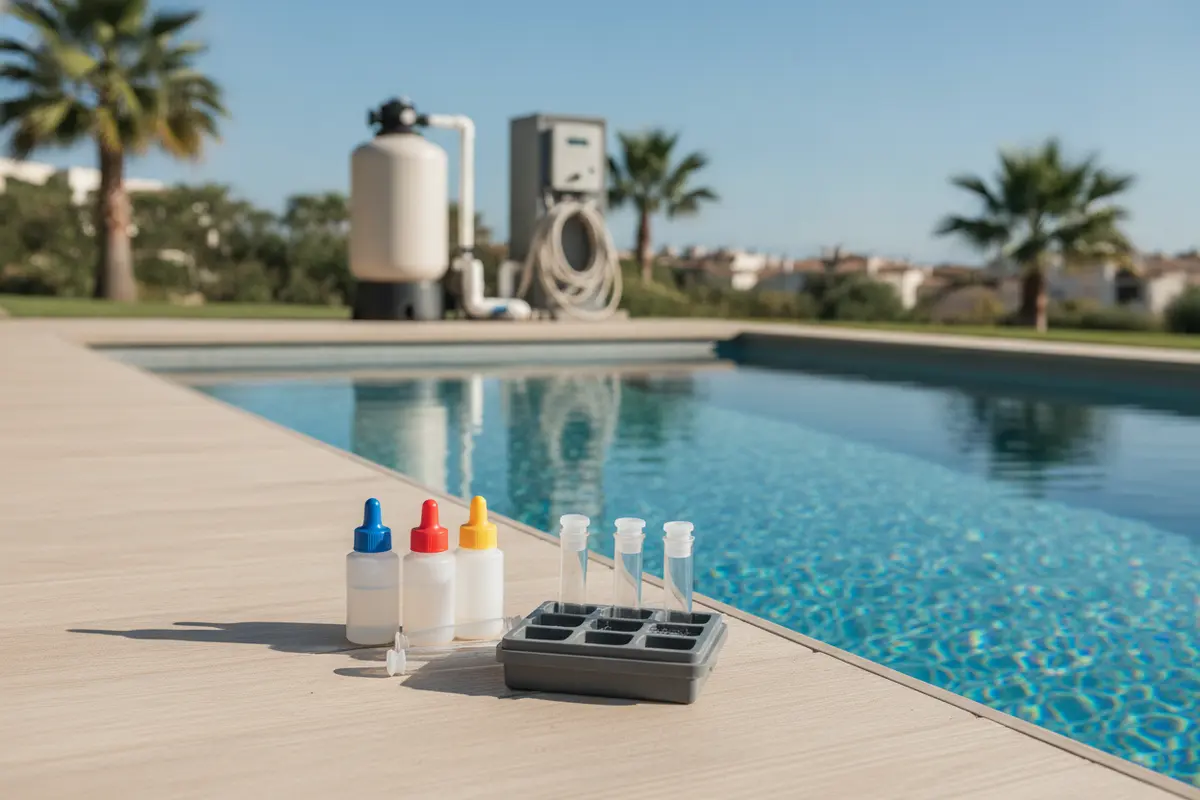
Salt is only one part of water care. The U.S. Centers for Disease Control and Prevention advises pool operators to maintain disinfectant and pH within recommended ranges; its pool guidance explains why both matter for effective disinfection. See the CDC’s healthy swimming guidance for general information. Monitor sanitizer and the balance readings recommended for your pool and equipment. If the readings drift, the water may become uncomfortable or cloudy, and conditions that encourage deposits may affect surfaces and the generator cell. Use a reliable test method and product labels; do not make large corrections based on appearance alone.
Rain can dilute water, while evaporation and water replacement can affect concentration. More swimmers can increase sanitizer demand. These are reasons to test again, not reasons to guess at an addition. Follow product directions, keep chemicals separate, and allow circulation for the time specified before checking the result again. If you are unsure which reading to correct first, pause and get advice rather than combining products or making multiple unmeasured changes.
Gappsi’s Long Island swimming pool services provide a relevant place to learn about its pool work. Homeowners planning the surrounding space can also browse backyard projects and pool patio ideas.
Keep the pool, deck, and equipment area in view together. Leaves and debris can obscure a leak or interfere with observation, while a cluttered equipment area can make routine checks harder. Keep access clear, note visible changes, and avoid storing pool chemicals where labels may be damaged or products could mix.
How do you inspect and clean the generator cell?
The cell is the part of the generator where water passes energized plates and chlorine is produced. Deposits can build up under some water conditions. A self-cleaning feature may reduce deposits, but it does not mean that the cell never needs inspection. The model’s manual controls the interval, removal procedure, and any permitted cleaning method.
- Identify the exact model. Find the manufacturer and model information before looking up instructions. Similar-looking cells can have different procedures.
- Shut down as directed. Follow the manual’s steps for turning off and isolating the system before handling removable parts. Do not handle electrical equipment with wet hands or bypass a safety feature.
- Inspect gently. Look for visible deposits, obstruction, or damage. Do not scrape plates with metal tools or force fittings.
- Use only the stated method. Some manuals specify a particular process; others caution against unnecessary cleaning. Do not improvise with household chemicals or mix products.
- Reinstall and verify. Restore the cell exactly as directed, restart the system, and check whether the warning clears and circulation is normal.
If deposits return quickly, repeated cleaning may not address the cause. Water balance, operating conditions, or a cell that is worn or damaged may need evaluation. Stop if removal is difficult, the plates appear damaged, or the instructions are unclear. A qualified pool professional can inspect the cell and related system rather than treating a recurring symptom in isolation.
What should you check when an alert appears?
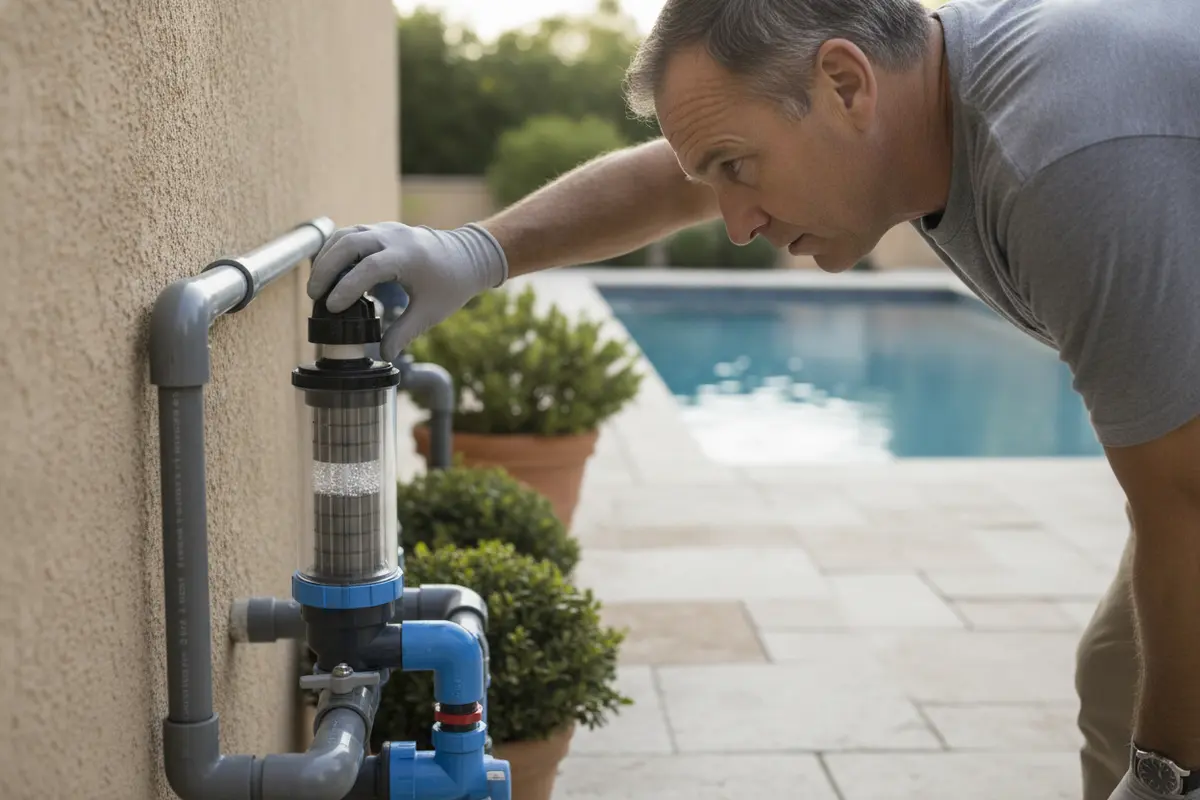
Use an alert as a prompt to verify conditions. Note the exact code, check the manual, confirm circulation, and use an independent test when appropriate. Do not repeatedly reset the generator or add salt without checking what the warning means for that model.
| Observation | First checks | Reasonable next step |
|---|---|---|
| Low-salt alert | Test salt with a suitable method and check the model’s specified range. | Add salt only if the result and instructions support it; retest as directed. |
| Low sanitizer reading | Review test method, pump operation, flow, and generator settings. | Follow the manual and pool-care guidance; do not rely on salt reading alone. |
| Cell or service alert | Record the code, check visible circulation, and review cell inspection guidance. | Use the maker’s troubleshooting sequence; request service if it persists. |
| Visible scale | Review water balance and the cell’s inspection history. | Address water conditions and clean only by the approved procedure. |
| Leak or unusual sound | Look for visible water or changes from a safe distance. | Avoid opening electrical parts; seek qualified help if the concern continues. |
A practical sequence prevents unnecessary intervention: record the symptom, check the relevant reading, consult model-specific instructions, take one safe step, then observe the result. If water remains outside the recommended range, a fault persists, or you cannot identify the code, do not keep experimenting. A persistent issue can involve flow, water conditions, controls, or cell condition, and the right response depends on inspection.
How does seasonal care change on Long Island?
Before opening, inspect the pool and equipment for visible winter damage, then follow the pool’s startup procedure. Confirm that circulation is operating and test the water before assuming the generator is producing enough chlorine. Check the control panel and make sure the cell and plumbing are installed as required by the manufacturer.
During the season, keep regular testing on the calendar and note changes after storms or periods of heavy use. A brief check of the equipment area can reveal a leak or warning sooner than waiting for water quality to change. Do not interpret a change in water appearance as a diagnosis; test first and then consult the manual or a pool professional.
At closing, follow both the pool winterization plan and the generator instructions. Depending on the model, components may need to be removed, drained, stored, or otherwise protected from freezing. Do not assume a cell can remain installed through freezing weather. Before reopening, check for damage and confirm circulation before expecting chlorine production. For outdoor planning alongside pool work, see patio projects and cleaning and sealing information.
Which maintenance tasks can homeowners handle?
Many owners can take readings, keep notes, observe the control panel, and look for obvious changes. Tasks involving electricity, uncertain chemical handling, persistent faults, or damaged equipment call for a more cautious approach. When the manual is not clear, stopping is safer than improvising.
| Task | Routine homeowner action | When to seek help |
|---|---|---|
| Water testing | Use an appropriate test method and keep a dated record. | Readings repeatedly remain outside the pool’s recommended range. |
| Visual equipment check | Observe alerts, visible leaks, noise, and circulation from a safe position. | Equipment is leaking, damaged, or behaving unpredictably. |
| Cell inspection | Follow the exact model’s instructions; clean only if permitted. | Removal is uncertain, deposits recur, or plates appear damaged. |
| Control troubleshooting | Record the displayed code and follow the manual’s basic steps. | The fault persists or requires electrical testing or repair. |
| Winter preparation | Use the pool and equipment winterization directions. | Steps are unclear or equipment needs repair before closing. |
When evaluating service, ask what was inspected, which readings or alerts informed the recommendation, and whether the suggested work addresses a cause or only a symptom. Share the generator model, maintenance notes, and test results. Gappsi’s saltwater pool topics may also help with related planning, while its contact page is available for a project-specific inquiry.
What should you prepare before requesting maintenance?
Before arranging an evaluation, collect a short, useful history. Note when the symptom began, whether it follows rain or heavy use, recent readings, the exact warning code, and any work already done. Take a clear photo of the model label if it is safely accessible. This information helps the conversation start with evidence rather than an uncertain description such as “the system seems off.”
Ask whether the proposed inspection covers water conditions, circulation, controls, and the cell as relevant to the reported issue. Clarify which steps require shutdown, what you should monitor afterward, and what manufacturer guidance applies. A useful plan should leave you with specific readings or warning signs to track and a clear point for follow-up.
For example: if the generator displays a warning but an independent salt test is within the stated range, report both facts. If sanitizer is low as well, include the recent pump schedule and any flow alert. Those details help separate a salt-reading concern from a circulation or output issue, though they do not replace an equipment inspection.
For pool system and project questions, Gappsi’s swimming pool service page offers relevant context. You can also explore pool remodeling topics, pool auto-cover information, and pool safety-cover topics when planning broader pool care.
For related outdoor space ideas, browse porcelain patio projects, hardscaping examples, retaining wall topics, outdoor seating ideas, and sheer descent water features. These are separate project considerations; keep the pool’s equipment-maintenance plan guided by the generator’s instructions.
Contact Gappsi through our contact page to discuss pool maintenance
Frequently Asked Questions
Does a saltwater pool need chlorine?
Yes. The generator produces chlorine from dissolved salt, but you still need to test the water and maintain the sanitizer level recommended for your pool. If a test is low, check circulation and the generator instructions before changing settings.
How often should a saltwater generator cell be cleaned?
There is no single interval for every model. Follow the manufacturer’s inspection and cleaning instructions, and do not clean more often or use a different method than it recommends.
Should I add salt when the generator shows a low-salt alert?
Verify the concentration with a suitable test first. Compare the result with the model’s operating range and add salt only as directed; an alert alone does not confirm that adding salt is appropriate.
Can the generator stay installed over a Long Island winter?
Use the pool and equipment winterization instructions for your specific system. Components may need to be removed, drained, stored, or protected from freezing, so do not assume the cell can remain installed.
When should I contact a pool professional?
Seek qualified help for a persistent alert, damaged cell, continuing low sanitizer despite correct circulation and settings, visible leak, or electrical concern. Stop any procedure that is unclear or unsafe.
Posted by Gappsi Group
Consistent testing, careful cell inspection, and seasonal preparation make saltwater pool care more systematic. Use the exact equipment manual for model-specific steps and get qualified help when a warning or safety concern persists.