


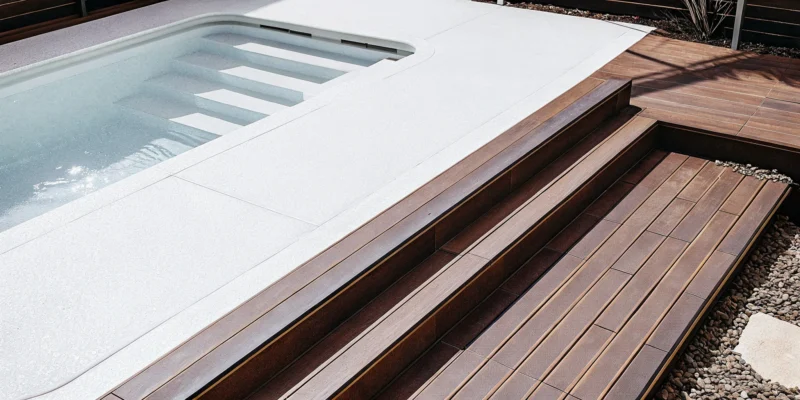
You’re not just buying a pool; you’re creating the heart of your backyard, a place for family gatherings, quiet afternoons, and lasting memories. The foundation of this new oasis is the pool itself, and your first major decision is choosing the right material. This choice will influence everything from the installation timeline to the amount of time you spend on maintenance each week. Whether you opt for the durability of fiberglass or the design flexibility of vinyl, understanding the pros and cons is key. Let’s explore what to expect from a fiberglass inground vinyl pool kit so you can build the perfect centerpiece for your outdoor life.
Key Takeaways
- Look beyond the initial price tag: While vinyl liner kits are cheaper upfront, fiberglass pools often save you money in the long run with lower chemical costs and no expensive liner replacements.
- Choose based on your timeline and maintenance goals: Fiberglass pools offer a faster installation and less weekly upkeep, while vinyl liner pools require a more involved installation and more hands-on care.
- Decide between custom shapes and built-in features: Vinyl liners provide nearly unlimited design flexibility for unique backyards, whereas fiberglass offers a variety of popular, pre-made designs that include convenient features like tanning ledges.
Fiberglass vs. Vinyl Liner Pools: Which Kit Is Right for You?
Choosing between a fiberglass and a vinyl liner pool kit is one of the first big decisions you’ll make when planning your backyard oasis. Both options can give you the beautiful inground pool you’ve been dreaming of, but they have key differences in installation, maintenance, and cost. Understanding these distinctions will help you select the right foundation for years of summer fun. Let’s walk through what makes each type unique so you can feel confident in your choice.
What is a fiberglass pool?
A fiberglass pool is essentially a giant, pre-made bathtub for your backyard. These pools are crafted in a factory as a single, seamless shell and then transported to your home for installation. Because they arrive ready to be placed in the ground, the installation process is often much faster than other pool types. The smooth, non-porous gel-coat surface is a major plus, as it naturally resists algae growth. This means you’ll likely spend less time brushing the walls and use fewer chemicals to keep your water sparkling clean. This low-maintenance appeal makes fiberglass swimming pools a popular choice for busy Long Island families.
What is a vinyl liner pool?
A vinyl liner pool is built on-site using a different method. First, a structural framework, usually made of steel or polymer panels, is assembled in the excavated hole to create the pool’s shape. Then, a custom-fitted vinyl liner is installed over this framework to create a smooth, waterproof surface. This approach offers incredible flexibility in design, allowing for a wide variety of shapes, sizes, and depths that might not be possible with a pre-molded fiberglass shell. The liner itself can also be replaced down the road, giving you the chance to update your pool’s look without a complete overhaul.
What comes in each kit?
Whether you choose fiberglass or vinyl, an inground pool kit typically provides all the essential components to get you started. A standard kit often includes the pool structure itself (either the fiberglass shell or the wall panels and liner), along with fiberglass steps, a handrail, and a ladder for the deep end. You’ll also get the core operational equipment, like a pump and sand filter system to keep the water circulating and clean. Many kits even include a basic maintenance package with a brush, skimmer, and vacuum head. While the contents are similar, the main difference lies in the core structure you’ll be installing. You can find many of the necessary accessories and high-quality materials at the Gappsi Store.
How Do the Costs Compare?
When you’re planning for a new pool, the budget is often the first thing on your mind. It’s easy to look at the initial price tag of a pool kit and make a quick decision, but the true cost of ownership goes far beyond that first payment. You have to consider not just the upfront investment but also the long-term expenses for maintenance, chemicals, and eventual repairs. A pool that seems like a bargain at first might end up costing you more over its lifetime.
To get a clear picture of what you’ll really be spending, it’s helpful to break down the costs into three main areas: the initial purchase price, the ongoing maintenance fees, and the major replacement or repair expenses you can expect down the road. Understanding how fiberglass and vinyl liner swimming pools stack up in each of these categories will help you make a smart financial choice for your Long Island home, ensuring your backyard oasis is a source of joy, not a financial drain.
Comparing upfront costs
Let’s talk about the initial investment. Generally, a vinyl liner pool kit will have a lower upfront cost than a fiberglass one. This is mainly because the materials and manufacturing process for vinyl liners are less expensive. For many homeowners, this lower initial price point is very attractive and can make the dream of owning a pool feel more immediately accessible. It’s a straightforward way to get a pool in your backyard for a smaller initial outlay.
On the other hand, fiberglass pools cost more upfront because the entire pool shell is created as one solid piece in a factory and then transported to your home. This manufacturing process is more complex and results in a higher initial price. Think of it as paying more for a product that arrives pre-built and ready for a quicker installation, which can sometimes offset other construction costs.
Understanding long-term maintenance and hidden fees
Over the years, the small, recurring costs of pool ownership really add up. This is where fiberglass pools start to show their financial advantages. The surface of a fiberglass pool is a smooth, non-porous gel coat, which naturally resists algae growth. This means you’ll likely spend less time brushing the pool walls and less money on chemicals to keep the water balanced and clean. It’s a low-maintenance surface that saves you both time and money week after week.
Vinyl liner pools require a bit more attention. The liner itself is durable, but its texture and seams can be places where algae finds a foothold. This may lead to using more chemicals and spending more time on weekly cleaning. While these costs might seem small individually, they accumulate over the swimming season and can become a significant part of your annual pool budget.
Liner replacement vs. surface repair costs
The biggest long-term cost difference between these two pool types comes down to major replacements. A vinyl liner will need to be completely replaced every five to nine years, on average. This is a substantial expense that you’ll have to plan for periodically throughout the life of your pool. Factors like sun exposure and water chemistry can affect the liner’s lifespan, but its replacement is an inevitable part of owning a vinyl pool.
Fiberglass pools, however, don’t have a liner that needs replacing. The gel-coat surface is incredibly durable and designed to last for decades. While it’s possible for the surface to get scratched or damaged, repairs are typically localized and much less expensive than a full liner replacement. This durability is why fiberglass often proves to be the more economical choice in the long run, adding to your home’s value with high-quality materials like porcelain and natural stone for the surrounding patio.
Which Pool Is Easier to Install?
When you’re choosing between a fiberglass and a vinyl liner pool kit, the installation process is a huge deciding factor. Both are significant projects, but one is definitely more straightforward than the other. The main difference comes down to what you’re actually building. A fiberglass pool arrives as a single, pre-made shell, while a vinyl liner pool is an assembly of parts you put together on site. Your choice really depends on your timeline, your budget, and how comfortable you are with a complex construction project.
Think of it this way: installing a fiberglass pool is more like placing a finished product, while installing a vinyl liner pool is like building it from the ground up. Each has its own set of challenges and rewards. While a DIY installation can be a fulfilling project, it’s also a job that requires precision and heavy equipment. Many homeowners find that working with a professional team removes the stress and ensures the job is done right. An experienced builder handles everything from securing permits to the final plumbing connections, giving you a seamless path to your new swimming pool.
Installing a fiberglass kit yourself
If you’re looking for a more direct installation, a fiberglass kit is your answer. Because the pool shell is manufactured off-site as one solid piece, the on-site work is much simpler. The process generally involves excavating a precisely shaped hole, having the shell craned into place, and then backfilling the surrounding area as the pool is filled with water.
This streamlined approach is a major reason why many DIYers lean toward fiberglass. There are fewer moving parts and fewer opportunities for error compared to a vinyl liner build. The factory-molded shell is structurally sound on its own, so you don’t have to worry about assembling walls or smoothing a liner. These inground pool types are designed for efficiency from start to finish.
Installing a vinyl liner kit yourself
A vinyl liner pool kit requires a more hands-on construction process. Instead of a single shell, you’ll receive a kit with wall panels (usually steel or polymer), braces, and a sheet of vinyl liner. Your first step is to assemble the wall panels to create the pool’s perimeter. Then, you’ll typically pour a concrete footing or create a smooth floor from sand or grout.
The most critical step is setting the vinyl liner, which must be carefully attached and smoothed out to avoid wrinkles. This part requires patience and precision. While this method allows for more custom shapes and sizes, it’s a more complex and labor-intensive job. Understanding the differences between fiberglass vs. vinyl vs. concrete pools will help you decide if this assembly process is right for you.
How long does installation take?
If getting your pool ready quickly is a top priority, fiberglass has a clear advantage. Because the shell is pre-built, the installation can be incredibly fast. Once the shell is delivered to your Long Island home, you could be swimming in as little as a few days. This quick turnaround is perfect if you’re trying to get your pool ready for the summer season.
In contrast, a vinyl liner pool installation takes longer. The assembly of the walls, creation of the base, and fitting of the liner can take one to three weeks, depending on the project’s complexity. Keep in mind that these timelines are just for the pool itself. Any project will also require time for excavation, electrical work, plumbing, and finishing touches like your patio and landscaping.
Maintenance: Which Pool Needs More Attention?
When you picture your perfect summer, how much of it involves scrubbing pool walls? Probably not much. The long-term maintenance commitment is one of the most important factors when choosing between a fiberglass and a vinyl liner pool. While every pool needs regular care to stay sparkling and safe, one type definitely demands less of your time and money. Fiberglass pools are known for being one of the most efficient and low-maintenance options you can find.
The core difference comes down to the pool’s surface. A fiberglass pool’s smooth, non-porous gel coat is the secret to its easy upkeep. In contrast, a vinyl liner, while also smooth, has inherent vulnerabilities that can lead to more work down the road. Understanding these differences will help you decide how you want to spend your summers: enjoying the water or working on it. Let’s break down what maintenance looks like for each.
Comparing surface upkeep and algae growth
The battle against algae is a classic part of pool ownership, but the surface of a fiberglass pool gives you a serious advantage. Its gel coat is completely non-porous, meaning there are no tiny crevices for algae to cling to and grow. This is a huge plus, as it means you’ll spend less time brushing the walls and use fewer chemicals to keep the water clear. Most of the time, a simple robotic pool cleaner can handle the job.
Vinyl liners are also smooth, but they are not as resistant to algae. The seams where liner pieces connect can sometimes harbor growth. More importantly, if the liner gets a small tear or puncture, it creates a perfect hiding spot for algae and bacteria. While both pools need regular cleaning, you’ll find that maintaining a fiberglass pool is generally a quicker, less labor-intensive process.
Managing water chemistry and chemicals
All pools require you to play chemist from time to time, but a fiberglass pool makes it easier to keep your water balanced. Because the fiberglass shell is inert, it doesn’t react with the water or the chemicals in it. This stability means your pH, alkalinity, and sanitizer levels are less likely to fluctuate, saving you from constantly adjusting them. You’ll still need to test your water weekly, but you’ll likely use fewer chemicals over the season.
A vinyl liner is also fairly inert, so it won’t throw your water chemistry into chaos. However, since vinyl is more prone to algae, you may find yourself using more algaecide and shock treatments to keep things pristine. Ultimately, every pool requires you to manage its water chemistry, but fiberglass often simplifies the task and can lower your annual spending on chemicals.
Handling seasonal opening and closing tasks
For any pool owner on Long Island, seasonal opening and closing is a standard routine. The steps are largely the same for both fiberglass and vinyl liner pools. You’ll need to remove the cover, clean out debris, get your pump and filter system running, and balance the water chemistry. These are essential tasks for protecting your investment through the winter and getting it ready for summer fun.
The main difference lies in the durability of the surface. With a vinyl liner, you have to be extra careful during closing to avoid trapping sharp debris under the cover, which could cause a puncture. You also want to ensure the liner does not become too dry or brittle. A fiberglass shell is much more forgiving. Its tough surface is not as susceptible to damage from debris or exposure, making the seasonal transition a little less stressful.
Durability: Which Pool Lasts Longer?
When you invest in a swimming pool, you’re thinking about decades of summer fun, not just the first season. Both fiberglass and vinyl liner pools are built to last, but they approach longevity in different ways. For Long Island homeowners, where we see everything from humid summers to freezing winters, understanding how each pool type holds up is key to making a smart choice for your backyard oasis. Durability isn’t just about the pool shell itself; it’s also about the surface you’ll be enjoying and the maintenance required to keep it in top shape for years to come.
How fiberglass pools handle Long Island weather
Fiberglass pools are known for being exceptionally durable. The shell is manufactured in one piece from a flexible, resilient material that can handle the shifting ground that comes with our freeze-thaw cycles. This strength means a fiberglass pool can easily last for decades with proper care. The surface of a fiberglass pool is a major advantage. Its smooth, non-porous gelcoat is tough, comfortable on your feet, and naturally resists algae growth. This means you’ll likely spend less time and money on chemicals. Because the surface is so resilient, you won’t face the future expense of resurfacing, making it a solid long-term investment for your home.
Understanding vinyl liner wear and tear
The structure of a vinyl liner pool is very durable, often lasting for the lifetime of a home. The liner itself, however, is the component that experiences wear. On average, a vinyl liner needs to be replaced every ten years or so, depending on factors like sun exposure and water chemistry. While this is a recurring cost, many homeowners see it as a benefit. Replacing the liner gives you a fantastic opportunity to completely refresh the look of your pool with a new color or pattern. Think of it as a built-in remodel that keeps your backyard looking modern and new. Proper maintenance and a quality pool cover can help extend your liner’s life.
Comparing overall pool lifespans
So, which one truly lasts longer? It depends on how you look at it. A fiberglass pool shell can last 25 years or more before it might need any major attention, like resurfacing its gelcoat. The structure of a vinyl liner pool can last even longer, potentially over 40 years, but you have to factor in a few liner replacements along the way. Your decision comes down to preference. Do you want a pool surface that is largely set it and forget it for a very long time? Or do you like the idea of a pool that allows for periodic cosmetic updates? Both options provide a lasting addition to your property, and our team can help you choose the right swimming pool for your family’s needs.
What Are Your Design Options?
The look of your pool is just as important as its function. You’re not just adding a place to swim; you’re creating a centerpiece for your backyard that will host countless memories. Both fiberglass and vinyl liner pools offer beautiful design possibilities, but they approach customization in different ways. Your choice will come down to whether you want complete creative freedom to design a one-of-a-kind retreat or prefer selecting from a curated collection of stunning, proven designs.
Vinyl liner pools are the top choice for bespoke creations. If you can dream it, you can likely build it with vinyl. This makes them ideal for yards with unusual shapes or for homeowners with a very specific vision for their outdoor space. Fiberglass pools, on the other hand, are crafted from pre-designed molds. While this means you’ll choose from a catalog of shapes and sizes, the options are far from basic or boring. Modern fiberglass designs are elegant and thoughtfully planned to fit a variety of backyard styles, often including features like built-in tanning ledges and benches. Let’s look at how their design options compare in three key areas: flexibility, finishes, and energy efficiency. Gappsi can help you explore the full range of swimming pools to find the perfect fit for your home.
Flexibility in shape, size, and depth
If you want a pool that perfectly fits the unique contours of your Long Island property, a vinyl liner kit offers incredible flexibility. Because the liner is custom-fitted to a structure built on-site, there are virtually no limits to the shape, size, or depth. You can design a pool that flows around existing landscaping, fits into a narrow side yard, or features a custom deep end for diving. This level of personalization is the biggest advantage of a vinyl liner pool, giving you total control over the final footprint.
Fiberglass pools offer a more streamlined approach. They are manufactured in a factory using molds, so you will choose from a selection of established shapes and sizes. While you won’t get a one-of-a-kind shape, you will find a wide variety of popular designs, including classic rectangles, freeform lagoons, and models with built-in benches or tanning ledges.
Choosing your finish, color, and style
This is where your personal style really comes to life. With a vinyl liner pool, you can choose from a huge array of patterns and colors. You can go for a classic deep blue, a sandy tone that mimics a beach, or a detailed mosaic pattern. A major benefit is that you can completely change your pool’s appearance every time you replace the liner, giving your backyard a fresh look every seven to ten years.
Fiberglass pools might not have replaceable liners, but their finishes are stunning and incredibly durable. Forget the old image of a plain white tub. Today’s fiberglass pools feature a gelcoat finish with beautiful, deep colors and often a bit of shimmer that sparkles in the sun. These finishes are smooth to the touch and non-porous, which helps them resist staining and algae. The style of your pool is also defined by its surroundings, and you can pair either pool type with gorgeous porcelain and natural stone for a truly high-end look.
Differences in energy efficiency and insulation
Design isn’t just about looks; it’s also about how the pool performs. Fiberglass pools have a distinct advantage here. The material itself is a natural insulator, which means it helps the water retain heat more effectively than other pool types. This can translate into a longer swimming season and potentially lower heating costs. Furthermore, the smooth, non-porous gelcoat finish is algae-resistant. You’ll likely spend less time scrubbing the walls and use fewer chemicals to keep your water balanced and clear.
While vinyl liner pools don’t offer the same built-in insulation, their long-term upkeep is still manageable. The key is proper maintenance and water chemistry. Keeping the entire pool area in top shape is crucial for efficiency, which is why Gappsi offers expert restoration and sealing services to protect your investment and keep your backyard oasis looking its best for years to come.
Debunking Common Pool Kit Myths
When you start researching pool kits, you’ll quickly run into some strong opinions. It can be tough to separate fact from fiction, especially when it comes to fiberglass and vinyl liner pools. Let’s clear up a few common myths so you can feel more confident about which type of pool is the right fit for your backyard. Making a big decision like this is much easier when you have clear, straightforward information. We’ll tackle some of the most persistent rumors I hear from homeowners.
Myth: “Fiberglass pools aren’t customizable.”
This is one of the biggest misconceptions out there. While it’s true that fiberglass pools are created from pre-designed molds, that doesn’t mean you’re stuck with a cookie-cutter design. Manufacturers offer a wide array of modern shapes and sizes, complete with popular built-in features like tanning ledges, benches, and even spas. You can also choose from a stunning variety of gelcoat finishes to get the exact water color you want. While you won’t get the free-form flexibility of a concrete pool, the available swimming pools and design options give you more than enough room to create a personalized oasis.
Myth: “Vinyl liner pools are always the cheaper option.”
Looking only at the initial price tag can be misleading. A vinyl liner pool kit often has a lower upfront cost than a fiberglass one, which makes it seem like the more budget-friendly choice. However, it’s important to consider the long-term cost of ownership. Vinyl liners typically need to be replaced every five to nine years, and that’s a significant recurring expense. Fiberglass pools, on the other hand, have a durable, non-porous surface that requires fewer chemicals and no liner replacements. Over the life of your pool, the lower maintenance needs of fiberglass can often make it the more economical choice.
Myth: “Fiberglass pools don’t work in cold climates.”
As a Long Island homeowner, you know our winters can be harsh, so this is a valid concern. The good news is that this myth is completely false. Fiberglass is actually an excellent material for climates with freeze-thaw cycles. The inherent flexibility of the fiberglass shell allows it to expand and contract with the changing ground temperature without cracking or sustaining damage. The key is proper installation from a team that understands our local soil and weather patterns. An expert pool builder ensures the pool is set and backfilled correctly to handle whatever a New York winter throws at it.
Choosing the Right Kit for Your Long Island Home
Making the final call between a fiberglass and vinyl liner pool kit comes down to your unique situation. It’s about more than just looks; it’s about how the pool will fit into your backyard, your budget, and your life. Thinking through a few key factors specific to your Long Island property will help you make a choice you’ll be happy with for years to come. Let’s walk through the final considerations to help you decide.
Consider your property’s soil and site conditions
Your backyard isn’t just a blank canvas. The type of soil, the slope of your land, and groundwater levels all play a big role in which pool is a better fit. Fiberglass pools are factory-molded shells that arrive as a single piece. This unified structure can be a major advantage in certain soil conditions, offering stability where other pool types might shift. A professional site evaluation is the only way to know for sure what your property can handle. An expert can assess your specific conditions and recommend the best foundation for your new swimming pool. This step ensures your investment is built on solid ground, literally.
Understand local permits and regulations
Before any digging begins, you need to get familiar with your town’s rules. Permitting is a critical step, and regulations can vary quite a bit between different areas in Nassau and Suffolk counties. Local codes will dictate things like how far your pool must be from property lines and what type of safety fencing is required. Both fiberglass and vinyl liner pools can be installed to meet these codes, but the process can be complex. Working with an experienced builder who understands the local requirements is your best bet for a smooth process. They can handle the paperwork and ensure your home remodeling project is fully compliant from day one.
Match the pool type to your budget and timeline
Your budget and how quickly you want to start swimming are two of the biggest factors in this decision. While fiberglass pools may have a higher upfront cost for the shell, they often cost less to install and maintain over time. On the other hand, if your upfront budget is the main deciding factor, a vinyl liner kit can get you in the water for less initial money. It really comes down to what you value most. If a quick installation and lower long-term maintenance are your priorities, fiberglass is often the best fit. A detailed quote for your specific project will clarify the costs and help you make a confident financial choice.
When to Call a Professional Pool Builder
While DIY pool kits seem like a great way to save money, installing an inground pool is a major construction project that often requires an expert. A mistake during installation can lead to costly repairs and headaches down the road. Calling a professional builder from the start gives you peace of mind and ensures your investment is protected. Think of it this way: you’re not just buying a pool, you’re adding a permanent, valuable feature to your home. A professional ensures it’s done right, from the initial excavation to the final plumbing connections.
A professional builder brings a level of expertise that a kit simply can’t provide. They handle the complexities of site preparation, ensure the pool is perfectly level, and manage all the electrical and plumbing work according to local codes. This is especially important for fiberglass pools, which are factory-molded shells that need precise installation to prevent future issues. If you’re looking for a one-of-a-kind design, a builder can also help you explore custom shapes and features that go beyond a standard kit. Gappsi’s team has decades of experience installing beautiful and functional swimming pools that are tailored to each homeowner’s vision.
Beyond the installation, a professional provides invaluable knowledge about long-term care. They can walk you through the specific maintenance tasks your new pool will require, from balancing water chemistry to winterizing it properly for Long Island’s cold seasons. This guidance helps you understand the true cost of ownership and keeps your pool looking its best for years. They can also advise you on which pool type offers the best durability for your property. For example, many homeowners find that fiberglass pools offer superior durability and are a fantastic low-maintenance choice.
Finally, a local builder understands the unique challenges of building in your area. They know the soil conditions, weather patterns, and permitting requirements specific to Nassau and Suffolk counties. This local knowledge is critical for choosing the right pool and ensuring it can withstand seasonal changes. A professional can confirm that a fiberglass pool is a reliable option in a wide range of climates, including ours, and will make sure the installation process accounts for our specific environmental factors. By hiring a pro, you get a partner who is invested in the success and longevity of your project.
Related Articles
Frequently Asked Questions
Which pool is better if I have kids and pets? For families with active kids and pets, a fiberglass pool is often the top recommendation. Its surface is smooth and non-porous, which means it’s gentle on feet and paws and won’t snag swimsuits. The durable gelcoat finish is also highly resistant to scratches from dog claws. While a vinyl liner pool is also a great option, the liner itself is more susceptible to punctures or tears from sharp objects, so you would need to be a bit more careful.
I want a pool for this summer. Is one option faster to install? Yes, absolutely. If speed is your main priority, a fiberglass pool is the clear winner. Because the pool shell is built in a factory and arrives at your home as a single piece, the on-site installation can be completed in just a few days once the excavation is done. A vinyl liner pool requires on-site assembly of the walls and careful placement of the liner, a process that typically takes one to three weeks.
What is the biggest long-term cost I should plan for with each pool type? The most significant long-term expense is a key difference between the two. For a vinyl liner pool, you should budget for a complete liner replacement every five to nine years. This is a recurring cost that is an unavoidable part of ownership. With a fiberglass pool, there is no comparable large replacement cost. Its durable surface is designed to last for decades, so your main long-term expenses will simply be routine chemicals and electricity.
Can I really customize a fiberglass pool? This is a common question, and the answer is yes, just in a different way than vinyl. You can’t design a completely unique shape from scratch, but you can choose from a wide variety of modern, thoughtfully designed molds that include popular features like tanning ledges, built-in benches, and spas. You also have many options for stunning gelcoat finishes that create beautiful water colors, giving you plenty of room to personalize your pool’s style.
Why is professional installation so important for a pool kit? A pool kit provides the materials, but the installation is what ensures your pool will last. A professional builder does much more than just dig a hole. They handle complex local permits, assess your property’s specific soil and grading, and ensure the pool is perfectly level and structurally sound. Proper installation, especially for a heavy fiberglass shell, prevents future issues like shifting or plumbing failures, protecting your investment and giving you peace of mind.