


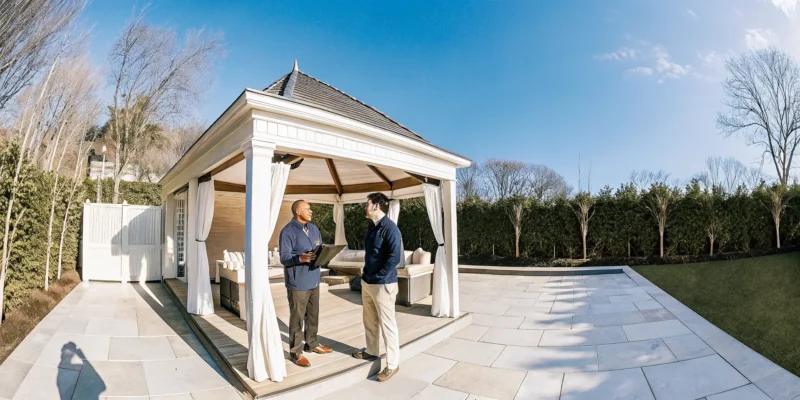
A beautiful gazebo doesn’t just appear in your backyard; it’s the result of a well-coordinated project involving design, materials sourcing, site preparation, and construction. For many homeowners, juggling different contractors for each step is a major headache. This is why many people seek a simpler path. If you’re asking, “where can I get a quote for gazebos in Long Island,” consider looking for a full-service firm that handles everything. This article will explain the benefits of working with a design-build company that manages the entire process, from initial concept and permits to final installation, ensuring a smooth and stress-free experience from start to finish.
Key Takeaways
- Define Your Vision for an Accurate Quote: Before contacting builders, decide on your gazebo’s purpose, size, and style. Having a clear plan helps you get a precise and relevant estimate that truly matches what you want.
- Look Beyond the Bottom Line: A single price doesn’t tell the whole story. Always ask for an itemized quote that breaks down costs for materials, labor, and permits so you can make a true apples-to-apples comparison.
- Verify a Builder’s Quality and Reputation: The cheapest bid isn’t always the best choice. Protect your investment by checking a company’s local reviews, viewing their past work, and understanding the warranties they offer on materials and craftsmanship.
Where to Get a Gazebo Quote on Long Island
Once you’ve decided a gazebo is the perfect addition to your backyard, the next step is finding the right team to bring it to life. On Long Island, you have a couple of great options for getting a quote. You can work with a full-service design-build firm that handles every detail from start to finish, or you can source quotes from various local builders. Each path has its own process, so let’s look at what to expect from both.
Why Choose a Design-Build Firm like Gappsi
Working with a design-build firm like Gappsi simplifies the entire process of adding a gazebo to your property. Instead of juggling a designer, a materials supplier, and an installation crew, you have one dedicated team. We handle everything from creating a custom design to the final construction. This integrated approach means we can offer a free consultation and price estimate to get you started. A major advantage is that a design-build firm also manages the necessary building permits, which are often required in towns across Nassau and Suffolk County. This saves you the headache of dealing with local regulations and ensures your project moves forward smoothly, letting you focus on the exciting part: enjoying your new outdoor space.
What to Look for in a Local Builder
If you explore quotes from different local builders, it’s smart to do a little homework first. A good rule of thumb is to get at least three detailed quotes to compare your options thoroughly. When you speak with potential builders, ask for a complete breakdown of costs, including materials, labor, and any site preparation fees. It’s also wise to interview multiple pros to get a feel for their communication style and expertise. Before you sign any contracts, make sure you understand the timeline, the materials they plan to use, and who is responsible for securing permits. Being prepared with the right questions helps you find a reliable partner for your project.
Breaking Down Your Gazebo Quote
Receiving a quote can feel overwhelming if you’re not sure what you’re looking at. A detailed quote should clearly outline every part of the project, from the style and materials to labor and any special features. Understanding these components helps you compare offers accurately and ensures there are no surprises down the road. Think of it as a recipe for your new backyard retreat; every ingredient plays a role in the final outcome and cost. A transparent builder will walk you through each line item, explaining what it is and why it’s necessary. This breakdown will help you identify what’s included in a standard gazebo quote and what customizations you might want to consider.
Choosing Your Gazebo Style
The shape of your gazebo is one of the first decisions you’ll make, and it sets the tone for your entire outdoor space. While it might seem like a purely aesthetic choice, the design complexity can also influence the final price. Your selection should complement your home’s architecture and the layout of your yard. Whether you prefer a classic look or something more modern, there’s a style that will fit your vision perfectly. A design-build firm can help you visualize how different shapes will look in your specific landscape, ensuring the structure feels like a natural extension of your home.
Octagonal Gazebos
The octagonal gazebo is the quintessential, storybook design that comes to mind for many. Its eight-sided shape creates a charming and traditional focal point in any garden or backyard. This classic structure provides panoramic views of your surroundings, making it an ideal spot for relaxing or intimate gatherings. The balanced proportions of an octagonal design work well in a variety of landscape settings, from lush, sprawling gardens to more compact yard spaces. While it’s a timeless choice, the multiple angles can sometimes make construction slightly more complex than a simple square design, which may be reflected in the quote.
Square and Rectangular Gazebos
If your home has more modern or contemporary lines, a square or rectangular gazebo might be the perfect fit. These shapes offer a clean, geometric look that feels fresh and current. They are also incredibly practical, as their straight edges make it easy to arrange furniture, define an outdoor dining area, or even house an outdoor kitchen. The straightforward construction of a four-sided structure can sometimes translate to a more cost-effective build compared to more complex shapes. These designs are versatile and can be easily integrated alongside a pool, patio, or existing deck.
Custom Designs
For a truly one-of-a-kind outdoor structure, a custom design allows you to bring your unique vision to life. Perhaps you need a specific size to fit an unusual corner of your yard, or you want to incorporate unique architectural details that match your home. Working with a company that specializes in custom pavilions and gazebos gives you the freedom to choose everything from the footprint to the roof style and decorative finishes. While a custom project will have a different price structure than a pre-designed kit, it ensures the final product is perfectly tailored to your needs and aesthetic preferences.
How Materials Affect Your Quote
The material you choose for your gazebo is one of the biggest factors influencing the cost, durability, and long-term maintenance of your structure. Each option has its own distinct look and set of benefits. When reviewing your quote, pay close attention to the specified materials, as this will tell you a lot about the quality and longevity you can expect. It’s a balance between your budget, your desired aesthetic, and how much time you’re willing to spend on upkeep. A good contractor will explain the pros and cons of each material, helping you make an informed decision for your Long Island home.
Wood Gazebos
Wood offers a classic, natural beauty that is hard to replicate. Materials like cedar or pine create a warm and inviting structure that blends seamlessly into a garden environment. Many homeowners love the authentic look and feel of a real wood gazebo. However, this premium aesthetic often comes with a higher price tag and requires regular maintenance, such as staining or sealing, to protect it from weather and pests. According to This Old House, proper care is essential to preserve the wood’s integrity and appearance over the years, which is an important long-term cost to consider.
Vinyl Gazebos
For homeowners seeking a low-maintenance alternative, vinyl is an excellent choice. Vinyl gazebos are incredibly durable and resistant to moisture, rot, and insects, making them a practical option for Long Island’s climate. They never need to be painted or stained, and cleaning is as simple as spraying it down with a hose. While the initial cost might be comparable to some wood options, you’ll save significantly on long-term maintenance costs and effort. Gappsi offers high-quality vinyl pavilions and gazebos that provide a clean, polished look that lasts for years with minimal upkeep.
Aluminum Gazebos
Aluminum gazebos are a lightweight and often more affordable option, making them a popular choice for those on a tighter budget. They are resistant to rust and corrosion, which is a definite plus. However, aluminum can be more susceptible to denting and may not feel as substantial or permanent as a wood or vinyl structure. While the lower upfront cost is appealing, it’s important to weigh it against the potential for a shorter lifespan and a less premium appearance. When comparing quotes, consider if an aluminum structure provides the long-term value and aesthetic you want for your property.
Key Features to Ask About
A basic gazebo is wonderful, but adding a few key features can transform it from a simple shelter into a true outdoor living room. When you request a quote, don’t be shy about asking what’s possible. Integrating elements like lighting, heating, and entertainment options from the start is much easier and more cost-effective than trying to add them later. These features extend the usability of your gazebo, allowing you to enjoy your backyard oasis from early spring through late fall, and even on cool evenings. Discussing these possibilities with your builder will help you create a space that is both beautiful and highly functional.
Electrical and Lighting
Imagine enjoying your gazebo long after the sun goes down. Adding electrical wiring and lighting is one of the most practical upgrades you can make. This allows for the installation of overhead ceiling fans for hot summer days, elegant chandeliers for ambiance, or subtle recessed lighting for a modern touch. You can also include outlets for charging devices, plugging in speakers, or powering small appliances. When discussing your project, ask about integrating a complete electrical plan to ensure your gazebo is as functional in the evening as it is during the day.
Smart Features and Heating
To maximize comfort and convenience, consider incorporating smart features and heating. Imagine adjusting your gazebo’s lights with a voice command or turning on heaters from your phone before you even step outside. Infrared heaters can be discreetly mounted to the ceiling, providing warmth that allows you to enjoy your outdoor space on chilly nights. Integrating these modern technologies during the initial build ensures a seamless and professional installation, making your gazebo a comfortable retreat you can use for more of the year.
Outdoor Kitchen Integration
If you love to entertain, integrating an outdoor kitchen into your gazebo design is a game-changer. This can range from a simple built-in grill and countertop to a full setup with a sink, refrigerator, and bar seating. A gazebo provides the perfect covered space to protect your cooking area and your guests from the elements. A design-build firm like Gappsi can create a cohesive plan that incorporates masonry and stonework for your kitchen components, ensuring the final result is both beautiful and fully equipped for hosting friends and family.
Automated Covers and Enclosures
For ultimate weather protection and versatility, ask about automated covers and enclosures. Retractable screens can keep insects out during summer evenings, while motorized vinyl panels can block wind and rain, effectively creating a three-season room. These systems allow you to adapt your gazebo to changing weather conditions with the simple push of a button. This feature adds a significant layer of functionality, giving you complete control over your environment and ensuring you can use your outdoor investment no matter what the forecast says.
What Factors Influence Gazebo Pricing on Long Island?
When you start getting quotes for a new gazebo, you’ll quickly see that prices can vary quite a bit. It’s not just about the structure itself; several key factors contribute to the final cost. Understanding these elements will help you make sense of your quotes and decide where you want to invest your budget. From the simple footprint of the structure to the complexities of local building codes, each component plays a role in shaping the total price of your backyard retreat. Knowing what to expect will make the entire process smoother and help you partner with a builder to create a space that fits your vision and your wallet.
Size and Footprint
It makes sense that the bigger the gazebo, the higher the price. A larger structure requires more materials, whether it’s wood, vinyl, or aluminum, and also takes more time and labor to construct. A small, intimate gazebo designed for two or three people will have a much different price tag than a large one meant for entertaining big groups. For example, a standard soft-top gazebo might be a few thousand dollars, while a premium, large-scale wood or steel structure can easily cost much more. When planning, think about how you’ll use the space. This will help you and your designer determine the perfect size and give you a clearer picture of the material and labor costs involved in your pavilion or pergola project.
Design Complexity
A simple, octagonal gazebo kit has a different cost profile than a custom-designed rectangular structure with intricate details. The more complex the design, the more it will influence the price. Features like custom latticework, built-in benches, or a two-tiered roof require specialized craftsmanship and additional materials, which adds to the overall cost. If you’re dreaming of a unique shape or a design that seamlessly integrates with your home’s architecture, expect the quote to reflect that level of personalization. A design-build firm can help you explore what’s possible, balancing custom features with your budget to create a structure that is both beautiful and functional. This is where working with an expert in custom masonry can also be a huge asset for creating a truly integrated foundation and look.
Site Preparation and Installation
Before your gazebo can be built, the ground beneath it needs to be perfectly prepared. This is a critical step that should never be overlooked. An unprepared site can lead to structural problems down the road. Depending on your property, site preparation could involve leveling uneven ground, removing obstacles, or pouring a concrete foundation. If you want your gazebo to sit on a beautiful patio, the cost of installing porcelain or natural stone pavers will also be part of the project. Professional installation ensures the foundation is stable and the structure is assembled correctly and safely, protecting your investment for years to come. This foundational work is a key part of any quality landscape design.
Local Permits and Regulations
On Long Island, many permanent outdoor structures require building permits to ensure they meet local safety and zoning codes. The process of obtaining a permit can be time-consuming and sometimes confusing, involving paperwork, fees, and inspections. The specific requirements can vary between Nassau and Suffolk County, and even from town to town. While it might seem like a hassle, these New York State building permit requirements are in place to protect you and your property. A reputable, full-service builder will handle the entire permitting process for you, including any necessary drawings and applications. This service is often included in a comprehensive quote and saves you a significant amount of time and stress.
Seasonal Demand
Like many construction projects, gazebo building has a peak season. In the spring and summer, when everyone is eager to get their backyards ready for warm weather, demand for builders is at its highest. This can sometimes lead to longer wait times and slightly higher prices. If you have a flexible timeline, consider planning your project during the off-season, like in the fall or early winter. You might find that builders have more availability, which could potentially lead to a quicker start date. Planning ahead is always a good strategy. You can start the design and material selection process with your home improvement company any time of year, ensuring you’re ready to go as soon as the season is right for you.
How to Compare Gazebo Quotes Effectively
Getting a few different quotes for your gazebo project is a great first step, but the real work is in understanding what those quotes actually mean. The goal isn’t just to find the lowest price; it’s to find the best value and a builder you can trust to bring your vision to life. A quote is more than a number, it’s a reflection of the quality, materials, and service you can expect. To make a confident decision, you need a clear strategy for comparing your options.
Thinking like a project manager will help you sort through the details and avoid surprises down the road. This means doing a little homework before you make any calls and knowing what questions to ask. By breaking down each quote and looking at the fine print, you can ensure you’re making a true apples-to-apples comparison. Let’s walk through how to effectively evaluate your gazebo quotes so you can choose the right partner for your Long Island backyard.
Prepare Before You Call
Before you even think about picking up the phone, a little preparation will make the entire process smoother and help you get more accurate quotes. When you know what you want and have your details in order, you can have a much more productive conversation with potential builders. This groundwork sets you up for success and shows contractors that you’re a serious and organized client.
Define Your Gazebo’s Purpose
First, think about how you plan to use your new outdoor space. One of the biggest missteps is not having a clear vision from the start. Will your gazebo be a quiet retreat for reading, a dining area for family dinners, or the centerpiece for backyard parties next to your swimming pool? The purpose will determine the ideal size, style, and features. Knowing you need electrical outlets for string lights or space for a large table helps a builder give you a quote that truly fits your needs.
Set a Realistic Budget
Next, consider your budget. Gazebo costs can vary widely. A simple prefabricated kit might cost a few thousand dollars before installation, while a large, custom-built structure using premium materials can be a much larger investment. Having a realistic budget range in mind helps you and your builder explore options that are financially comfortable. A good design-build firm can work with your budget to suggest materials and designs that meet your goals without compromising on quality.
Gather Your Site Details
Finally, get to know your project site. Improper site preparation can lead to structural problems later, so it’s important to assess your space. Take photos of your yard from a few different angles, measure the area where you envision the gazebo, and make a note of any potential challenges like uneven ground, slopes, or nearby trees. Having these details ready will help a contractor provide a more precise estimate for any necessary landscape and site work.
Request an Itemized Cost Breakdown
When you start receiving quotes, resist the urge to just look at the final number at the bottom of the page. Ask every contractor to provide a detailed, itemized cost breakdown. A single lump-sum price makes it impossible to compare what you’re actually paying for. A transparent quote should clearly separate the costs for materials, labor, site preparation, permits, and any additional features like electrical work or custom masonry. Getting at least three itemized quotes will empower you to see where the money is going and identify any red flags, like a bid that seems too good to be true.
Evaluate Materials and Long-Term Upkeep
The materials you choose will have a huge impact on your gazebo’s look, durability, and long-term maintenance needs. A lower upfront cost for a certain material might not be the best investment if it requires constant upkeep or needs to be replaced sooner. For example, wood gazebos offer a beautiful, classic look but may require periodic staining or sealing. Vinyl and aluminum are low-maintenance alternatives. Discuss the pros and cons of each option with your builder and ask about the long-term upkeep. This conversation will help you understand the total cost of ownership, not just the initial price.
Check Warranties and Installation Timelines
A reputable builder will stand behind their work, and the warranty is proof of that commitment. Be sure to ask what kind of warranty is offered on both the materials and the labor. A strong warranty provides peace of mind that your investment is protected. You should also request a clear project timeline, including an estimated start date and completion date. Ask how the company handles potential delays and how the local permitting process is factored into the schedule. A professional team will manage the permits and regulations, ensuring your project is built to code.
Verify Local Reputation and Past Projects
Before you sign a contract, do your due diligence on the company’s reputation. Look beyond the testimonials on their website and search for reviews on third-party platforms. Ask for references from recent clients in your area, preferably in Nassau or Suffolk County, so you can get an honest opinion about their experience. A company’s portfolio is also a great indicator of their quality. Ask to see examples of their completed pavilions and pergolas, which will give you a sense of their craftsmanship and design capabilities. A strong local track record is one of the best predictors of a successful project.
Related Articles
- Finding a Great Gazebo in the Long Island Area – Gappsi Group
- Amish Gazebo Showrooms: A Long Island Buyer’s Guide
- Long Island gazebo builder Archives – Gappsi Group
- outdoor structures Long Island Archives – Gappsi Group
- backyard gazebo ideas Archives – Gappsi Group
Frequently Asked Questions
Why should I consider a design-build firm over just hiring a local builder? Think of a design-build firm as your all-in-one project manager. Instead of you having to find and coordinate a designer, a materials supplier, and an installation crew, one team handles everything. This integrated approach simplifies communication and ensures every part of the project, from the initial design to the final construction, is cohesive. It also means one point of accountability, which can save you a lot of headaches, especially when it comes to securing permits and managing the timeline.
Is getting a building permit for a gazebo really necessary on Long Island? In many towns across Nassau and Suffolk County, yes, a permit is often required for a permanent structure like a gazebo. These regulations are in place to ensure the structure is safe, meets local zoning laws, and is built to code. While it might seem like an extra step, it protects your investment and your property value. A full-service company will manage the entire permitting process for you, which is a major benefit that lets you focus on the fun parts of the project.
My budget is tight. What are the best ways to manage the cost of a new gazebo? There are definitely ways to be strategic with your budget without sacrificing quality. Opting for a simpler design, like a square or rectangular shape, can be more cost-effective than a complex octagonal one. Material choice is also key; vinyl offers a beautiful look with minimal maintenance and can be more budget-friendly over its lifetime compared to certain types of wood. Finally, if your timeline is flexible, planning your project for the off-season (like the fall) might give you more options, as builders are often less busy.
Besides the final price, what’s the most important detail to look for in a quote? Look for a detailed, itemized breakdown of all costs. A single lump-sum price doesn’t tell you what you’re actually paying for. A transparent quote should clearly list the costs for materials, labor, site preparation, and any special features you requested. Also, pay close attention to the proposed timeline and the warranty information. A clear warranty on both materials and labor shows that the builder stands behind their work and gives you valuable peace of mind.
How much does the material I choose really affect the gazebo’s future? The material you select has a huge impact on both the long-term cost and the amount of time you’ll spend on upkeep. A wood gazebo, for instance, has a classic, natural beauty but will require regular staining or sealing to protect it from the weather. On the other hand, a high-quality vinyl gazebo is incredibly durable and requires little more than an occasional cleaning. Your choice comes down to balancing your desired aesthetic with the maintenance commitment you’re willing to make over the years.