


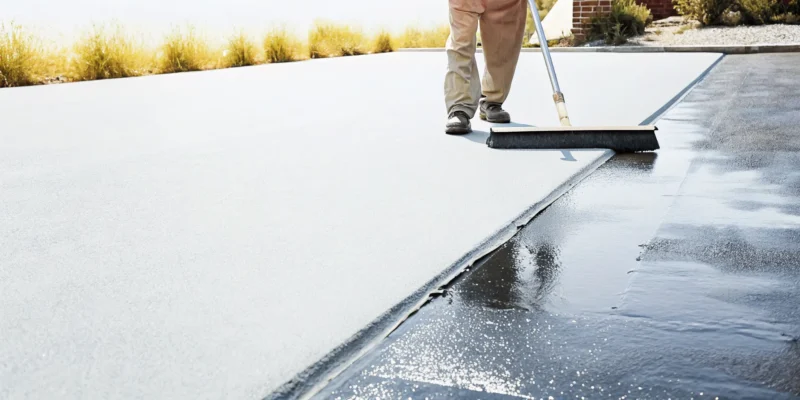
As a homeowner, you know that preventative maintenance is always smarter and cheaper than a major replacement. This is especially true for your driveway. The cost of tearing out and repaving an entire driveway can be substantial. In contrast, a regular sealing schedule is a small, affordable investment that can add years, even decades, to the life of your existing asphalt. It stops small cracks from becoming big problems and protects the pavement from deteriorating. By budgeting for this service every few years, you avoid a massive expense down the road. Choosing a reputable driveway sealing contractor Long Island provides is a financially savvy move that protects your property’s value.
Key Takeaways
- Think of sealing as preventative care: Sealing your driveway every two to three years is the best way to defend it against Long Island’s weather. This simple step prevents water from creating cracks during winter freezes, saving you from costly repairs later on.
- A professional job is all about the prep work: The final sealcoat is only as good as the surface underneath. Hiring a pro ensures your driveway is properly cleaned and cracks are filled before any sealant is applied, which is the key to a finish that looks great and lasts.
- Ask the right questions before you hire: Protect yourself by choosing a licensed and insured contractor who offers a detailed, itemized proposal. Be wary of unusually low prices, as they often signal cheap materials or skipped steps that will fail quickly.
Why Seal Your Long Island Driveway?
Your driveway is more than just a place to park your car; it’s the welcome mat for your home and a major part of its curb appeal. Like any other part of your property, it needs regular maintenance to stay in top shape. For asphalt and even some stone driveways, sealing is one of the most important steps you can take. It’s a protective measure that defends against weather, wear, and tear, keeping your driveway looking great and functioning well for years. Let’s get into what sealcoating does and why it’s so important for homeowners here on Long Island.
What Does a Sealcoat Actually Do?
Think of sealcoating as a shield for your driveway. It’s a thin liquid layer that is professionally applied over the entire surface. Its main job is to protect the underlying pavement from all the things that want to break it down: water, sunlight, and vehicle fluids. A quality sealcoat also fills in tiny surface cracks and voids, preventing them from turning into bigger problems. This creates a smooth, uniform, and dark black surface that instantly makes your entire property look cleaner and more polished. Gappsi’s professional restoration and sealing services ensure this protective layer is applied correctly for maximum benefit.
Protecting Your Driveway from Long Island Weather
Long Island weather can be tough on outdoor surfaces. From the hot, UV-heavy sun in the summer to the freezing rain and snow of winter, your driveway takes a beating. The most significant threat is the freeze-thaw cycle. Water seeps into small, unsealed cracks in the pavement, and when temperatures drop, that water freezes and expands. This expansion widens the cracks and can eventually lead to potholes. A sealcoat provides a flexible, waterproof membrane that stops water penetration in its tracks. This simple preventative step is crucial for extending the life of your driveway and avoiding costly masonry repairs down the road.
Warning Signs: When to Seal Your Driveway
Knowing when to reseal is key to effective maintenance. A good rule of thumb is to have it done every two to three years, but you should also keep an eye out for visual cues. If your asphalt driveway is starting to look faded and gray instead of rich black, it’s a sign the protective layer is wearing away. You might also notice a collection of small, interconnected cracks, often called “spiderwebbing,” or see that the surface texture is becoming rough. It’s also important not to seal your driveway too often. Applying sealer every single year can cause it to build up, flake, and peel, which looks messy and offers poor protection.
Should You DIY or Hire a Pro?
While a weekend DIY project can be satisfying, driveway sealing is a job best left to the professionals. The process is more involved than just painting a layer of blacktop. Proper surface preparation, including intensive cleaning and crack filling, is essential for the sealer to adhere correctly. Professionals have the right equipment to apply the product evenly without streaks or puddles, and they use high-quality, commercial-grade sealants that last longer than most products available at a hardware store. Attempting it yourself can lead to a messy, uneven finish that fails quickly, while hiring an expert ensures your investment is protected and your driveway looks flawless.
What to Expect from a Driveway Sealing Service
Hiring a professional for driveway sealing means you’re not just paying for a product, you’re investing in a service. Knowing what that service should look like helps you hold your contractor accountable and ensures you get the beautiful, long-lasting results you want. A true professional follows a clear, methodical process from start to finish. They won’t just show up and start spraying. The job begins long before the sealer is applied and isn’t finished until your property is clean and the work is fully guaranteed. Let’s walk through the key stages of a professional driveway sealing service so you know exactly what to look for.
Prepping the Surface and Repairing Cracks
The most important step in driveway sealing happens before any sealer is even opened. A professional contractor will start by thoroughly cleaning your driveway to remove dirt, leaves, and oil stains. This creates a clean slate for the sealcoat to properly adhere to the asphalt. Next, they will inspect for and repair any damage. Filling small cracks is essential, as it prevents water from seeping in, freezing, and turning minor issues into major potholes over the winter. This prep work is what makes a sealcoat last, so a contractor who rushes this step is cutting corners. Proper restoration and sealing is a craft that starts with a perfectly prepared surface.
Applying the Sealcoat
Once the driveway is prepped and all repairs have cured, it’s time to apply the sealcoat. Your contractor should be transparent about the type of sealer they use and their application method, whether it’s with a squeegee or a spray system. Don’t be afraid to ask about their process. A key sign of an expert is their technique. They will apply a thin, even layer of sealant across the entire surface. It might seem like a thicker coat would be better, but applying too much sealer can actually cause it to crack and peel prematurely. It takes skill to get the application just right, which is why professional masonry and hardscape experts understand that precision is everything.
Final Touches and Restoration
The job isn’t done when the last drop of sealer is applied. A professional crew will clean up the entire work area, leaving your property looking pristine. They will also block off the end of your driveway with tape or cones to prevent anyone from driving on it too soon. Your contractor should give you clear instructions on how long the sealer needs to cure, which is typically 24 to 48 hours. This is also the time to review the project against the detailed proposal you should have received beforehand. This document protects you from surprise charges and ensures all work, from cleanup to any accidental damage, is handled professionally, reflecting the standards of a full-service home improvement company.
Understanding Driveway Sealing Costs in Long Island
Investing in your driveway’s health is one of the smartest moves you can make for your home’s curb appeal and long-term value. But what does it actually cost? The price of sealing a driveway on Long Island isn’t a one-size-fits-all number. It depends on several factors, from the size of your driveway to its current condition. Understanding these variables will help you budget properly and know what to expect when you get a quote. Let’s walk through the key elements that influence the final cost, how often you should plan for this service, and the best time of year to get it done.
Breaking Down the Cost
On Long Island, the cost for professional sealcoating is typically calculated per square foot. You can generally expect to pay between $0.15 and $0.30 per square foot. For a standard two-car driveway, which is about 600 square feet, this works out to roughly $90 to $180 per application. When you consider that a well-maintained asphalt driveway can last for decades, this is a small price to pay for protection. Think of it as essential maintenance, like changing the oil in your car. Regular sealing prevents costly repairs and premature replacement, saving you a significant amount of money down the road.
What Affects the Final Price?
While the per-square-foot rate gives you a good baseline, several factors can adjust the final price. The size and shape of your driveway are the biggest variables; a long, winding driveway will cost more than a simple rectangular one. Extensive prep work, like deep cleaning or significant crack filling, will also add to the cost. If old, failing sealant needs to be removed or if your driveway requires base repairs or drainage solutions, the price will increase. A trustworthy contractor will provide a detailed proposal that outlines every step, so you aren’t hit with surprise fees. This transparency is key to a successful restoration and sealing project.
How Often Should You Reseal?
For most residential driveways on Long Island, a quality sealcoat application should last about two to three years. Our local climate plays a big role in this timeline. The winter months, with frequent plowing and road salt, are particularly tough on asphalt surfaces. These elements can wear down the protective layer of the sealant, leaving your driveway vulnerable to water penetration and freeze-thaw cycles that cause cracks. By sticking to a regular sealing schedule, you create a durable shield that keeps your driveway looking great and performing well, even through the harshest Long Island winters. It’s a proactive step that ensures the longevity of your pavement.
When Is the Best Time to Seal Your Driveway?
Timing is everything when it comes to applying sealant. For the sealant to cure properly and form a strong, protective bond with the asphalt, it needs warm temperatures and dry conditions. The ideal time to seal your driveway on Long Island is from late spring through early fall, when the weather is consistently mild and sunny. Sealing during cold or rainy periods can lead to a weak finish that won’t offer the protection you need. A good contractor will also perform regular inspections and crack filling as part of a complete maintenance plan. Proper care from a premier home improvement company ensures your driveway can withstand our coastal weather for years to come.
How to Choose the Right Driveway Sealing Contractor
Finding the right person for the job is just as important as deciding to seal your driveway in the first place. A great contractor not only delivers a beautiful, lasting finish but also gives you peace of mind. The wrong one can lead to headaches, extra costs, and a job that needs to be redone sooner than you think. To protect your investment and ensure a smooth process, it’s important to do a little homework before you hire.
Check for Licensing, Insurance, and Reviews
Before you even think about quotes, make sure any contractor you consider is properly licensed and insured. This is non-negotiable. Ask for proof of liability insurance, which protects you if any accidental damage happens to your property during the project. Without it, you could be left paying for repairs to your home, landscaping, or underground utilities. A professional will have this documentation ready and will be happy to provide it.
Next, ask to see their work. A contractor who is proud of their results will have a portfolio of completed projects. If they don’t have anything to show you, consider it a red flag. Look for before and after photos, or even better, watch videos of their team in action to get a feel for their process and professionalism. You can often find these on their website or social media channels, like Gappsi’s YouTube channel, which showcases a wide range of completed projects.
Key Questions to Ask Before You Hire
Once you’ve narrowed down your list to a few insured and reputable candidates, it’s time to ask some specific questions. Don’t be shy; a good contractor will welcome your diligence. Start by asking for a detailed, itemized proposal. This document should clearly outline the scope of work, the specific materials being used, and all associated costs. A vague quote is a warning sign for surprise fees later on.
You should also ask about the specific products they plan to use. Inquire about the type of sealer and where they source it from. This shows you’re an informed homeowner and helps you understand the quality of the materials being applied to your driveway. At Gappsi, we believe in transparency and using only high-quality materials, whether we are installing porcelain and natural stone pavers or sealing a driveway.
Contractor Red Flags to Avoid
Be cautious of anyone who immediately offers a rock-bottom price. While it’s tempting to go with the lowest bid, an unusually cheap quote is often a sign of cut corners. The contractor might be uninsured, using inferior products, or rushing through the prep work, which will only cost you more in the long run. A quality job requires proper preparation, premium materials, and skilled labor, all of which come at a fair price.
Another major red flag is a contractor who seems to disregard local permits or building codes. These regulations are in place for a reason: to ensure the work is done safely and correctly. Ignoring them can lead to serious issues like improper drainage, puddles, or a surface that fails prematurely. A premier contractor will handle all necessary permits and ensure every aspect of the job meets local requirements, providing you with a durable and compliant final product through their professional restoration and sealing services.
What Sets a Premier Contractor Apart?
When it comes to your home, choosing the right contractor can be the difference between a driveway that looks great for years and one that starts showing wear after a single season. A premier contractor understands that a quality job doesn’t end once the equipment is packed up. They see the project through a long-term lens, especially considering Long Island’s coastal weather, which can be tough on paved surfaces. It’s not just about applying a product; it’s about providing a comprehensive service that protects your investment.
This level of service involves a deep understanding of materials, meticulous surface preparation, and a commitment to client education. A top-tier company won’t just give you a quote, they will walk you through the process so you know exactly what you’re paying for. They view their work as a partnership, ensuring your driveway, patio, or walkway is not only beautiful but also durable enough to withstand the elements. This commitment to quality and longevity is what truly defines a premier restoration and sealing service. They aren’t just thinking about how your driveway looks today, but how it will perform for years to come.
The Gappsi Approach to Restoration and Sealing
At Gappsi, our process begins with a thorough evaluation of your existing surface. We identify any issues like cracks, stains, or drainage problems before we even think about sealing. We believe a strong foundation is key to a lasting finish. Our team uses only high-quality, commercial-grade sealants designed to protect your investment from UV rays, water penetration, and chemical spills. We are committed to transparency, which is why we encourage you to review our extensive portfolio of work across Long Island. Seeing the quality of our finished projects is the best way to understand the Gappsi difference.
Understanding Your Project Proposal
A detailed project proposal is your best defense against surprise fees and disappointing results. A premier contractor will always provide a clear, itemized quote that outlines every aspect of the job. Your proposal should specify the exact materials being used, the surface preparation methods, and whether services like crack filling or line striping are included. Be cautious of vague estimates that seem unusually low. These often omit necessary steps like proper cleaning or grading, leading to unexpected costs later. A professional proposal from a company like Gappsi protects you and ensures the job is done right the first time.
Related Articles
- Is it recommended to seal a driveway? – Gappsi Group
- Why Seal Your Pavers? Is it necessary to seal paving stones on long island – Gappsi Group
- Cleaning and Sealing Paving Stones on Long Island NY – Gappsi Group
- Paver Sealing Long Island | Gappsi Cleaning Services
- Driveway Pavers & Brick Driveways on Long Island | Gappsi Inc
Frequently Asked Questions
How long do I need to stay off my driveway after it’s sealed? You should plan to keep vehicles off the newly sealed surface for at least 24 to 48 hours. This gives the sealcoat enough time to cure properly and form a tough, protective layer. Walking on it is generally fine after a few hours, but your contractor will give you specific instructions based on the product used and the day’s weather.
My driveway is brand new. When should I get it sealed for the first time? It’s best to wait about six months to a year before sealing a brand new asphalt driveway. New asphalt contains oils that need to evaporate, a process called curing. Sealing it too soon can trap these oils and cause the surface to become soft or fail prematurely. Letting it cure ensures the sealer will bond correctly for long-lasting protection.
Will sealing fix the big cracks and potholes in my driveway? Sealing is a preventative maintenance step, not a structural repair. While a professional service includes filling minor cracks before applying the sealcoat, it cannot fix large cracks, potholes, or crumbling areas. These issues require masonry repairs to stabilize the foundation before any sealing can be done.
Is there a big difference between professional-grade sealer and the kind I can buy myself? Yes, there is a significant difference. The sealants used by professionals are commercial-grade products that contain higher concentrations of polymers and solids for better durability and protection. The products available in retail stores are often a thinner, less robust version. A professional application also ensures the surface is properly prepped and the product is applied evenly for a flawless, lasting finish.
Can you seal driveways other than asphalt, like stone or pavers? Absolutely. Sealing is also a critical step for protecting natural stone and paver driveways. For these surfaces, the sealer helps prevent stains from oil and spills, inhibits weed growth in the joints, and protects the stone from weathering and fading. It keeps your beautiful masonry looking its best for years.