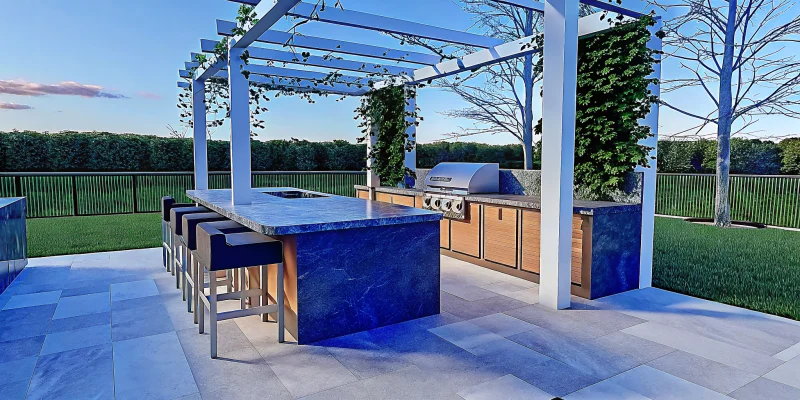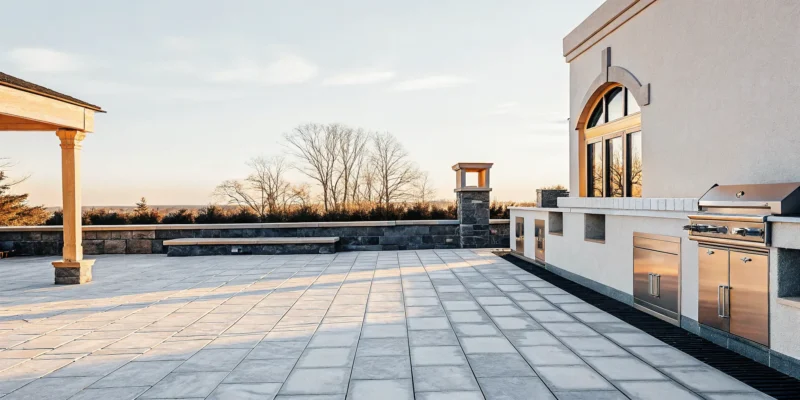
Italian-inspired stone patio with natural stone pavers and outdoor kitchen on Long Island

Italian Masonry Craftsmanship: Why It Matters for Your Patio

Precision stonework from a trained Italian mason turns a simple patio into a permanent piece of art. Giuseppe Abbrancati began learning these skills in Italy at age seven before bringing his work to Long Island.

Ready to bring Italian masonry craftsmanship to your Long Island home? Call (631) 486-4662 or schedule your free consultation with Gappsi today.

Italian masonry craftsmanship is the unique blend of precision engineering and artistic vision that makes outdoor structures both beautiful and strong. This tradition relies on centuries of refined skills passed through generations of master builders. These methods create patios, walkways, and fireplaces that stand up to harsh Long Island weather while maintaining their beauty for decades. Gappsi carries this heritage forward with Long Island masonry design that adds lasting value to home remodel projects across Suffolk and Nassau Counties.

Many homeowners wonder why certain stone structures stay perfect for years while others crumble after a few seasons. The answer lies in the deep history and rigorous training required to master these timeless building methods.

What Makes Italian Masonry Craftsmanship Different from Standard Construction?

Italian masonry craftsmanship stands apart through its emphasis on structural intelligence and artistic precision. Unlike standard construction that prioritizes speed, Italian-trained masons cut every stone to create tight bonds with clean lines. This method prevents gaps where water might settle and cause freeze-thaw damage, which is essential for Long Island’s climate.

The difference comes down to training and technique. Italian masons learn to balance load distribution, material density, and geometric precision from the start of their careers. This produces structures that not only look refined but also resist cracking, shifting, and weathering far longer than conventional builds.

  • Precision cutting: Each stone is shaped by hand to fit its neighbors with minimal mortar gaps
  • Load distribution: Weight is spread evenly through the structure to prevent stress points
  • Material selection: Only dense, low-absorption stones are chosen for outdoor use
  • Foundation depth: Proper excavation and compacted bases prevent settling over time

These principles trace back to rules documented by Italian architects like Carlo Fontana in 1694. Fontana used mathematical formulas to determine how shapes affect structural strength. Bernardo Antonio Vittone later expanded these rules in 1760 to allow taller and steeper dome designs. According to research from MDPI Applied Sciences, these same geometric methods underpin the stability of iconic structures like Brunelleschi’s Dome in Florence, which has remained intact since 1436.

The Heritage of Italian Masonry Craftsmanship

The history of Italian masonry craftsmanship goes back hundreds of years. This legacy bonds art and hard science together. For generations, master builders in Italy have refined their trade, passing down secrets from fathers to sons. These skills changed how we approach stone and brick construction today.

Italian masonry heritage is rooted in an unbroken chain of apprenticeship that stretches back to the Renaissance. Master builders like Brunelleschi developed techniques that allowed massive stone structures to support themselves without internal framing. Modern builders on Long Island still apply these same engineering principles to patios, outdoor kitchens, and fireplaces.

The science of Renaissance domes

One of the best demonstrations of Italian masonry skill appears in the great domes of the Renaissance. Builders created massive curved roofs without using wooden centering frames to hold the weight during construction. They used a double-helix brick pattern that lets the dome support itself as it rises. This technique combines sophisticated geometry with meticulous hand craftsmanship.

The science relies on the way bricks lock together at specific angles. Masons tilted each brick to create a self-supporting curve, eliminating the need for huge timber scaffolds. A 2021 study in Applied Sciences confirmed that Brunelleschi’s design distributes thrust evenly through supporting piers, keeping all sections compressed at safe stress levels. The UNESCO World Heritage Centre recognizes the Historic Centre of Florence for preserving these original building techniques and traditional materials like pietra serena stone.

Bringing Italian skills to America

In the late 1800s and early 1900s, skilled Italian masons brought their tools and knowledge to the United States. Their work appears in the stone facades of historic downtown buildings and the cobblestone paths of older neighborhoods. They taught their children the value of precise cutting and patient craftsmanship, keeping the tradition alive across generations.

Today, this heritage guides how Gappsi builds outdoor spaces on Long Island. Whether constructing a custom patio or a stone fireplace, the old rules still apply. Modern masons combine power tools with old-world care to ensure each project meets the quality standards established centuries ago, while coordinated landscape design services connect masonry to the surrounding yard.

How Italian Craftsmanship Elevates Outdoor Masonry Design

Italian masonry craftsmanship produces structures that are both structurally superior and visually striking. The method requires exact cutting to create stone surfaces that look refined and last for decades.

Italian-trained masons apply geometric principles to every project, ensuring that retaining walls, patios, and fireplaces distribute weight correctly and resist shifting. This engineering mindset, combined with an artistic eye for stone color and texture, produces outdoor spaces that function flawlessly while enhancing the home’s appearance.
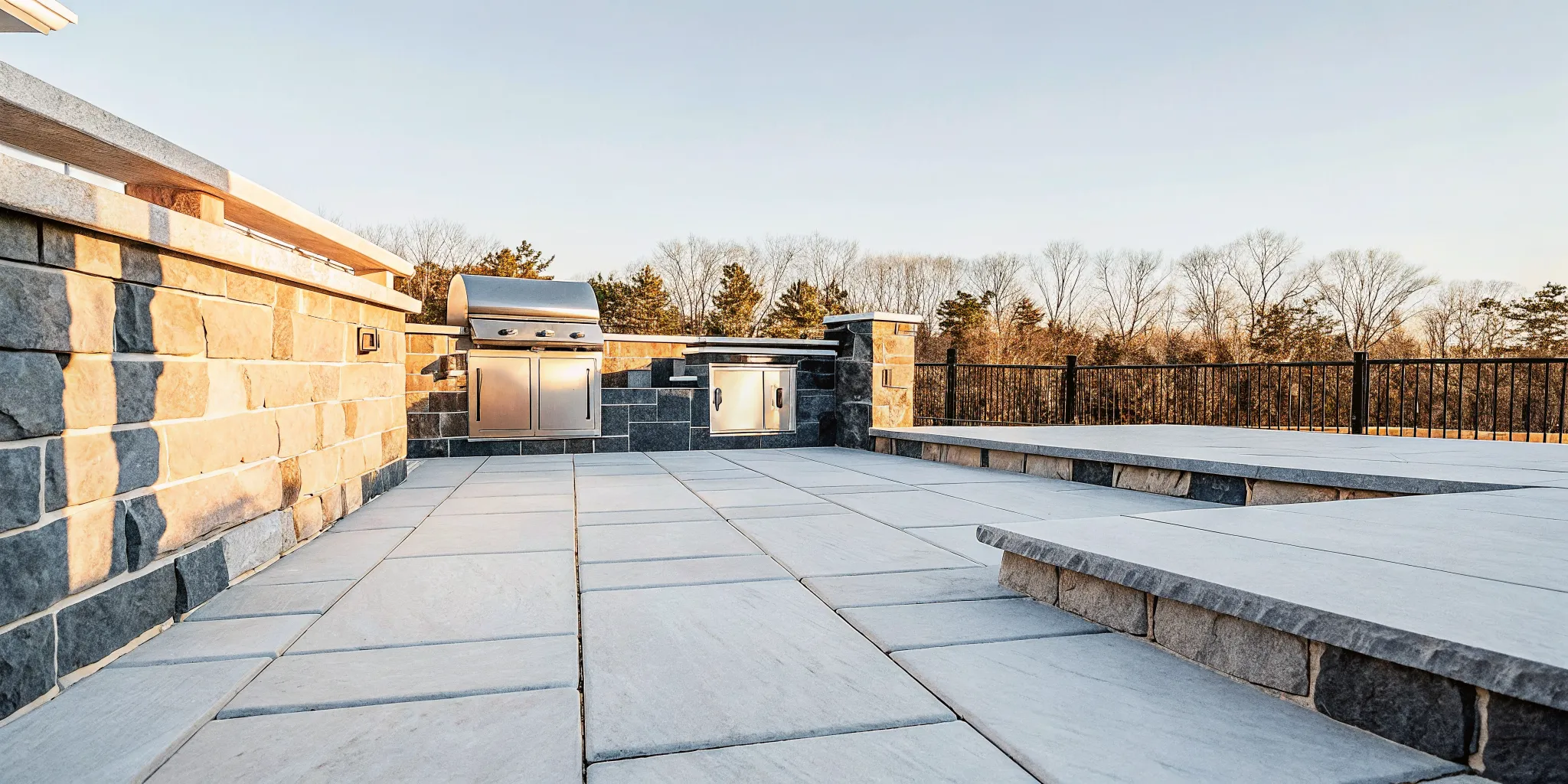
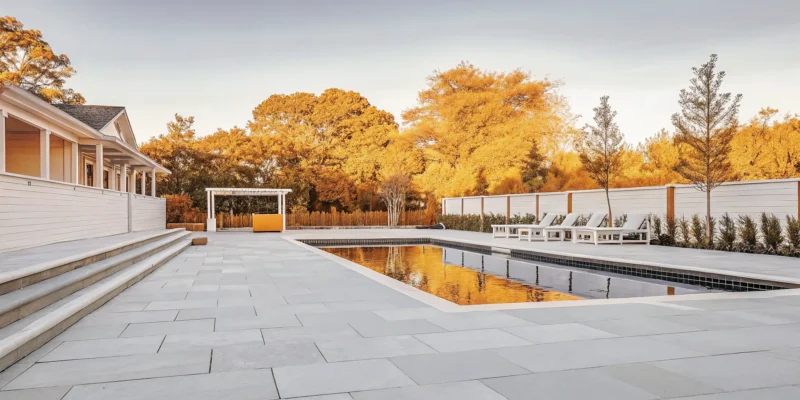
Natural stone patio with Italian-style precision stonework and outdoor kitchen on Long Island

Precision in every stone cut

In Italian design, masons shape each stone to create tight bonds and clean lines. This level of detail prevents gaps where water might settle and cause freeze-thaw damage during Long Island winters. By following geometric rules first established by Renaissance architects, masons ensure that every arch and wall remains stable for generations.

Strength through smart engineering

Building for the Long Island climate demands durability above all else. Italian-trained masons use techniques that allow walls to support their own weight without relying solely on mortar adhesion. This self-supporting approach was first perfected in the great domes of Italy, which have stood for over 500 years without structural failure.

Research from MDPI Applied Sciences confirms that Brunelleschi’s brick-herringbone pattern creates self-bracing during construction. When applied to residential masonry, these same principles ensure that patios and fireplaces remain stable through decades of freeze-thaw cycles, heavy rain, and seasonal ground movement.

Premium Materials Define the Italian Masonry Standard

The heart of Italian masonry craftsmanship lies in the quality of the materials used. To meet enduring standards, builders must select stones and bricks that offer both beauty and strength.

Gappsi uses premium natural stone like bluestone, travertine, and granite alongside top paver brands such as Cambridge, Nicolock, Techo-Bloc, Belgard, and Renox. These materials are chosen for their density, low water absorption, and resistance to Long Island’s freeze-thaw climate.

Authentic Italian bricks and stone

High-end masonry projects often start with materials that have deep historical roots. Biscotto di Sorrento bricks, sourced from the Sorrento region of southern Italy, are prized for their heat retention and durability under thermal stress. These bricks have been used for centuries in Italian pizza ovens and fireplaces.

For patios and walkways, homeowners can choose from marble, travertine, granite, and bluestone. Each stone offers distinct texture and color that adds depth to an outdoor space. Granite provides exceptional hardness and longevity, while travertine stays cool under direct sun. According to Corsino Construction’s research on natural stone patios in Suffolk County, properly installed natural stone can last 30 to 50 years when base preparation and drainage are handled correctly.

Partnerships with top paver brands

Gappsi works with leading paver manufacturers to give clients a wide range of options. These partners include Cambridge Pavers, Nicolock, Techo-Bloc, Belgard, and Renox. These brands offer many colors and shapes that replicate the look of natural stone while providing consistent sizing for easier installation across large areas.

Each paver is engineered to handle heavy loads and resist weather damage. They are formulated to withstand road salt and ice melt, which is critical for Long Island driveways and walkways. A properly built base with compacted gravel layers and correct drainage slope prevents the settling and shifting that causes premature failure in lesser installations.

  • Cambridge Pavers: Known for large-format stones with tight joint systems
  • Nicolock: Wide color selection with high compressive strength
  • Techo-Bloc: Premium textures that mimic natural cleft stone
  • Belgard: Interlocking designs for superior edge retention
  • Renox: European-style pavers with antique finishes

The Gappsi Difference: Italian Craftsmanship on Long Island

The Gappsi story began in Italy long before the company opened its doors in Smithtown. Giuseppe Abbrancati started learning the trade at seven years old in 1974, working alongside his father and grandfather to master traditional masonry skills.

With over 38 years of experience, Gappsi bridges old-world Italian training with modern construction methods. The company’s 10 divisions handle everything from initial 3D design through permitting and final installation. The Smithtown showroom displays the full range of materials and design options available to Long Island homeowners.

A legacy of skilled masonry

Giuseppe founded Gappsi at age 21 with a focus on quality and trust. The company has since grown to include 10 divisions, offering full-service coverage from the first 3D design concept through obtaining municipal permits and final construction. The Smithtown showroom lets homeowners see premium masonry and paver installations in person before making decisions about their own projects.

True Italian masonry relies on precise cutting and engineered strength to last for decades. Renaissance architects like Fontana and Vittone used mathematical rules to create stone structures that remain standing today. Gappsi applies these same core principles to ensure every patio, outdoor kitchen, and fireplace is both beautiful and structurally sound.

Built for the Long Island climate

Long Island’s weather can be extremely hard on outdoor stonework. Salty coastal air and repeated freeze-thaw cycles cause cheap masonry to crack, shift, or spall within a few years. This is why proper drainage, deep base preparation, and dense materials are non-negotiable for lasting results.

Choosing the right materials is central to the Gappsi process. The team uses top paver brands alongside natural stone, combining old-world installation methods with modern material science. Every project balances artistic vision with the structural strength needed to survive many seasons of coastal weather.
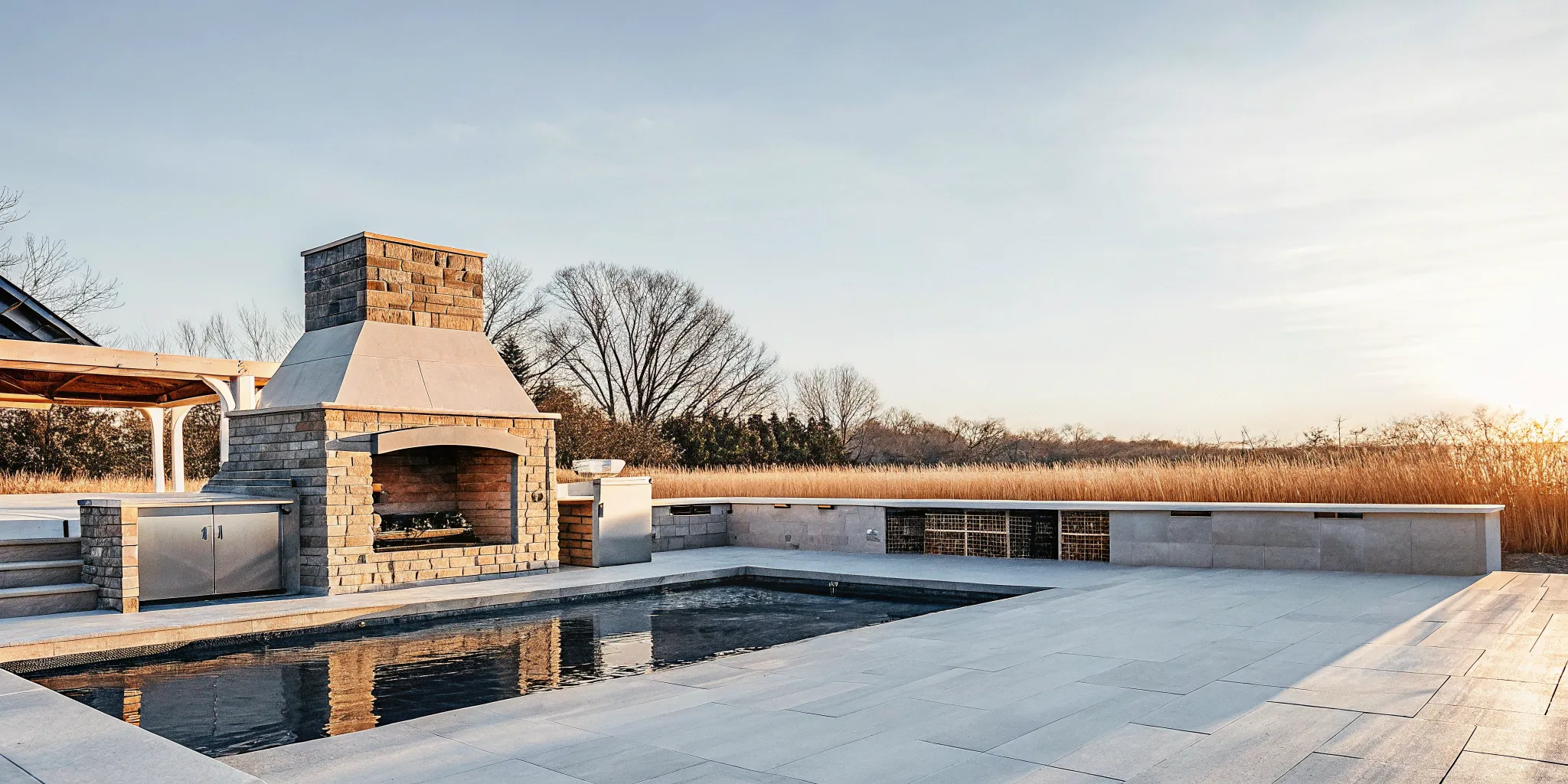
Italian outdoor kitchen and stone fireplace with travertine and bluestone on Long Island

What Sets Italian-Trained Masonry Apart for Patios and Fireplaces

Italian masonry craftsmanship takes years to master. It starts with deep respect for the stone and the tools used to shape it. For homeowners on Long Island, this means choosing a team that values artistry as much as structural integrity.

Italian-trained masons bring generational knowledge that standard crews cannot replicate. The difference shows in tight stone joints, thoughtful material selection, and structures that remain level and crack-free for decades. Investing in proper training and technique produces outdoor spaces that add lasting value to the home.

Focus on precision and artistry

True Italian masonry is defined by exact cutting and artistic stone placement. Each piece is selected for its color, shape, and fit within the overall design. This attention to detail ensures that patios and fireplaces function as cohesive works of art that complement the landscape.

When a mason understands the natural flow and grain of the stone, the result is a structure with tight joints and balanced visual weight. This level of craftsmanship is increasingly rare in an industry that often prioritizes speed over quality.

Feature Italian-Trained Masonry Standard Masonry Approach
Attention to Detail Hand-cut stone with precision fitting Power tools with批量 cuts and wider joints
Longevity Designed for 30-50 year service life Often needs repairs within 5-10 years
Material Selection Natural stone and premium imported brick Standard pavers and common concrete
Visual Integration Custom designs matched to the home’s architecture Template layouts reused across projects
Quality Control Master mason oversees every stage Split between multiple crews with less oversight

Training and the legacy of the craft

A mason’s training directly affects the quality of the finished work. In Italy, the craft has traditionally been passed from master to apprentice over many years. This stands in contrast to standard crews that prioritize speed over precision. Research from Oxford Brookes University documents that traditional drystone walling in Italy relies on apprenticeship-style transmission where knowledge is passed through hands-on practice rather than written manuals alone.

Gappsi’s founder learned directly from his father and grandfather, starting at age seven. This type of generational training instills a sense of pride that appears in every finished project. When homeowners choose a mason with this background, they get more than a contractor. They get a craftsman who treats every stone patio and fireplace as a legacy piece.

How to Choose the Right Masonry Contractor for Long Island

Selecting the right contractor determines whether your outdoor investment lasts for decades or needs replacement within a few years.

The best masonry contractor for Long Island combines old-world training with local climate knowledge. Look for a team that sources premium materials, manages projects from design through completion. And has a portfolio of work that demonstrates precision stone joints and thoughtful material selection.

Heritage and background

When evaluating masonry contractors, start with their training roots. A mason who understands Italian masonry craftsmanship brings a level of care developed over generations. This style of work is more than laying stones. It reflects centuries of refined technique passed down through families and apprenticeships.

In Italy, masons learn to balance artistry and structural engineering from the beginning of their training. A true expert will explain how their background influences every cut and joint. They treat each project as a bespoke creation rather than a routine job.

Portfolio and material knowledge

A reliable contractor should show a portfolio of completed projects. Look for stone patios, outdoor kitchens, retaining walls, and fireplaces with tight joints and balanced proportions. Pay attention to the stone types used and how they have weathered over time.

A skilled mason knows which materials work best for Long Island’s specific conditions. Some stones resist freeze-thaw damage better than others. Granite and bluestone have very low water absorption rates, making them ideal for outdoor use in cold climates. Travertine stays cooler underfoot for pool surrounds. A knowledgeable contractor will explain why each material suits its intended location.

Key questions to ask

  • How do you prepare the base for freeze-thaw resistance?
  • What stone types do you recommend for Long Island’s climate and why?
  • Can you show examples of projects that are 5+ years old and still in good condition?
  • Do you handle permits, 3D design, and project management in-house?
  • What warranty do you offer on materials and workmanship?

A contractor who answers these questions with specific, technically grounded answers is more likely to deliver lasting results than one who gives vague assurances.

Frequently Asked Questions

What is Italian masonry craftsmanship?

Italian masonry craftsmanship is a building tradition that combines precise stone cutting, structural engineering, and artistic design. It emphasizes tight joints, load-balanced construction, and the use of dense natural materials. The methods trace back to Renaissance builders like Brunelleschi and have been preserved through family apprenticeships over centuries.

How long does an Italian-style stone patio last on Long Island?

A properly installed natural stone patio with Italian masonry techniques can last 30 to 50 years on Long Island. The key factors are deep base preparation, correct drainage slope, dense stone selection, and precise joint work that prevents water infiltration and freeze-thaw damage.

What makes Gappsi different from other masonry contractors on Long Island?

Gappsi was founded by Giuseppe Abbrancati, who began his Italian masonry training at age seven under his father and grandfather. With over 38 years of experience and 10 in-house divisions covering design, permitting, and installation, Gappsi provides full-service project management rooted in multi-generational Italian craftsmanship. The Smithtown showroom lets clients view materials in person before construction begins.

What materials are best for Italian masonry on Long Island?

The best materials for Long Island’s climate include bluestone, granite, and travertine for natural stone, plus premium pavers from Cambridge, Nicolock, Techo-Bloc, Belgard, and Renox. These materials offer the density and low water absorption needed to resist freeze-thaw cycles and salt air exposure.

Do Italian masonry techniques work for outdoor kitchens and fireplaces?

Yes. Italian masonry techniques are especially suited for outdoor kitchens and fireplaces because they emphasize heat management, structural stability, and weather resistance. Biscotto di Sorrento bricks are commonly used for pizza oven interiors due to their heat retention, while natural stone surrounds provide durability and aesthetic appeal.

Ready to Start Your Italian Masonry Project?

Italian masonry craftsmanship delivers outdoor spaces that are built to last for generations. Gappsi brings three generations of Italian building heritage to every project on Long Island, from custom patios and outdoor kitchens to stone fireplaces and retaining walls. Visit the Smithtown showroom to explore materials, view completed projects, and speak with the design team.

Call (631) 486-4662 or schedule a free consultation online to discuss your custom masonry project. From the first 3D rendering to the final stone placement, Gappsi handles every detail so you can start enjoying your outdoor living space sooner.
Share this page:
Luxury custom gunite swimming pool with travertine coping and waterfall feature

Design Your Custom Gunite Swimming Pool Long Island Dream Backyard

Most Long Island homeowners choose a custom gunite swimming pool for its unmatched strength and complete design freedom. This building method uses a mix of sand and cement sprayed over a steel cage to create a structure that fits any property shape or size. These pools are ideal for our local area because the thick walls resist shifting soil and harsh winter frost better than vinyl or fiberglass pools. Homeowners often select gunite because it supports premium finishes such as quartz diamond brite, glass tile, and natural stone coping that lasts for years. A well-built gunite pool is a permanent investment that adds value to your home while providing a private escape for your family for decades.

Ready to build the backyard of your dreams? Explore Gappsi’s custom gunite pool designs and start planning your project today.

A custom gunite swimming pool Long Island homeowners choose offers the best long-term value for properties in Nassau and Suffolk counties. Gunite is a mixture of sand and cement sprayed over a steel-reinforced cage, creating a permanent structure that conforms to any lot shape. The thick concrete walls resist frost heave and soil movement far better than vinyl or fiberglass alternatives. With proper maintenance, these pools can last 50 years or more while supporting premium finishes like quartz diamond brite, glass tile, and natural stone coping.

Why Choose a Gunite Pool for Your Long Island Home?

Building a custom gunite swimming pool on Long Island is a major home upgrade. When you plan your backyard, you might look at vinyl liners or plastic shells. But gunite often wins because of its longevity and premium appearance. Gappsi has more than 38 years of experience building these high-end pools. The Gappsi team knows how to create a space that fits your daily life and your land. Gunite lets you build any shape or size you can imagine. This is why it is the preferred choice for luxury homes throughout the region.

Endless design for your home

A gunite pool does not come in a fixed box. Plastic shells come from a factory mold, so you have few choices. Vinyl pools use a frame that limits your shape. But a custom gunite swimming pool design is built right on your property. You can have a beach entry, a sun ledge, or a built-in spa. You can also pick from many rich finishes. Options like quartz or stone pebbles make the water look clear and bright. This level of choice lets you match the pool to your home’s architectural style.

A gunite pool offers unlimited shape options because it is built on-site from spray-applied concrete over a steel frame. Unlike vinyl or fiberglass pools that come from a mold, gunite allows for beach entries, sun ledges, attached spas, and custom curves that match your property’s natural layout.

Built to stay strong through winter

Long Island weather is hard on outdoor structures. The ground moves as it freezes and thaws through the cold months. This can cause some pool types to shift or crack. Gunite is a tough mixture of sand and cement that is sprayed into place. Modern pool crews use fibers and special additives to help the pool maintain its integrity. This resistance to freeze-thaw cycles is vital for a pool meant to last decades. A gunite pool can stay in top shape for 50 years. You will not have to worry about liner tears that often affect other pool types.

A smart investment for property value

A gunite pool is a permanent part of your home and land. It adds substantially more value to your property than a vinyl liner pool. Most home buyers view gunite as a premium feature. It looks better and lasts far longer than a plastic shell. While the initial cost is higher, you save significantly over time. You will not need to pay for a new liner every ten years. You also get a pool that stays beautiful with less ongoing maintenance. This makes a gunite pool a wise financial decision for your property.

Criteria Gunite Pools Vinyl Liner Fiberglass Shell
Design Flexibility Any shape or size Some shape choices Fixed mold shapes
Lifespan 50+ years 10-15 years 25-30 years
Winter Durability Very high Low Medium
Resale Value Very high Low to medium Medium
Long-Term Cost Lowest High (liner replacement) Medium

The Custom Gunite Pool Design and Construction Process

A custom gunite swimming pool design on Long Island is a substantial project that requires careful planning and expert execution. Gappsi uses an integrated design-build model, meaning the company manages every phase of the work. Gappsi’s team has 38 years of experience in this field. Gappsi focuses on quality and detail to create a space you will love. The process ensures your new pool is both grand and structurally sound.

Gappsi’s custom gunite pool construction follows a seven-phase process: on-site consultation with 3D visualization, permit and engineering plan submission, excavation and steel rebar reinforcement, gunite shotcrete application, tile and natural stone coping installation, interior finish plastering, and final equipment setup with hardscaping.

Planning and custom design

The first phase centers on your ideas. Gappsi wants to know how you will use the space. The team evaluates the layout of your property, considering sun exposure, wind patterns, and privacy sight lines. This stage establishes the foundation for a successful build. Gappsi works to avoid delays by planning for every detail early on.

  1. On-site meeting and 3D visualization. Gappsi meets with you at your home to discuss your goals and assess your yard. The team uses design tools to create a 3D model of your pool. This lets you see the custom shapes and dimensions before any work begins. You can preview how the pool looks with different tile and stone finishes.
  2. Engineering plans and permits. Gappsi handles the technical drawings and all municipal permit applications. Each town on Long Island has its own building codes for pool construction. The Gappsi team knows these regulations thoroughly and ensures all plans comply with local requirements so the work proceeds without unnecessary delays.
  3. Excavation and steel reinforcement. Gappsi excavates the pool footprint according to the approved design. The crew then installs a cage of steel rebar that gives the pool its structural shape. This reinforcement ensures the shell can withstand the weight of the water and the pressure of the surrounding earth.
  4. Gunite application. The crew uses a pneumatic gun to spray a precise mixture of sand and cement over the steel cage. This technique creates a dense, monolithic shell that is both watertight and exceptionally durable.
  5. Tile and stone work. Gappsi installs waterline tile and sets natural stone coping around the pool perimeter. Choices include travertine, bluestone, granite, and marble. These elements add refined detail and provide a slip-resistant walking surface around the water.
  6. Interior finish application. The final interior coating determines the water’s color and sheen. Gappsi offers marble dust plaster, quartz diamond brite, and stone pebble aggregate finishes. The crew applies this coat meticulously to ensure a smooth surface that holds water properly.
  7. Equipment installation and landscaping. Gappsi installs high-efficiency pumps, filtration systems, and heaters. The team can also add water features such as jets, bubblers, or waterfalls. Final grading, stone patios, and plantings transform the job site into a finished backyard retreat.

Building for the long term

A custom pool is a major addition to your home. Gappsi builds each one to remain structurally sound for decades. The crew uses premium materials and proven methods. Gappsi wants you to enjoy your pool for years to come. With proper care, a gunite pool can last more than 50 years. Gappsi is available to assist you through the entire process.

Premium Finishes, Coping, and Deck Options for Your Gunite Pool

Choosing the right materials for your custom gunite swimming pool Long Island project sets the tone for your entire backyard. The interior finish you select changes the water’s color and visual depth. Gappsi offers numerous high-end choices to match your personal style. These selections affect both the project budget and the pool’s long-term durability.

Gappsi offers interior finishes including marble dust plaster, quartz diamond brite, glass bead blends, and natural stone pebble aggregates. Coping options span travertine, bluestone, granite, marble, and limestone. Water features such as waterfalls, deck jets, and bubblers can be integrated into the design.

Luxury pool interior finishes

The interior finish is the most visible surface of your pool. Marble dust plaster is a classic choice that provides a smooth, elegant feel. You can select white, gray, or black tones to change the water’s perceived depth and hue. For more brilliance and durability, many homeowners choose quartz diamond brite. This material incorporates tiny quartz particles that catch and reflect sunlight.

If you prefer a distinctive appearance, consider glass bead blends or stone pebble aggregates. These finishes add texture and a natural aesthetic to the pool floor and walls. They are also highly resistant to staining and chemical etching. Gappsi has completed stunning freeform gunite swimming pool projects that showcase these premium finishes and the design freedom gunite provides.

Pool coping and decking materials

Coping is the edge material that frames your pool. It protects the gunite shell and provides a finished surface for sitting or walking. Natural stone is the premier choice for a high-end finish. Travertine and bluestone are especially popular for their natural beauty and slip-resistant texture. You can also select granite, marble, or limestone for a refined appearance. Porcelain pavers offer a modern alternative because they remain cool underfoot and are easy to maintain.

The deck area should flow seamlessly into your pool edge for a cohesive design. Gappsi operates as a full-service masonry designer and construction company on Long Island NY that helps you select the ideal stone. Gappsi ensures the masonry complements your home’s architecture and existing landscape. Proper stone work adds significant property value and creates a safe, durable surface around the pool.

Water features and accents

Adding water features brings sound and motion to your pool environment. Waterfalls constructed with natural stone create a tranquil atmosphere. You can also install deck jets that arc thin streams of water into the pool. Bubblers add visual interest to shallow tanning ledges or step entries. These enhancements transform a simple pool into a private resort. Your budget will vary depending on how many features you choose to incorporate.

Want to see premium finishes in person? Browse Gappsi’s completed custom gunite pool projects for design inspiration.

What Does a Custom Gunite Pool Cost on Long Island?

A custom gunite swimming pool on Long Island represents a significant investment in your home. Most premium pool projects in Nassau and Suffolk counties range from $100,000 to $400,000 or more. This estimate covers the design, construction, and premium materials that ensure the pool lasts for decades. Because gunite is a concrete mixture sprayed into place, it offers far more design freedom than pre-fabricated alternatives. Gappsi provides transparent pricing and detailed proposals so you understand where every dollar goes.

Custom gunite pool costs on Long Island typically range from $100,000 to $400,000 depending on size, shape complexity, finish selection, water features, site access conditions, and landscaping requirements. Gappsi provides detailed itemized proposals after a site evaluation and design consultation.

Factors that drive construction costs

The final price of your pool depends on several key variables. Size is the most obvious factor. A larger pool requires more gunite, more water capacity, and more labor. Shape complexity also matters. A simple rectangular pool costs less than a freeform design with sweeping curves and integrated spa elements. Site accessibility can significantly affect the total. If heavy equipment cannot easily reach your backyard, additional manual labor costs may apply.

Permitting and site preparation are other costs to consider. Long Island towns maintain strict building codes for new pool construction. Obtaining the required permits takes time and carries associated fees. If your property is not level, you will need grading and retaining walls. These steps ensure your pool is properly supported and safe. Additional water features will also influence the budget. Popular options include:

  • Waterfalls or bubblers for ambient sound and motion.
  • Color-changing LED lighting for safe nighttime swimming.
  • Integrated spas that connect to the main pool.
  • Deck jets that create arcing streams across the water surface.

Finish selection and material quality

The look and character of your pool comes from the interior finish you select. Gappsi offers multiple premium options to match your personal taste. Classic marble dust plaster delivers a smooth finish with timeless appeal. For greater color depth and sparkle, many homeowners select quartz-based finishes like Diamond Brite. These materials offer improved resistance to salt scaling and greater durability through cold winters. While glass tile or stone pebble finishes cost more initially, they provide exceptional longevity and visual impact.

Stone and deck materials also contribute to the overall cost. Gappsi sources natural stone including travertine, granite, and marble directly. These materials remain cool under the summer sun and offer a much more refined appearance than poured concrete. Investing in premium stone for your pool surround adds luxury and increases your property’s resale value. Properly selected and installed stone ensures the area remains safe and visually appealing for decades.

Value and long-term investment

A custom gunite swimming pool Long Island project represents more than just a place to cool off during summer. It is an investment in your home and your family’s quality of life. A well-designed pool can significantly increase your property’s market value when it comes time to sell. Gappsi has been serving Long Island families since 1987. With 38 years of hands-on experience, Gappsi knows how to build pools that stand the test of time.

Gappsi operates an integrated design-build-supply model. This means the company designs your pool, handles all construction, and supplies the natural stone and materials directly. Working with a single experienced team delivers better value than coordinating multiple subcontractors. It also keeps your project on schedule and reduces the risk of coordination errors. Gappsi manages everything from the initial 3D concept renderings to the final tile installation. For a detailed cost estimate tailored to your property, visit the Gappsi showroom at 1015 West Jericho Turnpike in Smithtown to see material samples and speak with a design expert.

Ready to discuss your budget and design options? Contact Gappsi for a personalized consultation at the Smithtown showroom.

Maintaining Your Gunite Pool Through Long Island Seasons

A custom gunite swimming pool on Long Island is a long-term investment that can serve your family for 50 years or more. Proper maintenance keeps the water clean and protects the gunite shell from the region’s demanding climate. You must balance water chemistry and maintain mechanical equipment to ensure your pool stays in excellent condition across every season.

Mastering water chemistry and equipment

Balancing your pool water is the most important step in routine maintenance. You need to monitor pH levels, total alkalinity, and calcium hardness regularly to prevent staining or scale formation. Many homeowners now choose salt chlorine generators or ozone sanitation systems to reduce their reliance on chemical additives. These systems produce water that feels softer on the skin and eyes while remaining clear and safe for swimming.

Energy-efficient LED lighting has become a standard feature in modern pool setups. These fixtures provide attractive nighttime illumination and improve safety for evening swims. For an example of a fully equipped installation, see this custom gunite pool construction in Huntington Bay. Using silica fume and reinforcing fibers in the gunite mixture improves freeze-thaw durability, which is essential for New York’s winter conditions.

Winterization and freeze protection

Closing your pool for winter is a critical task on Long Island. You must blow out all water lines and add pool-grade antifreeze to prevent pipes from bursting when the ground freezes. A durable winter cover or a mesh safety cover protects the interior finish from debris and provides a safety barrier for children and pets. Some homeowners choose electric safety covers for year-round convenience and maximum protection.

Freeze protection is essential for any pool owner in a cold climate. Modern pool pumps include freeze sensors that automatically circulate water when air temperatures approach freezing. This moving water prevents ice from forming inside pipes and filtration equipment. According to EPA technical guidance, large residential pools can hold more than 30,000 gallons of water, so a freeze-related pipe failure can cause substantial water loss and expensive structural repairs.

Long-term care and renovation

While gunite is exceptionally durable, the interior finish will eventually require renewal. Most pools need fresh plaster or a replacement finish every 10 to 15 years. You may also need an acid wash to remove stubborn stains that brushing cannot address. Regular inspection of waterline tile and coping will help you identify minor cracks before they develop into significant leaks.

Caring for the tile line is especially important because water can seep behind the tiles and freeze during winter. This can cause tiles to dislodge or the underlying concrete to spall. By staying current with minor repairs, your custom gunite swimming pool design will maintain its original beauty. Gappsi has provided these premium services since 1987, helping Long Island families enjoy their outdoor living spaces for generations.

Why Long Island Homeowners Trust Gappsi for Custom Gunite Pools

Choosing the right builder for your custom gunite swimming pool design is one of the most important decisions you will make. Since 1987, Gappsi has served hundreds of families across Nassau and Suffolk counties. Gappsi’s founder, Giuseppe Abbrancati, brings more than 50 years of construction expertise to every project. This extensive background means Gappsi understands how to work with Long Island’s unique soil conditions and coastal weather patterns. Gappsi focuses on premium craftsmanship at every stage of the build.

Three generations of Italian craftsmanship

Quality begins with family heritage. Gappsi’s work draws on three generations of Italian masonry and construction tradition. Gappsi does not simply build pools. Gappsi creates outdoor living spaces built to last for generations. This deep knowledge allows Gappsi to apply the most effective techniques for working with gunite. Modern gunite mixtures incorporate reinforcing fibers that help the shell resist freeze-thaw damage and chemical exposure. You can review the quality of Gappsi’s work in the company’s custom gunite swimming pool project portfolio.

A single team for the entire project

Most pool builders must coordinate multiple subcontractors to complete a project. Gappsi operates differently because the company uses a vertically integrated model. Gappsi handles the design, construction, and material supply in-house. With 12 specialized divisions within the organization, Gappsi manages every aspect of the build. This includes structural masonry, landscape design, stone fabrication, and ongoing pool maintenance. You do not need to coordinate between different companies to get your project completed.

This integrated approach saves you time and keeps your project on schedule. Gappsi manages every phase of the work under one roof. You can visit the Gappsi showroom at 1015 West Jericho Turnpike in Smithtown to select your materials in person. The showroom displays numerous stone varieties and tile options for you to see and touch. Evaluating materials in person helps you make confident decisions for your yard.

Awards and proprietary systems you can trust

Gappsi’s work has earned more than 50 industry awards for design and construction excellence. These honors reflect the company’s position as a leader in the Long Island pool building community. Gappsi also holds a patent for the Gappsi Edge Restraint System, a proprietary technology that keeps your pool deck stable and level for years after installation.

Whether you envision a simple geometric design or an elaborate freeform layout, Gappsi has the expertise to bring your vision to life. The team works with you from the initial concept sketch through your first swim. Gappsi is committed to your complete confidence at every stage of the process.

Frequently Asked Questions

How much does a custom gunite swimming pool cost on Long Island?

A custom gunite pool project typically ranges from $100,000 to $400,000. The final price depends on the pool size, shape complexity, and the specific materials you select. Adding stone waterfalls or premium tile work will increase the total investment. Complex projects with extensive stone decking and custom lighting often reach the upper end of this range. The price also varies based on your property’s access conditions and soil composition.

How long does the gunite pool building process take?

Most custom gunite pool projects require 8 to 16 weeks to complete. The exact timeline depends on your pool’s design complexity and the speed of local permit approvals. The process begins with a 3D design phase and moves through excavation, gunite application, stone work, and interior finishing. Working with a single company that manages every phase helps keep the project on schedule and eliminates delays caused by coordinating multiple subcontractors.

Are gunite pools durable enough for Long Island winters?

Yes, gunite is exceptionally durable and withstands Long Island’s freeze-thaw cycles extremely well. Modern gunite mixtures include synthetic fibers and chemical additives that help the shell resist cracking from ice expansion and ground movement. A Purdue University study confirms that these additives improve concrete’s resistance to frost and deicing salts. Using a quality safety cover and following proper winterization procedures will protect your pool for decades without major structural problems.

Can I choose a custom shape for my gunite pool?

Design flexibility is one of the primary advantages of choosing gunite. You can select a freeform shape with flowing curves or a contemporary geometric design that complements your home’s architecture. You are not limited to the standard sizes imposed by pre-fabricated pool types. This freedom allows you to incorporate beach entries, sun shelves, attached spas, and other features that match exactly how your family plans to use the pool.

Why should I choose Gappsi for my gunite pool project?

Gappsi has served Long Island homeowners continuously since 1987. With more than 38 years of experience, the company handles every stage of your project in-house. This includes everything from the initial 3D design concept through structural construction, stone masonry, and final landscaping. Gappsi draws on three generations of Italian building tradition to craft pools that remain beautiful and functional for decades. You can visit the Smithtown showroom to see material samples and plan your project directly with a team of local specialists.

Ready to Start Your Custom Gunite Pool Design on Long Island?

Delaying your custom pool project means postponing summer memories with your family while facing rising material costs and lengthening permit timelines. Starting now positions you ahead of the busy spring construction season and gives you ample time to navigate local municipal approvals. Review Gappsi’s custom gunite pool gallery to see how Gappsi has transformed backyards for Long Island families.

Schedule a visit to the Smithtown showroom to explore stone samples, review completed project photos, and discuss your vision with a design professional. Call (631) 543-1177 to speak with a local pool expert today and take the first step toward the backyard you deserve.

Share this page:
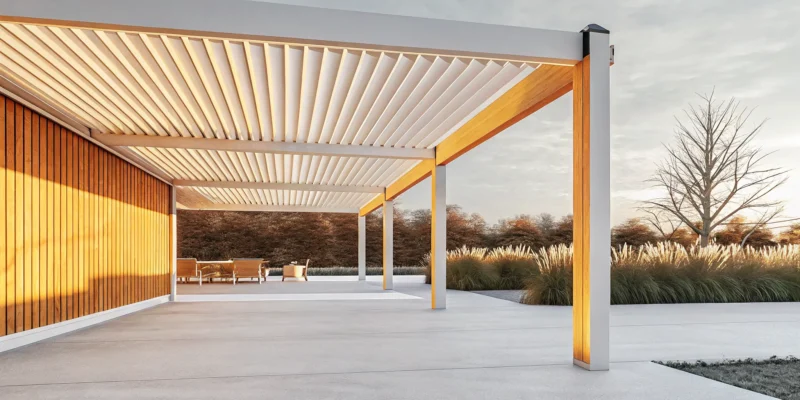
Luxury Long Island backyard with custom pavilion and louvered aluminum pergola featuring outdoor furniture and landscaping

Backyard Pavilion vs Pergola: Which Is Right for You?

Adding a permanent structure to your Nassau County property is a significant investment in your home value. Comparing a backyard pavilion vs pergola reveals distinct differences in design, function, and weather resistance for your patio.

The choice of a backyard pavilion vs pergola depends on how you plan to use your outdoor space and the level of weather protection you require. A pavilion is a freestanding structure with a solid roof that offers full shelter from rain and direct sun. This makes it a great choice for housing outdoor kitchens or furniture that needs to stay dry. In contrast, a pergola features a roof made of open slats that allow for filtered light and airflow. While pergolas have roots in ancient garden design, modern versions often include adjustable louvers for light control. According to Gappsi Group, the main difference is the roof style, where pavilions provide full coverage while pergolas offer partial shade.

Choosing between these structures requires a close look at how you want your yard to feel. We will start with the most protective option to see if it meets your needs for a shaded retreat. You can start by learning about What Is a Custom Pavilion? The path begins with

Backyard Pavilion Vs Pergola: What Is a Custom Pavilion?

A custom pavilion is a long-term outdoor build made to stay in your yard for many years. It stands on its own or sits next to your house. The main trait of a pavilion is its solid roof. This roof covers the whole space below it. When you look at the backyard pavilion vs pergola choice, the roof is the biggest change. A pergola has open slats that let light through, but a pavilion shields you fully from the sky.

A structure with a solid roof

Modern pavilions use high-grade parts like wood, vinyl, or metal. These parts help the build match your home. Pros often use stone or brick at the base of the posts to tie it into a stone patio. This creates a high-end look that feels like a real part of your living space. History shows that people have used these garden spots for a very long time. Early forms of pavilions date back to ancient groups in Egypt and Mesopotamia who wanted shaded spots to rest.

Gappsi designs these builds to fit your yard’s size and style. You can choose a wood frame or a sleek vinyl finish. The solid roof allows for extras you cannot put under a pergola. For example, you can add fans, lights, or even a TV. These items stay safe from the rain because the roof is tight and strong. It makes the space feel like a room that just happens to be outside.

Full safety from sun and rain

Long Island homeowners face many types of weather. We get hot sun in the July heat and heavy rain in the fall. A custom pavilion offers a way to stay outside no matter what the sky looks like. The solid roof blocks all sun rays. This keeps the area cool on the hottest days. It also keeps you dry if a sudden storm hits during a party. You do not have to run inside when the clouds turn gray.

This full cover makes a pavilion a year-round space. You can add heaters to the ceiling to stay warm when the air gets crisp in late fall. Because the roof is so strong, it can hold the weight of snow without any issues. This level of safety is why many families choose a pavilion for their main outdoor spot. It gives you a solid place to host friends and family through every season.

Built for outdoor kitchens

One of the best ways to use a pavilion is to cover an outdoor cooking zone. A outdoor kitchen pavilion keeps your grill and fridge safe from the weather. Cooking outside is much easier when you do not have to worry about the weather. You can prep food, grill, and serve guests all in one dry spot. This setup also helps keep your indoor kitchen cool during the summer because all the heat stays outside.

Gappsi can mix these builds with custom stone work and pools. A pavilion next to a pool creates a great place to dry off in the shade. It also provides a spot for a dining table where the sun won’t beat down on your food. When you build a pavilion, you are creating a hub for your whole backyard. It links your pool, patio, and kitchen into one grand space. This adds value to your home and makes your yard the best place to be.

What Is a Pergola?

A pergola is an outdoor garden structure made of vertical posts that support a roof of open beams or slats. These structures have deep roots in history, with early forms dating back to ancient Mesopotamia and Egypt (University of Florida). Unlike a solid roof, a pergola roof lets filtered light and fresh air pass through. This open design provides partial shade for your yard. It is a top choice for creating a breezy feel on a patio or deck.

Classic and Modern Pergola Designs

Traditional pergolas often use wood beams to create a rustic or natural look. They work well as a base for climbing plants like vines or ivy. These plants grow over the slats to add more shade. Many modern homeowners now choose a louvered aluminum pergola for more control. These systems use motorized slats that you can open or close based on the weather. You can block the sun when it is hot or close the roof to keep out light rain.

Why Homeowners Choose Pergolas

One of the main reasons to pick a pergola is for its looks. It helps to define an outdoor room without blocking the view. It will not make the space feel closed in. While a solid roof gives full shelter, a pergola is more about style and comfort. It creates a clear zone for dining or lounging while staying open to the rest of your yard. For those weighing a backyard pavilion vs pergola, the choice often comes down to sun protection.

Function and Backyard Layout

Pergolas are very flexible and can be set up in many ways to suit your life. You can build them as stand-alone units in a garden or attach them to your house. They serve as a perfect bridge between your home and the outdoors. Because they offer some shade, they are great for spots where you still want to feel the sun. These structures help to organize your yard by marking out spots for social use or quiet rest (Washington State University).

Pavilion vs Pergola: Key Differences at a Glance

Choosing between a backyard pavilion vs pergola depends on how you plan to use your outdoor space. Both structures add beauty and value to a home, but they differ in roof design, cover, and cost. A pavilion has a solid roof for full shade. A pergola uses open slats for a more airy feel. Knowing these core traits helps you pick the right fit for your Long Island yard.

Roof design and weather cover

The main difference between these two structures is the roof. A pavilion has a solid roof that gives full shelter from both rain and sun (Gappsi Group). This makes it a top choice for an outdoor kitchen pavilion. You can keep your tools dry and cook outside even during a summer storm. It acts like a true outdoor room for your home.

A pergola uses a series of open beams. This style lets in light and helps air move, which creates a classic garden look. While it gives some shade, it does not stop rain. But a louvered aluminum pergola gives you more control. You can tilt the slats to block the sun or close them for better cover when the sky turns gray.

Comparing cost and use cases

Price is another big point for homeowners to think about. On average, a wood pavilion costs from about $5,800 to $10,400. Pergolas are often a bit cheaper. Wood models for those usually cost between $4,000 and $7,600. The final price will shift based on your choice of wood, vinyl, or metal and the size of the build.

Garden structures have shaped outdoor living for a long time. Early forms of these structures go back to ancient times in Egypt near 2000 BC (University of Florida IFAS). Today, they serve as the main spot in a modern yard. A pavilion works best as a full room. A pergola is great to mark a patio or path without blocking the view of the sky.

Feature Backyard Pavilion Pergola
Roof Type Solid and closed Open slats or beams
Protection Full sun and rain cover Some shade and airflow
Best Use Outdoor kitchens and rooms Patios and garden spots
Light Control Always full shade Filtered or adjustable
Avg. Wood Cost $5,800 to $10,400 $4,000 to $7,600
Maintenance Depends on material Depends on material

Choosing Based on Your Outdoor Living Vision

Your choice between a backyard pavilion vs pergola depends on how you want to use your yard. Your vision for outdoor living should lead the design. Some people want a space for big parties and cooking. Others want a quiet spot to sit in the sun. Gappsi Group uses a joined design-build plan to make these visions real. We handle every step from the first sketch to the final build.

Pavilions for cooking and dining

A pavilion is the best pick if you want a full outdoor room. Its solid roof keeps you dry when it rains and cool when it is hot. This makes it a great spot for an outdoor kitchen pavilion. You can add grills, ovens, and sinks without worrying about the weather. These structures also work well for poolside lounges where you need total shade.

A solid roof gives you a place to add lights, fans, and TVs. This helps you use your yard late into the night. Because the roof is closed, your furniture and tools stay safe from the rain. Most homeowners who want a dining area that feels like a house room choose a pavilion. It acts as a true hub for your home life.

Pergolas for lounges and paths

A pergola uses open beams to let light through. This creates a soft, filtered glow that feels real. Pergolas are often used to mark a lounge zone or a spot for a spa. They can also define garden paths. According to experts at Washington State, these structures help define “outdoor rooms” in a landscape. They give your yard structure without blocking the sky.

You can also pick a louvered aluminum pergola. This lets you change the shade with a remote. You can close the slats for more shade or open them to see the stars. Pergolas work well in garden areas where you want vining plants to grow. They offer a light and airy feel that suits a modern backyard.

Joined design and 3D views

Gappsi makes sure your new structure fits with your whole yard. We look at your pools and masonry patios to create a smooth look. You do not need to hire other teams for each job. We handle the stone work, the pool build, and the wood work all at once. This saves you time and keeps the work great.

We also offer 3D design services. This lets you see your yard before we start digging. You can see how a pavilion looks next to your pool. You can also test how a pergola fits over your spa. Seeing these views helps you make the best choice for your home. Our Smithtown showroom also lets you see samples in person to pick your best look.

Cost Considerations for Long Island Homeowners

Adding a new structure to your yard is a big step. You want a space that looks great and fits your budget. Costs for a backyard pavilion vs pergola can change based on many things. For a basic wood pergola, you might spend between $4,000 and $7,600. A wood pavilion usually costs more, with prices from $5,800 to $10,400. These price ranges are for simple wood builds. They do not include the cost of custom work or high-end parts. In Nassau and Suffolk Counties, you must also think about the cost of local permits and site labor.

Key Factors in Your Project Total

Many details will change the final price of your project. The size of the build and the parts you pick are important. For example, a louvered aluminum pergola costs more than a simple wood one. But it gives you more control over the sun and rain. You should also think about how the space will work with your yard. Research from Washington State University shows that these structures help define useful outdoor rooms in your yard. A clear design plan helps you avoid extra costs during the build.

  1. Part Selection: You can choose from wood, vinyl, or aluminum. Wood is often the most affordable choice, but it needs more care over time. Vinyl and aluminum cost more at first. But they stay in good shape for years with less work. You can see these parts in person at the Gappsi showroom in Smithtown.
  2. Size and Design: A larger structure needs more parts and time to build. If your design has complex shapes, the labor costs will rise. A custom fit for your yard ensures you use every inch of space well.
  3. Custom Features: Adding lights, fans, or screens will increase your budget. Many homeowners choose to build an outdoor kitchen pavilion to make a full cooking area. These extras make the space more useful all year long.
  4. Site Prep and Base: You must have a level spot and a strong base. This might mean you need stone work or new concrete pads to hold the weight. Proper prep prevents the structure from shifting or sinking over time.
  5. Expert Setup vs DIY Kits: A DIY kit might seem cheaper. But it often lacks the quality of a custom build. Pros ensure the structure is safe and built to last in the Long Island weather. Working with one team for design and setup saves you time and stress.

The Value of Your New Space

Spending money on your backyard adds value to your home. While costs vary, most outdoor structures offer a high return. Some reports show that you can get back 50% to 80% of what you spend when you sell your house. Beyond the money, a well-built structure gives you a place to relax and enjoy the fresh air. It makes your yard a true part of your home. A custom structure is a smart way to make your life better and boost your home value for years to come.

Design and Customization Options with Gappsi

Special Planning and 3D Views

Choosing between a backyard pavilion vs pergola is a big step for your home. Gappsi makes this choice easy through our special design process. We use 3D design tools to show how each structure looks in your yard before work starts. You can see how a wood pavilion or a vinyl pergola fits with your pool and patio. This help from our experts ensures you get the exact look you want for your space.

We invite you to visit our showroom in Smithtown to see materials in person. You can touch the wood, feel the vinyl, and test the metal parts. Seeing these items helps you understand the quality of our work. Our team guides you through every step to build a space that lasts for years. We handle all steps from the first sketch to the final build so you do not have to manage many workers.

Selecting Your Ideal Materials

Your choice of material affects both the look and the care of your structure. Gappsi offers classic wood for a natural feel and vinyl for low care. For a modern touch, many clients choose a louvered aluminum pergola. These units have motor parts that let you change the roof slats with a button. This gives you full control over how much sun or rain enters your seating area.

Our work draws from deep Italian roots and skill that dates back for years. The use of outdoor structures to define garden rooms is a practice seen throughout history. In fact, landscape design often uses pergolas to create useful spaces in local yards. We bring this old world skill to every project on Long Island. This ensures your new backyard feature is both strong and beautiful.

Custom Sizing and Added Features

We do not just offer standard sizes for your backyard. Every structure we build can be custom sized to fit your unique yard. Whether you need a small shade spot or a large outdoor kitchen pavilion, we can build it. This choice is key when you compare a backyard pavilion vs pergola for a tight space. We make sure the height and width work well with your house and trees.

A great outdoor space needs more than just a roof and posts. Gappsi provides full services like power and light for fans. We also handle the masonry for strong bases and stone floors. Outdoor rooms can even help vining plants grow, which is a design trick used since ancient times. You can learn more about the history of garden structures like arbors and pergolas to see how they evolved. By combining these skills, Gappsi gives you a full solution for your home. Check out our full range of custom pavilions and pergolas to find the best fit for your lifestyle.

Frequently Asked Questions

Which structure is better for protecting an outdoor kitchen from the weather?

A pavilion is the best choice for an outdoor kitchen since its solid roof gives full cover from rain and sun. According to Gappsi, a solid roof keeps your tools and eating area dry during big Long Island storms. A pergola adds style but only gives partial shade through open slats. This makes it a poor fit for cooking spots that need to stay dry all year long.

Can a custom outdoor structure be integrated into a larger backyard design?

Yes, you can blend these builds into your yard to create useful outdoor rooms. Data from Washington State University shows that pergolas and pavilions work well to mark specific zones. On Long Island, owners often pair them with stone patios or swimming pools. This way, your whole backyard feels like one joined living space for your family to enjoy.

What is the benefit of a louvered metal pergola over a fixed roof?

A louvered metal pergola gives you a roof you can change to fit your needs. Unlike a fixed pavilion roof, you can open the slats to let in sun or close them to block rain. Data from Gappsi shows that these powered systems allow for full control over light and shade. The metal frame is also very strong and needs very little work compared to wood. It is a top pick for modern Long Island yards.

How can I see how a new pavilion will look in my backyard before it is built?

You can use 3D design tools to see a full model of your project before work starts. According to Gappsi Group, these digital plans help you see how a pavilion or pergola fits with your pool, patio, and home. This step lets you change the size or style to get the perfect look. It is the best way to avoid mistakes and make sure you love the final result in your Long Island yard.

Book your free backyard pavilion or pergola consultation

If you wait to fix your yard, you will spend another year in the hot sun and rain. Start today to lock in your price and make sure your new structure is ready for summer. Do not let another year pass by without the shade your yard needs for comfort and a fast finish.

Ready to schedule a free consultation for your custom pavilion or pergola? Schedule your free meeting to talk to a backyard structure expert at Gappsi today. You can also see our Smithtown showroom samples for your next project so we can help you choose the best materials and design for your Long Island home and new outdoor backyard living space.

Share this page:
Modern Challenger outdoor kitchen with all-aluminum cabinets, an integrated grill, and bar seating.

Challenger Outdoor Kitchens: The Buyer’s Guide

When you start planning an outdoor kitchen for your Long Island home, you quickly realize our weather is the biggest challenge. Wood rots, and some metals rust in our salty, humid air. You need something built to last without constant maintenance. This is exactly where Challenger Outdoor kitchens come in. They are engineered from powder-coated aluminum, making them completely weatherproof. Forget about warping, rotting, or rust; these cabinets are designed to look beautiful season after season. This guide will walk you through what makes Challenger the premier choice for a durable, low-maintenance, and stylish outdoor kitchen that truly stands up to the elements.

Key Takeaways

  • Built for the Coast, Not for Upkeep: Challenger kitchens use powder-coated aluminum that won’t rust, rot, or warp, giving you a beautiful, long-lasting outdoor space without the constant maintenance required by wood or other metals.
  • Your Kitchen, Your Layout: Don’t settle for a one-size-fits-all solution. Challenger’s modular system offers total flexibility to design a kitchen layout that fits your exact space and integrates seamlessly with your appliances.
  • Rely on a Pro for a Perfect Finish: An authorized dealer ensures you get a genuine Challenger product and expert design advice, while professional installation is key for safety, proper appliance function, and a kitchen that’s built correctly from the ground up.

What Are Challenger Outdoor Kitchens?

If you’ve started planning an outdoor kitchen, you’ve likely come across the name Challenger Designs. They’re a leader in the industry, known for creating high-quality outdoor kitchens, cabinets, and grill carts that are as durable as they are beautiful. Unlike traditional masonry or wood-framed kitchens, Challenger builds its products entirely from aluminum, offering a lightweight yet incredibly strong solution for your backyard. This makes them a fantastic choice for Long Island homeowners who want a stylish, low-maintenance setup that can handle our coastal weather without warping, rotting, or rusting.

Think of a Challenger kitchen as a complete, modular system designed to make outdoor entertaining effortless. It’s not just a standalone grill cart; it’s a fully customizable collection of cabinets and countertops that can be configured to fit your space and cooking style perfectly. Whether you’re dreaming of a simple grilling station or a full-service outdoor kitchen with a sink, refrigerator, and plenty of storage, Challenger provides the foundation. Their innovative approach combines sophisticated design with practical, weatherproof construction, giving you a functional and elegant outdoor cooking area that will be the centerpiece of your backyard gatherings for years to come.

Sleek, All-Aluminum Design

The first thing you’ll notice about a Challenger kitchen is its clean, modern aesthetic. Every cabinet and cart is built from lightweight, powder-coated aluminum, which gives it a sleek, contemporary look that complements any patio design. But the choice of aluminum goes far beyond style. It’s a weatherproof material that won’t rust, rot, or degrade when exposed to rain, sun, and salty air. This means you get a beautiful kitchen without the constant upkeep required by wood or other materials. Challenger Designs offers a range of finishes, allowing you to create a custom look that feels like a true extension of your home.

Seamless Appliance Integration

A great outdoor kitchen is built around its appliances, and Challenger kitchens are engineered for flawless integration. The cabinets are designed to house everything from grills and smokers to side burners, outdoor refrigerators, and sinks from virtually any brand. One of their standout features is the use of sealed storage solutions, which keep your expensive cooking tools and electronics safe and dry. This thoughtful design ensures that your appliances are not only secure but also perfectly fitted, creating a cohesive and professional look. Whether you have a large ceramic smoker or a built-in gas grill, a Challenger system provides a safe, custom-fit home for all your outdoor cooking essentials.

Why Invest in a Challenger Outdoor Kitchen?

An outdoor kitchen is more than just a place to grill; it’s the heart of your backyard, extending your living space and creating a hub for entertaining. When you decide to add one to your home, you’re making a significant investment in your lifestyle and property value. That’s why choosing the right materials is so important. You want something that not only looks fantastic but can also handle everything Long Island weather throws at it, from humid summer days to icy winters.

This is where Challenger Outdoor Kitchens truly shine. Their all-aluminum cabinets are engineered for performance, offering a combination of durability, low maintenance, and sophisticated style that’s hard to beat. Unlike wood, which can rot and warp, or other metals that can be difficult to maintain, Challenger provides a worry-free solution that protects your investment for years to come. It’s about getting a beautiful, functional kitchen that’s always ready for your next gathering, without the constant upkeep.

Built to Withstand the Elements

One of the biggest concerns for any outdoor structure is its ability to last. Challenger’s all-aluminum construction directly addresses this. Aluminum is a remarkably durable material that won’t warp, rot, or rust, even when exposed to direct sun, heavy rain, or freezing temperatures. This means your cabinets will maintain their structural integrity and clean lines season after season. For homeowners on Long Island, this resilience is a game-changer. You can design a stunning outdoor living space without worrying that your kitchen will degrade over time. It’s a true set-it-and-forget-it solution that delivers lasting value and peace of mind.

Keeping Your Cabinets Dry and Clean

A great outdoor kitchen should protect your valuable cooking equipment. Challenger cabinets are designed with this in mind, featuring integrated weather-tight seals and dry-storage construction. This thoughtful engineering ensures that the interior of your cabinets remains safe from moisture, dust, and pests. You can store your grilling tools, serving dishes, and even dry goods with confidence, knowing they’ll be clean and ready to use whenever you are. This feature is especially crucial for protecting sophisticated appliances like built-in grills and side burners, safeguarding them from the elements and extending their lifespan. It’s a small detail that makes a huge difference in the daily use and long-term care of your kitchen.

A Kitchen Designed Just for You

Your outdoor kitchen should be a perfect reflection of your space and how you love to entertain. Challenger’s modular system offers incredible flexibility, allowing you to create a layout tailored to your exact needs. Whether you have a compact patio or an expansive backyard, you can configure cabinets, drawers, and appliance housings to build your ideal setup. At Gappsi, our designers work with you to bring that vision to life, ensuring your Challenger kitchen fits seamlessly into your property. We can help you select the right components and even integrate them into a larger project, like placing them on a beautiful natural stone patio or under a custom-built pergola.

Challenger vs. The Competition

When you’re planning an outdoor kitchen, you’ll find a lot of options out there. So, what makes Challenger stand out from the crowd? It really comes down to a few key areas: the quality of the materials, the balance of cost and long-term value, and the sheer flexibility you get in the design process. While other brands might offer modular solutions, Challenger’s commitment to all-aluminum construction and custom-fit designs provides a unique advantage, especially for homeowners who want a kitchen that’s truly built to last and tailored to their lifestyle.

Let’s break down how Challenger stacks up against other popular outdoor kitchen brands and materials.

A Look at Materials and Craftsmanship

The biggest difference you’ll notice with Challenger is its all-aluminum construction. Many outdoor kitchens use a mix of materials, like stainless steel doors on a galvanized steel or even a wood frame. The problem is that these materials react differently to the weather we get here on Long Island. Wood can rot and warp, and certain metals can rust over time. Challenger uses lightweight, powder-coated aluminum for everything—from the frames to the doors and drawers. This means your cabinets won’t warp, rot, or rust, even after years of hot sun and freezing winters. The welded frames add another layer of strength, ensuring your kitchen remains solid and functional for the long haul, pairing beautifully with durable porcelain and natural stone countertops.

Comparing Price and Long-Term Value

Challenger kitchens are an investment, and it’s helpful to think about the cost in terms of long-term value. While some brands might have a lower initial price point, you have to consider what you’re getting. With Challenger, you’re paying for all-weather durability and minimal maintenance. You won’t be spending money in five or ten years replacing rusted components or warped doors. This kitchen is designed to be a permanent part of your home, adding significant value to your property. When you factor in the longevity and peace of mind, the initial investment often makes more sense than choosing a less durable option that will require repairs and replacement down the road as part of a larger home remodeling project.

Flexibility in Design and Installation

This is where working with a design-build team really pays off. Challenger offers incredible flexibility, allowing you to create a kitchen that fits your space and cooking style perfectly. You aren’t locked into a few standard layouts. Instead, you can customize everything, from the cabinet configuration to the placement of your grill, sink, and refrigerator. This modular approach means we can design a kitchen that integrates seamlessly with your existing patio, swimming pool, or pergola. Whether you need a compact island or a sprawling L-shaped kitchen with bar seating, Challenger’s system makes it possible to build a truly custom outdoor cooking space that works for you and your family.

How Can You Customize Your Challenger Kitchen?

This is where the fun really begins. A Challenger Outdoor Kitchen isn’t an off-the-shelf product; it’s a canvas for your ideal outdoor entertaining space. From the functional flow to the final color, you have a say in every detail. This level of personalization ensures your new kitchen not only fits your space perfectly but also matches your unique style and how you love to cook and entertain. Working with a design team helps you see all the possibilities and create a kitchen that’s truly your own.

Choosing Your Cabinet Layout

The foundation of your kitchen design starts with the cabinet layout. Think about how you want to move and work in the space. Do you envision a straight run against a wall, an L-shape to define a corner, or a U-shape that creates a complete outdoor cooking station? Challenger offers a variety of well-made cabinet types designed to make outdoor life easier. You can select from grill cabinets, sink bases, drawer units for tools, and even specialized cabinets for trash pull-outs or refrigerators. The goal is to create a functional workflow that makes grilling and prepping feel effortless. We can help you map out a masonry patio base that perfectly accommodates your chosen layout.

Picking Your Colors and Finishes

Once you have a functional layout, you can focus on the aesthetics. Challenger kitchens are known for their durable, powder-coated finishes that come in a range of beautiful colors. You can choose a classic grey or black for a sleek, modern look, or opt for a bolder color to make a statement. You can even select different colors for the cabinet doors and frames for a two-toned effect. Beyond color, consider the countertops and hardware that will complete the look. Pairing your cabinets with gorgeous porcelain or natural stone countertops can create a stunning focal point for your entire backyard.

Visualizing Your Dream Kitchen

It can be hard to imagine how all your choices will look when they come together. That’s why one of the most valuable steps in the design process is visualization. Challenger offers a service to create a “Kitchen Rendering,” which is a detailed 3D model of your future outdoor kitchen. This allows you to see your layout, color choices, and appliance selections in a realistic preview. When you partner with Gappsi for your home remodeling projects, our designers use these tools to help you fine-tune every detail, ensuring the final result is exactly what you envisioned before construction ever begins.

Understanding Challenger’s Core Materials

When you’re creating an outdoor living space, the materials you choose are everything. They have to stand up to salty air, summer sun, and winter snow, all while looking fantastic. Challenger Designs gets this, and their entire philosophy is built on using materials that are engineered to last. The combination of a rigid aluminum frame, sturdy stainless steel hardware, and a tough powder-coated finish means your outdoor kitchen isn’t just a fair-weather luxury—it’s a permanent, all-season feature of your home. Let’s look at what makes each of these components the right choice for a lifetime of outdoor entertaining.

The Power of an Aluminum Frame

The foundation of every Challenger cabinet is a lightweight, incredibly strong aluminum frame. Unlike wood or wood composites, aluminum will never rot, warp, or absorb moisture, which is a huge advantage in the Long Island climate. This corrosion-resistant material ensures your investment is protected from rust and decay, season after season. Because aluminum is so durable, your cabinets will maintain their structural integrity, and the doors and drawers will continue to open smoothly for years. This focus on a resilient frame is central to creating outdoor masonry and kitchen spaces that require minimal maintenance, giving you more time to simply enjoy your backyard with family and friends.

Durable Stainless Steel Hardware

A cabinet is only as good as its hardware, and Challenger doesn’t cut corners here. All handles, hinges, and fasteners are made from high-quality stainless steel. This is crucial because these are the high-contact points of your kitchen that you’ll use every single day. Stainless steel offers the same rust-proof, weather-resistant qualities as the aluminum frame, ensuring every part of your kitchen is built for the outdoors. Challenger’s thoughtful engineering extends to features like sealed storage spaces that keep your grilling tools and supplies dry and protected. This meticulous attention to detail is what defines high-end home remodeling, guaranteeing that both function and form endure over time.

Finishes That Last

Challenger kitchens are known for their beautiful, vibrant colors, and that beauty is more than skin deep. Instead of traditional paint, Challenger uses a powder-coating process. This special finish is applied as a dry powder and then baked onto the aluminum, creating a hard, durable layer that’s much tougher than conventional paint. This process ensures the finish resists chipping, scratching, and fading from harsh UV rays, so your kitchen will look just as good in ten years as it does on day one. With a wide selection of colors, you can design a kitchen that perfectly complements your home’s aesthetic and your choice of porcelain and natural stone patios, achieving a look that is both luxurious and practical.

How to Design the Right Kitchen for Your Space

Designing your outdoor kitchen is where the fun really begins. This is your chance to create a space that fits your cooking style, entertainment needs, and your backyard’s unique footprint. A great design is more than just picking out a grill; it’s about creating a seamless flow that makes cooking outside feel effortless. By thinking through the layout and workflow, you can build a kitchen that becomes the true heart of your outdoor living area, perfect for everything from quiet family dinners to lively weekend get-togethers.

Planning Your Layout

First, let’s map out your space. Think about how you move when you cook. The classic “kitchen triangle” applies outdoors, too—you want easy access between your grill, sink, and refrigerator. Consider adding practical features like a sink, ice maker, or a pull-out trash bin to make your outdoor kitchen as functional as possible. You’ll also want plenty of counter space for prep work and serving. A well-planned layout ensures everything you need is within arm’s reach, so you can spend less time running back to the house and more time enjoying the party. Our masonry experts can help build the perfect foundation for any layout you envision.

The Advantage of a Modular System

One of the best things about Challenger Designs is its modular system. This means you aren’t locked into a one-size-fits-all design. Instead, you can choose from various cabinet types and sizes to create a configuration that fits your space perfectly. Because they can fit into any outdoor kitchen setup, you have the freedom to design an L-shaped kitchen, a straight run, or a galley-style layout. This flexibility makes it easy to work around existing features like columns and allows you to integrate your kitchen seamlessly with your patio. It’s a custom-fit feel without the completely custom process, giving you total control over the final look and function of your space.

Creating an Efficient Workflow

A great outdoor kitchen is more than just a place to cook—it’s a space for entertaining, relaxing, and creating memories with family and friends. When designing your kitchen, think about the overall workflow. Where will guests sit while you cook? Is there a clear path from the grill to the dining table? Consider adding a bar-height counter for casual seating or placing your kitchen near the pool area to keep the conversation flowing. Planning for details like task lighting for evening cookouts and sufficient storage for your grilling tools will make the entire experience smoother and more enjoyable for everyone involved.

What to Expect on Installation Day

The day your new Challenger Outdoor Kitchen arrives is exciting, and knowing what to expect can make the process smooth and stress-free. While Challenger kitchens are designed for straightforward assembly, the final placement, leveling, and appliance hookups are best left to the pros. At Gappsi, our team handles every detail, ensuring your kitchen is installed perfectly and ready for its first cookout. We coordinate everything from the initial site check to the final walkthrough, so all you have to do is get your grilling tools ready.

Our process begins long before the truck arrives. We’ll have already worked with you to finalize the design and prepare the site, whether that involves building a new patio or running utility lines. On installation day, our crew will arrive with your custom-made cabinets and all the necessary equipment. We work efficiently and cleanly, treating your property with respect. We’ll assemble the kitchen, install your appliances, and make sure every component is secure and functions exactly as it should.

Why Professional Installation Matters

An outdoor kitchen is a significant investment that involves gas lines, electrical wiring, and heavy appliances. Professional installation is about more than just convenience—it’s about safety and performance. Our team ensures that every element, from the ceramic grill to the side burners, is set up correctly. Challenger’s designs include features like sealed dry pans to keep your appliances protected, and proper installation is key to making sure these features work effectively. With our expert craftsmanship, you can be confident that your kitchen is not only beautiful but also safe for your family and built to last.

Prepping Your Space and Project Timeline

Because every Challenger kitchen is custom-made in the USA, precision is everything. Before installation day, our team at Gappsi handles all the necessary prep work to ensure a perfect fit. This includes creating a perfectly level foundation, which is crucial for the stability of the cabinets and the proper functioning of your appliances. We’ll also manage the project timeline, coordinating with you every step of the way so you know what to expect. We understand that you’re eager to start enjoying your new outdoor living space, and we work diligently to complete the installation efficiently without cutting any corners.

Ongoing Support from Your Dealer

Our relationship doesn’t end once the installation is complete. As an authorized Challenger dealer, Gappsi is your long-term partner for your outdoor kitchen. Should you have any questions about using your new appliances, need advice on maintenance, or want to add more components down the road, we’re here to help. This ongoing support is one of the biggest advantages of working with a local dealer. You have a direct line to a team you trust, ensuring you can enjoy your Challenger kitchen for years to come. You can always find accessories and expert advice at the Gappsi Store.

How Much Do Challenger Outdoor Kitchens Cost?

Let’s talk numbers. When you’re planning a project like this, the budget is always a top consideration. Challenger Outdoor Kitchens are a premium product, and their pricing reflects the quality of their all-aluminum construction and American-made craftsmanship. For their popular Coastal Series cabinets, you can generally expect a price range between $2,800 and $8,000. Think of this as the starting point for your kitchen’s foundation. This cost covers the cabinetry itself, which is the core of your setup, but doesn’t include appliances, countertops, or installation.

The final investment will depend entirely on the scale and complexity of your vision. Are you dreaming of a simple grill station or a full-service culinary hub with a sink, refrigerator, and extensive storage? Each choice shapes the final price tag. A complete outdoor kitchen project can range from $5,000 to over $20,000 once you factor in high-end appliances and custom finishes. At Gappsi, we help you understand how these components come together to create a cohesive plan. We believe in transparency, ensuring you know exactly what you’re investing in—a durable, beautiful outdoor kitchen that will host memories for years to come. Our team can walk you through the options to design a space that fits both your lifestyle and your budget.

What Influences the Final Cost?

Several key factors will shape the final cost of your Challenger kitchen. The overall size is the biggest driver—more cabinets mean a higher price. Your choice of materials and finishes also plays a significant role. While Challenger’s powder-coated aluminum is standard, you’ll also need to budget for countertops. Options like porcelain and natural stone offer incredible durability and style but vary in price. Finally, the appliances you select will be a major part of your budget. A high-performance grill, outdoor refrigerator, and side burners all contribute to the total investment, allowing you to create a kitchen that truly meets your cooking needs.

Exploring Financing and Promotions

Investing in a high-quality outdoor kitchen is a significant decision, but it doesn’t have to be a financial strain. As an authorized dealer, we can guide you through available financing options to make your dream kitchen more accessible. It’s always a good idea to ask us about any current promotions or package deals, especially if you’re bundling your kitchen with other outdoor projects like a new patio or swimming pool. Planning your project during certain times of the year might also open up seasonal offers. We’re here to help you find the best path forward so you can start enjoying your new outdoor living space sooner rather than later.

Where Can You Buy a Challenger Outdoor Kitchen?

Once you’ve decided that a Challenger Outdoor Kitchen is the right fit for your home, the next step is figuring out where to buy it and who will install it. This part of the process is just as important as choosing your cabinet colors and layout. Purchasing from the right source ensures you get an authentic product backed by a proper warranty, and hiring a skilled installer guarantees your kitchen will be beautiful, functional, and safe for years to come.

Think of it this way: you’re not just buying cabinets; you’re investing in a complete outdoor living experience. The right partner will guide you through the entire journey, from initial design to the final walkthrough. They’ll help you avoid common pitfalls and make sure your new kitchen integrates perfectly with your existing patio and landscape. For homeowners in Long Island, finding a local expert who understands both the product and the specific needs of our area is key to a successful project. This is where the distinction between a dealer and an installer becomes crucial.

Finding an Authorized Dealer

Your first move should always be to find an authorized dealer for Challenger Designs. Challenger itself directs customers to its dealer network, and for good reason. Authorized dealers have a direct relationship with the manufacturer, which means they have the most up-to-date product knowledge and training. This is your best guarantee that you’re purchasing a genuine Challenger kitchen, not a knock-off. It also protects your investment by ensuring your warranty is valid. As a premier Long Island home improvement company, we provide direct access to Challenger’s full line of products, helping you select the perfect components for your space with confidence.

Choosing a Qualified Installer

An outdoor kitchen is much more than a set of cabinets. It’s a complex system involving countertops, grills, sinks, and refrigeration, all of which need to be installed correctly. A qualified installer does more than just assemble the pieces; they create a cohesive and functional outdoor room. You need a team that understands how to build a proper foundation, manage plumbing and electrical lines, and ensure proper ventilation for cooking appliances. Look for an installer with a proven track record in comprehensive outdoor projects, from custom masonry to landscape integration. This ensures your Challenger kitchen becomes a seamless, durable, and stunning part of your home.

Related Articles

Frequently Asked Questions

Why is an all-aluminum kitchen a better choice for Long Island than other materials? The main advantage of all-aluminum construction is its incredible resistance to our coastal weather. Unlike wood, it will never rot, warp, or swell from humidity and rain. And unlike some other metals, the powder-coated aluminum used by Challenger won’t rust, even with the salty air we get on the island. This means your kitchen will maintain its structural integrity and clean look for years with very little upkeep.

You mention the kitchens are low-maintenance, but what does that actually involve? Low-maintenance really means you can spend more time enjoying your kitchen and less time working on it. For routine cleaning, a simple wipe-down with mild soap and water is all you need to keep the powder-coated surfaces looking great. The weather-tight seals on the cabinets help keep the interiors clean and dry, so you won’t have to constantly clear out leaves or dust. It’s a durable setup that doesn’t require the annual sealing, staining, or repairs that other outdoor materials often need.

Can I use my existing grill or choose my own appliances for a Challenger kitchen? Absolutely. One of the best features of a Challenger kitchen is its flexibility. The cabinets are designed to house appliances from virtually any brand, whether you have a beloved ceramic smoker or want to install a new built-in gas grill. Our design team will take the exact specifications of your chosen appliances to ensure the cabinets provide a perfect, custom-fit home for them, creating a seamless and professional look.

What is the real benefit of working with a dealer like Gappsi for this project? Working with an authorized dealer ensures you get the complete experience, from expert design to flawless installation. We help you go beyond just picking cabinets by creating a functional layout that fits your space and cooking style. Our team handles all the site preparation, manages the installation, and ensures that any necessary plumbing or electrical work is done safely and correctly. This integrated approach guarantees your kitchen is not only beautiful but also a lasting and safe addition to your home.

How long does the process typically take from the initial design to a finished kitchen? Because every Challenger kitchen is custom-made to your specifications, the timeline can vary. The design phase can take a few weeks as we work with you to finalize the layout, colors, and appliance choices. Once the order is placed, manufacturing takes several weeks. After your cabinets arrive, the on-site installation is usually completed within a few days. We manage the entire schedule and keep you informed so you know exactly what to expect at each stage.

Share this page:
Stone veneered outdoor kitchen with a built-in grill and large island with bar seating.

Your Guide to Stone Veneered Outdoor Kitchens

Your backyard should be a true extension of your home, reflecting your personal style and serving as a backdrop for your best memories. The outdoor kitchen is the heart of this space, and its design sets the tone for everything else. With its incredible variety of colors, textures, and patterns, stone veneer provides the perfect canvas to bring your vision to life. Whether you’re dreaming of a sleek, modern entertainment area or a cozy, rustic retreat, Stone Veneered Outdoor kitchens offer the versatility to create a look that is uniquely you. Let’s get into some inspiring design ideas and explore the different types of stone that can make your outdoor space truly special.

Key Takeaways

  • Choose stone veneer for high-end style without the high-end cost: It gives you the beautiful, timeless appearance of solid stone but is lighter on your budget and easier to install, making it a smart and durable choice for Long Island’s climate.
  • Create a cohesive outdoor space by matching the stone to your home: Select a veneer style—like sleek quartzite or rustic slate—that complements your home’s architecture, and apply it to your grill island, bar fronts, and backsplashes for a polished, professionally designed look.
  • Ensure lasting beauty with simple, routine maintenance: A professional installation is the best start, but the real key to longevity is easy care. Regular cleaning and sealing your stone every few years will protect it from stains and weather, keeping it ready for every cookout.

What is a Stone Veneer Outdoor Kitchen?

An outdoor kitchen is more than just a grill on a patio; it’s a dedicated space that brings the heart of your home outside, blending the joy of cooking with the fun of entertaining. When you build this space with stone veneer, you’re wrapping your outdoor kitchen’s structure—like cabinets, islands, and backsplashes—in a thin layer of stone. This gives you the beautiful, timeless look of a solid stone structure without the immense weight and cost. It’s the perfect way to create a durable, high-end focal point for your backyard gatherings, turning a simple cookout area into a stunning culinary retreat.

Natural vs. Manufactured Stone Veneer

When choosing your stone, you’ll find two main options: natural and manufactured. Natural stone veneer is exactly what it sounds like—real stone that has been quarried and cut into thin profiles. It offers one-of-a-kind patterns and textures that only nature can create. On the other hand, manufactured stone veneer is a high-quality composite made from a mixture of cement, aggregates, and pigments. While it’s not quarried from the earth, it’s crafted to closely resemble the look and feel of real stone. Gappsi offers a wide selection of beautiful porcelain and natural stone options, allowing you to find the perfect material that fits both your vision and your budget.

Essential Components for Your Design

Stone veneer is incredibly versatile, allowing you to create a cohesive and polished look throughout your outdoor kitchen. You can use it to cover bar fronts, create striking backsplashes, and build surrounds for your grill and other appliances. The key is to think about all the components that will make your space functional and beautiful. Consider a central island for prep space, a dedicated grill station, or even a pizza oven as a standout feature. Expert masonry design can also incorporate stone seating areas and flooring to tie the entire space together. For a simpler installation, mortarless stone veneer options are also available, designed for easy application without compromising on style.

Why Stone Veneer is a Smart Choice for Your Outdoor Kitchen

When you’re designing an outdoor kitchen, you want materials that are not only beautiful but also practical. Stone veneer checks both boxes, offering the timeless appeal of natural stone with modern durability and versatility. It’s a fantastic way to create a high-end outdoor cooking space that feels like a natural extension of your home and is built to be enjoyed for years to come. Let’s get into why it’s such a popular and intelligent choice for homeowners.

Built to Last Through Long Island Weather

Here on Long Island, our outdoor spaces have to endure a lot—from humid, salty summer air to freezing winter temperatures. You need materials that won’t crack under pressure. High-quality stone veneer is specifically designed to withstand these elements and will not deteriorate over time. Unlike some other materials that can fade, warp, or chip, stone veneer maintains its integrity and color through every season. This means your outdoor kitchen will look just as stunning years from now as it did on day one, with proper care and professional restoration and sealing to keep it protected.

Get a High-End Look Without the High-End Price

Dreaming of a luxurious stone outdoor kitchen but worried about the cost? This is where stone veneer really shines. Manufactured stone veneer, in particular, closely resembles the look and feel of natural stone, providing an affordable alternative without sacrificing style. Because it’s lighter and easier to install than full-bed stone, you save on both material and labor costs. This frees up your budget for other important elements, like that pizza oven you’ve been eyeing or a comfortable new seating area. You can explore a wide range of beautiful and cost-effective porcelain and natural stone options to find the perfect fit for your project.

Endless Styles to Match Your Home

Your outdoor kitchen should complement your home’s existing architecture, and stone veneer makes that easy. It comes in a massive variety of styles, from sleek, modern stacked stone to rustic, traditional fieldstone. Whether your home is a classic colonial or a contemporary new build, there’s a veneer to match. Natural stone veneer is a great choice for outdoor kitchen walls because it looks beautiful and lasts a very long time. Our masonry design experts can help you select the perfect color, texture, and pattern to create a cohesive and personalized outdoor living space that truly reflects your taste.

Spend More Time Enjoying, Less Time Cleaning

An outdoor kitchen is meant for relaxing and entertaining, not for endless upkeep. Stone veneer is a wonderfully low-maintenance material. Most of the time, a simple rinse with a hose or a wipe-down with a mild cleaner is all it takes to handle spills and keep it looking fresh. To keep your stone veneer looking good and lasting long, you just need to clean it regularly and seal it every few years. This simple routine protects it from stains and weather, ensuring you spend more of your precious free time grilling and making memories with family and friends instead of scrubbing surfaces.

Find the Perfect Stone Veneer for Your Style

Choosing the right stone veneer is where the personality of your outdoor kitchen really comes to life. Are you aiming for a sleek, modern vibe or something more rustic and cozy? The stone you select sets the tone for the entire space. Think of it as the foundation of your design—it needs to be both beautiful and functional. With so many options available, it’s all about finding the one that reflects your personal style and can stand up to the demands of outdoor living. At Gappsi, we work with a huge variety of porcelain and natural stones, so you’re sure to find the perfect material to build your dream kitchen around. Let’s look at a few popular choices to get you started.

Quartzite: The Durable Powerhouse

If you’re looking for a material that’s as tough as it is beautiful, quartzite is your answer. This natural stone is incredibly hard and dense, which means it’s highly resistant to scratches and chips—a huge plus in a busy cooking area. Because it doesn’t absorb much liquid, it holds up exceptionally well against Long Island’s weather, from summer sun to winter frost. You won’t have to worry as much about stains from spills, either. Quartzite offers a clean, elegant look similar to marble but with the durability you need for an outdoor setting, making it a practical and stunning choice for countertops and veneers.

Slate: For a Touch of Rustic Charm

Slate is wonderfully versatile and can adapt to almost any design vision. Its rich, earthy tones and naturally layered texture can create a warm, rustic feel that’s perfect for a cozy backyard retreat. At the same time, when cut into clean, uniform tiles, it can look incredibly sleek and modern. This flexibility makes it a favorite among designers. Whether you’re picturing a charming, cottage-style kitchen or a minimalist outdoor entertaining space, slate provides a beautiful and durable backdrop. Our masonry experts can help you design a look that perfectly captures your style.

Granite: The Definition of Luxury

There’s a reason granite has been a top choice for kitchens for decades—it’s the definition of timeless luxury. As a natural stone, every single slab of granite is completely unique, with its own distinct patterns, flecks, and color variations. This means your outdoor kitchen will have a one-of-a-kind character that can’t be replicated. Granite is also known for its natural strength and durability, easily handling the heat from grills and the chill of cold nights. It’s a classic material that adds undeniable value and a touch of sophistication to any outdoor project.

Travertine & Limestone: Classic and Elegant

For a look that feels both classic and effortlessly elegant, consider travertine or limestone. Travertine veneer brings a warm, Mediterranean feel to your backyard with its soft, earthy colors and unique porous texture. It’s a fantastic way to create an inviting and comfortable atmosphere for your guests. Similarly, limestone pavers and veneers offer a timeless aesthetic that feels both refined and natural. Both stones are durable choices for outdoor applications and can help you create a sophisticated, resort-like oasis right in your own backyard.

Budgeting for Your Stone Veneer Outdoor Kitchen

Creating a budget is one of the most important first steps in planning your dream outdoor kitchen. While it’s a significant investment in your home, the good news is that stone veneer makes a luxurious look more attainable. The final cost will come down to a few key factors: the specific materials you choose, the complexity of the installation, and the overall size and scope of your project. Thinking through these elements ahead of time will help you set a realistic budget and ensure there are no surprises along the way. By understanding where your money is going, you can make informed decisions that balance your vision with your financial plan, creating a beautiful and functional space you’ll enjoy for years.

Breaking Down Material Costs

One of the biggest advantages of stone veneer is its price point. Generally, stone veneer can range from $6 to $9 per square foot, while full-bed natural stone can cost anywhere from $15 to $30 per square foot. This difference can lead to significant savings, especially on larger projects, allowing you to allocate more of your budget toward high-end appliances or other features. At Gappsi, we can walk you through our extensive collection of porcelain and natural stone veneers to find an option that delivers the aesthetic you want without stretching your budget. Choosing veneer means you don’t have to compromise on style to be cost-effective.

Understanding Labor and Installation Fees

While some stone veneer products are marketed toward experienced DIYers, professional installation is the best way to guarantee a flawless and durable finish. Proper installation is more than just placing stones; it involves preparing the surface, ensuring a strong bond, and expertly handling corners and edges for a seamless look. Factoring labor costs into your budget is an investment in the longevity of your outdoor kitchen. A professional masonry team has the tools and expertise to get the job done efficiently and correctly, preventing future issues like cracking or moisture damage that can result from an improper installation.

What Influences the Final Price?

Beyond the stone itself, several factors will shape your final project cost. The overall size and complexity of your design are the biggest drivers; a simple grill island will naturally cost less than a sprawling L-shaped kitchen with a sink, refrigerator, and bar seating. Bigger projects require more materials, more intricate cuts, and more installation time. The features you include, like built-in lighting, premium appliances, and custom countertops, will also influence the price. Finally, consider site preparation. If your backyard needs grading or requires new electrical or plumbing lines, these will be additional costs to factor into your overall budget.

Inspiring Design Ideas for Your Outdoor Kitchen

This is where the fun begins. Your outdoor kitchen is more than just a place to cook; it’s the heart of your backyard, a spot where memories are made over shared meals and laughter. Stone veneer gives you a beautiful canvas to work with, allowing you to craft a space that’s both functional and a true reflection of your style. Let’s look at a few ideas to get your creativity flowing.

Create a Cohesive Look with Integrated Stone

The secret to a high-end, professionally designed outdoor kitchen is creating a unified look. Using the same stone veneer across different elements ties the entire space together seamlessly. Think beyond just the base of your grill island. You can apply stone veneer on bar fronts, as a backsplash behind your sink, and around appliances for a polished, connected feel. This continuity makes the kitchen feel like an intentional, integral part of your landscape. For an even more integrated design, consider extending the stone to nearby features like seating walls or the columns for a pergola.

Design Your Dream Grill Station or Island

Your grill station is the command center of your outdoor kitchen. Wrapping the island in stone veneer instantly gives it a sense of permanence and style, creating a popular way to combine cooking and entertaining. A well-designed island can house your grill, provide ample counter space for prep, and include built-in storage. You can also incorporate other features like a side burner, a sink, or even a pizza oven. By using stone to frame these elements, you create a functional and stunning centerpiece that draws everyone together. The right masonry work ensures your grill station is not only beautiful but also built to last.

Make a Statement with Bar Fronts and Accent Walls

Want to create a true “wow” factor? Use stone veneer to build a standout feature. A stone-clad bar front is a perfect way to define your entertainment zone, creating an inviting spot for guests to gather while you cook. It adds texture and visual weight, turning a simple counter into a sophisticated focal point. You can also design an accent wall behind your main cooking area. This not only protects the wall of your home but also adds depth and character to the space. It’s the perfect backdrop for open shelving, stylish lighting, or a mounted television for game days.

Choose Colors and Textures that Complement Your Space

The stone you choose should feel like a natural extension of your home and yard. Pick colors, styles, and patterns of stone veneer that match your overall outdoor look, whether it’s rustic, modern, or classic. For example, a light gray slate with charcoal highlights looks fantastic with sleek stainless steel appliances for a contemporary vibe. If your home has warmer tones, a travertine or limestone veneer might be a better fit. The stone should enhance your space, not overpower it. Take a look at your home’s exterior and patio material to find a style from our porcelain and natural stone collection that ties everything together beautifully.

Planning Your Stone Veneer Installation

Once you’ve picked out the perfect stone veneer, it’s time to get down to the details of the installation. A little bit of planning at this stage makes all the difference, ensuring your outdoor kitchen not only looks incredible but is also built to last. From preparing the ground to making the final decision on who will do the work, thinking through these steps will save you headaches later on. A successful project is all about a solid plan and a clear understanding of the process.

Think of this as building the roadmap to your dream outdoor kitchen. We’ll walk through the essential steps, from creating a stable base to protecting your investment from the elements. We’ll also touch on some common myths that can trip people up. Getting these details right is what separates a good outdoor kitchen from a truly great one that you and your family will enjoy for years to come.

Prepare Your Site for a Solid Foundation

Before any stone can be laid, you need to prepare the ground where your kitchen will stand. A solid, level foundation is non-negotiable; it prevents shifting and cracking down the line. This process involves digging out the area, clearing away all the grass and roots, and compacting the soil to create a firm base. Depending on your design, this might also involve pouring a concrete slab, which is the gold standard for supporting the weight of a full outdoor kitchen structure. Proper site preparation is the first and most critical step in any quality masonry project, ensuring the longevity of your beautiful new space.

Decide Between Professional Install and DIY

If you’re an experienced DIYer who loves a good home project, you might be tempted to install the stone veneer yourself. While some mortarless panel systems are designed to be more user-friendly, installing stone veneer correctly requires precision and skill. For a project as central as an outdoor kitchen, hiring a professional is almost always the best way to guarantee a flawless finish. An expert team handles the complexities of cutting stones, creating seamless corners, and ensuring the entire structure is sound. This not only saves you time but also gives you peace of mind that the job is done right, resulting in a beautiful and durable outdoor feature.

Seal and Weatherproof for Longevity

To keep your stone veneer looking as stunning as the day it was installed, regular cleaning and sealing are key. A quality sealer is your first line of defense, creating a protective barrier that helps the stone resist moisture, stains from spills, and damage from Long Island’s freeze-thaw cycles. Think of it as sunscreen for your stone. Sealing makes cleaning easier and prevents things like grease splatters or spilled wine from becoming permanent marks. Gappsi offers expert restoration and sealing services to protect your investment and ensure your outdoor kitchen remains the centerpiece of your backyard for years to come.

Avoid These Common Planning Mistakes

Let’s clear up a couple of common myths about stone veneer. First, many people assume it’s prohibitively expensive. While it’s a premium material, it’s significantly more affordable than full-bed natural stone, giving you that luxurious look for less. Another misconception is that veneer won’t hold up to the elements. This couldn’t be further from the truth! High-quality porcelain and natural stone veneers are specifically engineered for outdoor use. When installed and sealed correctly, they are incredibly durable and designed to withstand sun, rain, and snow, making them a smart and lasting choice for your outdoor kitchen.

Top Stone Veneer Brands to Explore

Once you have a vision for your outdoor kitchen, the next step is finding the right materials to bring it to life. The stone veneer market is full of great options, but a few brands consistently stand out for their quality, style, and innovation. Choosing the right one often comes down to your specific needs—whether you prioritize a DIY-friendly installation, a specific aesthetic, or a curated selection from a trusted local expert. Let’s look at some top contenders that can help you create a stunning and durable outdoor kitchen that you’ll love for years to come.

Discover Gappsi’s Curated Stone Collection

When you work with a team that’s been designing outdoor spaces for decades, you get the benefit of their experience. At Gappsi, we’ve done the research for you by curating a collection of stone veneers that meet our high standards for beauty and durability. We focus on materials that not only look incredible but also perform exceptionally well in Long Island’s climate. Our stone veneer cooking islands are designed to be both a stunning focal point and a practical, hardworking feature for your backyard gatherings. We can help you find the perfect stone to match your vision.

Consider GenStone for Mortarless Systems

If you’re a hands-on homeowner who loves a good DIY project, GenStone might be the perfect fit. This brand is known for its innovative mortarless panel systems, which make installation much simpler and faster than traditional methods. You can achieve the authentic look and texture of real stone without the need for a mason. Their Northern Slate veneer, for example, gives you that classic, rugged appearance but is lightweight and easy to handle. It’s a smart, cost-effective way to build your own outdoor kitchen without compromising on style.

Explore Design Options with Eldorado Stone

For those who want endless creative possibilities, Eldorado Stone is a fantastic brand to explore. They offer an incredible range of stone veneer profiles and colors, from rustic and weathered to sleek and modern. This variety makes it easy to find the perfect complement to your home’s existing architecture and your personal style. Whether you’re dreaming of a Mediterranean-inspired space with warm, earthy tones or a contemporary setup with clean lines, Eldorado Stone provides the design flexibility to create a truly custom look. Their commitment to authentic textures and detailed coloring ensures a believable, high-end finish for any project.

How to Choose a Quality Supplier

Choosing the right brand is only half the battle; you also need a reliable supplier. When vetting your options, look for a company with a strong local reputation and a deep understanding of the products they sell. A quality supplier will be happy to show you samples so you can see and feel the materials firsthand. They should also be transparent about their process and stand behind their products. At Gappsi, our team of masonry experts is here to guide you through the selection process, ensuring you make a choice you’ll be happy with for years to come.

Keep Your Stone Veneer Kitchen Looking New

Your stone veneer outdoor kitchen is built for making memories, not for constant upkeep. The good news is, it doesn’t take much to keep it looking fantastic. High-quality stone veneer is incredibly durable and designed to handle everything Long Island weather throws at it. With just a little routine care, you can ensure your outdoor kitchen remains the beautiful centerpiece of your backyard for years of cookouts and gatherings. Think of it less as a chore and more as protecting a valuable part of your home.

Simple Daily and Weekly Cleaning Tips

Keeping your stone veneer clean is simpler than you might think. After you’re done grilling, give the surfaces near the cooktop a quick wipe-down with a damp cloth to catch any grease splatters before they set. For a more thorough weekly clean, just use a soft-bristled brush and a bucket of warm water with a little mild dish soap. Gently scrub the stone to remove any accumulated dust or grime, then rinse it thoroughly with clean water from your garden hose. Avoid using harsh chemicals or acid-based cleaners, as they can damage the stone’s surface and sealant. Regular, gentle cleaning is the key to preventing buildup and maintaining that fresh, just-installed look.

Your Seasonal Maintenance Checklist

A little seasonal attention goes a long way in protecting your investment. The most important task on your checklist is sealing. A quality sealant acts as a shield, protecting the stone from moisture, stains, and the freeze-thaw cycles we see in New York. We recommend inspecting the sealant once a year—a good time is in the spring as you’re opening up your patio. To check it, just splash a little water on the surface. If it beads up, your sealant is in great shape. If it soaks in, it’s time to reapply. Proper sealing is the best way to ensure your stone’s longevity and vibrant color. If you’d rather leave it to the pros, our team offers expert restoration and sealing services.

How to Handle Common Issues

Even with the best care, life happens. If you notice a tough stain from spilled wine or greasy food, try to address it quickly. A poultice paste made from baking soda and water can often lift organic stains out of the stone. For minor chips or cracks, a stone repair kit can sometimes do the trick. However, if you see a stone that has come loose or a crack that seems to be growing, it’s best to call for a professional opinion. Addressing small repairs promptly prevents them from turning into bigger issues. Our masonry experts can handle any repair, ensuring it blends seamlessly with your existing stonework.

Long-Term Care for Lasting Beauty

Consistent care is what transforms a beautiful new installation into a lasting feature of your home. By combining regular cleaning with seasonal sealing and prompt repairs, you protect both the structural integrity and the aesthetic appeal of your outdoor kitchen. This simple maintenance routine ensures your backyard continues to be that special place for relaxing with family and entertaining friends. Your outdoor kitchen adds so much value to your home and your quality of life, and a little upkeep is all it takes to preserve that. Remember that the foundation of lasting beauty starts with quality materials, like the beautiful porcelain and natural stones we use in our projects.

Related Articles

Frequently Asked Questions

How well does stone veneer actually hold up to Long Island’s weather? This is a great question because our weather is no joke. High-quality stone veneer is specifically made to handle the freeze-thaw cycles, humidity, and salty air we get here. When it’s installed and sealed correctly by a professional team, it resists moisture and won’t crack or fade over time. It’s a durable choice that will keep your outdoor kitchen looking beautiful through every season for many years.

Is stone veneer a good choice for outdoor kitchen countertops? While stone veneer is perfect for the vertical surfaces of your kitchen like the base, island walls, and backsplashes, it’s not the right material for countertops. For the actual work surface, you need a solid, non-porous slab material. We typically recommend durable options like granite or quartzite for countertops because they can handle direct contact with food, heat from hot pans, and frequent cleaning without any issues.

What’s the real difference in cost between stone veneer and full-bed natural stone? The savings are quite significant. Stone veneer is much lighter than full-bed stone, which means it’s less expensive to ship and requires less labor and structural support to install. This can cut the material and installation costs by a large margin, often making a high-end look much more attainable. You get the same beautiful, timeless appearance of solid stone without the hefty price tag.

How long does a typical stone veneer outdoor kitchen installation take? The timeline really depends on the size and complexity of your project. A straightforward grill island might only take a few days, while a larger, more intricate kitchen with a sink, bar, and other features could take a couple of weeks. This includes site preparation, building the structure, and then applying the veneer. We can give you a much more precise timeline once we understand the specifics of your design.

Can I add a stone veneer kitchen to my existing patio? Absolutely! As long as your existing patio is structurally sound and can support the weight of the new kitchen, we can build right on top of it. The first step is always to assess the condition of the current foundation to make sure it’s a solid base. This is a popular way to upgrade a backyard and create a beautiful, functional cooking space without having to start from scratch.

Share this page: