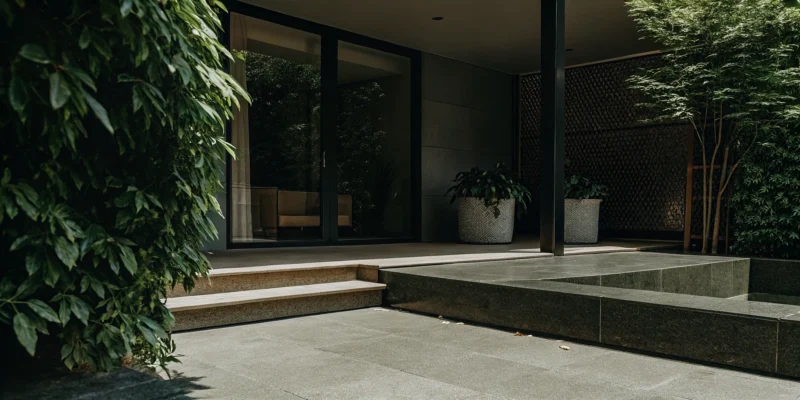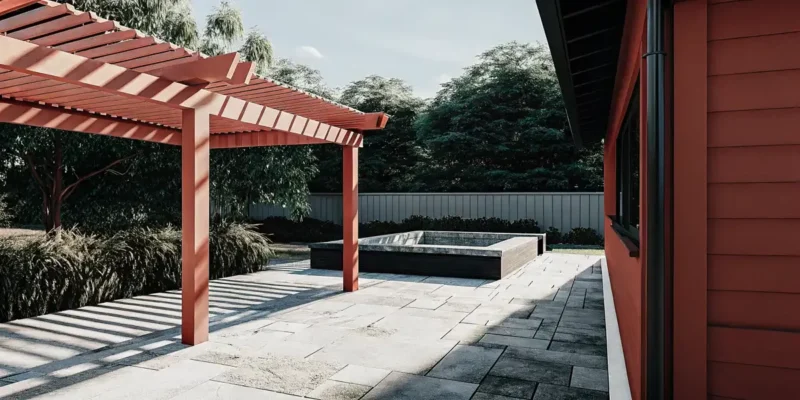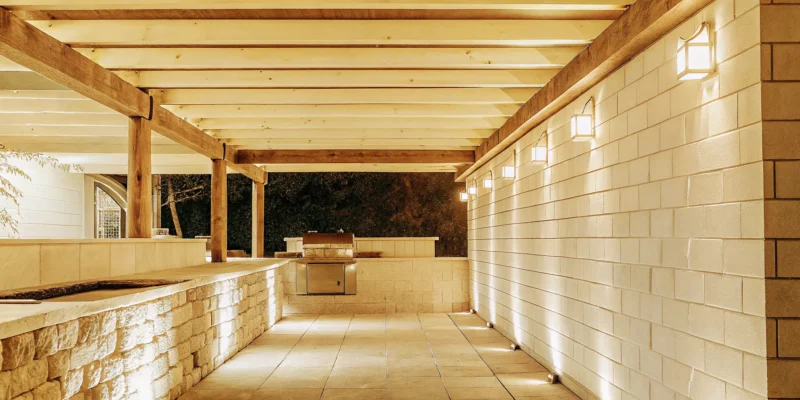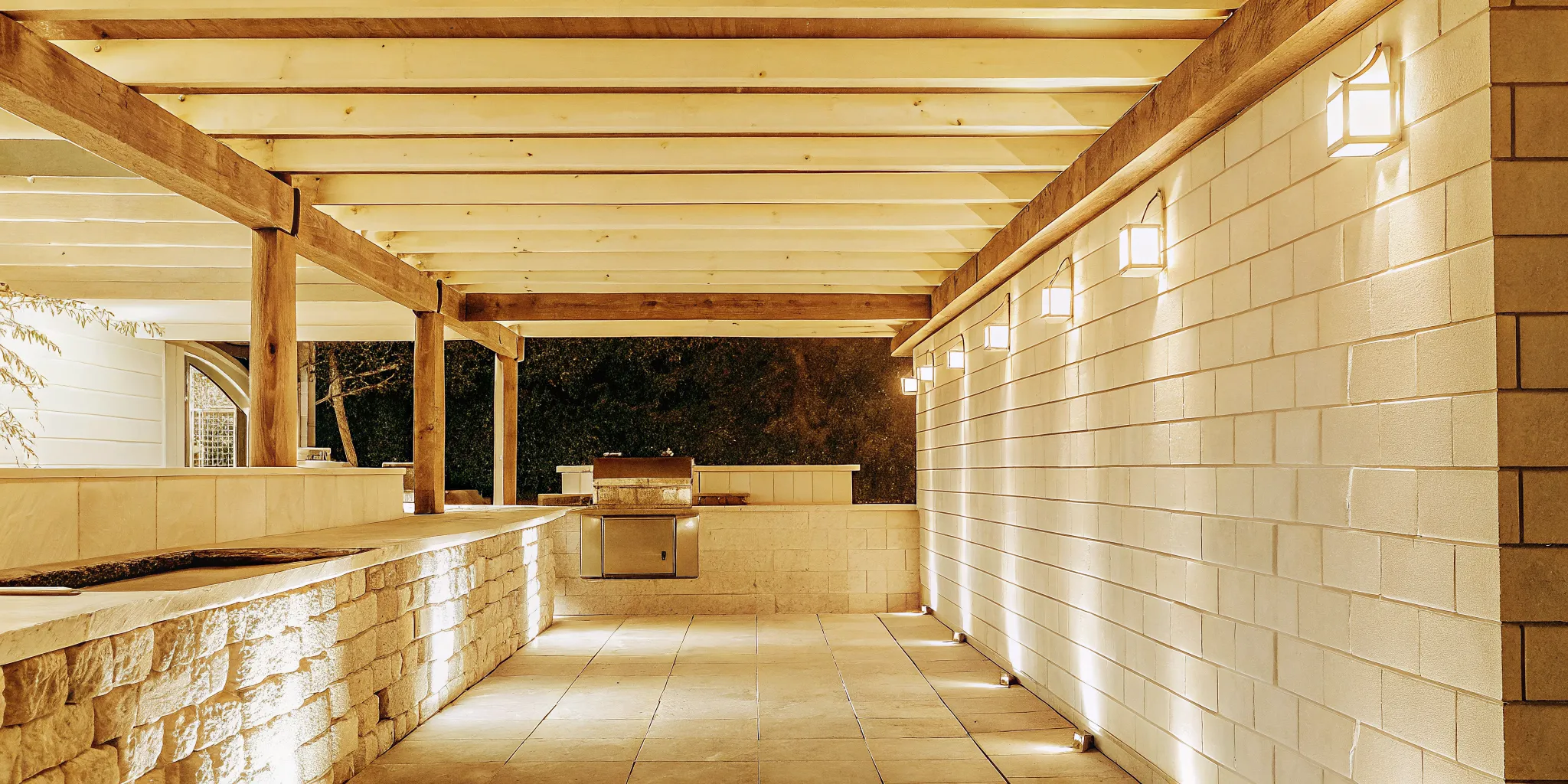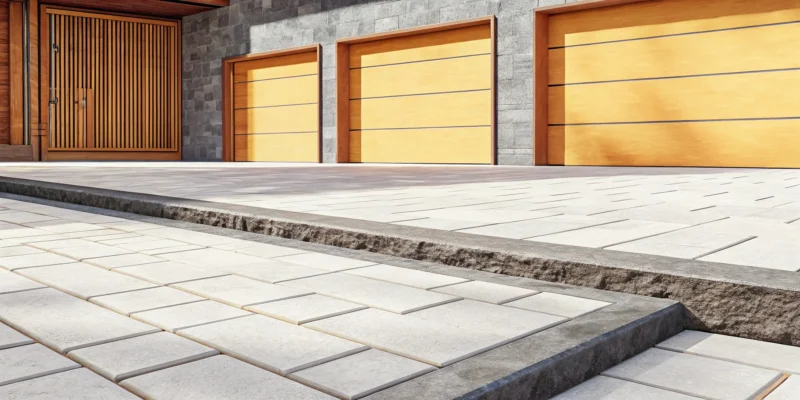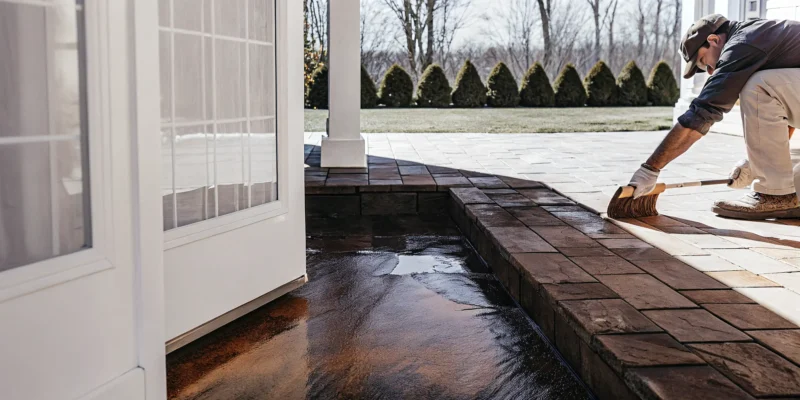
Light ivory travertine pavers create a non-slip patio surface with outdoor seating.

What to Know Before Choosing Travertine Pavers

Your dream backyard—that serene, resort-like oasis—starts from the ground up. The foundation is everything. To get that bright, luxurious feel, homeowners are turning to light ivory travertine pavers. With warm, creamy tones and a soft, natural texture, this stone instantly creates a welcoming and sophisticated atmosphere. This beautiful travertine provides a clean, elegant canvas that makes your landscaping pop and your furniture look chic. It does more than just cover the ground; it sets the entire mood for your personal outdoor retreat.

Key Takeaways

  • Choose a Smarter Surface for Family Fun: Light ivory travertine’s natural texture makes it slip-resistant for poolside safety and keeps it cool to the touch, ensuring comfort during hot Long Island summers.
  • Create a Cohesive, High-End Look: The stone’s warm, neutral tones and classic layouts, like the French Pattern, provide a versatile foundation for any design, seamlessly connecting everything from your patio to your indoor living areas.
  • Protect Your Investment with Smart Planning: A successful travertine project involves more than just the stone; ensure lasting results by selecting a reputable supplier, budgeting for professional installation, and committing to a simple sealing routine.

What Are Light Ivory Travertine Pavers?

If you’ve been dreaming of a bright, elegant outdoor space, you’ve likely come across light ivory travertine pavers. This beautiful material is a top choice for everything from patios to pool decks, and for good reason. It offers a timeless look that feels both luxurious and inviting. But before you start planning your project, let’s get to know this popular stone a little better. Understanding what it is, where it comes from, and what makes it unique will help you feel confident you’re making the right choice for your Long Island home.

Understanding This Beautiful Natural Stone

At its core, travertine is a type of limestone that forms around mineral spring deposits. Think of it as a story written by nature—over thousands of years, layers of minerals and organic matter (like shells) settle and compress to create a dense, durable stone. This process gives each paver its own unique character, with subtle variations and textures that you just can’t replicate with man-made materials. When you choose travertine, you’re choosing a piece of the earth, a truly natural stone that brings an organic, grounded feel to your landscape design.

The Origins of Travertine

The name itself sounds elegant, and it has a history to match. “Travertine” comes from the Italian word “travertino,” which is a nod to the town of Tivoli, near Rome, where this stone has been quarried for centuries. It’s a type of limestone that forms in fresh water, particularly around mineral hot springs. This connection to ancient Roman architecture is part of what gives travertine its timeless appeal. When you install it in your backyard, you’re not just choosing a paver; you’re bringing a piece of classical history and natural artistry to your home. It’s this rich background that makes it such a sought-after material for creating sophisticated masonry designs.

How This Unique Stone is Formed

The creation of travertine is a fascinating natural process. It begins when groundwater, rich with dissolved carbon dioxide, flows over limestone and dissolves it. When this mineral-rich water comes to the surface, the pressure changes, and the carbon dioxide escapes into the air. This change causes the dissolved limestone to re-solidify into layers of calcium carbonate, which slowly build up to form travertine. The stone’s characteristic pits and voids are created by escaping gases and organic matter. Pure travertine is white, but the beautiful light ivory, cream, and tan shades we love come from other minerals mixing in during its formation, giving each piece its unique color and pattern.

Defining Its Signature Warm Ivory Look

The name “light ivory” perfectly captures the color palette of these pavers. They feature a creamy, off-white base with soft, warm undertones of beige and tan woven throughout. This light, neutral color is incredibly versatile and acts as a stunning backdrop for any style, from modern to Mediterranean. It brightens up outdoor living areas, making them feel more spacious and open. The soft, warm tones create a welcoming atmosphere that looks gorgeous in the Long Island sun, providing a clean and sophisticated foundation for your outdoor furniture, landscaping, and masonry features.

What Gives Travertine Its Color?

The beautiful, warm color of travertine isn’t a dye or a stain; it’s a direct result of how the stone is born. As a type of limestone, travertine forms around mineral spring deposits. The primary mineral, calcium carbonate, gives the stone its classic light ivory or white base. But the real magic happens when other minerals get mixed in during this natural process. Think of it like adding spices to a recipe—a little bit of iron can introduce hints of brown or yellow, creating the warm, inviting appearance that homeowners love.

This natural formation is why no two travertine pavers are exactly alike. The subtle swirls and variations in color tell the story of the stone’s creation over thousands of years. This uniqueness is what sets it apart from manufactured materials and gives your patio or pool deck an authentic, organic character. When you choose a natural stone like travertine, you’re not just getting a durable surface; you’re getting a one-of-a-kind piece of art shaped by the earth itself, which adds incredible depth and sophistication to your outdoor living space.

How Does It Compare to Other Travertine?

You might see the terms “paver” and “tile” used when discussing travertine, and it’s important to know the difference. Travertine pavers are specifically cut for outdoor use. They are much thicker—typically around 30mm (or 1.25 inches)—which gives them the strength and durability to handle foot traffic, patio furniture, and changing weather conditions. Travertine tiles, on the other hand, are thinner (around 12mm) and are designed for indoor applications like flooring or bathroom walls. For any outdoor project like a patio, walkway, or pool deck, you’ll want to be sure you’re using travertine pavers.

Is Travertine a Type of Limestone or Marble?

It’s a common question, and the answer is simple: travertine is a type of limestone, not marble. While they are all natural stones, their origins are quite different. Travertine is formed in fresh water, typically around mineral springs, where minerals build up in layers over time. This unique formation process is what creates the characteristic pits and voids you see in the stone’s surface. Marble, on the other hand, is created when limestone is subjected to intense heat and pressure deep within the earth. So, while they are related, think of travertine as limestone’s more textured and porous cousin, perfectly suited for creating a warm, inviting outdoor atmosphere for your Long Island home.

Exploring Different Travertine Finishes

The finish of your travertine paver is about more than just looks; it affects the texture, slip resistance, and overall feel of your outdoor space. Choosing the right finish is key to getting the performance you need, whether it’s for a sun-drenched patio or a busy pool deck. Each finish is created through a different process that treats the stone’s surface to achieve a specific look, from rustic and weathered to smooth and refined. Let’s walk through the most common options so you can decide which one best fits your vision and lifestyle.

Polished

A polished finish gives travertine a glossy, reflective surface that makes the stone’s colors and patterns appear rich and vibrant. This high-shine look is achieved by grinding and buffing the stone until it’s completely smooth. While it creates a stunning, high-end appearance, polished travertine is very slippery when wet. For this reason, it’s almost exclusively used for indoor applications like countertops, backsplashes, or flooring in low-traffic areas. It’s a beautiful choice for an interior project but not the right fit for an outdoor patio or walkway where safety is a priority.

Honed

Honed travertine offers a smooth, flat surface with a matte or satin finish instead of a high gloss. This look is created by stopping the polishing process before the stone becomes reflective, resulting in a more subtle and natural appearance. A honed finish is a fantastic all-around choice because it’s less slippery than polished stone, making it suitable for both indoor and outdoor high-traffic areas. It provides a clean, contemporary feel that works beautifully for patios, walkways, and even indoor-outdoor transitions, offering a perfect blend of elegance and practicality for your home remodeling project.

Tumbled

If you’re aiming for a rustic, old-world charm, a tumbled finish is the perfect choice. To create this look, travertine pavers are literally tumbled in a drum with gravel and water, which softens their edges and gives the surface a weathered, textured feel. This process enhances the stone’s natural character and provides excellent slip resistance, making it the most popular finish for outdoor spaces, especially pool decks and patios. The textured surface feels great underfoot and adds a timeless, comfortable quality to any landscape design.

Split Face

A split face finish is the most natural and textured option available. It’s created by splitting the stone block, revealing a rough, uneven surface that showcases the raw beauty of the travertine. This finish is not meant for walking on; instead, its rugged texture makes it ideal for vertical applications. Think of it for creating a stunning accent wall, cladding an outdoor kitchen island, or adding character to retaining walls and fireplace surrounds. It’s a fantastic way to introduce depth and a dramatic, organic element to your masonry features.

Why You’ll Love Light Ivory Travertine for Your Outdoor Space

Choosing the right material for your patio, pool deck, or walkway is a big decision. You want something that looks incredible but also holds up to daily life—and Long Island weather. This is where Light Ivory Travertine truly shines. It offers a perfect blend of sophisticated style and practical performance that makes it a favorite among homeowners. Its warm, creamy tones create a welcoming and high-end feel, instantly making any outdoor area feel like a private resort.

But its appeal goes far beyond looks. Travertine is a smart investment in your home’s comfort and safety. It’s naturally slip-resistant, stays cool during hot summer days, and is tough enough to handle anything from poolside splashes to winter freezes. When you choose high-quality porcelain and natural stone pavers, you’re not just getting a beautiful surface; you’re getting a durable, low-maintenance foundation for years of outdoor memories. It’s a material that works as hard as it is beautiful, giving you peace of mind and a stunning space to enjoy.

Enjoy a Naturally Non-Slip Surface

When you’re designing an outdoor space, especially around a pool, safety is always top of mind. Light Ivory Travertine offers a naturally slip-resistant surface that’s perfect for wet areas. The stone has a porous texture filled with tiny, naturally occurring holes. These aren’t flaws—they’re a key feature that allows the stone to absorb water quickly, preventing slick spots from forming on the surface. This makes it an ideal choice for swimming pool decks, patios, and walkways where kids might be running around with wet feet. You can relax knowing your beautiful patio is also a safer space for your family and guests to enjoy.

A Note on Tumbled vs. Polished Finishes

When you’re selecting light ivory travertine pavers, the finish is a key detail to consider. For outdoor spaces, a tumbled finish is the most popular and practical choice. This process gives the stone a textured, slightly rustic surface that not only looks beautifully natural but also provides excellent grip. That texture is what makes it slip-resistant, a critical feature for poolside areas and patios where water is a constant. It offers a safe surface for everyone, from kids playing to guests mingling, allowing you to relax and enjoy your space without worry.

On the other hand, polished travertine offers a completely different look. It has a sleek, shiny surface that reflects light, creating an elegant and formal aesthetic. While this finish is undeniably beautiful, it becomes very slippery when wet. Because of this, polished travertine is generally reserved for indoor applications, like grand entryways or bathroom floors, where its sophisticated look can be appreciated without the risk posed by rain or pool water. For an outdoor project, it’s a finish best avoided.

So, while you can find travertine in various finishes, the choice for your outdoor living area is pretty clear. Tumbled travertine delivers that perfect combination of rustic charm and modern safety, ensuring your patio or pool deck is as functional as it is stunning. It preserves the organic beauty of the stone while providing the durability and peace of mind you need for a well-loved outdoor space.

Stays Cool Underfoot, Even in the Sun

We’ve all experienced that frantic hop across a scorching hot patio on a sunny July afternoon. With Light Ivory Travertine, you can say goodbye to burnt feet. Thanks to its light, creamy color and natural composition, travertine reflects sunlight and stays remarkably cool to the touch, even in direct sun. This makes it incredibly comfortable for walking barefoot, lounging by the pool, or letting the kids play on the patio. It’s a small detail that makes a huge difference in how much you can enjoy your outdoor living space during the peak of summer. You can step outside with confidence, knowing your patio will be a comfortable oasis.

Designed to Last Through Every Season

Investing in your outdoor space means choosing materials that can withstand the test of time and weather. Light Ivory Travertine is known for its exceptional durability. This dense, strong natural stone is built to handle Long Island’s demanding climate, from hot, humid summers to freezing winters. It’s resistant to the freeze-thaw cycles that can cause other materials to crack and crumble over time. With professional masonry installation, your travertine pavers will maintain their structural integrity and classic beauty for decades, making them a reliable and long-lasting choice for any outdoor project.

Say Goodbye to Puddles with Great Drainage

After a summer rainstorm, the last thing you want is a patio covered in puddles. The same porous nature that makes travertine slip-resistant also gives it excellent drainage capabilities. Water is absorbed into the stone and dissipates naturally, preventing standing water from accumulating on the surface. This not only keeps your patio cleaner and ready to use sooner after it rains but also helps protect the pavers and the foundation beneath them. For added protection against spills and stains, our restoration and sealing services can ensure your travertine stays looking pristine while maintaining its natural drainage benefits.

Choosing Your Travertine Paver Size and Pattern

Once you’ve decided on light ivory travertine, the next fun part is figuring out how it will all come together. The size of your pavers and the pattern you lay them in are just as important as the stone itself. These choices define the personality of your space, whether you’re aiming for a classic, rustic feel or something more modern and streamlined. Let’s walk through the options to help you find the perfect combination for your project.

Picking the Perfect Paver Size and Thickness

Light ivory travertine pavers offer a wonderful variety of sizes, which gives you a lot of creative freedom. Most commonly, you’ll find them in a set that includes 8×8, 8×16, 16×16, and 16×24-inch pieces. This mix is designed to be laid together in an interlocking pattern. The standard thickness is about 1.25 inches, which is perfect for handling foot traffic around a patio or pool. Having these different sizes to work with means you can avoid a monotonous, grid-like look and create something with more visual texture and interest. Our team can help you explore the full range of porcelain and natural stone options to find the perfect fit.

Classic Layouts: The Timeless French Pattern

One of the most beloved layouts for travertine is the French Pattern, also known as the Versailles pattern. Instead of using a single-sized paver, this design uses the four different sizes I mentioned earlier to create a beautiful, seemingly random arrangement that adds instant character. It’s a timeless choice that feels both elegant and relaxed. The interlocking design is not only visually appealing but also incredibly strong and stable once installed. This makes the French Pattern a fantastic and flexible choice for almost any application, from a sprawling patio to a winding garden path. The right masonry design can truly transform your outdoor space.

Design Ideas for Every Space, Big or Small

The beauty of light ivory travertine is its versatility—it looks right at home in so many different settings. Outdoors, it’s a go-to material for creating stunning, resort-like spaces. Think of elegant driveways, welcoming walkways, and spacious patios perfect for entertaining. It’s especially popular for swimming pool decks because it stays cool to the touch and isn’t slippery when wet. But don’t limit this gorgeous stone to the outdoors! You can also bring it inside to create a seamless flow from your patio to your interior. It works beautifully for bathroom floors, shower walls, and even laundry rooms, adding a touch of natural warmth and luxury throughout your home.

How Your Pattern Choice Shapes the Final Look

Your choice of pattern does more than just fill a space; it sets the entire mood. Because travertine is a natural stone, no two pavers are exactly alike. Each one has subtle variations in color, shade, and texture, which is what gives it so much depth and beauty. Most light ivory pavers come with a tumbled finish, which means the edges are softened and slightly rounded. This process gives the stone a rustic, aged appearance that feels comfortable and inviting from day one. The pattern you choose will highlight these unique characteristics, creating a final look that is completely your own. Proper care, including professional cleaning and sealing, will keep that look pristine for years.

Where Can You Install Light Ivory Travertine Pavers?

One of the best things about light ivory travertine is its incredible versatility. This isn’t a stone that’s limited to just one type of project. Whether you’re planning a complete backyard overhaul or a simple, elegant update, these pavers can fit beautifully into your vision. Their durability and classic look make them a fantastic choice for almost any flat surface, both inside and out. Let’s walk through some of the most popular and impactful ways you can use them to transform your Long Island home.

The Perfect Paver for Your Pool Deck

If you’re dreaming of a luxurious, resort-style pool area, light ivory travertine is your answer. Its naturally porous texture provides excellent grip, creating a non-slip surface that’s safer for wet feet—a must-have for any family with kids. Plus, its light color reflects the sun’s heat, so the ground stays comfortably cool on even the hottest summer days. Imagine stepping out of the water onto a surface that’s soft, cool, and beautiful. It’s the perfect material to frame your swimming pool, adding a touch of elegance that feels both timeless and inviting. This is how you create a backyard oasis you’ll never want to leave.

Design Your Dream Patio Space

Your patio is the heart of your outdoor living space, and light ivory travertine pavers provide the perfect foundation. Their warm, neutral tones blend seamlessly with any style, from rustic to modern, and complement lush greenery and colorful flowers. Because they are so durable, they can easily handle heavy patio furniture, grills, and years of foot traffic from family gatherings. A travertine patio serves as a beautiful, natural extension of your home, creating an ideal spot for morning coffee, evening dinners, or simply relaxing with a good book. It’s a classic choice that forms the backbone of a truly functional and beautiful outdoor design.

Craft Elegant Walkways and Driveways

Want to make a great first impression? Start with your driveway and walkways. Using light ivory travertine pavers for these high-traffic areas instantly adds curb appeal and a sense of refined elegance. This natural stone is incredibly strong and built to withstand the weight of vehicles and constant use, all while resisting the freeze-thaw cycles of Long Island winters. A beautiful travertine walkway guiding guests to your front door or a winding garden path creates a cohesive and polished look throughout your property. It’s a practical upgrade that proves you don’t have to sacrifice style for strength.

Create a Seamless Indoor-Outdoor Flow

For a truly high-end, cohesive design, consider using light ivory travertine both inside and outside your home. Imagine opening your patio doors and seeing the same beautiful flooring flow from your living room or kitchen directly onto your patio. This technique creates a seamless transition that makes your living space feel larger, brighter, and more connected to nature. It’s a sophisticated look that works especially well for homes with large glass doors or an open-concept layout. This approach can tie your entire home remodeling project together, creating a unified aesthetic that is both stunning and unique.

A Stone with a Storied History in Architecture

Travertine is more than just a beautiful material; it’s a stone with a story. Its use in architecture has a rich history that dates back thousands of years. The ancient Romans, in particular, relied on it for some of their most enduring structures. The Colosseum, for example, is the largest building in the world constructed primarily of travertine, a testament to its incredible strength and durability. The stone’s name even comes from its origins near Tivoli, Italy. When you choose travertine for your patio or pool deck, you’re not just selecting a paver. You’re connecting your home to a legacy of timeless design and proven longevity, bringing a piece of architectural history right to your backyard.

How to Budget for Your Travertine Paver Project

Breaking Down the Cost of Travertine Pavers

Planning your budget for Light Ivory Travertine is the first step to bringing your vision to life. The price for the pavers themselves typically ranges from about $4.25 to $5.79 per square foot. This gives you a solid baseline for the material costs, but keep in mind that the final price can vary depending on the specific finish and quality you choose. Think of it like picking out any other home finish—there are different tiers available. At Gappsi, we can walk you through our curated selection of porcelain and natural stone pavers to find the perfect match for your budget and aesthetic, ensuring you get a clear and accurate quote for your project.

Considering Installation and Long-Term Value

Beyond the price per square foot, your budget should also account for installation and future care. A pro tip from installers everywhere: plan on purchasing about 10% more material than your project measurements require. This extra stock covers any cuts, accidental breaks, or tricky corners, saving you from a last-minute scramble for more pavers. To protect your beautiful new patio or walkway for the long haul, consider the value of professional sealing. A quality sealant prevents stains and weather damage, and our team offers expert restoration and sealing services to keep your investment pristine. For everyday cleaning, a simple mix of soap and water is all you need—just be sure to avoid harsh, acidic cleaners.

How to Calculate How Much Travertine You Need

Calculating the right amount of material can feel a bit tricky, but a few key details make it much easier. Remember that travertine pavers are typically sold by the crate or pallet, so you’ll need to round up your order to the nearest full unit. This is an important detail to factor into your total cost. The installation method also plays a role; for example, setting the pavers on a packed sand bed is a common technique that will have its own material and labor costs. Working with our experienced masonry design and construction team takes the guesswork out of the equation. We handle all the precise calculations to ensure you get exactly what you need.

How to Choose a Quality Travertine Supplier

Finding the right travertine pavers is only half the battle; choosing the right supplier is just as crucial for a smooth project. A great supplier doesn’t just sell you stone—they provide expertise, stand behind their product, and ensure you get exactly what you need. When you partner with a company that has a long-standing reputation, you’re not just buying materials; you’re investing in peace of mind. The right partner will guide you through selecting the perfect grade, understanding warranties, and coordinating logistics, making the entire process feel effortless.

At Gappsi, we source and supply a wide range of porcelain and natural stone pavers, ensuring every piece meets our high standards for beauty and durability. We believe that a quality product is the foundation of any stunning outdoor space, and we’re here to help you find the perfect match for your home. By working with an experienced team, you can be confident that your investment is sound and your project will look incredible for years to come.

Where in the World Does Travertine Come From?

This beautiful stone has a rich history that spans the globe, and knowing its origins helps you appreciate its quality. Travertine is a special type of limestone that forms around mineral springs, which is what gives it those unique, porous textures we love. For over two thousand years, Italy was the heart of the travertine world, with quarries near Rome supplying the stone for iconic structures like the Colosseum. While Italy’s legacy is undeniable, the market has since expanded. Today, much of the high-quality travertine you see comes from quarries in Turkey, Mexico, Peru, and Spain. This global sourcing is great for homeowners because it means more variety in colors and patterns. When you choose your pavers, you’re not just picking a material; you’re selecting a piece of natural history from a specific part of the world.

How to Spot High-Quality Travertine

When you start shopping, you’ll notice that travertine comes in different grades. Premium or first-choice pavers will have the most consistent color and the fewest pits or imperfections. Light ivory travertine is prized for its delicate, off-white base with subtle hints of beige and tan, creating a soft, luxurious look. It’s important to remember that since travertine is a natural stone, no two pavers are exactly alike. You’ll see slight variations in shade and texture from piece to piece, which is part of what gives it such a unique and organic character. Embrace these differences—they ensure your patio or pool deck is truly one-of-a-kind.

Finding a Supplier You Can Trust

A reputable supplier will always stand by their products. Look for companies that offer a solid warranty and have a proven track record of excellent customer service. A good warranty protects your investment and shows that the supplier is confident in the quality of their materials. For over 30 years, Gappsi has been a trusted name in Long Island home improvement, building a reputation for quality craftsmanship and reliable service. When you source your materials through the Gappsi Store, you can rest assured that you’re getting premium products backed by a team that cares about your project’s success.

Key Questions to Ask Before You Buy

Before you commit, make sure you have all the information you need. Don’t hesitate to ask your supplier for a detailed estimate that includes the cost of the pavers and shipping. For larger projects, some suppliers may even offer discounts on bulk orders. It’s also a good idea to ask about their inventory, lead times, and return policy. If you have specific questions or a particularly large order, picking up the phone and speaking with a customer care representative can be incredibly helpful. And while you’re at it, ask if they offer installation—a full-service company can streamline your project by handling both supply and masonry construction.

What to Expect from Shipping and Delivery

Logistics are a key part of the process, so plan ahead for shipping and delivery. A great first step is to order a sample. This allows you to see and feel the paver in person and check how the color looks in your space before placing a full order. Once you’re ready to buy, confirm the delivery timeline, which can often be one to two weeks. Find out how the pavers will be delivered—will they be dropped at the curb, or can they be placed closer to your project area? Working with a local, full-service company like Gappsi simplifies this entire step, as we manage the sourcing, delivery, and installation for a seamless experience.

How to Care for Your Light Ivory Travertine

Your light ivory travertine pavers are an investment in your home’s beauty, and with a little care, they’ll look stunning for years. Travertine is naturally durable and stands up well to the elements, but like any natural stone, it needs some attention to maintain its classic charm. Think of it less as a chore and more as a simple routine to protect your beautiful outdoor space. A consistent cleaning schedule prevents dirt from settling into the stone’s porous surface and keeps stains from becoming permanent. Following a few key steps will ensure your patio, pool deck, or walkway remains a pristine and inviting retreat for your family and friends.

This guide will walk you through the simple, effective ways to care for your travertine, from daily upkeep to handling those inevitable spills. It’s all about establishing good habits that will protect your stone and keep it looking as good as the day it was installed. With the right approach, maintenance is straightforward and ensures your outdoor living area is always ready for relaxing or entertaining. We’ll cover everything from the best cleaning methods to the importance of sealing, so you can feel confident in keeping your beautiful pavers in top condition. The goal isn’t to spend every weekend scrubbing, but to implement small, consistent actions that make a huge difference in the long run.

Your Daily and Weekly Cleaning Routine

The best way to keep your travertine looking fresh is with simple, regular cleaning. For patios and walkways, a quick sweep with a broom a few times a week will do wonders. This prevents leaves, dirt, and other debris from getting ground into the surface, which can cause scratches and discoloration over time. You can also “dust mop daily” if your pavers are in a covered or indoor-to-outdoor space. For a deeper clean, simply rinse the area with a garden hose to wash away any loose grime. This small effort is the easiest way to preserve the natural beauty of your stone.

To Seal or Not to Seal Your Travertine?

This is a common question, and the answer is a definite yes. We highly recommend you “seal pavers to prevent stains” and protect them from moisture, dirt, and spills. Sealing creates an invisible barrier on the stone’s surface, making it much easier to clean up messes before they soak in. For the best protection, you should plan to “reseal regularly,” typically every one to two years, depending on how much foot traffic the area gets. If you prefer to leave it to the experts, Gappsi’s professional restoration and sealing services can ensure your pavers are perfectly protected.

Handling Spills and Preventing Stains

Accidents happen, especially when you’re enjoying your outdoor space. The key to preventing a permanent mark is to “clean up stains immediately.” Whether it’s a spilled glass of red wine during a barbecue or some grease from the grill, blotting the spill right away will keep it from setting into the porous stone. It’s also crucial to avoid using “acidic cleaners” like vinegar or citrus-based solutions, as they can etch and damage the travertine’s surface. Stick to gentle, pH-neutral cleaners or a simple mix of mild soap and water for the best results.

Protecting Your Pavers from Acidic Substances

When it comes to keeping your light ivory travertine looking its best, it’s important to know its one major vulnerability: acid. Because travertine is a calcium carbonate-based stone, similar to marble and limestone, it can be damaged by even mild acids. Spills from things like wine, citrus juice, or vinegar can react with the stone and cause etching, which looks like a dull or discolored spot on the surface. This isn’t a stain that sits on top; it’s a physical change to the stone itself, which is why prevention is so important for maintaining that smooth, elegant finish.

To keep your pavers safe, always avoid acidic cleaners. This means steering clear of common household products like vinegar or lemon-based cleaning solutions, which can do more harm than good. Instead, your go-to cleaning solution should be a gentle, pH-neutral cleaner specifically designed for natural stone, or a simple mixture of mild dish soap and warm water. This gentle approach will effectively clean your travertine without stripping its natural luster or causing any surface damage, ensuring it stays beautiful for every season of outdoor enjoyment.

Accidents are a part of life, but they don’t have to ruin your patio. The best defense against acidic spills is to act fast. By blotting spills immediately, you can prevent them from penetrating the stone and causing a permanent etch. For an added layer of defense, professional sealing is a game-changer. Our restoration and sealing services apply a protective barrier that gives you more time to clean up messes, helping to preserve the pristine condition of your investment for years to come.

Tips for Long-Term Travertine Care

Long-term care is all about consistency and using the right products. When you need to tackle a tougher spot, always “avoid harsh cleaning agents” and chemical-heavy products. A gentle scrub with “soap and water for stains” is often all you need. For more stubborn grime, look for a cleaner specifically designed for natural stone. An occasional deep clean with a pressure washer on a low setting can also help, but be careful not to use too much pressure, as it can damage the stone. With these straightforward habits, your light ivory travertine will remain a beautiful centerpiece of your home for a lifetime.

Is Travertine Suitable for Long Island Winters?

This is a big question for any Long Island homeowner, and a valid one. We know our winters can be tough, and you want to choose a material that won’t just survive, but thrive. The great news is that high-quality light ivory travertine is an excellent choice for our climate. This dense, strong natural stone is specifically built to handle demanding weather, from our humid summers to our freezing winters. Its inherent durability makes it resistant to the very issues that cause other materials to fail, ensuring your beautiful patio or walkway remains intact season after season. It’s a material you can count on to maintain its integrity and beauty, no matter what the weather brings.

Understanding Freeze-Thaw Cycles

The term “freeze-thaw cycle” describes winter’s biggest threat to outdoor surfaces. It’s what happens when moisture seeps into the tiny pores of a material, freezes, and expands. When the ice thaws, it contracts, and the cycle repeats, creating stress that eventually leads to cracking and crumbling. Light Ivory Travertine is exceptionally resistant to this damaging process. Its natural composition is dense enough to prevent significant water absorption that leads to structural damage. When paired with professional masonry installation that ensures proper drainage, your travertine pavers will withstand these cycles for decades, making them a smart and reliable investment for your home.

Related Articles

Frequently Asked Questions

Is travertine high-maintenance? Not at all. The best way to care for travertine is with simple, consistent habits. Regularly sweeping away leaves and dirt prevents grime from building up. For a deeper clean, a quick rinse with a garden hose is usually all you need. It’s more about routine upkeep than intense scrubbing, which keeps your outdoor space looking its best with minimal effort.

Will all my pavers look identical? Because travertine is a natural stone, you’ll see subtle variations in color and texture from one paver to the next. This isn’t a flaw—it’s actually one of its best features. These slight differences give the surface a rich, organic character and ensure your patio or walkway is completely unique. It’s a look that man-made materials just can’t replicate.

How well does travertine handle Long Island winters? It handles them beautifully. Light ivory travertine is a dense and durable stone that is well-suited for climates with freezing and thawing cycles. When installed correctly, it resists cracking and damage from the cold, making it a reliable and long-lasting choice for any outdoor project here on Long Island.

Is sealing my travertine pavers really necessary? Yes, I always recommend it. Think of sealant as an invisible shield for your stone. It helps prevent spills from soaking in and turning into permanent stains, making cleanup much easier. Sealing also protects the pavers from the elements and keeps them looking pristine. Plan on resealing every couple of years to maintain that protection.

Can I use these pavers for a project other than a patio or pool deck? Absolutely. Light ivory travertine is incredibly versatile. It’s strong enough to be used for driveways and creates beautiful, welcoming walkways. You can even bring it inside to create a seamless transition from your outdoor space into a mudroom, laundry room, or bathroom for a cohesive and high-end feel throughout your home.

Share this page:
A professional builder to hire for your new room addition project.

How to Hire a Builder for a Room Addition (7 Steps)

We’ve all heard stories of home renovation projects that went off the rails—budgets that doubled, timelines that stretched for months, and results that were less than stellar. These problems almost always start with choosing the wrong contractor. When you decide to hire a builder for a room addition, you’re not just buying a service; you’re entering into a long-term partnership. You need a professional you can rely on for clear communication, honest pricing, and high-quality work. This guide is your defense against common pitfalls. We’ll show you the red flags to watch out for, the key questions you must ask, and how to spot a true professional, ensuring your home addition story is a success from start to finish.

Key Takeaways

  • Vet potential builders thoroughly: Your due diligence is crucial. Always verify licenses and insurance, review a portfolio of similar projects, and call past client references to get an unfiltered look at their professionalism and quality of work.
  • Analyze the quote for transparency, not just price: A professional quote is your project’s roadmap. It should be itemized with clear costs for labor and materials, include a realistic timeline, and detail the payment schedule to protect you from hidden fees.
  • Choose a partner, not just a builder: A room addition is a collaborative process. Select a contractor who communicates clearly, has a transparent system for handling changes, and makes you feel confident and respected throughout the decision-making process.

What Kind of Room Addition Are You Dreaming Of?

Before you start searching for builders, it’s helpful to have a clear vision for your project. A room addition is one of the best ways to improve your living space and increase your property value, but the right choice depends entirely on your family’s needs. Are you feeling cramped in your current layout? Is your family growing, or are you planning for multi-generational living? Maybe you’re just ready to create that dream space you’ve always wanted, like a sun-drenched reading nook or a spacious master suite.

Thinking about what you want to achieve will help you communicate your goals to potential contractors. From a simple bump-out to a full second-story build, a well-planned home remodeling project can completely transform how you experience your home. Let’s explore some of the most popular types of room additions to help you figure out what makes the most sense for you.

Bedrooms and Bathrooms

Is the morning rush for the bathroom a daily struggle? Or maybe you’re tired of shuffling guests to a pull-out sofa. Adding a new bedroom or bathroom is one of the most common and practical home additions. From extra bathrooms to home offices and expanded master suites, these additions add tremendous value and function to a home.

You could create a dedicated guest suite, give your kids their own rooms, or build the master retreat you deserve with a walk-in closet and spa-like bathroom. This type of project not only solves everyday frustrations but also makes your home more appealing down the road. It’s a smart investment in your comfort and your property’s future.

Kitchens and Dining Areas

The kitchen is often the heart of the home, but it can easily feel crowded and outdated. If you’re constantly bumping elbows while cooking or wishing you had more space to entertain, a kitchen or dining area expansion might be the perfect solution. Imagine having enough counter space for meal prep, a large island where friends can gather, or a formal dining room for holiday dinners.

A kitchen addition can be a simple bump-out to create a breakfast nook or a larger project that reconfigures the entire space. By expanding your kitchen, you’re not just adding square footage; you’re creating a more functional and inviting hub for your family’s daily life. Plus, a modern, spacious kitchen is a major selling point for any home.

Sunrooms and Enclosed Porches

If you love the idea of enjoying Long Island’s natural beauty without dealing with bugs or bad weather, a sunroom is an ideal addition. This versatile space acts as a bridge between your indoor and outdoor living areas, flooding your home with natural light. It can become a peaceful reading room, a vibrant playroom for the kids, or a beautiful spot to enjoy your morning coffee year-round.

An enclosed porch or sunroom allows you to feel connected to your yard while staying comfortable inside. It’s a fantastic way to add functional living space that feels open and airy. This kind of addition pairs beautifully with outdoor features like a patio or a swimming pool, creating a seamless flow for entertaining.

In-Law Suites and ADUs

As more families embrace multi-generational living, in-law suites and accessory dwelling units (ADUs) have become incredibly popular. An in-law suite addition or an ADU offers flexibility that adds both function and value. It can provide a private, accessible space for aging parents, give adult children a place of their own, or even serve as a potential source of rental income.

These additions are more than just an extra bedroom; they are often self-contained living spaces with a small kitchen, bathroom, and separate entrance. This allows for both independence and togetherness, making it a thoughtful solution for evolving family dynamics. A project of this scope requires a builder with comprehensive expertise to handle the unique zoning and construction requirements.

Second-Story Additions

When you love your neighborhood but have completely outgrown your home’s footprint, building up is often a better solution than moving out. Second-story additions can significantly enhance the living space and value of a home by doubling your square footage without sacrificing any yard space. This is the ultimate way to get the home you need right where you already are.

This major undertaking can add multiple bedrooms, bathrooms, and even a bonus room, completely transforming a modest ranch into a spacious colonial. Because it involves complex structural work, it’s critical to hire a highly experienced home remodeling company that can manage the project from design to completion, ensuring your home is both beautiful and structurally sound.

How to Find and Vet the Best Local Builders

Finding the right builder is the most important decision you’ll make for your room addition. This partnership sets the tone for the entire project, from the initial design to the final walkthrough. A great builder makes the process smooth and exciting, while the wrong one can lead to headaches and budget overruns. Taking the time to properly vet your options will pay off in the long run, ensuring you partner with a professional who can bring your vision to life. Here’s a step-by-step guide to finding the best builders on Long Island.

Start Your Local Search

Your search for the perfect contractor should begin with people you trust. Ask friends, family, and neighbors for recommendations, especially if they’ve recently completed a similar project. A personal referral is a fantastic starting point, but you’ll also want to expand your search online to gather a few options. Look for local builders who specialize in home remodeling and have a strong presence in your community. Your goal here is to create a shortlist of three to five promising companies that you can research more deeply.

Verify Licenses and Insurance

This step is absolutely non-negotiable. Any professional builder operating in Nassau or Suffolk County must have the proper licenses to perform the work. Before you go any further, ask for proof of their license and confirm they carry both general liability insurance and worker’s compensation. This is crucial because it protects you from being held financially responsible for any accidents or property damage that might occur during construction. A reputable contractor will have no problem providing this documentation. If they hesitate, that’s a clear sign to walk away.

Check Their Reputation and Reviews

With your shortlist in hand, it’s time to do some digging into each company’s reputation. Check online reviews on sites like Google, Houzz, and the Better Business Bureau to see what past clients are saying. Don’t just glance at the star rating—read the actual comments. You’re looking for consistent feedback about their communication, professionalism, timeliness, and the quality of their finished work. One or two negative reviews aren’t necessarily a deal-breaker, but pay close attention to how the builder responded. A professional and constructive response shows they value customer satisfaction.

Look Through Their Portfolio

A picture is worth a thousand words, especially when it comes to construction. A builder’s portfolio is the best way to get a feel for their craftsmanship and design style. As you review their past projects, ask yourself: Have they completed room additions similar to what I want? Does their work look high-quality and built to last? A strong portfolio should showcase a range of projects, demonstrating their expertise in everything from foundational masonry to the final finishing touches. This visual evidence helps you determine if their aesthetic aligns with your own.

Ask for Client References

Online reviews are helpful, but speaking directly with a past client can provide unfiltered insight. Ask each builder on your shortlist for a list of two or three recent references, preferably from homeowners who had a similar project completed. When you call, be prepared with specific questions. Ask if the project was completed on time and on budget, how the team handled unexpected challenges, and if communication was clear and consistent. Hearing about their firsthand experience will tell you a lot about what it’s really like to work with the builder day-to-day.

What to Look For in a Builder’s Credentials

Once you’ve narrowed your list down to a few promising builders, it’s time to take a closer look at their qualifications. Think of this as the final interview round. You’re not just looking for someone who can build a room; you’re looking for a professional partner who has the specific expertise, local knowledge, and commitment to quality that your project deserves. A builder’s credentials are the best indicator of the experience you’ll have and the quality of the final result.

Proven Experience with Room Additions

General construction experience is great, but building a room addition is a specialized skill. You want a team that has a solid track record of seamlessly blending new structures with existing homes. Ask to see a portfolio focused specifically on additions. Look for projects similar in scope and style to what you envision. An experienced builder will be able to show you before-and-after photos and discuss the unique challenges they overcame. This isn’t the time for a contractor to learn on the job; you need someone who has successfully completed many home remodeling projects and can prove it.

Knowledge of Local Building Codes

Every town on Long Island has its own set of zoning laws and building codes. A builder who isn’t familiar with the specific regulations in your area can cause major headaches, from failed inspections to costly delays. An experienced local builder understands the permitting process inside and out and has relationships with local inspectors. They’ll know the requirements for setbacks, height restrictions, and structural standards, ensuring your project is built correctly and legally from the start. This local expertise is non-negotiable for a smooth, stress-free construction process.

Commitment to Quality Materials and Craftsmanship

A beautiful room addition is built with more than just a good design; it’s built with high-quality materials and expert craftsmanship. When you review a quote, look past the final number and ask about the specific materials being used. A reputable builder will be transparent about their choices, whether it’s the framing lumber, the insulation, or the porcelain and natural stone for the flooring. Their commitment to quality should be evident in their work. This is what ensures your new space will not only look great on day one but will also stand the test of time.

Relevant Certifications and Training

Finally, always verify a builder’s licensing and insurance. This is the most basic but critical step in vetting a professional. A valid license proves they meet the state and local requirements to perform the work. More importantly, make sure they carry both liability insurance and workers’ compensation. Liability insurance protects your property from damage, while workers’ compensation covers any injuries that might happen on-site. Don’t just take their word for it—ask to see the certificates. A professional builder will have this information ready and will be happy to provide it for your peace of mind.

How to Compare Quotes from Different Builders

Once you have a few quotes in hand, it’s time to sit down and compare them. This step is about more than just finding the lowest price; it’s about understanding the value each builder offers. A quote is a window into how a contractor operates. Is it detailed and transparent, or vague and confusing? The goal is to find a builder who provides a comprehensive plan that aligns with your budget and expectations, ensuring there are no surprises down the road.

A lower bid might seem tempting, but it could signal lower-quality materials, less experienced labor, or an incomplete scope of work that will lead to costly change orders later. Conversely, the highest bid doesn’t automatically guarantee the best quality. You’re looking for a fair price from a reputable builder who clearly outlines every aspect of the project. A thorough quote should break down costs, specify materials, provide a realistic timeline, and detail the payment schedule. This level of detail shows professionalism and gives you the confidence that you’re making a well-informed decision for your home remodeling project.

Understand the Cost Breakdown

A trustworthy quote should be itemized, not just a single number at the bottom of the page. Look for a detailed breakdown that separates the costs of labor, materials, permits, and any subcontractor fees. Pay close attention to what’s included and, just as importantly, what’s excluded. For example, does the quote cover site prep and post-project cleanup? Are project management and administration costs listed? A transparent builder will clearly define the scope of work, so you know exactly what you’re paying for. If a quote is vague, don’t hesitate to ask for a more detailed breakdown. This clarity is crucial for avoiding unexpected costs later on.

Review Material Specifications

The quality of materials will have a huge impact on the look, feel, and durability of your room addition. Your quote should specify the types, brands, and quality levels of the materials being used—from the framing lumber to the windows and fixtures. Be wary of generic terms like “builder-grade” or “standard tile.” A cheaper quote often hides lower-quality materials that may need replacing sooner. We believe in using high-quality porcelain and natural stone and other durable materials, and your builder should be just as committed to quality. If the material specs aren’t clear, ask for them in writing.

Clarify the Project Timeline

Time is a critical component of any construction project. A professional quote will include a proposed timeline with a start date, key construction milestones, and an estimated completion date. This demonstrates that the builder has thought through the logistics and scheduling required to get the job done. When comparing quotes, look at how realistic each timeline is. If one builder promises a significantly faster completion time than others, ask how they plan to achieve it. An overly optimistic schedule can be a red flag for a rushed job or potential delays. A realistic timeline is always better than a fast one that isn’t met.

Examine the Payment Schedule

The payment schedule protects both you and the contractor. It should be clearly outlined in the quote and tied to the completion of specific project milestones. A common red flag is a builder who demands a large percentage of the total cost upfront. A reasonable deposit to secure materials and schedule the work is standard, but subsequent payments should be made as work progresses. For example, you might pay in installments after the foundation is poured, the framing is complete, and the drywall is up. The final payment should always be withheld until after you’ve done a final walkthrough and are completely satisfied with the work.

Watch Out for Hidden Costs

The number on the quote should be as close to the final cost as possible. To avoid surprises, look for “allowances,” which are placeholder amounts for items you’ll select, like lighting fixtures or flooring. If these allowances are unrealistically low, you’ll end up paying the difference out of pocket. Also, ask about the process for change orders. Changes are common in remodeling projects, so you need to understand how they will be handled and priced. A reputable masonry and construction company will be upfront about these possibilities and explain everything clearly.

Key Questions to Ask Every Potential Contractor

Once you have a few quotes in hand, it’s time to start the interview process. Think of this as a conversation, not an interrogation. You’re looking for a partner in this project, someone whose expertise you can trust and whose communication style works for you. The goal is to understand their process from start to finish. A great builder will have clear, confident answers to your questions because they’ve managed countless projects like yours.

Asking the right questions now can save you from major headaches later. A contractor’s responses will tell you a lot about their professionalism, transparency, and how they handle challenges. A successful home addition depends on good planning and skilled labor, but it also relies on clear communication and effective project management. Use these five questions as your guide to finding a builder who will bring your vision to life with skill and integrity.

How will you manage the project timeline?

Every project has a schedule, but you need to know how a contractor creates and sticks to it. Ask for an estimated start and completion date, but also dig a little deeper. Inquire about key milestones and how they track progress. What’s their plan for handling potential delays, like bad weather or supply chain issues? A professional builder will have a system for managing the timeline and will be upfront about how they communicate changes. They should be able to provide a clear sequence of events, so you know what to expect and when.

Who handles permits and inspections?

This is a critical question. The permitting and inspection process can be complex, and you want a contractor who is an expert in local regulations. A builder with extensive experience in Long Island will be familiar with the specific codes and requirements in your town. Ask directly if they will be responsible for securing all necessary permits and scheduling inspections. A “yes” indicates they are a full-service professional who understands the legal and safety requirements of the job. This isn’t an area where you want to cut corners, so make sure your builder has it covered.

What’s your communication process?

Clear communication is the foundation of a smooth renovation. You need to know how, when, and with whom you’ll be communicating throughout the project. Ask who your primary point of contact will be—is it a project manager or the owner of the company? Find out how often you can expect updates and what method they prefer, whether it’s daily texts, weekly emails, or scheduled on-site meetings. Establishing these expectations from the beginning helps ensure everyone is on the same page and that your questions and concerns will be addressed promptly.

How do you handle change orders?

Even with the best planning, changes can happen. You might decide on different materials, or an unexpected issue might arise once walls are opened up. This is where a change order comes in. Ask the contractor to walk you through their process. How are changes documented? How is the additional cost or credit calculated and presented for approval? A reputable builder will require any changes to be detailed in writing and signed by you before any new work begins. This protects both of you and keeps the budget transparent.

What does your warranty cover?

A contractor’s warranty is a statement of confidence in their work. It’s your assurance that they stand behind the quality of their craftsmanship and materials. Ask for specific details about what their warranty covers and for how long. Does it include both labor and materials? Are there any exclusions you should be aware of? A strong warranty is a sign that the builder is committed to your long-term satisfaction. Always ask for the warranty information in writing and make sure it’s included in your final contract.

Contractor Red Flags to Watch Out For

Choosing a builder is a huge decision, and while you’re focused on finding the right fit, it’s just as important to know how to spot the wrong one. Think of this as your protective checklist. A home addition is a significant investment of your time and money, and the last thing you want is a partnership that causes more stress than it solves. Most contractors are dedicated professionals, but knowing the warning signs of a bad one can save you from headaches, hidden costs, and heartache down the road.

Trust your intuition. If something feels off during your initial conversations, it probably is. A great builder will make you feel confident and informed, not rushed or confused. By learning to recognize these common red flags, you can confidently move forward with a partner who will respect your vision, your budget, and your home. Let’s walk through the specific things you should be on the lookout for.

High-Pressure Sales Tactics

A reputable contractor will give you the space and information you need to make a thoughtful decision. If a builder is pushing you to sign a contract on the spot with a “limited-time offer” or making you feel like you’ll lose out if you don’t commit immediately, take a step back. High-pressure tactics are often used to prevent you from doing your due diligence or getting competing quotes. One of the biggest mistakes homeowners make is underestimating the true cost of a project, and a rushed decision is a recipe for overlooking crucial details. Your home addition is a major project, not an impulse buy.

Demands for Full Upfront Payment

This is one of the brightest red flags you can encounter. While a deposit is standard (typically 10% to 30% to cover initial material costs), a contractor who demands the full payment before work begins is a serious risk. Be cautious of anyone who asks for a large sum upfront, as this can be a sign of financial instability or, in the worst-case scenario, a plan to take your money and disappear. A professional builder will provide a clear payment schedule tied to specific project milestones. This ensures they get paid for their work as it’s completed and you only pay for progress you can see.

Missing Licenses or Insurance

This is non-negotiable. Any contractor you consider must be fully licensed to work in your area and carry both liability insurance and workers’ compensation. Don’t just take their word for it—ask to see the documents and verify them. Licensing proves they meet state and local requirements, while insurance protects you from liability if a worker is injured on your property or if your home is damaged during construction. A legitimate home remodeling company will have this information readily available and will be happy to provide it for your peace of mind. If they hesitate or can’t produce proof, walk away.

Unrealistic Bids or Timelines

We all love a good deal, but a bid that is drastically lower than all the others should be examined closely, not celebrated. An unusually low price can indicate that the contractor is cutting corners, using subpar materials, or plans to hit you with unexpected charges later on. The same goes for timelines that seem overly optimistic. An experienced builder understands the complexities of a room addition and will provide a realistic schedule that accounts for potential delays like inspections or weather. A bid that seems too good to be true often is.

Poor Communication

Pay close attention to how a contractor communicates with you from the very first interaction. Do they return your calls promptly? Do they answer your questions clearly and thoroughly? If they are difficult to get a hold of or vague with their answers before you’ve even hired them, imagine what it will be like once the project is underway. Lack of updates is one of the top frustrations homeowners face. You are hiring a partner for a major project, and you need someone who offers clear, consistent communication every step of the way.

How to Make Your Final Choice

You’ve done the research, checked the references, and compared the quotes. Now it’s time to make the final call. This decision is about more than just the numbers on a page; it’s about choosing a partner you can trust to bring your vision to life inside your home. The right builder will not only deliver a beautiful room addition but will also make the construction process feel manageable and collaborative. Think about which contractor made you feel most confident and comfortable throughout the vetting process. Trust your gut, but back it up with the solid facts you’ve gathered.

Choosing a builder is a significant commitment, and it’s perfectly normal to take your time with this last step. A team that respects your process and answers your final questions with patience is often a sign of a great working relationship to come. At Gappsi, we believe a successful home remodeling project is built on a foundation of clear communication and mutual respect from day one. This final decision sets the tone for the entire project, so choose the team that feels like the best fit for you, your family, and your home.

Weigh Experience Against Cost

It’s tempting to jump at the lowest bid, but when it comes to a room addition, the cheapest option is rarely the best one. A surprisingly low quote can be a red flag for subpar materials, inexperienced labor, or a builder who cuts corners. Instead, view the cost as an investment in quality and peace of mind. A more experienced builder might have a higher price tag, but that often includes a dedicated project manager, skilled craftspeople, and a deep understanding of Long Island’s specific building codes, which prevents costly delays and errors. A solid track record is your best insurance against future problems.

Get Everything in Writing

Before you sign anything, make sure every single detail is documented in a comprehensive contract. A verbal agreement isn’t enough. Your contract is the official playbook for the entire project, and it protects both you and your builder. It should clearly outline the full scope of work, a detailed breakdown of costs for labor and materials, a projected timeline with key milestones, and a clear payment schedule. It should also specify how changes or unexpected issues will be handled. This document ensures everyone is on the same page and helps you avoid unexpected costs down the road.

Prepare for the Construction Process

Your decision isn’t just about the finished product—it’s also about the journey to get there. A successful home addition depends on clear communication and effective project management from start to finish. Before making your final choice, have a frank conversation with the builder about what the construction phase will look like. Ask who your main point of contact will be, how they’ll keep you updated on progress, and what their plan is for keeping the work site clean and safe. Choosing a team that values a smooth and respectful construction process will make all the difference in your day-to-day life while your dream space is being built.

Related Articles

Frequently Asked Questions

How long should I expect my room addition to take? The timeline for a room addition can vary quite a bit depending on the project’s complexity. A simple bump-out might take a few months, while a full second-story addition could take much longer. Factors like the local permitting process, weather, and the availability of materials all play a role. A professional builder will provide you with a detailed and realistic schedule that outlines each phase of construction, so you know what to expect from start to finish.

Can I live in my house during the construction? In most cases, yes, you can stay in your home during the renovation. However, it requires some planning and flexibility. You should have a detailed conversation with your builder about how they plan to manage dust, noise, and safety. They can set up dust barriers and define clear work zones to minimize disruption to your family’s daily routine. It’s important to establish a plan that keeps your living space as comfortable and functional as possible throughout the project.

Which type of room addition adds the most value to my home? While additions like new bathrooms and expanded kitchens typically provide a strong return on investment, the true value comes from what best suits your home and your needs. An in-law suite might be invaluable for a multi-generational family, while a sunroom could be the perfect feature for someone who loves to entertain. The most valuable addition is one that is well-built, seamlessly integrated into your home’s existing design, and enhances the way you live.

What’s the difference between a quote and an estimate? An estimate is a rough approximation of the cost, often given early in the process to give you a general idea of the budget. A quote, on the other hand, is a detailed and specific offer that breaks down the exact costs for labor, materials, and permits based on a finalized design. You should always get a comprehensive written quote before signing a contract, as this is the document that outlines exactly what you are paying for.

What should I do if I’m unhappy with the work mid-project? If an issue comes up during construction, it’s important to address it right away. Your first step should be to speak directly with your primary contact, whether that’s the project manager or the builder. Clearly explain your concerns and refer back to your contract, which should detail the agreed-upon scope of work and materials. Good communication is key, and a professional contractor will want to resolve any problems to ensure you are satisfied with the final result.

Share this page:

A Guide to Outdoor Kitchen Installation in East Setauket

We’ve all been there. You’re hosting a backyard barbecue, the weather is perfect, and everyone is having a great time outside. But you, the host, are constantly running back into the house for plates, drinks, or utensils, missing out on the conversation. An outdoor kitchen solves this problem by creating a single, cohesive space for cooking and entertaining. It brings the full functionality of your indoor kitchen to the center of the party. This common frustration is why so many homeowners are opting for a complete outdoor kitchen installation; our recent project in East Setauket shows how it creates a true hub for backyard life.

https://youtu.be/iuxTeeLETOs

View Gappsi’s YouTube Channel to view Backyard Design with Porcelain Patio and Pool in East Setauket, NY | Gappsi

Transforming a backyard into a luxury retreat takes vision, creativity, and expert craftsmanship.  This latest Gappsi project in East Setauket, NY, is a perfect example. The homeowners wanted a space that was beautiful, functional, and comfortable year-round. Gappsi designed and installed an entire backyard environment that blends modern features, elegant materials, and thoughtful outdoor living spaces. The result is a seamless combination of leisure, entertainment, and architectural sophistication.

A Custom Vinyl Pool as the Centerpiece

The project began with the installation of a custom vinyl pool featuring concrete walls for exceptional durability and longevity. Measuring 16 feet by 36 feet, the pool offers ample space for swimming, relaxing, and entertaining. Its shape complements the backyard layout, providing space for the surrounding patio, sundeck, and additional landscape features.

A full-width sundeck at the shallow end provides a resort-style element. Gappsi installed two bubblers on the sundeck, creating a soothing, spa-like water feature that enhances the pool’s visual appeal and comfort.

Custom Vinyl Pool as the CenterpieceTo create a clean, elevated look around the perimeter, Gappsi used sandstone coping with rounded edges on the top and bottom. The coping was then sealed to match the porcelain patio, ensuring a cohesive, elegant finish throughout the space. This color-matching technique allowed the natural stone to blend beautifully with the rest of the design.

Porcelain Patio Pavers Throughout the Yard

The entire patio surrounding the pool was installed using high-quality porcelain pavers selected from the Gappsi showroom. The homeowners chose a beige porcelain with white veins, adding a modern yet timeless aesthetic to the outdoor environment. Porcelain is one of the most durable and low-maintenance materials available for outdoor patios.  The porcelain paver is resistant to fading, staining, weathering, and heat.

Porcelain Patio Pavers Throughout the YardThe pavers were installed with precision to create a smooth, flawless surface ideal for lounging, walkways, and outdoor entertaining. Their neutral tones allow all surrounding structures and landscaping features to blend harmoniously.

Synthetic Turf Accents for Clean, Modern Lines

To further elevate the visual design, Gappsi installed a 12- to 14-inch synthetic turf border around the patio. This strip of turf creates a clean line in front of the retaining walls and alongside the home, enhancing contrast while keeping the overall layout neat and contemporary. Synthetic turf is not only visually appealing but also eliminates the need for trimming, watering, or maintenance along those tight boundary lines.

Retaining Wall and Pool Auto Cover Housing

Synthetic Turf Accents for Clean, Modern LinesA custom-designed retaining wall was built behind the pool’s deep end. This wall also serves as the housing area for the pool’s automatic cover system, keeping it concealed and protected. The retaining wall blends seamlessly with the overall design, offering both structural support and visual appeal.

A Custom Pavilion Designed to Match the Home

One of the standout features of this backyard is the custom-built pavilion, thoughtfully designed to mirror the home’s architectural style. Trimmed entirely in Azek moldings, the pavilion features a detailed front peak that ties into the residence’s aesthetic.

The pavilion floor is uniquely delineated with synthetic turf, creating a soft, visually distinct boundary between the shaded structure and the porcelain patio. Under the pavilion, Gappsi created a cozy outdoor living room complete with a gas fireplace, a mounted TV, and comfortable lounge space. The cathedral ceiling enhances openness while providing excellent airflow, and a built-in heater allows the homeowners to enjoy the area even during cooler seasons.

backyard-design-with-porcelain-patio-and-pool-in-east-setauket-ny-gappsiA Premium Outdoor Kitchen Built for Entertaining

No luxury backyard is complete without a well-designed outdoor kitchen. Gappsi installed an L-shaped outdoor kitchen featuring top-tier Twin Eagle appliances, including:

  • A 36-inch grill
  • A 30-inch griddle
  • Summit refrigerator
  • Summit ice maker
  • Stainless steel cabinetry
  • A built-in sink

The kitchen is topped with a leather-finished granite countertop, explicitly chosen to complement the color of the stone walls and porcelain patio. This outdoor kitchen allows for complete meal preparation, making the backyard an ideal space for gatherings, celebrations, and summer cookouts.

Custom Pavilion Designed to Match the HomeA Cohesive and Luxurious Backyard Design

This project reflects Gappsi’s commitment to quality design, precision installation, and personalized outdoor living solutions. Every part of this East Setauket backyard, from the pool and patio to the pavilion and kitchen, was thoughtfully planned and executed to deliver a cohesive, luxurious, and functional environment.

The combination of porcelain pavers, synthetic turf, custom masonry, architectural woodwork, and premium outdoor appliances creates a space that is both modern and timeless. Whether relaxing on the sundeck, enjoying the pavilion in the evening, or hosting a backyard barbecue, the homeowners now have a private retreat that enhances their lifestyle year-round.

This backyard transformation stands as one of Gappsi’s latest and most impressive designs, showcasing their craftsmanship and dedication to delivering beautiful outdoor spaces across Long Island.

Planning Your Dream Outdoor Kitchen

An outdoor kitchen is more than just a place to grill; it’s the heart of your backyard, a space where you can cook, dine, and entertain without missing a moment of the fun. It keeps everything you need for preparing and serving meals right where you are, so you no longer have to run back and forth to your indoor kitchen. This means more time spent with family and friends, enjoying the beautiful Long Island weather. Planning is the first step to creating a space that is both beautiful and perfectly suited to your needs. From the layout and appliances to the materials and finishes, every detail contributes to a kitchen that you will love for years to come.

Defining Your Entertainment Style

Before you start picking out grills, think about how you plan to use your outdoor kitchen. Are you picturing large, lively parties with friends, or quiet, intimate dinners with your family? Your personal entertainment style will guide the entire design. For big gatherings, you might want a long countertop with bar seating, a large grill, and maybe even a pizza oven. If you prefer smaller get-togethers, a more compact, efficient layout with essential appliances might be all you need. Thinking about your lifestyle first ensures your new outdoor kitchen will be a functional and natural extension of how you already love to live and entertain.

The Gappsi Design and Build Process

Creating a fully functional outdoor kitchen involves more than just placing a grill on a patio. It requires careful planning, design expertise, and skilled construction. A comprehensive design and build process ensures that every element works together harmoniously. The Gappsi team handles everything from the initial design concepts to installing appliances and connecting all the necessary utilities like gas, water, and electricity. Working with a single, experienced team simplifies the entire project, eliminating the stress of coordinating multiple contractors and ensuring a seamless, high-quality result that perfectly matches your vision for the perfect outdoor living space.

Initial Consultation and Site Assessment

The journey to your dream outdoor kitchen begins with an initial consultation. This is where we get to know you and your vision. During this first meeting, our design team will walk through your property to assess the available space and discuss your specific needs, wants, and budget. We’ll talk about how you envision using the kitchen, what features are most important to you, and the overall aesthetic you want to achieve. This collaborative conversation is essential for gathering the information needed to create a design that is tailored specifically to your home and lifestyle, laying a strong foundation for the entire project.

Custom Design Phase

After the initial consultation, the creative work begins. Our team takes all the ideas and information gathered and translates them into a custom design plan. This phase is all about ensuring your new outdoor kitchen fits perfectly into your existing landscape and meets all your functional requirements. We create detailed layouts that optimize workflow and space, help you select materials that match your home’s style, and present you with a visual representation of the final project. This custom design ensures your outdoor kitchen is not just an addition, but an integrated part of your home’s overall character.

Construction and Installation

Once the design is finalized, our skilled construction team takes over to bring it to life. This phase is where your vision becomes a physical reality. We use durable, high-quality materials that are specifically chosen to withstand the elements, ensuring your outdoor kitchen will have longevity with minimal maintenance. Our expert masons and builders handle every aspect of the installation with precision, from building the foundation and structure to installing countertops, cabinets, and appliances. We manage the entire construction process to ensure it runs smoothly and efficiently.

Final Walkthrough

The project isn’t finished until you are completely satisfied. After the construction and installation are complete, we conduct a final walkthrough with you. This is our opportunity to ensure that every detail meets your expectations and that every component functions exactly as intended. We’ll inspect the quality of the workmanship, test all the appliances, and answer any questions you may have about using and caring for your new outdoor kitchen. This final step guarantees that the finished space is everything you dreamed it would be, ready for you to start making memories.

Choosing Materials Built for Long Island Weather

Building an outdoor kitchen on Long Island means selecting materials that can handle everything our coastal climate throws at them, from humid summer air and salty breezes to freezing winter temperatures. The right materials will not only look great but also stand the test of time, resisting wear and requiring less maintenance. Durability is key to protecting your investment and ensuring your outdoor kitchen remains a beautiful and functional space for entertaining season after season. From countertops to cabinetry, every choice should be made with weather resistance and longevity in mind, creating a structure that is as tough as it is beautiful.

Durable Countertop Options

Your countertops are one of the most used surfaces in your outdoor kitchen, so they need to be incredibly durable. Unlike indoor kitchens, outdoor countertops are exposed to sun, rain, and temperature fluctuations. For this reason, materials like natural stone or engineered surfaces are excellent choices because they are strong and can resist stains and weather damage. These materials provide a sturdy and reliable surface for food prep, serving, and dining, all while maintaining their beauty despite the demanding outdoor conditions. Choosing the right countertop is a critical decision for both the functionality and the long-term appearance of your kitchen.

Natural Stone and Quartz

When it comes to combining beauty and strength, natural stone and quartz are top contenders for outdoor countertops. Materials like granite and bluestone offer a timeless, organic look that blends seamlessly with outdoor surroundings. They are incredibly durable and can handle the rigors of an outdoor environment. Similarly, engineered quartz provides a non-porous, highly resilient surface that is resistant to stains and easy to clean. As seen in our East Setauket project, a leather-finished granite countertop can perfectly complement the surrounding stone and porcelain, creating a cohesive and elegant look that is built to last.

Weather-Resistant Cabinetry and Structure

The foundation and cabinetry of your outdoor kitchen form its structural core, and they must be built to endure Long Island’s challenging coastal conditions. Salt air, high humidity, and the annual freeze-thaw cycle can quickly degrade inferior materials. That’s why it’s essential to use strong, weather-resistant products for the kitchen’s structure. At Gappsi, we often use high-quality masonry products from trusted brands like Cambridge, Techo-Bloc, and Unilock. These materials are specifically engineered to withstand the elements, providing a solid and durable base that ensures your outdoor kitchen remains stable and beautiful for decades.

Cambridge, Techo-Bloc, and Unilock Pavers

Building a resilient outdoor kitchen starts from the ground up. We rely on pavers and wall systems from industry leaders like Cambridge, Techo-Bloc, and Unilock because they are designed to handle the specific weather challenges of Long Island. These products are manufactured to resist fading from UV rays, damage from salt, and cracking from freeze-thaw cycles. Using these high-performance materials for the base and veneer of your outdoor kitchen ensures it will not only look stunning upon completion but will also maintain its structural integrity and appearance for many years, making them a wise investment for any outdoor project.

High-Performance Stainless Steel Appliances

The appliances are what turn your outdoor kitchen from a simple prep area into a fully functional cooking space. To withstand the outdoors, it’s crucial to select appliances made from high-performance, corrosion-resistant stainless steel. As showcased in our East Setauket project, we installed an L-shaped outdoor kitchen with top-tier Twin Eagle appliances, including a 36-inch grill, a 30-inch griddle, and stainless steel cabinetry. These premium appliances are designed for outdoor use, ensuring they can handle moisture and temperature changes without rusting or failing, allowing you to cook with confidence and precision in your backyard oasis.

Understanding the Cost and Return on Investment

Thinking about a new outdoor kitchen is exciting, but it’s natural to wonder about the budget. It’s helpful to view this project not just as a cost, but as a true investment in your home’s value and your family’s lifestyle. An outdoor kitchen extends your living area, creating a central hub for making memories, entertaining friends, and enjoying beautiful Long Island days. The final cost will depend on your vision, but the return comes in both financial value and priceless moments spent enjoying your new space. With a clear plan, you can create a stunning kitchen that aligns with your budget and enhances your home for years to come.

What to Expect for an Outdoor Kitchen Installation

The cost of an outdoor kitchen in the East Setauket area can range from around $15,000 for a more basic setup to $50,000 or more for a luxurious design with high-end appliances. The primary factors influencing the price are the size of the kitchen, the complexity of the design, and the materials you choose. Appliances are a significant part of the budget; a quality grill might cost between $2,000 and $4,000, while a premium model could be over $8,000. At Gappsi, our design process focuses on helping you select the right combination of features, from durable masonry to premium appliances, to bring your vision to life within your desired budget.

How an Outdoor Kitchen Increases Property Value

Adding an outdoor kitchen is widely considered one of the best home improvements for a strong return on investment. For potential buyers, especially on Long Island, a functional and beautiful outdoor entertaining space is a major draw. It effectively increases the usable square footage of your home and signals a property that is well-cared-for and designed for enjoyment. Beyond the financial upside, think of the return on lifestyle. It creates a perfect setting for everything from casual weeknight dinners to large family celebrations, making your backyard the go-to destination for fun and relaxation.

The Installation Process: What to Expect

The idea of a construction project can feel a bit daunting, but understanding the process can make it feel much more manageable. A professional installation is a well-orchestrated series of steps, from initial design to the final finishing touches. When you work with an experienced team, you can expect clear communication, a respect for your property, and a streamlined workflow. The goal is to handle all the complexities behind the scenes, including permits and coordinating different trades, so you can simply look forward to the exciting final reveal of your brand new outdoor kitchen.

Permits and Local Regulations in East Setauket

If your outdoor kitchen design includes features like gas lines for a grill, plumbing for a sink, or new electrical wiring for lighting and refrigerators, you will almost certainly need permits. Navigating local building codes and the permitting process can be complicated, but it’s a critical step to ensure your project is safe, compliant, and built to last. A full-service contractor like Gappsi takes care of this for you. We manage all the necessary paperwork and inspections, ensuring every part of your installation meets East Setauket’s local regulations, giving you complete peace of mind.

A Typical Project Timeline

A well-planned outdoor kitchen installation is surprisingly efficient. Most projects take between one to three weeks from start to finish. A simpler, more straightforward build might be completed in just five to seven days, while a more complex design with extensive masonry and utility hookups could take two to three weeks. It’s also important to remember that outdoor work is subject to weather, which can sometimes cause minor delays. During our planning phase, we provide a clear and realistic project timeline so you know exactly what to expect and when you can start firing up the grill.

Why a Licensed Local Contractor Matters

Hiring a licensed and local contractor is the single most important decision you’ll make for your project. A licensed professional is essential for coordinating the specialized work required for gas, water, and electrical connections, ensuring everything is done safely and to code. Furthermore, a local contractor possesses invaluable knowledge of Long Island’s specific building requirements and environmental conditions. This expertise is what allows Gappsi to manage projects seamlessly, avoiding common pitfalls and ensuring the finished kitchen is not only beautiful but also durable and structurally sound.

Maintaining Your Outdoor Kitchen Year-Round

Your new outdoor kitchen is built with durable materials designed to withstand the elements, but a little routine care will keep it looking and functioning its best for decades. Proper maintenance ensures your investment remains a beautiful and reliable centerpiece of your backyard. From preparing it for the winter to simple cleaning tasks throughout the year, these small efforts protect your appliances, countertops, and cabinetry. This allows you to spend less time on upkeep and more time enjoying your outdoor living space with family and friends, season after season.

Seasonal Use on Long Island

Don’t limit your outdoor kitchen to just the summer months. With thoughtful design, you can enjoy the space for much of the year. Integrating features like LED lighting creates a warm ambiance for evening dinners, while a nearby fire pit or a pavilion with built-in heaters can make cool spring and autumn nights comfortable. When planning your kitchen, consider how it connects with other outdoor elements like seating walls and patios. Creating a cohesive outdoor living area makes the kitchen more functional and invites you to use it more often, extending your enjoyment well beyond the peak of summer.

Winterization and Long-Term Care Tips

Preparing your outdoor kitchen for a Long Island winter is key to its longevity. Before the first freeze, it’s important to winterize any water lines and appliances according to the manufacturer’s instructions to prevent damage. Throughout the year, regularly clean stainless steel surfaces to maintain their shine and prevent corrosion. For countertops, it’s a good idea to seal natural stone surfaces periodically to protect them from stains and weathering. These simple maintenance steps will ensure your outdoor kitchen remains in pristine condition and is always ready for your next cookout.

Contact Gappsi Today

📍 Serving all of Long Island, NY — Nassau & Suffolk Counties 🌐 www.gappsi.com 📞 Call now for a free consultation and estimate!

SCHEDULE A MEETING TODAY WITH GAPPSI

Synthetic Turf Accents for Clean, Modern Lines

Frequently Asked Questions

Why are porcelain pavers so popular for patios? Porcelain pavers are a fantastic choice because they combine good looks with incredible toughness. Unlike some other materials, they are highly resistant to stains from things like spilled wine or food, and they won’t fade from sun exposure. They are also very dense, which means they don’t absorb much heat, making them more comfortable for bare feet on a hot summer day. It’s a low-maintenance option that keeps your backyard looking polished for years.

How long does a complete backyard renovation like the one featured take? A multi-part project that includes a pool, a large patio, and custom structures is a significant undertaking, so the timeline can range from several weeks to a few months. The exact duration depends on the complexity of the design, permitting, and weather. A professional design and build team manages the entire schedule, coordinating all the moving parts so the process feels streamlined and efficient for you as the homeowner.

Can I really use an outdoor kitchen all year on Long Island? You absolutely can, especially with a thoughtful design. While summer is peak season, adding a pavilion or covered structure provides protection from the elements. Integrating features like built-in heaters or a nearby fireplace, as seen in the East Setauket project, creates a warm and inviting space that you can comfortably enjoy on cool spring evenings and crisp autumn afternoons, extending your outdoor living well beyond just a few months.

Do I need a huge backyard to have a functional outdoor kitchen? Not at all. While large backyards offer more layout possibilities, a beautiful and highly functional outdoor kitchen can be designed for almost any size space. The key is a smart, custom design that makes the most of your available area. A compact L-shaped kitchen or a simple linear island can provide all the essentials, like a grill, prep space, and storage, without overwhelming a smaller patio.

I love these ideas, but I’m not sure where to begin. What’s the first step? The first step is simply starting a conversation. It begins with an initial consultation where you can share your ideas, talk about how you want to use the space, and discuss your budget. This meeting is all about exploring the possibilities for your home and getting a clear understanding of the design and build process. It’s the best way to turn your inspiration into a workable plan.

Key Takeaways

  • Design Beyond the Grill: Think of your outdoor kitchen as the central hub of your entire backyard. Plan its layout to connect seamlessly with your patio, pool, and lounge areas, creating one cohesive space for cooking, dining, and relaxing.
  • Build for Long Island Weather: Your material choices are key to a long-lasting outdoor kitchen. Select durable options like natural stone, porcelain, and premium stainless steel to resist local climate challenges, ensuring your space stays beautiful with less maintenance.
  • Rely on a Single, Expert Team: An outdoor kitchen involves permits, plumbing, and electrical work. Working with a professional design-build contractor simplifies the entire process, as they handle all coordination to ensure your project is completed safely, correctly, and without the stress of managing multiple vendors.

Related Articles

Share this page:
Stone accent wall installation using stacked stone veneer in a modern home.

Your Step-by-Step Stone Accent Wall Installation

Few home improvement projects offer the same dramatic impact as a stone accent wall. It introduces a natural, organic element that brings warmth and texture to any interior space. While the final result looks complex and high-end, the process itself is more straightforward than you might think. This guide demystifies the entire stone accent wall installation, breaking it down into clear, manageable steps. We’ll cover the essential prep work that guarantees a lasting bond, the right way to apply adhesive, and the techniques for cutting and placing stone for a balanced, beautiful pattern. Consider this your complete roadmap to creating a stunning feature wall with confidence.

Key Takeaways

  • Proper Prep is Non-Negotiable: The success of your accent wall depends on the prep work. A clean surface, a moisture barrier, and a cement board backing are the essential first steps for a durable, long-lasting finish.
  • A Methodical Approach Creates a Natural Look: Plan your stone layout on the floor before you begin to avoid unnatural patterns. Work from the bottom up and take your time to ensure each stone is secure and your lines are clean.
  • Know When to Call in a Professional: While a simple wall can be a great DIY project, hiring an expert for large or complex installations is a smart investment that guarantees a flawless result and helps you avoid costly mistakes.

What You’ll Need for Your Stone Accent Wall

Before you can bring that beautiful stone accent wall to life, you’ll need to gather the right supplies. Think of it as your project’s shopping list. Having everything on hand before you start makes the entire process much smoother and more enjoyable. From the star of the show—the stone itself—to the tools that will help you get that perfect finish, getting organized is the first step toward a stunning result. We’ll walk through the four main categories of materials and tools you’ll need to get the job done right.

Choosing Your Stone Veneer

The first, and most exciting, step is selecting your stone. When you’re browsing options, you’ll find that natural stone veneer comes in various thicknesses, usually between 0.4 and 1.75 inches. This isn’t just a minor detail; the thickness affects the final look and the installation method. A thicker stone might offer a more rustic, dimensional feel, while a thinner one can create a sleek, modern look. Take your time exploring Gappsi’s wide selection of porcelain and natural stone to find a style that truly fits your home’s personality and your design vision.

The Right Adhesives and Mortars

To make sure your beautiful stone veneer stays put for years to come, you need the right foundation. A common mistake is applying the stone directly to drywall. For the best adhesion and long-term durability, it’s always recommended to install a cement board over your existing wall first. This creates a solid, stable surface for the mortar to grip onto. Using the correct polymer-modified mortar is also crucial, as it’s specially formulated to handle the weight of the stone and create a powerful bond. These expert masonry techniques are what ensure a lasting, professional-quality finish.

Tools for Cutting and Shaping

Unless you’re incredibly lucky, you’ll need to cut some stones to fit perfectly around outlets, corners, and the edges of the wall. For clean, precise cuts, a wet saw and an angle grinder are your best friends. A wet saw uses water to keep the blade cool and reduce dust, making it ideal for straight cuts through the stone. An angle grinder is perfect for smaller, more intricate adjustments or shaping curves. Having both tools on hand will give you the flexibility to handle any cutting challenge and ensure every piece of stone fits just right.

Essential Safety Gear

This part is non-negotiable. Your safety should always come first. Before you even open a bag of mortar, make sure you have a good pair of gloves to protect your hands from irritation. When it’s time to cut the stone, safety goggles and a dust mask are absolute must-haves. Cutting stone creates fine dust and small chips that you definitely don’t want in your eyes or lungs. It only takes a few seconds to put on your safety gear, and it’s a simple step that protects you throughout the entire project.

How to Prep Your Wall for Stone Veneer

Before you even think about mixing mortar, let’s talk about prep work. I know it’s the least glamorous part of any project, but getting your wall ready is the single most important step to ensure your stone veneer looks amazing and lasts for decades. A properly prepared surface prevents issues like moisture damage, cracking, or stones falling off down the line. Think of it as building a solid foundation—without it, even the most beautiful stonework can fail.

The goal is to create a stable, moisture-resistant surface that can securely hold the weight of the stone and mortar. This involves a few key stages that you can’t afford to skip. First, you’ll need to completely clear and protect your work area. Then, you’ll address the wall itself by applying a moisture barrier and installing the right kind of backing material, like a cement board. Finally, you’ll want to do a quick check to make sure your wall’s structure is up to the task. While stone veneer is relatively lightweight, you still want peace of mind. Taking the time to do this right sets you up for a smooth installation and a flawless finish. If you’re feeling unsure about any of these steps, our masonry experts are always here to help.

Clear and Protect Your Workspace

First things first: clear the room. Move any furniture, rugs, and decor out of the space entirely. For items that are too big to move, cover them completely with heavy-duty plastic sheeting and tape it down. This project will create a lot of dust, and you’ll be surprised where it can end up. Cover your floors with drop cloths to protect them from scratches and mortar spills. If you have hardwood or tile floors, it’s a good idea to lay down a layer of thin cardboard or rosin paper under the drop cloths for extra protection against dropped tools or stones. Taking 30 minutes to protect your workspace will save you hours of cleanup later.

Prep the Surface and Add a Moisture Barrier

If you’re installing stone veneer over a surface like drywall or wood panels, adding a moisture barrier is a must. The mortar used to apply the stone contains a lot of water, which can seep into porous surfaces and cause rot, mold, or structural damage over time. In fact, most building codes require a moisture barrier for this type of installation. You’ll typically use a water-resistant building paper or asphalt-saturated felt, overlapping the seams and securing it to the wall with staples. This simple layer acts as a shield, protecting the integrity of your wall and ensuring your stone accent wall stands the test of time.

Install the Right Backing Material

While you can technically install stone veneer over drywall, it’s not the best approach. For a truly durable and professional-looking finish, you should apply the stone to a cement board. Drywall can degrade when exposed to the moisture in the mortar, weakening the bond over time. Cement board, on the other hand, is designed to handle wet conditions without swelling, crumbling, or losing its strength. It provides a much more stable and rigid surface for the mortar to adhere to, creating a stronger, more permanent bond for your stone. Think of it as the ideal canvas for your stonework.

Check for Structural Support

One of the great things about stone veneer is that it’s lightweight enough for most interior walls. Generally, a standard wood-framed wall built with 2×4 or 2×6 studs is perfectly capable of supporting the added weight without any extra reinforcement. Before you start, use a stud finder to locate the studs in your wall—you’ll need to screw your cement board directly into them. If you have an older home, or if you’re unsure about your wall’s construction, it’s always a good idea to consult a professional. A quick inspection can give you the confidence that your wall is ready for its beautiful new finish. Our home remodeling team can easily assess your structure.

Your Step-by-Step Installation Guide

Ready to bring your stone accent wall to life? Once your wall is prepped, the installation process can begin. Think of it like putting together a beautiful, textured puzzle. Taking your time with each step is the key to getting that professional, high-end look you’re after. We’ll walk through the process together, from laying the first stone to applying the final protective coat. With a little patience and the right technique, you’ll have a stunning feature wall that completely transforms your space.

Start from the Bottom and Work Up

The golden rule of installing stone veneer is to start at the bottom and work your way up. This method uses gravity to your advantage. Each new row of stones gets support from the row beneath it, which prevents any slipping or sliding while the adhesive sets. Starting at the base ensures your entire wall is stable and secure from the ground up. It’s a simple but crucial first step that creates a solid foundation for the rest of your project and helps you keep your lines straight and even as you build.

Apply the Adhesive Correctly

Getting the adhesive right is essential for a long-lasting wall. You’ll want to spread a thin layer of mortar or mastic adhesive, about 1/8 to 1/4 inch thick, onto a small section of the wall at a time. Then, use the notched side of your trowel to comb through the adhesive, creating grooves. These grooves create suction and help the stone grip the wall securely. It’s one of the most important parts of any masonry project. Let the adhesive get a little tacky before you start pressing the stones into place—this will give you the best hold.

Cut and Place Each Stone

This is where your artistic vision comes into play. Before you apply any adhesive, lay your stone veneer pieces out on the floor to plan your pattern. This allows you to mix and match different shapes, sizes, and colors to create a balanced, natural look. You’ll inevitably need to cut some stones to fit around outlets or at the end of a row. For clean, precise cuts, a wet tile saw is your best friend. Measure twice, mark your stone with chalk, and cut once. Placing each custom-fit piece of natural stone is incredibly satisfying as you watch your design take shape.

Finish with Clean Joints

Once all the stones are set and the adhesive has cured, it’s time to finish the joints. Depending on the style of stone you’ve chosen, you may need to apply grout in the gaps between them. This step fills in any empty spaces and gives the wall a complete, polished appearance. Some styles, like dry-stack stone, are designed to fit tightly together without visible grout lines. Always check the recommendations for your specific stone veneer. If you are grouting, use a grout bag to apply it neatly into the joints, then smooth it out for a clean finish.

Seal the Stone for Protection

The final step is to protect your beautiful new wall. Applying a quality stone sealant is a must, as it creates a protective barrier against moisture, dust, and stains. This makes cleaning much easier and helps preserve the natural color and texture of the stone for years to come. It’s a simple step that ensures your investment continues to look as good as the day you installed it. If you want to ensure it’s done perfectly, professional restoration and sealing services can provide a flawless and durable finish.

Common Installation Mistakes to Avoid

Even with the best materials, a few common slip-ups can turn your dream accent wall into a frustrating project. Knowing what to watch out for ahead of time is the best way to ensure a smooth process and a beautiful, lasting result. From the initial prep work to the final stone placement, paying attention to the details makes all the difference. Let’s walk through the most frequent mistakes so you can sidestep them completely and feel confident in the final outcome. Think of this as your friendly guide to getting it right the first time, so you can spend less time troubleshooting and more time admiring your work.

Skipping Wall Prep

This is easily the most critical mistake you can make. Applying stone veneer to a surface that isn’t ready is like building a house on a shaky foundation—it just won’t last. The wall you’re working on must be completely clean, dry, and structurally sound before you even think about mixing your mortar. Any lingering dust, grease, or moisture will prevent the adhesive from bonding properly, which can lead to loose or falling stones down the road. Taking the time to thoroughly clean the surface and make any necessary repairs isn’t just a suggestion; it’s a non-negotiable first step for a professional-looking finish that stands the test of time.

Using the Wrong Amount of Adhesive

Getting the consistency of your mortar or adhesive just right is a bit of an art form. If you mix it too stiff, you’ll struggle to apply it, and it won’t create a strong bond with the stone. On the other hand, if it’s too thin and watery, your stones will slide down the wall before they have a chance to set. The ideal mortar should be loose enough to flow easily from the tip of the bag without being runny. A great pro tip is to mix small batches as you go. This helps you maintain the perfect consistency and prevents the adhesive from drying out too quickly.

Incorrect Stone Placement and Timing

It’s tempting to jump right in, but a little planning goes a long way. Avoid the dreaded “zipper effect,” where the vertical joints line up and create an unnatural, distracting pattern. To prevent this, lay out your stones on the floor first to create a pattern that looks balanced and organic. Start your installation from the bottom corners and work your way up and in. Rushing the process can also lead to slippage, so give each row enough time to set before adding the weight of the next one. Patience is your best friend here, and a well-planned layout is key to a natural look.

Ignoring Gaps and Alignment

Small gaps and misaligned stones might not seem like a big deal up close, but they can be glaringly obvious once you step back and look at the finished wall. These little imperfections can disrupt the entire visual flow of your accent wall, making it look less polished. As you work, frequently take a few steps back to check your progress from a distance. Ensure your horizontal lines are level and that the spacing between stones is consistent. Proper masonry work is all about precision, and taking care of these small details is what separates an average job from a professional installation.

What’s the Cost of a Stone Accent Wall?

Figuring out the budget for your stone accent wall is a huge step in bringing your vision to life. While the final price tag can vary, understanding the key components will help you plan effectively and avoid surprises. Generally, you can expect a stone accent wall to cost between $650 and $3,250, with an average around $1,300. The main factors influencing this range are the size of your wall and the type of stone you choose. Let’s break down what goes into that number so you can feel confident about your investment.

Breaking Down Material Costs

The star of the show is, of course, the stone itself. Your choice of stone veneer will be the biggest driver of your material costs. Natural stone, with its unique textures and colors, often comes at a higher price point than manufactured stone veneer, which offers a consistent look and a lighter weight. At Gappsi, we have a wide selection of beautiful porcelain and natural stone options to fit different styles and budgets. Thinking about the square footage you need to cover will give you a clearer picture of your material expenses before you even begin.

Factoring in Labor and Professional Fees

Unless you’re a seasoned DIY pro, professional installation is the way to go for a flawless finish. It’s important to know that labor often makes up more than a third of the total project cost. This fee covers the expertise, precision, and efficiency of an experienced team. A professional installer ensures every stone is perfectly placed, the wall is structurally sound, and the final result is stunning and durable. When you hire a team for their masonry expertise, you’re paying for peace of mind and a wall that will look incredible for years to come.

Planning for Unexpected Costs

A smart budget always leaves a little room for the unexpected. Beyond the stone and labor, there are other potential costs to consider. These can include essential supplies like underlayment, backing materials, high-quality adhesives, and grout. You might also have delivery fees for your materials and the cost of any specialized tools needed for the job. Planning for these items from the start helps prevent budget overruns and keeps your project running smoothly. A good contractor will outline these potential costs for you upfront.

Ways to Save on Your Project

You can absolutely create a gorgeous stone wall without overspending. One of the best ways to manage your budget is to ask for an itemized quote. Avoid lump-sum estimates that don’t detail where your money is going. An itemized list breaks down the costs for labor, materials, and any other fees, giving you full transparency. You can also discuss different material options with your designer. Sometimes, a slightly different style of stone veneer can offer a similar look for a lower price, helping you achieve your dream design while staying on budget.

DIY vs. Hiring a Pro: What’s Right for You?

Deciding whether to tackle your stone accent wall yourself or bring in a professional comes down to your budget, timeline, and comfort level with home projects. While a DIY project can be incredibly rewarding, sometimes the peace of mind and flawless finish of a professional job is the better investment. There’s no single right answer, but thinking through a few key points will help you figure out the best path for your home and your sanity. Let’s break down which route might be the right one for you.

When to DIY Your Accent Wall

If you’re a hands-on person who enjoys a good weekend project, building a stone accent wall can be a great fit. With stone veneer, the process is more straightforward than you might think. Many homeowners find it’s a beginner-friendly project that can completely transform a room without a massive budget. This path is ideal for smaller, more straightforward walls where the stakes feel a little lower. If you have the patience to dedicate to proper wall prep, carefully placing each stone, and finishing the details, you can achieve a beautiful result you’ll be proud of for years. It’s a chance to put your personal touch on your space and learn a new skill along the way.

When to Call in the Professionals

While DIY is tempting, there are times when calling an expert is the smartest move. If your project is large, involves complex cuts around outlets or windows, or requires structural considerations, a professional is essential. Common DIY installation mistakes like visible gaps, improper sealing, or a poorly planned layout can ruin the final look and be difficult to fix. Our expert masonry team has the experience to handle these challenges seamlessly, ensuring a perfect and quick installation. If you’re short on time, want a guaranteed high-end finish, or just prefer to leave it to someone with a trained eye for design and detail, hiring a pro is the way to go.

The Benefits of a Professional Guarantee

Hiring a professional offers more than just a great-looking wall; it provides complete peace of mind. While labor costs are a significant part of the investment, that price includes expertise that helps you avoid expensive errors down the road. A professional team handles everything, from ensuring the wall is structurally sound to managing any necessary local permits. At Gappsi, our home remodeling experts guarantee the quality of their work, so you can be confident that your new accent wall is not only beautiful but also built to last. It’s an investment in quality, efficiency, and the assurance that the job will be done right the first time.

How to Care for Your New Stone Accent Wall

Your new stone accent wall is a showstopper, and keeping it that way is easier than you might think. With just a little routine care, you can ensure your investment stays as beautiful as the day it was installed. Proper maintenance protects the stone from dust, stains, and moisture, preserving its natural character and texture for years to come. Whether your wall is a cozy indoor feature or a striking exterior statement, these simple steps will help you maintain its integrity and appearance without a lot of fuss.

Simple Cleaning and Upkeep

For day-to-day care, a light touch is all you need. General maintenance involves dusting or using a vacuum with a brush attachment to get rid of any loose debris. For a slightly deeper clean, you can wash the surface with a mild soap and water solution. If you notice more stubborn spots, use a soft-bristle brush and clean water to gently scrub the area. For exterior walls, hosing the veneer down once or twice a year can help the stone keep its beautiful, natural appearance. This simple routine is usually enough to handle everyday dust and grime.

Resealing to Protect Your Investment

Sealing your stone wall is a key step in protecting it from the elements. A quality sealer acts as a barrier, helping to prevent moisture and stains from penetrating the stone. While not something you need to do often, periodically applying a clear sealer will go a long way in preserving your wall’s color and condition. This is especially important for walls in high-traffic areas, kitchens, or outdoor spaces exposed to weather. If you’d rather leave it to the experts, Gappsi offers professional restoration and sealing services to ensure the job is done right.

Tips for Long-Term Care

Beyond regular cleaning, a few extra tips can keep your wall looking its best. If you want to enrich the stone’s natural tones, consider using an enhancer. This product will bring out the deep color of the stone, giving it a richer, darker look while adding another layer of protection. It’s also a good idea to periodically inspect the wall for any loose stones or cracked mortar, addressing small issues before they become bigger problems. Consistent, gentle care is the best way to maintain the beauty of your natural stone for a lifetime.

Related Articles

Frequently Asked Questions

Can I install stone veneer directly over my existing drywall? While it might seem like a tempting shortcut, it’s not a good idea. The mortar used to set the stone contains a lot of moisture, which can weaken drywall over time and compromise the bond. For a truly durable and professional result, you should always install a cement board over the drywall first. This creates a stable, moisture-resistant surface that gives the mortar the best possible grip and ensures your wall will last for decades.

What’s the most common mistake that ruins a stone accent wall? Hands down, the biggest mistake is rushing or skipping the wall preparation. If the surface isn’t perfectly clean, dry, and properly backed with a material like cement board, the adhesive won’t bond correctly. This can lead to loose or even falling stones down the line. Taking the time to create a solid foundation is the single most important step for a beautiful and long-lasting finish.

Do I really need to seal an indoor stone wall? Yes, it’s a step you won’t want to skip. Even indoors, a stone wall is exposed to dust, airborne particles, and potential splashes or scuffs, especially in a high-traffic area. A quality sealer creates an invisible barrier that protects the stone from absorbing stains and makes it much easier to clean. It’s a simple final step that preserves the natural color and integrity of the stone for years to come.

How do I get the stone layout to look natural and not like a repeating pattern? The key is to plan your layout before you apply any adhesive. Lay a good number of stones out on the floor to see how the different shapes, sizes, and colors work together. Intentionally mix them up to create a balanced look. As you install, make sure to stagger your vertical joints so they don’t line up, which avoids that unnatural “zipper” look. Taking a few steps back frequently to check your work helps you see the bigger picture.

Is this a project I can realistically finish in a single weekend? For a very small and straightforward wall, a dedicated DIYer might be able to complete it in a weekend. However, for most projects, it’s better to plan for more time. The preparation, cutting stones to fit, letting the mortar set between rows, and grouting all take time and patience. Rushing the process is where mistakes happen, so it’s often a multi-day or two-weekend project to do it right.

Share this page:
A finished stone patio built on a lawn, the result of a step-by-step DIY guide.

How to Build a Stone Patio on Grass That Lasts

A great outdoor space can completely change how you experience your home, and a stone patio is the perfect foundation for that new lifestyle. It’s the anchor for your outdoor dining set, the spot for your fire pit, and the stage for countless memories. If you’ve been looking at an underused part of your lawn and dreaming of something more, you’re in the right place. This isn’t just a construction project; it’s about creating a personal retreat. Our guide on how to build a stone patio on grass step by step provides the clear, actionable instructions you need to turn that vision into a reality, ensuring your new space is not only beautiful but also built to withstand our local seasons.

Key Takeaways

  • Build a Rock-Solid Base First: The most common patio failures come from a weak foundation. Prevent sinking and shifting by properly excavating, adding materials in layers like gravel and sand, and thoroughly compacting each layer before moving on.
  • Get the Layout and Slope Right: Before placing a single stone, ensure your patio slopes gently away from your house to manage drainage. Start by setting the border stones to create a sturdy frame, then work inward, constantly checking that your stones are level.
  • Finish Strong to Ensure Durability: The final steps lock your entire patio together. Use polymeric sand to fill the joints, which hardens to prevent weeds and shifting, and install edge restraints around the perimeter to keep the structure secure for years.

Gathering Your Supplies: What You’ll Need for a Stone Patio

Before you can break ground on your beautiful new patio, you need to get organized. Having all your materials and tools ready to go will make the entire process smoother and more enjoyable. Think of it as setting yourself up for success from day one. This step involves more than just picking out pretty stones; it’s about choosing the right materials for Long Island’s climate, gathering the correct tools for the job, and creating a realistic budget. Let’s walk through exactly what you’ll need to get started.

Choosing Your Patio Materials

When it comes to selecting the stone for your patio, you have some fantastic options. Popular choices like bluestone, flagstone, and slate offer timeless appeal and durability. For a sturdy patio that lasts, aim for stones that are between 1.5 and 2 inches thick. It’s also crucial to choose a material that can handle our local weather, especially the freeze-thaw cycles we experience on Long Island. Gappsi offers a wide selection of high-quality porcelain and natural stone specifically suited for our climate, ensuring your patio looks great for years to come.

The Right Tools for the Job

Having the right equipment on hand is non-negotiable for a successful DIY patio project. Here’s a checklist of the essential tools you’ll need to gather:

  • Tape measure, stakes, and string for marking your layout
  • Shovel and pickaxe for excavation
  • Wheelbarrow for moving materials
  • 4-foot level to ensure a proper slope
  • Hand tamper or a rented plate compactor for a solid base
  • Rubber mallet for setting stones
  • Masonry saw with a diamond blade for cuts

Don’t forget to grab safety gear like goggles, a dust mask, and ear protection, especially when you’re operating power tools.

How to Estimate Material Needs and Budget

Let’s talk numbers. For a DIY project, you can generally expect to spend between $4 and $7 per square foot on materials. For a 12×16-foot patio, you’ll need about 192 square feet of stone. It’s a smart move to buy 5-10% extra to account for any cuts or mistakes. You’ll also need about 3 tons of crushed stone for a 3-inch base and 1 ton of stone dust for a 1-inch setting bed. If you’d rather leave the heavy lifting and complex calculations to the pros, our masonry design and construction team is always here to help create a detailed plan and estimate for you.

Prepping the Ground: How to Prepare Your Lawn for a Patio

A beautiful stone patio starts from the ground up. The secret to a patio that stays level and looks great for years isn’t just the stone you choose—it’s the solid foundation you build beneath it. Skipping or rushing the prep work is the number one reason patios sink, shift, or become uneven over time. Taking the time to properly prepare your lawn creates a stable base that can handle foot traffic, patio furniture, and Long Island’s changing seasons without budging.

Think of it like building a house; you wouldn’t start without a solid foundation, and your patio is no different. This process involves four key stages: marking your layout, clearing the area, digging out the base, and compacting the soil. Each step builds on the last to ensure a durable, professional-looking result. While it requires some muscle, getting the groundwork right is the most important investment you can make in your new outdoor space. For intricate designs or large-scale projects, our masonry experts are always here to help build the perfect foundation.

Step 1: Mark Your Patio’s Layout

First things first, you need to define the exact shape and size of your future patio. Grab some wooden stakes and a ball of string to outline the perimeter right on your lawn. This visual guide helps you see the final footprint and ensures your lines are straight and your curves are smooth. Once you have the shape marked, double-check your measurements.

Now for a crucial detail: drainage. You need to plan for a slight slope that directs water away from your house’s foundation. A good rule of thumb is to create a grade of about a quarter-inch for every foot of patio. For example, a 12-foot patio should be about three inches lower on the side farthest from your home. This simple step prevents pooling water, ice buildup, and potential water damage to your house.

Step 2: Clear Away Grass and Plants

With your layout marked, it’s time to clear the area. You’ll need to remove every bit of grass, weeds, and other vegetation within the staked-out perimeter. For smaller patios, a sharp spade or shovel will do the trick. If you’re working with a larger space, consider renting a sod cutter to make the job faster and easier.

Be thorough here. Make sure you dig up the roots, not just the surface greenery. Any roots left behind can decompose and create air pockets, causing the ground to settle unevenly later. They can also sprout new weeds that push up through the joints of your patio. Once everything is removed, use a rake to clear away loose debris and create a relatively flat surface for the next step. A clean slate is essential for a professional landscape design.

Step 3: Dig Out the Foundation

Now it’s time to start digging. You need to excavate the entire patio area to a consistent depth to make room for the base materials. The total depth depends on the layers you’ll be adding. A standard patio base requires about four to six inches for a gravel layer, one inch for a sand layer, plus the thickness of your pavers.

For example, if you’re using two-inch-thick pavers, you’ll need to dig down about seven to nine inches total. This ensures your finished patio will sit flush with the surrounding lawn. Use a tape measure to check the depth as you go to keep it uniform across the entire area. This excavation creates the basin that will hold the crushed stone and sand that form your patio’s unshakeable support system for your chosen porcelain or natural stone.

Step 4: Compact the Soil for a Solid Base

After you’ve finished digging, you’re left with exposed soil, also known as the subgrade. Before you add any base material, this soil needs to be tightly compacted. This step is absolutely critical because it prevents the pavers from sinking or shifting over time. Any loose soil will settle eventually, creating dips and uneven spots in your beautiful new patio.

For small areas, you can use a hand tamper—a tool with a heavy, flat metal base and a long handle—to firmly press the soil down. For larger patios, it’s worth renting a plate compactor from a local tool rental shop. Go over the entire area several times until the ground is firm, level, and solid underfoot. A properly compacted subgrade is the bedrock of a patio that will last a lifetime.

How to Build a Rock-Solid Patio Base

Now that you’ve prepped the ground, it’s time to build the foundation. Think of the base as the unsung hero of your patio—you’ll never see it, but it does all the heavy lifting. A strong, well-compacted base is what prevents your beautiful stones from shifting, sinking, or becoming uneven over time. Skipping or rushing these steps is the number one reason patios fail, so give this stage the attention it deserves. It’s the difference between a patio that looks great for a season and one that lasts for decades.

Building a solid base involves creating a few distinct layers that lock together to form a stable platform. You’ll start with a weed barrier, add a thick layer of crushed stone for drainage and support, and finish with a thin layer of sand to create a perfectly level bed for your pavers. While it requires some muscle, getting the base right is completely achievable. If you’d rather leave the heavy lifting to the pros, our masonry experts are always here to build a foundation that stands the test of time.

Lay Down Landscape Fabric

First, roll out a layer of landscape fabric over the entire excavated area. This simple step serves two important purposes: it acts as a barrier to stop weeds from growing up through the joints of your patio, and it keeps your gravel base from mixing with the soil underneath. Make sure to overlap any seams by at least six inches to ensure there are no gaps. The fabric is permeable, so it will still allow water to drain through while keeping your layers separate and clean. This small detail goes a long way in maintaining the integrity of your patio base for years to come.

Add and Level the Crushed Stone Layer

Next comes the crushed stone, which will make up the bulk of your patio’s foundation. You’ll want to use ¾-inch crushed stone, also known as crusher run. Don’t just dump it all in at once. The key to a stable base is to add the stone in 2- to 3-inch layers, compacting each one thoroughly before adding the next. For the best results, rent a plate compactor—it will save you a ton of time and effort. Your goal is to build a firm, interlocking base that is between 4 and 6 inches thick after compaction.

Spread the Sand or Stone Dust

Once your crushed stone base is compacted and level, it’s time for the final layer: about one inch of coarse sand or stone dust. This layer acts as a setting bed, creating a smooth, cushioned surface that makes it easier to set your stones perfectly flat. To get it perfectly level, you can lay two pipes or 1-inch wooden dowels on either side of the area and drag a straight 2×4 across them. This technique, called “screeding,” removes any high spots and fills in low ones, giving you an ideal surface to work with.

Compact Each Layer for Maximum Stability

Compaction is not a step you can afford to skip. It’s what locks all the base materials together and removes air pockets that could lead to settling later on. You already compacted the soil after digging, and you need to apply that same diligence here. Each 2- to 3-inch layer of crushed stone must be compacted until it’s solid before you add the next. A properly compacted base won’t have any give when you walk on it. This meticulous process ensures your patio remains stable and level through freezing winters and hot Long Island summers.

Choosing Your Stones: What Are the Best Options for Your Patio?

Selecting the right stone is one of the most exciting parts of planning your patio. This isn’t just about picking a durable surface; it’s about choosing the foundation for your future outdoor memories. The material you choose sets the entire mood for your space, influencing everything from its style and color palette to its long-term durability. Think of your patio as an extension of your home’s interior—the right stone will create a seamless flow between indoors and out, adding both beauty and value to your property.

Your decision will likely come down to three things: the look you want to achieve, your budget, and how you plan to use the patio. Are you dreaming of a rustic, charming retreat for quiet mornings, or a sleek, modern entertainment area for hosting friends and family? Do you need a surface that can stand up to heavy foot traffic and poolside splashes? Answering these questions will help narrow down your options. Let’s walk through some of the best and most popular choices to help you find the perfect fit for your Long Island home.

Classic Charm: Bluestone and Natural Stone

If you’re aiming for a timeless, elegant look, you can’t go wrong with natural stone. Materials like bluestone and flagstone offer an authentic, organic beauty that manufactured products can’t replicate. Each stone is unique, with subtle variations in color and texture that add character and depth to your patio. Bluestone is a local favorite for its rich, blue-gray tones that feel right at home in any landscape. For the best results, look for stones that are between 1.5 and 2 inches thick to ensure they’re sturdy enough for foot traffic. Exploring different natural stone options can help you find the perfect material to create a classic outdoor living space.

Modern & Durable: Concrete and Porcelain Pavers

For those who prefer a more modern aesthetic or need a highly durable surface, concrete and porcelain pavers are excellent choices. Concrete pavers are incredibly versatile, coming in a huge range of shapes, colors, and sizes that allow for complete creative control. They are also a cost-effective option. Just be sure to choose a textured finish to provide good grip and prevent slips. Porcelain pavers are a premium choice known for their incredible strength and low-maintenance qualities. They resist stains, mold, and fading, and their non-slip surface makes them a safe and stylish option for any patio or walkway. Gappsi’s masonry experts can help design and install a paver patio that lasts for decades.

Elegant Choices: Travertine and Slate

Travertine and slate are two other natural stones that bring a touch of luxury to any backyard. Travertine offers a warm, earthy look with beautiful swirling patterns that evoke Mediterranean villas. One of its best features is that it stays cool to the touch even in direct sun, making it an amazing choice for patios around swimming pools. It’s naturally non-slip, but sealing it is a good idea to protect it from stains. Slate provides a sophisticated, layered look with deep, rich colors. While it’s a stunning choice for a patio, it can be more brittle than other stones, so it’s best reserved for areas with foot traffic rather than driveways.

A Quick Guide to Stone Size and Thickness

The size and thickness of your stones are just as important as the material itself. The general rule is that the amount of weight the surface needs to bear determines its thickness. For a standard patio that will only see foot traffic and patio furniture, stones that are around 1.5 inches thick are usually sufficient. However, if your patio might need to support something heavier, or if it’s adjacent to a driveway, opting for a thickness of at least 2 inches is a safer bet. This extra thickness provides the strength needed to prevent cracking and shifting over time, ensuring your patio remains a beautiful and stable feature of your home.

Laying the Stones: A Step-by-Step Guide

With a solid base in place, you’re ready for the most satisfying part of the project: laying the stones. This is where your vision for an outdoor oasis truly comes to life. While the foundation you just built is the unsung hero, the pattern and placement of your stones are what everyone will see and admire. Taking your time here is key to achieving a professional, long-lasting finish. The process isn’t complicated, but it does require attention to detail, especially when it comes to slope, borders, and leveling.

Whether you’ve chosen classic bluestone or modern porcelain pavers, the basic principles are the same. You’ll want to work methodically, checking your work as you go. Think of it like putting together a large, heavy puzzle. Each piece needs to fit just right to create a beautiful and stable surface. If you’re feeling unsure about getting the details perfect, remember that this is where expert masonry craftsmanship really shines. But if you’re ready to tackle it yourself, let’s walk through the steps to lay a patio that looks great and stands the test of time.

Get the Slope Right for Proper Drainage

Before you lay a single stone, you need to think about water. Proper drainage is non-negotiable for a durable patio. Without it, water can pool on the surface, seep into your home’s foundation, or create icy patches in the winter. To prevent this, your patio must slope away from your house at a rate of about 1/8 to 1/4 inch for every foot of distance. For example, a 10-foot patio should be about 1.25 to 2.5 inches lower at the outer edge than it is against your house. You can set this slope using guide strings tied to stakes to ensure your entire patio follows this gentle grade.

Begin with the Border Stones

Every great picture needs a frame, and your patio is no different. Installing the border stones first creates a sturdy perimeter that holds everything else in place. This frame prevents the interior stones from shifting or spreading apart over time, a common issue known as “creep.” Start by laying the stones along your guideline, tapping them firmly into the sand base with a rubber mallet. Once the border is set, you can install paver edging—typically made of plastic or metal—along the outside edge. Secure this edging into the ground with heavy-duty landscape spikes to lock your border stones in place.

Lay the Interior Stones

Now you can start filling in the main area of your patio. Begin at a corner, preferably against the house, and work your way outward. Place each stone gently onto the sand bed, leaving a small, consistent gap of about 1/4 inch between them for jointing sand later. Don’t press or slide them into place, as this can disrupt the smooth sand layer underneath. Use a level to check each stone as you go. If a stone is too high, tap it down with a rubber mallet. If it’s too low, lift it and add a small amount of sand underneath until it’s perfectly even with its neighbors.

Keep Gaps and Levels Consistent

As you continue laying stones, consistency is your best friend. Use a long level across several stones at once to check for evenness and ensure you’re maintaining the correct slope. Small inconsistencies can become major tripping hazards, so take the time to get it right. Pay close attention to the gaps between the stones, keeping them as uniform as possible for a clean, professional look. Don’t worry if you have to lift and reset a stone a few times to get it perfect—patience during this stage will pay off for years to come.

The Finishing Touches: How to Fill Joints and Secure Edges

You’ve laid the last stone, and your patio is finally starting to look like the real deal. Now it’s time for the final steps that will lock everything together and ensure your hard work stands the test of time. Filling the joints and securing the edges are what separate a good patio from a great one. This stage is all about creating stability, preventing weeds from creeping in, and giving your patio a clean, professional finish. Taking your time here will prevent shifting, wobbling, and other issues down the road. Whether you’re using classic bluestone or modern porcelain pavers, these finishing touches are essential for a durable and beautiful outdoor space.

Filling Joints with Sand

Once your stones are perfectly placed, the next step is to fill the gaps between them. This does more than just fill a void; it creates friction that locks the stones together. For a classic approach, stone dust is an excellent choice. It packs down tightly, helps deter weed growth, and still allows for the tiny, natural movements a patio needs to make with the changing seasons. It’s a much better option than regular sand, which can wash away easily and attract ants. Simply sweep the stone dust across the surface of your patio, using a push broom to work it into every joint until they are completely full.

Using Polymeric Sand for a Stronger Hold

If you want an even stronger, more low-maintenance finish, consider using polymeric sand. This is a special blend of sand with a polymer additive that hardens when you add water. It creates a firm, durable bond between the stones that’s fantastic at preventing weeds and protecting against insect damage. Applying it is straightforward: you sweep it into the joints just like regular sand, but it’s crucial to use a leaf blower to remove every last grain from the surface of the stones before misting with water. This prevents a hazy film from forming. For a perfect application and long-term protection, professional restoration and sealing services can ensure your patio is sealed correctly from day one.

Secure the Perimeter with Edge Restraints

Your patio’s perimeter is its first line of defense against shifting and spreading. Without a strong edge, the outer stones can slowly move outward under pressure, creating gaps and an unstable surface. This is where edge restraints come in. These are sturdy strips of plastic, steel, or aluminum that you install around the entire border of the patio. You’ll want to secure them firmly into the ground with heavy-duty landscape spikes. This creates an invisible frame that holds everything tightly in place. Proper installation of these restraints is a key part of professional masonry work and is a non-negotiable step for a long-lasting patio.

Keeping Your Patio Perfect: A Simple Maintenance Guide

Your beautiful new stone patio is finished, and now it’s time to enjoy it. With just a little regular care, you can keep it looking as good as the day you laid the last stone. A simple maintenance routine protects your investment and prevents small issues from becoming big headaches, ensuring your outdoor space remains a stunning retreat for years. From quick clean-ups to seasonal tasks, staying on top of patio care is straightforward and rewarding. Here’s a simple guide to help you keep your patio in pristine condition through every season.

Routine Cleaning and Weed Prevention

The easiest way to keep your patio looking fresh is with regular cleaning. A quick sweep every few days clears away leaves and debris before they can stain the stone, and a rinse with a garden hose washes away surface grime. Pay close attention to the joints between stones, as this is where weeds love to sprout. Pull them immediately before their roots get established and shift your pavers. Filling the joints with sand or fine gravel is a great way to discourage weed growth from the start, making your upkeep even easier.

Seasonal Care and Sealing

To give your patio an extra layer of defense, consider sealing it. A quality sealer protects your porcelain and natural stone pavers from stains, harsh weather, and UV rays, and it can even make the stone’s colors appear more vibrant. This isn’t a monthly task—applying a sealer every few years is usually enough. If you’d rather leave it to the experts, professional restoration and sealing services can ensure the job is done perfectly, giving you long-lasting protection. Always follow the product instructions for the best results.

How to Handle Minor Repairs and Settling

Even with a perfectly installed base, it’s a good idea to check on your patio stones occasionally. Every few months, look for any pavers that have shifted or settled, creating an uneven surface. Catching a wobbly stone early is a simple fix—you can often lift it, add a little more sand underneath to level it, and set it back in place. Addressing these minor adjustments as they appear prevents them from turning into larger, more complicated repairs. Consistent care is key to keeping your patio safe, stable, and beautiful.

Common Pitfalls: Mistakes to Avoid When Building Your Patio

Building a stone patio is an exciting project that can completely transform your backyard. But after putting in all that effort, the last thing you want is to see your beautiful new space sink, shift, or hold puddles of water. A few common missteps, especially in the early stages, can lead to major headaches down the road. Let’s walk through the biggest mistakes people make so you can be sure your patio is built to last. Getting these details right from the start is the secret to a patio that looks great and stays stable for years to come. When done correctly, a patio becomes a lasting feature of your home, which is why professional masonry services focus so heavily on getting the foundation right.

Skipping Steps in Base Preparation

Think of your patio’s base as its foundation—it’s the most important part of the entire project. Rushing this step is a recipe for disaster. A solid base prevents the stones from sinking and shifting, ensuring a level surface that lasts. This involves more than just digging out some dirt. You need to build up the base in layers, typically starting with a layer of ¾-inch gravel. Each layer must be compacted thoroughly before adding the next. It might feel tedious, but this process creates the stable, unshakeable support your beautiful natural stone pavers need. Cutting corners here will almost certainly lead to an uneven, wobbly patio in just a season or two.

Ignoring Compaction and Drainage

Two other critical elements that often get overlooked are compaction and drainage. First, let’s talk drainage. Your patio must have a slight slope—about 1/8 to 1/4 inch per foot—leading away from your house. This gentle grade ensures that rainwater runs off instead of pooling on the surface or seeping into your home’s foundation. Second, proper compaction is non-negotiable. Every layer of your base, from the soil at the very bottom to the final layer of sand, needs to be tightly compacted. This removes air pockets and creates a dense, solid ground that won’t settle over time. Ignoring this can cause your pavers to sink and become uneven, creating tripping hazards and requiring costly restoration and sealing services later on.

Related Articles

Frequently Asked Questions

How deep do I actually need to dig for my patio foundation? A good rule of thumb is to add up the layers. You’ll need about 4 to 6 inches for your compacted crushed stone base, 1 inch for the sand or stone dust layer, plus the thickness of your chosen stone. So, if you’re using 2-inch thick pavers, you should plan to dig down about 7 to 9 inches. This depth is crucial for creating a stable foundation that can withstand Long Island’s freeze-thaw cycles without shifting.

Can I skip the crushed stone base and just use sand? I would strongly advise against it. While it might seem like a tempting shortcut, using only sand will almost certainly lead to a patio that sinks and becomes uneven over time. The crushed stone layer is what provides the real structural support and drainage. Sand alone doesn’t lock together to create a stable base, meaning your beautiful stones will shift and settle with foot traffic and weather changes.

What’s the big deal about polymeric sand versus regular sand for the joints? Think of polymeric sand as a super-powered version of regular sand. It contains a polymer that hardens when you add water, effectively locking your stones together like a flexible grout. This creates a much stronger surface that helps prevent weeds from growing through the cracks and stops ants from setting up shop. Regular sand can wash out during heavy rain and doesn’t offer the same level of stability.

How do I handle cutting stones for the edges or around obstacles? For clean, precise cuts, you’ll want to rent a wet masonry saw with a diamond blade. Trying to use other tools can result in cracked stones and a lot of frustration. Always wear your safety gear, including goggles and a mask, as cutting stone creates a lot of dust. For tricky curves or shapes, you can create a template out of cardboard first, trace it onto the stone, and then carefully follow the line with the saw.

Is sealing my new stone patio really necessary? While it’s not strictly mandatory, sealing your patio is a smart move to protect your investment. A good quality sealer acts as a shield, helping to prevent stains from things like spilled drinks or grill grease. It also protects the stone from weather damage and UV rays, which can cause fading over time. Sealing makes routine cleaning much easier and keeps your patio looking vibrant for years to come.

Share this page: