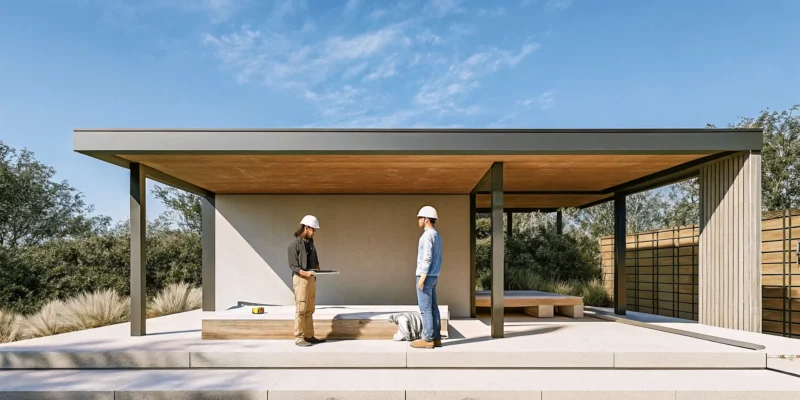
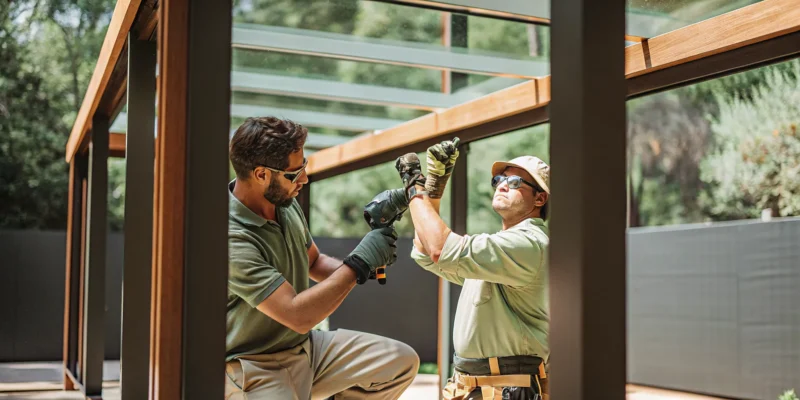
A Long Island pavilion builder discusses plans for a custom pavilion with a team member.

How to Hire the Best Pavilion Builder in Long Island

Building on Long Island comes with its own set of rules. From coastal weather considerations to complex town-specific permit processes, the details can be overwhelming. That’s why your choice of pavilion builder in Long Island is so crucial. You need more than just a contractor; you need a local expert who knows the area, understands the regulations, and has a portfolio of successful projects nearby. This local knowledge saves you time, money, and countless headaches. In this guide, we’ll break down how to identify a builder with the right experience to ensure your project is seamless and compliant.

Key Takeaways

  • Create a functional outdoor room: A pavilion provides reliable shelter from sun and rain, extending your home’s living area for year-round enjoyment and adding significant value to your property.
  • Choose your builder wisely: Prioritize a builder with proven local experience, proper licensing, and a portfolio that matches your vision, as this is the most critical step for a successful project.
  • Design for longevity and style: Thoughtfully plan every detail from the start, including the right materials for your lifestyle, a size that fits your needs, and integrated features like electricity to ensure your pavilion is both beautiful and functional.

Why Add a Pavilion to Your Long Island Property?

A pavilion is more than just a roof in your backyard; it’s a statement. It creates a destination, a focal point that anchors your outdoor living space and turns a simple patio or lawn into a sophisticated retreat. For Long Island homeowners, adding a pavilion is a practical way to extend your living area and get more enjoyment from your property. It provides a perfect blend of shelter and open-air freedom, making your backyard the go-to spot for relaxation and entertainment.

Enjoy Your Outdoor Space All Year

One of the biggest benefits of a pavilion is its ability to make your backyard usable in almost any weather. Long Island summers can be intensely sunny, and a pavilion’s solid roof offers complete shade and a cool place to relax. Unlike a pergola with a slatted roof, a pavilion also provides reliable protection from passing rain showers, so you don’t have to rush inside during a summer drizzle. This means more time for outdoor dining, reading, or simply enjoying the fresh air. With the right pavilions and pergolas, you can comfortably host gatherings from spring through fall without constantly checking the weather forecast.

Create a Versatile Spot for Entertaining

A pavilion instantly becomes the heart of your outdoor entertaining space. It’s the perfect structure to place next to your swimming pool, giving guests a shaded spot to dry off and lounge between dips. You can design it as an outdoor living room with comfortable seating, a dining area for family barbecues, or even a sheltered spot for an outdoor kitchen. Because it’s a defined space, it naturally draws people together. A pavilion provides a versatile foundation for any activity, whether you’re hosting a large party or enjoying a quiet evening with family. It’s a simple addition that makes your backyard feel more functional and inviting.

Pavilion, Pergola, or Gazebo: What’s the Difference?

It’s easy to get these terms mixed up, but each structure serves a different purpose. A pavilion is an open-sided structure with a solid, continuous roof, offering full protection from sun and rain. Think of it as an outdoor room without walls. A pergola, on the other hand, has a slatted or lattice-style roof that provides partial shade but won’t keep you dry in a storm. Gazebos are typically smaller, often octagonal, and have a solid roof and partially enclosed sides. For maximum protection and versatility, a pavilion is usually the best choice. Gappsi offers a range of pavilions, pergolas, and gazebos to suit any style.

Increase Your Property Value

A well-designed pavilion is a smart investment that can increase your home’s market value. It’s a permanent feature that adds functional living space and significant visual appeal to your property. Potential buyers see a pavilion as a major upgrade, envisioning themselves enjoying a ready-made outdoor oasis. It signals that the home is well-cared-for and designed for a comfortable lifestyle. By creating a seamless transition between indoor and outdoor living, a pavilion makes your entire property more desirable. It’s a key part of a comprehensive home remodeling project that pays off in both enjoyment and equity.

What to Look for in a Long Island Pavilion Builder

Finding the right builder is the most important step in bringing your dream pavilion to life. You’re not just hiring someone to build a structure; you’re trusting them with your home, your budget, and your vision. A great partnership with your builder leads to a smooth process and a beautiful result you’ll love for years. To make sure you find the best fit, it’s helpful to focus on a few key areas: their experience, their credentials, their local knowledge, and how they communicate with clients.

Verify Their Experience and Portfolio

Before you commit to a builder, you need to see their work. A portfolio is more than just a collection of pretty pictures; it’s proof of their craftsmanship, style, and ability to deliver on their promises. When you review their past projects, look for quality and attention to detail. Do the structures look solid and well-built? Do they have experience with different materials and designs? A strong portfolio will showcase a diverse range of pavilions and pergolas, giving you confidence that they can handle the specifics of your project. This is your chance to see if their aesthetic matches your vision for your backyard.

Confirm They’re Licensed and Insured

This step is non-negotiable. A professional builder must be fully licensed and insured in New York, and you should ask for proof. Licensing confirms that they meet state and local standards, while insurance protects you, your property, and the construction crew from liability in case of an accident. Hiring an uninsured contractor might seem cheaper at first, but it puts you at significant financial and legal risk. A reputable builder will have no problem providing their documentation. You can also verify a contractor’s license through the state for added peace of mind. Think of it as the essential foundation for a safe and successful project.

Ask About Local Permits and Regulations

Long Island is known for its complex web of local building codes, with rules that can vary from one town to the next. A builder who primarily works in this area will understand these specific requirements and know how to manage the permitting process efficiently. This local expertise is invaluable. It prevents delays, ensures your pavilion is compliant with all regulations, and saves you from the headache of dealing with paperwork and inspections. When you interview potential builders, ask them about their experience with your town’s building department. Their answer will tell you a lot about their professionalism and local knowledge.

Read Customer Reviews and Gauge Communication

A beautiful portfolio is important, but so is a track record of happy clients. Look for reviews and testimonials on the builder’s website, social media, and third-party platforms. Pay attention to comments about their communication style, timeliness, and problem-solving skills. Did they keep the client informed? Did they stick to the schedule and budget? Beyond reading reviews, trust your gut during your initial conversations. A good builder will listen to your ideas, answer your questions clearly, and make you feel comfortable. This initial rapport is often a strong indicator of what the working relationship will be like throughout the entire project.

Designing Your Pavilion: Materials and Custom Features

This is where your vision really starts to take shape. Designing your pavilion is about more than just picking a style you like; it’s about making thoughtful choices that will turn your backyard into a true outdoor living room. From the materials underfoot to the lighting overhead, every detail contributes to the final look, feel, and function of your space. A well-designed pavilion should feel like it has always been a part of your home. Let’s walk through the key elements you’ll want to consider with your builder to create a structure that’s both beautiful and built to last.

Choose the Right Material: Wood, Vinyl, or Composite

The material you choose sets the tone for your entire pavilion and determines its maintenance needs. Wood, like cedar or pine, offers a classic, natural beauty that blends seamlessly into a garden environment. It’s strong and durable, but it does require regular sealing or staining to protect it from the elements.

For a low-maintenance alternative, vinyl is an excellent choice. It resists moisture, won’t rot or warp, and never needs painting. You can simply wash it down to keep it looking new. Gappsi offers a variety of high-quality pavilions and pergolas in different materials, allowing you to find the perfect match for your lifestyle and aesthetic preferences. Discussing the pros and cons of each with your builder will help you select a material that you’ll love for years.

Match Your Pavilion to Your Home’s Style

Your new pavilion shouldn’t look like it was just dropped into your yard. It should complement your home’s architecture and feel like a natural extension of your living space. Consider details like the roofline, column style, and color palette. A good builder will help you echo design elements from your house to create a cohesive and intentional look.

The goal is to have the structure blend with its surroundings, not overwhelm them. This is where professional landscape design becomes so valuable. By thoughtfully integrating the pavilion with existing patios, walkways, and gardens, you create a harmonious outdoor environment that feels both elegant and inviting.

Plan the Size, Layout, and Roof

Before breaking ground, think carefully about how you plan to use your pavilion. Will it be a cozy spot for morning coffee, a large area for dining and entertaining, or a poolside lounge? The function will determine the ideal size and layout. You need enough space to comfortably fit your desired furniture and allow for easy movement.

The location is just as important. It should be easily accessible from your house but also positioned to take advantage of views and provide privacy. Your choice of roofing also plays a big role, affecting both the style and its ability to provide shelter from sun and rain. A solid roof offers complete protection, while a slatted or pergola-style roof provides partial shade.

Incorporate Lighting and Electrical Features

To make your pavilion truly functional, plan for electricity from the start. This is a detail that’s much harder and more expensive to add later. Integrating electrical features allows you to extend your enjoyment of the space well into the evening. Think about including outlets for charging devices or plugging in speakers.

You can also install a ceiling fan for a cool breeze on warm summer days or an infrared heater for chilly autumn nights. Thoughtful lighting, from overhead fixtures for general illumination to subtle accent lights, creates a warm and inviting ambiance. Gappsi’s expertise in home remodeling ensures that all electrical work is handled safely and seamlessly during construction.

Consider the Foundation and Structure

A pavilion is only as strong as its foundation. This is one area where you absolutely cannot cut corners. A proper foundation ensures your structure is stable, safe, and able to withstand Long Island’s diverse weather, from heavy snow to strong winds. Your builder should be an expert in local soil conditions and building codes to design a foundation that lasts.

The structure must also be anchored correctly to prevent shifting or lifting. Many common DIY mistakes come from poor planning around the foundation, anchoring, and drainage. Hiring a professional builder like Gappsi guarantees that these critical structural elements are engineered correctly, giving you peace of mind that your investment is secure and built to code.

How to Hire the Best Pavilion Builder in Long Island

Finding the right builder is the most important step in bringing your pavilion vision to life. You need a partner who understands your goals, respects your budget, and has the expertise to deliver a beautiful, lasting structure. This process involves more than just collecting quotes; it’s about finding a team you can trust. From initial design talks to the final cleanup, a great builder will guide you through every phase with clear communication and professional skill. Let’s walk through how to identify and hire the best pavilion builder for your Long Island home.

Why Gappsi Is a Top Choice for Long Island Pavilions

When you’re investing in a permanent outdoor structure, local experience matters. With over three decades of serving Long Island homeowners, we’ve developed a deep understanding of the area’s specific architectural styles and environmental demands. We know how to build pavilions and pergolas that not only look stunning but also withstand coastal weather. Our process is built on collaboration, ensuring your new pavilion perfectly complements your home and lifestyle. We handle everything from design to construction, creating a seamless experience and a single point of contact for your entire project. Our long history is a testament to our commitment to quality craftsmanship and happy clients.

What to Expect During the Building Process

A well-managed construction project should feel exciting, not stressful. Pavilion construction mistakes can turn your dream outdoor retreat into a costly problem, but they are almost always preventable with the right partner and clear communication. Our process begins with a detailed consultation to understand your vision. From there, we move to the design phase, where we create plans and help you select materials. Once the design is approved, our skilled team handles the site preparation, foundation work, and construction. We maintain an open line of communication throughout the build, providing regular updates so you’re always informed. A final walkthrough ensures every detail meets your expectations.

What Determines the Cost of a Pavilion?

The final cost of your pavilion depends on several key factors. The appearance, strength, and durability of your new structure will depend on the materials used to build it. Wood offers a classic, natural look, while vinyl and composite materials provide low-maintenance durability. Size is another major consideration, as a larger footprint requires more materials and labor. The complexity of the design, including the roof style and any custom architectural details, will also influence the price. Finally, features like integrated lighting, electrical outlets, ceiling fans, or a foundation made from beautiful porcelain and natural stone pavers will add to the total investment.

How to Budget for Your Pavilion Project

Creating a realistic budget is key to a successful project. A great plan starts with thorough planning, selecting high-quality materials, and choosing the right build method. When you request a quote, make sure it’s detailed and itemized so you know exactly what you’re paying for. It’s also wise to set aside a contingency fund, typically 10% to 15% of the total cost, to cover any unexpected changes or additions you might want to make along the way. While it can be tempting to go with the lowest price, remember to consider the long-term value. Investing in quality materials and expert masonry will save you money on repairs and maintenance down the road.

Mistakes to Avoid When Hiring a Builder

Choosing a builder based only on cost can lead to long-term problems. A surprisingly low bid may indicate compromises in materials, craftsmanship, or project management that can cost you more later. Instead, look for a builder who offers a fair price for excellent value. Another common mistake is failing to establish clear communication from the start. A reliable builder will maintain transparency, provide consistent updates, and welcome your feedback throughout the process. Before signing a contract, make sure you feel comfortable with their communication style and trust their expertise. You can often get a good sense of a company’s professionalism by viewing their past work on platforms like their YouTube channel.

Related Articles

Frequently Asked Questions

How long does it typically take to build a pavilion? The construction timeline really depends on the project’s specifics, such as the design complexity, material availability, and the local permitting process. A straightforward pavilion might be completed in a few weeks, while a larger, more customized structure with features like masonry or extensive electrical work will take longer. A professional builder will provide a clear and detailed schedule after the design is finalized, so you know exactly what to expect.

Will I need a permit for my pavilion? On Long Island, it is very likely that you will need a permit to build a pavilion. These permanent structures are subject to local building codes, which can vary significantly from one town to another. This is a key reason to work with an experienced local builder who understands the specific requirements in your area and can handle the entire permitting process for you, ensuring your project is built to code from the start.

What kind of maintenance is involved with a pavilion? The level of maintenance depends almost entirely on the material you choose. A wood pavilion is beautiful but will need periodic sealing or staining to protect it from the weather. If you prefer a lower-maintenance option, materials like vinyl or composite are great choices because they only require occasional cleaning with soap and water to stay looking their best.

Can I add features like an outdoor kitchen or a fireplace to my pavilion? Absolutely. A pavilion is the perfect structure to house custom features that make your outdoor space more functional. Many homeowners choose to incorporate outdoor kitchens, bars, integrated lighting, ceiling fans, and even fireplaces or media walls. Planning for these elements during the initial design phase is the most efficient way to ensure all plumbing, gas, and electrical lines are handled correctly.

How do I know what size pavilion is right for my yard? The right size depends on two things: how you plan to use the space and the scale of your property. Think about whether you want a cozy seating area for two or a large space for dining and entertaining. A good designer will help you map out furniture placement to ensure comfortable traffic flow and help you choose a size that complements your home and landscape rather than overwhelming them.
Share this page:
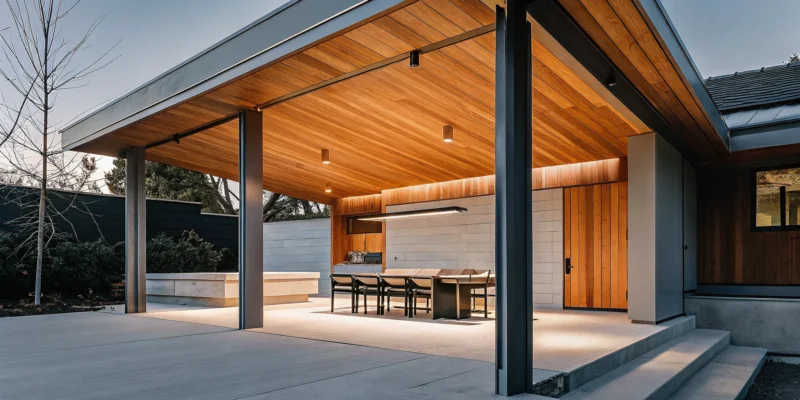
Modern wood pavilion with an outdoor dining area, built by a Long Island builder.

Wood Pavilion Builder Long Island: Cost & Design Guide

How many times has a perfect backyard plan been ruined by a sudden downpour or the blazing afternoon sun? Long Island weather can be unpredictable, often limiting how much you can truly enjoy your outdoor space. A wood pavilion provides a simple, elegant solution. It offers reliable shelter from the elements, creating a comfortable and protected area for dining, lounging, or entertaining, no matter the forecast. This allows you to get so much more use out of your patio, pool, or outdoor kitchen. To ensure your structure can handle our coastal climate, you need a professional wood pavilion builder on Long Island who engineers every project for local conditions.

Key Takeaways

  • Think Beyond Shade: A wood pavilion is a smart investment that adds significant property value and creates a functional outdoor living room, extending your home’s usable space for relaxation and entertainment.
  • Match Your Pavilion to Your Lifestyle: Customization is crucial, so consider how you will use the space, then choose materials, styles, and features that align with your home’s architecture and your family’s needs.
  • Hire a Local Expert for a Lasting Build: Building on Long Island has unique challenges, and partnering with an experienced local builder ensures your pavilion is properly designed for the climate, correctly permitted, and built to last.

Is a Wood Pavilion a Smart Investment for Your Long Island Home?

Thinking about adding a structure to your backyard? A wood pavilion is more than just a shaded spot; it’s a versatile extension of your home that offers a fantastic return on enjoyment and value. For Long Island homeowners, a well-designed wood pavilion creates a perfect setting for everything from quiet morning coffees to lively family gatherings. It’s a functional and beautiful addition that can completely transform your outdoor living experience. Let’s explore why a wood pavilion is a smart choice for your property.

Enhance Your Landscape with Natural Beauty

There’s a reason wood is a classic choice for outdoor structures. Its natural warmth and timeless charm blend beautifully with any backyard setting, from lush gardens to stone patios. Unlike synthetic materials, wood offers an organic texture and character that complements the natural environment. A thoughtfully designed wood pavilion becomes a stunning focal point in your yard, creating an inviting atmosphere for relaxation and entertainment. Whether you prefer a rustic timber frame or a sleek, modern design, a wood structure can be customized to perfectly match your home’s style and enhance your overall landscape design. It’s an authentic way to add elegance and function to your outdoor space.

Built to Last in Long Island’s Climate

Living on Long Island means your outdoor structures need to withstand a bit of everything, from hot, humid summers to cold, snowy winters. A common question is whether wood can handle such diverse weather. The answer is a resounding yes, provided it’s built correctly with the right materials. High-quality wood species, proper construction techniques, and professional finishing treatments ensure your pavilion remains durable and beautiful for years. A well-built structure is designed to manage the elements, giving you a reliable and comfortable outdoor retreat no matter the season. Our custom pavilions and pergolas are engineered to provide lasting performance in our local climate.

Increase Your Property Value

A wood pavilion is an investment that pays off in more ways than one. Beyond the immediate lifestyle benefits, a high-quality outdoor structure significantly increases your property value. Potential buyers see a pavilion as a major bonus, a ready-made space for outdoor living and entertaining. Features like timber frame construction are especially valued for their craftsmanship, longevity, and aesthetic appeal. A pavilion adds value not just to your property but to your everyday life, creating a destination just steps from your door. When integrated with other features like a pool or an outdoor kitchen, it creates a cohesive and luxurious backyard that is highly desirable in the Long Island real estate market.

Wood vs. Other Materials: A Quick Comparison

Choosing the right material for your pavilion is a big decision, and it’s one of the first you’ll make. While wood offers a classic, natural beauty that many Long Island homeowners love, it’s not your only option. Materials like vinyl and aluminum bring their own unique advantages to the table, offering different looks and levels of care. Your final choice will likely come down to three things: the aesthetic you want to achieve, the amount of maintenance you’re willing to perform, and your overall budget.

Think of it as choosing between the timeless warmth of a wooden structure and the sleek, modern convenience of a composite one. Each material can create a stunning outdoor living space, but they get you there in different ways. Gappsi offers a range of pavilions and pergolas to suit any style, and our team can walk you through the benefits of each material to help you find the perfect fit for your backyard and lifestyle. Let’s look at how wood stacks up against some popular alternatives so you can feel confident in your decision.

Wood vs. Vinyl

If you love the look of a traditional pavilion but want to minimize upkeep, vinyl is an excellent material to consider. Vinyl pavilions provide a clean, polished look that holds up well against the elements with very little maintenance; no staining or sealing required. Many vinyl pavilions are constructed with a solid wood core that is wrapped in a durable vinyl sleeve, giving you structural integrity with a low-maintenance finish. The primary trade-off is aesthetics. While vinyl is crisp and modern, it doesn’t offer the same natural grain and warm texture as real wood. The choice comes down to whether you prefer the authentic charm of wood or the easy-care convenience of vinyl.

Wood vs. Aluminum

For a truly modern and minimalist feel, aluminum is a fantastic choice. Aluminum pavilions offer sharp, clean lines and a sleek profile that complements contemporary home architecture. This material is lightweight yet strong, and it’s naturally resistant to rust, corrosion, and pests, making it incredibly durable and long-lasting. Unlike the warm, rustic, or traditional feel of wood, aluminum creates a sophisticated, industrial-chic vibe. If your home has a modern design or you’re looking to create a distinct contrast in your landscape, an aluminum pavilion can make a powerful statement. Our team can help you select materials that perfectly complement your home and landscape design.

Pressure-Treated Pine vs. Cedar

Even within the wood category, you have important choices to make. The two most popular options for wood pavilions are pressure-treated pine and cedar. Pressure-treated pine is a budget-friendly and highly durable choice. The wood is chemically treated to resist rot, fungus, and insects, ensuring it stands up to Long Island’s humid summers. Cedar, on the other hand, is a more premium option known for its stunning natural beauty, rich color, and pleasant aroma. It contains natural oils that make it inherently resistant to decay and insects without chemical treatments. While pine is a practical workhorse, many people choose cedar for its high-end look and feel.

Explore Custom Wood Pavilion Designs

A wood pavilion is so much more than just a roof in your backyard. It’s a blank canvas for creating the outdoor space you’ve always wanted. Whether you envision a quiet reading nook, a bustling entertainment hub, or a seamless extension of your home, there’s a custom design that fits your vision perfectly. The key is to think about how you want to live in your outdoor space. From there, we can explore designs that bring that lifestyle to life, making your pavilion the true heart of your yard.

Freestanding Open-Air Pavilions

A freestanding pavilion acts as a destination in your yard, creating a distinct zone for relaxation or entertainment. Think of it as an outdoor living room, completely separate from the house. This design offers incredible flexibility because it isn’t tied to your home’s existing structure. It can be placed poolside, nestled in a garden, or positioned to capture the best view. A freestanding pavilion beautifully connects different parts of your landscape, serving as a central point that ties together your swimming pool, patio, and garden beds into one cohesive and inviting environment. It’s your personal backyard retreat.

Attached Home Pavilions

If you love the idea of seamless indoor-outdoor living, an attached pavilion is a fantastic choice. This style connects directly to your house, acting as a covered extension of your indoor living space. It’s perfect for creating a sheltered patio right off your kitchen or living room, making it easy to step outside for morning coffee or alfresco dinners. An attached pavilion essentially blurs the line between your home and your garden. We can design it to perfectly match your home’s architectural style, ensuring the addition looks like it was always meant to be there while expanding your options for home remodeling.

Poolside Pavilions

Transform your pool area into a five-star resort with a dedicated poolside pavilion. This structure provides a much-needed escape from the sun, giving you a comfortable, shaded spot to lounge, read, or watch the kids splash around. It’s the perfect place for storing towels, setting up a drink station, or creating a private changing area for guests. A poolside pavilion adds a touch of luxury and sophistication, making your swimming pool feel more like a complete outdoor oasis. It’s not just about function; it’s about creating an experience that makes every day feel like a vacation.

Pavilions for Outdoor Kitchens and Entertainment

A pavilion is the ultimate upgrade for any outdoor entertainer. By providing shelter from the sun and light rain, it allows you to get so much more use out of your outdoor kitchen and dining area. Imagine hosting a barbecue without worrying about a passing shower or having a shaded, comfortable space for guests to gather. We can design a pavilion with your specific needs in mind, incorporating features like built-in lighting, ceiling fans, and space for a full dining set. It’s the perfect way to protect your investment in an outdoor kitchen built with our expert masonry services and create a reliable, inviting hub for every gathering.

Popular Pavilion Styles for Long Island Homes

Choosing a pavilion style is one of the most exciting parts of the design process. The right design will feel like a natural extension of your home and reflect your personal taste. On Long Island, we see a wonderful mix of architectural styles, from historic colonials on the North Shore to modern beach houses in the Hamptons. This diversity means there isn’t a single “best” style, but rather a perfect style for your home. The goal is to create a structure that looks like it has always been there, enhancing your property’s character and functionality. Think about how you want to use the space. Will it be a lively hub for summer barbecues, a serene poolside retreat, or a cozy spot to enjoy a cool evening?

At Gappsi, we specialize in creating custom pavilions and pergolas that are tailored to your home’s architecture and your family’s lifestyle. Whether you envision a grand space for entertaining large groups or a quiet corner for relaxation, the style you choose sets the tone. It’s about blending aesthetics with practicality to build an outdoor room you’ll love for years. We consider everything from the materials and roofline to the surrounding landscape to ensure a harmonious result. Let’s explore some of the most popular styles we help homeowners bring to life across Nassau and Suffolk counties.

Traditional Gable and Hip Roof Designs

Traditional pavilions are timeless for a reason. With classic rooflines like a gable (a triangular shape) and a hip roof (slopes on all four sides), these structures blend beautifully with many Long Island homes. These designs are not just about looks; they are incredibly practical for our local climate. The pitched roofs allow snow to slide off easily in the winter and provide excellent shade and ventilation during hot summer months. A traditional wood pavilion creates a stately, elegant focal point for your backyard, pairing perfectly with classic masonry patios and lush garden landscapes. It’s a sophisticated choice that never goes out of style.

Modern and Minimalist Designs

If your home has a more contemporary feel, a modern pavilion with clean lines and a minimalist aesthetic might be the perfect fit. These designs often feature materials like vinyl-wrapped wood posts or sleek aluminum frames for a polished, low-maintenance finish. The focus is on simple geometry and an uncluttered look, creating a chic and sophisticated outdoor lounge. A modern pavilion can define a space for poolside relaxation or an alfresco dining area. We can help you design a structure that integrates seamlessly with your modern swimming pool and hardscaping, creating a cohesive and resort-like atmosphere right in your own backyard.

Rustic Timber Frame Styles

For those who love a warm, natural look, a rustic timber frame pavilion is an excellent choice. Often built from beautiful woods like cedar or pine, these structures showcase the artistry of woodworking with their exposed beams and sturdy posts. You can leave the wood in its natural state to weather gracefully over time or choose a stain that enhances its color and grain. A timber frame pavilion brings a cozy, lodge-like feel to your property, making it the ideal spot for an outdoor kitchen or a comfortable gathering area with a fireplace. It’s a style that harmonizes beautifully with naturalistic landscape design and wooded properties.

Customize Your Pavilion from Top to Bottom

A wood pavilion is much more than just a roof in your backyard; it’s a chance to create a space that is uniquely yours. The beauty of a custom-built pavilion is that you get to make all the decisions, ensuring the final structure perfectly matches your home’s architecture, your landscape, and your personal style. From the type of wood and the color of the stain to the shape of the roof and the features underneath it, every detail can be tailored to your vision. This level of personalization is what transforms a simple outdoor structure into the true heart of your backyard.

Think of your pavilion as a blank canvas. Do you envision a rustic retreat with heavy timber and warm lighting, or a sleek, modern space for entertaining? Maybe you need a functional hub next to your pool with a ceiling fan and built-in speakers. With a custom design, you are not limited to a kit or a one-size-fits-all solution. Instead, you can work with a designer to craft a pavilion that fits the exact dimensions of your space and includes all the amenities you need to enjoy your outdoor living area to the fullest. This is your opportunity to build the backyard you have always dreamed of, one detail at a time.

Select Your Wood, Stain, and Finish

The material you choose is the foundation of your pavilion’s character. Wood, like cedar or pressure-treated pine, offers a classic, organic warmth that blends beautifully with any landscape. You can let the wood age naturally to a silvery gray or protect it with a specific stain. A custom stain allows you to match your pavilion to your home’s trim, your deck, or other outdoor elements for a cohesive look. The finish you select not only defines the color but also provides a crucial layer of protection against Long Island’s weather, ensuring your investment remains beautiful for years.

Define the Size, Shape, and Layout

No two backyards are the same, so your pavilion shouldn’t be either. The first step in the design process is to determine the ideal size and shape for your property. The dimensions will depend on how you plan to use the space, whether for intimate family dinners or large gatherings. The layout is also critical. An open-air design feels spacious and breezy, while a more defined layout can create distinct zones for cooking, dining, and lounging. Our team designs custom pavilions and pergolas that fit your yard and lifestyle perfectly, making the most of your available space.

Add Features: Lighting, Fans, and Sound Systems

Thoughtful features are what turn your pavilion from a structure into a destination. Integrating lighting, for example, extends your enjoyment well into the evening, creating a warm and inviting ambiance. Ceiling fans are a must for humid Long Island summers, providing a comfortable breeze that keeps the air circulating. You can also incorporate a sound system for entertaining or simply relaxing with your favorite music. Other popular additions include retractable screens for bug protection, built-in seating for convenience, and outlets for charging devices or plugging in appliances. These amenities make your pavilion a truly functional outdoor room.

Integrate Your Pavilion with Pools, Masonry, and Landscaping

A pavilion should feel like a natural extension of your entire backyard, not an isolated element. We specialize in creating a unified design where your pavilion connects seamlessly with its surroundings. Imagine stone columns that match your patio, or a wood finish that complements your garden’s landscaping. By tying the pavilion visually to other elements on your property, like a custom masonry fireplace or the coping around your swimming pool, you create a harmonious and high-end outdoor living environment. This integrated approach ensures every part of your backyard works together beautifully.

What’s the Cost of a Wood Pavilion on Long Island?

Figuring out the budget for a wood pavilion is one of the first steps in bringing your vision to life. The final price tag can vary quite a bit because every project is unique. The cost depends on a mix of factors, from the pavilion’s size and the materials you choose to the complexity of the design and the specific conditions of your property. Let’s break down the main components that will influence your total investment.

How Size and Materials Affect Price

The size of your pavilion is one of the biggest factors driving the final cost. A larger structure naturally requires more materials and more hours for both fabrication and on-site assembly. While a simple 10×10 wood pavilion might be a modest investment, a sprawling 24×36 pavilion designed for large gatherings will command a significantly higher budget. The type of wood you select also plays a key role. Different woods come at different price points, so your choice will directly impact the material costs for your custom wood pavilion. It’s a balance between achieving the look you want and fitting within your desired budget.

Factoring in Design Complexity

Beyond size, the complexity of your pavilion’s design is a primary cost driver. An intricate frame with heavy timbers and sophisticated engineering will be more expensive than a straightforward, simple design. This price difference isn’t just about using more lumber; it reflects a higher level of craftsmanship, precision joinery, and the advanced planning needed to ensure its structural integrity. A more complex design requires more skilled labor and time to execute perfectly. When you invest in a detailed and robust design, you’re paying for a structure that is not only beautiful but also built to last for decades.

Site Prep and Foundation Costs

Preparing your yard for a pavilion is a critical step, especially on Long Island. Our local soil conditions, which often include glacial till, high water tables, and pockets of clay, can make excavation and foundation work more complex than in other regions. Proper site preparation is essential to create a stable, level base for your pavilion, ensuring it remains secure for years to come. This might involve grading the land, pouring a concrete slab, or installing paver footings. These foundational elements are a necessary part of the budget and protect the long-term value of your investment.

Local Permits and Regulations

Many homeowners are surprised to learn that building a pavilion often requires permits. Nassau and Suffolk counties, as well as local villages, have specific building codes and regulations that must be followed. These rules are in place to ensure safety and structural soundness. If your home is part of a homeowners’ association (HOA), you will also need to comply with its specific guidelines. The process of securing permits and navigating inspections can add to the project’s timeline and overall cost. Working with an experienced builder who understands these local requirements is key to a smooth and stress-free project from start to finish.

How Does Long Island Weather Impact Pavilion Design?

Long Island’s weather is a beautiful mix of four distinct seasons, but it can also be tough on outdoor structures. From heavy winter snows and coastal winds to humid summer days, the climate presents unique challenges. A well-built wood pavilion isn’t just about looking good; it needs to be engineered to withstand these elements year after year. The right design choices ensure your investment remains a safe, beautiful, and functional part of your backyard for decades.

Thinking about the weather from the very beginning of the design process is crucial. It influences everything from the slope of the roof and the type of wood we use to the finish we apply. A pavilion designed for a dry, mild climate simply won’t last here. That’s why local expertise matters so much. We understand how to build structures that are not only tailored to your aesthetic but are also perfectly suited for the specific demands of Long Island’s environment. This thoughtful approach means you get to spend more time enjoying your pavilion and less time worrying about its upkeep.

Designing for Wind and Snow

Heavy snow and strong winds are a reality on Long Island, so your pavilion’s structure needs to be up to the task. The roof design is your first line of defense. Styles like gable or hip roofs are excellent choices because their steep pitch helps heavy snow slide right off, preventing dangerous build-up and strain on the frame. We also engineer our pavilions and pergolas to handle the wind loads common in our coastal area, ensuring your structure is securely anchored and stable during nor’easters and summer storms. It’s all about building a beautiful shelter that you know is safe and sound, no matter the weather.

Preventing Rot from Rain and Humidity

Consistent rain and sticky summer humidity create the perfect conditions for wood rot and decay. Choosing the right materials is essential to combat this. Woods like cedar are fantastic options because they have natural oils that make them resistant to moisture and insects. However, material choice is only part of the solution. Proper design is just as important. We ensure your pavilion has adequate ventilation to prevent trapped moisture. We also often build on a solid masonry base, which keeps the wooden posts from having direct contact with the damp ground, extending the life of the entire structure.

Choosing Year-Round Wood Treatments

Even the most durable wood needs a protective layer to stand up to the sun and moisture. Think of it like sunscreen for your pavilion. A high-quality stain and sealant are non-negotiable for protecting the wood from UV damage, which can cause fading and cracking, and for repelling water to prevent rot. This finish is what keeps your pavilion looking rich and new. While the initial treatment is critical, ongoing maintenance is what preserves that look for the long haul. Our restoration and sealing services can help keep your pavilion in top condition for years, ensuring it remains a stunning centerpiece of your yard.

How to Choose a Pavilion Builder on Long Island

Finding the right builder is the most important step in bringing your wood pavilion vision to life. This is a significant addition to your home, and you want a partner who understands your goals, respects your property, and has the skill to deliver a beautiful, lasting structure. A great builder acts as your guide, handling the complexities of the project so you can focus on the exciting parts. When you start meeting with potential builders, focus on a few key areas: their track record, design flexibility, and knowledge of local rules. This will help you find a team you can trust to create the perfect outdoor retreat for your Long Island home.

Review Their Experience and Portfolio

When you’re investing in a permanent structure for your backyard, experience is everything. A builder with a long history on Long Island brings a deep understanding of local architecture, climate, and building practices. They’ve seen what works and what doesn’t. Ask them how long they’ve been in business and look for a portfolio that showcases a wide range of completed projects. A quality builder will have an extensive gallery of their pavilions and pergolas for you to review. As you look through their work, notice the details in the craftsmanship and the variety of styles they’ve executed. This will give you confidence in their ability to handle your unique project.

Confirm Their Custom Design Capabilities

Your pavilion shouldn’t be a cookie-cutter kit. It should feel like a natural extension of your home and personal style. That’s why it’s so important to work with a builder who offers true custom design. You should be able to tailor everything from the materials and shape to features like built-in lighting, fans, or even a full outdoor kitchen. A great builder will listen to your ideas and collaborate with you, offering expert guidance to create a functional and beautiful space. They should act as your design and build partner, ensuring the final structure is exactly what you dreamed of, not just what was easiest to build.

Verify Knowledge of Local Codes and Permits

Navigating building codes and permits can be one of the most confusing parts of any home improvement project. Many homeowners assume a pavilion is a simple structure, but most towns on Long Island have specific requirements based on its size and location. An experienced local builder will be an expert on these regulations. They will know the specific codes for your town and can manage the entire permit process for you. This expertise is invaluable, as it prevents costly delays and ensures your project is completed safely and legally. Hiring a professional who understands local masonry and construction codes saves you from major headaches.

Ask About HOA Compliance

If you live in a community with a homeowners’ association (HOA), you have an extra layer of rules to follow. HOAs often have strict guidelines for outdoor structures, dictating everything from size and placement to materials and colors. Before you get too far into the design process, make sure your builder is aware of these regulations. A thorough contractor will ask about your HOA upfront and can help you design a pavilion that meets all requirements. They can even assist in preparing design submissions for your HOA board’s approval. This proactive approach ensures a smooth process and keeps you in good standing with your community.

Why Choose Gappsi for Your Wood Pavilion?

Choosing the right builder is the most important step in bringing your vision for a wood pavilion to life. You need a partner who understands your goals, knows the local landscape, and has the expertise to deliver a beautiful, lasting structure. At Gappsi, we combine decades of experience with a passion for craftsmanship to create outdoor spaces that truly feel like an extension of your home. From the initial design sketch to the final construction, our team is dedicated to making the entire process smooth and rewarding for you.

Decades of Local Experience

With roots in Long Island since 1987, we have a deep understanding of the area’s unique character and climate. This local expertise allows us to design and build wood pavilions that not only look stunning but are also built to withstand coastal weather. We know what it takes to create a structure that complements your home’s architecture and thrives in its environment. Whether you’re interested in a classic, standard model or a completely custom design, our team has the experience to guide you. We’ve spent years perfecting our craft, building beautiful pavilions and pergolas that have become beloved features of homes across Suffolk and Nassau County.

Comprehensive Design and Build Services

Bringing a new structure to your property can feel like a huge undertaking, but it doesn’t have to be. Gappsi offers a complete design and build service, which means we manage every detail from start to finish. Our process begins with a collaborative design phase where we help you create the perfect pavilion for your needs. From there, we handle all aspects of the project, including securing permits and managing construction. We can also integrate features like outdoor kitchens, lighting, and sound systems to create a fully functional entertainment space. Our goal is to provide a seamless experience, allowing you to enjoy the excitement of your home remodeling project without the stress.

A Commitment to Quality Materials

The longevity and beauty of your wood pavilion depend entirely on the quality of the materials used. We believe in giving our clients the best options available. We work with a wide range of materials, including beautiful woods, durable composites, and elegant stone for columns and accents. You can choose from various roofing materials like cedar shake, architectural shingles, or metal to achieve the perfect look. We’ll walk you through the benefits of different wood types, from affordable softwoods to premium hardwoods that offer superior strength and character. Our expertise with high-quality porcelain and natural stone also allows us to create stunning, integrated designs that connect your pavilion to the surrounding landscape.

Prepare for Your Design Consultation

Walking into your first design meeting feeling prepared is the best way to kick off your project. A little homework can help you and your builder get on the same page quickly, ensuring your vision for a beautiful wood pavilion comes to life exactly as you imagined. It’s all about knowing what to ask, what to bring, and what to expect from the process. This preparation helps streamline the project and makes sure there are no surprises along the way.

Questions to Ask Your Builder

Your initial conversation is the perfect time to get clear on the important details. Start by asking about local permits. Many Long Island jurisdictions have their own specific code and permit requirements, so your builder should have experience handling the paperwork for your town. Next, ask about the materials and construction methods. The price of a pavilion often reflects the level of craftsmanship and structural integrity, not just the type of wood used. A reputable builder will be happy to explain what goes into their work, giving you confidence in the quality and durability of your investment.

What to Bring to Your First Meeting

To help your builder truly understand your vision, bring along some inspiration. This could be a Pinterest board, photos you’ve saved, or even simple sketches of what you have in mind. Don’t be afraid to think about custom features like built-in seating, lighting, or retractable curtains. Also, bring photos or a simple survey of your property. This helps your builder see how the pavilion will fit with your home’s style and existing landscape. The goal is to create a structure that feels like a natural extension of your outdoor living space, complementing everything from your garden to your swimming pool.

Understanding the Design and Build Process

Knowing what to expect can make the entire project feel more manageable. The process typically starts with a design phase where you’ll finalize the details. Remember that the pavilion’s size and the complexity of its design are the primary drivers of its cost. After the design is approved, the build begins. A great pavilion does not exist in isolation; it should harmonize with your patio, outdoor kitchen, and overall landscape. At Gappsi, we consider how every element works together, from the masonry foundation to the surrounding plantings, to create a cohesive and beautiful backyard retreat.

Related Articles

Frequently Asked Questions

How long will a wood pavilion really last with Long Island’s weather? A well-built wood pavilion can last for decades, even with our coastal weather. The key is using the right materials and construction techniques from the start. Choosing rot-resistant wood like cedar, ensuring the design allows for snow and rain to run off properly, and applying a high-quality protective stain are all part of building a structure that endures. With proper, but minimal, periodic maintenance, your pavilion will remain a beautiful and sturdy feature of your backyard for many years.

Do I need a permit to build a pavilion in my yard? Most of the time, yes. The specific requirements depend on the size of the pavilion and the rules in your particular town or village in Nassau or Suffolk County. Navigating the permit process can seem complicated, but it is a standard part of the building process. An experienced local builder will be familiar with these regulations and can manage the entire permitting process for you, ensuring your new structure is safe, legal, and up to code.

I love the look of wood, but how much maintenance is involved? Wood pavilions do require some upkeep to stay looking their best, but it is very manageable. The most important step is the initial finish, which should be a high-quality stain and sealant that protects the wood from sun and moisture. After that, you will need to reapply the sealant every few years. This simple task prevents the wood from weathering too quickly and keeps it protected from rot, ensuring its beauty and structural integrity for the long term.

Can a pavilion be designed to fit my small or unusually shaped yard? Absolutely. One of the biggest advantages of a custom-built pavilion is that it can be designed to fit your property perfectly. You are not limited to standard sizes or shapes. We can design a structure that works with your yard’s specific dimensions and layout, whether you have a compact space, a narrow side yard, or want to fit it around an existing patio or pool. The goal is to create a pavilion that feels like it was always meant to be there.

What is the most important factor that affects the final cost of a pavilion? While materials play a role, the two biggest factors that influence the cost are size and design complexity. A larger pavilion naturally requires more materials and labor, which increases the price. Similarly, a more intricate design with features like heavy timber framing, complex joinery, or a unique roofline will cost more than a simple, straightforward structure. These elements require more skilled craftsmanship and time to build correctly.

Share this page:
A professional gazebo installer building a wooden gazebo on Long Island.

Find the Best Gazebo Installer on Long Island

When you decide to add a gazebo to your property, you’re not just building a structure; you’re creating a new outdoor room. The possibilities can feel endless, from classic wooden designs nestled in a garden to modern aluminum pavilions perfect for poolside lounging. The challenge is turning that vision into a reality that complements your home and withstands Long Island’s weather. A standard kit from a big-box store might not capture your unique style or needs. Working with a professional gazebo installer Long Island opens the door to custom designs, premium materials, and expert craftsmanship, ensuring your new backyard feature is both beautiful and built to last for years of enjoyment.

Key Takeaways

  • Professional Installation is Key to a Lasting Structure: Hiring an expert ensures your gazebo is built safely and correctly, provides access to custom design options, and handles the complexities of local building codes and permits on your behalf.
  • Plan Your Budget by Understanding All Cost Factors: A gazebo’s final price depends on its size, design, and materials. Be sure to also account for professional labor, site preparation, and any necessary permit fees to create a realistic financial plan.
  • Select the Right Partner for a Seamless Project: Vet potential installers by reviewing their portfolio of local work, verifying their licenses and insurance, and asking about warranties. Choosing a full-service company simplifies the process, as they handle everything from design to final construction.

Why Go Pro With Your Gazebo Installation?

Adding a gazebo to your backyard is an exciting project. It’s easy to get caught up in design ideas and imagine all the relaxing afternoons you’ll spend in your new outdoor retreat. While the idea of a DIY project can be tempting, a gazebo is a significant structure. Professional installation is more than just a convenience; it’s an investment in safety, quality, and your property’s value.

Hiring an experienced installer means you get a structure that is built correctly from the ground up. Professionals have the tools, knowledge, and experience to ensure your gazebo is secure, level, and able to withstand Long Island’s weather for years to come. They can also guide you through the entire process, from creating a custom design that fits your vision to handling the complex local building codes and permits. Choosing to work with a pro gives you peace of mind, knowing that every detail is handled correctly and your new backyard feature is built to last.

For a Safe and Long-Lasting Structure

A gazebo should be a safe haven, not a source of worry. Professional installation is the best way to ensure your structure is built correctly and securely. Experts understand the importance of a proper foundation, whether it’s a concrete slab or reinforced footings. This is crucial for stability and longevity. They also know how to properly anchor the gazebo to withstand strong winds and seasonal weather, a must for any outdoor structure on Long Island. By hiring a pro, you’re ensuring the final build meets all safety standards, giving you a beautiful and durable space for your family to enjoy without concern.

Gain Access to Custom Designs and Expertise

Working with a professional installer opens up a world of design possibilities that go far beyond a standard kit. An expert can help you create a truly custom gazebo that complements your home’s style and your backyard’s unique layout. Gappsi designs and builds custom pavilions, pergolas, and gazebos across Long Island, offering everything from beautiful standard models to completely bespoke creations. A professional designer can help you select the right materials, size, and features to create an outdoor room that perfectly suits your needs, whether you envision an intimate dining area or a spacious entertainment hub.

Handle Permits and Local Codes with Ease

One of the most challenging parts of any construction project is dealing with local regulations. Depending on its size and your location in Nassau or Suffolk County, your gazebo will likely require a building permit. Professional installers are well-versed in these local zoning laws, including setback requirements from property lines and height restrictions. They can manage the entire permitting process for you, from filing the paperwork to ensuring the final structure is fully compliant. This saves you from the stress of research and the potential risk of costly fines or having to modify your gazebo later.

Find Your Perfect Gazebo: Styles and Materials

Freestanding Gazebos

A freestanding gazebo is that picture-perfect structure you imagine nestled in a garden or standing elegantly by a pool. Because it’s a standalone feature, you have complete freedom with its placement. You can create a quiet reading nook in a far corner of your yard or make it the central hub for your outdoor entertaining. These classic structures act as a beautiful focal point in your landscape design, offering a dedicated escape from the everyday. Whether you envision a space for quiet morning coffees or lively evening chats with friends, a freestanding gazebo provides a versatile and charming backdrop for your life outdoors.

Attached Gazebos and Pavilions

If you love the idea of a seamless transition from your home to your yard, an attached gazebo might be the perfect fit. These structures connect directly to your house, extending your living space onto a deck or patio. This makes them incredibly convenient for entertaining and ideal for backyards where space is a consideration. For those who need to accommodate larger crowds, a pavilion is an excellent alternative. Pavilions and pergolas are typically larger, open-air structures that provide ample shade for dining areas, outdoor kitchens, or poolside lounges. They offer a grander scale for hosting parties and family gatherings while still defining a comfortable outdoor room.

Choosing Your Material: Wood, Vinyl, and Aluminum

The material you choose for your gazebo sets the tone for your entire outdoor space and determines its long-term maintenance needs. Traditional wood offers a timeless, rustic charm that blends beautifully with nature, though it requires periodic sealing or staining. For a more low-maintenance option, vinyl is a fantastic choice. It’s durable, weather-resistant, and comes in clean, classic finishes that stay looking fresh for years. If you prefer a modern aesthetic, consider an aluminum structure. Gappsi offers innovative louvered aluminum pavilions and gazebos that give you control over sun and shade, providing sleek style with almost no upkeep.

Personalize Your Space with Custom Features

A gazebo is more than just a structure; it’s an extension of your home and lifestyle. Personalizing it with custom features is what transforms it into your favorite destination. Imagine integrated lighting for evening ambiance, a ceiling fan for warm summer days, or built-in electrical outlets for music and devices. You can also add screens to create a bug-free zone or incorporate a full outdoor kitchen for the ultimate entertaining setup. A professional design and build team can help you with the entire home remodeling process, ensuring every detail, from seating to sound systems, is perfectly integrated to create your dream outdoor oasis.

What Does Gazebo Installation Cost on Long Island?

One of the first questions homeowners ask when planning a backyard project is about the budget. When it comes to building a gazebo, the cost on Long Island can vary quite a bit. Nationally, you might see price ranges from $5,000 to over $14,000, but this is a broad estimate that doesn’t always reflect local pricing. The final price tag for your project depends on several key factors: the gazebo’s size, the complexity of its design, the materials you choose, and the labor involved. A simple, pre-fabricated kit will naturally cost less than a large, custom-designed structure with intricate details.

Think of a gazebo as a long-term investment in your property and your lifestyle. It creates a beautiful focal point for your yard and a dedicated space for relaxation and entertainment. At Gappsi, we specialize in creating custom pavilions and pergolas that are built to last and perfectly match your home’s aesthetic. Understanding the different elements that contribute to the cost will help you plan a project that fits your vision and your budget. Below, we’ll break down these factors so you can feel confident in your decisions.

The Impact of Size and Design on Cost

It’s no surprise that the bigger the gazebo, the higher the cost. A larger footprint requires more materials and additional labor to build. A cozy 10×10 foot gazebo will be much more budget-friendly than a spacious 16×20 foot structure designed to host large family gatherings. But size is only part of the equation. The complexity of the design also plays a major role in the final price.

A standard octagonal or square design is typically more straightforward to construct. However, if you’re looking for a custom shape to fit a unique corner of your yard or want to add elaborate details like built-in benches, decorative railings, or a two-tiered roof, the cost will increase. For custom builds, contractors often price by the square foot, which can range from $60 to $100 or more, depending on the specifics. These custom touches, like a beautiful masonry base, are what make your gazebo truly one-of-a-kind.

Understanding Material Costs

The material you choose for your gazebo is one of the most significant cost drivers. On the lower end, you can find DIY gazebo kits made from treated pine or metal for a few thousand dollars. While these are affordable, they may not offer the same durability or high-end finish as a custom-built structure. For a custom project, materials like cedar, redwood, vinyl, and aluminum are popular choices, each with its own price point and maintenance needs.

At Gappsi, we believe in using high-quality materials that stand the test of time. A custom-built gazebo using premium wood or low-maintenance vinyl will be a larger initial investment, often starting around $8,000 and going up from there, but it pays off in longevity and beauty. You can also incorporate stunning porcelain and natural stone for the flooring, creating a truly luxurious and durable foundation for your outdoor retreat.

Budgeting for Labor, Permits, and Site Preparation

Beyond the gazebo itself, there are a few other costs to factor into your budget. Professional installation is essential for ensuring your gazebo is safe, level, and built to code. Labor costs for a professional crew can range from $2,000 to $5,000, depending on the project’s complexity. This fee covers the team’s expertise, tools, and time.

You also need to consider site preparation. Your chosen spot must be cleared and leveled before construction can begin. In some cases, this may involve pouring a concrete slab for a stable foundation. Finally, most towns on Long Island require a building permit for a structure like a gazebo, which can cost between $50 and $200. A full-service installer like Gappsi handles all aspects of the project, from landscape design and site prep to securing permits, giving you a seamless experience from start to finish.

How to Choose the Right Long Island Gazebo Installer

Finding the right installer is just as important as picking the perfect gazebo design. You want a partner who understands your vision and has the technical skill to bring it to life safely and beautifully. A great installer makes the process feel seamless, handling the details so you can focus on how you’ll enjoy your new backyard retreat. Taking the time to vet your options will give you peace of mind and a structure you’ll love for years.

Check Their Portfolio and Experience

Before you commit, take a good look at a company’s past work. A strong portfolio is more than just a collection of pretty pictures; it’s proof of their craftsmanship and experience. Look for examples of gazebos and other outdoor structures they have built right here on Long Island. Do their projects match the quality and style you envision for your own home? An experienced team will have a deep understanding of how to build durable pavilions and pergolas that can withstand our local weather, ensuring your investment is built to last.

Verify Licenses, Insurance, and Warranties

This step is non-negotiable. A professional installer must have the proper licenses and insurance to work in your town or village. This protects you from any liability if an accident happens on your property during construction. Don’t just take their word for it; ask for proof of their credentials. It’s also wise to confirm local permit requirements with your building department. Finally, ask about warranties. A company that offers a warranty on their workmanship is confident in their quality and stands behind their projects, giving you an extra layer of security.

Look for a Full-Service Partner

Why juggle multiple contractors when you can work with one team that does it all? A full-service partner simplifies the entire process. At Gappsi, we handle the whole project, from creating a custom design to building the structure and even helping you secure the necessary permits. Choosing a company that manages every detail saves you from the stress of coordinating different vendors and timelines. This integrated approach ensures a smooth, efficient installation and a cohesive final result that perfectly fits your outdoor living space.

Common Mistakes to Avoid When Hiring

Choosing an installer based on the lowest bid alone can be a costly mistake. An unusually low price might signal subpar materials or inexperienced labor, leading to problems down the road. Another pitfall is not ensuring your installer will follow local building codes. Some areas have strict zoning rules for outdoor structures, and ignoring them can result in fines or even forced removal. A reputable contractor will be well versed in these regulations and ensure your project is fully compliant from the start, making your home remodeling project a success.

Understanding Long Island’s Gazebo Rules

Before you can relax in your new backyard oasis, there are a few practical steps to cover. Navigating local building codes and permit requirements might not be the most exciting part of the process, but it’s essential for a smooth and successful installation. Every town and village on Long Island has its own set of rules for structures like gazebos.

Understanding these regulations from the start helps you avoid costly delays or issues down the road. It ensures your new gazebo is safe, compliant, and a lasting addition to your property. While it can seem like a lot to manage, this is where a professional installer’s experience becomes invaluable. An expert partner will handle the paperwork and ensure every part of the project meets local requirements, so you can focus on the fun parts, like choosing your design.

Building Permits and Zoning Laws

So, will you need a permit for your gazebo? The short answer is: probably. In New York, a building permit is often required for any accessory structure that is over a certain size, typically around 120 square feet. You may also need one if your gazebo design is taller than 8 to 10 feet or includes features like electricity for lighting or an outdoor fan. These state building requirements are just a starting point, as your local town or village will have the final say. Getting familiar with your specific local zoning laws is the most important step to ensure your project starts off on the right foot.

Setback Requirements, Height Limits, and HOA Rules

Beyond the building permit, your project will need to follow local zoning rules. Gazebos are usually classified as “accessory structures,” and they must comply with specific placement guidelines. This includes setback requirements, which dictate how far the structure must be from your property lines, typically at least three feet from the side and rear. There are also often height limits, which are usually capped at around 15 feet. If you live in a community with a homeowners association (HOA), be sure to check their rules too. HOAs can have their own, sometimes stricter, guidelines for outdoor structures. Factoring these rules into your landscape design early on is key to a seamless installation.

Nassau vs. Suffolk County Regulations

One of the complexities of building on Long Island is that the rules can change quite a bit from one place to the next. The requirements in Nassau County can be very different from those in Suffolk County, and they can even vary between neighboring villages. For example, some more rural areas might have more relaxed regulations, while densely populated towns may have stricter codes. This is why local expertise is so important. A seasoned installer who has completed projects across the island will know the specific nuances of your area’s codes. This experience helps prevent surprises and ensures your gazebo’s foundation and structure are fully compliant with all local masonry and building standards.

Ready to Build Your Backyard Retreat?

Bringing your dream backyard to life is an exciting process, and choosing the right team is the final, most important step. While a DIY project can be tempting, professional installation is the best way to ensure your new gazebo is safe, structurally sound, and built to last for years of enjoyment. A professional installer handles the entire process, so you can focus on planning your first backyard gathering instead of worrying about construction details.

Your backyard is unique, so your gazebo should be too. Instead of settling for a one-size-fits-all kit, consider a partner who can create a structure that perfectly complements your home and landscape. At Gappsi, we design and build custom pavilions, pergolas, and gazebos tailored to your specific vision and needs. Whether you want a classic wooden gazebo or a modern aluminum pavilion, a custom build ensures a perfect fit.

Before breaking ground, it’s important to understand the local rules. Every town on Long Island has its own zoning laws and building codes that can affect your project, dictating things like how close you can build to your property line or the maximum height of your structure. You may also need a building permit, especially for larger gazebos or those with electrical wiring. An experienced local installer will be familiar with these requirements and can manage the permitting process for you, ensuring your project is completed smoothly and without any surprises.

Related Articles

Frequently Asked Questions

What’s the real difference between a gazebo, a pergola, and a pavilion? It’s easy to get these terms mixed up, but they serve different purposes. A gazebo is typically a freestanding, octagonal structure with a solid roof, creating a self-contained outdoor room. A pavilion is also a freestanding structure with a solid roof, but it’s usually much larger and rectangular, designed to cover a patio or outdoor kitchen. A pergola, on the other hand, has an open, slatted roof (or rafters) and is designed to provide partial shade, often serving as a beautiful support for climbing plants.

How long does the installation process typically take? The timeline really depends on the project’s scope. A simple, pre-designed gazebo on a prepared site might only take a few days to build. However, a custom project involves more steps. You should account for the design phase, ordering materials, and securing permits, which can take several weeks before construction even begins. A professional installer can give you a more precise timeline once they understand your specific vision and property.

Is a custom-built gazebo worth the investment compared to a DIY kit? While a DIY kit can seem like a budget-friendly option, a custom build is an investment in quality and longevity. With a custom gazebo, you get a structure that is designed specifically for your space and built with superior materials. More importantly, professional construction ensures the foundation is secure and the structure is built to withstand Long Island weather, which is a level of safety and durability a kit often can’t match.

What kind of maintenance should I expect for my new gazebo? The maintenance your gazebo needs will depend almost entirely on the material you choose. A traditional wood gazebo is beautiful, but it will require regular sealing or staining every few years to protect it from the elements. If you prefer a low-maintenance option, vinyl and aluminum are excellent choices. They resist weathering and rot, so they typically only need an occasional cleaning to keep them looking their best.

Do I have to handle the building permits myself? No, you shouldn’t have to. One of the biggest advantages of hiring a full-service installer is that they manage the entire permitting process for you. An experienced local contractor understands the specific codes for your town in Nassau or Suffolk County. They will handle all the paperwork, filings, and inspections required to make sure your new gazebo is completely compliant, saving you from a major headache.

Share this page:
Modern custom pavilion with stone accents and outdoor seating in a landscaped Long Island backyard.

Custom Pavilion Long Island: Design Ideas & Costs

Your home is a reflection of your personal style, and your outdoor living space should be no different. While you could settle for a standard kit, a pavilion offers a unique opportunity to create something truly special. The design process is an exciting journey where you get to choose the materials, style, and features that bring your vision to life. From the classic warmth of a wood structure to the modern functionality of a louvered aluminum roof, the possibilities are endless. When you design a custom pavilion Long Island, you’re crafting a one-of-a-kind extension of your home. We’ll guide you through all the choices, from structural elements to finishing touches, to ensure your new space is perfect.

Key Takeaways

  • Match your pavilion material to your lifestyle: Consider the trade-offs between the classic look of wood, which requires regular care, and the low-maintenance durability of vinyl, composite, or aluminum to find the best fit for your home.
  • Plan the design around how you will use the space: The ideal pavilion starts with thoughtful planning for size, placement, and a proper foundation, ensuring the structure complements your yard and supports your activities for years to come.
  • Work with a professional to handle the details: A qualified builder helps you add custom features like outdoor kitchens and lighting, and also manages the entire process from securing local permits to final installation, creating a stress-free experience.

Explore Pavilion Styles for Your Long Island Backyard

Choosing the right style for your pavilion is one of the most exciting parts of the design process. The material you select plays a huge role in the final look, feel, and long-term maintenance of your new outdoor structure. Your decision will likely come down to your personal taste, your home’s existing architecture, and how the pavilion will complement other backyard features like a swimming pool or patio.

From the timeless warmth of natural wood to the sleek, modern lines of aluminum, there’s a perfect fit for every Long Island home. We find that most homeowners are looking for a balance of beauty, durability, and ease of care. Understanding the unique benefits of each material will help you make a choice you’ll love for years to come. Let’s look at the most popular pavilion options to find the one that’s right for you.

Wood Pavilions

There’s something undeniably classic about a wood pavilion. Its natural warmth and traditional charm blend beautifully into any landscape, creating a structure that feels like it has always been there. Materials like cedar and redwood are excellent choices because they are naturally resistant to pests and decay. A wood pavilion offers a rustic elegance that is perfect for creating a cozy, inviting atmosphere for family gatherings or quiet afternoons. Keep in mind that wood does require some upkeep, like regular sealing or staining, to protect it from the elements and maintain its rich color and structural integrity.

Vinyl Pavilions

If you love a clean, classic look with minimal maintenance, a vinyl pavilion is an outstanding choice. Vinyl offers a simple sophistication that looks crisp and elegant in any setting. Typically available in white or ivory, it provides a bright, airy feel and pairs well with almost any home style or outdoor decor. The best part? Vinyl is incredibly easy to care for. It won’t rot, fade, or splinter, and it usually just needs a quick rinse with a hose to look brand new. It’s the perfect “set it and forget it” option for a polished, low-maintenance backyard retreat.

Louvered Aluminum Pavilions

For a modern and highly functional outdoor living space, a louvered aluminum pavilion is hard to beat. These structures offer a sleek, contemporary aesthetic that pairs perfectly with modern architecture. The standout feature is the adjustable louvered roof, which allows you to control the amount of sun or shade with the touch of a button. You can open the louvers to let the sunshine in or close them for complete protection from rain. This flexibility gives you the best of both worlds, making your outdoor space usable in almost any weather. Aluminum is also exceptionally durable and requires very little maintenance.

Composite Pavilions

Composite pavilions offer a fantastic middle ground, giving you the look of wood without the demanding upkeep. Made from a blend of wood fibers and recycled plastics, composite materials are engineered for durability. They resist rot, warping, and insects, so you won’t have to worry about the staining and sealing that natural wood requires. This makes composite an attractive solution for homeowners who want a long-lasting structure that maintains its beauty year after year. It’s an ideal way to get a natural aesthetic that can easily coordinate with other outdoor elements like composite fencing.

Why Add a Custom Pavilion to Your Backyard?

A custom pavilion is more than just a roof in your yard; it’s the heart of your outdoor living space. It creates a defined area for gathering, dining, and relaxing, protected from the elements. Think of it as adding a new room to your home, one that seamlessly blends the comfort of the indoors with the beauty of your Long Island landscape. Whether you want a quiet retreat for morning coffee or a central hub for summer parties, a pavilion provides the structure and style to make it happen. It’s an investment that pays off in countless memories and enhanced daily living.

Enjoy Your Outdoor Space Year-Round

Long Island weather can be unpredictable, but your outdoor plans don’t have to be. A custom pavilion provides a permanent, covered space, letting you enjoy your backyard in comfort, regardless of the forecast. It offers a welcome escape from the intense summer sun and keeps you dry during unexpected rain showers. This means you can use your outdoor kitchen, patio, and fire pit even when it’s raining or a little too hot. By adding features like ceiling fans for warm days or infrared heaters for chilly evenings, your pavilion becomes a true four-season destination for your family and friends to gather.

Increase Your Property Value

A beautiful and functional outdoor living area is a major draw for homebuyers, and a pavilion is a standout feature that can significantly increase your property’s market value. It extends your home’s usable square footage, creating a dedicated space for entertainment and relaxation that buyers can easily picture themselves using. Adding a pavilion helps you get the most out of your other backyard investments, like a swimming pool, by making the entire space usable for more of the year. A thoughtfully designed structure shows a commitment to quality and enhances your home’s overall appeal, making it a smart and rewarding financial decision.

Integrate with Pools, Kitchens, and Patios

The best pavilions are designed to work with your existing outdoor features, tying everything together into one cohesive and functional space. Placed beside a swimming pool, a pavilion provides essential shade and a dry spot for swimmers to relax between dips. When positioned over a patio with an outdoor kitchen, it creates a covered area for cooking and dining, becoming a central gathering spot for any occasion. This integration turns separate elements into a unified outdoor oasis. We can help you design a structure that complements your masonry and landscape, ensuring it feels like it was always meant to be there.

How to Design the Perfect Pavilion for Your Space

Designing your perfect pavilion is about creating a structure that feels like a natural extension of your home and lifestyle. It’s more than just putting a roof over a patio; it’s about crafting a destination in your own backyard where you can relax, entertain, and make memories. The process involves balancing your personal style with practical considerations to ensure your new space is both beautiful and built to last. From choosing the right footprint to selecting materials that can handle Long Island’s weather, every decision plays a role in the final outcome. A well-designed pavilion seamlessly integrates with your existing landscape, whether it’s nestled by a swimming pool or serves as the centerpiece of your patio.

Thinking through the details ahead of time will help you create a pavilion that truly fits your needs. No two backyards are the same, which is why a custom approach is so important. We’ll walk through the key steps, starting with finding the ideal size and location for your property. Then, we’ll look at structural elements like roofing that define the pavilion’s character and provide essential protection from the elements. We will also cover how to choose the right materials for our coastal climate and why a proper foundation is the most important part of the entire project. With a thoughtful approach, you can design a custom pavilion or pergola that you and your family will enjoy for years to come.

Find the Right Size, Style, and Placement

The first step is figuring out the scale and location. A pavilion needs to be custom-designed for your specific backyard. It must be the right size, not so small that it feels cramped, and not so large that it overwhelms your yard. Think about how you plan to use it. Will it be an intimate dining spot for four or a large gathering space for parties? The function will help determine the necessary square footage. For placement, consider sun patterns, prevailing winds, and the best views. The style should complement your home’s architecture, creating a cohesive look across your entire property. Our team can help you visualize the options and find the perfect fit for your space.

Consider Roofing and Structural Options

The roof and support structure are the defining features of your pavilion. The roof style, whether gabled, hipped, or flat, sets the architectural tone and impacts how the space feels. A gabled roof offers a classic, airy feel with a high ceiling, while a hip roof provides a more enclosed, cozy atmosphere. The structure itself, from the posts to the beams, must be engineered to support the roof and withstand the elements. You can choose simple wood posts for a rustic look or wrap them in stone for a more substantial feel. Our expertise in masonry allows us to create stunning and durable support columns that anchor your pavilion with style.

Choose Materials Suited for Long Island’s Climate

When selecting materials for your pavilion, durability should be a top priority. Long Island’s moisture-rich air and winter snow require building materials that won’t warp, rot, or corrode. Wood remains a popular choice for its natural warmth and traditional charm. However, wood requires regular maintenance, including sealing and staining, to protect its appearance and structural integrity. For a low-maintenance alternative, consider vinyl, composite, or aluminum. These materials hold up exceptionally well against the elements and come in various styles and colors. You can also incorporate durable porcelain and natural stone for flooring or column bases to add texture and resilience.

Plan a Foundation for Local Weather Conditions

A beautiful pavilion is only as good as its foundation. Pavilions are permanent structures, and their support posts must be set deep into the ground to create a stable base. On Long Island, this means digging about 36 to 42 inches deep to get below the frost line. This step is crucial to prevent the structure from shifting during the winter’s freeze and thaw cycles. A solid foundation ensures your pavilion remains level and secure for decades, protecting your investment and providing a safe space for your family. Proper site preparation and foundation work are key parts of our home remodeling and construction process, guaranteeing a professional result from the ground up.

Customize Your Pavilion with Popular Features

A pavilion is a fantastic starting point, but the features you add are what truly transform it into a personalized outdoor retreat. Think of the structure as a beautiful canvas. The real magic happens when you start adding elements that fit your lifestyle, whether you dream of hosting lively dinner parties or creating a quiet corner for relaxation. Customizing your pavilion allows you to build a space that is not just an extension of your home, but an extension of how you love to live. It’s your chance to create a dedicated zone for cooking, dining, lounging, or simply enjoying the view of your garden.

From integrated kitchens to ambient lighting, the possibilities are nearly endless. The key is to think about how you want to use the space day to day. Do you need shade and a cool breeze by the pool? A ceiling fan is a must. Do you want to host family gatherings that last long after sunset? An outdoor fireplace and a full lighting system will make it happen. At Gappsi, we specialize in designing and building custom pavilions and pergolas that seamlessly incorporate all the features you need for your ideal backyard oasis. We’ll help you think through every detail to ensure the final result is both beautiful and perfectly suited to your needs.

Outdoor Kitchens and Fire Features

Turn your pavilion into the ultimate destination for entertaining by adding an outdoor kitchen or a cozy fire feature. Integrating a grill, countertop space, a sink, and even an outdoor refrigerator means you can prepare and serve meals without ever leaving your guests. It makes hosting summer barbecues and family dinners feel effortless. To extend the seasons, consider adding a custom fire pit or a full outdoor fireplace. These masonry features not only provide warmth on cool Long Island evenings but also create a natural, inviting focal point for people to gather around. It’s the perfect way to add ambiance and comfort to your outdoor living room.

Lighting, Ceiling Fans, Heaters, and Sound Systems

The right functional features can make your pavilion comfortable and usable any time of day or year. An electrical package is a smart investment that opens up a world of possibilities. Thoughtful lighting design allows you to enjoy your pavilion long after the sun goes down, creating a warm and safe atmosphere. On hot summer days, a ceiling fan provides a gentle breeze, making your space a cool escape. For chilly spring or fall evenings, built-in heaters can keep you comfortable. You can even add an integrated sound system to play your favorite music, setting the perfect mood for any occasion, from a relaxing afternoon to a lively party.

Flooring and Finishing Touches

The flooring you choose for your pavilion sets the entire design foundation. It’s a critical element that connects your new structure to the rest of your landscape and home. There are many beautiful and durable options to consider. Porcelain and natural stone pavers offer a timeless, elegant look that stands up well to Long Island’s weather. Composite decking can provide a softer, more modern feel underfoot. The material, color, and texture of your flooring will define the style of your pavilion, whether you’re aiming for a rustic feel with natural stone or a sleek, contemporary vibe with large format porcelain tiles. These finishing touches are what make the space feel complete and polished.

Integrated Seating and Built-In Storage

Make your pavilion both functional and unique with custom built-ins. Integrated seating, such as a handsome masonry seating wall, offers a permanent and weatherproof solution that defines the space while providing ample room for guests. It eliminates the need for bulky outdoor furniture, creating a more open and streamlined look. You can also incorporate built-in storage to keep your outdoor area organized and clutter-free. Think about custom cabinets for storing dinnerware, benches with hidden compartments for cushions and blankets, or a designated spot to tuck away pool accessories. These thoughtful additions maximize your space and ensure everything you need is always right within reach.

How Much Does a Custom Pavilion Cost on Long Island?

Figuring out the budget for a custom pavilion is one of the first steps in your planning process. While there isn’t a single price tag for a project like this, understanding the factors that shape the final cost will help you make informed decisions for your Long Island home. The total investment depends entirely on your vision, from the size and materials to the special features you want to include. Think of it less as a simple purchase and more as a custom project tailored to your backyard and lifestyle. A simple, pre-designed vinyl pavilion will naturally have a different price point than a large, custom-built wood structure complete with a full outdoor kitchen. By breaking down the costs, you can create a realistic budget and work with your builder to bring your dream pavilion to life without any surprises.

What Influences the Final Price?

The final cost of your pavilion is shaped by a few key elements. Materials are one of the biggest factors. Your choice between wood, vinyl, or louvered aluminum will significantly impact the price. Given Long Island’s humid air and snowy winters, selecting durable, weather-resistant materials is a smart investment that protects your structure for years to come. The size and complexity of the design also play a major role. A larger footprint or an intricate roofline requires more materials and labor. Finally, any custom features you add, like built-in lighting, ceiling fans, or integrated outdoor kitchens, will contribute to the overall cost. Each choice allows you to balance your budget with your desired aesthetic and functionality.

Understand What’s Included in the Cost

When you receive a quote for a custom pavilion, it’s important to know what’s covered. A comprehensive price should include more than just the structure itself. The foundation is a critical component, and the cost will depend on the type of base you choose, whether it’s a concrete slab or elegant natural stone pavers. Professional installation is another essential part of the cost, ensuring your pavilion is built safely and to local code. Site preparation, delivery, and securing any necessary permits should also be factored in. A trustworthy builder will provide a detailed breakdown of the project scope, so you have a clear picture of where every dollar is going from start to finish.

What to Expect from the Pavilion Installation Process

Once you’ve settled on a design, the next step is bringing your pavilion to life. The installation process involves several key stages, from securing paperwork to the final construction. Understanding this process helps you set clear expectations for the timeline and your involvement. A professional builder will guide you through each phase, ensuring a smooth and predictable experience from start to finish. With the right team, you can sit back and watch your dream pavilion take shape without the stress of managing the project yourself.

Handle Permits and Local Regulations

Before any construction begins, it’s essential to handle the necessary building permits. When planning your custom pavilion in Long Island, remember that local regulations can vary significantly between towns in Nassau County, Suffolk County, and even Southampton. This part of the process can feel complicated, but it doesn’t have to be. Working with a company that understands these local rules is a huge advantage. An experienced team can manage the permit process for you, ensuring your new structure is fully compliant with all local codes and avoiding any potential delays or issues down the road.

Know the Timeline and What to Expect

The timeline for designing and building a pavilion can change based on the complexity of your design and the materials you choose. A simple, pre-fabricated kit will be much faster to install than a large, custom structure with a full outdoor kitchen. An experienced professional will provide a clear timeline and manage the installation efficiently. The process generally includes site preparation, pouring the foundation, constructing the frame, and adding the roof. Your builder should keep you informed at every stage, so you always know what’s happening in your backyard and when you can expect to start enjoying your new pavilion.

Learn How to Maintain Your Pavilion

Maintenance is a crucial part of ensuring your pavilion lasts for years. The material you choose will determine how much upkeep is required. If you choose wood, regular sealing and staining will be necessary to protect it from the elements and maintain its appearance. In contrast, vinyl and aluminum pavilions require minimal upkeep, usually just a simple wash to keep them clean. Understanding these maintenance needs beforehand helps you make an informed decision. If you love the look of wood but worry about the work, our restoration and sealing services can keep it looking beautiful for you.

How to Choose the Right Pavilion Builder on Long Island

Choosing the right builder is the most important step in bringing your dream pavilion to life. You’re not just hiring a contractor; you’re partnering with a team that will be responsible for a major addition to your home. To make sure you find the best fit for your project, focus on a few key areas that separate the experts from the rest.

Review Their Experience, Portfolio, and Licensing

A builder’s history on Long Island says a lot about their work. Look for a company with decades of local experience, as this shows they understand the area’s specific building codes and climate challenges. Ask to see a portfolio of their completed projects. This is your chance to see if their style and quality match your vision. Don’t just look at the pictures; read what their past clients have to say. Testimonials and reviews are honest indicators of what it’s like to work with them.

Finally, and most importantly, always confirm that the builder is fully licensed and insured in Nassau and Suffolk counties. This is a non-negotiable step that protects you and your property. A professional company will readily provide this information. You can explore a builder’s pavilions and pergolas to get a feel for their craftsmanship and design range.

Discuss Customization Options and Design Support

Your pavilion should be a seamless extension of your home, not a generic structure dropped into your backyard. The best builders offer extensive customization to make that happen. Talk to them about the different materials they work with, from classic wood to low-maintenance vinyl and modern aluminum. A great partner will also provide design support, helping you create a pavilion that perfectly fits your space and lifestyle.

Ask if they offer standard models, fully custom designs, or both. Having options gives you the flexibility to find a solution that fits your budget and aesthetic. A builder who can integrate your pavilion with other outdoor features, like a patio or kitchen, shows a deeper level of expertise. Their ability to handle complex masonry designs and installations is a great sign that they can deliver a truly custom and cohesive outdoor living space.

Build Your Dream Pavilion with Gappsi

Choosing the right builder is the most important step in bringing your vision for a backyard pavilion to life. At Gappsi, we partner with Long Island homeowners to create stunning, high-quality outdoor structures that are as functional as they are beautiful. Our team provides a complete, full-service experience, which means we are with you for every part of the project. From the first design sketch to the final construction details, we manage all the moving pieces so you can enjoy a seamless and stress-free process.

We specialize in designing and building custom pavilions, pergolas, and gazebos tailored to your property and lifestyle. Whether you envision a classic wood pavilion next to your swimming pool or a modern aluminum structure with an integrated outdoor kitchen, we have the expertise to make it happen. Our deep experience working in towns across Nassau and Suffolk County means we are well-versed in local building codes and permit requirements. We handle the paperwork and logistics, ensuring your project is completed correctly and to the highest standard.

A Gappsi pavilion is more than just a structure; it’s the centerpiece of your outdoor living area. We can help you incorporate everything from sophisticated lighting and sound systems to cozy fire features, creating a perfect retreat for relaxing and entertaining. Our commitment to using premium materials ensures your new pavilion will not only look incredible but will also stand the test of time. If you’re ready to transform your backyard, let’s start the conversation about your dream pavilion today.

Related Articles

Frequently Asked Questions

Which pavilion material is the easiest to take care of? If you’re looking for a low-maintenance option, vinyl, composite, and aluminum are your best friends. These materials are designed to withstand Long Island’s weather without the risk of rotting, warping, or fading. A simple cleaning with a hose is usually all they need to look great. While natural wood has a beautiful, classic appeal, it does require regular sealing or staining to protect it from moisture and maintain its color over time.

How do I know what size pavilion my backyard can handle? The right size depends on two things: how you plan to use the space and the scale of your yard. First, think about function. Do you want a cozy spot for a small dining table, or a larger area to host parties with lounge furniture? Once you know its purpose, consider proportion. The pavilion should feel like a natural part of your landscape, not something that overwhelms it. A good designer can help you find that perfect balance so the structure complements your home and yard.

Do I really need a permit for a pavilion on Long Island? In most cases, yes. Because a pavilion is a permanent structure with a solid roof and foundation, a building permit is typically required. The specific rules and regulations can vary quite a bit between different towns in Nassau and Suffolk County. Working with an experienced local builder is a huge help, as they will understand the requirements in your area and can manage the entire permit process for you.

Can I add features like an outdoor kitchen or lighting to my pavilion? Absolutely. Adding features like an outdoor kitchen, lighting, ceiling fans, or even a sound system is what transforms your pavilion into a true outdoor living room. It’s most efficient to plan for these additions during the initial design phase, as it allows us to seamlessly integrate any necessary electrical or plumbing lines into the structure. This ensures a clean, professional finish and makes your pavilion functional day or night.

How long does the whole process take, from design to installation? The timeline really depends on the scope of your project. A straightforward pavilion design using standard materials can often be completed in a few weeks. However, a large, fully custom pavilion with intricate masonry, an outdoor kitchen, and other special features will naturally require more time for design, permitting, and construction. A professional builder will give you a clear and detailed schedule from the start so you know exactly what to expect.

Share this page:
Professional vinyl pavilion installer completing a project on Long Island.

Vinyl Pavilion Installer Long Island: A Buyer’s Guide

Your backyard should be a reflection of your personal style. A vinyl pavilion offers a perfect canvas to create a custom outdoor room that feels like a natural extension of your home. This isn’t about choosing a one-size-fits-all kit. It’s about selecting the perfect size, roof style, colors, and features that fit your life. Whether you dream of a cozy reading nook or an expansive space for entertaining, the possibilities are endless. A skilled vinyl pavilion installer Long Island will work with you as a creative partner, guiding you through the design process to ensure every detail is just right.

Key Takeaways

  • Choose vinyl for a low maintenance lifestyle: Vinyl pavilions are built to withstand Long Island’s weather without the constant sanding, staining, or sealing that wood requires, giving you more time to relax and enjoy your backyard.
  • Plan your project holistically for a cohesive result: A great pavilion is part of a larger design, so consider how it will work with your patio, pool, and landscaping from the start. This ensures all the practical details, like permits and budget, support a unified vision.
  • Partner with an experienced local installer: The right contractor is essential for a successful project. A professional with local expertise will handle permits, ensure quality construction, and provide peace of mind with proper licensing and warranties.

Vinyl vs. Wood vs. Metal: Why Vinyl Is the Clear Winner

When you’re planning the perfect backyard retreat, choosing the right material for your pavilion is a big decision. While wood has a traditional charm and metal offers an industrial look, vinyl stands out as the smartest choice for Long Island homeowners. It combines durability, low maintenance, and timeless style into one complete package. A vinyl pavilion gives you the freedom to relax and enjoy your outdoor space without the constant upkeep required by other materials. Let’s look at why vinyl is the clear winner for creating a lasting and beautiful addition to your home.

Built for Long Island Weather

Living on Long Island means dealing with a mix of everything: humid summers, snowy winters, and salty sea air. Your outdoor structures need to be tough enough to handle it all. This is where vinyl truly shines. Unlike wood, which can rot, warp, or fall victim to insect damage, vinyl is completely resistant to moisture and pests. Our pavilions and pergolas are built with a sturdy wood core wrapped in a thick layer of high-quality vinyl. This design gives you the structural integrity of wood with the unbeatable protection of vinyl, ensuring your pavilion stays beautiful and strong for years, no matter what the weather brings.

Enjoy Low Maintenance, High Reward

Your backyard should be a place for relaxation, not a source of endless chores. Wood pavilions require regular sanding, staining, and sealing to protect them from the elements. Metal can rust, dent, or require repainting. Vinyl, on the other hand, is incredibly low maintenance. A simple cleaning with soap and water is all it takes to keep it looking brand new. It resists fading, cracking, and discoloration from the sun, so you can spend your weekends enjoying your pavilion instead of working on it. This means more time for family barbecues, poolside lounging, and making memories in your beautiful outdoor living space.

Enhance Your Home’s Curb Appeal

A beautifully designed pavilion does more than just provide shade; it adds significant value and appeal to your property. Vinyl pavilions offer a clean, classic, and sophisticated look that complements any architectural style, from modern to traditional. Because it’s such a versatile material, you can customize it with different colors, finishes, and decorative elements to perfectly match your home’s aesthetic. An expertly installed pavilion is a highly sought-after feature for homebuyers, making it a smart investment that you can enjoy now and benefit from later. It’s a key part of a thoughtful home remodeling strategy that pays off.

Common Vinyl Myths, Debunked

Some people still think of vinyl as a flimsy or lower-quality option, but that couldn’t be further from the truth. Today’s vinyl is a premium building material engineered for strength and longevity. One common myth is that vinyl is not durable. In reality, our vinyl is rigorously tested to withstand high winds and extreme weather conditions without cracking or becoming brittle. Another misconception is that it will fade or yellow over time. Modern vinyl includes protective finishes that resist fading from UV rays, and it comes with robust warranties for peace of mind. We use only high-quality materials in all our projects, from natural stone pavers to premium vinyl.

How Can You Customize Your Vinyl Pavilion?

One of the best parts of adding a vinyl pavilion to your yard is making it uniquely yours. This isn’t about picking a pre-made kit from a catalog; it’s about creating a structure that feels like a natural extension of your home and lifestyle. From the overall footprint to the smallest decorative details, you have control over the final look. Think of it as designing a custom outdoor room from the ground up. A well-designed pavilion should complement your home’s architecture and fit perfectly into your landscape. Let’s walk through the exciting ways you can personalize your vinyl pavilion to create the backyard retreat you’ve been dreaming of.

Size and Layout

Before you get into colors and styles, the first decision is figuring out the right size and layout for your space. Think about how you plan to use your pavilion. Will it be a cozy spot for two armchairs and a small table, or do you need an expansive area for a full outdoor dining set? The function will determine the footprint. We can help you map out dimensions that feel balanced within your yard, ensuring there’s still plenty of green space and easy traffic flow. A thoughtful landscape design considers the entire property, and your pavilion is a key piece of that puzzle.

Colors, Trims, and Finishes

This is where your personal style really comes to life. Vinyl pavilions are available in a range of classic, neutral colors like crisp white, warm almond, and soft clay that are designed to complement any home exterior. You can choose a single color for a clean, cohesive look or mix and match the trim to create a subtle contrast. The goal is to select a palette that ties into your home’s existing colors, whether it’s matching the siding, trim, or even the stone pavers on your patio. This attention to detail ensures your new pavilion looks like it was always meant to be there.

Roof Styles: From Gable to Hip

The roof does more than just provide shelter; it defines your pavilion’s entire architectural character. A classic gable roof, with its triangular shape, is a timeless choice that excels at shedding rain and snow. For a more elegant and robust look, a hip roof features four sloped sides that offer excellent stability, making it a great option for windy areas. Each style brings a different feel to your backyard, from traditional to modern. You can see great examples of different structures on our YouTube channel to get a better sense of how each roof style looks in a real Long Island backyard.

Post and Column Designs

The posts are the foundation of your pavilion’s structure and a major design element. Standard square posts offer a clean, classic look that works with almost any style. If you want to make a bolder statement, you can upgrade to larger, more substantial columns that give the pavilion a grander presence. For an even more customized feel, you can incorporate different materials. Imagine your vinyl posts anchored with beautiful custom masonry bases that match your patio or retaining walls. This simple upgrade adds texture, color, and a high-end, integrated look that truly sets your pavilion apart.

Integrated Lighting, Fans, and Screens

To make your pavilion a true outdoor living room, think about comfort and convenience. Planning for electrical wiring from the start allows for the seamless integration of features like overhead lighting, a ceiling fan for warm summer days, and even outlets for charging your phone or plugging in speakers. These additions extend how and when you can use your space, turning it into a perfect spot for evening dinners or relaxing after dark. With expert home remodeling experience, we can ensure all electrical work is handled safely and discreetly, so the focus stays on your beautiful new structure.

How Much Does a Vinyl Pavilion Cost in Long Island?

Figuring out the cost of a new vinyl pavilion is a key step in planning your dream backyard. While there isn’t a single price tag, understanding the variables will help you create a realistic budget. Think of it as an investment that adds lasting value and enjoyment to your home. Generally, a custom-built vinyl

Key Factors That Influence Cost

The final cost of your pavilion comes down to a few main components. First is size. A larger pavilion requires more materials and labor, which naturally increases the price. Next is the complexity of the design. A straightforward rectangular pavilion will cost less than one with a unique shape or intricate details. Finally, the features you include play a big role. While vinyl itself is a durable and cost-effective choice, the specific quality and the underlying wood structure can affect the price. Professional installation is another factor, but it ensures your pavilion is built safely and will last for years to come.

What Drives the Price Up (or Down)?

You have a lot of control over the final cost through customization. Opting for premium upgrades will increase the price, but they also add significant function and style. Features like decorative post trims, privacy walls, or integrated electrical for lighting and ceiling fans are popular additions that drive the price up. The style of the roof and the materials used, such as architectural shingles or a metal roof, also impact the budget. On the other hand, sticking to a standard size and a simpler design is a great way to manage costs. Every choice, from the color to the column style, gives you an opportunity to create a structure that perfectly fits both your vision and your budget.

How to Budget for Your Project

Creating a budget starts with a clear vision. Begin by listing your must-have features versus your nice-to-haves. This helps you prioritize where to allocate your funds. When you’re ready, the next step is to get a detailed, itemized quote from a professional installer. This ensures there are no surprises along the way. It’s also wise to think about the entire scope of your outdoor project. Will your pavilion need a stone paver foundation? Do you want to add surrounding landscaping? Factoring in these related elements from the start helps you plan for the complete cost of your beautiful new outdoor living space.

Do I Need a Permit for a Pavilion in Long Island?

So, you’re dreaming of a beautiful vinyl pavilion in your backyard. Before you get too far into the design details, it’s smart to think about the practical side of things, specifically permits. The short answer is yes, you will likely need a permit to build a pavilion in Long Island. While it might seem like an extra step, permits are in place to ensure your new structure is safe, sound, and meets local building codes.

The exact requirements can vary quite a bit depending on where you live in Nassau or Suffolk County. Each town and village has its own set of rules. Generally, the size of your pavilion, its height, and whether it’s considered a permanent structure will determine the specific permits you need. A permanent pavilion, especially one with a concrete foundation or electrical wiring for lights and fans, almost always requires approval from your local building department. Taking the time to sort this out upfront saves you from potential headaches, fines, or even being asked to remove the structure later. An experienced installer can make this process feel much less intimidating by guiding you through every step.

Understanding Local Permit and Zoning Rules

Think of a building permit as a seal of approval that confirms your project plans are safe and up to code. Local permit and zoning rules are designed to protect you and your property value. Zoning ordinances, for example, dictate how far your pavilion must be from property lines, your house, and other structures. These regulations ensure there’s enough space for emergency access and that your new addition doesn’t negatively impact your neighbors.

Your first step should be to contact your town or village’s building department. They can provide a checklist of what’s required for a structure like a pavilion. This usually includes submitting detailed plans or drawings, a property survey, and an application form. It might sound like a lot, but getting this right from the start is the best way to protect your investment and ensure your project goes smoothly.

What to Know About HOA Rules

If you live in a planned community or a neighborhood with a homeowners’ association (HOA), you have another layer of guidelines to consider. HOA rules are completely separate from your town’s building codes, and in many cases, they can be even more specific. Your HOA might have regulations about the pavilion’s size, style, color, and even the types of materials you can use.

Before you finalize any plans or apply for a municipal permit, be sure to review your HOA’s covenants and get their written approval. Submitting your plans to the architectural review committee is usually the first step. Getting the green light from your HOA first prevents any potential conflicts or fines down the road and ensures your new outdoor living space is a welcome addition to the neighborhood.

How a Pro Handles the Paperwork for You

Dealing with permits, zoning laws, and HOA applications can feel overwhelming, but you don’t have to do it alone. This is one of the biggest benefits of working with an experienced local installer. A professional team that regularly works in Long Island will be familiar with the specific requirements of different towns and villages, saving you countless hours of research and potential missteps.

At Gappsi, we handle the entire permit acquisition process for you. From preparing the necessary architectural drawings to submitting the paperwork and communicating with local officials, our team manages all the details. This allows you to focus on the fun parts of the project, like choosing finishes and planning your first backyard gathering. Our goal is to provide a seamless experience, ensuring your pavilion installation is not only beautiful but also fully compliant.

How to Choose the Right Vinyl Pavilion Installer

Finding the perfect vinyl pavilion is only half the equation; choosing the right team to bring it to life is just as important. The installer you partner with will determine the quality of the final product and the smoothness of the entire experience. A great contractor acts as your guide, handling everything from design to the final touches, while a poor one can turn your dream project into a headache.

To make sure you find a reliable professional, it’s smart to do a little research. Focusing on a few key areas will help you identify a contractor who not only has the right skills but also shares your commitment to quality. Look for a team with deep local roots, a portfolio that speaks for itself, strong warranties, and all the proper credentials. Taking the time to vet your installer ensures your new pavilion will be a source of joy for years to come.

Proven Local Experience

When building an outdoor structure on Long Island, local experience is a must. An installer who knows the area understands the specific challenges our climate presents, from salty sea air to heavy snow. They will recommend materials and construction techniques that are proven to last. A local company will also be an expert in navigating town-specific building codes and permit requirements, saving you from potential delays and compliance issues. A team with a long history in your community has a reputation to uphold and a deep understanding of what it takes to build beautiful, durable outdoor spaces right here on Long Island.

A Strong Portfolio of Past Projects

Before you commit, always ask to see an installer’s portfolio. A collection of past projects is the best way to judge their craftsmanship, style, and versatility. Look for a company that showcases a wide range of designs, from simple and classic to large and intricate. This demonstrates their ability to handle different requests and deliver high-quality results. As you review their work, see if their style aligns with your vision. A strong portfolio, like our gallery of custom pavilions and pergolas, should give you confidence that the installer can create the exact outdoor retreat you have in mind.

Warranty and Post-Installation Support

A vinyl pavilion is a significant investment in your home, and it should be protected. A reputable installer will always stand behind their work with a comprehensive warranty. Be sure to ask what the warranty covers, including both the materials and the labor, and for how long it lasts. Beyond the warranty, consider the company’s approach to post-installation support. You want a partner who will be available to answer questions or address any concerns that might pop up down the road. This commitment to service ensures your pavilion remains in perfect condition and gives you valuable peace of mind.

Proper Licensing and Insurance

Never overlook the basics: your installer must be fully licensed and insured. This is a critical step that protects you, your property, and the workers on site. Proper licensing confirms that the contractor meets state and local standards for professionalism and knowledge. Insurance, including liability and worker’s compensation, shields you from financial responsibility in the event of an accident or property damage. Asking for proof of these credentials is a standard part of the hiring process and a clear indicator that you’re working with a legitimate, trustworthy home improvement company. Don’t be afraid to verify their information for complete assurance.

Our Vinyl Pavilion Installation Process, Step by Step

Seeing a project come together from a simple idea to a finished structure is incredibly rewarding. We believe you should feel confident and informed every step of the way. That’s why we follow a clear, five-step process to ensure your vinyl pavilion installation is smooth, predictable, and results in a space you’ll love for years. From the first sketch to the final walkthrough, our team handles every detail so you can focus on dreaming up your first backyard gathering.

Step 1: Consultation and Design

Everything starts with a conversation. Our first step is to sit down with you and listen to your ideas. We’ll discuss your vision for the space, how you plan to use your pavilion, and what your budget looks like. This initial meeting is all about aligning our expertise with your expectations. We want to understand your lifestyle and aesthetic to create a design that feels like a natural extension of your home. This collaborative approach ensures the final plan perfectly captures what you’re looking for, setting a strong foundation for the entire project.

Step 2: Customization and Material Selection

This is where your vision really starts to take shape. We guide you through all the exciting choices to personalize your vinyl pavilion. You can select from different roof styles, add custom elements like post trim or privacy walls, and even plan for electrical cutouts for lighting and fans. We offer a variety of column options, from standard 6×6 posts to larger 8×8 square columns or elegant 10-inch tapered round columns. Our team will help you choose the colors and finishes that best complement your home’s exterior, ensuring your new pavilion or pergola is a perfect fit.

Step 3: Permits and Site Prep

Before any construction begins, we handle the essential groundwork. In many parts of Long Island, a pavilion installation requires a permit. Our team manages the entire permitting process for you, handling local regulations and ensuring all paperwork is filed correctly to avoid any delays or legal issues. At the same time, we prepare the site for a solid and stable foundation. Proper site preparation is critical for the longevity of your structure, and our expertise in home remodeling and construction means we get it right the first time.

Step 4: Construction and Installation

With the plans finalized and the site prepared, our skilled craftsmen get to work. We bring your design to life with precision and an unwavering attention to detail. Our installation team has decades of experience building beautiful and durable outdoor structures across Long Island. We believe that professional installation is key to achieving a flawless finish and a pavilion that can withstand the elements for years to come. You can watch our team’s expert craftsmanship in action as we assemble your pavilion with care, ensuring every component is perfectly placed and secured.

Step 5: Final Walkthrough and Support

Once the installation is complete, we conduct a final walkthrough with you. This is our chance to present your new vinyl pavilion and make sure you are completely satisfied with the result. We’ll answer any questions you have and confirm that every detail meets your expectations. Our commitment to you doesn’t end when the project is finished. We stand behind our work with post-installation support, so you can have peace of mind knowing we’re here for you. We want you to feel confident and excited to start making memories in your beautiful new outdoor space.

Designing Your Complete Outdoor Living Space

A vinyl pavilion is a fantastic centerpiece for your backyard, but it’s just the beginning. The real transformation happens when you design the entire area around it, creating a complete outdoor living space that feels like a natural extension of your home. Think of your pavilion as the anchor, the main feature that pulls everything else together. When you thoughtfully combine it with other elements like a stone patio, a sparkling pool, or lush gardens, you create a destination that’s not just beautiful but incredibly functional for relaxing and entertaining.

This is where having a cohesive plan is so important. Instead of tackling projects one by one, designing your entire outdoor space at once ensures every element works in harmony. From the flow of the walkways to the placement of your outdoor kitchen, a unified design creates a polished, high-end result. At Gappsi, we specialize in bringing these complete visions to life. Our team handles everything from landscape design to masonry and pool installation, ensuring every piece of your project fits together perfectly. Let’s explore how you can pair your pavilion with other features to build the backyard of your dreams.

Pair Your Pavilion with Custom Masonry

Pairing your vinyl pavilion with custom masonry is the key to creating a permanent, luxurious outdoor room. Stone and brickwork ground the structure, giving it a sense of substance and connecting it visually to your home’s architecture. Imagine a beautiful stone fireplace as the focal point for cozy evenings, or a fully equipped outdoor kitchen with a built-in grill and stone countertops for seamless entertaining. These features turn your pavilion from a simple shelter into a true outdoor living area.

A well-designed pavilion isn’t just enjoyable, it’s valuable. Professionally built outdoor living spaces are in high demand, and integrating custom masonry can give your property a significant edge. Seating walls, decorative pillars, or an elegant patio floor can elevate the entire space, making it feel custom-built and thoughtfully planned.

Create a Cohesive Poolside Retreat

A pavilion is the perfect companion to a swimming pool, offering a shady escape from the sun and a comfortable spot for dining, lounging, or watching the kids splash. Once you’ve chosen the size and style of your pavilion, the fun really begins. You can customize it to create a cohesive poolside retreat that feels like a five-star resort. Think about matching the pavilion’s white vinyl trim to your pool’s coping or using complementary colors for a unified look.

The placement is also key. A pavilion can be situated at the end of the pool to create a dramatic focal point or placed alongside it to serve as a convenient hub for activity. By planning your swimming pool and pavilion together, you can ensure a seamless flow and a design where every element works together beautifully.

Frame Your Space with Landscaping and Pavers

Landscaping and pavers are the finishing touches that frame your pavilion and integrate it into your yard. A winding paver walkway can create an elegant path from your back door to the pavilion, while a spacious patio beneath it provides a solid, stylish floor for furniture. Using high-quality porcelain or natural stone pavers adds texture and color, further defining the space as a distinct outdoor room.

Lush landscaping softens the edges and makes the structure feel like it has always been there. You can plant flowering shrubs for seasonal color, use ornamental grasses to add texture, or plant a row of evergreens for year-round greenery. The open layout of a vinyl pavilion is perfect for framing these beautiful garden views, allowing you to enjoy your landscape from a comfortable, shaded spot.

Complete the Look with Fencing and Privacy

To make your outdoor living space a true sanctuary, you need privacy. Fencing and strategic plantings can shield you from neighbors and block out unwanted noise, creating a more intimate and relaxing atmosphere. When planning your pavilion, it’s smart to consider things like wind direction and where you might need a screen from the afternoon sun or a nosy neighbor. This is where thoughtful design makes all the difference.

A stylish fence can do more than just create a boundary; it can become a beautiful backdrop for your pavilion and garden. You can also add retractable screens or curtains directly to your pavilion for on-demand privacy. Gappsi offers a variety of fencing solutions that can complement your home and pavilion, completing the look of your backyard oasis while making it feel safe and secluded.

Why Choose Gappsi for Your Vinyl Pavilion?

Choosing the right installer is just as important as choosing the right pavilion. You need a partner who understands your vision, knows the local landscape, and has the expertise to bring it all together flawlessly. At Gappsi, we combine decades of local experience with a comprehensive, client-focused approach to ensure your project is a success from the first sketch to the final walkthrough.

Decades of Local, Hands-On Experience

With roots in Long Island since 1987, our experience is about more than just years in business. It’s about a deep understanding of the local architecture, climate, and community standards. We’ve spent decades designing and building custom pavilions and pergolas that are perfectly suited for Long Island homes. This hands-on experience means we anticipate challenges before they arise and deliver a finished product that is not only beautiful but also built to last. Our team has seen it all, and we bring that wealth of knowledge to every single project, ensuring your pavilion is crafted with precision and care.

One Team for Your Entire Outdoor Project

Imagine having one dedicated team to handle every aspect of your outdoor transformation. That’s the Gappsi promise. We manage your entire project in-house, from the initial design and permit applications to the final construction and landscaping touches. You won’t have to juggle multiple contractors or worry about coordinating schedules. We are experts in handling local building codes in Nassau and Suffolk Counties, making the permit process smooth and stress-free for you. This integrated approach allows us to create a truly cohesive outdoor living space where your new pavilion perfectly complements your swimming pool, patio, and garden.

A Commitment to Quality and Your Satisfaction

Your satisfaction is the foundation of our work. We believe a quality project starts with a quality experience, which is why we begin with a complimentary design consultation to listen to your ideas and understand your goals. We are committed to using only the best materials and employing expert craftsmanship to bring your vision to life. You can see the results of our dedication on our YouTube channel, where our finished projects speak for themselves. Our job isn’t finished until we’ve conducted a final walkthrough with you and know you are completely thrilled with your new vinyl pavilion.

Related Articles

Frequently Asked Questions

How long will a vinyl pavilion actually last on Long Island? A high-quality vinyl pavilion is a long-term investment built to withstand our specific coastal climate. Unlike wood that can rot or warp from humidity and snow, the vinyl we use is engineered to resist moisture, salt air, and pests. Because it’s constructed with a solid wood core for structural integrity and wrapped in a protective vinyl layer, you can expect it to last for decades with very minimal upkeep, looking great year after year.

I love the classic look of wood. Can a vinyl pavilion give me a similar feel? I completely understand the appeal of wood’s natural charm. While vinyl offers a cleaner, more classic look, you can absolutely achieve a warm and high-end feel. We can incorporate design elements that add texture and substance, like upgrading the posts to more substantial columns or adding custom masonry bases made from natural stone. This combination gives you the timeless look of custom construction without the constant maintenance that a full wood structure requires.

How long does the installation process typically take from start to finish? The total timeline can vary depending on the complexity of your design and how quickly local permits are approved. The design and customization phase is usually quick, but the permit process can sometimes take several weeks. Once the permits are secured and the site is prepped, the actual on-site construction is surprisingly fast, often taking just a few days. Working with an experienced team that handles the permit process for you is the best way to keep the project moving smoothly.

Can I add a pavilion to my existing patio or pool deck? Yes, absolutely. Adding a pavilion is a fantastic way to upgrade an existing outdoor area. During our initial consultation, we will assess your current patio or deck to ensure its foundation is suitable to support the new structure. We make sure the installation is done correctly and safely, so the new pavilion feels like it was part of the original design all along.

Will the vinyl yellow or fade over time from the sun? That’s a common concern, but it’s a myth based on older, lower-quality vinyl. The premium vinyl used today is a completely different material. It is manufactured with UV inhibitors that protect it from the sun’s rays, preventing it from yellowing, fading, or becoming brittle over time. This ensures your pavilion will maintain its crisp, clean color for many years, even in a sunny, open backyard.

Share this page: