


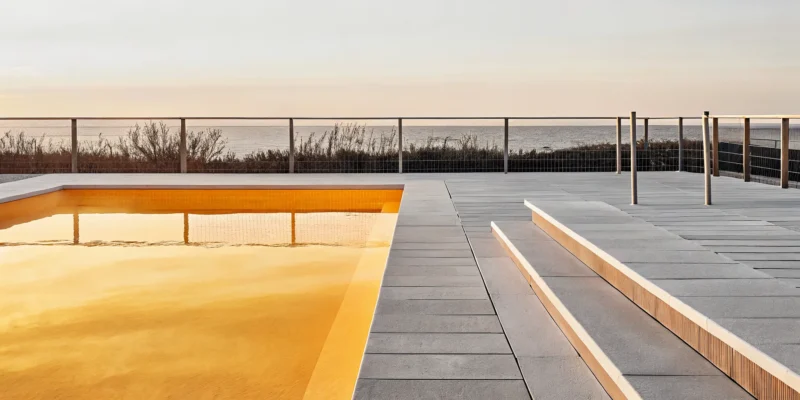
A swimming pool is often the stunning centerpiece of a backyard, but it’s rarely the only piece of the puzzle. You might be dreaming of a cohesive outdoor living space with a beautiful stone patio, a shaded pavilion for dining, and lush landscaping to tie it all together. This complete vision requires a builder who thinks beyond the pool’s edge. Some contractors simply install pools, while others are true partners in creating an entire backyard retreat. To help you find the right fit for your project, we’ve compiled a guide to the Long Island NY best swimming pool companies, focusing on those who can deliver a seamless, fully integrated design for your entire property.
Key Takeaways
- Vet potential builders thoroughly: Your confidence in a project starts with trust. Always confirm a company is licensed and insured, review their past work, and speak with former clients before making a final decision.
- Understand the full cost of ownership: Look beyond the initial installation price. A complete budget should account for your chosen pool type’s long-term maintenance, plus essential elements like decking, safety fencing, and landscaping.
- Choose a partner, not just a contractor: The best results come from collaboration. Find a company that listens to your ideas and communicates clearly, especially if you want a cohesive backyard that integrates the pool with patios, pavilions, or other features.
Who Are the Top Pool Builders on Long Island?
Choosing the right company to build your backyard pool is a major decision. You’re not just buying a product; you’re investing in a lifestyle and trusting a team to transform your property. On Long Island, you have plenty of experienced and reputable builders to choose from, each with their own unique strengths. Some companies specialize in specific types of pools, like vinyl or gunite, while others offer a complete backyard renovation, handling everything from the patio to the landscaping.
Finding the perfect fit depends on your vision, budget, and the scope of your project. Are you looking for a simple, elegant pool, or do you dream of a fully integrated outdoor living space with a kitchen, pavilion, and fire pit? The contractor you select will be your partner for several months, so it’s important to find a team that communicates well and understands your goals. To help you begin your search, we’ve compiled a list of some of the top pool builders serving Nassau and Suffolk counties. This overview will give you a starting point for finding a contractor who can bring your dream backyard to life.
Gappsi – Premier Pool Design and Construction
Gappsi offers a unique, all-in-one approach to backyard transformations. As a full-service outdoor construction company since 1987, they can manage your entire project from start to finish. Gappsi can design and build your swimming pool, as well as patios, masonry walls, outdoor kitchens, pavilions, and landscape plantings. They also specialize in fencing, synthetic turf, and Sports Games Courts. This whole-property approach means you get a cohesive design and a single point of contact for both outdoor living spaces and interior renovations, ensuring a seamless experience.
Swim King Pools – Custom Inground Specialists
With over 40 years of industry expertise, Swim King Pools is a well-established leader in Long Island’s pool and patio construction scene. They focus on delivering high-quality results with an efficient and enjoyable customer experience. Their long history in the community speaks to their commitment to craftsmanship and service. If you’re looking for a seasoned company that specializes in creating beautiful and functional pool and patio areas, Swim King has the deep experience to handle custom inground projects of various styles and complexities.
Dakota Pools – Family-Owned Excellence
Dakota Pools is an award-winning, family-owned and operated business that has been serving Nassau and Suffolk County since 1995. Being a family-run company often means a more personal touch and a direct line of communication with the people in charge of your project. Their focus on building swimming pools and patios has earned them recognition for excellence in the industry. Homeowners looking for a dedicated team with a strong local reputation might find that Dakota Pools is the perfect partner for their backyard project.
Dunrite Pools – Quality and Reliability
Specializing in vinyl liner pools, Dunrite Pools is a top choice on Long Island for building, servicing, and maintaining pools. They offer three main types of pools: in-ground, semi-in-ground, and above-ground, providing flexible options for different backyard landscapes and budgets. Their expertise isn’t limited to new builds; they also have a strong reputation for repairs and ongoing care. For homeowners specifically interested in the benefits of a vinyl liner pool, Dunrite Pools offers focused knowledge and comprehensive services.
Gibbons Pools – Award-Winning Designs
If design accolades are important to you, Gibbons Pools is a standout. The company has won over 300 awards from the Association of Pool & Spa Professionals (APSP) and other local and regional organizations. They were also named Northeast Spa and Pool Association’s “Outstanding Achievement” winner. This impressive track record highlights their commitment to innovative and beautiful pool design. For those who want a truly show-stopping, award-winning pool, Gibbons Pools has a proven history of creating exceptional work.
Patrick’s Pools – NESPA Recognition Leaders
Patrick’s Pools has quickly become a leader in the region, tying for the highest number of NESPA Outstanding Achievement Awards among all competitors in the Northeast last year. This recent recognition demonstrates their commitment to current design trends and high-quality construction standards. Their success in these prestigious awards shows that they are at the top of their game, delivering projects that impress industry experts. Homeowners seeking a builder with a fresh perspective and award-winning credentials should consider what Patrick’s Pools has to offer.
What Services Can You Expect From a Pool Company?
When you decide to build a pool, you’re not just hiring a crew to dig a hole. You’re partnering with a team of professionals who can guide you through every stage of creating and maintaining your backyard oasis. The best pool companies on Long Island offer a comprehensive suite of services that extend far beyond the initial installation. From the first design sketch to weekly upkeep and future upgrades, a full-service company ensures your investment is beautiful, functional, and well-cared-for. Understanding the full range of what a pool builder can do helps you choose a partner who can meet your needs for years to come.
Pool Design and Installation
This is where your vision begins to take shape. A top-tier pool company will work closely with you to design a pool that fits your landscape, lifestyle, and budget. This collaborative process involves choosing the right size, shape, and materials. For instance, Gappsi designs and builds three main types of inground pools for Long Island homeowners: gunite (concrete), vinyl liner, and fiberglass. Each has its own unique benefits, and an experienced designer can help you select the perfect option. They will handle everything from securing permits to the final construction, turning your dream pool into a reality.
Ongoing Maintenance and Repairs
Your relationship with a pool company shouldn’t end when the last tile is set. A pool is a significant investment that requires regular care to stay in pristine condition. Many reputable companies provide ongoing maintenance plans to keep your pool clean, safe, and running smoothly. These services often include weekly cleanings, chemical balancing, equipment inspections, and seasonal openings and closings. Should an issue arise, like a leak or a broken pump, having a trusted repair team on call provides invaluable peace of mind, letting you spend more time enjoying the water and less time worrying about it.
Pool Renovations and Upgrades
Perhaps you have an older pool that could use a modern touch, or maybe your needs have changed over time. Pool companies also specialize in renovations and upgrades to enhance the beauty and functionality of existing pools. This could mean resurfacing the interior with a fresh finish, replacing dated tiles, or adding exciting new water features like waterfalls and jets. You can also make functional upgrades, such as installing an energy-efficient pump or a salt-water system. A renovation can completely transform your pool, making it feel brand new again.
Full Backyard and Patio Integration
A swimming pool is often the stunning centerpiece of a backyard, but it’s just one part of a larger outdoor living space. The most experienced companies can think beyond the pool’s edge to create a cohesive and functional environment. Full-service outdoor construction companies like Gappsi can design and build your entire backyard retreat. This includes integrating the pool with surrounding patios and masonry walls, outdoor kitchens, pavilions, and landscaping. They can even incorporate fencing, synthetic turf, and Sports Games Courts to complete your vision for the ultimate backyard experience.
How Much Does a Pool Cost on Long Island?
Let’s talk about the big question: what will a new swimming pool actually cost? On Long Island, the price can vary quite a bit depending on the type of pool you choose, its size, and the features you add. Think of the pool itself as the starting point. From there, you’ll factor in decking, landscaping, and other elements that create your perfect backyard oasis. It’s easy to get excited about the final vision, but understanding the full financial picture from the beginning is the key to a smooth and stress-free project.
To give you a clear picture of what to expect, I’ve broken down the typical costs for the three main types of inground pools: vinyl liner, fiberglass, and gunite. Understanding the initial investment and long-term upkeep for each will help you plan your budget and make the best choice for your home. We’ll also cover the other details that can influence the final price tag, so you can feel confident when you start talking to contractors. This way, you’re not just buying a pool; you’re making a smart investment in your home and lifestyle.
The Cost of a Vinyl Liner Pool
Vinyl liner pools are often the most affordable option to install, making them a popular choice for many homeowners. The initial installation cost typically falls between $25,000 and $65,000. These pools are built with a custom-fitted sheet of vinyl that lines the excavated hole, which can be made in almost any shape or size you can dream up. This flexibility is a huge plus if you have a specific design in mind.
The main long-term consideration with a vinyl pool is the liner itself. It generally needs to be replaced every 10 years or so to keep it in top condition. This replacement can add an extra $3,000 to $7,500 to your overall costs down the road, so it’s a good idea to factor that into your future budget.
The Cost of a Fiberglass Pool
If you’re looking for a pool that can be installed quickly, fiberglass is an excellent option. These pools are manufactured off-site as a single shell and then delivered to your home to be set in place. This efficient process means installation often takes just three to four weeks, so you can be swimming much sooner.
The upfront cost for a fiberglass pool is generally between $60,000 and $120,000. One of the biggest perks is their smooth, non-porous surface, which is naturally resistant to algae growth. This can make maintenance a little easier and less costly over the life of the pool.
The Cost of a Gunite Pool
Gunite pools are custom-built on-site and offer the most design flexibility. Made from a mixture of cement, sand, and water that’s applied over a rebar framework, they can be shaped into any form you can imagine, from a classic rectangle to a freeform lagoon. The installation cost for a gunite pool usually ranges from $65,000 to $120,000.
Because of their porous surface, gunite pools require more intensive chemical use to keep the water balanced. They also need to be resurfaced every 10 to 15 years to maintain their look and integrity. This maintenance task can cost between $8,000 and $12,000, so it’s an important long-term expense to keep in mind when considering this highly customizable option.
What Other Factors Affect the Price?
The type of pool is just one piece of the puzzle. Several other factors will influence your total project cost. The size and depth of the pool are major considerations, as are any extra features you want to include, like waterfalls, slides, diving boards, or automated covers. These are the fun additions that truly make the space your own.
Your surrounding patio and landscape design also play a huge role. The materials you choose for your pool deck, such as beautiful porcelain or natural stone pavers, will affect the price. Don’t forget to account for essentials like fencing, which is required for safety, as well as any site preparation, grading, and local permit fees that are part of the construction process.
Don’t Forget Annual Maintenance Costs
Once your pool is installed, you’ll have annual maintenance costs to keep it sparkling clean and running smoothly. These costs cover chemicals, electricity for the pump and filter, and opening and closing the pool for the season. It’s a good idea to set aside a budget for this so you can enjoy your pool without any surprises.
The type of pool you have can significantly impact your yearly expenses. For example, the annual upkeep for a concrete pool can range from $2,700 to $4,000 due to higher chemical usage. In contrast, fiberglass pools are less demanding, with typical maintenance costs falling between $500 and $1,500 per year. Planning for these recurring expenses is a smart way to manage your investment.
How to Choose the Right Pool Company
Choosing a company to build your backyard pool is a major decision. You’re not just buying a product; you’re investing in a long-term relationship with a team that will bring your vision to life. The right partner will make the process smooth and exciting, while the wrong one can lead to headaches and disappointment. To make sure you find a builder you can trust, it’s important to do your homework. Taking the time to vet potential companies on a few key criteria will give you the confidence that your project is in good hands from the first design sketch to the first cannonball.
Verify Their Licensing and Insurance
Before you get swept away by beautiful pool designs, start with the practical stuff. The most important first step is to confirm that any company you consider is fully licensed and insured. This isn’t just a formality. Proper licensing proves the contractor meets local and state regulations for construction, which protects the quality and safety of your project. Insurance is just as critical, as it covers you and your property from any liability in case of accidents during the build. A professional company will be upfront with this information, so don’t hesitate to ask for proof. It’s a simple check that provides essential peace of mind.
Look at Their Past Work
A picture is worth a thousand words, especially when it comes to pool construction. Ask to see a portfolio of a company’s completed projects. This is your chance to assess the quality of their craftsmanship and see if their style aligns with your own. Look for examples of pools similar to what you have in mind, whether it’s a specific shape, size, or includes features like waterfalls or an integrated spa. A strong portfolio demonstrates a builder’s experience with local requirements, like zoning and grading. Reviewing their past swimming pool projects will give you a clear idea of what they can deliver and help you visualize what’s possible for your own backyard.
Assess Their Communication Style
Building a pool is a collaborative process, and clear communication is the foundation of a successful partnership. From your very first interaction, pay attention to how the company communicates. Are they responsive to your calls and emails? Do they listen to your ideas and answer your questions thoroughly, or do you feel rushed? You should feel like a valued partner, not just another sale. The best pool builders are transparent and keep you informed every step of the way. Finding a team you can easily talk to will make the entire construction journey much more enjoyable and stress-free.
Ask About Warranties and Support
Your relationship with a pool company shouldn’t end once the water is in. A reputable builder stands behind their work with solid warranties and ongoing support. Before signing any contract, make sure you get a complete understanding of what is covered. Ask specific questions about the warranties for the pool structure, equipment like pumps and filters, and the workmanship itself. How long does the coverage last, and what is the process for making a claim? Getting these details in writing ensures your investment is protected for years to come, giving you confidence long after the construction crew has packed up.
Check Their Reviews and Reputation
What are past customers saying? Checking online reviews and testimonials is one of the best ways to get an unbiased look at a company’s reliability and customer service. Look for a builder with a consistent track record of positive feedback across multiple platforms. A long-standing reputation in the community is also a great sign. A company that has been serving Long Island for decades has proven its commitment to quality and has built a foundation of trust. You can also check out a company’s YouTube channel to see their work in action and get a better feel for their brand and expertise.
Key Questions to Ask a Pool Contractor
Once you’ve narrowed down your list of potential pool builders, it’s time to start the interview process. This is your chance to get a feel for how they operate and to make sure they’re the right fit for your project. A new pool is a significant investment in your home and your family’s enjoyment, so finding a trustworthy partner is just as important as choosing the right design. Being prepared with a list of thoughtful questions will help you compare companies and make a confident decision for your Long Island home.
Pay close attention not just to what they say, but how they say it. Do they take the time to explain things clearly? Are they patient with your questions and transparent about their methods? A great contractor will be happy to walk you through their process, provide clear answers, and address all of your concerns without making you feel rushed. Think of this as the first step in building a strong partnership. The right builder will make the entire experience, from the first shovel in the ground to your first swim, feel exciting and manageable. Their answers should give you peace of mind, not more questions.
What is your timeline and process?
Understanding the project timeline is essential for managing your expectations. Ask any potential contractor for a realistic schedule from start to finish. A swimming pool installation can take anywhere from a few weeks to several months, depending on the complexity of the design, weather delays, and the local permitting process. A professional builder should be able to outline each phase of the project, from excavation and plumbing to decking and final inspection. This gives you a clear roadmap and helps you know what to expect at every stage.
Can I get a detailed cost breakdown?
While it’s tempting to focus on the final number, a detailed cost breakdown is far more important. Ask for an itemized quote that lists the expenses for materials, labor, equipment, and any additional features. This transparency helps you understand exactly what you’re paying for and prevents surprise costs later on. Pool prices can vary significantly based on the materials you choose, the size of the pool, and custom features. A clear breakdown allows you to compare offers accurately and ensures there are no hidden fees in the fine print.
What are my design and material options?
This is where the fun begins. Ask your contractor to walk you through all the available design and material choices. The three main types of inground pools on Long Island are gunite, vinyl liner, and fiberglass, and each has its own unique advantages. For example, vinyl-lined pools offer a huge variety of liner patterns for a custom look, while fiberglass pools are known for their smooth finish and faster installation. Discussing your vision and how you plan to use the space will help your builder recommend the best materials and designs for your family’s needs.
Can you provide references?
A reputable pool company will always be proud of its past work and happy to provide references. Ask for a list of previous clients you can speak with about their experience. Hearing directly from other homeowners is one of the best ways to gauge a company’s professionalism, communication, and quality of work. You can also ask to see a portfolio of their completed projects. Many companies showcase their work on platforms like YouTube, giving you a firsthand look at their craftsmanship and design capabilities before you sign a contract.
Common Mistakes to Avoid When Hiring a Pool Builder
Building a pool is a huge and exciting step for any homeowner. It’s a major investment in your property and your family’s enjoyment. With so much on the line, it’s completely normal to feel a little overwhelmed by the process of choosing a builder. You want to get it right the first time. To help you feel more confident, I’ve put together a list of the most common missteps homeowners make when hiring a pool company. Knowing what to look out for will help you find a reliable partner to bring your backyard vision to life.
Avoiding the “Lowest Bid” Trap
It’s always tempting to go with the lowest quote, but when it comes to pool construction, the cheapest bid can end up costing you more in the long run. An unusually low price can be a red flag for subpar materials, rushed workmanship, or hidden fees that pop up later. Instead of focusing only on the initial price, think about the overall value. A well-built pool from a reputable company will last for decades with proper care, while a poorly constructed one can lead to expensive repairs. A quality swimming pool installation is an investment in your home’s future, so prioritize craftsmanship and reliability over the lowest possible price tag.
Forgetting to Check References
This one is so important. Before you sign any contracts, do your homework on the builder. A professional company will be proud to share their portfolio and connect you with past clients. Ask for references and actually call them. Inquire about their experience, the crew’s professionalism, and how the company handled any issues that arose. You should also verify that the builder has the proper licensing and insurance for your area. Looking through a company’s past projects can give you a great feel for their style and the quality of their work, helping you picture what they could do for your own backyard.
Rushing Into a Decision
Finding the right pool builder is a bit like dating. You probably wouldn’t commit to the first person you meet, and you shouldn’t feel pressured to hire the first contractor you speak with. Take your time to interview at least a few different companies. This allows you to compare not just prices, but also their design ideas, communication styles, and overall process. A good builder will listen to your vision and collaborate with you. This decision sets the foundation for your entire project, so make sure you choose a team you trust. A pool is often part of a larger backyard transformation, so finding the right partner is key.
Not Reading the Fine Print
I know, contracts are boring, but skipping the fine print is a recipe for trouble. A pool construction contract is a detailed legal document that outlines every aspect of the project, from the payment schedule and timeline to the specific materials being used. Make sure you read and understand every single line before you sign. Pay close attention to the warranty details for both the equipment and the workmanship. Understanding what’s covered helps you plan for long-term care, like future restoration and sealing to keep your pool deck pristine. A trustworthy contractor will be happy to clarify any points of confusion, ensuring you’re fully protected.
Related Articles
- Swimming Pool Builders Contractor Long Island NY – Gappsi Group
- pool builders long island Archives – Gappsi Group
- Backyard & Pool Renovation Solutions for Long Island | Gappsi Inc
- Long Island Swimming Pool Design & Construction NY | Gappsi
- Inground Pool Installation Long Island: A 2026 Guide
Frequently Asked Questions
What’s the best time of year to start building a pool? While you can start the process any time, many homeowners find that fall is the ideal season to begin construction. Starting your project after the summer rush often means you can avoid disrupting your prime backyard season. It also allows the construction to take place during the cooler off-season months, ensuring your new pool and patio are completely finished and ready for you to enjoy as soon as the warm weather returns in the spring.
Why should I consider a company that handles the entire backyard project, not just the pool? Hiring a company that manages the entire backyard transformation creates a more seamless and cohesive experience. When one team designs and builds your pool, patio, landscaping, and other features like an outdoor kitchen or pavilion, you get a unified design where every element works together perfectly. This approach also simplifies communication, as you have a single point of contact managing the entire project, which prevents scheduling conflicts and ensures a smoother process from start to finish.
How long does the pool installation process usually take? The timeline for building a pool can vary quite a bit, but a typical inground pool project on Long Island often takes between 6 and 12 weeks from the first day of excavation to the final inspection. The exact duration depends on several factors, including the type of pool you choose (fiberglass is often the quickest), the complexity of the design, the local permitting process, and, of course, the weather.
Besides the pool itself, what are the most common costs I should budget for? It’s smart to plan for a few essential costs beyond the pool structure and basic installation. The most significant additions usually include safety fencing, which is required by law in most areas, and the surrounding patio or pool deck. You should also account for landscaping to integrate the pool into your yard, any necessary electrical work for pumps and lighting, and the initial cost of filling the pool with water and getting the chemicals balanced.
What’s the real difference in long-term maintenance between pool types? The type of pool you choose directly impacts your long-term maintenance routine. Gunite pools, with their porous surface, generally require more attention to chemical balancing to prevent algae and will need to be resurfaced every 10 to 15 years. Vinyl liner pools are less chemically demanding, but the liner itself will likely need to be replaced about once a decade. Fiberglass pools typically require the least amount of upkeep, as their smooth, non-porous surface is highly resistant to algae and doesn’t need resurfacing.
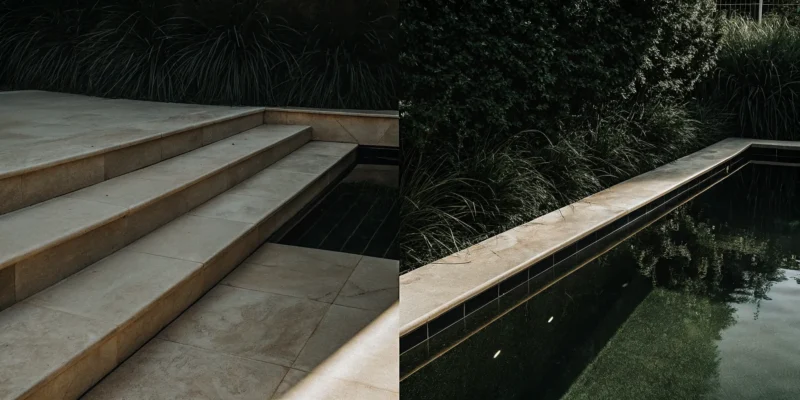
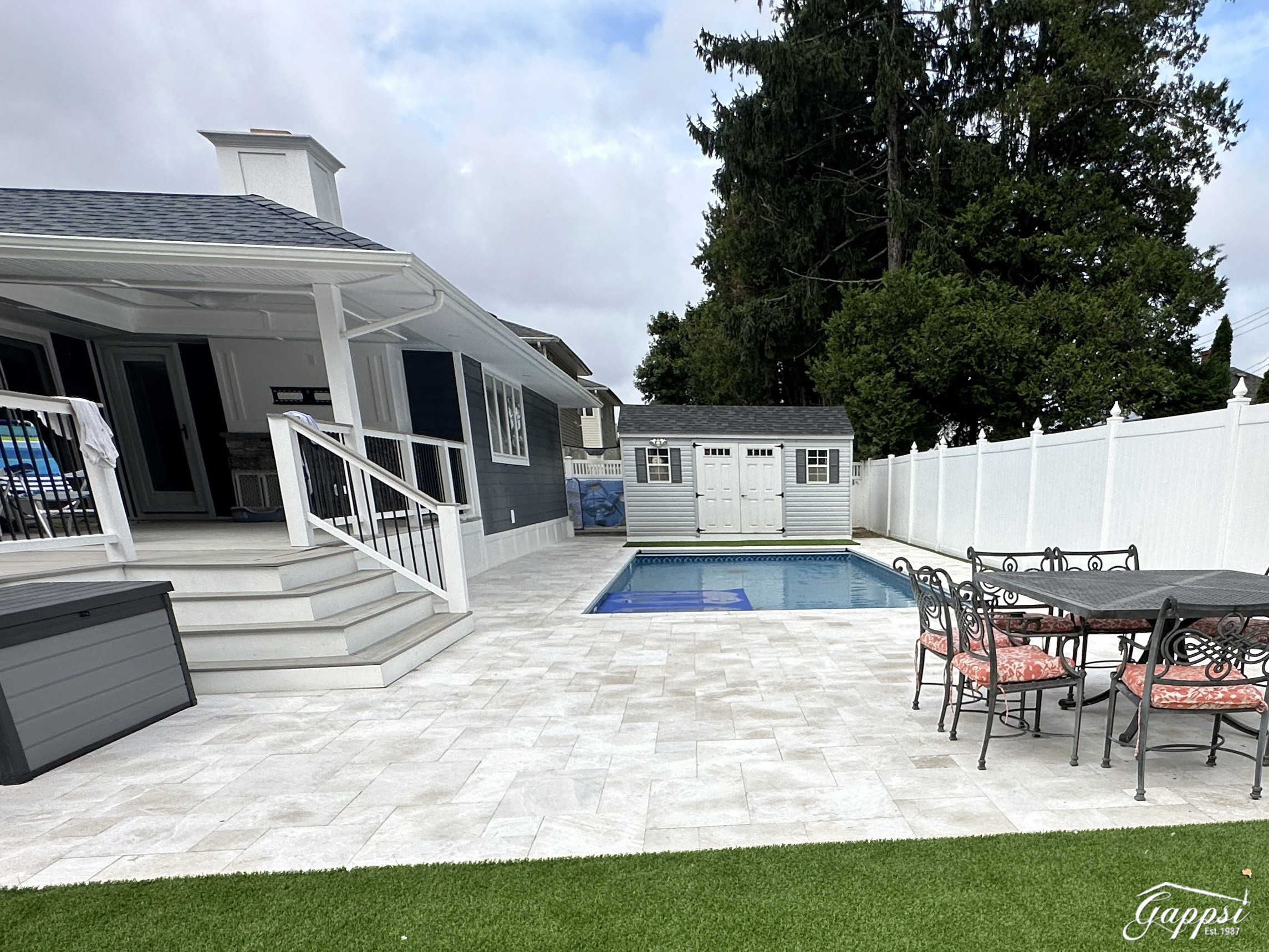 G043 Marble Pavers & Pool Coping