


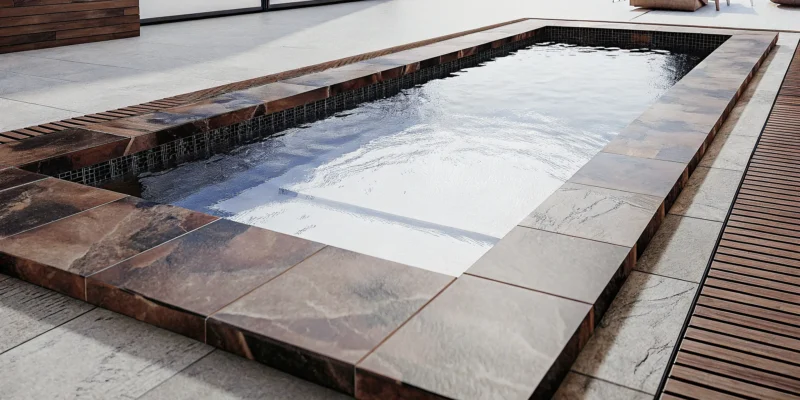
Hydrazzo pool finish colors decide whether a luxury pool feels quietly refined or visually disconnected. On Long Island, the right blend should complement the home, surrounding stone, sunlight, and desired water color.
Schedule a pool design consultation with Gappsi
Hydrazzo pool finish colors shape both the visible pool floor and the water’s overall tone. Light white and pale blue blends tend to create bright, clear-looking water, while gray, deeper blue, and darker blends produce a richer, more dramatic appearance. The final effect also depends on pool depth, sun exposure, nearby landscaping, and the tile and coping selected around the edge. For a luxury pool on Long Island, the strongest choice connects the pool to the home’s architecture and outdoor materials. It does not simply favor the boldest sample. Review full-size samples in daylight and compare them beside the planned stone and tile. Then judge how each option will look across shallow steps and deeper swimming areas before making the final selection.
Choosing among polished whites, cool blues, and deeper tones becomes easier once each option is tied to a clear design goal. Hydrazzo pool finish colors at a glance is the natural starting point for comparing those visual differences, so begin there.
Hydrazzo pool finish colors at a glance
Hydrazzo pool finish colors help set the visual tone of a pool before water enters it. Light finishes tend to support a bright, open look. Blue and gray choices can add more depth or create a stronger contrast with pale stone.
The table below offers a practical starting point, not a promise of an exact result. Water depth, sun, shade, nearby plants, sky color, and deck materials can all change what you see.
Popular color comparisons
| Hydrazzo color | Expected water appearance | Design style it supports |
|---|---|---|
| Arctic White | Clear, pale blue in bright sun | Clean, classic, or resort-inspired spaces. |
| Catalina Blue | Fresh medium blue | Relaxed coastal or family pool designs. |
| Pacific Blue | Rich blue with added visual depth | Bold, modern, or tropical settings. |
| Maui | Blue-green or aqua cast | Lagoon-inspired and natural designs. |
| French Gray | Soft blue-gray | Modern, understated, or stone-led spaces. |
| Gulfstream Blue | Deep, saturated blue | Dramatic pools and strong landscape contrast. |
The comparison above shows the broad visual direction of each option.
Arctic White is often the safest choice when the goal is a crisp, bright pool. French Gray gives the water a quieter cast and pairs well with cool-toned paving, including modern porcelain paver options. Maui brings more green into the view, which can suit lush planting and natural stone.
For a stronger blue effect, Catalina Blue, Pacific Blue, and Gulfstream Blue move from fresh to deep. The final look still shifts across the pool because deeper areas often appear darker than steps and tanning ledges.
Why the same finish can look different
A finish sample shows its base color and aggregate, but it cannot copy the full setting. Direct sun may make water look brighter. Shade, clouds, trees, and darker coping can make the same finish seem deeper or more muted.
Water care also shapes how clearly the finish reads. The EPA’s pool water efficiency guidance notes that covers can limit evaporation and help maintain water levels. Steady care makes it easier to judge the finish rather than changes at the surface.
A better way to choose
Start with the water color you want, then compare finishes beside the actual coping, tile, and deck material. View each sample in sun and shade. If possible, inspect completed pools with similar depth and surroundings before making the final choice.
Also decide whether the pool should blend with the landscape or stand apart from it. Pale finishes often feel open and calm. Deep blues create a stronger focal point, while gray and aqua tones can bridge modern materials with planted areas.
What makes Hydrazzo a luxury pool finish?
Hydrazzo is a polished marble pool finish chosen for its refined look and smooth feel. Unlike a finish that puts texture first, it creates a calm surface with depth and soft visual movement. The available hydrazzo pool finish colors also help designers connect the pool water with the surrounding stone, tile, and landscape.
Polished marble character
The luxury impression starts with marble aggregate that is polished after application. Polishing reveals the stone while creating a surface that feels smooth underfoot. It also gives the finish a gentle sheen rather than a flat, uniform appearance.
Each installation has natural variation. Small shifts in marble tone and placement create variegation across the pool floor and walls. That movement can make the water look layered as light changes through the day. It also means the finished pool has its own character, rather than the repeated look of a printed pattern.
Color with depth
A finish color does more than coat the pool shell. Its base tone, exposed marble, water depth, sunlight, and nearby materials all shape the final view. For that reason, a color sample should guide the design, not serve as an exact promise.
Lighter selections can support a bright, clear look. Deeper shades often create a richer and more reflective appearance. In both cases, the marble adds fine variation that keeps broad areas from looking plain. This depth works well in formal pools, modern yards, and resort-style settings.
Durability depends on care
Hydrazzo is often selected when the design calls for both polish and a durable marble-based surface. Still, no pool finish performs on material choice alone. Skilled application, proper startup, balanced water, and steady care all help protect its look and feel.
Water chemistry deserves close attention because the pool surface stays in contact with treated water. The CDC guidance on pool water treatment and testing explains why owners should test water. It also advises owners to maintain proper disinfectant and pH levels. A consistent care plan can reduce avoidable stress on the finish.
For luxury pool design, the strongest choice is usually the one that fits the whole setting. Review color samples beside coping, tile, decking, and nearby walls. Then consider how sun, shade, and water depth may change the view. Hydrazzo stands out when its polished marble character supports the architecture instead of competing with it.
Popular Hydrazzo colors and the looks they create
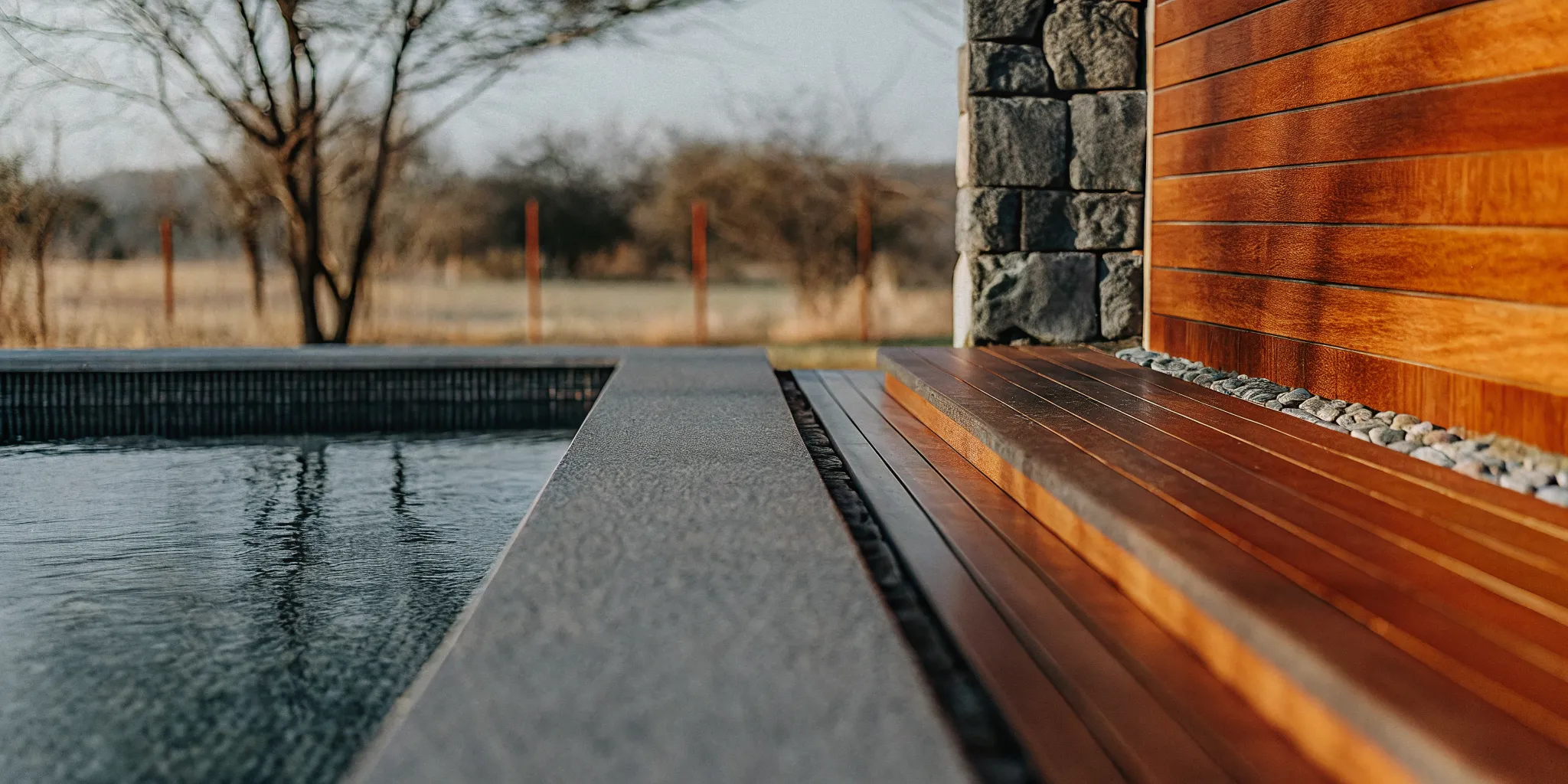
Hydrazzo pool finish colors range from bright white to deep black, with several blues, grays, and blue-green blends between them. Each choice can shape the water’s apparent tone, yet the finished view is never based on the surface color alone. Pool depth, sunlight, shade, nearby plants, and deck materials all affect what the eye sees.
Use color names as a useful starting point, not a promise of one exact result. The same finish may look pale on a sunny step and much richer in the deep end. Reviewing a full pool, a large sample, and nearby materials can give a clearer sense of the likely effect.
Bright and classic blue tones
Arctic White is the cleanest and brightest option in this group. It tends to support a clear, light blue water look in strong daylight. The pale base can also make shadows, leaves, and reflected clouds more visible. It suits settings built around crisp stone, white accents, or a simple resort-style palette.
Gulfstream Blue brings more blue into the finish while keeping the overall look lively. It can read as fresh and inviting rather than dark. Catalina Blue moves toward a fuller mid-blue character. It often feels balanced in pools where the owner wants distinct blue water without choosing the deepest finish.
Mediterranean Blue and Pacific Blue create increasingly rich blue impressions. Mediterranean Blue can support a deep, classic blue mood that pairs well with warm stone and green planting. Pacific Blue is a bold option that may make deep areas appear more intense. Both can shift from bright blue to darker blue as light changes.
Soft gray and blue-green choices
Hatteras Gray has a cool gray base that can give the water a calm, muted blue cast. Its restrained look works well beside concrete, bluestone, and other cool-toned materials. French Gray is often the softer choice. It can create a gentle blue-gray appearance that feels less stark than white and less strong than a true blue finish.
Bimini Teal introduces a clear blue-green direction. It can suit tropical planting, tan decking, or a yard designed around warm natural colors. Jamaican Mist has a softer, mixed character. Its visual appeal comes from subtle variation, which can make the water feel relaxed and less uniform than a solid-looking blue.
Blue-green finishes can respond strongly to their surroundings. Green plants may strengthen the green cast, while open sky may pull the view back toward blue. Compare samples beside the planned coping and deck, since those nearby colors remain in view whenever someone looks at the pool.
Deep and dramatic finishes
Black Maui sits at the darkest end of the palette. It can create a deep lagoon or reflecting-pool effect, especially in shaded areas or pools with broad, still views. In direct sun, the water may show more blue and reveal greater variation across steps, benches, and changing depths.
A dark finish can make the pool a strong visual anchor, but it also changes how the whole setting feels. It may suit modern landscapes, natural stone, or dense planting. Before choosing it, compare the finish in sun and shade. Also view it at several depths, because shallow ledges will not look like the pool floor.
The most useful comparison is not simply light versus dark. Consider whether the pool should feel crisp, classic, muted, tropical, or dramatic. Then narrow the Hydrazzo pool finish colors to the options that support that goal and work with the fixed materials around the water.
Why does the same Hydrazzo color look different in every pool?
A Hydrazzo sample shows the finish itself, but it cannot show the exact water color your completed pool will have. Water, light, depth, and the setting all change what your eye sees. That is why hydrazzo pool finish colors can look different across two pools, even when both use the same blend.
Finish color and water depth
The finish base sets the starting point. White and light bases often create a bright, clear look, while blue, gray, or darker bases add more depth. The aggregate and polished surface can also shift the tone as sunlight moves across the pool.
Water depth makes that starting color appear lighter or darker. Shallow steps and sun shelves often look close to the dry finish sample. Deeper areas tend to look richer because light travels through more water before it returns to your eye. The National Ocean Service explanation of blue water shows how water absorbs colors from the light spectrum.
Sun, shade, and the Long Island sky
Direct midday sun can make the water look bright and clear. Morning light, late-day light, clouds, and shade can bring out gray or green notes. A color viewed on a sunny afternoon may look much deeper after sunset or during a cloudy Long Island morning.
Seasonal changes matter too. Summer sun sits higher and reaches more of the pool surface. In spring and fall, lower sun angles can create longer shadows from the house, fence, and trees. A shaded pool may never match a photo taken in full sun, even with the same finish.
Reflections from the surrounding yard
Pool water acts like a moving mirror. It reflects blue sky, green plants, pale stone, dark masonry, and nearby buildings. A light limestone patio may make the scene feel brighter. Dense trees, dark pavers, or a shaded retaining wall can make the same water look cooler or deeper.
Underwater lights add another layer after dark. Warm white lights can soften blue and gray tones, while cooler lights may make them appear sharper. Light placement also affects how evenly the finish reads across steps, benches, walls, and the deep end.
Choose the finish as part of the whole yard, not as a stand-alone swatch. Compare wet samples outdoors at different times of day. Then review the pool depth, shade pattern, masonry, plants, and planned lights with Gappsi’s custom swimming pool design team. This gives you a more useful view of the color changes to expect.
How to choose a Hydrazzo finish color
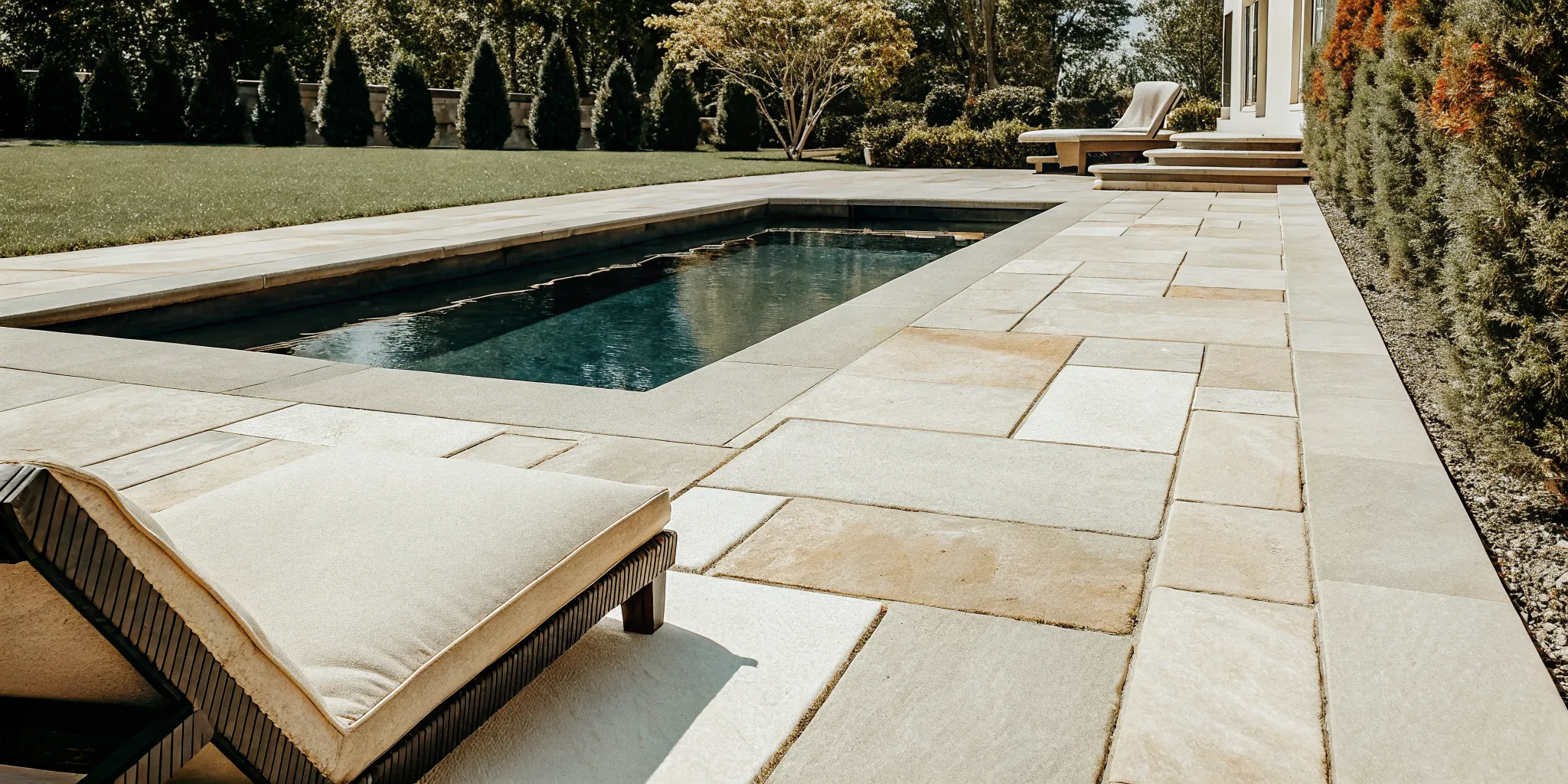
Choosing among Hydrazzo pool finish colors starts with the water, not a small color chip. The same finish can look different once water, sun, shade, and pool depth shape the view. A clear process helps keep the finish tied to the full backyard design.
Your water-color goal
First, decide how you want the filled pool to look from the patio and the house. Pale finishes tend to support a bright, clean look. Deeper blues and darker blends can create a richer tone. Your choice should also fit the mood of the surrounding space.
-
Define the water-color goal. Choose a broad direction, such as pale aqua, clear blue, deep blue, or a darker lagoon look. Use that goal to narrow the finish options before comparing small details.
-
Coordinate the full material palette. Compare each finish with coping, patio stone, house colors, and nearby plants. A finish should support those fixed features rather than compete with them.
-
Review physical samples. Look at full samples outdoors instead of choosing from a screen or printed card. View them beside the planned coping and patio materials at more than one time of day.
-
Assess depth and sun. Compare the sample in direct light, shade, shallow areas, and deeper water when possible. The EPA UV Index guidance explains how sun strength changes during the day and with local conditions.
-
Confirm installation details. Ask the design-build team how the selected blend, application, exposure, and startup plan will affect the final look. Record the exact product name and approved sample before work begins.
Materials around the pool
Coping and patio colors form the frame around the water. Warm limestone, cool gray porcelain, and mixed natural stone can each shift how a blue finish reads. Place the options together, then step back far enough to judge the palette as one scene.
Landscape colors matter too. Green planting, wood structures, and shaded seating areas can soften or deepen the water’s apparent tone. Review these parts with the pool finish so the surface does not become an isolated choice.
Samples and installation details
A small dry sample is useful for narrowing choices, but it cannot show the complete result. Ask to see completed pools with a similar depth, sun exposure, and material palette. Visit them in daylight when possible, since phone images may alter both color and contrast.
Before approving the finish, confirm what the sample represents and how the crew will apply it. Ask about aggregate exposure, expected shade variation, and the pool startup process. An experienced design-build team can explain which differences are part of the finish and which details need correction.
Keep the approved sample, finish name, and related material choices together in the project record. This gives the owner, designer, and installer one clear reference. It also makes final review more direct once the pool is filled and the surface has settled into its finished appearance.
Compare Hydrazzo colors with Gappsi at the Smithtown showroom
Coordinating your pool finish with the complete backyard
A pool finish should not be chosen as an isolated color sample. Water, sunlight, pool depth, and nearby materials all affect how it looks. Compare Hydrazzo pool finish colors beside the coping, pavers, masonry, and home exterior before making a final choice.
For a Long Island backyard, the full setting also includes seasonal changes. Summer sun can make water look brighter, while shade from trees or the house can deepen its tone. Reviewing every surface together helps create a yard that feels planned rather than pieced together.
Pool shape, coping, and paving
Start with the pool shape and the lines around it. Gappsi’s swimming pool design and construction services connect the finish decision to the complete pool plan. A formal rectangular pool often works well with crisp coping and a simple finish tone. Freeform pools can pair well with softer colors and paving that follows the curves.
Coping creates the visual border between water and patio. Light coping can sharpen the edge and brighten the water. Darker coping adds contrast, but it may also draw more attention than the finish itself. Gappsi can coordinate coping and paving through its masonry design and construction services as part of an integrated plan for the full backyard.
Masonry and outdoor living areas
The pool should connect naturally to patios, retaining walls, fire features, and outdoor kitchens. Review Gappsi’s natural stone options when selecting a finish beside stonework. Repeat one or two material tones across these areas instead of matching every surface. This approach creates unity while letting the pool remain the main visual feature.
Warm beige or cream finishes often sit well beside tan stone and warm masonry. Gray or blue-gray finishes can support a cooler palette with bluestone, concrete, or dark accents. View samples near the outdoor kitchen and patio because those spaces frame many common views of the pool.
Planting, light, and drainage
Landscaping changes both the color and mood around the water. Deep green planting can make pale finishes feel fresh and bright. Flowers, ornamental grasses, and evergreen beds also bring texture without competing with the pool surface.
Plan planting beds, lighting, and drainage before the finish is installed. The EPA WaterSense outdoor guidance explains practical ways to use water wisely in a landscape. That planning can help keep soil, mulch, and runoff away from paved areas and the pool edge.
At night, test how warm and cool lighting affects the chosen finish. Also check views from the house, patio, and outdoor kitchen. Coordinating the full site early gives each material a clear role. It also helps the finished Long Island backyard read as one complete space from every main seating area.
What should you know before selecting Hydrazzo?
Installer skill and pool condition
A polished Hydrazzo surface depends on careful prep, application, and polishing. Ask each installer about direct experience with this finish, not just general plaster work. Review completed pools in person when possible, since photos can hide texture, mottling, and changes caused by light.
The pool shell also needs a close review before renovation begins. Cracks, hollow areas, leaks, old repairs, and worn fittings may call for added work. A sound plan should explain what will be removed, repaired, replaced, and tested before the new finish goes on.
Discuss the whole renovation scope, including tile, coping, drains, returns, lights, and equipment. This helps prevent a new interior from being paired with worn parts that soon need service. It also gives the installer a chance to plan clean transitions around every fitting.
Startup and balanced water
Startup is part of the finish process, not an optional final step. Before work starts, confirm who will fill the pool, test the water, brush the surface, and adjust chemistry. Get those duties and the startup schedule in writing so no step is left unclear.
Balanced water helps protect swimmers, pool equipment, and interior surfaces. The CDC guidance for healthy swimming explains why disinfectant and pH need regular checks. Follow the finish maker’s care guidance and ask the installer which test results should be tracked during startup.
Source water can affect the startup plan. Well water, hard water, metals, or an unusual fill source may need added testing before filling. Share any known water issues early, then confirm how the team plans to handle them.
Color expectations and routine care
Compare hydrazzo pool finish colors under conditions that match your yard. Sun, shade, pool depth, nearby plants, and the sky can all affect how the water appears. View a full-size finished pool instead of choosing from a small sample alone.
Ask how normal variation may appear across steps, benches, walls, and the deep end. The installer should explain what a polished surface can look and feel like after startup. Clear expectations make it easier to judge the completed work fairly.
Routine care still matters after startup ends. Keep a simple log for test results, chemical changes, brushing, cleaning, and service visits. Avoid harsh tools or unapproved treatments, and ask for written care steps before anyone performs stain or scale work.
Before selecting the finish, compare bids by scope rather than price alone. Confirm surface prep, repairs, startup duties, water testing, care instructions, and final inspection. A detailed proposal gives you a clearer view of both the finished look and the work required to maintain it.
Request a complete pool design and finish consultation
Frequently Asked Questions
Is Hydrazzo suitable for refinishing an existing pool?
Hydrazzo can be suitable for refinishing an existing pool when the shell is sound and properly prepared. Before installation, a qualified contractor should inspect cracks, hollow areas, leaks, fittings, and previous repairs. The proposal should clearly state which old material will be removed and how defects will be corrected. Gappsi’s swimming pool service team can help assess existing tile, coping, drains, returns, and lights before a new finish is applied.
How soon can you swim after a Hydrazzo pool finish is installed?
The swimming date depends on the installer’s startup plan, fill timing, and confirmed water chemistry. Do not enter the pool until the contractor or service professional approves it for use. The CDC’s healthy swimming guidance explains that disinfectant and pH require regular checks. Ask who will test, brush, and adjust the water during startup, then follow the written schedule.
Does a darker Hydrazzo finish make pool water warmer?
A darker Hydrazzo finish may absorb more sunlight than a pale finish, but it does not guarantee noticeably warmer water. Pool temperature also depends on sun exposure, air temperature, wind, pool depth, circulation, and cover use. Choose a dark finish for its visual effect rather than as a heating method. If temperature control matters, compare suitable covers and heating options during pool planning.
How do you clean a polished Hydrazzo pool finish?
Clean polished Hydrazzo with tools, chemicals, and methods approved by the finish maker and installer. Maintain balanced water, brush as directed, remove debris, and keep a record of test results and treatments. Avoid harsh tools or unapproved stain and scale treatments because they may affect the polished surface. Ask for written routine-care instructions before startup ends, and consult a qualified pool professional when discoloration appears.
Ready to Choose Your Hydrazzo Pool Finish Color?
Delaying your finish selection can slow the design process and leave less time to compare colors beside your stonework, landscape, and home style. Starting now gives you time to review each option under changing light and decide how you want the water to look throughout the day. An early choice also keeps the finish connected to the wider pool plan, reducing rushed decisions when construction details and schedules begin coming together.
Ready to move from color ideas to a clear direction for your Long Island pool? Request a pool design consultation or schedule a visit to the Smithtown showroom. You can discuss your preferred look, compare practical design options, and take the next step with a plan shaped around your property.