The Ultimate Pickleball Basketball Court Combo Guide

You don’t need a massive estate to create an amazing outdoor activity hub. Many Long Island homeowners believe they have to choose between their favorite sports due to space constraints, but that’s simply not the case. With smart design, you can have it all. A standard basketball court footprint, for example, provides more than enough room for multiple other games. By incorporating different colored lines and adjustable equipment, a single area can serve many purposes. A pickleball basketball court combo is the perfect example of this efficiency, turning one dedicated space into a versatile arena for year-round activity and family fun.

pickleball-basketball-sports-game-court-suffolk-county-mattituck-new-yorkPickleball basketball sports game courts in Suffolk County are becoming more popular.  Turn your basketball court into a multi-sport game court.  Every game court we install is custom-built to meet the unique needs of your family and your home or backyard. Our residential backyard game court surfaces are designed to have superior shock absorption that makes it easier on your knees and joints and have longer-lasting material, consistent ball bounce, and natural water drainage. Gappsi offers an array of colors, designs, and accessories and can add a family crest or team logo for a personal touch.

Why have one court for one sport?  You can have multiple sports on the same court?

All our court accessories are integratable.  They fit together making it convenient and easy to change your Sports Game Court into something special. There are dozens of games that you can play on your multi-sport game court, including basketball, volleyball, tennis, futsal, pickleball, and much more.

By altering the court layout, line configuration, and adding a few components, you can add to your space.  The area for a basketball court could be turned into a space for a multi-sport activity center!   A half-basketball court could be modified to accommodate volleyball, pickleball, badminton, short-court tennis, tennis practice, and soccer.  All we have to do is add a net post with a net and a 10×20 rebounder. If would you like to add additional court lines for another sport, let us know.  We will accommodate you as best as possible.

Gappsi Sports Game Court installed adds value to your home. Most importantly people can enjoy more sports on the same court. No need to worry that your child will lose interest in basketball after investing in a court.  The court will be good for many other sports as well!  One kid loves volleyball, another loves soccer and basketball, and the other loves all three.  You can have it all on one Gappsi multi-sports game court. Playing different sports all year sharpens your motor skills.  It is a great way to avoid the burnout associated with constantly playing the same one.

pickleball-basketball-sports-game-court-suffolk-county-mattituck-new-york1Pickleball and Basketball Combo Sports Game Court

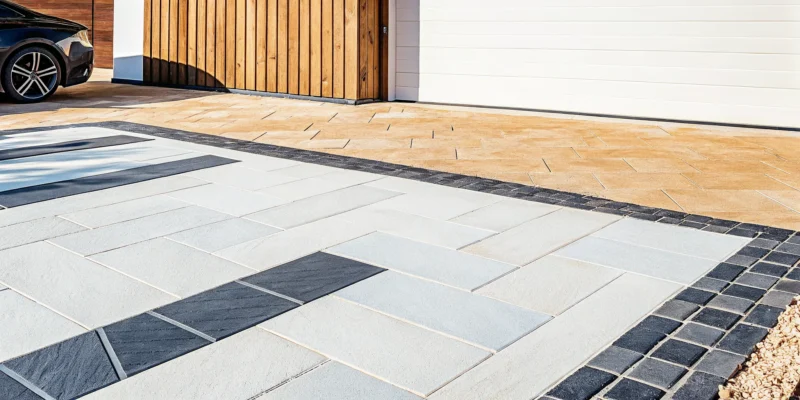
We recently completed a pickleball and basketball court combination built by Gappsi in Mattituck Long Island NY. This home is on the North Fork of Long Island.  We installed Mateflex tiles in a light gray color with a border in black. We stripped the basketball court with black lines and the pickleball court with white lines.

It all adds up to highly functional, specialized athletic flooring solutions brought to you by America’s premier manufacturer of modular sports flooring. Mateflex is an excellent choice for all indoor sports flooring or outdoor athletic court applications.

Planning Your Pickleball and Basketball Court Combo

So, you’re ready to create a space that brings everyone together for some friendly competition? Combining a pickleball and basketball court is a brilliant way to maximize your backyard’s potential and offer something for everyone. Proper planning is the key to creating a versatile and safe playing environment that your family will enjoy for years. Before you start picking out colors and equipment, it’s important to think through the layout, dimensions, and how you’ll use the space. A well-designed court not only looks great but also functions seamlessly, whether you’re shooting hoops or serving an ace. This initial planning phase ensures your investment pays off with endless hours of fun and activity.

Thinking about the specifics now will save you from headaches later. Consider who will be using the court most often. Are you a family of avid pickleball players who also enjoy a casual basketball game? Or are you training the next basketball star who might want to try other sports? Your primary use will influence the final design. At Gappsi, we specialize in creating custom sports game courts that are tailored to your family’s unique needs. We can help you map out the perfect multi-sport layout, ensuring every line and component serves a purpose and contributes to a safe, high-performance athletic surface.

Understanding Court Layout and Dimensions

The first step in designing your dream court is getting familiar with the standard dimensions and how they can work together in your space. A clear understanding of the required area for each sport is crucial for creating a functional and regulation-compliant court. While a full-sized basketball court offers a massive canvas to work with, even smaller spaces can be transformed into incredible multi-sport zones with clever design. It’s all about using the space efficiently to accommodate different activities without feeling cramped. This is where precise measurements and a professional layout plan make all the difference, turning a simple patch of land into a premier athletic destination right in your backyard.

Standard Court Sizes

Let’s start with the numbers. A standard pickleball court measures 20 feet wide by 44 feet long for both singles and doubles play. In contrast, a regulation basketball court is significantly larger, coming in at 50 feet wide and 94 feet long. This size difference is exactly what makes the combination so effective. The expansive area of a basketball court provides more than enough room to incorporate pickleball, giving you multiple playing options within a single footprint. This allows for a smooth transition between games without compromising the integrity of either sport.

Maximizing Your Space: How Many Courts Can Fit?

Given the dimensions, a single regulation basketball court can easily accommodate two or even three pickleball courts. The exact number depends on how much space you want to leave between them for player movement and safety. With a thoughtful layout, you can create dedicated zones for each sport, ensuring that you can host a pickleball tournament one day and a three-on-three basketball game the next without any issues. This level of versatility makes your backyard the go-to spot for neighborhood fun and family gatherings, offering something for every age and skill level.

Popular Layout Combinations

Your court doesn’t have to be limited to just two sports. A half-basketball court layout can be expertly modified to include lines for volleyball, badminton, and short-court tennis. By integrating features like adjustable net posts, your sports game court can quickly transform into a versatile activity center. This approach allows you to introduce new games to your family and keep the space exciting and engaging for everyone, regardless of their athletic interests. Imagine the possibilities for summer parties and weekend activities when your court can adapt to any game you choose to play.

Ensuring Safety with Proper Spacing

Safety should always be a top priority in your court design. When laying out multiple pickleball courts, it’s a good practice to leave 10 to 12 feet of space between them. This buffer zone gives players enough room to move freely and react during fast-paced games without worrying about colliding with players on an adjacent court. It also provides space for spectators to watch comfortably without being in the line of fire. Professional installation ensures these safety standards are met, creating a secure environment for all ages to enjoy their favorite sports without worry.

Top 5 Reasons Mateflex is the Best Tile Choice

  1. Player Comfort is King: Mateflex tiles boast a unique leaf spring design that absorbs impact, reducing stress on your joints and muscles. This translates to less stress and fatigue on the legs and knees, allowing you to play longer and harder.
  2. Built to Last: Mateflex tiles are crafted from high-grade, durable materials.  They are resistant to the elements and general wear and tear.
  3. Quick on the Draw (and Dry): The innovative rib system allows for superior drainage.  You’re back on the court in no time after a rain shower. No more waiting for puddles to disappear to continue play!
  4. Versatility is Key: Mateflex tiles are perfect for indoor or outdoor courts and can be easily customized to fit any playing space.
  5. Game Changer for All Levels: Whether you are a seasoned competitor or a casual player enjoying a friendly match.  Mateflex courts provide a safe enjoyable playing experience that will elevate your game.

How Modular Tiles Affect Ball Performance

When you’re investing in a court, you want to know how it plays. The performance of modular tiles, like the Mateflex system, is designed to deliver a great experience for both pickleball and basketball. The interlocking tiles create a surface with a consistent and true ball bounce, which is crucial for predictable play. The surface also features a specialized texture that provides excellent grip, allowing you to make quick, athletic movements with confidence. While the bounce on a modular tile court may be slightly softer than on solid concrete, this is intentional. The design absorbs impact, which reduces stress on your joints and allows for longer, more comfortable games. This makes it an ideal surface for backyard sports game courts where players of all ages and skill levels will be active.

VIEW OUR SPORTS GAME COURTS GALLERY

pickleball-basketball-sports-game-court-suffolk-county-mattituck-new-york3Sports Game Court Foundation Options

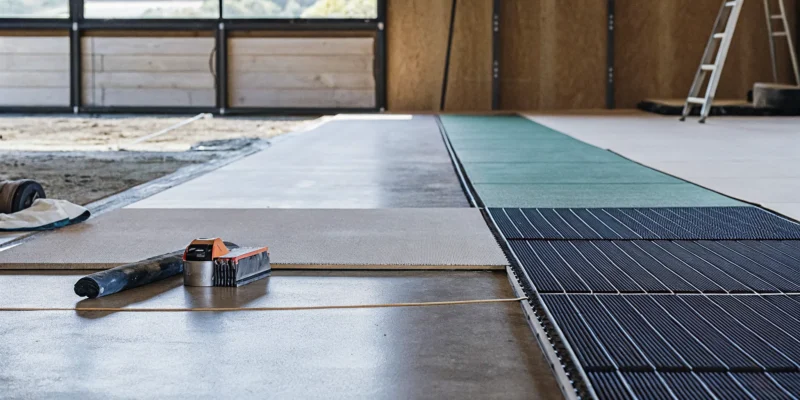
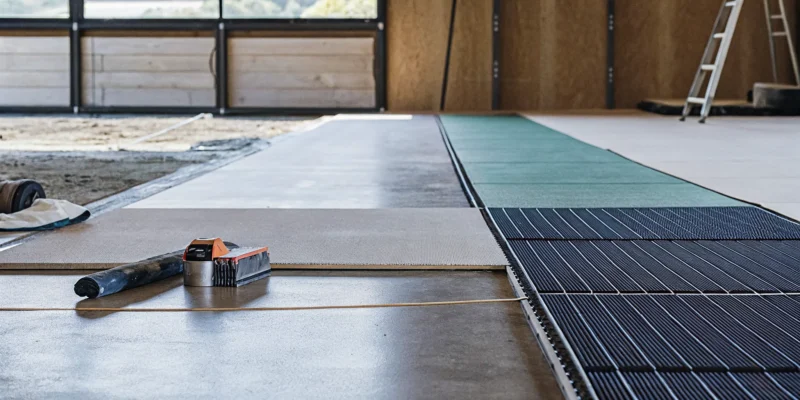
Mateflex is a suspended tile court system designed to be assembled on top of a flat, hard surface. Many of the courts that we offer go over existing concrete slabs, driveways, or other hard surfaces, Often the projects require the construction of a court base. Gappsi recommends 3 primary base options.

  1. Concrete Pad for a backyard pickleball basketball court combo – The traditional surface for most backyard courts.
  2. Asphalt Pad for a backyard sports game court – A lower-cost alternative to a concrete base.
  3. Crushed Rock Base for Backyard Multisport Game Court – A cost-effective and environmentally-friendly base for some applications.

This court was installed over an asphalt base prepared with compacted recycled concrete base and the tiles were installed over the asphalt.  

We installed a regulation basketball hoop Dominator all made out of aluminum.  This is an extremely sturdy, high-quality material and it’s Simply The Best company!  Gappsi is an authorized dealer for Dominator. Visit our showroom we have all the Dominator products displayed at the Gappsi Showroom in Smithtown.

Pickleball Sports Game Court

The center of the court is set up with pickleball netting. The netting was removed and the holes are kept filled with special caps when not in use. This is the latest combination pickleball and basketball sports game court built with Mateflex sports tiles by Gappsi in Mattituck on the East End of Long Island NY. 

If You Build It They Will Come

Multi-use courts are the best return on investment. With options for different sports to play, children become more well-rounded athletes and avoid the sports burnout & repetitive motion injuries that are all too common among young athletes who focus all of their time and energy on one sport. An added benefit to these multi-use courts that many parents don’t consider is that once you build it, all of the neighborhood kids will come to your home. Your court will be the home court for your children and all of their friends, and you will have the comfort and security of knowing where your children are and who they are with. Call Gappsi today and let us design and install your very own multi-use court!

The Importance of a Perfectly Flat Base

The foundation of any great sports game court is, quite literally, its foundation. For a modular tile system like Mateflex to perform correctly, it needs to be installed on a perfectly flat and hard surface. An uneven base can cause inconsistent ball bounces, create tripping hazards, and prevent the tiles from locking together securely. This is a step where precision is key. Starting with a professionally prepared base ensures your court is safe, plays true, and will last for years. It’s the essential first step to guaranteeing the quality and longevity of your investment.

Getting the Base Dimensions Correct

Once you know a flat surface is a must, the next step is choosing the right type of base. We typically recommend one of three primary options: a concrete pad, an asphalt pad, or a crushed rock base. Each has its own benefits depending on your property, intended use, and budget. Getting the dimensions right from the start is crucial for accommodating the sports you want to play. Whether you’re planning for a regulation-size pickleball court or a custom multi-sport layout, ensuring the base is correctly sized and constructed by professionals will prevent issues down the line and set your project up for success.

Designing and Equipping Your Court

With a solid foundation in place, you can move on to the most exciting part: bringing your court to life. This is where you get to choose the colors, line configurations, and accessories that will make the space uniquely yours. Thoughtful design choices not only define the look of your court but also enhance its functionality, making it a perfect hub for family fun and friendly competition. From selecting a color palette that complements your home to choosing the right equipment for your favorite games, this phase is all about creating a space that you and your family will love to use every day.

Using Color and Lines Strategically

The colors and lines on your court do more than just look good; they are fundamental to gameplay. Strategic use of color can improve visibility and even affect player mood, while clear, distinct lines are necessary to define the playing area for each sport. By carefully planning the layout, you can create a versatile space that easily transitions from a basketball court to a pickleball court. This is how a simple playing surface becomes a dynamic, multi-functional activity center for your entire family to enjoy.

How Court Colors Can Improve Gameplay

Choosing the right colors for your court is a critical decision that impacts everything from aesthetics to performance. The palette you select affects how the game is played and how players feel on the court. High-contrast colors between the playing area and the boundary lines, like a classic blue court with crisp white lines, make it much easier for players to track the ball and make accurate calls. This improved visibility helps create a more enjoyable and competitive playing experience for everyone, ensuring the focus stays on the game.

The Psychology Behind Court Colors

Believe it or not, the colors of your court can influence how you feel and play. Different shades can evoke specific psychological responses. For instance, blue is often associated with focus and calm, making it a popular choice for competitive sports. Green can create a sense of balance and energy, connecting the court to the surrounding landscape. When you design your court, you can select colors that not only complement your home’s exterior but also create the ideal atmosphere for the activities you have planned.

How to Add Lines for Multiple Sports

Creating a true multi-sport game court is all about the lines. To accommodate different games, you’ll need separate, clearly marked lines for each one. For a pickleball and basketball combination, this means adding pickleball lines to your basketball court layout. We achieve this by using different colors for each sport’s boundaries, such as white lines for pickleball and black for basketball. This simple technique eliminates confusion and allows for a seamless transition between games, maximizing the versatility of your backyard space.

Choosing Your Court Accessories

Once your court surface is designed, it’s time to outfit it with the right gear. The accessories you choose are what transform a colorful slab into a fully functional arena for sports. From basketball hoops to pickleball nets, selecting high-quality, durable equipment is essential for safety and enjoyment. The right accessories not only complete the court but also add a level of professionalism and convenience that makes playing at home feel like a first-class experience.

The Advantage of Portable Net Systems

For a multi-sport game court, flexibility is everything. A portable pickleball net is a fantastic solution because you can easily move it on and off the court depending on what you want to play. This allows you to switch from a game of pickleball to a basketball shootaround in just a few minutes. For a more permanent feel, we can also install in-ground sleeves for the net posts. These sleeves can be capped when not in use, keeping the surface flat and safe for other activities.

Understanding What Comes with Your Court

When you invest in a modular court, it’s helpful to know what to expect. Many pre-designed kits come with tiles that already have lines painted on them. However, when you partner with a design and build company like Gappsi, the process is completely custom. We work with you to select the ideal tile system, colors, and line configurations for your specific needs. Our team then handles the entire installation, from the base preparation to the final tile placement, ensuring a professional result that’s ready for play.

Indoor vs. Outdoor Pickleballs

A small detail that makes a big difference is using the right ball for your court. Outdoor pickleballs are designed differently from their indoor counterparts. They are made from a harder plastic and have smaller, more numerous holes to make them heavier and more wind-resistant. Using an outdoor ball will give you a more consistent and predictable bounce during play. It’s a simple switch that ensures a better game experience for you and your guests.

Maintaining Your Sports Game Court

One of the best features of a modular tile court is how easy it is to maintain. These surfaces are built to withstand the elements and heavy use, but a little routine care will keep your court looking and playing its best for years to come. Regular cleaning and inspections will ensure your space remains a safe and inviting place for everyone to enjoy. Unlike other surfaces that require intensive upkeep, a Gappsi sports game court is designed for maximum fun and minimum fuss.

Long-Term Care and Cleaning Tips

Keeping your sports game court in top condition is simple. For general debris like leaves and dirt, a quick sweep with a broom or a pass with a leaf blower is usually all you need. For scuffs or spills, you can clean the tiles with mild soap and water. The perforated design of Mateflex tiles allows for excellent drainage, so water won’t pool on the surface after cleaning or a rainstorm. Taking a few minutes for this routine upkeep will preserve the appearance and performance of your court, ensuring it’s always ready for the next game.

SCHEDULE A MEETING TODAY WITH GAPPSI

View Gappsi’s YouTube Channel for Videos of How to Clean and Seal Driveways and Patio Stones

https://youtu.be/Yuf6kVfgGwE

Frequently Asked Questions

How much space do I really need for a multi-sport game court? You might be surprised by how little space you actually need. While a full basketball court offers a lot of room to play with, a standard half-court footprint is often more than enough to create a fantastic multi-sport hub. We specialize in creating custom layouts that maximize your available area, so even if you think your yard is too small, a smart design can likely accommodate the games your family loves most.

How do you make one court work for multiple sports without it being confusing? The key is a clear and strategic design. We use different, high-contrast colors to paint the lines for each sport. For example, we might use white lines for the pickleball court and black lines for the basketball boundaries. This simple visual separation makes it easy for players to switch between games without any confusion, keeping the court organized and functional for every activity.

What makes modular tiles better than just painting lines on my concrete driveway? Modular tiles, like the Mateflex system we use, are engineered specifically for athletic performance and safety. Unlike plain concrete, these tiles have a shock-absorbing design that is much easier on your knees and joints. They also provide a consistent ball bounce and have a surface that drains water quickly, so you can get back to playing right after it rains. It’s a true upgrade in both playability and durability.

What does the installation process look like from start to finish? We handle the entire project so you don’t have to worry about coordinating different contractors. Our process begins with preparing a perfectly flat foundation, which could be a concrete pad, an asphalt pad, or a crushed rock base. Once the foundation is set, we install the custom-designed modular tiles and all your chosen accessories, like the basketball hoop and net posts. We deliver a complete, ready-to-use court.

Is a modular sports game court difficult to take care of? Not at all. In fact, they are designed for very low maintenance. The most you’ll typically need to do is use a leaf blower or broom to clear away leaves and debris. If the court gets dirty, you can simply clean it with mild soap and water. The tiles are built to withstand weather and heavy use, so you can spend more time playing and less time on upkeep.

Key Takeaways

  • Get More Games from One Court: You can easily combine sports like basketball and pickleball into a single space. Strategic design using different colored lines and adjustable equipment turns a standard Sports Games Court into a versatile activity center for everyone.
  • A Solid Foundation is Non-Negotiable: The performance and safety of your court depend entirely on its base. Starting with a professionally installed, perfectly flat surface ensures consistent ball bounce and long-term durability for your modular tiles.
  • Smart Details Create the Best Experience: Beyond the base, the right choices matter. High-contrast colors improve gameplay visibility, quality accessories like portable nets add flexibility, and simple maintenance keeps your court ready for play with minimal effort.

Related Articles

How to Clean and Seal Driveways and Patio Stones in 5 Steps

Do you know how to clean and seal driveways and patio stones? Let the professionals at Gappsi show you the process!  

complete-polymeric-sand-and-sealer-application
Complete Polymeric Sand and Sealer Application – Dix Hills NY

Gappsi cleaning and sealing season for driveways and patio stones has started!   Our first driveway is located in Dix Hills NY. Over 10 years ago Gappsi installed this granite paver driveway and now we are cleaning and sealing it.

STEP #1 Cleaning Driveways and Patio Stones

step-2-removing-sand-and-debris-from-driveway-and-patio-stones
Step 1 Removing All Polymeric Sand and Debris from Paver Joints

First, we clean the granite pavers and remove most of the sand in between the joints.  Our new surface cleaners are also extractors. We wash the surface of the pavers and also remove the old polymeric sand.  Also, the debris that has collected underneath the joints is washed out.

This year Gappsi added a new pressure washing system. The machine is a high volume low-pressure hot water system.  The pressure washing system can go to 250 degrees Fahrenheit in hot water. It also comes with a soft wash system for areas where we don’t need pressure.

Our team started the process of cleaning the pavers. The driveway floor was pretty dirty so we completed a few passes starting with a turbo nozzle.  The initial process is to clean the stones, and then remove the old polymeric sand in between the joints.  This allows the new sand to be put in between the joints.  We are using 200 degrees Fahrenheit of hot water. 

STEP # 2 Removing Sand and Debris From Driveways and Patio Stones

step-1-cleaning-driveway-and-patio-stones
Step-2 Cleaning Driveway and Patio Stones

In the second step, we will clean the entire area with the extractor surface cleaner that will remove any sitting material in between the stone joints.

STEP #3 Applying New Polymeric Sand

step-3-applying-polymeric-sand-to-driveway-and-patio-stones
Step-3 Applying Polymeric Sand to Driveway and Patio Stones

The third step in sealing the pavers is filling the joint space with new polymeric sand.  We are using white beige silica sand.  This sand will absorb the sealer and get extremely hard; harder than polymeric sand.   Using a vibratory compactor specifically made to vibrate sand into the joints.  The Poly sand must be vibrated into the joint, as we want the sand as tight as possible in the paver joint.  The rollers have white rubber rollers specifically made for these kinds of applications and will not scratch or mark the stones.

STEP #4 Sealing the Driveway Pavers and Patio Stones

Step-4-sealing-the-pavers
Step-4 Sealing the Driveway Pavers and Patio Stones

Step #4 is the process of applying the sealer.  We mix urethane sealer part A and part B in combination with water in a two-to-one solution. We apply the sealer through sprayers flooding the joints.  This allows the sealer to penetrate the sand and absorb it deep down to get hard. Using a blower to move the extra sealer around, we prevent it from settling on top of the stones and further draining into the sand.  Since these are granite pavers, they won’t absorb much of the sealer, but the sand will get very very hard. 

Which Sealer is Right For Your Stones?

Gappsi uses several types of sealers different for each stone type from granite to marble, travertine, or concrete pavers. In addition, there are color enhancers or natural look sealers.  We apply the proper sealer to the different types of stone surfaces or materials based on what is needed. Each stone absorbs differently and each application is different. Whether there is a top coating sealer or a penetrating sealer depends on the customer selection.  Also, we offer suggestions for the type of material we are protecting or enhancing.

STEP #5 Slip Resistant System Application

step-5-applying-slip-resistant-sealer-with-mop-driveway-and-patio-stones
Step-5 Applying Slip-Resistant Sealer with Mop Driveway and Patio Stone Sealing

Step #5 After the team has completed sealing the entire driveway we apply an anti-slip resistance that will be the final process adding one more coat.  This application is applied with a floor mop while the sealer is wet.  The two coats bond together and it adds texture to the surface preventing it from getting slippery. 

The sealing process takes 2 to 3 days to complete allowing time to dry.  We allow the sealer to harden and keep the cars off the paver for about a week. The driveway was designed with granite pavers that are an inch and a quarter thick.  The sealer needs to be hardened a little longer as a result of the paver size.  The sand in between the joints has absorbed all the sealer and it became very hard. The color of the driveway looks like the first day the pavers were installed. The sealer enhancer used brings back the natural original color of the stones. It does not have a shiny look, it is more of a color enhancer. We also used slip resistance mixed with the sealer, this gives better traction when walking on the stones.

This is the latest sealing project done by Gappsi. The original granite installation Gappsi completed was over 10 years ago and the stones were selected from the Gappsi Natural Stone and Porcelain Collection showroom

Gappsi provides restoration, cleaning, and sealing of all types of stones and surfaces installed on patios, driveways, and walkways installed outdoors as well as indoors. 

SCHEDULE A MEETING TODAY WITH GAPPSI

View Gappsi’s YouTube Channel for Videos of How to Clean and Seal Driveways and Patio Stones in 5 Steps

We serve all of Nassau and Suffolk County Long Island NY, in all the following towns:
NASSAU COUNTY LONG ISLAND

Town of Hempstead Atlantic Beach Baldwin Bellerose Terrace Bellmore Bethpage Cedarhurst East Meadow East Rockaway Elmont Floral Park Franklin Square Freeport Garden City Hempstead Hewlett Inwood Island Park Lawrence Levittown Lynbrook Malverne Merrick Mineola New Hyde Park North Lynbrook North Valley Stream North Woodmere Oceanside Point Lookout Rockville Centre Roosevelt Seaford South Hempstead Uniondale Valley Stream Wantagh West Hempstead Woodmere Town of North Hempstead Albertson Carle Place Floral Park Glenwood Landing Great Neck Greenvale Kings Point Manhasset Mineola New Hyde Park North New Hyde Park Old Westbury Port Washington Roslyn Roslyn Heights Sands Point Westbury Williston Park Town of Oyster Bay Bayville Bethpage Brookville East Norwich Farmingdale Glen Head Glenwood Landing Greenvale Hicksville Jericho Locust Valley Massapequa Massapequa Park Mill Neck Old Bethpage Old Westbury Oyster Bay Plainview Sea Cliff Syosset Woodbury City of Glen Cove City of Long Beach.

SUFFOLK COUNTY LONG ISLAND

Town of Babylon Amityville Babylon Copiague Deer Park Lindenhurst North Amityville North Babylon West Babylon Wyandanch Town of Brookhaven Bellport Blue Point Brookhaven Calverton Centereach Center Moriches Coram East Moriches East Patchogue Eastport East Setauket Farmingville Holbrook Holtsville Lake Grove Manorville Mastic Mastic Beach Medford Middle Island Miller Place Moriches Mount Sinai North Patchogue Patchogue Port Jefferson Port Jefferson Station Ridge Rocky Point Ronkonkoma Selden Shirley Shoreham Sound Beach Stony Brook Upton Wading River Yaphank Town of East Hampton Amagansett East Hampton Montauk Sag Harbor Wainscott Town of Huntington Centerport Cold Spring Harbor

Commack East Northport Greenlawn Huntington Huntington Station Lloyd Harbor Melville Northport Town of Islip Bayport Bay Shore Bohemia Brentwood Brightwaters Central Islip East Islip Great River Hauppauge Holbrook Holtsville Islandia Islip Islip Terrace Oakdale Ocean Beach Ronkonkoma Sayville West Islip West Sayville Town of Riverhead Aquebogue Calverton Jamesport Laurel Manorville Riverhead South Jamesport Wading River Town of Shelter Island Shelter Island Shelter Island Heights Town of Smithtown Commack Hauppauge Kings Park Nesconset Saint James Smithtown Town of Southampton Bridgehampton Eastport East Quogue Hampton Bays Quogue Remsenburg Sagaponack Sag Harbor Southampton Speonk Water Mill Westhampton Westhampton Beach Town of Southold Cutchogue East Marion Fishers Island Greenport Laurel Mattituck New Suffolk Orient Peconic Southold

Get a Perfect Gravel Driveway with Gravelfix

gravel-driveways-make-a-big-comeback-with-gravelfix1

Forget everything you think you know about gravel driveways. The old image of a messy, rut-filled path is a thing of the past. Today, contemporary gravel driveways are making a huge comeback, and for good reason. The secret? A stabilization system that solves all the old problems. While unstabilized gravel migrates and creates ruts, a solution like Gravelfix keeps your stones locked in place. This creates a solid, beautiful surface whether you choose a crushed limestone driveway or a crushed rock driveway. You get all the charm without any of the classic headaches.

The benefits of installing gravel driveways using Gravelfix begin with the ease of installation.

Your Style Won’t Suffer

The aesthetic of a gravel driveway is nearly unmatched. Aside from gravel, you can choose from a wide variety of aggregates for your driveway. Limestone, Blackstar, crushed granite, or any type of angular gravel will work. Even if you’re in the middle of the suburbs, this affords you unmatched style, diversity, color choices, and unique charm.

If you want to stand out from the crowd or if your house would look better without an asphalt driveway, there’s no better way to mix it up and introduce some natural beauty to your home than with a gravel driveway.

Gravel driveways offer a unique alternative to traditional asphalt or concrete surfaces. With a variety of shapes, colors, and textures, they can be customized to fit the aesthetic of any home or landscape.

While considering durability, cost, and maintenance plays a significant role in deciding what type of driveway to install, it is essential to understand the pros and cons of laying a gravel driveway.

gravel-driveways-make-a-big-comeback-with-gravelfix2Gravel driveways can be visually appealing, adding a rustic charm to your home’s exterior. They are available in various colors and sizes, allowing you to customize the appearance to complement your property. Additionally, gravel driveways can be relatively easy to install and require less time to complete compared to other driveway materials, like concrete or asphalt.

Key Benefits of a Gravel Driveway

One of the key benefits of gravel driveways is their permeability. Unlike solid surfaces, gravel allows water to drain through, reducing the risk of water pooling or causing flooding. This can be particularly useful if your property is located in an area prone to heavy rainfall or where drainage is a concern.

It’s Time to Make the Switch to a Gravel Driveway Give Gappsi a Call Today @ 631.543.1177

Maintenance for gravel driveways is generally low, requiring only periodic raking to keep the stones in place and ensure a neat appearance. If your driveway develops low spots or potholes, you can simply add more gravel to level the surface. However, over time, you may find the stones displaced by vehicle movement or washed away during heavy rainfall, which eventually requires replenishment.

As with any driveway material, there are some drawbacks to consider. Gravel driveways may not be the best choice for areas that experience extreme weather conditions, as snow removal can be challenging, and ice can cause the gravel to shift.

PROS of Installing a Gravel Driveway

  • Low Cost
  • Aesthetic Appeal
  • Easy Install
  • Permeability
  • Compacts Well
  • Gravel Can Be Replenished

CONS of Installing a Gravel Driveway

  • Gravel Can Wash Away
  • Difficult to Snowplough
  • Risk of Weeds
  • Noise

gravel-driveways-make-a-big-comeback-with-gravelfix3Choosing The Right Gravel For The Area

When choosing gravel for your driveway or space, it’s essential to consider the size and texture of the rocks. The size and texture of the gravel can significantly affect the appearance, durability, and ease of maintenance.

There are two overarching categories of gravel that each type can be sorted into crushed stone and naturally formed gravel. There are several differences between the two, although they’re easily distinguishable based on appearance. ♦  Crushed stone has a jagged edge due to the manual crushing process. ♦  Naturally formed gravel has a smoother look due to natural weathering over time.

There are various sizes of gravel available, ranging from small pea gravel to larger coarse gravel. Pea gravel, as the name suggests, is the size of peas and is typically smooth in texture. This type of gravel creates a visually appealing driveway surface and is easier on your feet when walking on it. However, pea gravel may not be the best choice for a driveway with a lot of traffic or heavy vehicles, as it can shift and become displaced more easily than larger rocks.

Coarse gravel, on the other hand, is made up of larger rocks with a rougher texture. These rocks are less likely to shift under heavy loads, making coarse gravel a more durable option for driveways with more traffic. Additionally, the rough texture of coarse gravel can provide better traction for vehicles, especially during wet or icy conditions.

Why Invest in Gravelfix on Your Gravel Driveway

Investing in Gravelfix for your driveway comes with a plethora of advantages. To start, Gravelfix effectively stabilizes your driveway surface. There is no need to worry about gravel shifting or sinking, as these mats maintain a flat and uniform surface for you to drive or walk on. Gravelfix reduces the likelihood of tire rut formation, which can be a concern with gravel driveways. By providing a stable foundation a vehicle’s tires move smoothly across the surface without causing unsightly ruts or damaging the driveway. Another notable benefit of having Gravelfix is its effectiveness in preventing weed growth. By acting as a barrier between the gravel and the ground, it prevents invasive weeds from growing through, ensuring your driveway remains low maintenance and visually appealing. gravel-driveways-make-a-big-comeback-with-gravelfix

Gravelfix Benefits

  • It ensures a 100% draining paving
  • It’s a completely recyclable product, made with high-quality Polypropylene, 100% pure
  • Suitable for all applications, pedestrians, light and heavy traffic, motorbikes, bicycles, and wheelchair
  • An economic paving option that keeps its color unchanged for years.
  • The structure suppresses the growth of weeds and holds marble chips or pebbles
  • It can be easily cut and adapted to all environments
  • It is unaffected by cold and freezing temperatures
  • GRAVELFIX structure stops footprints and tire tracks

Main Gravel Application Areas

  • Public and private parking
  • Balconies and rooftop gardens
  • Alleys and cycle paths
  • Driveways
  • Cemetery areas and avenues
  • Playgrounds
  • Parks and Gardens
  • Residential gardens

In this video, we show the process of preparing the base for this new gravel driveway with red angel stone gravel. We are preparing the final coating and compacting and flattening the bluestone screening base. We are moving on to install the Gravelfix System to contain the gravel.

This system has a honeycomb shape made out of polypropylene and a fiber mesh shedding attached on one side.  The fiber mesh prevents the rock from underneath coming to the surface and mixing with the finished stones of the driveway.  In addition, it holds the gravel that is installed in it and creates a better surface for the car tires to grab on and traction. The system also slows down the water runoff.  In particular, in some driveways, it makes a big difference.  This driveway is a very large area that is sloped towards the house.  A lot of water coming from the street also comes into the driveway and runs towards the house.  Through many heavy rain showers so far the homeowner has been very happy with the results.   He has noticed a big difference since the Ggravelfix System was installed under the gravel.

The final part is the installation of gravel.  We are filling the Gravelfix System with Red ⅜ Pennsylvanian stones.  Gappsi carries a large selection of stones and glass gravel that we import from Italy.   We display all our gravels and products at the Gappsi showroom. On the driveway, we also installed the Gappsi split-face Limestone Belgium paver as the driveway apron. This is the latest Gravelfix driveway installed by Gappsi in Laurel Hollow, NY

Budgeting for Your Gravel Driveway

Planning your budget is one of the first steps in any home improvement project, and a new driveway is no exception. The good news is that a gravel driveway is often a more cost-effective choice than traditional asphalt or concrete, both in terms of initial installation and long-term upkeep. While the upfront cost is typically lower, the real value comes from modern installation techniques that create a durable, stable surface. By understanding the full scope of the investment, you can plan for a beautiful driveway that fits your budget and enhances your home’s curb appeal for years to come.

Understanding the Investment

A gravel driveway is a smart investment, especially when you consider the long-term benefits. While the initial cost is appealing, modern stabilization systems like Gravelfix are what truly make it a lasting solution. This technology prevents common issues like gravel migration, ruts from tires, and washout after heavy rain, which means you’ll spend less time and money on maintenance down the road. Instead of constantly replenishing stones or dealing with an uneven surface, you get a consistently smooth and attractive driveway. This approach transforms a simple gravel path into a durable, high-performance gravel driveway that adds lasting value to your property.

Working With a Professional Team

To get the most out of your investment, working with a professional team is essential. An experienced installer ensures the foundation is properly prepared and that the right materials are used for your specific needs, from the base layer to the top gravel. Professionals can help you select the perfect stone to complement your home and landscape, ensuring the final result is exactly what you envisioned. More importantly, expert installation of systems like Gravelfix guarantees a stable, long-lasting surface that resists wear and tear. Collaborating with a skilled team like Gappsi means your project is completed efficiently, correctly, and with a level of craftsmanship that protects your investment for the future.

A Closer Look at Gravelfix Specifications

Now that you understand the benefits of stabilizing your gravel driveway, let’s look at the technology that makes it possible. Gravelfix isn’t just a simple plastic grid; it’s an engineered system designed for superior performance and longevity. The specific features of its design are what allow it to solve the common problems associated with traditional gravel surfaces, like rutting, weed growth, and poor drainage. Understanding these specifications will show you why this is such a smart investment for your property. It’s the details that transform a loose gravel path into a durable, high-performance driveway that lasts for years.

Built for Strength and Durability

A driveway needs to withstand the daily pressure of vehicles, foot traffic, and the changing seasons without failing. Gravelfix was created with this in mind, using materials and a structure that provide incredible resilience. Its honeycomb-shaped cells are key to its strength, distributing weight evenly across the surface to prevent the gravel from shifting or sinking under load. This structural integrity ensures your driveway remains smooth and stable, whether you’re parking a small car or a heavy-duty truck. This is the core function that prevents the ruts and potholes that plague unstabilized gravel driveways, giving you a consistently reliable surface.

Material Strength and Load Capacity

So, what makes it so tough? The Gravelfix system is engineered to handle immense weight, with a load capacity of over 250 tons per square meter when filled. To put that in perspective, it can easily support the weight of multiple large SUVs, delivery trucks, and other heavy residential vehicles without breaking a sweat. This incredible strength comes from its unique honeycomb design, which locks the gravel in place and creates a solid, interconnected surface. This means no more sinking tires or displaced stones, just a consistently firm and even driveway that maintains its pristine look and function day after day.

Performance in Extreme Temperatures

Here on Long Island, we experience the full range of weather, from scorching summer heat to freezing winter cold. A driveway material needs to handle these temperature swings without cracking or warping. Gravelfix is designed to perform flawlessly in temperatures ranging from -4°F to 149°F. This means it won’t become brittle and crack during a deep freeze, nor will it soften or lose its shape during a summer heatwave. This all-weather resilience ensures your investment is protected year-round, providing a stable and reliable surface no matter what the forecast holds.

Materials, Colors, and Dimensions

Beyond its strength, the physical makeup of the Gravelfix system is designed for versatility and sustainability. The materials used are chosen not only for their durability but also for their environmental impact and ease of installation. The system comes in manageable panels that our team at Gappsi can easily cut and shape to fit the unique layout of your property, whether it’s a winding driveway, a garden path, or a parking area. This adaptability allows for complete creative control, ensuring the final result perfectly matches your vision for your home’s exterior.

Eco-Friendly Material Options

If sustainability is important to you, you’ll be happy to know that Gravelfix is made from 100% recyclable polypropylene. This makes it an environmentally responsible choice for your home improvement project. By choosing a product made from recyclable materials, you are helping to reduce waste and support a more circular economy. This commitment to sustainability doesn’t come at the expense of quality; polypropylene is a robust and long-lasting material, ensuring your eco-friendly driveway is also a durable one that will serve you well for many years to come.

Product Sizes and Cell Dimensions

The Gravelfix system is available in different panel sizes, making it adaptable to projects of any scale. The two main options, Gravelfix Pro and Gravelfix Smart, allow for efficient installation across large areas or intricate pathways. The Pro panels are approximately 3.8 feet by 2.5 feet, ideal for covering large driveways quickly. The Smart panels are smaller, making them perfect for curved edges or smaller spaces. This flexibility ensures a custom fit for any design, minimizing waste and ensuring a seamless, professional finish for your project.

Advanced Weed and Water Management

Two of the biggest headaches with traditional gravel are constant weeding and poor drainage. Gravelfix addresses both of these issues with its integrated design. Attached to the bottom of the honeycomb grid is a high-quality geotextile fabric. This layer serves a dual purpose: it acts as a formidable barrier to prevent weeds from growing up through your gravel, and it allows water to pass through freely. This means you get a low-maintenance surface that also provides excellent water drainage, preventing puddles and reducing stormwater runoff from your property.

Installation and Design Flexibility

One of the best parts about choosing a gravel driveway is the sheer variety available. Forget the image of a plain, gray, dusty path. Modern gravel driveways are visually stunning, adding a unique rustic charm to your home’s exterior that you just can’t get with asphalt or concrete. Because the stones come in so many different colors, shapes, and sizes, you have complete creative control to customize a look that perfectly complements your property’s style. Whether your home is a classic colonial or a modern masterpiece, there’s a gravel option that will enhance its curb appeal. This design flexibility allows you to create a truly bespoke entrance that feels both natural and sophisticated, setting your home apart from the rest of the neighborhood.

More Than Just Gravel

A beautiful driveway is one thing, but a functional one is essential. That’s where a stabilization system like Gravelfix comes in. Investing in this system for your driveway offers a host of advantages that address the common concerns associated with traditional gravel surfaces. Gravelfix works by creating a stable foundation that holds the gravel in place, so you don’t have to worry about stones shifting, sinking, or creating unsightly ruts from your car’s tires. This means your driveway remains a flat, uniform surface that’s easy to walk and drive on. The system provides a solid base that keeps everything looking neat and tidy while ensuring your driveway can handle daily traffic without constant maintenance.

Finishing Touches: The Role of Edging

To achieve a truly polished and long-lasting result, edging is a crucial finishing touch. Using a quality edging solution, like ALUBORD, alongside the Gravelfix system helps create clean, defined borders for your driveway, pathways, or garden beds. This not only looks professional but also enhances the structural integrity of the entire surface. Edging keeps the gravel contained, preventing it from spilling over into your lawn or landscaping. It makes the entire installation more stable and durable, even if you’re working with elegant curved shapes in your design. It’s a simple step that makes a huge difference in the overall appearance and longevity of your project.

Guidance Every Step of the Way

Choosing the right materials can feel overwhelming, but you don’t have to do it alone. At Gappsi, we guide you through the entire process, from design to installation. We offer a massive selection of stones and glass gravel, including beautiful options imported directly from Italy, giving you plenty of choices to find the perfect match for your home. You can see and feel these materials for yourself at our showroom, which makes the decision-making process much easier. Our team is here to provide the expertise you need to create a stunning and durable gravel driveway that you’ll love for years to come.

SCHEDULE A MEETING TODAY WITH GAPPSI

View Gappsi’s YouTube Channel for Videos of Gravel Driveways Make a Big Comeback with Gravelfix

[/vc_column_text]

[/vc_column][/vc_row]

Frequently Asked Questions

How does a stabilized gravel driveway handle Long Island snow and ice? This is a great question and a valid concern for our area. Because the Gravelfix system holds the stones securely in place, you can use a snowblower or even a plow without worrying about scraping up your driveway. We recommend setting the blade just slightly higher than the surface. The driveway’s natural permeability also helps meltwater drain away more effectively, which can reduce ice buildup compared to non-porous surfaces like asphalt.

Will I still have to pull weeds all the time? You can finally retire your weeding gloves. The Gravelfix grid has a durable geotextile fabric bonded to the bottom. This layer acts as a physical barrier, preventing weeds from growing up from the soil beneath. While an occasional airborne seed might sprout on the surface, the constant battle of pulling weeds from deep within the gravel is a thing of the past.

What does maintenance really look like for a driveway with Gravelfix? Unlike traditional gravel driveways that require regular raking to fix ruts and frequent top-offs to replace scattered stones, a stabilized driveway is incredibly hands-off. Since the gravel is locked in place, the surface remains smooth and even. Your main task will simply be to clear away leaves or other organic debris as you would with any other driveway.

Can I use any style of stone with the Gravelfix system? While you have a wide range of colors and types to choose from, angular crushed stone is the best choice for maximum stability. The jagged edges of stones like crushed granite or limestone interlock neatly within the system’s honeycomb cells. This creates a firm, solid surface that’s ideal for vehicles. Smoother, rounded stones like pea gravel can be used, but they won’t provide the same level of interlocking performance.

Is a gravel driveway still noisy with the stabilization grid? Yes, you still get that classic, satisfying crunch when a car pulls in, which is a feature many homeowners appreciate for security. The sound is different from that of a deep, loose gravel path, however. Because the stones are held in a single, stable layer, the sound is more crisp and consistent, without the loud grinding noise of stones shifting and displacing under the weight of tires.

Key Takeaways

  • Stabilization is Non-Negotiable for Modern Gravel: To get a beautiful, low-maintenance gravel driveway, a stabilization system is essential. Products like Gravelfix use a grid structure to lock stones in place, preventing the classic problems of ruts, sinking, and messy gravel migration.
  • Choose a System that Solves Multiple Problems: The best stabilization grids do more than just hold gravel. A quality system is engineered to support heavy vehicles, includes a built-in fabric to block weeds, and allows water to drain through, preventing puddles and runoff.
  • Pair Your Aesthetic Vision with Professional Installation: You have complete creative control to choose the perfect stone color and texture for your home. To ensure it lasts, rely on a professional team for proper site preparation and expert installation of the stabilization system for a flawless, long-term result.

Related Articles

Marble Dusting Gunite Swimming Pool on Long Island in Cedarhurst NY

marble-dusting-gunite-swimming-pool-on-long-island-in-cedarhurst-ny2

Marble dusting is a smooth plaster finish applied to the gunite pool or spa. It’s a mixture of highly refined white cement and crushed marble. This material can be dyed into many colors or purchased in a specific color and aggregate pattern. While white, or anything in the gray spectrum including black is common, exposed aggregate finishes can provide a unique look to your pool.

The marble dust is applied up to the water line followed by rows of tile of your choice. The marble dust and tile offer an attractive finish to your Gunite Pool and Spa Scape.

The 3 Most Common Pool Surface Types

  1. Plaster – Generally, new gunite pools are coated with pool plaster, which is cement mixed with marble sand or limestone. It is the least expensive option for pool surfacing and typically lasts around 7 years.
  2. Pebble – Pebble finishes as a pool surface are just plaster with aggregate mixed in. The addition of aggregate makes this more durable and stain-resistant than plaster alone. Pebble finishes can be somewhat rough and cost twice as much as plaster, but the upside is that they often last over 12 years.
  3. Quartz – A quartz-finished pool surface has plaster with quartz aggregate mixed in. This provides more color than pebbles and is a more stain-resistant option for your pool. A quartz finish will usually last 12-15 years.

marble-dusting-gunite-swimming-pool-on-long-island-in-cedarhurst-ny1

VISIT OUR SWIMMING POOL GALLERY

A lot of planning, material choice, and effort goes into building a swimming pool. But regardless of the pool’s decorative features and design, pool finishes will transcend the complete design and play a huge role in how appealing the pool is.

Whether you want to resurface your existing pool’s plaster or select the finish for a new pool, you should determine what type of material to use. Pool finishes come with their own set of benefits and drawbacks in areas like durability, visual appeal, and cost.

Your pool’s surface may develop stains, etching, cracks, or other issues over time. And that is entirely normal.

With the wear and tear of pool plastering, the beauty of your pool reduces along with its durability. That means it requires a fresh coat finish before the conditions worsen.

Plaster is the most visible element of your poolscape. It creates a protective layer between the pool surface and pool water to avoid water leakages that may damage the structural shell. The interior plaster finish is also crucial to its integrity. Hence, make sure you maintain it properly to ensure the longevity of your pool.

When to Resurface Your Pool

Pool resurfacing is a must-do treatment to keep the pool running smooth and looking as beautiful as the first day you saw it. There are tons of ways to resurface a pool, mainly depending on the type of surface of your pool – tile, plaster, pebble, cement, quartz, etc.

On average, pools need resurfacing every eight to 10 years. But, if you notice some of these signs, it might be time for maintenance:

  • Surface stains
  • Plaster is flaking or peeling
  • Coarse texture
  • Cracks
  • Discoloration
  • Rust stains
  • Loss of pebbles
  • Paint or fiberglass failure

marble-dusting-gunite-swimming-pool-on-long-island-in-cedarhurst-nyWhat is Pool Plastering / Marble Dusting?

Pool Plastering is the final layer of polish or interior pool finish that makes a pool’s interior visually appealing. Along with its aesthetic purpose, the coating smoothens and balances out the roughness of the concrete below it.  Marble dust, adds a smooth plaster finish that is applied to the gunite pool or spa. It’s a mixture of highly refined white cement and crushed marble. This material can be dyed into many colors or purchased in a specific color and aggregate pattern.

What is the Duration of Pool Plaster? 

Depending on a variety of factors and how well you maintain your pool, your plaster can last from 7 to 10 years. The average life expectancy of a plastered pool is affected by regular pool maintenance and cleaning. If you take excellent care of pool plaster, such as maracite plaster can last up to 7-10 years while you’ll get an additional five years on the life of your pool if you use quartz aggregate blend for pool plastering.

How Long Should I Wait Before Using the Pool After Plastering?

Unlike ordinary plaster which needs to dry completely first, pool plaster works differently. Once the plaster dries out; fill the pool with water. The plaster material cures underwater in about 7-10 days. But this doesn’t mean you have to wait that long. Once the pool is filled and clean, you can go in for a swim.

How do I get rid of plaster dust in my pool?

Brush the entire pool surface.  Start at the top of the walls and go down from the shallow end of the pool’s deep end.  Brush thoroughly twice per day to remove all plaster dust. Brushing your pool finish at least twice a day is one of the best things you can do to maintain the gorgeous appearance of a pool finish.

As the leading pool service company in Long Island NY, Gappsi offers a variety of pool services.  From pool installs to repairs, to renovations we have you covered.

This is the latest project completed by Gappsi.  It is a large Gunite Swimming Pool that was marble dusted in Cedarhurst NY. We used gray marble dust throughout the pool, including the spa. This is the latest marble dusting job completed by Gappsi on Long Island NY.

SCHEDULE A MEETING TODAY WITH GAPPSI

View Gappsi’s YouTube Channel for Videos of a Marble Dusting Gunite Swimming Pool on Long Island in Cedarhurst NY

Your Guide to Choosing the Best Aluminum Fence

When you picture a fence, what comes to mind? For many, it’s a simple, purely functional barrier. But your home’s enclosure can be so much more—it can be a statement piece that complements your architecture. If you value clean lines and a modern aesthetic, an aluminum fence is the perfect choice to frame your property. Unlike bulkier materials, it provides security and definition without obstructing views, creating a sense of open, sophisticated space. With a variety of sleek styles and durable finishes available, you can design a fence that acts as a true architectural feature, enhancing your home’s character and making a lasting impression.

sleekfence-aluminum-fence-vs-composite-vinyl-wood-iron-and-chain-link-fencesSLEEKFENCE™ aluminum fence is for designers and discerning homeowners who want to make their fence a feature, and a statement that lasts for a long time. Aluminum fences are a great alternative to composite or vinyl fencing.

First, find the fence that best fits your property. Your choice of fencing materials enormously impacts your overall fencing project. The materials will affect how much you pay, how the fence looks, how long it lasts, and how much upkeep it requires.

Primarily utilizing high-grade aluminum, our modern fences are found at luxury residences and high-end commercial projects.

SLEEKFENCE™ – made from 100% 6063-T6 Aluminum with a heavy-duty powder coating.

Aluminum is one of the most recycled and recyclable materials available on the market today. Nearly 75% of all aluminum produced in the U.S. is still in use today.

SLEEKFENCE™ Aluminum Fence vs. Composite Fence

Aluminum offers considerable advantages. The most noteworthy one is that it is corrosion-resistant, making it the best choice for coastal places with salty air like the North and South shores of Long Island. Such gate fencing will stay solid and not rust longer than other types. Aluminum is also light but resilient. This material can also be 100% recycled.  Aluminum fences are great for manual or low-power automatic gates and fencing in Long Island due to their lightweight. This metal is also less expensive than steel.

Wood fibers and plastic ingredients are usually used for producing composite fences. Because of this, such panels are much lighter than aluminum, steel, and other materials. This factor can significantly reduce the load on load-bearing walls, fasteners, and fence hinge gates of the sub-facing system and reduce its total weight.  A composite fence is durable and can withstand weather conditions: hot sun, hail, or snow.

A composite fence does not develop fungus, mold, etc. Composite fences are not subject to termites, unlike gates and wood fences.  They are also easy to clean from dust and dirt. They do not require special cleaners.

sleekfence-aluminum-fence-vs-composite-vinyl-wood-iron-and-chain-link-fences3SLEEKFENCE™ Aluminum Fence vs. Vinyl Fence

As with aluminum, the only maintenance your vinyl fence will require is a cleaning a couple of times a year. If we are talking about strength, then aluminum is undeniably stronger, aluminum can dent, but it cannot crack.

Vinyl can be known to crack if the impact is sufficient. Of course, vinyl does not come in dark colors as the pigments required would ultimately fail under UV exposure. This limits colors to light or neutral color options. Aluminum can be powder coated, a durable baked-on finish that withstands the elements and the test of time. For this reason, most luxury contemporary fences are made from aluminum for a lifetime of enjoyment. A vinyl fence requires little to no maintenance; you are only required to clean it at your discretion.

SLEEKFENCE™ Aluminum Fence vs. Wood Fence

A wood fence will usually cost less upfront than an aluminum fence.  They require much more maintenance moving forward and will eventually need to be replaced. Wood fences are subject to warping, damage, mold, mildew, and termites. You’ll need to inspect your wood fence annually to ensure that rotten boards are replaced, loose nails are hammered in, and screws are tightened. You will also need to be on the lookout for leaning and wobbly posts. A cedar fence typically needs to be cleaned once every 3-5 years to remove any moss, mold, mildew, dirt, peeling paint, and graying. The fence will also need to be resealed or painted after it has been cleaned.

An aluminum fence would cost more upfront. An aluminum fence requires little to no maintenance; you are required to clean it at your discretion. We recommend you use car wash soap to clean your SLEEKFENCE™, and that will run you about $50-$100 a year. You’ll most likely only need to clean your SLEEKFENCE™ twice a year. The only other materials you’ll need to clean your SLEEKFENCE™ are microfiber rags and a hose.

Durability: Aluminum vs. Wood and Vinyl

Durability is a key factor when it comes to fences. While wood and vinyl fences can be vulnerable to issues like rot, insects, and weather-related damage, aluminum stands strong against these challenges. Its resistance to rust and corrosion makes it a durable choice, even in tough outdoor conditions.

Versatility: Aluminum vs. Wrought Iron and Chain Link

SLEEKFENCE™ Aluminum fences shine when it comes to versatility, especially when compared to wrought iron and chain link options. They offer a similar visual appeal to wrought iron but without the heavy weight and demanding maintenance. On the other hand, while chain link fences might be budget-friendly, they lack the aesthetic charm that aluminum brings to the table.

Low Maintenance: Aluminum vs. Steel and Bamboo

Maintenance requirements can heavily influence your fencing decision. Aluminum fences require minimal upkeep compared to steel, which can be susceptible to rust. Bamboo, while eco-friendly, demands consistent care to prevent deterioration. Aluminum strikes a balance between durability and low maintenance.

Budget Considerations: Aluminum vs. PVC and Composite

Budget is often a significant factor in fencing choices. While PVC and composite fences are cost-effective, they might not offer the same level of durability as aluminum. Aluminum fences provide a good compromise between affordability and long-lasting value.

Aesthetic Appeal: Aluminum vs. Stone and Brick

The visual appeal of a fence is important for enhancing a property’s charm. Stone and brick fences exude classic elegance, while aluminum offers a sleek and modern appearance. With various styles and finishes available, SLEEKFENCE™ aluminum fences allow for personalization to match your preferences.

With so many fence types and materials to choose from making a decision, about which option is the best choice is hard for many homeowners. Often it depends on the size of the yard, the desired maintenance requirements, and the buyer’s budget. Gappsi breaks down three of the most popular fence materials – wood, vinyl, and aluminum – to assist in the installation process.

Whether it’s in an urban, rural, or suburban community, adding a fence around the perimeter of a yard offers incredible benefits to a homeowner’s life. Fences can improve the appearance of a home, increase the resale price of a home, and most importantly add security and privacy to a yard.

sleekfence-aluminum-fence-vs-composite-vinyl-wood-iron-and-chain-link-fences1

View our complete line of fencing including SLEEKFENCE™ Aluminum Fence on our Landscape and Fencing page today and give a Gappsi representative a call to schedule your appointment. 631.543.1177

Exploring Your Aluminum Fence Options

Once you’ve decided on aluminum, the fun part begins: choosing a style that complements your home and meets your needs. Aluminum fencing is incredibly versatile, offering a wide range of designs that go far beyond simple, straight pickets. Whether your home is a modern masterpiece or a classic colonial, there’s an aluminum fence style to match. You can select from various picket arrangements, decorative tops, and overall designs to create a look that’s uniquely yours. It’s all about finding that perfect balance between form and function to enhance your property’s curb appeal while providing the security and definition you’re looking for.

Popular Styles and Designs

Your fence is a major feature of your landscape, so its style should reflect your personal taste and your home’s architecture. Aluminum fencing comes in numerous designs, from simple and traditional to ornate and modern. Some popular styles feature clean lines with flat tops, while others incorporate pressed spear tops for a more classic, wrought-iron look. You can also find designs with alternating picket heights or decorative rings and scrolls that add a touch of elegance. The key is to consider the overall aesthetic you want to achieve. A sleek, minimalist panel can make a bold statement for a contemporary home, while a more detailed design might be the perfect finishing touch for a traditional property.

Privacy, Screen, and Slat-Top Panels

While traditional aluminum fencing is known for its open, airy look, many modern designs offer enhanced privacy. You can find panels with much tighter picket spacing that limit visibility into your yard, creating a semi-private barrier. Full privacy panels, which use interlocking slats, are also becoming more common, providing the seclusion of a wood fence with the durability of aluminum. Another popular option is a slat-top design, which combines a solid base for privacy with a decorative, more open top section. This style offers a great compromise, giving you seclusion where you need it most without completely closing off your yard from the world.

Available Colors and Finishes

Color is one of the easiest ways to customize your aluminum fence and ensure it blends seamlessly with your home and landscape. While classic black remains the most popular choice for its timeless appeal and ability to recede into the background, it’s far from your only option. Modern aluminum fences are also widely available in sophisticated bronze, clean white, and contemporary gray tones. These colors are applied as a durable powder coating, which is baked onto the aluminum. This process creates a finish that’s far more resilient than paint, resisting chipping, peeling, and fading, so your fence will look fantastic for years with minimal upkeep.

Essential Components and Accessories

A complete fencing system is more than just a series of panels. It’s an assembly of carefully chosen components that work together to create a secure and beautiful enclosure. Beyond the main fence panels, you’ll need to consider posts to provide structural support, gates for access, and various hardware pieces to ensure everything functions smoothly. These accessories are not just practical; they also contribute to the final look of your fence. Choosing matching hardware and decorative post caps can tie the entire design together, creating a polished and professional appearance that truly enhances your property.

Posts, Gates, Caps, and Hardware

Let’s break down the key components. Posts are the backbone of your fence, set in the ground to hold the panels securely in place. Gates, which come in various widths for walkways or driveways, provide essential access points. You can choose from different styles, including single-swing gates or larger double-swing options. Post caps are a small but important detail, sitting atop each post to protect it from the elements and add a decorative finish. Finally, high-quality hardware, such as hinges, latches, and drop rods, ensures your gate operates reliably and securely for years to come.

Common Fence and Gate Dimensions

Aluminum fences are available in standard heights that cater to different needs. A 4-foot fence is often perfect for defining property lines and keeping small pets contained without obstructing views. For pool enclosures, a 5-foot or 6-foot fence is typically required to meet local safety codes—a crucial consideration for any homeowner with a swimming pool. Fence panels usually come in 6-foot or 8-foot widths, which affects how many posts you’ll need for your project. Thinking about the primary purpose of your fence will help you select the right dimensions to ensure it’s both effective and proportional to your space.

Leading Manufacturers

When investing in a fence, you want to know you’re getting a quality product from a reputable source. We partner with leading manufacturers who are known for their craftsmanship and durable materials. Brands like SleekFence offer high-end, modern designs perfect for luxury homes, while others like BarrierBoss provide innovative, DIY-friendly systems such as their “Homestead Line.” By working with the best in the industry, we ensure that every fencing project we undertake is built with top-tier materials designed to last, giving you peace of mind and a beautiful, long-lasting addition to your home.

Budgeting for Your Aluminum Fence

Understanding the costs involved is a critical step in planning your fencing project. The total price will depend on several factors, including the style and height of the fence, the total length you need to enclose, and the number of gates you plan to install. While aluminum fencing can have a higher upfront cost compared to some other materials, it’s important to remember its long-term value. With its incredible durability and low-maintenance nature, you’ll save money over time on the repairs and replacements that are common with materials like wood. Creating a clear budget from the start helps you make informed decisions and find an option that fits your finances without compromising on quality.

Typical Price Ranges for Panels and Gates

To give you a general idea, aluminum fence panels can range from around $450 to over $900 each, depending on the style, height, and manufacturer. Gates are typically more expensive due to their construction and the included hardware, with prices often starting around $1,000 and going up to $2,500 or more for larger or more decorative models. Keep in mind that these figures don’t include posts, accessories, or installation labor. The best way to get a precise figure for your specific project is to measure your property and consult with a professional for a detailed quote that covers all materials and installation costs.

How to Manage Project Costs

There are several smart ways to manage the cost of your new fence without sacrificing quality. One effective strategy is to plan your project carefully to minimize waste. Accurate measurements are key! For larger properties, you may be able to take advantage of bulk pricing on materials. You can also consider a simpler, more classic fence style, as highly decorative or privacy-focused designs tend to be more expensive. Another approach is to phase the project, installing the fence in sections as your budget allows. A clear plan and open communication with your installer can help you find the right balance between your vision and your budget.

Bulk Discounts and Shipping Offers

If you have a large area to enclose, it’s worth asking about bulk discounts. Many suppliers offer tiered pricing, meaning the more you buy, the more you save per item. For example, you might receive a 5% discount when purchasing 10 or more panels, which can increase to 10% or even 15% for larger orders of 25 or 50 items. These savings can add up quickly on a big project. Additionally, some companies offer shipping deals or free shipping on large orders, which can significantly reduce the overall cost, especially when dealing with heavy, oversized items like fence panels and posts.

Installation: Professional vs. DIY

Once you’ve chosen your fence, the final step is installation. You generally have two paths: doing it yourself or hiring a professional. The DIY route can be rewarding and save you money on labor, but it requires time, the right tools, and a good amount of patience. Professional installation, on the other hand, ensures the job is done efficiently and correctly, with a polished result that’s built to last. The right choice depends on your skill level, the complexity of your project, and your timeline. It’s important to be realistic about what’s involved before you start digging post holes.

DIY-Friendly Fencing Systems

For the handy homeowner, some aluminum fencing systems are specifically designed for straightforward DIY installation. Brands like BarrierBoss offer kits with easy-to-follow instructions and components that are made to fit together without specialized tools or expertise. These systems often feature panels that slide into pre-routed posts, simplifying the process considerably. If you’re comfortable with tasks like measuring, leveling, and digging, a DIY-friendly fence can be a great weekend project. Just be sure to check local building codes and call 811 to have utility lines marked before you begin any digging.

Working with Professional Installers

For most homeowners, hiring a professional is the best way to guarantee a perfect installation. Experienced installers, like the team at Gappsi, have the expertise to handle any challenges your property might present, from tricky slopes to rocky soil. We ensure that every post is set perfectly plumb and secure, that your fence meets all local regulations (especially for pools), and that the finished product is flawless. A professional masonry and construction company not only saves you time and physical labor but also provides the peace of mind that comes with knowing your investment is installed correctly and safely.

Special Programs for Contractors

One of the benefits of working with an established installation company is our relationship with suppliers. Professionals often have access to contractor programs that provide special pricing and a wider selection of products. This means we can often source high-quality materials more efficiently and sometimes at a better cost than what’s available to the general public. These industry connections ensure we’re using the best components for your project, from the panels and posts right down to the nuts and bolts, resulting in a superior and more durable fence for your home.

Seeing the Product First: Sample Kits

It can be hard to choose a color and finish from a picture on a screen. That’s why getting your hands on a physical sample is a fantastic idea. Many manufacturers offer free or low-cost sample kits that let you see and feel the product in person. You can place the sample in your yard to see how the color looks in different lighting throughout the day and hold it to feel the quality of the material and finish. This simple step can give you the confidence you need to finalize your decision, ensuring the fence you choose is one you’ll love for years to come.

SCHEDULE A MEETING TODAY WITH GAPPSI

Frequently Asked Questions

Why is aluminum a good choice for Long Island’s climate? Aluminum is exceptionally well-suited for our coastal environment. Its natural resistance to corrosion means it won’t rust or degrade, even with the salty air we get on the North and South shores. Unlike wood that can warp from humidity or iron that can rust, an aluminum fence maintains its strength and finish through hot summers, snowy winters, and everything in between.

I want privacy. Isn’t aluminum fencing see-through? While many people picture the traditional, open-picket style, modern aluminum fencing offers excellent privacy options. You can choose designs with much tighter picket spacing to limit visibility, or even select full privacy panels that use interlocking slats for complete seclusion. This gives you the sleek, modern look of aluminum with the same level of privacy you’d expect from a solid wood or vinyl fence.

Aluminum fencing seems more expensive upfront. Is it worth the investment? It’s true that the initial cost can be higher than for a material like wood. However, it’s important to look at the total cost over the life of the fence. Wood fences require regular maintenance like staining, sealing, and replacing warped or rotted boards, which adds up over the years. Aluminum requires almost no upkeep, so you save significant time and money in the long run, making it a smarter financial decision.

What does ‘low maintenance’ for an aluminum fence actually involve? Low maintenance truly means minimal effort on your part. To keep your fence looking its best, you just need to wash it once or twice a year with a simple car wash soap, a soft cloth, and a hose. There is no need for sanding, painting, or sealing, ever. This simple cleaning is all it takes to remove any dirt or pollen and maintain the durable powder-coated finish.

How do I know if I should hire a professional or install the fence myself? A DIY installation can be a great option if you have a perfectly flat yard, the right tools, and experience with similar home projects. However, for most situations, hiring a professional is the better choice. An experienced team can easily handle challenges like sloped ground or rocky soil and will ensure every post is perfectly secure. Most importantly, a professional guarantees your fence meets all local building and pool safety codes, giving you complete peace of mind.

Key Takeaways

  • Prioritize Long-Term Value: While aluminum fencing can have a higher initial price tag, its resistance to rust, rot, and weather damage saves you significant money and time on future repairs and replacements common with materials like wood.
  • Choose a Style That Complements Your Home: Think of your fence as an extension of your home’s architecture. With a wide variety of modern designs, privacy options, and colors, you can select an aluminum fence that enhances your property’s aesthetic instead of just enclosing it.
  • Map Out Your Project from Start to Finish: A successful installation begins with a solid plan. Accurately measure your property, create a realistic budget that includes all components like gates and hardware, and then decide whether a DIY system or professional installation is the right fit for your timeline and skills.

Related Articles