Marble Dusting Gunite Swimming Pool on Long Island in Cedarhurst NY

marble-dusting-gunite-swimming-pool-on-long-island-in-cedarhurst-ny2

Marble dusting is a smooth plaster finish applied to the gunite pool or spa. It’s a mixture of highly refined white cement and crushed marble. This material can be dyed into many colors or purchased in a specific color and aggregate pattern. While white, or anything in the gray spectrum including black is common, exposed aggregate finishes can provide a unique look to your pool.

The marble dust is applied up to the water line followed by rows of tile of your choice. The marble dust and tile offer an attractive finish to your Gunite Pool and Spa Scape.

The 3 Most Common Pool Surface Types

  1. Plaster – Generally, new gunite pools are coated with pool plaster, which is cement mixed with marble sand or limestone. It is the least expensive option for pool surfacing and typically lasts around 7 years.
  2. Pebble – Pebble finishes as a pool surface are just plaster with aggregate mixed in. The addition of aggregate makes this more durable and stain-resistant than plaster alone. Pebble finishes can be somewhat rough and cost twice as much as plaster, but the upside is that they often last over 12 years.
  3. Quartz – A quartz-finished pool surface has plaster with quartz aggregate mixed in. This provides more color than pebbles and is a more stain-resistant option for your pool. A quartz finish will usually last 12-15 years.
marble-dusting-gunite-swimming-pool-on-long-island-in-cedarhurst-ny1

VISIT OUR SWIMMING POOL GALLERY

A lot of planning, material choice, and effort goes into building a swimming pool. But regardless of the pool’s decorative features and design, pool finishes will transcend the complete design and play a huge role in how appealing the pool is.

Whether you want to resurface your existing pool’s plaster or select the finish for a new pool, you should determine what type of material to use. Pool finishes come with their own set of benefits and drawbacks in areas like durability, visual appeal, and cost.

Your pool’s surface may develop stains, etching, cracks, or other issues over time. And that is entirely normal.

With the wear and tear of pool plastering, the beauty of your pool reduces along with its durability. That means it requires a fresh coat finish before the conditions worsen.

Plaster is the most visible element of your poolscape. It creates a protective layer between the pool surface and pool water to avoid water leakages that may damage the structural shell. The interior plaster finish is also crucial to its integrity. Hence, make sure you maintain it properly to ensure the longevity of your pool.

When to Resurface Your Pool

Pool resurfacing is a must-do treatment to keep the pool running smooth and looking as beautiful as the first day you saw it. There are tons of ways to resurface a pool, mainly depending on the type of surface of your pool – tile, plaster, pebble, cement, quartz, etc.

On average, pools need resurfacing every eight to 10 years. But, if you notice some of these signs, it might be time for maintenance:

  • Surface stains
  • Plaster is flaking or peeling
  • Coarse texture
  • Cracks
  • Discoloration
  • Rust stains
  • Loss of pebbles
  • Paint or fiberglass failure

marble-dusting-gunite-swimming-pool-on-long-island-in-cedarhurst-nyWhat is Pool Plastering / Marble Dusting?

Pool Plastering is the final layer of polish or interior pool finish that makes a pool’s interior visually appealing. Along with its aesthetic purpose, the coating smoothens and balances out the roughness of the concrete below it.  Marble dust, adds a smooth plaster finish that is applied to the gunite pool or spa. It’s a mixture of highly refined white cement and crushed marble. This material can be dyed into many colors or purchased in a specific color and aggregate pattern.

What is the Duration of Pool Plaster? 

Depending on a variety of factors and how well you maintain your pool, your plaster can last from 7 to 10 years. The average life expectancy of a plastered pool is affected by regular pool maintenance and cleaning. If you take excellent care of pool plaster, such as maracite plaster can last up to 7-10 years while you’ll get an additional five years on the life of your pool if you use quartz aggregate blend for pool plastering.

How Long Should I Wait Before Using the Pool After Plastering?

Unlike ordinary plaster which needs to dry completely first, pool plaster works differently. Once the plaster dries out; fill the pool with water. The plaster material cures underwater in about 7-10 days. But this doesn’t mean you have to wait that long. Once the pool is filled and clean, you can go in for a swim.

How do I get rid of plaster dust in my pool?

Brush the entire pool surface.  Start at the top of the walls and go down from the shallow end of the pool’s deep end.  Brush thoroughly twice per day to remove all plaster dust. Brushing your pool finish at least twice a day is one of the best things you can do to maintain the gorgeous appearance of a pool finish.

As the leading pool service company in Long Island NY, Gappsi offers a variety of pool services.  From pool installs to repairs, to renovations we have you covered.

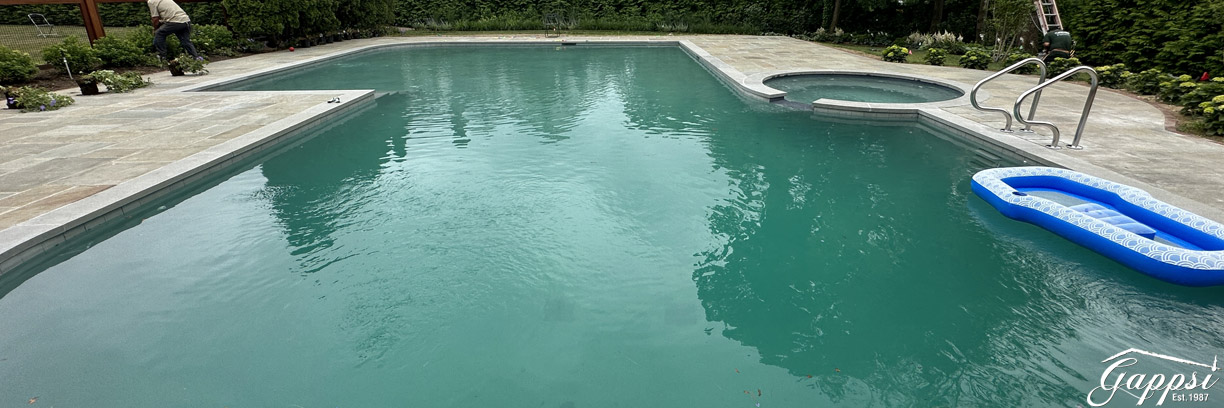
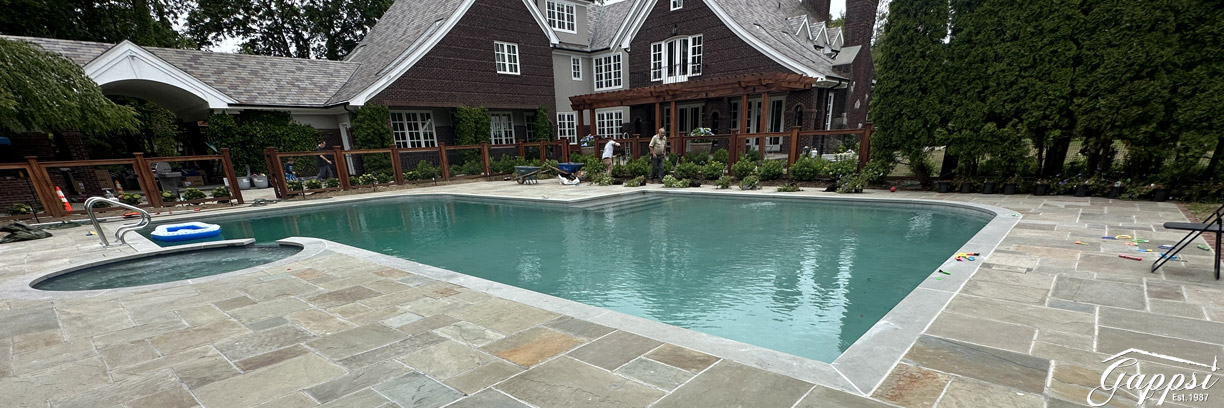
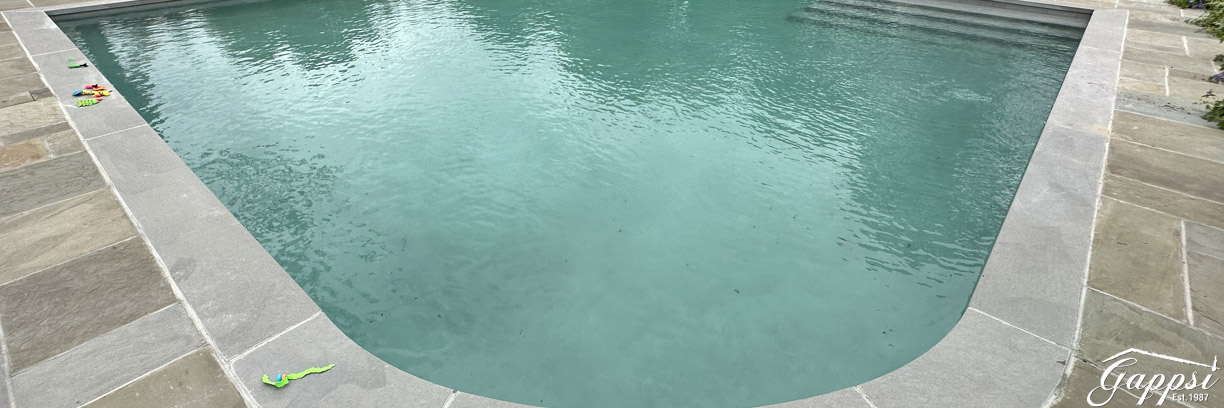
This is the latest project completed by Gappsi.  It is a large Gunite Swimming Pool that was marble dusted in Cedarhurst NY. We used gray marble dust throughout the pool, including the spa. This is the latest marble dusting job completed by Gappsi on Long Island NY.

SCHEDULE A MEETING TODAY WITH GAPPSI

View Gappsi’s YouTube Channel for Videos of a Marble Dusting Gunite Swimming Pool on Long Island in Cedarhurst NY

Share this page:

Marble Dust Pool Finish: A Homeowner’s Guide

A sparkling, pristine swimming pool is the centerpiece of any beautiful Long Island backyard. When the surface becomes faded, stained, or rough, it detracts from the entire outdoor living space you’ve worked so hard to create. You invested in a beautiful home, and your pool should reflect that same level of quality and care. Resurfacing with a marble dust pool finish is the perfect way to restore that clean, classic, and luxurious look. This brilliant white surface not only feels smooth but also makes the water appear a vibrant, inviting blue. Ahead, we’ll cover how this renovation can completely transform your pool’s appearance and restore its value as the jewel of your backyard.

Top-5-Benefits-of-a-Gunite-Swimming-Pool-East-Hampton-NY3Time can take a toll on several structures of your home, from driveways and roofing to swimming pools. While wear and tear are inevitable, there’s certainly a way to deal with it. Using marble dusting plaster and tiles for gunite swimming pool renovation can do wonders to resurface your pool.

Fortunately, there are ways to tell when your pool has begun aging. There are only so many freezes and thaw cycles and pressurized water it can handle. If you’re also wondering how to bring it back to life, you’ve come to the right place.

What Is Marble Dusting Plaster?

In short, it’s a smooth plaster finish applied to gunite pools and spas. Made using a mixture of crushed marble and highly refined white cement, you can purchase it in many colors. However, the most common colors people opt for are black and anything in the gray spectrum.

Our highly skilled professionals at Gappsi will start by applying it to your water line. Following this, they will apply rows of tiles of your choice. From our contractor to the applicator, everyone ensures you get just the kind of finish you desire for your gunite pool.

Signs You Need Marble Dusting Plaster and Tiles for Gunite Swimming Pool Renovation

The Stains Are Apparent

Stains come in different sizes and shapes. While they’re nothing more than signs of superficial damage, they can be annoying. The stains can be as irritating as the ones on your clothes. In most cases, they’re caused by algae, leaves, and other natural debris and chemical and mineral inputs.

If you see them growing in size and are unable to clean them up using home remedies, it may be a good time to contact Gappsi for a professional repair service.

Gunite Pool Renovations
A Gunite Pool Renovation in Long Island, NY

The Texture Doesn’t Seem Right

It’s important to recognize when your pool surface doesn’t feel smooth. Is the gunite showing through? Does the surface feel rough? These can be huge signs of deterioration of your pool surface.

The chances are, it will only get worse over time. Finding a good applicator and supplier in Nassau and Suffolk County, Long Island, NY, can be a daunting task. For this reason, our contractor at Gappsi makes sure to match your needs with the best team at hand.

Apart from staining, you may also want to look out for unbalanced levels of pH that can deteriorate the surface in the blink of an eye. If you notice that your pool needs more cleaning than usual, then there may be a good chance that there’s an imbalance in your pool chemicals.

There’s Frequent Leakage

Is your pool holding water well? A damaged or worn-out pool will have frequent leakage, making the water levels go down immensely even if you’ve just added water.

And much like a weakening surface, pool leaks will only worsen if left unaddressed. And that also means your water bill will keep going up, up, up until a full resurfacing is done.

Additional Resurfacing Options For Your Gunite Pool

There are a number of resurfacing options, including marble dusting plaster and tiles for gunite swimming pool renovation. At Gappsi, we’re not only well-versed in what your pool needs, but we also have several pool surfaces to offer, such as marcasite and quartz aggregate.

Marcite Vs. Quartz Aggregate

While the former is a mixture of marble dust, water, and cement, the latter is a mixture of plaster and small quartz pieces. For most pool surfaces, marcite is used as the standard plaster application. Furthermore, it provides a watertight seal over gunite and is very reliable.

The reason it’s a popular choice for pools is that it’s smooth and has a traditional appearance. It also reflects light inside, creating a vivid blue effect.

On the other hand, quartz aggregate lasts much longer. It is also harder than and not as prone to staining as marcite. Simultaneously, it gives the pool a unique and luxurious appearance.

A Gunite Swimming Pool
A customized gunite pool by Gappsi

How Long Does the Pool Resurfacing Take?

Once we’ve connected you to the relevant applicator and supplier in Nassau and Suffolk County, Long Island, NY, it shouldn’t take longer than a day or two to complete the process. This means you won’t have to shut your pool down for an indefinite period of time.

However, don’t let the issues linger because the more challenging they get, the more destructive they become. Don’t let any damage get away from your sight because sooner or later, it will end up causing more harm than good.

While renovating the pool doesn’t take longer than two weeks, curing certainly takes over two weeks. Before this, it is unlikely that you will be able to use the pool. While you wait, you can plan a wonderful re-opening pool party.

Schedule Your Maintenance Services Today

Aging is only natural. There will come a point when your pool begins deteriorating due to a number of factors. The time and effort to maintain a pool are not always worthwhile. This is why you must leave it to the professionals at Gappsi.

From conducting an inspection to providing you with the best quality marble dusting plaster, we’ll do everything it takes to fulfill your needs. Our experts will also make sure to check your drains, filter, heater, and pump to look for any signs of malfunctions and leaks.

Furthermore, they will also the old plaster and the tile for signs of aging. The applicators and technicians at Gappsi will only renovate your pool after they’ve assessed the damage.

Nothing extends the life of your pool more than popular and regular swimming pool maintenance. So, leave it up to the professionals and contact Gappsi if you’re in Nassau and Suffolk County, Long Island, NY, to schedule a consultation.

Key Properties of Marble Dust

A Natural Sparkle

Marble dust, often called marcite, is what gives many gunite pools that timeless, brilliant look. It’s a classic interior finish made from a simple blend of white cement and finely crushed marble. This combination creates a bright, smooth surface that gives your pool a pristine and clean appearance, making the water look incredibly inviting. The natural sparkle from the marble dust reflects sunlight beautifully, enhancing the blue tones of the water. This finish typically lasts between seven to twelve years before it might need resurfacing, making it a durable and beautiful choice for bringing a concrete or gunite pool back to life. It’s a fantastic way to refresh your backyard oasis with a finish that is both elegant and long-lasting.

Non-Toxic Material

Beyond its good looks, one of the most important features of marble dust is that it’s a completely non-toxic material. Since it’s made from natural crushed marble and refined white cement, you can have peace of mind knowing your pool water is safe for your family and friends. There are no harsh chemicals in the finish that could leach into the water over time. This commitment to safety is something we value deeply at Gappsi, whether we are installing a new swimming pool or renovating an existing one. Choosing a non-toxic and durable material like marble dust ensures your pool is not only beautiful but also a healthy environment for everyone to enjoy for years to come.

Understanding the Causes of Surface Damage

If your pool’s surface is looking a little worse for wear, it’s usually due to a few common culprits. Here on Long Island, our dramatic seasons play a big role. The repeated freeze and thaw cycles put a lot of stress on your pool’s plaster, causing it to become rough and eventually wear away. Beyond the weather, the chemistry of your pool water is just as critical. When pH levels are unbalanced, the water can become corrosive and slowly eat away at the surface of your gunite swimming pool. This deterioration leads to those annoying stains, a rough texture, and can even result in costly leaks if left unaddressed.

Plaster is Flaking or Peeling

Over time, you might notice small pieces of your pool’s plaster finish flaking off and settling on the pool floor. This issue, sometimes called spalling, is a sure sign that your pool’s surface is breaking down. It not only looks unappealing but also creates a rough, sandpaper-like texture that can be uncomfortable or even abrasive for swimmers’ feet. This happens when water gets behind the plaster, causing it to separate from the gunite shell underneath. While it’s a normal part of a pool’s life cycle, it’s a clear signal that the original finish has reached its end. Resurfacing with a fresh coat of marble dust is the best way to restore a smooth, comfortable, and beautiful finish to your swimming pool.

You See Visible Cracks or Fading

Visible cracks and fading color are two other tell-tale signs that your gunite pool needs attention. Even small, web-like cracks can worsen over time, compromising the watertight integrity of your pool and potentially leading to leaks. Larger structural cracks require immediate attention. At the same time, years of exposure to direct sunlight and pool chemicals can cause the original vibrant color of your pool to fade into a dull, dated look. If your once-brilliant blue pool now looks washed out and tired, or if you’re spotting cracks, it’s time to consider a renovation. A new marble dust finish not only covers these imperfections but also provides a fresh, durable layer of protection, bringing your pool back to life. For significant cracks, a professional restoration may be needed before resurfacing.

Pebbles Are Missing from the Finish

If your pool has an aggregate finish, like those with pebbles or glass beads, you may eventually notice that patches are missing or that you’re finding loose pebbles at the bottom of the pool. This creates an uneven and rough surface that is unpleasant to walk on. It also indicates that the cement mixture holding the aggregate in place is failing, a process that can be accelerated by prolonged chemical imbalances in the water. These loose pebbles can also get sucked into your filtration system, causing potential clogs and damage. When you start seeing bald spots on your pool’s surface, it’s a definitive sign that the finish is deteriorating and needs to be replaced. A professional can help you assess the damage and choose a new, durable surface.

Comparing Pool Finishes: Lifespan and Cost

When it comes to resurfacing your gunite pool, you have several finish options, each with its own unique look, feel, and durability. Understanding the differences in lifespan and cost can help you make the best choice for your backyard oasis. While marble dust is a classic, it’s worth exploring other materials to see what fits your style and budget.

Marble Dust (Marcite)

Marble dust, also known as marcite, is the traditional go-to finish for gunite pools. It’s a simple mixture of crushed white marble and white cement that creates a smooth, classic look. While typically white, it can be tinted to achieve different shades like gray or black. It’s one of the most affordable options, but it generally has a shorter lifespan of about 5 to 10 years, as it can be susceptible to staining and chemical imbalances over time.

Quartz Finishes

A step up in durability, quartz finishes are made by mixing quartz aggregate crystals into the plaster. This creates a much harder and more stain-resistant surface than standard marcite. Quartz offers a wider range of color possibilities and adds a subtle sparkle to your pool water. It’s a great middle-ground option that combines beauty with resilience, typically lasting between 12 and 15 years with proper care, making it a popular choice for many homeowners.

Pebble Finishes

For maximum durability, many people turn to pebble finishes. This surface consists of small, smooth river pebbles embedded in cement. It’s incredibly tough, resistant to stains and chemicals, and can last for 20 years or more. The texture is more natural and can feel slightly bumpy underfoot, which some people love for its non-slip quality. While it is one of the more expensive options, its longevity often makes it a worthwhile investment for a long-term solution.

Other Specialty Finishes (Hydrazzo and Diamond Brite)

Beyond the main three, there are other specialty finishes like Hydrazzo and Diamond Brite. Hydrazzo is a polished marble finish that creates an incredibly smooth, silky surface, while Diamond Brite incorporates quartz aggregates for enhanced durability and color. These options offer unique textures and appearances, and a knowledgeable professional can walk you through which specialty finish might be the perfect fit for the custom look you want to achieve for your swimming pool.

The Pool Resurfacing Process Step-by-Step

Resurfacing a gunite pool is a detailed job that transforms your worn-out pool into a brand-new centerpiece for your yard. While it might seem straightforward, each step requires precision and expertise to ensure the new surface is beautiful, smooth, and long-lasting. A professional team follows a meticulous process to prepare the old surface, apply the new finish, and set it up for success. Understanding these steps can give you a clear picture of what to expect during your pool’s renovation.

Step 1: Draining and Preparation

The first step is to completely drain the pool. Once the pool is empty, the crew gets to work preparing the existing surface. This involves removing any old, loose plaster that is chipping or flaking away. This part of the process can be loud and dusty, but it’s essential for creating a clean slate. A properly prepared base ensures that the new layer of plaster will bond correctly and form a strong, even surface without any weak spots.

Step 2: Cleaning and Repairing the Shell

After the loose material is gone, the pool’s interior shell is thoroughly cleaned, often with a powerful acid wash to remove any remaining stains, algae, and mineral deposits. During this stage, the team will carefully inspect the underlying gunite shell for any cracks or structural issues. Any imperfections found are repaired to ensure the shell is solid and watertight before the new finish is applied. This attention to detail is crucial for the longevity of your pool’s new surface and prevents future problems from developing.

Step 3: Applying the New Plaster

This is where the artistry comes in. The new plaster, whether it’s marble dust, quartz, or another finish, is mixed on-site and applied entirely by hand. Skilled applicators work quickly and efficiently, using trowels to spread the plaster evenly across the entire surface of the pool, from the floor to the walls. Their goal is to create a seamless, smooth finish without any bumps or trowel marks. This step requires a high level of experience to get just right.

Step 4: Filling and Final Inspection

Once the plaster is applied, the pool is immediately filled with water. The water is essential for the curing, or hardening, process. As the pool fills, the team will perform a final inspection to ensure everything looks perfect. They will also provide you with initial instructions for water chemistry and brushing, which are critical for the next phase. This step marks the end of the construction and the beginning of the curing period, getting you one step closer to swimming again.

Post-Application Care: The Curing Process

The work isn’t quite done once the pool is filled with water. The first few weeks after resurfacing are critical for the new plaster finish. This is known as the curing period, where the plaster hardens and settles. Proper care during this time is absolutely essential to achieve a durable, smooth, and beautiful surface that will last for years. Following the post-application instructions carefully will protect your investment and ensure you get the best possible result from your pool renovation.

The Underwater Curing Period

Your new pool plaster doesn’t dry in the air; it cures underwater. This process typically takes about 7 to 10 days, though the full cure can take up to a month. During this time, the water helps the plaster harden slowly and evenly. It’s important to maintain proper water chemistry from day one, as imbalances can interfere with the curing process and potentially stain or damage the fresh surface. Your pool professional will provide specific guidelines for testing and adjusting the water.

Managing Plaster Dust

As the plaster cures, it will release fine particles known as plaster dust. If this dust is left to settle on the surface, it can create rough spots and discoloration. To prevent this, you’ll need to brush the entire pool surface at least twice a day. Start by brushing the walls from the top down, then move to the floor, pushing the dust toward the main drain. This keeps the particles suspended in the water so they can be filtered out.

The Importance of Daily Brushing

Daily brushing is the single most important task for a homeowner during the curing process. It’s not just about cleaning; it’s about ensuring the final texture of your pool is perfectly smooth. Consistent brushing prevents plaster dust from re-adhering to the surface and hardening into permanent rough patches. While it requires diligence for a couple of weeks, this effort is what guarantees that silky-smooth finish you’ve been looking forward to and helps your new surface achieve its maximum lifespan.

Safety and DIY Considerations

With any home improvement project, it’s natural to wonder if you can save some money by doing it yourself. While the DIY spirit is admirable, pool resurfacing is one of those jobs that carries significant risks and is best left to the professionals. The materials can be hazardous to handle without proper training and equipment, and the application process requires a level of skill that takes years to master. A small mistake can lead to a costly and disappointing outcome.

Handling Raw Marble Dust

Raw marble dust and the cement it’s mixed with are fine powders that can be dangerous if not handled correctly. The dust can easily become airborne and cause serious irritation to your eyes, skin, and respiratory tract if inhaled. Professionals always wear protective gear, including masks, gloves, and eye protection, to mitigate these risks. Without the right safety equipment and experience, you could be exposing yourself and your family to harmful materials during a DIY attempt.

Why Professional Installation Is Recommended

Achieving a flawless pool finish is a craft that combines science and art. Professionals not only have the right tools and safety gear but also the expertise to properly prep the surface, mix the plaster to the perfect consistency, and apply it for a uniform, durable result. At Gappsi, our teams are experts in masonry and pool construction, paying close attention to every detail. Hiring a professional ensures the job is done safely, efficiently, and correctly the first time, giving you a stunning pool that you can enjoy for years to come.

SCHEDULE A MEETING TODAY WITH GAPPSI

VIEW OUR VIDEO OF A GUNITE POOL RESURFACING

https://youtu.be/zm46nBJeWR4

Frequently Asked Questions

How long does a marble dust pool finish typically last? A marble dust, or marcite, finish is a classic choice that generally lasts between seven and twelve years. Its lifespan depends heavily on proper maintenance, especially keeping the pool’s water chemistry balanced. Consistent care helps prevent staining and deterioration, ensuring you get the most out of your beautiful new surface.

What are the first signs that my gunite pool might need to be resurfaced? You’ll likely notice a few key indicators. The most common signs include visible stains that are difficult to remove, a rough texture that feels like sandpaper on your feet, or small cracks appearing on the surface. You might also see the plaster flaking off or notice that the color has become dull and faded.

How long will my pool be out of commission for resurfacing? The actual resurfacing work is surprisingly quick, usually taking just a few days to drain the pool, prepare the surface, and apply the new plaster. However, the most important part is the curing process that follows. You’ll need to wait about two to three weeks for the new finish to properly harden underwater before you can start swimming again.

Is it possible to change the color of my pool with a new finish? Absolutely. While classic white marble dust gives water that brilliant blue look, the material can be tinted to achieve different shades, like gray or even black, for a more dramatic effect. If you opt for a quartz or pebble finish, your color and texture options expand even further, allowing you to completely customize your pool’s appearance.

Can I resurface my pool myself? Pool resurfacing is a project best left to experienced professionals. The process involves handling materials that can be hazardous without proper safety gear, and applying the plaster requires a specific skill set to achieve a smooth, durable finish. A small mistake during a DIY attempt can lead to a poor result and costly repairs, so hiring a professional ensures the job is done safely and correctly.

Key Takeaways

  • Recognize when your pool needs help: Keep an eye out for obvious signs like persistent stains, a rough sandpaper-like texture, visible cracks, or a constantly dropping water level. Catching these issues early and resurfacing can prevent bigger problems and bring back your pool’s sparkle.
  • Choose the right finish for your lifestyle: While classic marble dust is a great, affordable option, it’s not the only one. Consider quartz for better durability and stain resistance, or a pebble finish for the longest-lasting surface. Weighing the appearance, longevity, and budget for each will help you make a confident choice.
  • Commit to the curing process: Professional installation is just the first step; the first few weeks are critical for a lasting finish. Daily brushing is your most important job after the pool is refilled. This simple task prevents plaster dust from hardening into rough spots and guarantees that smooth, beautiful surface you invested in.

Related Articles

Share this page: