Concrete Pavers Sealer Stripping and Resealing in Lake Grove

View Gappsi’s YouTube Channel to view Concrete Pavers Sealer Stripping and Resealing in Lake Grove

Beautiful concrete pavers can completely transform the look of a backyard patio, pool area, driveway, or outdoor living space. However, when pavers are improperly sealed or maintained, the results can quickly become disappointing. Blotchy coloring, cloudy finishes, trapped moisture, and white spotting can detract from the stone’s natural beauty and make the entire surface look aged or poorly installed.

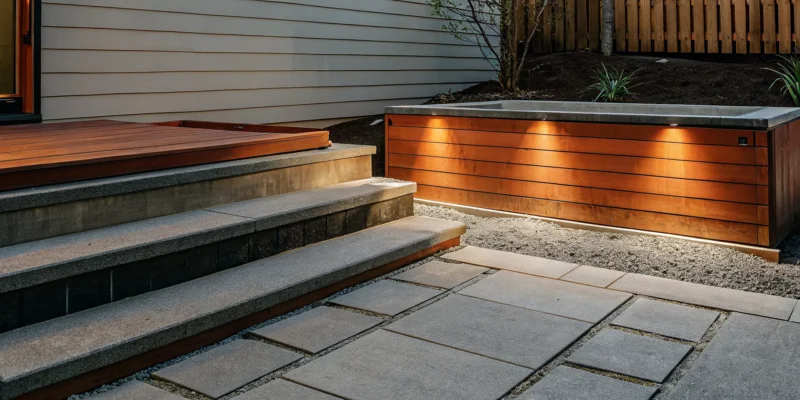
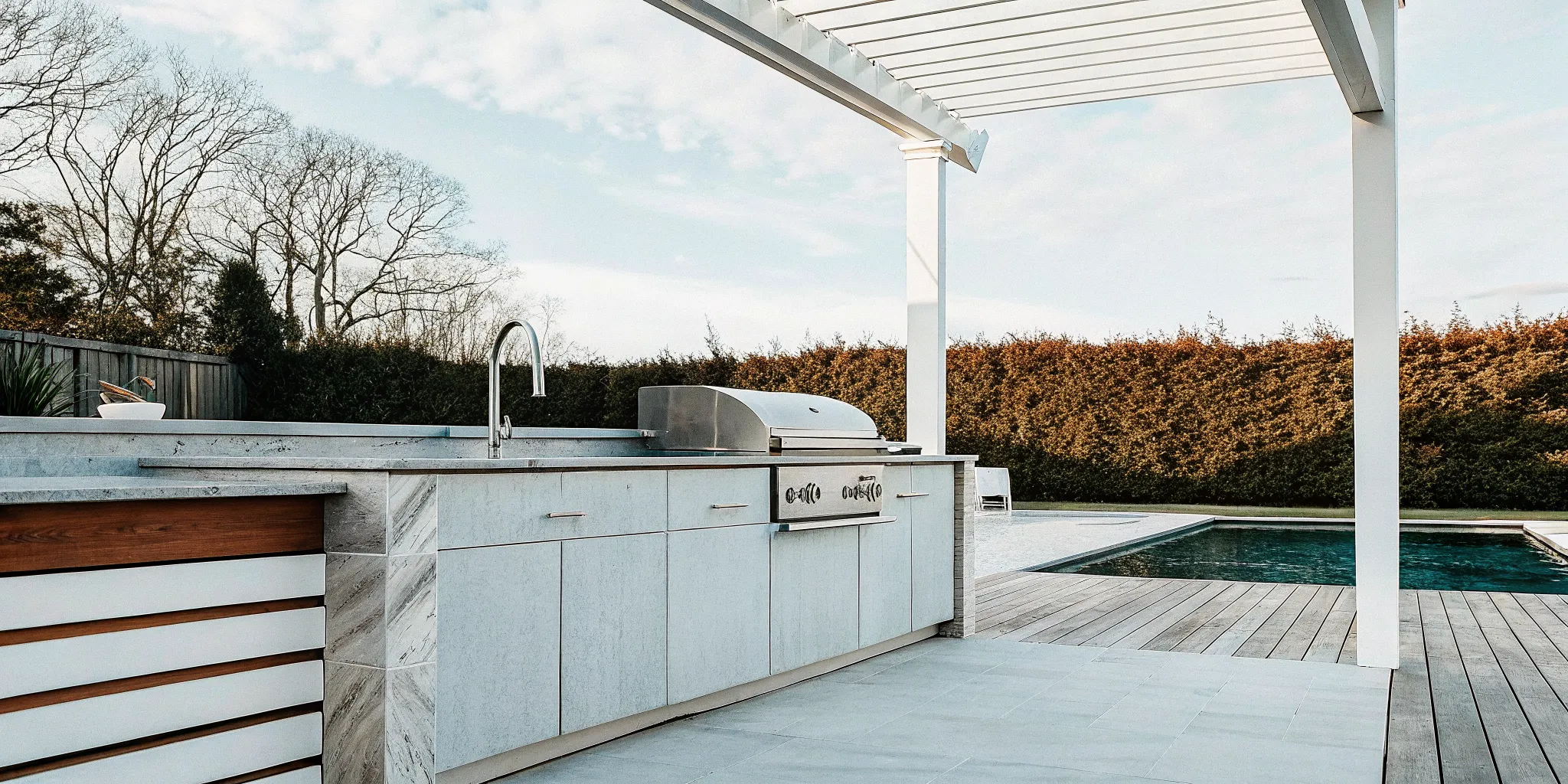
At Gappsi, we recently completed a concrete paver sealer stripping and resealing project in Lake Grove for a homeowner who was unhappy with the results of a previous sealing application done by another company just one year earlier. The patio had significant discoloration, uneven coloring, and white spots trapped underneath the sealer. Our team was hired to completely restore the patio’s appearance by stripping off the old sealer, pressure-washing the entire surface, and professionally resealing the pavers with a high-quality, color-enhancing sealer.

The final results completely transformed the patio and restored the stones’ rich, natural color.

Problems Caused by Improper Paver Sealing

Sealing concrete pavers is an important part of protecting and maintaining outdoor hardscapes. A quality sealer can help prevent fading, reduce staining, stabilize joint sand, and enhance the natural colors of the pavers. However, sealing must be done properly and under the right conditions.

Unfortunately, poor workmanship or the use of low-quality products can create several issues, including:

  • Blotchy or uneven coloring
  • White hazy spots trapped under the sealer
  • Moisture entrapment
  • Peeling or flaking sealer
  • Uneven shine or gloss
  • Loss of the natural appearance of the stone

This patio in Lake Grove had many of these exact problems. The patio had been sealed only a year earlier, but the finish already looked inconsistent and unattractive. The homeowner noticed that the pavers appeared cloudy in certain areas, while other sections had dark blotches and visible white spots underneath the coating.

In many cases, these issues happen when the surface is not properly cleaned before sealing, when moisture is trapped beneath the coating, or when too much sealer is applied. Once these problems occur, the only proper solution is to strip away the old sealer completely and start the process again correctly.

Inspecting the Patio Before Restoration

Before beginning the restoration process, our team carefully inspected the patio surface to determine the condition of the existing sealer and identify the best removal method.

The pavers themselves were still in excellent structural condition, but the old sealant had significantly affected the patio’s appearance. The stones’ colors were hidden beneath the uneven coating, and the trapped white spots made the surface look worn and dirty.

The joints between the pavers also needed attention. Over time, sand between pavers can become loose, contaminated, or washed away, especially if the original sealing process was not completed properly.

To fully restore the patio, we developed a complete stripping and resealing plan that included:

  • Applying a professional-grade chemical stripper
  • Softening and removing the existing sealer
  • Pressure washing the entire patio surface
  • Cleaning out the paver joints
  • Preparing the surface for a new sealing application
  • Applying fresh joint sand where needed
  • Resealing the patio with a premium color-enhancing sealer

Removing the Old Sealer

The first major step in the restoration process was stripping away the failed sealer. This is one of the most important stages because any leftover residue can affect the appearance and performance of the new coating.

Our team applied a specialized chemical stripper to the patio surface. The purpose of the stripper is to soften and break down the old sealer so it can be safely removed from the concrete pavers without damaging the stones.

Once the sealer had softened, we thoroughly pressure-washed the entire patio to remove the old coating, dirt, contaminants, and buildup that had accumulated on the surface.

Pressure washing is essential at this stage because it cleans deep within the pavers’ texture and helps restore the stone’s original appearance. It also removes debris from between the joints so the patio can be properly prepared for resealing.

As the old sealer was removed, the pavers’ natural colors immediately began to reappear. The cloudy white spots and blotchy finish disappeared, revealing the rich tones and clean surface hidden underneath the failed application.

Restoring the Natural Beauty of the Pavers

One of the biggest differences homeowners notice after professional stripping and resealing is how vibrant the pavers look once the old damaged coating is removed.

In this project, the stones’ original color returned beautifully after the stripping process was completed. Years of trapped discoloration and uneven sealer buildup had dulled the patio’s appearance, but the cleaning and restoration process brought the pavers back to life.

Concrete pavers are designed to provide both durability and visual appeal. When maintained properly, they can last for decades while remaining attractive and clean.

Professional resealing not only protects the surface but also enhances the stone’s natural color variations. Instead of appearing blotchy or cloudy, the patio now has a rich, even finish that highlights the beauty of the pavers.

Applying the New Sealer

After the patio was completely cleaned and dried, we moved on to the final stage of the project: applying the new sealer.

At Gappsi, we use high-quality sealers specifically designed for concrete pavers and outdoor hardscapes. For this patio, we selected a color-enhancing sealer that would restore depth and richness to the stone while providing long-lasting protection.

The new sealer was carefully applied evenly across the patio surface to ensure a consistent appearance without streaking or blotching. Proper application techniques are critical because over-application can lead to the same problems the homeowner originally experienced.

The final result was a clean, natural-looking patio with enhanced color, improved protection, and a beautiful finish that completely transformed the outdoor space.

Why Professional Paver Sealing Matters

Many homeowners underestimate the importance of hiring experienced professionals for paver sealing and restoration. While sealing may seem straightforward, improper application can create expensive problems that require complete stripping and refinishing later on.

Professional paver sealing offers several benefits:

  • Protects against fading and weather damage
  • Enhances the natural color of the pavers
  • Helps prevent stains and surface deterioration
  • Stabilizes joint sand
  • Improves the appearance of outdoor living spaces
  • Extends the lifespan of the patio or driveway

Most importantly, professional installation ensures the sealer is applied the first time correctly.

Expert Paver Restoration Services in Lake Grove

This concrete paver stripping and resealing project in Lake Grove is another example of how proper restoration techniques can completely revive an outdoor hardscape.

The homeowner was extremely pleased with the final results after seeing the original beauty of the patio restored. By removing the failed sealer, thoroughly cleaning the surface, and applying a premium color-enhancing sealer, our team delivered a durable and visually stunning finish.

If your patio, driveway, pool deck, or walkway has cloudy sealer, white spots, fading, or uneven coloring, professional stripping and resealing may be the solution. Gappsi provides expert paver restoration and sealing services throughout Long Island and surrounding areas, helping homeowners protect and beautify their outdoor spaces for years to come.

Contact Gappsi Today

📍 Serving all of Long Island, NY — Nassau & Suffolk Counties
🌐 https://www.gappsi.com/
📞 Call now for a free consultation and estimate

SCHEDULE A MEETING TODAY WITH GAPPSI

Modern horizontal steel fence panels securing the front yard of a residential home.

The Homeowner’s Guide to Modern Steel Fences

A fence does more than just mark your property line; it’s a major statement piece for your home’s exterior. It frames your landscape and sets the tone for your entire property. While you might think of them as purely functional, modern steel fences have become a go-to for homeowners who want both style and strength. Gone are the days of plain, industrial designs. Today’s options come in a huge variety of elegant, contemporary, and classic styles that can dramatically improve your curb appeal. From sleek panels to ornate designs, a well-chosen steel fence complements your home’s architecture and creates a beautiful, lasting first impression.

Key Takeaways

  • Choose Strength Without the Hassle: Modern steel fences are built with galvanized materials and protective coatings to resist rust and weather damage. This means you get exceptional durability and security without the constant painting, staining, or repairs required by wood.
  • Design a Fence That Fits Your Home: Steel fencing offers incredible design flexibility, from classic ornamental looks to clean, modern panels. You can customize the height, color, and decorative details to create a fence that enhances your home’s curb appeal and matches your personal style.
  • Make a Smart Long-Term Investment: While the initial price may be higher than other materials, a steel fence saves you money over time by eliminating maintenance costs. To protect this value, professional installation is essential for ensuring your fence is secure, compliant with local codes, and built to last for decades.

What Is a Steel Fence?

So, what exactly is a steel fence? Think of it as the strong, silent type in the world of fencing. It’s a durable and long-lasting barrier for your property made from tough materials like galvanized steel. This construction means it’s built to stand up to just about anything Long Island weather throws at it, from humid summers and salty air to snow and freezing rain. Unlike a wood fence that can warp, rot, or become a snack for pests over time, a steel fence holds its ground year after year with impressive resilience. It maintains its structural integrity without demanding constant attention or repairs.

This strength makes steel an excellent choice for creating a secure perimeter around your home, pool, or garden. It provides a formidable boundary that enhances your family’s safety and privacy. While other materials might degrade, steel’s resistance to corrosion and decay ensures it remains a dependable feature of your landscape. All it really asks for is an occasional cleaning to keep it looking sharp and inspections to ensure its longevity. When you’re looking for a reliable and long-lasting solution to define your property lines, you can explore a variety of fences and netting to suit any home’s style. A steel fence gives you both security and peace of mind with very little fuss.

How Steel Differs From Other Metal Fencing

When you start looking at metal fences, you’ll notice a few options, mainly steel, aluminum, and wrought iron. Steel stands out primarily for its superior strength. It’s typically made from thicker materials, giving it a sturdiness that lightweight aluminum just can’t match. Modern steel fences also come with advanced protective coatings that prevent rust and fading, which is a huge plus in our salty coastal air. While aluminum is naturally rust-resistant, it’s also more prone to denting and may not provide the same level of security. The long-term value of steel is another key differentiator. With a lifespan that can stretch from 20 to 50 years, it’s a lasting investment in your home’s safety and curb appeal.

Common Types of Steel Fences

When you hear “steel fence,” you might picture just one specific style, but the reality is much more exciting. Steel fencing comes in a variety of forms, each with its own unique look and set of benefits. Whether you’re aiming for maximum privacy, an elegant boundary that shows off your garden, or a secure enclosure for your kids and pets, there’s a steel fence that fits the bill. Understanding the different types is the first step in choosing the right one for your Long Island home. From the industrial-chic look of corrugated steel to the classic elegance of ornamental designs, your options are far from limited.

Choosing a fence is about more than just marking a property line; it’s a design decision that impacts your home’s entire curb appeal. The right fence can complement your landscaping, add a layer of security, and create a private backyard oasis. At Gappsi, we work with all kinds of fencing materials to create custom solutions that feel like a natural extension of your home. Let’s walk through the most common types of steel fences so you can find the perfect match for your property’s style and your family’s needs.

Corrugated Steel

If privacy and a modern, industrial vibe are what you’re after, corrugated steel is an excellent choice. Known for its signature wavy pattern, this type of fencing is incredibly durable and strong, creating a solid barrier that shields your yard from view. It’s a popular option for homeowners who want a contemporary look that stands out from traditional wood or vinyl. Corrugated steel is also quite resilient against the elements. The typical cost for a metal fence like this can vary, but its strength and unique aesthetic make it a compelling choice for a secure and stylish perimeter.

Ornamental Steel

For a look that blends timeless elegance with serious strength, ornamental steel is the go-to option. These fences offer the classic, sophisticated appearance of wrought iron without the demanding maintenance. Models like the TruView® are designed to enhance your property’s visual appeal while providing a robust security barrier. Ornamental steel is perfect for framing a front yard, enclosing a swimming pool, or defining a garden space without obstructing the view. It adds a touch of class and can significantly improve your home’s curb appeal, making it a beautiful and practical investment. You can find many styles in commercial fence panels that work for residential properties.

Welded Wire Steel

Welded wire steel fencing is a practical and effective solution for creating a strong, visible boundary. Often available in rolls, this type of fence, like the Pantanet® Essential, is ideal for a wide range of applications. It’s perfect for keeping pets safely in the yard or sectioning off a vegetable garden from curious wildlife. Because it provides a secure barrier without blocking sightlines, it’s a great choice for properties where you want to maintain an open, airy feel. It allows you to secure your space while still enjoying the beautiful landscaping you’ve worked so hard on.

Steel Panels

When longevity and pure strength are your top priorities, steel panels are hard to beat. These fences are engineered to be incredibly tough and are often the choice for homeowners who want a “set it and forget it” solution. Built to withstand harsh weather and provide lasting security, metal fence panels offer a formidable barrier for your property. They come in various designs, from simple and utilitarian to more decorative styles, giving you flexibility in matching your home’s aesthetic. This type of fence is a straightforward, powerful option for anyone seeking maximum durability and peace of mind.

Stainless Steel

For a sleek, modern look that requires very little upkeep, consider stainless steel. This premium option is highly resistant to rust and corrosion, making it a fantastic choice for Long Island’s coastal climate. While it often comes with a higher initial price tag, its incredible durability and low maintenance needs can make it a worthwhile long-term investment. Stainless steel fences offer a clean, polished appearance that complements contemporary architecture perfectly. According to HomeGuide, the price of a metal fence made of stainless steel is one of the highest, but its longevity and minimal care requirements often justify the cost over time.

Why Choose Steel Over Wood or Vinyl?

When you’re choosing a fence, you’re balancing looks, cost, and durability. While wood and vinyl are common choices, steel fencing offers a unique combination of benefits that often make it the smartest long-term investment for your Long Island home. From its incredible strength to its minimal upkeep, steel stands apart from the competition. Let’s break down exactly why steel might be the perfect fit for your property.

Unmatched Durability and Strength

Steel is exceptionally strong. Unlike wood, it won’t rot, warp, or fall victim to pests. And unlike vinyl, it won’t turn brittle and crack after years of sun exposure. Gappsi’s steel fences are made from tough, galvanized materials designed to stand up to Long Island’s demanding weather, from humid summers and heavy snow to coastal salt air. This inherent strength means your fence will maintain its integrity and appearance for decades, providing a reliable boundary for your property without the constant worry of weather-related damage. It’s a true set-it-and-forget-it solution for lasting structural integrity.

A Low-Maintenance Solution

If you’d rather spend your weekends enjoying your yard than working on it, steel is the clear winner. Wood fences require regular staining, painting, or sealing to prevent rot and decay. Vinyl fences can attract mold and mildew, needing frequent scrubbing to stay clean. Steel, on the other hand, asks for very little. A simple cleaning with soap and water now and then is usually all it takes to keep it looking great. Because it doesn’t warp or rot, you can forget about costly repairs and time-consuming upkeep. This low-maintenance quality not only saves you time and effort but also reduces the long-term cost of ownership.

Better Security for Your Home

A fence is your first line of defense, and steel provides a level of security that wood and vinyl simply can’t match. Its rigid construction makes it extremely difficult for intruders to bend, break, or climb. For added peace of mind, you can incorporate security features like pointed tops to further deter anyone from attempting to cross it. This makes steel an ideal choice for securing your property, protecting your family, and enclosing valuable spaces like a swimming pool or backyard entertainment area. With a steel fence, you can feel confident that your home has a strong and dependable perimeter.

Resistance to Fire and Storms

Long Island weather can be unpredictable, with powerful storms and high winds. Steel fencing is non-combustible and engineered to withstand extreme conditions far better than its counterparts. While a wood fence can fuel a fire and vinyl can melt, steel provides a fire-resistant barrier. Many modern steel fences are also rated to endure hurricane-force winds without failing. This resilience offers an extra layer of protection for your home during severe weather events, ensuring your fence remains standing when you need it most. It’s a practical choice for homeowners who prioritize safety and storm preparedness.

An Eco-Friendly Choice

Choosing a sustainable building material is important, and steel is a surprisingly green option. Most steel used for fencing contains recycled content, and the entire fence is 100% recyclable at the end of its very long life. This is a stark contrast to vinyl, which is a petroleum-based plastic, and pressure-treated wood, which is often treated with chemicals and can end up in a landfill. The durability of steel also means you won’t be replacing it for many years, reducing waste and the consumption of resources over time. By selecting a Gappsi fence, you’re making a durable and responsible choice for your property.

What to Look For in a Steel Fence

Once you’ve decided that a steel fence is the right choice for your home, the next step is figuring out which one to pick. Not all steel fences are made the same, and a few key details can make a huge difference in how your fence looks, performs, and lasts. Thinking about these factors ahead of time will help you invest in a fence that you’ll be happy with for years to come.

Material Quality and Protective Coatings

The foundation of a great fence is the quality of the steel itself. Look for options made from galvanized steel, which has a protective zinc coating to prevent rust and corrosion. This is especially important here on Long Island, where salty air can be tough on exterior metals. Many modern steel fences also come with advanced powder coatings that resist fading from the sun and damage from rain or snow. A high-quality finish ensures your fence won’t just be strong, but will also maintain its color and sleek appearance without constant upkeep. At Gappsi, we prioritize durable fences and netting solutions built to withstand the local climate.

Important Security Features

A steel fence is one of the best ways to secure your property line. Its inherent strength makes it incredibly difficult to break through. For added security, you can choose designs with features like pointed tops that deter climbing. Beyond keeping intruders out, some steel fences are engineered for extra resilience. They can be fire-resistant and rated to withstand hurricane-force winds, offering another layer of protection for your home and family during intense storms. This kind of durability provides true peace of mind, knowing your property is well-protected from multiple angles.

Customization and Design Options

Your fence is a major part of your home’s curb appeal, so it should reflect your personal style. Gone are the days of having only one or two basic options. Modern steel fences come in a wide range of designs, from classic and ornate to clean and contemporary. You can choose from various colors, heights, and decorative elements to create a look that’s uniquely yours. A well-chosen fence should complement your home’s architecture and feel like a natural part of your landscape design, tying your whole outdoor space together beautifully.

Understanding Your Warranty

A strong warranty is a clear sign that a manufacturer stands behind its product. Before making a final decision, always ask about the warranty that comes with your steel fence. Some companies offer warranties that last for decades, which speaks volumes about the fence’s expected lifespan and durability. Be sure to read the details to understand what is covered, such as the finish, materials, and hardware. A comprehensive warranty protects your investment and ensures that if any issues do arise, you have a clear path to getting them resolved without hassle.

Breaking Down the Cost of a Steel Fence

Thinking about the budget for your new fence is a huge part of the planning process. While a steel fence is a significant home improvement project, understanding the costs upfront can make everything feel much more manageable. The final price tag isn’t just one number; it’s a combination of materials, design choices, and the specifics of your property.

The total investment can vary quite a bit from one home to another, even in the same Long Island neighborhood. Factors like the size of your yard, the style of fence you choose, and the condition of your land all play a role. Let’s walk through the main components of the cost so you can get a clearer picture of what to expect and plan accordingly.

Average Cost Per Linear Foot

When you start getting quotes, you’ll often see prices listed per linear foot. This is simply the cost for every one-foot section of your fence. For a quality steel fence, you can generally expect the cost to be between $20 and $80 per linear foot installed. So, if you have a 150-foot perimeter to enclose, you can multiply that length by the per-foot cost to get a baseline estimate for your project. This price typically includes both the materials and the labor for a standard installation.

What Influences the Final Price?

The average cost is a great starting point, but several key factors will adjust your final price. The specific type of fence you select is the biggest variable. A simple, standard-grade steel panel will cost less than a thick, ornamental fence with custom colors and decorative post caps. Other elements that affect the price include:

  • Gates: The number of gates you need and their complexity (for example, an automatic driveway gate versus a simple walkway gate) will add to the cost.
  • Your Property: If your yard has steep slopes, is very rocky, or requires extensive clearing, the installation will be more complex and will influence the labor cost.

Factoring in Installation and Site Prep

The price of the fence panels is just one piece of the puzzle. Professional installation is another key component, with labor costs typically ranging from $5 to $25 per linear foot. This fee covers the team’s expertise, time, and the equipment needed to do the job right. You also need to consider site preparation. If you have an old fence that needs to be torn down and hauled away, or if the fence line needs to be cleared of brush and graded, these tasks will be factored into the final quote.

Long-Term Value vs. Initial Investment

It’s easy to focus on the upfront cost, but a steel fence is truly a long-term investment. While it may cost more initially than a wood fence, it saves you a significant amount of money and time over the years. Steel doesn’t require the regular painting, staining, or board replacements that wood fences do. In fact, you could save thousands of dollars over the life of the fence by avoiding those recurring maintenance costs. This durability and low upkeep mean you get lasting security and beauty without the constant work, making it a smart financial choice for your home.

Designing Your Ideal Residential Steel Fence

Creating the perfect steel fence for your home goes beyond simply picking a material. It’s an opportunity to define your property’s character and enhance its curb appeal. The right design choices will make your fence feel like a natural extension of your home and landscape. By carefully considering the height, style, and decorative details, you can create a boundary that is both beautiful and functional. Think of it as the finishing touch that pulls your entire outdoor space together, providing security and style in one package.

Choosing the Right Height and Style

The first step in designing your fence is deciding on its height and overall style. Height is a practical choice, determining the level of privacy and security you want. A taller fence is great for creating a secluded backyard oasis, while a shorter one can define your property line without obstructing views. Style, on the other hand, is all about aesthetics. Steel fences and netting come in a wide range of designs, from classic ornamental looks with intricate details to sleek, modern panels. Think about your home’s architecture and choose a style that complements it, whether you want something that stands out or blends in seamlessly.

Exploring Decorative Features and Finishes

Modern steel fences are built to last, thanks to advanced protective finishes. Most are made with galvanized steel and then powder-coated, a process that prevents rust, chipping, and fading. This durable coating ensures your fence looks great for years with minimal upkeep. Beyond the finish, you can add decorative features to personalize your fence. Details like finials, post caps, or ornamental rings can add a touch of elegance and character. These features allow you to customize a standard design and create a fence that is uniquely yours, reflecting your personal taste while adding to your home’s value.

Matching the Fence to Your Outdoor Space

A great fence should harmonize with its surroundings. When selecting a design, consider how it will look alongside your garden, patio, or pool. You can choose from many different sizes and colors, like classic black, subtle brown, or modern gray, to match your home’s exterior and your landscape design. Some styles, like 3D or corrugated panels, can even become a statement piece in your yard. The goal is to create a cohesive look where the fence, your home, and your landscaping all work together to form a beautiful and inviting environment.

Common Myths About Steel Fences, Debunked

When you’re planning a home improvement project, it’s easy to get tangled in misinformation. Steel fencing has been around for a long time, and so have some of the myths surrounding it. Let’s clear the air and look at the facts so you can make a confident choice for your Long Island home. From rust to cost, we’re breaking down the most common misconceptions about steel fences.

Myth: Steel Fences Always Rust

This is probably the most common concern I hear, and it’s completely understandable. The good news is that it’s largely a thing of the past. Modern steel fences are not the rust-prone barriers you might be picturing. Today’s high-quality options are made with galvanized steel and finished with a durable powder coating. This combination creates a powerful shield that prevents rust and resists chipping, peeling, and cracking. You get the incredible strength of steel without the constant worry of corrosion, ensuring your investment looks great for years.

Myth: Steel Fences Are Too Expensive

While the upfront cost of a steel fence can be higher than wood, it’s important to look at the bigger picture. Think of it as a long-term investment in your property. Steel requires very little maintenance, saving you significant money and time over its lifespan. You won’t need to budget for frequent painting, staining, or replacing warped boards. When you consider the costs you’ll avoid, a steel fence often proves to be a more economical choice over 30 years. Gappsi provides a variety of fences and netting to fit different budgets and styles.

Myth: Steel Fences Lack Style

Some people think steel fences are only for industrial sites, but that couldn’t be further from the truth. Modern steel fencing is incredibly versatile and comes in a huge range of styles, from classic and ornate to sleek and contemporary. A beautifully designed steel fence can dramatically improve your home’s curb appeal and complement your property’s architecture. Whether you’re pairing it with a lush garden or a modern stone patio, there’s a design that will fit perfectly into your overall landscape design.

Myth: Steel Fences Are Difficult to Install

The idea of installing a steel fence can seem intimidating. While some products are marketed as DIY-friendly, a proper installation is key to the fence’s longevity and security. Ensuring every post is perfectly level, secure, and compliant with local codes is a job best left to professionals. Hiring an experienced team guarantees your fence is installed correctly from the start, preventing issues like sagging or instability down the road. A professional installation protects your investment and gives you peace of mind that your home is secure.

How to Maintain Your Steel Fence

One of the best things about a steel fence is how little maintenance it requires. Unlike wood, you won’t be dealing with rot, warping, or pests. However, a little bit of care goes a long way in keeping your fence looking brand new for decades. Most modern steel fences are made with galvanized steel and finished with a powder coating to prevent rust, chipping, and peeling. Your main job is to protect that finish, which acts as a shield against the weather here on Long Island.

A simple routine of cleaning your fence and inspecting it for any damage will prevent minor issues from becoming bigger problems. Think of it as a quick check-up you can do while you’re already out enjoying your yard. Keeping an eye on the fence line and addressing any potential problems early is the secret to ensuring your investment remains a beautiful, secure boundary for your home. With just a few easy steps, you can preserve its strength and style for years to come. This proactive approach is far easier than dealing with major repairs down the road and ensures your property continues to look its best.

Simple Cleaning Tips

Even though steel fences are incredibly durable, they still benefit from a good cleaning once or twice a year. Dirt, pollen, and bird droppings can build up over time, and giving the fence a quick wash helps maintain its finish. All you need is a bucket of warm water with a mild soap, like dish soap, and a soft cloth or sponge. Gently wipe down the rails and pickets to remove any grime.

For any stubborn spots, you can use a soft-bristled brush, but avoid using abrasive scrubbers or harsh chemicals, as they can scratch the protective coating. Once you’re done washing, simply rinse the fence thoroughly with a garden hose to wash away any soap residue. It’s an easy task you can tackle on a nice afternoon, and it makes a huge difference in keeping your fence looking sharp.

Protecting the Coating and Preventing Rust

The powder coating on your steel fence is its first line of defense against the elements, especially the humid, salty air we get on Long Island. The key to preventing rust is to keep this coating intact. Make it a habit to walk the fence line every few months, especially after a big storm or if you’ve had landscaping work done. Look for any nicks, chips, or scratches that expose the metal underneath.

If you find a small spot, you can often fix it yourself with a manufacturer-approved touch-up paint. This seals the metal and stops rust before it can start. For more significant damage or if you notice rust beginning to form, it’s best to call in an expert. A professional restoration service can properly treat the area and reapply the protective finish, blending it seamlessly with the rest of your fence.

Clearing Away Vegetation

While climbing vines and lush bushes look beautiful, they can cause trouble for your steel fence. Plants that grow directly on or against the fence trap moisture, creating a damp environment that can compromise the powder coating and eventually lead to rust. Overhanging tree branches can also scrape the finish during high winds or drop debris that builds up along the base.

Try to maintain a clear space of at least a foot around your entire fence line. Regularly trim back any encroaching shrubs, vines, or tree limbs. This not only protects your fence but also improves air circulation, allowing it to dry quickly after it rains. A little bit of thoughtful landscape design can ensure your plants enhance your fence’s beauty without causing any harm.

Knowing When to Repaint or Reseal

High-quality steel fences can go for 15 to 20 years or more before needing a new coat of paint. Over time, you might notice the color starting to fade from sun exposure or see widespread peeling in some areas. This is a sign that the original protective coating is nearing the end of its life. Repainting the entire fence is a great way to refresh its appearance and add a new layer of defense against rust.

Painting a metal fence requires careful preparation, including cleaning, sanding, and priming, plus using a special paint formulated for exterior metal. It’s a significant project, but it can completely revitalize your property’s curb appeal. If you’re not up for the task, our teams can handle the restoration for you, ensuring a durable, factory-quality finish that will last for many more years.

Should You Hire a Pro to Install Your Steel Fence?

Deciding to install a steel fence is a great first step, but the next big question is how to get it done. While the idea of a DIY project can be tempting, fence installation is a complex job that often benefits from a professional touch. Getting it right from the start ensures your fence not only looks great but also provides the security and durability you expect for years to come. Let’s walk through the key things to consider when deciding between hiring a pro and tackling the installation yourself.

Key Factors for Installation

First, it’s helpful to understand the investment. Professional steel fence installation can range from $20 to $85 per linear foot. For a standard 200-foot perimeter, this means the total cost could fall between $4,000 and $17,000. This price reflects the quality of the materials, the complexity of the job, and the labor involved. Because it’s a significant investment in your home’s value and security, ensuring a flawless installation is key. A professional team can provide an accurate quote that covers everything, so you know exactly what to expect without any surprise costs. The right fences and netting can completely transform your property, making professional installation a worthwhile consideration.

Understanding Permits and Property Lines

Before any posts go into the ground, you need to handle the local logistics. Most towns and villages on Long Island require a permit for fence installation, and this process involves paperwork and sometimes a small fee. It’s also absolutely critical to know your exact property lines to avoid any disputes with your neighbors or violations of local zoning laws. An experienced local contractor will be familiar with the specific regulations in Suffolk and Nassau County. They can manage the permit process for you and ensure the entire project complies with code, saving you from potential headaches and legal issues down the road. This local expertise is invaluable for a smooth and stress-free project.

Professional vs. DIY Installation

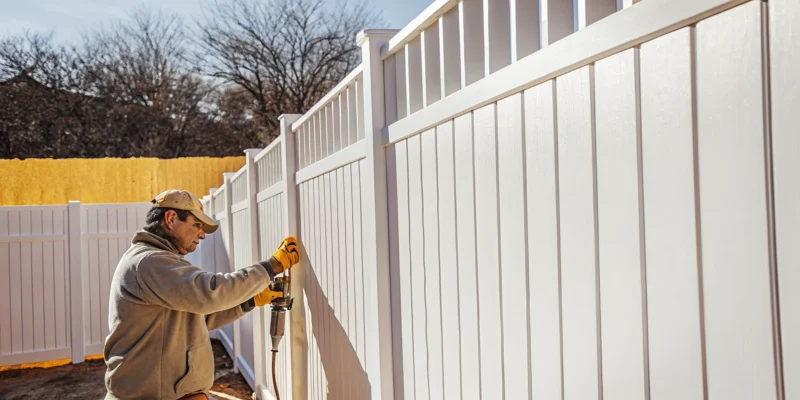
While a DIY installation might seem like a way to save money, it comes with risks. Steel fencing is heavy, and the installation requires precision, specialized tools, and a deep understanding of how to set posts correctly in concrete footings. A poorly installed fence can be a safety hazard, may not be as secure, and could even violate local building codes. Hiring a professional team like Gappsi means you’re getting guaranteed workmanship from experts who do this every day. You can see examples of our team’s high-quality work on our YouTube channel. We handle everything from site preparation to the final cleanup, giving you peace of mind and a beautiful, secure fence that lasts.

Find the Right Steel Fence for Your Long Island Home

Choosing the right fence for your Long Island home is about more than just marking a property line. It’s about finding a solution that complements your home’s style, stands up to coastal weather, and provides the security your family deserves. Steel fencing offers a fantastic combination of all three, but with so many options, it helps to know what works best for our local landscape, from the North Shore’s rolling hills to the South Shore’s breezy coastlines. The key is to find a balance between aesthetics, durability, and function that fits your property perfectly.

The beauty of a modern steel fence is its versatility. Forget the one-size-fits-all industrial look, because today’s steel fences can be customized to match any architectural style. Whether you want a sleek, minimalist design for a contemporary home or an ornate, classic look that feels timeless, there’s a style for you. You can select from various colors, like classic black, warm brown, or modern gray, and even add decorative features. Gappsi offers a wide selection of fences and netting to ensure your new fence enhances your home’s curb appeal while meeting your practical needs.

For Long Island homeowners, durability is non-negotiable. Our salty air and seasonal storms can be tough on exterior materials. A high-quality steel fence with a protective powder coating is built to resist rust, corrosion, and fading, unlike wood which can warp and rot. This resilience means you spend less time on upkeep and more time enjoying your yard. While the initial cost may be higher than some alternatives, the long-term value is clear. You save money over the years because you won’t be dealing with frequent painting, staining, or repairs.

Proper installation is what ultimately ensures your fence will last for decades and provide real security. A professionally installed fence is set on a solid foundation, with panels and posts aligned perfectly to withstand strong winds and prevent sagging. An expert team also handles the complexities of local building codes and property line regulations in Suffolk and Nassau County, giving you complete peace of mind. At Gappsi, our experienced designers and installers work with you to create and build a steel fence that not only looks beautiful but is also engineered to last.

Related Articles

Frequently Asked Questions

How long will a steel fence actually last in Long Island’s weather? A high-quality steel fence is a long-term investment, typically lasting anywhere from 20 to 50 years. Modern steel fences are specifically built to handle our coastal climate. They have protective galvanized and powder-coated finishes that resist the rust and corrosion that salt air and humidity can cause. With just a bit of simple cleaning, your fence will maintain its strength and good looks for decades without the constant upkeep wood requires.

I want privacy. Isn’t steel fencing see-through? While many classic steel fence styles, like ornamental designs, are open, you absolutely have options for privacy. Corrugated steel panels, for example, create a solid, modern barrier that completely blocks the view into your yard. You can also get creative by pairing a more traditional steel fence with strategic landscaping, like a row of hedges, to create a secluded feel without a solid wall.

Is a steel fence a good option for enclosing my swimming pool? Yes, a steel fence is an excellent choice for a pool enclosure. It provides the top-tier security you need to meet local safety codes, with designs that are difficult to climb and options for self-latching gates. Unlike other materials, it also offers this security without completely blocking the view of your pool, which is great for both safety and maintaining an open, beautiful look in your backyard.

What’s the difference in cost between a steel fence and a wood fence over time? While a wood fence might have a lower initial price, a steel fence is often the more economical choice in the long run. Wood requires regular, costly maintenance like staining, sealing, and replacing boards that rot or warp. Steel, on the other hand, needs very little upkeep. When you factor in the money and time you’ll save on maintenance over the life of the fence, steel provides much greater long-term value.

Do I need to get a permit for a new fence? In most cases on Long Island, yes, you will need a permit to install a new fence. The rules about height, style, and placement can vary between towns in Suffolk and Nassau County. This is one of the biggest benefits of working with a professional installer. An experienced team will know the local codes, handle the permit process for you, and ensure your fence is built correctly, saving you from potential fines and headaches.

Modern black aluminum sleek fence outside a contemporary home.

What Is a Sleek Fence? A Complete Homeowner’s Guide

Living on Long Island means dealing with weather that can be tough on our homes. From salty sea air to gusty nor’easters, outdoor materials take a serious beating. Traditional wood fences rot and warp, while other metals can rust and corrode. This is where a Sleek fence truly stands out. Engineered with 100% aluminum and a durable powder-coated finish, it’s built to withstand our coastal climate without the constant upkeep. You can forget about yearly staining, painting, or sealing. This is a true set-it-and-forget-it solution that saves you time and money on maintenance, letting you enjoy a beautiful fence for years.

Key Takeaways

  • Enjoy a fence that lasts with minimal effort: Sleek Fence is made from 100% powder-coated aluminum, which means it resists rust, corrosion, and high winds. It’s a lasting investment that saves you from the yearly upkeep required by traditional materials like wood.
  • Achieve a modern look with tailored privacy: Sleek Fence offers a clean, architectural style that instantly updates your home’s exterior. You can choose from full, semi, or hybrid privacy panels to get the exact look and level of seclusion you want for your yard.
  • Invest in long-term value and a smooth installation: Although a premium product, Sleek Fence saves you money over time by eliminating maintenance costs. Its modular design allows for a quick, precise installation by an expert team, ensuring a perfect fit for your landscape.

What is Sleek Fence?

When you think about fencing, you might picture traditional wood pickets or simple chain links. But what if you want something more modern, durable, and, well, sleek? That’s where Sleek Fence comes in. Originally designed for high-profile commercial projects, Sleek Fence is an architectural aluminum fencing system that has become a favorite among homeowners looking for a high-end finish. It combines refined, minimalist aesthetics with incredible strength and long-term performance.

Think of it as the perfect frame for your home. It provides security and privacy without sacrificing style. Whether you’re enclosing a backyard swimming pool, defining your property line, or adding a modern touch to your landscape design, this fencing system offers a sophisticated solution. It’s built to withstand the elements, look great for years, and give your property a clean, architectural feel that stands out from the crowd.

A Look at Sleek Fence’s Product Lines

Sleek Fence offers a focused range of aluminum fences and gates that all share a distinct, modern design. The beauty of their product lines is in their simplicity and strength. Each panel is engineered to be incredibly robust, providing security and longevity even in Long Island’s challenging coastal weather. The clean lines and minimalist look can complement any style of home, from a contemporary new build to a classic colonial needing a modern update. These aren’t just fences; they are architectural elements that enhance your home’s curb appeal while providing a strong, reliable boundary for your property.

Choosing Your Privacy Style: Full, Semi, or Hybrid

One of the best things about Sleek Fence is that you can choose the exact level of privacy you need. They offer three main styles to fit your goals. The Full Privacy option completely blocks the view, making it perfect for creating a secluded backyard oasis. The Semi Privacy style allows some light and air to flow through, offering a sense of enclosure without feeling completely boxed in. Then there’s the Privacy Hybrid, which gives you the best of both worlds: a mostly private panel with an open section at the top for a more spacious feel.

Standard vs. Custom: Finding Your Perfect Fit

Sleek Fence makes it easy to get the right height for your project. Panels come in standard heights of 46, 69, and 92 inches, which cover most residential needs. However, if your property has unique slopes or you have a specific design in mind, the system is fully customizable. Thanks to its modular design, we can easily adjust the panels to meet your exact height requirements. This flexibility ensures that your new fence will follow the contours of your landscape perfectly, resulting in a seamless and professional installation every time.

What Makes Sleek Fence Different?

When you’re choosing a fence, you’re looking for something that does more than just mark a property line. You want style, privacy, and durability without a ton of upkeep. Sleek Fence checks all those boxes and then some. It stands apart from traditional options with its unique combination of high-end materials, smart design, and thoughtful features. Let’s look at what makes this fencing system a standout choice for your Long Island home.

Built to Last: 100% Aluminum Construction

Sleek Fence isn’t your average fence. It’s engineered with 100% 6063-T6 aluminum, the same grade used in demanding architectural and institutional projects. This means it’s incredibly strong and built to resist bending, cracking, or denting from everyday life. Unlike wood or iron, this premium aluminum construction won’t rot, warp, or rust, giving you a beautiful boundary that truly lasts. Choosing this level of quality ensures your investment is protected for years, providing peace of mind and a consistently polished look for your property.

Durable Finishes: Powder Coating and Color Choices

The secret to Sleek Fence’s lasting beauty is its tough powder-coated finish. This isn’t just a layer of paint; it’s a high-performance coating that meets rigorous quality standards, ensuring it holds up to the elements without fading or chipping. It’s also considered a “Green Building Solution,” so you can feel good about your choice. Available in classic colors like black and grey, the finish provides a smooth, uniform look that complements any home style. This durable surface means you can spend your weekends enjoying your yard, not maintaining your fence.

Achieve a Modern, Architectural Look

Sleek Fence offers a clean, contemporary aesthetic that can instantly update your home’s exterior. Its minimalist design features seamless lines and a sophisticated profile, creating a modern backdrop for your landscaping and outdoor living spaces. Whether you’re aiming for a bold statement or a subtle, elegant boundary, this fence provides an architectural quality that makes your property look more refined. You can see how this modern style transforms a space by looking at examples of high-end outdoor projects. It’s the perfect finishing touch for a thoughtfully designed home.

Simplified Installation with Pre-Assembled Panels

One of the smartest features of Sleek Fence is that the panels arrive pre-assembled from the factory. This thoughtful design detail makes a huge difference on installation day. For our Gappsi installation team, it means a more efficient, precise, and streamlined process. For you, it means less disruption to your property and your schedule. This approach ensures that every panel is perfectly constructed for a flawless final look, getting you to that finished, secure backyard faster than you might think.

Enhance Privacy and Reduce Noise

Your backyard should be your private escape. Sleek Fence’s privacy panels help make that a reality by not only blocking views but also reducing noise. The solid panels have a Sound Transmission Class (STC) rating of 25, which means they effectively act as a sound barrier. Instead of passing through, noise from neighbors or nearby traffic bounces off the solid surface. This can significantly quiet your outdoor space, turning your patio or swimming pool area into the peaceful retreat you’ve always wanted.

How Does Sleek Fence Handle Harsh Weather?

Living on Long Island means we get to experience beautiful seasons, but it also means our homes need to stand up to some serious weather. From gusty nor’easters to humid summers and salty sea breezes, your outdoor structures take a beating. A fence is a significant investment, and you want to be sure it can handle whatever Mother Nature throws its way. Sleek Fence is specifically engineered for durability, giving you a solution that not only looks incredible but also provides lasting peace of mind through storms, sun, and salty air.

Stands Strong Against High Winds

When the wind starts howling, the last thing you want to worry about is your fence. Sleek Fence is engineered to withstand hurricane-force winds, making it a truly reliable choice for Long Island properties. The panels are designed for strength and stability, so you can feel confident that your fence will remain secure during intense storms. This level of durability is a core reason we recommend robust fencing solutions that are built for our coastal climate. Instead of dealing with repairs after a major weather event, you can trust that your fence is built to last.

Ideal for Coastal Homes and Salt Air

If you live near the shore, you know the toll that salty air can take on outdoor materials. Salt is highly corrosive and can quickly cause rust and deterioration on metal and wear on wood. Sleek Fence is an excellent match for coastal environments because its aluminum construction and protective powder coating are designed to resist the damaging effects of salt spray. This means your fence will maintain its clean, modern appearance for years without succumbing to corrosion. It’s a smart, low-maintenance choice that holds its value and beauty, even in the challenging conditions of Long Island’s beautiful coastlines.

Fire-Resistant for Your Safety

Safety is always a top priority when it comes to your home and family. Sleek Fence adds an important layer of protection with its fire-resistant properties. Unlike wood fences, which can easily ignite, aluminum is a non-combustible material. This feature provides valuable peace of mind, especially if your fence is near a grill, fire pit, or other outdoor heating elements. Choosing fire-resistant materials for your outdoor living spaces is a proactive step toward creating a safer environment for everyone to enjoy. It’s a practical benefit that contributes to the overall security of your property.

Say Goodbye to Rust and Corrosion

One of the biggest advantages of a Sleek Fence is its incredible resistance to rust and corrosion. The fence is constructed from high-quality aluminum, a material that naturally does not rust. On top of that, it’s finished with a durable powder coating that seals the metal from moisture, rain, and humidity. This dual-layer protection ensures your fence won’t develop the unsightly rust spots or corrosion that can plague other metal fences. You can forget about the tedious tasks of sanding, scraping, and repainting. This is a true set-it-and-forget-it solution that pairs perfectly with other durable masonry work for a beautiful, long-lasting landscape.

Sleek Fence vs. Traditional Fencing

Choosing the right fence involves balancing looks, durability, and maintenance. While traditional fencing materials have their place, it’s helpful to see how they stack up against a modern solution like Sleek Fence. Understanding the key differences will help you decide which option best fits your home, lifestyle, and long-term goals for your property. A fence is a major part of your home’s exterior, influencing everything from curb appeal to your sense of privacy and security. When you’re weighing your options, you’re really asking which material will give you the best value and performance over time. Let’s compare Sleek Fence to three of the most common choices you’ll see around Long Island: wood, vinyl, and chain link. Each has its own set of pros and cons, but you might find that a modern aluminum fence offers the perfect combination of style and strength for years to come.

Sleek Fence vs. Wood

A wood fence offers a timeless, classic look that many homeowners love. However, that traditional charm comes with a significant commitment to upkeep. Wood requires regular staining and sealing to protect it from moisture, rot, and insects. Without proper care, a wood fence can start to show its age quickly. In contrast, Sleek Fence is made from 100% aluminum, which is naturally resistant to rot and pests. While a well-maintained wood fence might last 10 to 15 years, a Sleek Fence is built to endure for decades with minimal effort. If you want a beautiful fence without the yearly maintenance projects, the durability of an aluminum fencing solution makes it a clear winner for a low-maintenance lifestyle.

Sleek Fence vs. Vinyl

Vinyl fencing is another popular low-maintenance alternative to wood. Like Sleek Fence, it doesn’t require painting or staining and can be cleaned easily with soap and water. While both are durable, there are a few key differences. Sleek Fence provides a sharper, more architectural look that complements modern homes, whereas vinyl can sometimes look bulky. More importantly, vinyl can become brittle in extreme cold and may crack upon impact. It can also fade or warp after years of sun exposure. Sleek Fence’s powder-coated aluminum construction is more robust, holding its color and structural integrity through harsh Long Island winters and hot summers. According to experts, while vinyl fencing is long-lasting, metal options are less prone to damage from temperature swings.

Sleek Fence vs. Chain Link

Chain link is a practical, budget-friendly option known for its strength and security. It’s often used for function rather than form, as it offers very little in terms of privacy or aesthetic appeal. While it does its job of creating a boundary, it doesn’t add much to your home’s curb appeal. Sleek Fence provides the same security and strength but with a much more refined and polished appearance. You can achieve a clean, modern look that enhances your property’s design instead of distracting from it. With options for full or semi-privacy panels, you can also create a secluded backyard oasis. For homeowners looking to combine security with style, Sleek Fence is a far more attractive and versatile choice than basic chain link.

How Much Does a Sleek Fence Cost?

Thinking about your budget is a practical and important part of any home improvement project. While a Sleek Fence is a premium product, its price reflects a long-term investment in your property’s style, security, and value. The final cost isn’t a one-size-fits-all number; it depends on the specific size and details of your project. Breaking down the costs can help you understand exactly what you’re paying for and how it adds up to a beautiful, lasting fence for your Long Island home.

Understanding Panel and Gate Pricing

The foundation of your Sleek Fence cost comes from its two main components: panels and gates. Gates are available in two primary styles, a Privacy Gate for complete seclusion or a Screen Gate for a more open feel. Depending on the style and size you choose, a single gate can range from approximately $1,100 to $2,800. The panels make up the main stretches of your fence, and the total number you need will be the largest factor in your materials cost. By working with a professional, you can get an accurate quote based on the exact number of panels and gates required for your yard’s layout.

What Factors Influence the Final Cost?

Beyond the base price of panels and gates, several other elements will shape your final quote. The total length and height of your fence are the most significant factors, as larger projects require more materials and labor. Sleek Fence offers standard panel heights, but if your design requires custom sizing, that can also influence the price. The complexity of the installation site matters, too. A flat, clear yard is more straightforward to work on than a sloped or heavily landscaped property. Finally, the number of gates and any additional hardware will be factored into the total investment for your project.

Long-Term Value: How You’ll Save Over Time

It’s helpful to look at the cost of a Sleek Fence not just as an upfront expense, but as a long-term value proposition. Unlike wood fences that need regular staining, painting, or sealing to prevent rot and decay, a Sleek Fence requires almost no maintenance. Its durable aluminum construction and powder-coated finish are designed to resist rust and damage, saving you from costly repairs down the line. You won’t need to budget for the recurring restoration and sealing services that other materials demand. Plus, with a superior sound rating to both wood and vinyl, you get the added, priceless benefit of a quieter, more peaceful outdoor space.

Is Sleek Fence Easy to Install?

A new fence is an exciting upgrade, but the thought of a long, messy installation can be a major roadblock. Fortunately, Sleek Fence was designed with a straightforward installation process in mind. The system’s smart design, combined with professional expertise, makes getting your new fence a smooth and efficient experience. From sloped yards to local permits, here’s how the process works and why it’s simpler than you might think.

Adapting to Your Landscape with a Modular Design

One of the biggest challenges with fencing is getting a clean, even line on sloped or uneven ground. Sleek Fence solves this with its modular aluminum system. Think of it like building blocks; the fence is made of separate parts designed to fit together perfectly, allowing them to follow the natural contours of your property. This means you won’t have awkward gaps under your fence or an uneven top line. Our team can easily install these fences on tricky landscapes, ensuring a polished, custom-fit look no matter the shape of your yard.

Ensuring a Sturdy Foundation with Steel Post Bases

A fence is only as strong as its foundation. Sleek Fence uses heavy-duty steel post bases instead of aluminum ones, which gives the entire structure incredible strength. This is especially important here on Long Island, where we face strong winds and coastal weather. The steel bases provide superior wind resistance, making the fence sturdy enough for hurricane-prone areas. This detail ensures your investment remains secure for years, giving you peace of mind that your fence is not just beautiful but also built to withstand the elements. This commitment to durability is why we confidently recommend Sleek Fence.

What to Expect on Installation Day

Because Sleek Fence panels are pre-assembled in a factory, installation day is much quicker and cleaner than with traditional fencing. Instead of building each section from scratch on your lawn, our team arrives with panels that are ready to be put in place. This significantly reduces on-site cutting, noise, and debris, minimizing disruption to your daily life. You can see our efficient process in action on our YouTube channel. Our goal is to get your new fence installed with precision and care, allowing you to enjoy your updated space as soon as possible.

Local Know-How: Navigating Long Island Permits

Installing a fence often requires permits, and the rules can vary from one town to another across Nassau and Suffolk counties. This is where working with a local expert becomes invaluable. Instead of trying to figure out complex building codes on your own, you can rely on our team. We have decades of experience working with local municipalities and understand exactly what’s needed to get your project approved without delays. As a premier Long Island home improvement company, we handle the paperwork and ensure your installation is fully compliant. This lets you focus on the exciting part: choosing your beautiful new fence.

How Do You Maintain a Sleek Fence?

One of the best things about choosing a 100% aluminum Sleek Fence is how little maintenance it requires. Unlike wood that needs constant staining or vinyl that can fade and crack, aluminum is built to handle Long Island weather with minimal fuss. Its durable powder-coated finish resists rust, corrosion, and fading, so you can spend more time enjoying your yard and less time on upkeep. That said, a little bit of care goes a long way in keeping your fence looking as sharp and modern as the day it was installed.

Following a simple maintenance routine helps protect your investment and ensures your property’s curb appeal stays high. Regular cleaning keeps the finish looking vibrant, while periodic inspections help you catch any minor issues before they become bigger problems. Think of it as a quick seasonal checkup for your home’s exterior. If you ever run into significant damage from a storm or accident, our Gappsi team offers professional restoration and sealing services to bring your fence back to perfect condition. With just a few easy steps, you can ensure your Sleek Fence remains a beautiful, lasting feature of your home.

Simple Steps for Routine Cleaning

Keeping your Sleek Fence looking its best is incredibly simple. For general cleaning, all you need is a bucket of warm water mixed with a mild, pH-neutral detergent (like dish soap) and a soft cloth or sponge. Gently wipe down the panels and posts to remove surface dirt, pollen, and grime that can build up over the season. For any stubborn spots, a soft-bristle brush can provide a little extra scrubbing power without harming the finish.

Once you’re done washing, just rinse the fence thoroughly with a garden hose to wash away any soap residue. This quick cleaning, done once or twice a year, is usually all it takes to maintain the fence’s aesthetic appeal. It’s an easy task you can tackle in an afternoon that makes a huge difference in preserving that clean, architectural look.

Cleaning Don’ts: What to Avoid

While Sleek Fence is tough, its powder-coated finish can be damaged by the wrong cleaning methods. To protect it, you should never use harsh chemicals like bleach, ammonia-based cleaners, or abrasive solvents. These substances can strip the protective coating and cause discoloration. Similarly, avoid using steel wool, scouring pads, or other abrasive tools that can scratch the surface, leaving it vulnerable to the elements.

It’s also wise to steer clear of high-pressure washing. While it might seem like a quick solution, the intense force can chip or peel the powder coating. A standard garden hose with a spray nozzle provides plenty of pressure to rinse your fence effectively without causing damage. Sticking to gentle cleaning methods is the key to ensuring your fence’s finish lasts for decades.

How to Check for Wear and Tear

A few times a year, take a quick walk around your fence line to inspect for any signs of wear and tear. Pay close attention to the hardware, checking that all screws on the panels and gates are tight. Test your gates to make sure they swing freely and latch securely. While the aluminum itself won’t rust, it’s good practice to check hinges and latches for any signs of stiffness or misalignment.

Also, look at the base of the posts to ensure they are still firmly anchored in the ground. If you notice any wobbly posts or loose panels, it’s best to address them right away to maintain the fence’s structural integrity. Catching these small things early is the easiest way to prevent more significant repairs down the road. If you find an issue, the Gappsi team is always here to help with professional fence installations and repairs.

Your Post-Storm Inspection Checklist

After a major Long Island storm passes through, it’s a good idea to give your fence a once-over. High winds and falling debris are the most common culprits for fence damage. Start by walking the perimeter and looking for any leaning sections or bent panels, which could indicate an impact from a heavy branch. Clear away any leaves, twigs, or other debris that has piled up against the fence, as this can trap moisture.

Next, check the ground around the posts for any signs of erosion that might affect their stability. A quick post-storm inspection gives you peace of mind and allows you to spot potential problems immediately. Because Sleek Fence is designed for durability, it typically handles harsh weather with ease, but this simple check ensures it stays secure and strong for years to come.

Is Sleek Fence Right for Your Long Island Property?

Deciding on the right fence involves more than just marking a boundary line. It’s about choosing a feature that complements your property’s character and meets your practical needs for privacy and security. Sleek Fence is a popular option for its modern aesthetic and durable construction, but is it the best fit for your Long Island home or business? Let’s look at where this fencing truly shines and how you can tailor it to your specific style.

Perfect for Your Home

If you want to give your home a clean, contemporary update, a Sleek Fence is an excellent choice. These fences are made from high-quality aluminum slats that create a sophisticated look, instantly modernizing your property’s exterior. They provide a unique and stylish solution that moves beyond traditional fencing options. For Long Island homeowners, this means you can enhance your curb appeal while adding a durable, low-maintenance feature to your yard. A well-chosen fence can frame your landscape beautifully and add significant value to your home.

A Smart Choice for Businesses

Sleek Fence isn’t just for residential properties. It’s also a fantastic option for commercial and institutional projects across Long Island. The clean, architectural lines of these fences project a professional and modern image, which is crucial for making a great first impression on clients and customers. Because the design is so crisp and tidy, it can make any building look more polished and up-to-date. For businesses looking to refine their exterior appearance, a Sleek Fence provides a durable and visually appealing solution that reflects a commitment to quality. This kind of upgrade can be part of a larger property enhancement.

Matching Your Fence to Your Home’s Style

One of the best things about Sleek Fence is its versatility. You aren’t stuck with a one-size-fits-all design. Instead, you can choose from three main styles based on your privacy needs: Full Privacy, Semi Privacy, and Privacy Hybrid. This allows you to select a fence that not only secures your property but also complements your home’s unique architecture. Whether you want to create a secluded backyard oasis or simply define your property line with a more open feel, there’s a style that will work for you. This flexibility ensures your new fence integrates perfectly with other masonry and design elements in your landscape.

Get Your Sleek Fence with Gappsi

Choosing a beautiful, modern fence is the first step. The next, and most important, is ensuring it’s installed with precision and care. At Gappsi, we bring decades of home improvement experience to every project on Long Island. We partner with top-tier brands like SLEEKFENCE because their commitment to quality matches our own. Our team provides the expertise needed to transform their premium aluminum panels into a stunning, perfectly integrated feature of your home. We handle everything, so you can simply enjoy the final result.

Every property has its own unique character and challenges. Whether your yard has tricky slopes or you want to create a specific aesthetic, our design team is here to help. We’ll walk you through Sleek Fence’s options, from privacy levels to color choices, to create a custom look that complements your home’s architecture. Because Sleek Fence is designed as a complete system, our expert installation ensures every component works together flawlessly, even on uneven ground. We don’t just build fences; we create complete outdoor environments, seamlessly integrating your new fence with your masonry and landscape.

Our process is about more than just putting up panels. As a full-service design and construction company, we see the bigger picture. We can design your Sleek Fence as part of a larger backyard transformation, enclosing a new swimming pool or creating a private oasis around your patio. We also manage the practical details, like securing the proper permits for your town in Suffolk or Nassau County, so you don’t have to worry about the paperwork.

When you work with Gappsi, you’re investing in a smooth process and a beautiful, lasting outcome. Our professional installers ensure your fence is not only visually perfect but also structurally sound for years to come. If you’re ready to add a modern, architectural touch to your property, let’s talk. Contact the Gappsi team to explore our fencing solutions and start designing your project today.

Related Articles

Frequently Asked Questions

Is an aluminum fence like Sleek Fence really strong enough for Long Island’s weather? Absolutely. This isn’t the flimsy aluminum you might be thinking of. Sleek Fence is made from 100% architectural-grade aluminum and uses heavy-duty steel post bases for its foundation. The entire system is engineered to withstand hurricane-force winds, making it a reliable choice for our coastal climate. It’s designed to resist bending or denting from daily life and stay secure during intense storms, giving you one less thing to worry about when the weather turns.

I like the modern look, but will it work with my traditional-style home? Yes, it’s surprisingly versatile. The beauty of Sleek Fence’s minimalist design is that it doesn’t compete with your home’s architecture; it complements it. For a traditional home, the clean lines can create a sophisticated, updated frame for your landscape without looking out of place. Think of it as a quiet, elegant backdrop that makes your home and garden the main focus. The classic black and grey color options are timeless and work well with nearly any style.

What makes Sleek Fence a better long-term investment than a less expensive wood or vinyl fence? While the upfront cost is higher, the long-term value is where Sleek Fence really shines. With a wood fence, you have to budget for regular staining, sealing, and eventual repairs due to rot or pests. Vinyl can become brittle, crack, and fade over time. Sleek Fence requires almost no maintenance. Its powder-coated aluminum finish won’t rust, rot, or warp, saving you significant money and time on upkeep over the years. You’re investing in a fence that will look just as good in a decade as it does on day one.

How much privacy can I actually get, and does it help with noise? You can choose the exact level of privacy you want. The Full Privacy style creates a completely secluded space, perfect for a backyard retreat. The panels are also effective sound barriers. Because they are solid, they have a Sound Transmission Class (STC) rating of 25, which means they help block and reflect noise from neighbors or traffic. This can make your outdoor space feel much more peaceful and quiet.

What does the installation process involve, and how disruptive is it? The installation is much cleaner and faster than you might expect. The fence panels arrive at your home pre-assembled from the factory, which is a huge time-saver. This means our team doesn’t have to build each section from scratch on your lawn, leading to less noise, mess, and disruption. We handle everything from securing local permits to ensuring a perfect fit on sloped or uneven ground, making the entire process smooth and efficient for you.

Modern wood burning outdoor oven with a fire, part of a stone backyard kitchen.

The Essential Guide to Wood Burning Outdoor Ovens

A truly exceptional backyard is one where every element works together in harmony. Instead of just placing an appliance on your patio, consider how it can be woven into the very fabric of your outdoor living space. This is where the design potential of wood burning outdoor ovens truly shines. Picture your oven seamlessly built into a beautiful stone countertop, sheltered under a custom pergola, and serving as the stunning centerpiece of a fully equipped outdoor kitchen. This approach transforms the oven from a standalone object into an integral part of a cohesive and functional design. We’ll show you how to think like a designer and plan a space that is not only beautiful but perfectly suited to your cooking and entertaining style.

Key Takeaways

  • Go Beyond Pizza: Use your oven’s high, dry heat to bake artisan bread, roast meats, and sear vegetables. The wood fire provides an authentic, smoky flavor you can’t get from a standard grill or kitchen oven.
  • Find Your Perfect Match: Choose an oven based on your lifestyle, not just the price. Consider the cooking area for hosting parties, the quality of materials for durability, and whether a flexible portable unit or a permanent built-in oven is the right long-term fit.
  • Plan Your Space: For the best result, design your patio around the oven. Integrating it with custom masonry or placing it under a pavilion creates a complete outdoor room that becomes a natural gathering spot and protects your investment.

What Is a Wood-Fired Outdoor Oven?

At its heart, a wood-fired outdoor oven is a beautiful and powerful cooking appliance that uses wood as its fuel. Think of it as a modern take on an ancient cooking method, designed to bring incredible flavor and versatility to your backyard. These ovens are built from materials like brick or special refractory composites that are fantastic at absorbing and holding onto extremely high heat. This ability to retain heat is what makes them so different from your standard grill or indoor oven.

The magic happens when the wood burns, creating intense, radiant heat that cooks food quickly and evenly. This process is what gives pizza that perfect, leopard-spotted crust in just a couple of minutes. But it’s not just about the heat. The burning wood also releases a subtle, smoky flavor that infuses everything you cook, from roasted vegetables to freshly baked bread. It’s a taste you simply can’t replicate with gas or charcoal.

While many ovens are dedicated to wood, some modern designs offer dual-fuel flexibility, allowing you to use gas as well. Whether you’re looking for a standalone unit or a custom oven built into your patio with expert masonry, the core principle remains the same: using high, retained heat to create amazing food.

Why Choose a Wood-Fired Oven?

If you’re thinking about adding a wood-fired oven to your backyard, you’re probably dreaming of amazing pizza. And you’re right, the pizza is incredible. But these ovens offer so much more than that. They completely change the way you cook and entertain outdoors, turning your patio into a destination for delicious food and great company. From the authentic flavor to the speed of cooking, a wood-fired oven is an investment in your home and your lifestyle. It’s about creating an experience that a standard kitchen oven or grill simply can’t replicate.

Get That Authentic, Smoky Flavor

There’s a reason pizza from a wood-fired oven tastes so distinct. It’s all about the unique cooking environment. The high, dry heat crisps the crust perfectly while the burning wood imparts a subtle, smoky flavor that you just can’t get from a conventional oven. This authentic taste is what makes Neapolitan-style pizza so special. It brings a rustic, gourmet quality to everything you cook. Imagine pulling a perfectly charred pizza from your own oven, the aroma of wood smoke filling the air. You can find a range of high-quality ovens at the Gappsi Store that will bring that genuine Italian pizzeria experience right to your Long Island backyard.

Cook Faster with High Heat

One of the biggest advantages of a wood-fired oven is its incredible speed. These ovens can reach temperatures well over 750°F, which means you can cook a pizza in as little as 90 seconds. This is a game-changer when you’re hosting a party. Instead of spending all your time in the kitchen, you can cook for a crowd quickly and efficiently, serving up fresh, hot pizzas as fast as your guests can eat them. This high-heat environment also sears meats and vegetables beautifully, locking in juices and flavor. Our expert masonry team can even build a custom oven surround that integrates perfectly into your patio design.

Go Beyond Pizza: What Else Can You Cook?

While they are often called pizza ovens, their capabilities extend far beyond that. Think of a wood-fired oven as a versatile outdoor cooking appliance. You can bake crusty, artisan bread, roast a whole chicken, or sear the perfect steak. The radiant heat is also ideal for cooking fish, roasting vegetables, and even making desserts like a fruit crumble. It opens up a whole new world of culinary possibilities for your outdoor kitchen. By incorporating an oven into your home remodeling plans, you create a flexible cooking space that will inspire you to try new recipes and techniques all year round.

Create the Ultimate Backyard Gathering Spot

A wood-fired oven does more than just cook food; it creates an atmosphere. It naturally becomes the heart of your backyard, a place where friends and family gather. The warm glow and crackling fire provide a captivating focal point for any outdoor space. Imagine summer evenings spent making pizzas with your kids or cozying up by the fire with a glass of wine in the fall. It’s an interactive experience that brings people together. To complete the scene, you can shelter your new gathering spot with one of our custom pavilions and pergolas, creating a comfortable and stylish outdoor room you’ll never want to leave.

How to Choose the Right Outdoor Oven

Picking the right outdoor oven feels like a big decision, but it really comes down to how you plan to use it. Think about your cooking style, your space, and your budget. Are you dreaming of hosting big pizza parties for the whole neighborhood, or are you looking for a more intimate setup for family dinners? Answering these questions will help you find the options that fit your needs. From the size of the cooking surface to the materials it’s made from, every detail matters. We’ll walk through the key factors to consider so you can find an oven that fits perfectly into your backyard and your lifestyle.

Consider the Size and Cooking Area

First, think about scale. How many people will you typically be cooking for? If you love hosting large gatherings, you’ll want an oven with a generous cooking surface that can handle multiple pizzas or large dishes at once. On the other hand, if your outdoor meals are usually for a smaller group, a more compact model will be more efficient and heat up faster. Brands like ilFornino offer a wide range of sizes to fit different needs, from smaller personal ovens to large commercial-grade units. You can find great options at the Gappsi Store to get a feel for what’s available.

Check the Materials and Build Quality

An outdoor oven is an investment, so you want one that’s built to last. Look for high-quality, durable materials. Many top-tier ovens are made from heavy-duty stainless steel, which resists rust and stands up to the elements. The cooking surface is just as important. Most are made with refractory stone, which absorbs and radiates heat evenly for that perfect, crispy crust. Quality construction ensures your oven will not only perform well but will also remain a beautiful and functional part of your outdoor kitchen for years. When we design custom masonry spaces, we always prioritize materials that offer both beauty and longevity.

Prioritize Insulation and Heat Retention

Great insulation is the secret to a great wood-fired oven. Without it, your oven will struggle to reach and maintain the high temperatures needed for authentic pizza and other dishes. Proper insulation also means the oven’s exterior stays cooler, making it safer to be around. Look for models with multiple layers of high-grade ceramic fiber insulation. This material is incredibly effective at trapping heat, which means you’ll use less wood and enjoy more consistent cooking temperatures. Better heat retention allows you to cook for longer periods without constantly feeding the fire, giving you more time to enjoy your party.

Decide Between Portable and Permanent

Do you want an oven you can move around or one that’s a permanent fixture? Portable ovens offer flexibility, allowing you to place them on a countertop or a dedicated cart. You can even take some smaller models with you on a camping trip. A permanent, built-in oven, however, becomes a true centerpiece of your outdoor living area. It can be integrated seamlessly into an outdoor kitchen or patio, often housed under a beautiful structure. Imagine your oven as the heart of a custom outdoor kitchen, complete with a stunning pavilion or pergola for year-round entertaining. Your choice depends on whether you value flexibility or a fully integrated design.

Explore Dual-Fuel Options

While the smoky flavor of a wood fire is unmatched, some days you might just want convenience. That’s where dual-fuel, or hybrid, ovens come in. These models give you the option to cook with either wood or gas. You can get the authentic taste of wood-fired cooking when you have the time and switch to the ease and control of gas for a quick weeknight meal. This versatility is perfect for homeowners who want the best of both worlds. It ensures you’ll get more use out of your oven, no matter what the occasion calls for.

A Guide to Different Oven Types

Once you decide to bring a wood-fired oven into your backyard, the next step is choosing the right type. Ovens come in a few main styles, each suited for different spaces, cooking needs, and design visions. Whether you want something you can move around or a permanent statement piece for your outdoor kitchen, there’s an option that will work for you. Let’s look at the most common types to help you find your perfect match.

Portable Ovens

If you love flexibility, a portable oven is a fantastic choice. These models are designed to be moved, so you can shift them around your patio or even take them to a friend’s house for a pizza party. Many high-quality portable ovens are available in wood-fired, gas, or hybrid models that use both fuel sources, giving you plenty of options. While they are smaller, they don’t skimp on performance and can reach the high temperatures needed for authentic pizza. A portable oven is an excellent entry point into the world of wood-fired cooking and a great addition to any outdoor entertainment space.

Countertop Ovens

Countertop ovens offer a great balance of performance and placement flexibility. They are more substantial than portable models and often feature superior insulation, like dual layers of ceramic fiber, which helps them retain heat for consistent cooking. Some have specialized cooking floors, such as a single flat surface or a thick refractory stone, that mimic the performance of commercial ovens. These models are designed to sit on a sturdy, heat-proof base, making them a perfect addition to a custom masonry island or outdoor countertop. They give you a built-in feel without the full commitment of a permanent structure.

Built-In and Custom Ovens

For the ultimate outdoor culinary experience, a built-in oven is the way to go. These ovens become a permanent, integrated part of your backyard design, often serving as the stunning centerpiece of an outdoor kitchen. Many are handcrafted from traditional materials, offering both exceptional performance and timeless beauty. Because they are custom installed, you can seamlessly incorporate them into a stone patio, surround them with practical counter space, and place them under a protective pavilion or pergola. A built-in oven is a true investment in your home and lifestyle, creating a dedicated space for cooking and gathering.

What Should You Expect to Invest?

Figuring out your budget is a key step in choosing the right outdoor oven. The investment can range quite a bit, depending on the size, materials, and whether you opt for a portable model or a custom-built masterpiece. Think of it less as a purchase and more as an investment in your home and the countless meals and memories you’ll create. To give you a clearer picture, let’s break down the typical costs you can expect at different levels.

Entry-Level Models

If you’re just getting started with wood-fired cooking or plan to use your oven for casual weekend gatherings, an entry-level model is a fantastic choice. You can expect to find great entry-level models in the $1,295 to $4,995 range. These ovens are designed to give you that authentic wood-fired experience without a huge upfront cost. While they might not have all the bells and whistles of premium versions, they offer a wonderful balance of affordability and functionality. They provide a perfect opportunity to see how much you enjoy the process before committing to a more permanent or high-end fixture in your backyard.

Mid-Range Models

For the more serious outdoor chef, mid-range ovens offer a significant step up in performance and build quality. These typically fall between $2,595 and $3,995. At this price point, you’ll find ovens made with enhanced materials that provide much better heat retention and cooking consistency. These traditional ovens are ideal if you plan on using your oven frequently and want to experiment with a wider variety of dishes beyond pizza. The improved construction means they heat up efficiently and hold that temperature for longer, giving you more control and better results for everything from roasted vegetables to slow-cooked meats.

Premium and Custom Ovens

If you envision a truly seamless and high-performance outdoor kitchen, a premium or custom oven is the ultimate centerpiece. While the investment is higher, these ovens deliver unparalleled durability and cooking power. Prices vary widely because they are often integrated into a custom design using high-quality brick or refractory materials. This is where Gappsi’s masonry expertise truly shines, as we can build an oven that perfectly complements your patio and landscape. These premium ovens are built to last a lifetime, offering superior cooking efficiency and becoming a stunning architectural feature in your outdoor living space.

A Look at Popular Outdoor Oven Brands

Once you have an idea of the type of oven you want, it’s time to look at specific brands. The market has some fantastic options, each with its own strengths. Some focus on portability, others on authentic, old-world craftsmanship, and some on complete custom integration. Here’s a look at a few popular brands to help you find the perfect fit for your backyard.

Gappsi

As a full-service design and construction company, we at Gappsi specialize in creating custom outdoor ovens that integrate seamlessly into your backyard design. Instead of a standalone unit, we can build your oven into a beautiful masonry kitchen or stone patio, ensuring it perfectly matches your home’s aesthetic. Our focus is on high-quality materials and expert craftsmanship, resulting in a durable and stunning centerpiece for your outdoor living space. Choosing Gappsi means you get a cohesive, professionally designed outdoor kitchen where your wood-fired oven feels like it was always meant to be there, built to last for years of gatherings and delicious meals.

ilFornino

ilFornino is a great brand to check out if you value versatility and speed. They specialize in high-quality portable pizza ovens that can be fueled by wood, gas, or even a combination of both. This flexibility is perfect if you want options for different cooking styles or occasions. One of their biggest selling points is efficiency; these ovens can cook a Neapolitan-style pizza in about 90 seconds, which is amazing for parties. Their models are designed for everyone from home cooks to professionals, and you can explore their ovens to see the different styles and features available.

Authentic Pizza Ovens

If you dream of an oven with a true, old-world feel, Authentic Pizza Ovens is the brand for you. They pride themselves on offering traditional, handcrafted wood-fired ovens. Each oven is handmade by local artisans in Portugal, so you’re getting a piece of genuine craftsmanship. They offer several popular models, like the ‘Pizzaioli’ and ‘Lisboa,’ which are known for their classic dome shape and excellent heat retention. This brand is all about bringing an authentic European cooking experience to your backyard. You can view their traditional ovens to get a feel for their unique, handmade quality.

Forno Piombo

Forno Piombo focuses on combining premium products with excellent customer service. They offer a selection of beautiful wood-fired pizza ovens made from either brick or refractory materials, giving you options for both look and performance. What sets them apart is their commitment to providing a great value. For example, they often run promotions that include hundreds of dollars worth of free accessories with an oven purchase, which is a fantastic bonus. This makes getting started with all the right tools much easier. You can shop their collection to see the different materials and current offers they have available.

How to Choose the Best Wood for Your Oven

Choosing the right wood for your outdoor oven is just as important as picking the perfect ingredients for your meal. The type of wood you burn directly affects your oven’s temperature, how long it stays hot, and most importantly, the flavor of your food. Think of the wood as the final seasoning that can turn a good dish into a great one. The key is to use seasoned hardwoods, which are dense woods that have been dried for at least six months. This ensures they burn hot, clean, and efficiently, giving you the best possible cooking experience.

The Best Hardwoods for Heat and Flavor

When it comes to fueling your oven, hardwoods are your best friends. They are dense, which means they burn hotter and longer than softwoods, providing the consistent, high heat you need for everything from crispy pizza to roasted vegetables. Some of the best woods for pizza ovens and general cooking are also the most reliable. Oak is a fantastic all-around choice, offering a long, steady burn with a lovely, mild smoky flavor. For something stronger, hickory provides a robust, savory smoke that’s perfect for meats. If you prefer a sweeter, more delicate taste, maple and cherry are excellent options that also burn evenly and add a beautiful color to your food.

Which Woods to Avoid

Just as there are ideal woods for cooking, there are some you should absolutely avoid. At the top of the list are softwoods like pine, fir, and spruce. They burn very quickly and produce a lot of resinous smoke and creosote, which can leave a bitter, unpleasant taste on your food and a sticky residue in your oven. You should also never, ever use treated, painted, or glued wood (like plywood or particleboard). These materials can release toxic chemicals when burned, which is a serious health hazard. Finally, avoid using “green” or freshly cut wood. It contains too much moisture, making it difficult to light, producing a lot of smoke, and preventing your oven from reaching the high temperatures needed for proper cooking.

How Your Wood Choice Impacts Flavor

The type of wood you use is a secret ingredient that infuses your food with a distinct character. Different woods create very different flavor profiles, so you can customize your cooking for any dish. For example, the robust flavors from oak and hickory are a classic pairing for red meat, pork, and other hearty dishes, adding a deep, smoky essence. On the other hand, fruit woods like apple and cherry impart a much milder, sweeter smoke. This subtle sweetness is perfect for more delicate foods like poultry, fish, and vegetables. It can even add a unique dimension to baked goods and desserts. Experimenting with different woods is part of the fun of owning a wood-fired oven.

Is an Outdoor Oven Hard to Maintain?

One of the most common questions we hear is about upkeep. The good news is that a wood-fired oven is not hard to maintain, but it does require some consistent care to keep it performing beautifully for years. Think of it less as a chore and more as protecting a wonderful investment for your home. With a few simple habits, you can ensure your oven remains the star of your backyard gatherings. The process boils down to three key steps: cleaning it after you cook, inspecting it for any changes, and protecting it from the weather.

Most of the work is minimal, and if you integrate your oven into a complete outdoor living space, maintenance becomes even simpler. For example, having Gappsi design and build a custom pavilion or pergola not only creates a stunning focal point but also provides a permanent shield for your oven. A little routine attention goes a long way in preserving both the function and the beauty of your wood-fired oven, ensuring it’s always ready for your next pizza night or family dinner.

Clean It After Each Use

To get the best flavor and performance from your oven, you’ll want to start with a clean slate each time. After you’re done cooking and the oven has completely cooled, simply use a brush with natural or brass bristles to sweep the ash and any food debris out of the oven. Many high-quality ovens feature a single, flat refractory stone floor, which makes this process quick and easy. For any stubborn spots, like melted cheese or sauce, you can use the oven’s own heat. Just push some hot embers over the spill, and it will carbonize and burn away, making it easy to brush out later.

Inspect for Cracks and Wear

Regularly giving your oven a quick visual check is a great habit to get into, especially with traditional brick or custom masonry ovens. Because these ovens are often handcrafted, they have a unique character. It’s normal to see tiny hairline cracks form on the dome as the materials expand and contract with heat, but you’ll want to keep an eye out for anything larger. If you notice significant cracks developing on the dome, floor, or exterior, it’s wise to address them. Our expert masonry team can assess any issues and perform repairs to ensure your oven remains safe and efficient.

Protect It From the Elements

Your oven lives outside, so protecting it from Long Island’s weather is essential for its longevity. Rain, snow, and freeze-thaw cycles can take a toll on any outdoor feature. The simplest solution is a durable, waterproof cover that fits your oven snugly. This prevents moisture from seeping into the materials, which can cause cosmetic staining or structural damage if it freezes and expands. For the ultimate protection, consider incorporating your oven into a covered structure. A custom-built outdoor kitchen or a pergola provides a permanent roof over your oven, keeping it shielded from the elements year-round while creating a comfortable, all-weather cooking station.

Common Myths About Wood-Fired Ovens, Debunked

Wood-fired ovens have an almost mythical reputation, which can sometimes feel a little intimidating. You might have heard they’re complicated, limited, or only for a certain type of cook. I’m here to clear the air and separate fact from fiction. Thinking about adding one to your home is exciting, and you shouldn’t let a few common misconceptions hold you back. Let’s walk through some of the biggest myths so you can feel confident about bringing this amazing cooking experience to your backyard.

Myth: Wood-fired ovens are only for pizza.

This is probably the most common myth out there. While these ovens produce incredible, restaurant-quality pizza with that perfect crispy crust, their capabilities go so much further. Think of a wood-fired oven as a versatile culinary tool. The high, dry heat is perfect for roasting meats and vegetables to perfection, giving them a beautiful char and a subtle smoky flavor. You can also bake artisan bread with a fantastic crust, sear steaks, or even cook delicate fish. They are truly a centerpiece for all kinds of outdoor cooking, not just a one-trick pony for pizza night.

Myth: They are too difficult to use.

It’s true that cooking with a live fire is different from turning a knob on your kitchen stove, but it’s far from impossible. There is a small learning curve, but most people find it’s a fun and rewarding process. The key is getting a feel for managing the fire to control the temperature. Once you understand the basics, it becomes second nature. Modern ovens are designed for better heat retention and easier use, so you can spend more time enjoying the food and less time fussing with the fire. It’s a hands-on experience that connects you to your cooking in a really satisfying way.

Myth: You need a special type of wood.

You don’t need to track down rare or expensive wood to get your oven going. The general rule is to use hardwoods like oak, maple, or hickory, which burn hot and clean. You should avoid softwoods like pine or fir because they contain resins that can create soot and affect the flavor of your food. For an extra layer of flavor, you can experiment with fruitwoods like apple or cherry. The most important thing is to use seasoned, dry wood, which you can often source locally for a reasonable price.

Myth: They are only for outdoor spaces.

While a wood-fired oven is a natural fit for an outdoor kitchen or patio, it’s not your only option. With the right planning and professional installation, you can absolutely have one inside your home. The critical factor for an indoor oven is proper ventilation to safely manage smoke and heat. Integrating one into your kitchen can create a stunning focal point and bring that rustic charm indoors. This is a project that requires expertise, so working with a home remodeling professional is essential to ensure everything is done correctly and to code.

Designing Your Space Around an Outdoor Oven

An outdoor oven is more than just a cooking appliance; it’s a feature that can define your entire backyard. When you start planning, think about how you want the oven to fit into your lifestyle and the overall flow of your property. Do you envision it as a standalone statement piece on a quiet patio, or as the bustling hub of a fully equipped outdoor kitchen? The right design will not only look beautiful but will also make your cooking and entertaining experience feel effortless and enjoyable for years to come.

Think of your oven as the heart of your outdoor living area. The surrounding space should support its function and invite people to gather. This means considering traffic flow, seating areas, and proximity to your home. A well-designed layout ensures you have enough room to work while your guests can relax and be part of the action without getting in the way. From a simple stone patio to a complete outdoor room, the possibilities for creating a stunning and functional cooking zone are endless. The key is to create a space that feels like a natural extension of your home.

Add a Pavilion or Pergola for a Complete Look

Placing your oven under a dedicated structure is a fantastic way to create a true outdoor room. A pavilion or pergola provides shelter from the sun and light rain, extending the time you can comfortably spend cooking and dining outside. This addition defines the cooking area, making it feel like a destination in your backyard.

Beyond the practical benefits of shade and protection, a structure adds a vertical element to your landscape design, creating a cozy and inviting atmosphere. It frames the oven and seating area, turning a simple patio into an elegant outdoor living space. You can hang lights, a fan, or even outdoor curtains to complete the look and make it usable from spring through fall.

Build It Into Your Masonry or Stone Patio

For a truly seamless and high-end look, integrate your wood-fired oven directly into your patio’s masonry. This approach makes the oven feel like an original, permanent part of your landscape rather than an afterthought. By surrounding the oven with the same materials used in your patio or retaining walls, you create a cohesive and unified design that is both durable and visually stunning.

You can use beautiful porcelain or natural stone to build a custom enclosure that includes countertops for prep space and storage for wood. This not only looks incredible but is also incredibly practical. A custom masonry build allows you to position the oven at the perfect height and create a workflow that makes sense for how you like to cook and entertain.

Make It the Centerpiece of Your Outdoor Kitchen

If you love to host, position your wood-fired oven as the star of a complete outdoor kitchen. Making it the focal point turns cooking into a social, interactive experience. Guests can gather around, watch the flames, and enjoy the delicious aromas as you prepare the meal. This layout naturally encourages conversation and makes the chef part of the party.

When the oven is central, you can design the rest of the kitchen around it. Flank it with countertops for easy pizza prep, add a nearby sink for quick cleanups, and include a refrigerator for cold drinks. This functional arrangement is a core part of a successful home remodeling project that extends your living space outdoors, ensuring everything you need is within arm’s reach.

Related Articles

Frequently Asked Questions

Besides pizza, what are the best things to cook in a wood-fired oven? While they make incredible pizza, their real strength is versatility. The intense, dry heat is perfect for roasting a whole chicken, which gets a crispy skin while staying juicy inside. You can also sear steaks beautifully, bake crusty artisan bread, or roast vegetables like peppers and asparagus until they are perfectly charred and sweet. The retained heat is also great for slow-cooking dishes or even baking a fruit crumble as the oven cools down.

How much space do I really need for an outdoor oven? The space you need depends entirely on the type of oven you choose. A compact, portable model can fit comfortably on a sturdy outdoor countertop or a dedicated cart, making it a great option for smaller patios. For a permanent, built-in oven, you’ll want to plan for more space. Think of it as designing a small zone that includes the oven itself plus some counter space for food prep, creating a functional and beautiful feature in your backyard.

How long does it take for the oven to get hot enough to cook? This depends on the oven’s size, insulation, and the type of wood you’re using. Generally, you can expect it to take about 45 to 60 minutes to reach the high temperatures needed for cooking pizza, which is around 750°F. Well-insulated ovens will get hot faster and hold that heat for a very long time, allowing you to cook for hours with minimal effort.

Is it difficult to clean and maintain? Not at all. The maintenance is quite simple and becomes a quick routine. After the oven has completely cooled, you just need to sweep out the ash with a brush. For any cheese or sauce spills on the cooking floor, the oven’s own heat does the work for you; just push hot embers over the spot to burn it off, then brush it away later. The most important step is using a waterproof cover to protect it from the weather.

What’s the real advantage of a custom-built oven over a portable one? A portable oven offers great flexibility, but a custom-built oven is an investment in both performance and design. It becomes a permanent, architectural feature of your home, seamlessly integrated into your patio or outdoor kitchen. This allows for a more cohesive look, better workflow with built-in countertops, and often superior heat retention due to the high-quality masonry. It transforms your backyard into a true outdoor living and dining destination.

Blueprint and calculator for determining vinyl pool installation cost per square foot.

Vinyl Pool Installation Cost Per Square Foot: A Guide

A new pool is more than just a place to swim; it’s the centerpiece of your entire outdoor living space. While understanding the vinyl pool installation cost per square foot is a critical first step, a truly stunning backyard involves thinking about the complete picture. Picture a beautiful stone patio for lounging, a custom pavilion for shade, and professional landscaping that ties it all together. This article will help you budget for the entire project, not just the pool itself. We will explore how integrating these elements from the start creates a cohesive, resort-like atmosphere that adds significant value and enjoyment to your Long Island home.

Key Takeaways

  • Budget for the Complete Project: A realistic budget includes more than just the pool itself; remember to factor in essential costs like site preparation, decking, safety fencing, and local permits.
  • Your Pool’s Design Dictates the Cost: The biggest factors affecting your initial cost are the pool’s dimensions and complexity. A classic rectangular pool is the most budget-friendly choice, while custom shapes and added depth will increase the total price.
  • Understand the Main Long-Term Expense: Vinyl pools have a lower upfront cost, but their primary long-term expense is liner replacement every five to nine years. Planning for this predictable cost is key to managing your investment.

How Much Does a Vinyl Pool Cost Per Square Foot?

Figuring out the budget for a new pool can feel like a huge task, but breaking it down makes it much more manageable. While a simple per-square-foot price can be misleading because of all the variables involved, we can look at average costs to get a solid starting point. From there, you can begin to picture how different sizes and features will shape your final investment.

The great news is that vinyl liner pools are one of the most affordable inground options available. This allows you to create a beautiful backyard oasis without the higher price tag of other pool types. Let’s look at the typical cost ranges and how you can start estimating the price for your own dream pool.

Understanding the Average Cost Range

When you start planning for new swimming pools, it helps to have a general budget in mind. For a professionally installed inground vinyl liner pool, the total project cost typically lands somewhere between $35,000 and $65,000. Many homeowners find their final cost sits around the $45,000 mark for a complete installation. This average price often includes the essential components you need to get started, like the pool pump, filter, basic steps, and a simple concrete patio surround. Of course, this range can shift based on the complexity of the job, the materials you choose, and any fun extras you decide to add.

How to Calculate Your Pool’s Square Footage

While a simple square footage calculation (length times width) is a start, it’s more practical to look at how common pool sizes affect the overall budget. The size of your pool is one of the biggest factors influencing the final price. For example, a smaller pool around 10 by 20 feet might have an estimated cost between $20,000 and $50,000. If you have a bit more space, a mid-size 12-by-24-foot pool could range from $25,000 to $50,000. For a larger family pool, something like a 14-by-28-foot design often falls between $35,000 and $55,000. These numbers give you a clearer picture of how your project’s scale connects directly to your budget.

What Factors Influence the Per-Square-Foot Cost?

Thinking about cost in terms of square footage is a great starting point, but it’s only one piece of the puzzle. The final price of a vinyl liner pool is a blend of several key factors, each playing a role in your total investment. From the size and shape you envision to the specific liner you choose and even the unique characteristics of your backyard, every decision influences the budget. Understanding these variables will help you see where your money is going and allow you to make informed choices that align with your vision and financial plan. Let’s walk through the main elements that shape the cost of bringing your dream pool to life.

Pool Size and Depth

It might seem obvious, but the bigger and deeper your pool, the more it will cost. A larger pool requires more excavation, more materials for the walls and floor, and a larger vinyl liner to fit. Think of it this way: every extra foot of length, width, or depth adds to the labor and material totals. While a sprawling pool is a beautiful centerpiece, a more modest size can still provide a perfect backyard oasis without stretching your budget. When you begin planning your swimming pool installation, considering how you’ll use the space can help you find the perfect dimensions that balance your desires with your budget. A simple, classic rectangle will almost always be more cost-effective than a sprawling, complex design.

Design Shape and Complexity

Beyond simple size, the shape and complexity of your pool design are major cost drivers. A standard rectangular pool is the most straightforward and affordable to build. Once you venture into custom shapes, like freeform lagoons, L-shapes, or designs with intricate curves, the cost begins to climb. These complex designs require more specialized labor, custom-cut materials, and a more involved installation process. Features like built-in benches, tanning ledges, or custom stairs also add to the price tag. While these elements create a truly unique and luxurious experience, it’s important to account for them in your budget from the start. Our team specializes in creating custom masonry features that can turn a simple pool into a stunning backyard resort.

Liner Quality and Thickness

The vinyl liner is the heart of your pool, and not all liners are created equal. The thickness of a liner is measured in mils, and a thicker liner, while more expensive, offers greater durability. It’s more resistant to punctures and tears from pool toys, pets, or debris, which can save you from future repairs. Thicker liners often come with longer warranties, giving you extra peace of mind. Beyond thickness, you’ll find a wide array of patterns and textures that can mimic the look of tile or stone. While premium patterns can add to the cost, they also offer a chance to customize the look of your pool’s interior and create a high-end finish.

Your Location and Local Labor Rates

Where you live plays a significant role in the overall cost of your pool installation. Here on Long Island, factors like local labor rates, the cost of materials, and transportation all get factored into the final price. Permitting processes and building codes in towns across Nassau and Suffolk counties can also influence the project timeline and associated costs. Working with a local contractor who has deep experience in the area is invaluable. A team that understands the regional landscape, literally and figuratively, can anticipate challenges and ensure your project runs smoothly from start to finish. This local expertise is something we pride ourselves on at Gappsi.

Site Conditions and Property Access

Every backyard is different, and the specific conditions of your property can have a big impact on installation costs. A perfectly flat, open yard is the ideal scenario, but that’s not always the reality. If your yard has a significant slope, you may need retaining walls to create a level area for the pool, which adds to the budget. The presence of large rocks, poor soil conditions, or the need to remove trees can also increase excavation costs. Furthermore, if your backyard is difficult to access with heavy machinery, more work may need to be done by hand, which is more labor-intensive and expensive. A thorough site evaluation is essential to uncover these potential costs before work begins and is a key part of our landscape design process.

How Pool Size and Shape Impact Your Budget

When you start planning your new vinyl pool, two of the most significant decisions you’ll make are its size and shape. These choices are the primary drivers of your project’s total cost because they directly influence the amount of materials needed and the labor required for excavation and construction. A larger, more complex pool will naturally require a bigger budget than a smaller, standard one. Understanding how these elements work together will help you design a pool that fits both your backyard and your finances perfectly. From a simple rectangle for swimming laps to a custom freeform oasis, every choice has an impact on the bottom line.

Comparing Costs: Small vs. Large Pools

It’s no surprise that bigger pools come with a bigger price tag. The larger the pool’s footprint, the more you’ll spend on excavation, materials, and labor. A larger surface area requires more vinyl liner, more wall paneling, and more water to fill it. The surrounding pool deck will also be larger, adding to the cost of materials like stone or pavers. For perspective, industry data shows that a standard 12-foot by 24-foot inground vinyl pool often has a starting cost of around $45,000. This price typically includes the basic necessities like a filter, heater, and a simple concrete deck. Think of this as a baseline, as every extra square foot you add will increase the overall cost. We can help you explore different swimming pools to find the perfect size for your space and budget.

Standard Rectangles vs. Custom Freeform Shapes

If you want to get the most value from your budget, a classic rectangular shape is the most cost-effective design. The straight lines and 90-degree angles make construction straightforward, allowing for the use of standard-sized materials and simpler labor processes. This efficiency translates directly into cost savings for you. On the other hand, custom freeform shapes like kidney, lagoon, or L-shapes create a more organic and unique look. While visually stunning, these designs require more intricate work. The liner must be custom-made, the excavation is more complex, and the construction process demands more time and skill. These factors increase both material and labor costs. A beautiful freeform pool often becomes the centerpiece of a backyard, especially when paired with custom masonry and patio work.

The Role of Depth in Material and Labor Costs

The depth of your pool plays a quiet but important role in your budget. A deeper pool requires significantly more excavation, which increases labor hours and may require specialized equipment, especially if we encounter rocky soil. The pool’s structure also needs to be stronger to withstand the added water pressure, which can mean more robust wall supports. A typical backyard pool might have a shallow end and a deep end around 6.5 feet. However, if you’re dreaming of a diving board, safety standards require a depth of at least nine feet. This extra depth not only adds to excavation and material costs but also increases the volume of water needed to fill the pool. When planning your home remodeling project, considering how you’ll use the pool will help determine the right depth for your family and your budget.

What Other Costs Should You Budget For?

When you’re planning for a new vinyl liner pool, the price of the pool itself is just the starting point. To create a complete and accurate budget, you need to account for all the other elements that turn a simple pool into a finished backyard oasis. These additional costs, from preparing the ground to adding the final safety features, are essential for a successful project. Thinking about these expenses upfront helps you avoid surprises and ensures your vision can come to life without a hitch. Let’s walk through the other major costs you should factor into your total investment.

Excavation and Site Prep

Before your pool can be installed, your yard needs to be prepared. The construction process, which includes digging the hole for the pool, is often the most labor-intensive part of the project. This phase covers the heavy machinery, the skilled labor to operate it, and the initial framing of your pool structure. The cost for excavation can vary depending on your property. If your yard has rocky soil, a steep grade, or limited access for equipment, the site preparation may require more time and resources. A professional swimming pool company will assess your site early on to give you a clear idea of these costs.

Pool Decking, Coping, and Patios

The area immediately surrounding your pool, known as the pool deck or patio, is where you’ll do most of your lounging and entertaining. The cost for this part of the project depends heavily on the materials you choose and the total square footage. Coping, the material used to cap the pool shell wall, creates a finished edge and is another key design choice. You might opt for classic concrete, elegant natural stone, or modern porcelain pavers. Each material comes with a different price point and maintenance level, giving you the flexibility to match your budget and style.

Long Island Permits and Inspections

Building a pool on Long Island involves securing permits from your local town or village, and this process comes with its own set of fees. Each municipality in Nassau and Suffolk County has specific regulations for residential pools, which often include requirements for safety features like alarms, gates, and covers. Navigating these local codes can be complex, which is why working with an experienced contractor is so valuable. A builder who is familiar with your town’s requirements can manage the entire permitting process for you, ensuring everything is filed correctly and your project complies with all safety standards from the start.

Essential Add-Ons: Lighting, Heaters, and Water Features

This is where you can truly personalize your pool. While not strictly necessary, features like lighting and heaters can dramatically improve your swimming experience. LED lighting allows you to enjoy your pool after dark, while a heater can extend your swim season into the cooler days of spring and fall. You might also consider adding water features like a gentle waterfall, deck jets, or even an attached hot tub. These elements add movement, sound, and a touch of luxury to your backyard. It’s a good idea to decide which add-ons are most important to you and include them in your initial budget.

Landscaping and Safety Fencing

The final touches around your pool are what tie the whole space together. Professional landscaping can create a seamless transition from your new pool to the rest of your yard, adding privacy and beauty. Just as important is the installation of a safety fence. Most Long Island towns legally require a fence of a certain height with a self-latching gate to enclose the pool area. You have many options for fencing materials, from classic aluminum to low-maintenance vinyl, allowing you to choose a style that complements your home while meeting all safety codes.

Potential Changes to Homeowners Insurance

Adding a pool to your property will almost certainly affect your homeowners insurance. Because a pool is considered an “attractive nuisance,” it increases your liability, so your provider will likely require you to increase your coverage. It’s a smart move to call your insurance agent before you begin construction to understand how your premium will change. You should also discuss your pool’s construction with your builder. For instance, if you’re considering a saltwater system, it’s important to use polymer walls instead of metal ones, as salt can cause corrosion if the vinyl liner is ever punctured. Discussing these details ensures your pool is built for long-term enjoyment.

Popular Upgrades to Consider for Your Budget

Once you have the basic structure of your vinyl pool planned, it’s time for the fun part: choosing the features that will make it uniquely yours. While these upgrades will add to your initial investment, they can dramatically improve your pool’s functionality, beauty, and overall enjoyment. Think of them as investments in your backyard lifestyle. From creating a resort-like atmosphere to simplifying maintenance, here are some of the most popular upgrades Long Island homeowners add to their vinyl pools.

Waterfalls, Built-In Steps, and Tanning Ledges

If you’re dreaming of a backyard that feels like a private resort, custom water features are the way to go. A gentle waterfall adds soothing sounds and a beautiful focal point, transforming your pool area into a tranquil escape. For easier access and a more integrated look, consider built-in steps instead of a standard ladder. They provide a graceful entry point and double as in-pool seating. Another popular choice is a tanning ledge, also known as a sun shelf. This is a wide, shallow area perfect for placing a lounge chair in the water or giving toddlers a safe place to splash. These custom swimming pool features are best incorporated during the initial build to ensure a seamless design.

LED Lighting and Smart Automation

Adding LED lighting is one of the best ways to extend your pool time into the evening hours. Modern LED systems can create a stunning ambiance with a full spectrum of colors, all controlled with the touch of a button. It’s not just about looks; lighting also improves safety for night swimming. To make pool ownership even easier, you can integrate smart automation. Imagine adjusting your pool’s lights, heater, and water features directly from your smartphone. This technology gives you complete control over your pool environment without having to fiddle with equipment. It’s a modern convenience that many homeowners find is well worth the investment for the ease and flexibility it provides.

High-Efficiency Heaters

A pool heater is practically a necessity on Long Island if you want to maximize your swimming season. A high-efficiency heater allows you to comfortably open your pool earlier in the spring and keep it open well into the fall. While adding a heater will increase the upfront cost, think of all the extra weeks or even months of enjoyment you’ll get each year. Modern heaters are more energy-efficient than ever, helping you manage long-term operating costs while ensuring your pool is always the perfect temperature. It’s an upgrade that pays for itself in priceless family memories and extended relaxation time.

Upgraded Pumps and Filtration Systems

While not as glamorous as a waterfall, the pump and filter are the heart of your pool, and upgrading them can make a huge difference. A variable-speed pump is a smart investment that can save you a significant amount on your energy bills. Unlike single-speed pumps that run at full power all the time, a variable-speed model can operate at lower, more efficient speeds to circulate water. Pairing it with an upgraded filtration system, like a cartridge or diatomaceous earth (DE) filter, will keep your water clearer and healthier. These systems trap finer particles than standard sand filters, meaning you’ll enjoy sparkling water with less maintenance and fewer chemicals.

Comparing Pool Types: Vinyl, Fiberglass, and Concrete

While this guide focuses on vinyl pools, it’s helpful to see how they stack up against the other main players: fiberglass and concrete. Each type has its own set of benefits and considerations, and the right choice for your Long Island backyard depends on your budget, aesthetic goals, and how much maintenance you’re willing to handle. Understanding these differences will help you feel confident in your final decision. Gappsi has extensive experience installing all types of swimming pools, so we can help you find the perfect fit for your home. Let’s break down how they compare.

Vinyl vs. Fiberglass Cost and Maintenance

Think of vinyl and fiberglass pools as two different paths to the same destination. A vinyl liner pool typically has a lower initial installation cost, which is a major draw for many homeowners. It also offers great flexibility in size and shape. However, fiberglass pools often have a lower long-term cost of ownership.

While the upfront price for fiberglass is higher, you won’t have to replace a liner every five to nine years. Over a decade or two, this can make the total cost very similar, or even less than vinyl. Fiberglass pools are also known for their durability and low-maintenance, non-porous surface, which resists algae growth and requires fewer chemicals. The trade-off is that fiberglass shells come in predetermined shapes and sizes, offering less design freedom than a custom-built vinyl pool.

Vinyl vs. Concrete Cost and Maintenance

When you want complete design freedom, a concrete (or gunite) pool is the top choice. You can create any shape, size, or depth you can imagine, and integrate unique features like built-in tanning ledges or intricate tile work. This level of customization comes with the highest upfront cost and the longest installation time. A concrete pool is a significant masonry project that is built to last for decades.

In contrast, vinyl pools are much more budget-friendly and can be installed relatively quickly. The smooth vinyl surface is also gentle on your feet and less prone to algae than a porous concrete finish. The main downside is durability. A vinyl liner can be punctured and will need to be replaced eventually, whereas a concrete shell is incredibly strong and permanent.

A Look at Long-Term Ownership Costs

When you budget for a new pool, it’s important to think beyond the initial price tag. For vinyl pools, the biggest long-term expense is liner replacement. A new liner can cost several thousand dollars every five to nine years, depending on its quality and your pool’s size. This is a predictable cost you should factor into your annual home maintenance budget.

Fiberglass pools avoid this expense entirely, and their primary long-term cost is just routine chemical and electricity use. Concrete pools fall somewhere in the middle. While their structure is permanent, they do need to be resurfaced every 10 to 15 years, which is a significant expense. Proper care, including professional cleaning and sealing of the surrounding patio, also contributes to the overall upkeep of any pool area.

How to Finance Your New Vinyl Pool

A new vinyl pool is an exciting investment in your home and lifestyle, but it’s natural to think about how to pay for it all. The good news is you have several options for financing your project, making it easier to create the backyard oasis you’ve been dreaming of. Here’s a look at a few common paths homeowners take to fund their new pool.

Home Equity Loans and HELOCs

If you have equity built up in your home, a home equity loan or a Home Equity Line of Credit (HELOC) can be a smart way to fund your pool project. These options often come with lower interest rates than other types of loans because your home serves as collateral. Some lenders even offer renovation-specific loans that let you borrow against your home’s estimated value after the pool is installed, giving you more borrowing power. This approach is great for larger projects where you might be bundling your pool installation with other home remodeling updates, like a new patio or outdoor kitchen.

Personal Loans and Pool Financing Options

A personal loan is another popular route that doesn’t require you to use your home as collateral. While interest rates can sometimes be higher, these loans provide a straightforward way to get the funds you need and spread the cost over a set period. This makes the dream of owning a pool much more achievable without a huge upfront expense. Many homeowners find this to be a simple and effective solution. At Gappsi, we can help you understand all the possibilities for bringing your dream swimming pool to life, so you can choose the path that feels right for your family and your budget.

Paying with Cash and Seasonal Timing

If you have the funds available, paying with cash is the most direct way to finance your pool. You’ll avoid interest payments entirely, which keeps your total cost down and simplifies the whole process. Another smart strategy is to think about timing. You might find some savings by scheduling your pool installation during the off-season, like in the fall or early spring, when demand is typically lower. Planning ahead not only helps your budget but also ensures your backyard is ready for the first warm day of summer. We can work with you to find the ideal timeline for your new pool project.

Is a Vinyl Pool Right for Your Long Island Home?

Deciding on the right type of pool is a big step, and for many Long Island homeowners, a vinyl liner pool is an excellent choice. It’s about finding the perfect balance between your budget, your vision for your backyard, and the amount of maintenance you’re comfortable with. Vinyl pools offer a fantastic, customizable, and affordable way to create the backyard of your dreams. But before you take the plunge, it’s smart to weigh the specific considerations for our region, from the seasonal weather to the long-term costs. Let’s break down what owning a vinyl pool on Long Island really looks like.

Weather and Seasonal Use in Long Island

Here on Long Island, we love our summers, but we know they don’t last forever. This seasonal reality is exactly why vinyl liner pools are such a popular choice. They are generally more affordable to install than concrete or fiberglass options, which makes them a practical investment for an amenity you’ll use intensely for a few months each year. You get all the fun and relaxation of a private backyard oasis without the higher initial expense. Plus, modern vinyl swimming pools are known for their smooth, non-porous surfaces, which makes them easier to care for during the swimming season and simpler to winterize when the cool weather returns.

Understanding Liner Replacement and Maintenance

Let’s be direct about the most significant long-term cost of a vinyl pool: the liner. A high-quality vinyl liner typically lasts between five and nine years. When it’s time for a replacement, you can expect the cost to be around $4,500, which includes the new liner, labor, and fresh water. While this is a notable expense, it’s a predictable one you can plan for. Think of it as a periodic refresh that keeps your pool looking brand new. This process also gives you the chance to update the look of your pool with a new liner pattern or color, which is a unique benefit of vinyl pools.

Breaking Down Annual Upkeep Costs

Beyond the eventual liner replacement, your annual upkeep costs for a vinyl pool are quite manageable. On average, you can expect to spend between $350 and $800 per year on the chemicals and supplies needed to keep your pool water clean, safe, and sparkling. Over a decade, this regular maintenance adds up to about $7,000. This covers everything from chlorine and pH balancers to algaecide. When you consider the countless hours of enjoyment, family time, and relaxation your pool provides, this annual cost is a small price to pay for a beautiful addition to your home and backyard.

How to Maximize Your Pool Investment

A new pool is more than just a place to swim; it’s an investment in your home, your family’s happiness, and your lifestyle. To get the most out of this exciting addition, it helps to think strategically from the very beginning. Maximizing your investment isn’t just about finding the lowest price. It’s about making smart choices that ensure quality, longevity, and enjoyment for years to come. This means looking at the bigger picture, from who you hire to when you build and what you build around your pool.

Thinking ahead can save you from future headaches and unexpected costs. A well-planned project results in a beautiful, functional space that truly fits your needs and adds significant value to your property. By focusing on a few key areas, you can turn a simple pool installation into a complete backyard transformation. We’ll walk through how to select the right team for the job, the best time to schedule your installation for potential savings, and how to create a complete outdoor living environment that will be the envy of the neighborhood. These steps will help you feel confident in your decisions and thrilled with the final result.

Select the Right Pool Contractor

Choosing your pool contractor is the single most important decision you’ll make in this process. An experienced builder does more than just dig a hole; they guide you through every step, from initial design to final inspection. It’s best to work with a seasoned professional who can manage site preparation and understands all the local safety rules and permitting requirements here on Long Island. A reputable swimming pools company will have a proven track record, a portfolio of completed projects, and the expertise to handle any challenges that arise. This ensures your pool is built correctly, safely, and to the highest standards, protecting your investment for the long haul.

Time Your Installation for Potential Savings

While you might dream of a new pool during the summer heat, planning your installation for the off-season can be a smart financial move. You might save money by installing your pool during the fall, winter, or early spring when demand is lower. Contractors are often less busy during these months, which can lead to more scheduling flexibility and sometimes better pricing on labor and materials. Building in the off-season also gives you a head start, ensuring your pool is ready for the very first warm day of summer instead of being a construction zone during peak season.

Enhance Your Space with Outdoor Living Features

A pool is a fantastic centerpiece, but the features you build around it are what create a true backyard oasis. Don’t forget to budget for extra elements like waterfalls, special lighting, and beautiful patios, as these can complete the vision for your space. Think about how you want to use the area. A stunning masonry patio provides the perfect spot for lounge chairs, while a custom pavilion offers shade and a place for outdoor dining. Integrating these features from the start creates a cohesive, resort-like feel that extends your living space and makes your backyard the ultimate destination for relaxation and entertainment.

Related Articles

Frequently Asked Questions

What’s a realistic all-in budget I should plan for, beyond just the pool itself? While the pool itself might range from $35,000 to $65,000, it’s smart to plan for the total finished project. A good rule of thumb is to add 25 to 50 percent to your pool’s base cost to cover essentials like the patio, safety fencing, landscaping, and any electrical work. This means if your pool is quoted at $45,000, your complete backyard transformation could land somewhere between $56,000 and $67,000 once all the necessary and desired elements are included.

How often will I really need to replace the vinyl liner, and what does that involve? You can expect a quality vinyl liner to last between five and nine years with proper care. The replacement process is fairly straightforward for a professional team. It involves draining the pool, removing the old liner, making any minor surface repairs, and installing the new one. It’s a predictable maintenance item, and many homeowners see it as a great opportunity to give their pool a fresh look with a new color or pattern.

Why is a simple rectangular pool so much more affordable than a custom shape? A classic rectangular design is cost-effective because it relies on standard materials and a straightforward construction process. The straight lines and right angles are simpler to excavate and build, which reduces labor time. Custom, freeform shapes require more specialized work, including a custom-made liner and more complex framing and excavation, all of which add to the final cost.

What is the most common “surprise” cost I should be prepared for? The most frequent unexpected cost comes from site preparation. Every backyard is unique, and issues like a steep slope requiring a retaining wall, rocky soil that’s difficult to dig, or poor access for machinery can add to the budget. This is why a thorough site evaluation by an experienced contractor before any work begins is so important, as it helps identify these potential challenges upfront.

How long does the actual pool installation process take from start to finish? Once the permits are secured, the physical construction of a vinyl liner pool is relatively quick. For a standard project without major site complications, the installation process typically takes between two and five weeks. This timeline covers everything from the initial excavation to filling the pool with water, getting you ready to swim much faster than with other pool types.