


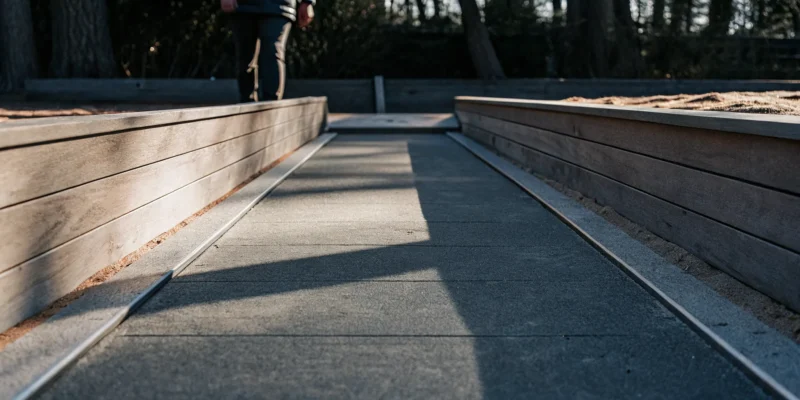
Your backyard is valuable space, and a neglected bocce court is a missed opportunity for fun and relaxation. Instead of letting it sit unused, you can transform it into a premier feature that adds both enjoyment and value to your home. A full restoration turns that forgotten patch of ground into a destination for family gatherings, friendly competitions, and quiet summer evenings. Investing in an old bocce court restoration on Long Island NY is about reclaiming your outdoor living area. In this article, we’ll cover the key considerations, from budgeting and material selection to the long-term benefits of bringing your court back to its former glory, creating a perfect spot for making memories.
Key Takeaways
- Prioritize structural repairs for lasting results: Before considering aesthetics, address any underlying drainage or surface-leveling issues; this foundational work is crucial for creating a safe and durable court that performs well for years.
- Choose materials based on maintenance and play style: Your surface choice, from traditional crushed stone to modern synthetic turf, directly impacts upkeep and how the game is played, so select the option that best fits your family’s lifestyle.
- Partner with an experienced sports games courts contractor: A successful restoration requires specialized skills, so look for a licensed and insured professional with a proven portfolio of building and restoring courts, not just a general landscaper.
What Goes Into Restoring an Old Bocce Court?
Bringing an old bocce court back to its former glory is a rewarding project, but it involves more than just a quick sweep and a fresh layer of sand. A full restoration addresses the court from the ground up, ensuring it’s not only beautiful but also safe and ready for years of friendly competition. The process is a blend of careful repair, material science, and skilled craftsmanship. It starts with assessing the core issues, like an uneven surface or poor drainage, which can make the game frustrating and even cause injuries.
From there, a professional restoration tackles each component systematically. This includes leveling the playing surface, fixing any underlying drainage problems, replacing worn-out borders, and applying the final touches that make the court look pristine. Each step is crucial for creating a durable, high-performance playing area that your family and friends will love. Whether you’re reviving a cherished family court or updating one that came with your home, understanding the process helps you appreciate the work that goes into creating the perfect place to play. Gappsi’s expertise in building sports games courts ensures every detail is handled with precision.
Restoring and Leveling the Surface
The heart of any bocce court is its playing surface. Over time, weather, settling, and regular use can cause cracks, low spots, and an uneven plane. This not only affects how the balls roll but can also be a safety hazard. A proper restoration begins with addressing these imperfections. Surface cracks from temperature changes or heavy use can cause injury, so repairing them with the right mix of sand, binder, or fresh material is the first priority. The goal is to create a perfectly level and smooth surface that allows for a true and predictable roll, making every game fair and enjoyable.
Repairing the Drainage System
Have you ever noticed puddles on your court after it rains? That’s a sign of a drainage problem, one of the most common issues we see with older bocce courts. Without proper drainage, water sits on the surface, leading to material erosion, soft spots, and a shorter lifespan for your court. A thorough restoration involves inspecting the existing drainage system and making necessary repairs. This could mean clearing out old drains, installing new ones, or regrading the base layer to ensure water flows away from the playing area. A court that drains well is a court that lasts.
Replacing Borders and Edging
The borders of a bocce court do more than just frame the playing area; they are essential for keeping the surface material in place and maintaining the court’s structural integrity. Old wooden borders can rot and splinter, while concrete or stone edging can crack and shift over time. Replacing them is a key part of the restoration process. You can choose from a variety of durable and attractive materials, including beautiful porcelain and natural stone options that complement your landscape. Our expert masonry services can create a custom border that is both functional and stylish.
Applying Markings and Finishing Touches
Once the structural work is complete, it’s time for the finishing touches that truly bring the court to life. This final stage is all about the details that enhance both the look and function of the space. This includes applying a fresh coat of paint to the walls or backboards, carefully marking the foul lines and other in-play zones, and cleaning up any excess dirt or debris in and around the court. These final steps transform the area from a construction zone into a polished, game-ready court that looks brand new and invites everyone to play.
How Much Does Bocce Court Restoration Cost on Long Island?
Figuring out the budget for your bocce court restoration is a top priority. While there isn’t a single price tag for every project, understanding the variables can give you a clear picture of the potential investment. The final cost depends on the current condition of your court, the materials you choose, and the overall scope of the work. A simple resurfacing will cost less than a complete overhaul that involves fixing drainage and rebuilding borders. By breaking down the expenses, you can plan effectively and ensure there are no surprises along the way. This approach helps you match your vision with a realistic budget for bringing your court back to life.
What Affects the Final Price?
Several key factors will influence the total cost of your restoration project. The size of your court is the most obvious one; larger courts require more materials and labor. The choice of surface material is also critical, as different options come with different price points and maintenance needs. Your property’s accessibility can play a role too. If the court is in a hard-to-reach part of your yard, it might require more manual labor or specialized equipment. Finally, the extent of the existing damage will heavily impact the price. A court with deep cracks, poor drainage, or crumbling borders will need more intensive and costly repairs than one that just needs a refresh.
Breaking Down the Cost Per Square Foot
To get a ballpark idea, many bocce court projects on Long Island fall into the range of $30 to $40 per square foot. This is a helpful starting point for your budget, but remember it’s a general estimate. This cost typically covers site preparation, materials, and installation. For example, a project using high-quality synthetic turf might be at the higher end of that range, while a restoration with crushed oyster shell could be different. The final per-square-foot price will ultimately depend on the specific materials you select and the complexity of the restoration.
Planning for Additional Costs
When you’re budgeting, it’s smart to plan for more than just the court itself. Think about any extra features you might want to add. This could include new benches, surrounding landscaping, or even a small patio area for spectators. It’s important to ask your contractor for a detailed quote that breaks down every expense, including excavation, materials, labor, and any potential add-ons. This transparency helps you avoid unexpected costs. For instance, if your project requires building a retaining wall or custom seating, those masonry features will be a separate line item. A clear plan ensures your project stays on budget.
Choosing the Best Materials for Your Long Island Bocce Court
Selecting the right materials for your bocce court restoration is about more than just looks. Your choice directly affects how the court plays, how much maintenance it needs, and how well it holds up to Long Island weather. Whether you prefer a traditional feel or a modern, low-maintenance surface, understanding your options is the first step toward creating a court you’ll love for years to come. Let’s walk through the most popular choices for surfaces and borders.
Classic Choices: Clay and Crushed Stone
For a truly authentic playing experience, you can’t go wrong with classic materials like clay or crushed stone. These surfaces provide the traditional, slow roll that bocce enthusiasts love. A properly installed crushed stone base is also fantastic for drainage. It essentially acts as a built-in French drain, channeling water away from the playing surface without the need for visible drains. This is a huge plus for keeping your court in top shape through every season. While these materials require regular grooming to stay level, many find the classic gameplay is well worth the effort.
A Modern Option: Synthetic Turf
If you’re looking for a surface that offers consistent play with minimal upkeep, synthetic turf is an excellent modern alternative. A high-quality turf provides a smooth, predictable ball roll every time, and you won’t have to worry about raking or watering. We often build our premium bocce courts with a sturdy base and top it with durable synthetic turf that looks great and stands up to frequent use. It’s the perfect solution for families who want to spend more time playing and less time on maintenance.
Selecting Your Borders: Porcelain and Natural Stone
The borders of your bocce court do more than just frame the playing area; they are essential for holding the surface material in place and maintaining the court’s structural integrity. This is where you can add a beautiful, high-end touch to your backyard design. Durable and stylish options like porcelain and natural stone create a clean, permanent edge that adds a polished look to the entire space. Proper installation is key to ensuring the borders are level and secure, providing a solid foundation that prevents shifting and erosion over time.
How to Choose the Right Restoration Contractor on Long Island
Finding the right partner for your bocce court restoration is the most important decision you’ll make in this process. A great contractor brings not just skill but also a clear vision and a collaborative spirit to your project. They will guide you through material selection, design choices, and the construction process, ensuring the final result is a beautiful, functional court that your family can enjoy for years. On the other hand, the wrong choice can lead to frustrating delays, unexpected costs, and a court that doesn’t perform as it should.
Your goal is to find a team with proven experience, a transparent process, and the proper credentials. Taking the time to vet your options carefully will give you peace of mind and a finished project you can be proud of. Think of it as building a partnership. You want someone who listens to your ideas and has the expertise to bring them to life, creating a space that perfectly fits your Long Island home.
What to Look For in a Restoration Service
When you start looking for a contractor, focus on their specific experience with bocce courts and other outdoor living projects. Restoring a bocce court requires a unique skill set that goes beyond general landscaping. A true professional understands the nuances of proper surface installation, drainage, and border construction. Look for a company that has a strong portfolio of completed Sports Games Courts and can speak confidently about the technical details.
The choice of surface material is critical, and an experienced contractor can explain the pros and cons of different options, from traditional crushed stone to modern synthetic turf. They should also be experts in installing the frames and borders that keep the surface contained and maintain the court’s structural integrity. A company with deep roots in masonry and landscape construction will have the well-rounded expertise needed for a high-quality restoration.
Key Questions to Ask a Contractor
Before you sign any contracts, it’s important to have a detailed conversation with potential contractors. This is your chance to understand their process and make sure they’re the right fit for your project. Don’t hesitate to ask plenty of questions. Start by asking for a clear, detailed quote that breaks down the costs for excavation, materials, and labor. This transparency helps you avoid surprise expenses down the road.
You should also ask about their project timeline, the specific materials they recommend for your court, and why. Inquire about their team’s experience and ask to see examples of past restoration projects. A great contractor will be happy to walk you through their process for restoration and sealing, explaining how they handle each step from site preparation to the finishing touches.
Why You Should Check for Licenses and Insurance
Verifying that your contractor is fully licensed and insured is a crucial step that protects you and your home. A valid license is proof that the contractor has met local and state requirements, demonstrating their knowledge and professionalism. Insurance, including liability and workers’ compensation, protects you from being held responsible for any accidents or property damage that might occur during the restoration.
Properly restoring a bocce court involves technical work like grading the site, forming concrete borders, and installing vapor barriers. These tasks require professional oversight to ensure they are done correctly. Hiring a licensed and insured company like Gappsi, which has a long history of professional home remodeling, ensures your project is in capable hands and that your investment is secure from start to finish.
Common Restoration Challenges to Prepare For
Bringing an old bocce court back to life is an incredibly rewarding project, but it’s smart to go in with a clear picture of the process. Like any renovation, restoring a court can present a few hurdles. Knowing what to expect helps you plan effectively and ensures the project runs smoothly from start to finish. From uncovering hidden structural issues to working around Long Island’s unpredictable weather, being prepared is the key to a stress-free restoration and a beautiful, long-lasting court you can enjoy for years.
Dealing with Structural and Drainage Problems
One of the most frequent issues with older bocce courts is improper drainage. Over time, a court that doesn’t drain well can lead to a soft, uneven surface, water damage, and an unplayable mess after it rains. The first step in a quality restoration is often to address these foundational problems. This might involve installing a new drainage system and re-leveling the entire surface to ensure water flows away correctly. You may also find that the court surface has cracks from settling or temperature changes, which need to be repaired for safety and playability. Addressing these core structural elements is essential for a professional-level court.
How Weather Can Impact Your Timeline
On Long Island, we know the weather can change in an instant, and this can have a real impact on your restoration timeline. Rain, humidity, and extreme temperatures can cause delays, especially during crucial stages like excavation, pouring materials, or letting surfaces cure. For example, a project planned for early spring might face postponements due to late-season rain or cold snaps. It’s important to have a conversation with your contractor about a realistic timeline that accounts for potential weather delays. Building a little flexibility into your schedule will help manage expectations and prevent frustration if Mother Nature doesn’t cooperate.
Planning for Future Maintenance
Once your beautiful new bocce court is finished, the work isn’t completely over. To protect your investment and keep the court in top condition, you’ll need a plan for ongoing maintenance. Regular upkeep is what preserves the quality and performance of the playing surface for the long haul. This includes simple tasks like keeping the court clean, checking for any new cracks, and making sure the drainage system is clear of debris. With the right care, your restored bocce court can last for decades. Consider talking to your contractor about a maintenance plan or professional restoration and sealing services to keep it looking and playing its best.
Related Articles
- bocce courts in Long Island Archives – Gappsi Group
- bocce court construction in Long Island Archives – Gappsi Group
- bocce ball courts long island Archives – Gappsi Group
- Bocce Ball Court Design & Construction on Long Island | Gappsi Inc
- Bocce Ball Courts Company | Long Island NY – Gappsi Group
Frequently Asked Questions
How long does a typical bocce court restoration take? The timeline for a restoration project really depends on the condition of your court and the scope of the work. A simple resurfacing might only take a few days, but if we need to address significant issues like poor drainage or rebuild the borders, the project could take a couple of weeks. We always provide a clear timeline upfront, keeping in mind that factors like weather can sometimes cause adjustments.
Do I need a full restoration, or can I just get my court resurfaced? This is a great question, and the answer lies in the court’s foundation. If the base is solid and the drainage is working well, a simple resurfacing might be all you need to get it back in playing shape. However, if you’re seeing persistent puddles, major cracks, or an uneven surface, these are signs of deeper issues. A full restoration addresses the court from the ground up, ensuring it will last for years to come.
What kind of upkeep is needed after the restoration is complete? The maintenance your court will need depends heavily on the surface material you choose. Traditional surfaces like crushed stone require regular raking to stay smooth and level. A modern synthetic turf surface, on the other hand, is much lower maintenance and mostly just needs to be kept clear of leaves and debris. We can walk you through the upkeep requirements for each option so you can choose what best fits your lifestyle.
Can I add things like lighting or a seating area during the restoration? Absolutely. The restoration process is the perfect time to integrate other features to create a complete entertainment area. Many homeowners choose to add built-in stone benches, surrounding landscape lighting for evening games, or even a small patio for spectators. Since we handle all aspects of outdoor construction, we can seamlessly incorporate these elements into the overall design.
What is the first step to getting my bocce court restored? The best way to start is with a professional consultation. This allows an expert to come out and assess the current condition of your court, listen to your ideas, and understand your budget. From there, they can provide a detailed plan and a clear quote for bringing your vision to life.