Bocce Courts Built by Gappsi for Timber Ridge Park in Mount Sinai, NY

View Gappsi’s YouTube Channel to view Bocce Courts Built by Gappsi for Timber Ridge Park in Mount Sinai, NY

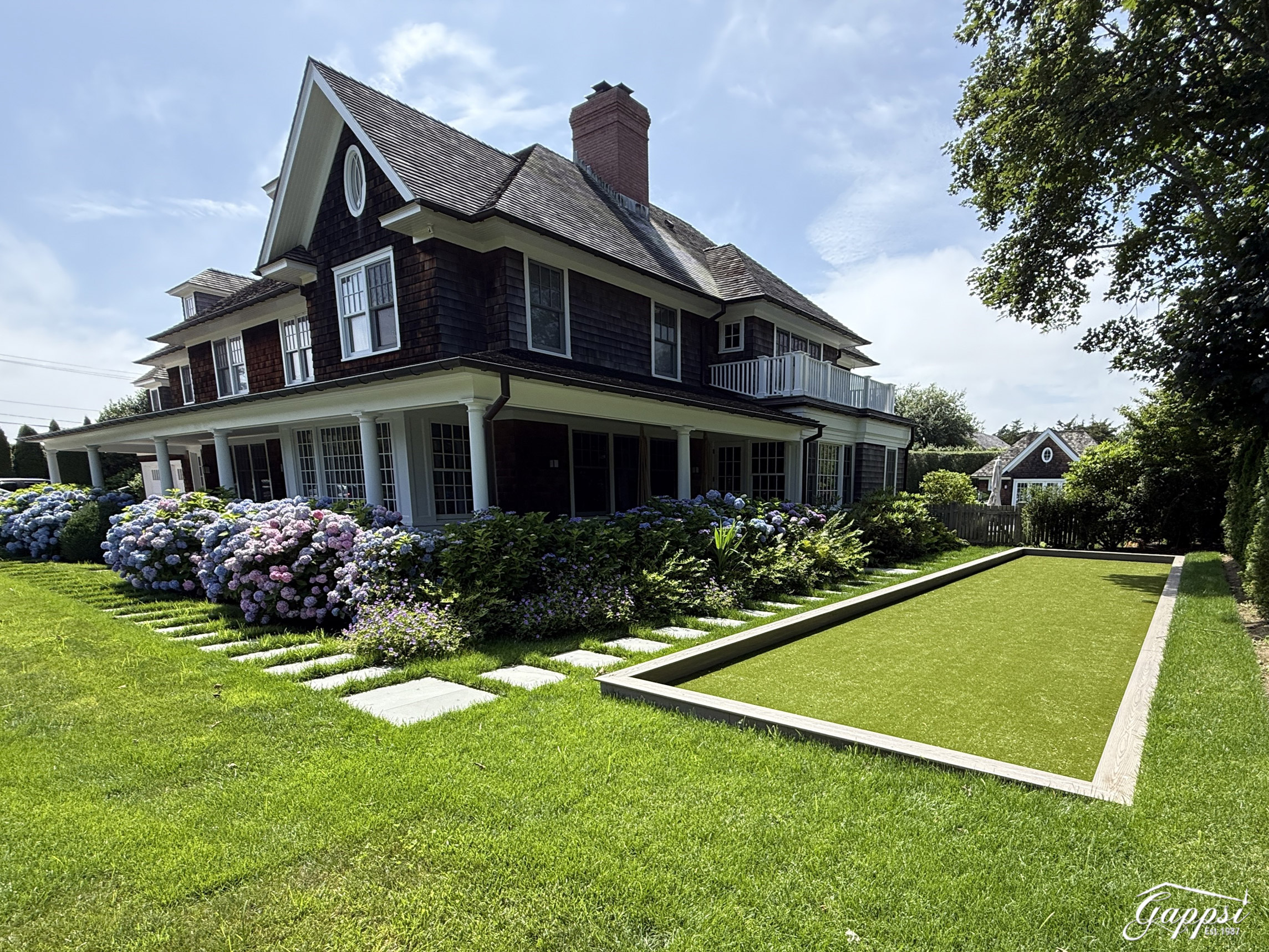
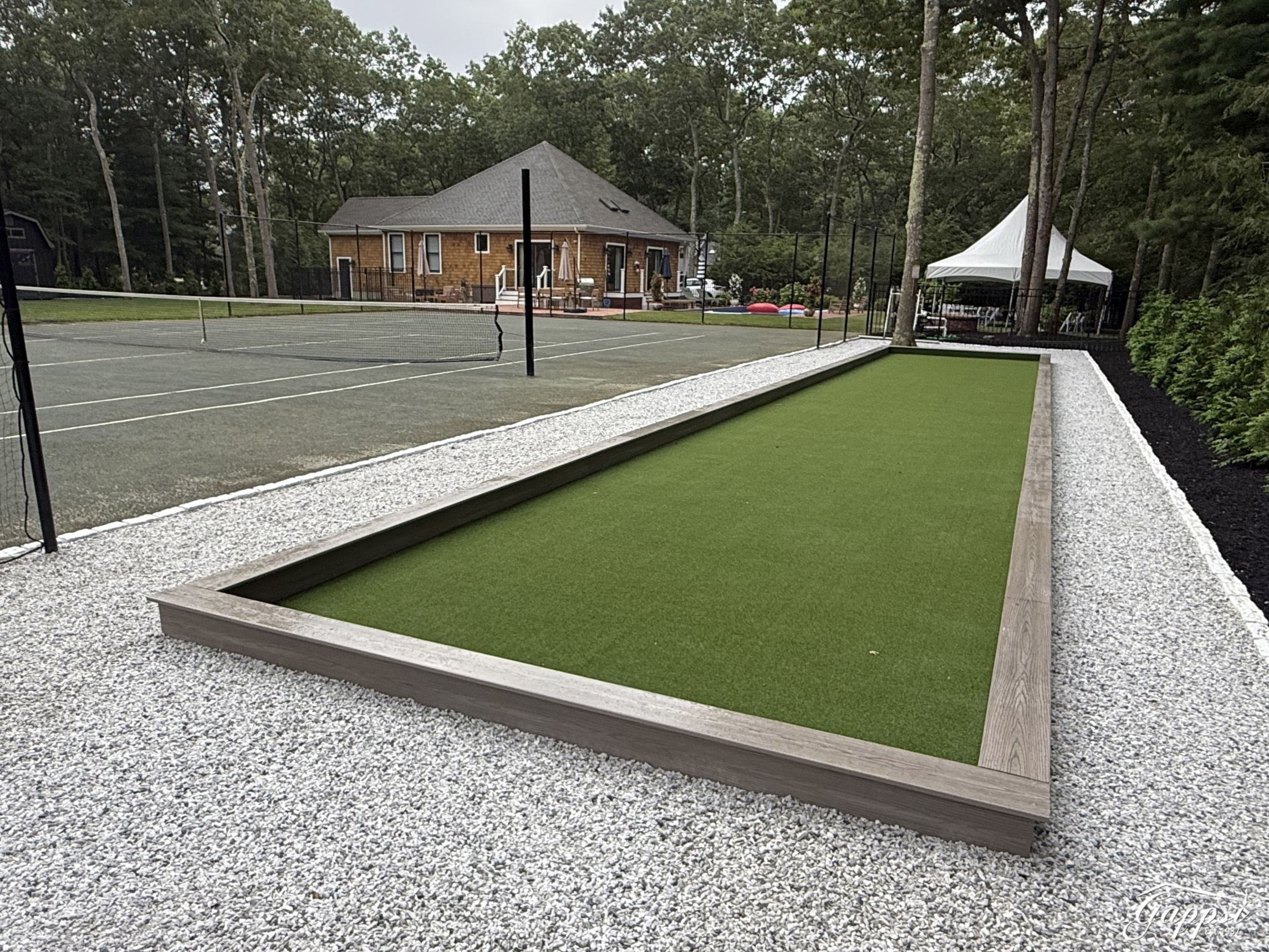
Residents at Timber Ridge Park are enjoying a brand-new upgrade to one of the community’s favorite recreational activities thanks to a recent bocce court renovation completed by Gappsi. Located in Mount Sinai, this over-50 community has a long-standing tradition of bocce play, and the new courts were designed to provide improved accessibility, durability, performance, and aesthetics for years to come.

The project involved the complete reconstruction of two aging bocce courts that had served the community for nearly three decades. The original courts had deteriorated significantly over time, with old railroad ties rotting and the playing surfaces no longer meeting residents’ needs. Gappsi stepped in to transform the space into a modern bocce facility that preserves the spirit of the game while incorporating updated materials and smart design features.

Rebuilding Bocce Courts That Were Nearly 30 Years Old

The existing bocce courts at Timber Ridge Park had become outdated and structurally compromised after decades of use and exposure to the elements. The original courts were built with railroad ties that had severely rotted over time. This not only affected the appearance of the courts but also reduced their safety and functionality.

The residents of Timber Ridge Park are passionate about bocce. For many people in the community, the courts are more than just a recreational feature; they are a gathering place where neighbors socialize, compete, and stay active. Because bocce is such an important part of daily life within the community, rebuilding the courts required careful planning and attention to detail.

Gappsi removed the old structures and completely rebuilt both bocce courts from the ground up. Every aspect of the project was designed to improve the player experience while ensuring the courts remain low-maintenance and long-lasting.

Modern Bocce Court Construction with Accessibility in Mind

One of the most unique features of this project is the custom ramp system installed between the two courts. Since Timber Ridge Park is an over-50 community, accessibility was a major consideration during the design process. Many residents who regularly play bocce are older adults, and ease of access was essential.

Gappsi created a raised center walkway with a ramp covered in synthetic turf. This central ramp allows players to comfortably walk up and down between the courts without difficulty. Instead of navigating uneven surfaces or awkward transitions, residents can safely move from one side to the other using the smooth elevated pathway.

The addition of the synthetic turf ramp also enhances the visual appeal of the bocce area, creating a clean and professional look between the courts. Functionality and aesthetics were equally important throughout the installation process, and the final result reflects both.

High-Performance Synthetic Turf Bocce Surface

The new bocce courts were constructed using advanced synthetic turf surfaces specifically designed for bocce play. Unlike traditional clay or crushed stone courts, synthetic turf offers a more consistent and reliable playing experience while requiring less maintenance over time.

The turf installed inside the bocce courts allows the bocce balls to roll smoothly and freely across the playing surface. Consistency is critical in bocce because even small imperfections in the surface can affect ball movement and gameplay. By using specialized bocce turf, Gappsi created courts that provide precision play and improved performance for recreational and competitive players alike.

Another major advantage of synthetic turf is durability. The turf can withstand changing weather conditions, regular foot traffic, and years of play without the deterioration commonly associated with traditional materials. Residents can enjoy the courts season after season with minimal upkeep required.

bocce-courts-built-by-gappsi-for-timberridge-park-in-mount-sinai-ny

Noise Reduction Features for a Better Playing Experience

Gappsi also incorporated smart sound-reducing elements into the courts’ design. On both sides of each bocce court, synthetic turf was extended vertically up toward the top edges of the sidewalls. This design helps soften the impact when bocce balls hit the court’s sides.

Traditional hard-surface bocce courts often produce loud banging sounds as the balls repeatedly strike the walls during gameplay. By lining the side areas with turf, Gappsi significantly reduced noise levels while maintaining the courts’ functionality.

This feature is especially beneficial in a residential community setting like Timber Ridge Park, where maintaining a comfortable and enjoyable atmosphere for all residents is important. The softer impact surface helps create a quieter and more pleasant environment during games and tournaments.

New Stony Boards Installed for Long-Term Durability

As part of the reconstruction, Gappsi installed all-new stony boards around the bocce courts. These structural components provide the framework and boundaries for the playing area while enhancing the facility’s overall appearance.

The new boards are far more durable and weather-resistant than the deteriorated railroad ties previously used. Modern materials ensure the courts will remain structurally sound and visually appealing for many years with minimal maintenance requirements.

The clean lines and professional finish of the new bocce courts elevate the recreational space and provide residents with a facility that feels modern, organized, and inviting.

Bocce Continues to Grow in Popularity in Residential Communities

Bocce has become increasingly popular in residential communities throughout New York, especially within active adult and retirement communities. The sport is easy to learn, highly social, and accessible for players of all skill levels and ages.

For communities like Timber Ridge Park, bocce courts provide more than recreation; they encourage social interaction, physical activity, and community engagement. Residents often gather daily for casual matches, organized leagues, and friendly competition.

Investing in professionally built bocce courts adds significant value to community amenities and helps create spaces where residents can connect and enjoy outdoor activities together. Modern bocce court construction also allows for improved safety, accessibility, and reduced maintenance costs compared to older court systems.

Why Communities Choose Gappsi for Bocce Court Construction

Gappsi has built a strong reputation throughout Long Island for designing and constructing high-quality sports game courts, outdoor living spaces, and recreational amenities. Their expertise in bocce court construction enables them to create customized solutions for each property and community.

Every bocce court project completed by Gappsi is designed with durability, playability, and appearance in mind. From synthetic turf systems to accessibility improvements and custom layouts, the company focuses on delivering premium installations that stand the test of time.

The Timber Ridge Park project is another example of how Gappsi combines craftsmanship with innovative materials to create recreational spaces that residents can enjoy for decades.

A Beautiful New Bocce Facility in Mount Sinai

The completed bocce courts at Timber Ridge Park have transformed the community’s recreational area into a modern and inviting destination for residents. With upgraded synthetic turf surfaces, accessible ramp systems, noise-reducing features, and durable new construction materials, the new courts provide a superior playing experience while enhancing the overall appearance of the property.

For residents who take bocce seriously, the improvements are more than just cosmetic; they represent a renewed space where the community can continue to gather, compete, and enjoy one of their favorite activities.

This latest bocce court installation in Mount Sinai showcases the quality craftsmanship and attention to detail that continue to make Gappsi a leader in bocce court construction and outdoor recreational design across Long Island.

Contact Gappsi Today

📍 Serving all of Long Island, NY — Nassau & Suffolk Counties
🌐 https://www.gappsi.com/
📞 Call now for a free consultation and estimate

SCHEDULE A MEETING TODAY WITH GAPPSI

Share this page:
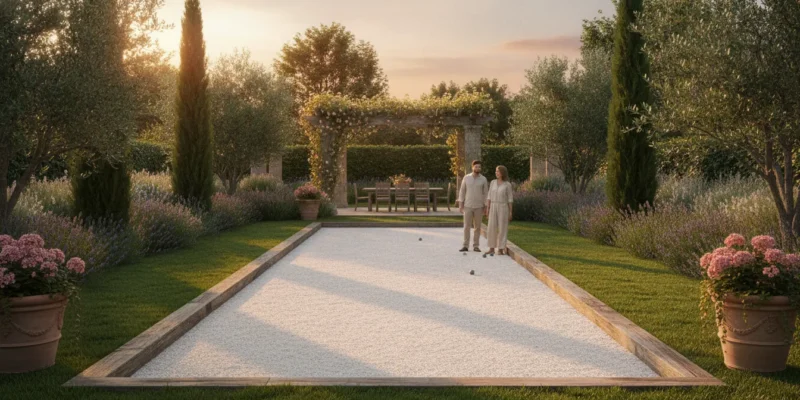
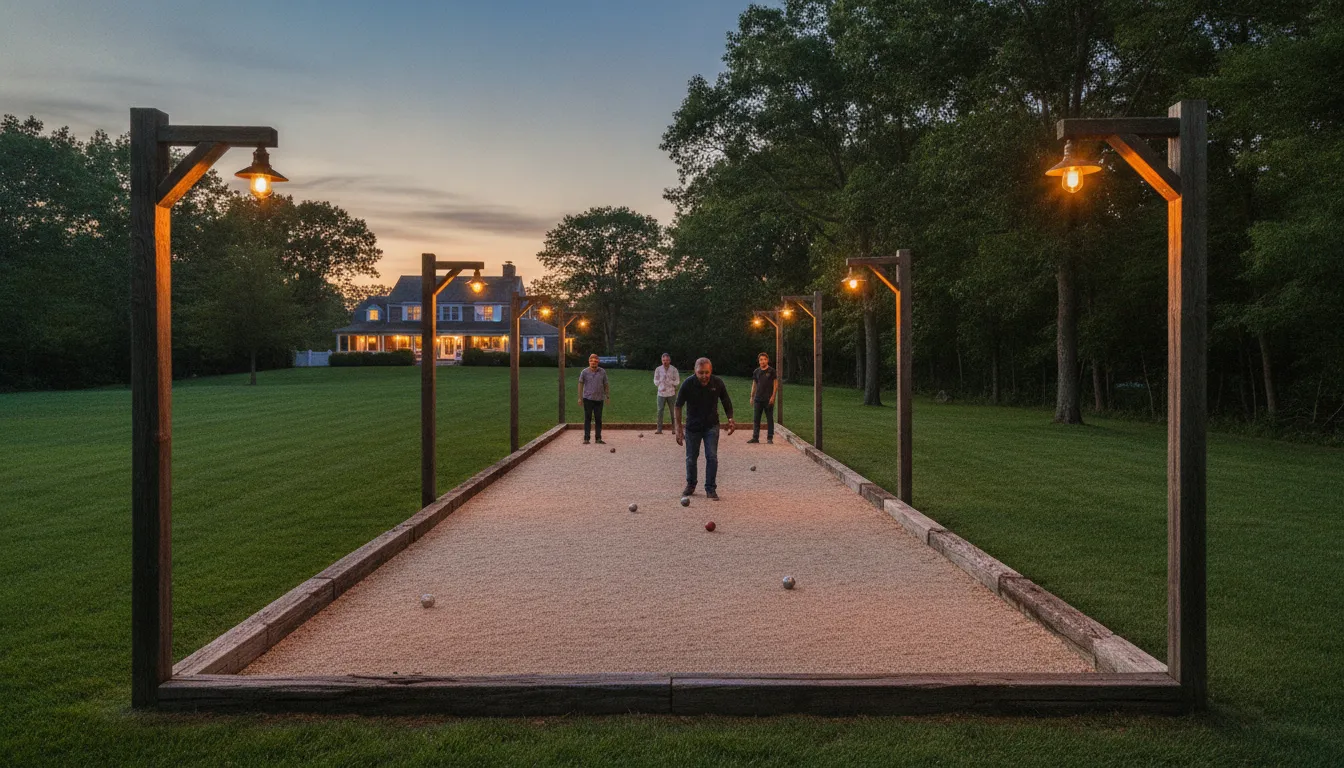
Bocce court with a gravel surface and wood frame, built by contractors on Long Island, NY.

Top Bocce Court Contractors on Long Island NY: A Guide

A truly great backyard design feels cohesive, with every element working together to create a beautiful and functional space. A bocce court can be a stunning centerpiece in that design, not just a standalone game area. When planned correctly, it can be framed by elegant landscaping, bordered with natural stone that matches your patio, and lit for evening ambiance. It becomes an integrated part of your outdoor living environment. To achieve this seamless look, you need a team with a strong design sense. This guide explains how expert Bocce courts contractors on Long Island NY can help you customize a court that perfectly complements your home’s aesthetic and your family’s needs.

Key Takeaways

  • Customize Your Court to Fit Your Yard and Style: You don’t need a massive yard for a bocce court; you can adjust the dimensions, select materials like low-maintenance synthetic turf or classic crushed stone, and add features like lighting to create a space that is uniquely yours.
  • A Professional Build Ensures Longevity: The success of your bocce court lies in its foundation. Hiring an expert ensures proper site preparation and drainage, which prevents common issues like uneven surfaces and water pooling, protecting your investment for years to come.
  • Create a Natural Hub for Socializing: A bocce court is an incredibly inclusive activity that people of all ages and abilities can enjoy together. It provides a perfect reason to get outside, encouraging connection and creating a fun, social atmosphere in your own backyard.

What Is a Bocce Court?

If you’re looking for a game that brings everyone together, from grandparents to grandkids, bocce is a perfect choice. It’s a classic lawn game with Italian roots that’s wonderfully simple to learn but offers a lifetime of friendly competition. At its heart, a bocce court is a long, narrow, and perfectly level playing area designed specifically for the game. Think of it as a beautiful and functional addition to your backyard, creating a dedicated zone for fun and entertainment that looks just as good as it plays.

Bocce is a game for all ages and skill levels, making it an incredibly inclusive activity for family gatherings or neighborhood parties. The goal is straightforward: toss your bocce balls as close as possible to a smaller target ball, called the pallino. While the rules are simple, the strategy can be surprisingly deep, leading to hours of engaging play. A well-designed court ensures the balls roll true, making every game fair and exciting. Gappsi specializes in creating custom sports games courts that not only provide a professional-quality playing surface but also blend seamlessly into your overall outdoor living design. It’s more than just a game area; it’s a feature that encourages people to step outside, interact, and make lasting memories.

Bocce Court Dimensions

One of the best things about adding a bocce court to your home is its flexibility. While an official, tournament-style court measures 13 feet wide by 91 feet long, most residential courts are built to fit the available space. You don’t need a massive yard to enjoy the game. Recreational courts are often designed to be anywhere from 10 to 13 feet wide and 40 to 91 feet long. This adaptability means we can create a court that feels just right for your property.

The key is working with your yard’s unique layout. We can help you find the perfect spot and design a court that complements your existing landscape design. Whether you have a long, narrow side yard or a wider open space, we can adjust the dimensions to create a fun and functional playing area without overwhelming your property.

Indoor vs. Outdoor Courts

The most important requirement for any bocce court, whether it’s inside or out, is a perfectly flat and level surface. This ensures the balls roll straight and the game is based on skill, not on the whims of a bumpy lawn. For homeowners on Long Island, outdoor courts are the most popular choice, turning a section of your yard into a hub for warm-weather entertainment. You’ll need a long, narrow area, typically about 15 feet wide and anywhere from 50 to 100 feet long, to accommodate the court and its surrounding frame.

An outdoor court can be beautifully integrated with your landscape, perhaps alongside a patio or under the shade of a custom pavilion or pergola. While less common, indoor courts are also an option if you have a large basement or outbuilding, offering the advantage of year-round play regardless of the weather.

Why Add a Bocce Court to Your Property?

Adding a bocce court to your property is about more than just installing a new game, it’s about creating a destination for fun and connection. Bocce is a wonderfully simple and social game that people of all ages and athletic abilities can enjoy together. It encourages friendly competition and gives everyone a reason to step outside and spend quality time with one another. Whether you’re looking to liven up your backyard gatherings or offer a unique amenity for your customers, a

Benefits for Your Home

Imagine your backyard as the go-to spot for family fun. A bocce court can make that happen. It provides a perfect setting for everything from casual weeknight games to lively weekend parties with friends and neighbors. It’s a simple way to get everyone, from kids to grandparents, off their phones and into the fresh air for some light exercise and laughter. A custom-designed court can also beautifully complement your existing landscape, becoming a stylish focal point. We can help you design and build custom synthetic turf and sports game courts that fit perfectly into your vision for the ultimate backyard retreat.

Benefits for Your Business

For a business, a bocce court is a powerful tool for creating a memorable customer experience. If you own a restaurant, winery, or hotel, a court invites guests to stay longer and enjoy themselves. It’s an amenity that feels both relaxed and upscale. For corporate campuses, it offers employees a great way to de-stress and build camaraderie during breaks. Because bocce is so accessible, you don’t have to worry about excluding anyone. It’s an easy, inclusive activity that can be integrated into a larger commercial landscape design to make your property more attractive and engaging for everyone.

Choosing Materials for Your Bocce Court

Selecting the right materials for your bocce court is one of the most exciting parts of the design process. Your choices will define not only the court’s appearance but also how it plays and how much upkeep it requires. From the playing surface under your feet to the border that frames the game, every component plays a role in the final product. A well-built court using high-quality materials is an investment that provides years of enjoyment. Think about how you want the court to blend with your existing landscape and how much time you want to spend on maintenance. This will help you and your contractor make the best decisions for your home.

Surface Materials

The surface you choose is the heart of your bocce court. Traditional options like crushed white marble or bluestone dust offer a classic feel, but they require regular raking and upkeep to stay level. For a modern, low-maintenance alternative, many homeowners are turning to synthetic turf. It provides a consistently smooth and clean playing surface without the need for constant grooming. A turf surface is always ready for a game, drains efficiently, and keeps dirt and dust from being tracked into your home. It’s a fantastic choice if you want to spend more time playing and less time working on your court.

Frame and Border Options

The frame, or border, defines the playing area and gives your court a finished, professional look. These borders are typically six to eight inches high and serve the practical purpose of keeping the balls in play. You have several material options to match your backyard’s style. Wood, like pressure-treated pine or cedar, offers a natural and rustic look. For a more permanent and stately feel, you can use concrete or landscape wall blocks. These materials can be chosen to complement your patio, walkways, or other hardscaping features, creating a beautiful and cohesive outdoor living space.

Drainage Solutions

You might not see it, but a proper drainage system is critical to the longevity and playability of your bocce court. Without good drainage, water can pool on the surface, leading to soft spots, ruts, and uneven playing conditions. A professional installation should always include a solid base and a plan for water management. This often involves creating a slight crown in the court and installing a French drain system beneath the surface. Using rigid base panels can also help stabilize the ground and prevent the formation of ruts from the impact of the bocce balls, ensuring your court remains smooth and functional for years.

How Can You Customize Your Bocce Court?

A bocce court is more than just a playing surface; it’s a feature that should reflect your style and fit perfectly into your backyard. The beauty of a custom-built court is that you aren’t limited to a one-size-fits-all design. You have the freedom to tailor everything from the dimensions to the surrounding atmosphere, creating a space that’s uniquely yours. Thinking about how you’ll use the court, whether for quiet family games or lively evening parties, will help you decide which custom features are right for you.

Custom Sizes and Layouts

While official tournament bocce courts have specific dimensions (13 by 91 feet), your backyard court doesn’t need to follow such strict rules. The best part about a residential court is its flexibility. You can design a layout that fits the exact space you have available, whether it’s a long, narrow stretch along a fence or a more compact area near your patio. A skilled contractor can help you determine the ideal size for enjoyable gameplay without overwhelming your yard. This approach ensures your new court, much like other sports games courts, feels like a natural addition to your home.

Lighting and Personal Touches

Why let the fun stop when the sun goes down? Adding integrated lighting is one of the most popular ways to customize a bocce court, letting you enjoy games well into the evening. It creates a wonderful ambiance for nighttime gatherings with friends and family. Beyond lighting, you can add personal touches that make the space truly special. Think about incorporating built-in benches for spectators, a drink rail along the border, or even a nearby pavilion or pergola for shade. These details transform your court from a simple game area into a complete entertainment destination.

Integrated Landscaping

A bocce court looks its best when it feels connected to the rest of your yard. Thoughtful landscape design is key to achieving a seamless integration. You can frame the court with low-maintenance plantings, create elegant walkways with natural stone pavers, or build a retaining wall that doubles as extra seating. By surrounding the court with complementary textures and colors from your garden, you can make it a stunning focal point. This holistic approach ensures your entire outdoor space flows together, creating a cohesive and inviting environment for playing and relaxing.

How Much Does a Bocce Court Cost on Long Island?

Let’s talk about one of the most common questions I get: what’s the budget for a backyard bocce court? On Long Island, the cost can range quite a bit, typically from $5,000 to over $20,000. I know that’s a wide spectrum, but the final price tag really depends on your specific vision, the materials you choose, and the condition of your property. Think of it like building a custom kitchen; the size, countertops, and appliances all play a role in the final cost.

A professionally installed bocce court is a permanent landscape feature, so the investment covers everything from initial design and ground preparation to materials and finishing touches. The good news is that you have a lot of control over these factors. Understanding what drives the cost will help you create a realistic budget and work with your contractor to design a court that fits your home and your wallet perfectly. Below, we’ll break down the key elements that influence the price so you can feel confident about your investment.

Key Factors That Influence Cost

The two biggest factors that shape your project’s cost are the court’s size and the amount of site preparation needed. While a regulation court has standard dimensions (typically 13 by 91 feet), many homeowners opt for custom sizes to better fit their yard. A smaller, recreational court will naturally require fewer materials and less labor than a larger one.

More importantly, the condition of your yard plays a huge role. A flat, clear, and level area is the ideal starting point. If your property is sloped, uneven, or needs trees removed, significant site preparation will be necessary. This can involve excavation, grading, and building retaining walls to create a stable, level base, which is absolutely essential for proper drainage and a true playing surface.

How Material Choices Affect Price

Your choice of materials for the surface and frame is where you can really customize the look and cost of your court. For the playing surface, traditional options like crushed stone or oyster shell blends are cost-effective but may require more frequent grooming. For a more premium and lower-maintenance option, many Long Islanders are choosing synthetic turf. While the initial investment is higher, a turf surface is incredibly durable, drains quickly, and stays consistently smooth for years.

The border of your court also impacts the price. Pressure-treated wood is a common and budget-friendly choice. However, for a more elegant and permanent look, you can frame your court with beautiful natural stone or pavers. This integrates the court seamlessly into your landscape design and creates a high-end, polished finish.

Understanding Estimates from Contractors

When you start getting estimates, it’s important to know what you’re looking at. A trustworthy contractor will provide a detailed, itemized quote that breaks down the costs for you. Don’t just look at the final number; look for a clear outline of expenses for labor, materials, site preparation, and any other features like lighting or drainage systems. This transparency is key to avoiding surprise costs down the road.

Don’t be afraid to ask questions. A good contractor will be happy to walk you through the estimate and explain each line item. Ask about the project timeline, what their warranty covers, and how they handle any unexpected issues that might arise. A clear and comprehensive estimate is a sign of professionalism and helps ensure you and your contractor are on the same page before any work begins.

How to Choose the Right Bocce Court Contractor

Finding the right contractor is just as important as picking the perfect surface for your bocce court. The right team will not only bring your vision to life but also ensure the project runs smoothly from start to finish. A great contractor acts as your partner, guiding you through design choices, material selections, and the construction process. Taking the time to vet potential builders will pay off in the long run, resulting in a beautiful, durable court that your family and friends can enjoy for years. To make sure you find the best fit for your Long Island home, focus on a few key areas: their credentials, past work, business practices, and communication style.

Check for Licensing, Insurance, and Local Expertise

First things first, any contractor you consider should be fully licensed and insured. This is non-negotiable. Licensing confirms they meet state and local requirements, while insurance protects you from liability in case of accidents on your property during construction. Beyond the basics, look for a contractor with deep local expertise. A team that understands Long Island’s specific soil conditions, weather patterns, and building codes will be better equipped to build a court that lasts. They’ll know how to ensure proper drainage for our coastal climate and can recommend materials that stand up to our seasons. A company with a long history in the area, like Gappsi, brings decades of experience to your turf and sports games courts project.

Review Their Portfolio and Client Testimonials

A picture is worth a thousand words, and a portfolio is your window into a contractor’s quality and style. Ask to see examples of their previous bocce court projects. Do their finished courts match the aesthetic you’re hoping for? Look for clean lines, quality craftsmanship, and attention to detail. Beyond photos, client testimonials and online reviews provide insight into the customer experience. Were previous clients happy with the process and the final result? A contractor’s YouTube channel or website gallery can be a great resource to see their work in action and get a feel for their capabilities before you even pick up the phone.

Look for Clear Pricing and Timelines

Transparency is key when it comes to the financial side of your project. A trustworthy contractor will provide a detailed, written estimate that clearly breaks down all the costs, including materials, labor, and any other potential fees. This helps you understand exactly what you’re paying for and avoids surprise charges down the road. The same goes for the project timeline. While unexpected delays can happen, a professional contractor should give you a realistic schedule for completion and keep you informed of their progress. This level of clarity is a hallmark of a well-run business and shows respect for your time and budget, whether you’re building a court or planning a full home remodeling project.

Prioritize Good Communication

A successful project is built on good communication. From your very first conversation, pay attention to how the contractor interacts with you. Are they responsive to your calls and emails? Do they listen carefully to your ideas and answer your questions thoroughly? You’ll be working with this team for several weeks, so you want to feel comfortable and confident in their ability to keep you in the loop. A great contractor will be a collaborative partner, offering expert advice while respecting your vision. The initial consultation is the perfect opportunity to gauge their communication style and ensure they’re a team you’ll enjoy working with.

Professional Installation vs. DIY: Which Is Right for You?

The satisfaction of a DIY project is hard to beat, and you might be wondering if you can build your own bocce court. While it’s tempting to roll up your sleeves, a project like this has hidden complexities that are important to consider. The difference between a court that lasts for years and one that becomes a lumpy, waterlogged patch in your yard often comes down to professional expertise. Let’s break down why hiring a pro is usually the best path for a high-quality bocce court that becomes a true asset to your home.

The Importance of a Professional Foundation

When it comes to building a bocce court, the foundation is everything. A well-constructed base ensures your court stays level and playable for years. As our team at Gappsi often explains, a good base and drainage system are very important to stop the balls from making ruts and to make sure water drains away properly. Without this expert preparation, your court can quickly become uneven and prone to puddling, which ruins the game and can damage the surface. Professional masonry and construction techniques are essential for creating a stable foundation that withstands Long Island’s weather, from summer heat to winter freezes.

The Risks of a DIY Build

While building your own bocce court might seem like a fun weekend project, the risks can outweigh the rewards. Without deep experience in site preparation and drainage, a DIY court can easily end up with an uneven surface or poor water runoff. This leads to constant, frustrating maintenance instead of fun. A professionally installed court, especially one using a synthetic turf surface, requires very little upkeep, letting you spend more time playing. The expertise needed to build and maintain a quality bocce court is significant. A DIY attempt might save money upfront, but it can lead to costly repairs or even a complete rebuild down the line.

How to Maintain Your Bocce Court

A bocce court is a fantastic addition to your home, and keeping it ready for play is simpler than you might think. The key to easy maintenance is a quality installation from the start. When your court is built with the right materials and a solid foundation, you get to spend more time enjoying the game and less time on upkeep. A little routine care will protect your investment and ensure your court remains a beautiful, functional feature of your backyard for years to come.

Year-Round Maintenance Tips

The type of surface you choose will determine your maintenance routine. If you opt for a synthetic turf surface, you’re in luck. These courts require very little care beyond occasionally brushing the surface and clearing away leaves or debris. For traditional surfaces like crushed oyster shell or decomposed granite, you’ll need to periodically rake the court to keep it smooth and level. Regardless of the surface, it’s a good practice to regularly inspect your border walls for any signs of shifting or damage and keep the surrounding landscape tidy to prevent overgrowth onto the court.

Surface and Drainage Care

Proper surface and drainage care starts with the initial construction. A well-built court prevents most major maintenance headaches. A solid base and an effective drainage system are essential to stop the playing surface from developing ruts and to make sure water drains away efficiently. Without good drainage, you’ll end up with puddles and a soft, uneven court. When we build a court, we focus on creating a stable foundation using expert masonry techniques to ensure a perfectly level and durable playing area that stands up to weather and frequent use.

Knowing When to Call for Repairs

Even with the best care, your bocce court may eventually need professional attention. It’s time to call for repairs if you notice issues that simple maintenance can’t fix. This could include persistent water pooling, deep ruts that don’t rake out, or cracks and damage to the frame or border walls. Addressing these problems early prevents them from becoming bigger and more expensive issues down the line. If your court’s surface is looking worn or the bounce is off, professional restoration services can bring it back to top condition, ensuring it remains a safe and enjoyable place to play.

Ready to Build Your Dream Bocce Court?

Building a bocce court is a fantastic way to bring friends and family together, creating lasting memories right in your own backyard. It’s an exciting project that adds both value and endless entertainment to your home. The key to a court that you’ll love for years is partnering with an experienced team that understands every detail of design and installation. With the right contractor, you can create a beautiful and functional space that becomes the centerpiece of your outdoor gatherings.

At Gappsi, we specialize in building the court you’ve been dreaming of. Our team designs and installs custom bocce courts across Long Island, helping you choose from high-quality materials like classic crushed white marble or modern synthetic turf. We handle every step of the process, ensuring your court is not only visually appealing but also perfectly constructed for play. We can also add personal touches, such as integrated lighting for evening games or custom engravings on your bocce balls.

We believe your new court should feel like a natural extension of your home. Our experts can seamlessly incorporate the court into your property’s overall landscape design, creating a cohesive and stunning outdoor living area. When you’re ready to take the next step, our team is here to help. We will walk you through all the options and design a space that perfectly fits your style and needs.

Related Articles

Frequently Asked Questions

How much space do I really need for a bocce court? While official courts are quite long, you don’t need a huge yard to enjoy the game at home. We often design beautiful, functional courts that are much smaller, sometimes around 40 to 60 feet long, to fit a client’s specific property. The key is creating a layout that allows for fun, strategic play without overwhelming your landscape. A skilled designer can work with almost any space, even a long and narrow side yard, to create the perfect fit.

What is the real difference in maintenance between a turf court and a traditional one? The main difference comes down to your time. A traditional surface, like crushed stone or oyster shell, needs regular raking to stay smooth and level, especially after heavy play or rain. A synthetic turf court, on the other hand, is practically maintenance-free. You might need to clear off leaves or debris occasionally, but you won’t have to worry about grooming the surface. It’s always smooth, clean, and ready for a game.

My yard has a slope. Can I still get a bocce court? Yes, absolutely. This is a very common situation on Long Island, and it’s where professional installation really matters. A sloped yard requires expert site preparation, which usually involves grading the land and sometimes building a retaining wall to create a perfectly flat and level area for the court. This foundational work is critical for proper drainage and a true playing surface, ensuring your investment lasts.

How long does the installation process typically take? The timeline for building a bocce court can vary, but a typical project often takes a few weeks from start to finish. The biggest factors influencing the schedule are the amount of site preparation needed and the weather. If your yard is already fairly level, the process will be quicker. A more complex project with significant grading or masonry work will naturally take longer. Your contractor should provide a clear and realistic timeline before any work begins.

Besides lighting, what are some other popular custom features for a bocce court? There are so many ways to personalize your court and make it a true entertainment hub. Built-in benches or a low seating wall made from natural stone are very popular, giving spectators a comfortable place to watch the game. We can also add drink rails along the border for convenience or build a nearby pergola to provide shade on sunny days. These details transform the court from a simple playing area into a complete outdoor living destination.

Share this page:
A bocce court with the best floor materials for long-lasting play in Long Island, NY.

4. Long Island’s Best Bocce Court Floor Materials

Here on Long Island, our backyards face it all: hot summer sun, heavy rain, and freezing winter nights. Your bocce court surface needs to handle these conditions without becoming a soggy, uneven mess. Drainage is everything. A material that holds water will quickly become unplayable and can lead to long-term damage. This is why selecting the best bocce courts floors materials for long island ny is about more than just looks; it’s about smart, weather-ready engineering. We’ll explore durable, all-weather solutions that stay ready for play year-round, making your court a practical and lasting addition to your home.

Key Takeaways

  • Match your court surface to your lifestyle: Consider how you plan to play and how much upkeep you want to perform. Synthetic turf is ideal for low-maintenance family fun, while natural surfaces like oyster shell offer a classic experience for those who enjoy the traditional care routine.
  • Prioritize a professional foundation: The secret to a lasting court is what’s underneath. A properly built base with excellent drainage is crucial for preventing an uneven, soggy playing surface and for handling Long Island’s diverse weather.
  • Balance your budget with long-term upkeep: The cheapest material upfront is not always the most cost-effective choice. Factoring in future maintenance costs and time will help you see the value in a more durable, low-effort surface that fits your budget over time.

What Are the Best Materials for a Bocce Court?

Choosing the right surface for your bocce court is one of the most important decisions you’ll make. The material you pick affects everything from how the balls roll to how much time you spend on upkeep. It’s a choice that defines not just the game, but the entire look and feel of your outdoor space. Your court is more than just a place to play; it’s a feature of your backyard landscape, an extension of your home. The right surface will complement your home’s style while giving you the perfect playing experience. Think about what you want from your court. Are you looking for the classic, traditional feel of an Italian courtyard? Or do you prefer a sleek, modern surface that requires almost no maintenance? The good news is, there’s a material that fits your vision. From the authentic crunch of oyster shells to the smooth consistency of synthetic turf, each option offers a unique set of benefits. Let’s walk through the most popular options for Long Island backyards to help you find the perfect foundation for your new favorite pastime. Gappsi offers a wide selection of materials for building custom sports games courts that are both functional and beautiful, ensuring your new court is a perfect match for your lifestyle.

Synthetic Turf for Easy Upkeep

If you’d rather spend your weekends playing bocce than maintaining your court, synthetic turf is an excellent choice. This surface gives you a consistently smooth and level playing field without the constant work of natural grass. You can forget about watering, mowing, or weeding. Plus, modern synthetic turf is designed with superior drainage, so a little rain won’t sideline your game for long. It’s a durable, all-weather solution that stays green and ready for play year-round, making it a practical and attractive addition to any Long Island home. It’s all the fun with none of the fuss.

Crushed Oyster Shell for a Classic Feel

For the bocce purist, nothing beats the traditional feel of a crushed oyster shell court. This is the surface used in classic Italian courts, and it provides an authentic playing experience, complete with the satisfying crunch underfoot. Oyster shells drain well and offer a firm surface for a true ball roll. However, this classic charm comes with a commitment to maintenance. You’ll need to rake the court regularly to keep it level and clear of debris. It can also be a bit messy, but for those who love the game’s history, the extra care is a small price to pay for an authentic experience.

Decomposed Granite for a Natural Look

Decomposed granite, or DG, strikes a great balance between a natural aesthetic and a stable playing surface. This material is essentially fine gravel that compacts tightly to create a firm, smooth court that’s perfect for bocce. Its earthy tones blend seamlessly into almost any landscape design, giving your court a subtle, organic look. DG is also a durable and relatively low-maintenance option. Once it’s properly installed and compacted, it holds up well to foot traffic and weather. It’s a fantastic choice if you want a reliable court that feels like a natural part of your backyard.

Poured-in-Place Rubber for a Modern Touch

A poured-in-place rubber surface brings a modern, clean, and highly functional touch to your bocce court. This option is incredibly durable, low-maintenance, and provides a perfectly consistent ball roll every time. One of its biggest advantages is safety; the soft, cushioned surface is forgiving, making it a great choice for families with children. Poured rubber also comes in a wide range of colors, allowing you to customize the court to match your patio, pool deck, or home exterior. It’s a versatile and long-lasting material that combines high performance with contemporary style for your outdoor entertainment space.

How to Choose the Right Bocce Court Surface

Picking the right surface for your bocce court is about more than just aesthetics. It’s the single most important decision you’ll make for the quality of your game and the longevity of your court. The material underfoot dictates how the balls roll, how much maintenance you’ll be doing on weekends, and how well your court holds up to Long Island’s weather. Getting this choice right means more time playing and less time worrying about repairs or poor drainage.

Think of it as the foundation for years of fun. A surface that’s perfect for a casual player might not suit a competitive family, and a material that works in a dry climate might not be the best choice for our coastal weather. You want a court that not only looks great in your yard but also plays consistently and withstands everything from summer barbecues to autumn rain. It’s a significant part of your outdoor living space, so it’s worth taking the time to understand your options. To find the perfect fit, you need to balance three key elements: how you want to play, our local climate, and how much you plan to use the court. Let’s walk through what you need to know to make a choice you’ll be happy with for years to come.

Compare Playability and Ball Roll

The surface you choose is critical to the performance of your bocce court. Each material offers a unique playing experience, so it’s helpful to think about what kind of game you want. Are you looking for fast, competitive matches or a more relaxed, casual roll? Synthetic turf, for example, provides a consistent and smooth surface, allowing for a faster and more predictable game. It’s a great option if you want a professional feel right in your backyard.

On the other hand, natural surfaces like crushed oyster shell or decomposed granite offer a more traditional, classic feel. The ball roll might be slightly slower and less uniform, which many players feel adds to the authentic charm and challenge of the game. The choice really comes down to personal preference and how you envision using your court for backyard entertainment.

Consider Long Island’s Climate

Here on Long Island, we get a little bit of everything: hot summer sun, heavy rain, and chilly winters. Your bocce court surface needs to be able to handle it all. Drainage is the most important factor. A surface that holds water will quickly become a soggy, unplayable mess. Materials like crushed oyster shell are popular for a reason; they provide an ideal playing surface that drains exceptionally well, making the court ready for a game soon after a storm.

Properly installed synthetic turf and decomposed granite with a solid base layer are also excellent choices for managing moisture. The key is ensuring the entire court system, from the base to the surface, is designed to handle our specific weather patterns, preventing puddles and protecting your investment through every season.

Match Durability to How Often You’ll Play

How often do you see your family and friends gathering for a game? Your answer will help determine the best material for your lifestyle. If you anticipate frequent, high-energy matches with kids and neighbors, you’ll want a surface that can stand up to heavy foot traffic. While artificial turf is incredibly durable, a significant tear or imperfection could require a larger replacement.

For those who play often, a surface like crushed oyster shell is not only durable but also easy to maintain and patch yourself. Natural stone or porcelain pavers can also be used to create a highly durable, low-maintenance border or playing area. By matching the material’s resilience to your expected use, you ensure your court remains a beautiful and functional part of your landscape for the long haul.

What’s the Budget for a Bocce Court?

Figuring out the budget for your bocce court is a key step in bringing your backyard vision to life. The total cost depends on several factors, including the size of the court, the materials you choose, and whether you hire a professional for installation. Think of it as an investment in your home that adds a fun, social element to your outdoor space. While there’s a range of price points, understanding the breakdown helps you make a choice that fits your wallet and your long-term plans for your yard. From simple, classic surfaces to premium, low-maintenance options, there’s a solution for every budget.

Breaking Down Material Costs

On average, you can expect a professionally installed bocce court to cost between $30 and $40 per square foot. This price can shift based on a few important variables. The final size of your court is the biggest factor, but site accessibility also plays a role; a hard-to-reach backyard might increase labor costs. The materials you select, whether it’s natural stone or synthetic turf, will significantly influence the price. Finally, any custom features like built-in lighting, surrounding patios, or benches will add to the total project cost.

Weighing Upfront Cost vs. Long-Term Value

When budgeting, it’s smart to think about the long-term value, not just the initial price tag. For instance, synthetic turf has a higher upfront cost, but it’s the only surface that offers a truly low-maintenance experience. You won’t spend your weekends raking, weeding, or replenishing materials. Other surfaces like crushed stone or oyster shell might be more affordable to install, but they require consistent upkeep to stay in top playing condition. Investing more initially in a durable, easy-care surface can save you time, effort, and money over the years.

Find Quality, Budget-Friendly Options

You don’t need a massive budget to build a beautiful and functional bocce court. There are several excellent materials that offer great performance without the premium cost. Crushed stone and decomposed granite are popular choices that create a classic, firm playing surface. Another fantastic option is using oyster shell, which is not only affordable but also one of the most DIY-friendly surfaces available if you’re looking to save on installation. These materials prove that you can create a high-quality court that provides endless fun for family and friends while staying within a comfortable budget.

How Much Maintenance Does Each Surface Need?

The amount of time you spend maintaining your bocce court depends almost entirely on the surface you choose. Some materials offer a set-it-and-forget-it experience, while others require regular attention to stay in top playing condition. Understanding these differences will help you pick a surface that fits your lifestyle, ensuring you spend more time playing and less time working on your court. Let’s break down the typical upkeep for the most popular options.

Caring for Synthetic Turf

If you’re looking for the lowest maintenance option, synthetic turf is your answer. Modern synthetic turf is designed to be incredibly durable and clean. It requires no watering, mowing, or weeding, and its excellent drainage system means you can get back to playing quickly after it rains. You won’t have to worry about dust or displaced material, either. The most you’ll typically need to do is occasionally remove leaves or other debris with a leaf blower. This makes it a perfect choice for busy homeowners who want a beautiful, ready-to-use court all year round.

Maintaining Natural Surfaces

Natural surfaces like crushed oyster shell and clay offer a traditional aesthetic but come with more hands-on maintenance. Crushed oyster shell, a classic choice, provides great drainage but needs frequent raking and replenishing to keep the surface level and clean. It can also be a bit messy, with shells getting tracked into your home. Clay courts are tough and resist dents, but they drain poorly. This means you’ll need to manage water carefully and work to prevent the surface from becoming too hard or cracking, especially with Long Island’s variable weather.

Plan for Seasonal Upkeep

Regardless of your chosen surface, every bocce court benefits from some seasonal attention. The most important task is simply keeping it clean by clearing away fallen leaves, twigs, and other debris that can interfere with play or clog your drainage system. A solid base and proper drainage are the foundation of a low-maintenance court, preventing grooves and standing water from forming. Before winter, a final sweep and check of the perimeter will help ensure your court is in great shape when the playing season returns in the spring.

Avoid These Common Bocce Court Material Mistakes

Building a bocce court is an exciting project, but a few common missteps can turn your dream court into a maintenance headache. Choosing the right material involves balancing aesthetics, playability, and your budget. By thinking through your options and avoiding these frequent mistakes, you can create a beautiful, long-lasting court that your family will enjoy for years. It’s all about making informed decisions from the ground up.

Don’t Choose Based on Cost Alone

It’s tempting to pick the most affordable material and call it a day, but this approach can cost you more down the road. Cheaper materials often require more frequent maintenance, repairs, and even full replacement sooner than you’d expect. Think of your bocce court as an investment in your home. High-quality surfaces like professionally installed synthetic turf or properly sourced oyster shell blends offer better durability and performance. Spending a bit more upfront for a resilient material means less time and money spent on upkeep and more time playing.

Never Overlook the Base and Drainage

The success of your bocce court lies in what’s underneath. A solid base and a good drainage system are absolutely essential for preventing problems. Without proper drainage, your court can hold water after it rains, making it unplayable and leading to ruts or soft spots. A poorly constructed base will cause the surface to become uneven over time, ruining the game. A professional installation ensures the ground is properly excavated, graded, and layered to create a stable foundation that can withstand Long Island’s weather and keep your court in top shape.

Understand How Each Surface Plays

Not all bocce court surfaces are created equal when it comes to gameplay. The material you choose directly affects how the balls roll. For example, a crushed oyster shell court offers a traditional, slower roll, while synthetic turf provides a faster, more consistent playing experience. Decomposed granite falls somewhere in between. Before you decide, think about who will be using the court. Are you hosting competitive matches or enjoying casual family games? Understanding the unique playability of each surface helps you select one that matches your style.

Make Sure It Complements Your Landscape

Your bocce court should feel like a seamless part of your backyard, not something that looks out of place. Consider the overall aesthetic of your outdoor space. A natural surface like decomposed granite or crushed oyster shell can blend beautifully with lush gardens and stone patios. A modern synthetic turf court might be the perfect addition to a sleek, contemporary design. The goal is to choose a material that not only performs well but also enhances your home’s landscape design.

What Does Bocce Court Installation Involve?

Building a bocce court is more than just picking a surface and spreading it out. A proper installation is a multi-step process that ensures your court not only looks great but also plays perfectly and lasts for years. Think of it like building a tiny, specialized patio. The real magic happens underneath the surface, where a solid foundation and smart preparation prevent future problems like uneven spots, poor drainage, and pesky weeds.

From the ground up, every layer has a purpose. It starts with creating a stable base that can handle Long Island’s weather, followed by preparing the area to keep it low-maintenance. Finally, the finishing touches, like borders and surrounding landscaping, tie the court into your backyard’s design. Each step is crucial for creating a professional-quality court that becomes a favorite gathering spot for family and friends. At Gappsi, we handle every detail of our Sports Games Courts installations to ensure a flawless result.

Building the Right Base and Drainage

The secret to a long-lasting bocce court is a solid foundation. Without a proper base, your court can develop ruts, hold water, and become uneven over time. A well-built base provides stability and, most importantly, excellent drainage. This typically involves excavating the area and installing a system like a French drain buried in a layer of gravel. This setup ensures rainwater flows away from the playing surface, preventing puddles and protecting the court materials. Over the gravel, a special stabilizing fabric and rigid base panels create a perfectly level and durable foundation for years of play.

Preparing the Surface and Preventing Weeds

Before the final surface material goes down, a little prep work goes a long way in keeping your court looking its best. One of the most important steps is laying down a high-quality weed barrier. This special fabric is placed underneath the base layers to stop weeds and grass from growing up through your court. It’s a simple but effective solution that drastically cuts down on future maintenance. This proactive approach is a core part of any good landscape design, ensuring your new bocce court remains a beautiful, hassle-free feature in your yard.

Integrating Borders and Landscaping

The borders, or sideboards, are what officially define the playing area and keep the surface material contained. They are typically about six to eight inches high and can be built from a variety of materials to match your home’s aesthetic. Wood offers a classic, rustic look, while concrete or landscape wall blocks provide a more permanent and polished finish. The right border not only serves a practical purpose but also helps integrate the court seamlessly into your backyard. You can use beautiful natural stone pavers to create a border that complements a nearby patio or walkway.

Key Factors to Guide Your Decision

Choosing the right material for your bocce court is about more than just looks. It’s about creating a space that fits your family’s lifestyle, stands up to the local weather, and complements your home’s design. Thinking through a few key factors will help you land on the perfect surface that you’ll enjoy for years to come. Let’s walk through what you should consider before you break ground.

How You’ll Use the Court

First, think about who will be playing. Are you planning casual weekend games with the kids, or are you a serious player looking to host competitive matches? The answer will point you toward the right surface. For family fun, a forgiving material like synthetic turf is a great choice because it’s soft, consistent, and handles a lot of activity. If you’re aiming for tournament-level play, a traditional surface like crushed oyster shell or decomposed granite offers a classic, fast roll. The choice of material is critical to the court’s performance, so matching it to your playing style is the first step to building a court you’ll love.

Long Island’s Weather

We all know Long Island weather can be unpredictable. From humid summer days to freezing winter nights, your bocce court needs to handle it all. Materials like sand can become a headache, compacting too much in the rain or getting too loose when it’s dry. A professionally installed court with a proper base and drainage system is essential to prevent heaving and cracking. Surfaces like synthetic turf and poured-in-place rubber are designed to drain efficiently and withstand our freeze-thaw cycles, making them durable, year-round options for your backyard.

Your Commitment to Maintenance

Be honest with yourself about how much time you want to spend on upkeep. Natural surfaces like crushed oyster shell and decomposed granite look beautiful but require regular maintenance. You’ll need to rake, water, and roll them to keep the surface smooth and playable. If you’d rather spend your time playing than maintaining, a low-maintenance option is your best bet. Artificial turf, for example, only needs occasional rinsing and brushing to stay in top shape. Thinking about long-term care now will save you a lot of work later and ensure your court always looks its best.

Your Backyard’s Overall Design

Your bocce court should feel like a natural extension of your home and landscape. The material you choose plays a big role in the overall aesthetic. Do you have a rustic, naturalistic backyard? Decomposed granite or crushed stone might blend in perfectly. If your home has a more modern or manicured look, the clean lines and consistent color of synthetic turf can create a polished feel. We can help you integrate your court into a cohesive landscape design that includes surrounding patios, walkways, and plantings for a truly seamless outdoor living space.

Where to Find Bocce Court Materials and Installers in Long Island

Once you have a vision for your bocce court, the next step is finding the right materials and the right team to bring it to life. For homeowners on Long Island, this means looking for a local partner with proven expertise in outdoor construction and access to high-quality supplies. A great bocce court is more than just a playing surface; it’s a well-engineered space that requires a solid foundation, proper drainage, and durable materials that can handle both gameplay and the local weather. Partnering with a company that understands these details is the key to building a court you’ll enjoy for years to come.

Why Choose Gappsi for Your Bocce Court

When it comes to creating custom bocce courts on Long Island, Gappsi is a specialized designer and builder for both homes and commercial properties. We handle every detail of the installation, offering a personalized service that matches your specific vision. You can choose from a wide variety of high-quality surfaces, including classic bluestone dust, low-maintenance synthetic turf, clay, or even our unique crushed marble dust. We work with you to design a court that fits your needs perfectly, whether you’re planning for casual family games or more competitive play. Our goal is to give you a range of excellent choices in materials and design so the final result is exactly what you imagined.

Finding Local Material Suppliers

The surface you choose is critical to your court’s performance and appearance. While you can find suppliers for common materials like crushed stone or oyster shells, sourcing the best options requires a good understanding of what makes a great playing surface. You have to think about playability, aesthetics, durability, and the level of maintenance you’re willing to commit to. Instead of spending your time vetting different suppliers, working with an established installer simplifies the process. We source a wide selection of premium porcelain and natural stone pavers and other materials, ensuring you get top-tier quality without the headache of coordinating multiple vendors.

Partner with a Professional Installer

Building a bocce court correctly is a complex project that requires real expertise. A professional installation ensures the court is built to last, giving you a durable and high-performing playing area. The most critical steps, like preparing a solid base and creating an effective drainage system, prevent future problems like ruts or water damage. A professional team will handle the essential site preparation and add the right edging to protect the court’s structure. With our deep experience in masonry design and construction, we build bocce courts with a solid foundation, ensuring stability and function for the long haul.

How to Make Your Bocce Court Last

A bocce court is a fantastic addition to your backyard, a place for fun, laughter, and friendly competition. To keep the games going for years to come, a little bit of care goes a long way. The longevity of your court starts with a solid, professional installation, but consistent maintenance is what truly protects your investment. By following a few simple steps, you can ensure your court stays smooth, level, and ready for play, no matter the season. It’s all about being proactive and understanding what your specific court surface needs to stay in top condition for endless enjoyment.

Keep Up with Regular Cleaning

Many homeowners find that keeping a bocce court clean and level is easier than they imagined, especially when they choose the right material from the start. For instance, a court made with synthetic turf simply needs regular brushing to clear away leaves and debris. A quick rinse with a hose can wash away dust, and using a stiff brush keeps the fibers standing tall for a perfect roll. If you have a natural surface like decomposed granite or oyster shells, regular raking is your best friend. This simple task removes debris and keeps the surface perfectly even, preventing low spots where water might collect. A little routine cleaning goes a long way in preventing bigger issues down the road.

Prevent Common Maintenance Problems

The best way to handle maintenance problems is to stop them before they start. A proper base and drainage system are crucial for preventing ruts and ensuring water drains away correctly, which is why professional installation is so important. Some surfaces, like crushed oyster shell, require regular maintenance like raking, watering, and rolling to stay in top shape. This keeps the surface compact and smooth for consistent play. It’s also a good idea to periodically inspect your court’s borders. Well-built masonry or wood borders should remain stable, but catching any shifting early can prevent bigger problems. For natural surfaces, staying on top of any weeds that pop up will keep your court looking pristine.

Protect Your Court Through the Seasons

Long Island weather brings a mix of everything, from sunny summer days to snowy winters, and your court needs to be ready for it all. Materials like synthetic turf have excellent drainage, so water doesn’t pool on the surface, and you can get back to playing soon after it rains. For any court type, proper grading and a well-designed drainage system are key to managing rainwater effectively. During the winter, you might consider covering a natural surface court to protect it from erosion. If you have a turf court, be sure to remove snow gently to avoid damaging the fibers. A little seasonal attention ensures your court can handle whatever the weather brings and remains a beautiful feature of your yard.

Related Articles

Frequently Asked Questions

Which bocce court surface is truly the easiest to take care of? If your goal is to spend more time playing and less time working, synthetic turf is the clear winner. It requires almost no upkeep beyond occasionally clearing off leaves and debris. Unlike natural surfaces such as crushed oyster shell or decomposed granite, you will not need to rake, water, or roll it to keep it level. It provides a consistently clean and ready-to-play surface year-round.

How important is the base of the court? Can I skip it to save money? The base is the most critical part of your entire bocce court. Skipping or cutting corners on the foundation is a mistake that will lead to costly problems later. A professionally installed base provides essential stability and drainage, preventing the surface from becoming uneven, developing ruts, or holding water after it rains. It is the key to a long-lasting court that plays well for years.

What’s the best surface for a family with kids and pets? For a busy backyard with lots of activity, you need a surface that is both durable and safe. Synthetic turf is an excellent choice because it can withstand heavy foot traffic and constant play without developing bare spots. Another great option is a poured-in-place rubber surface, which provides a soft, cushioned feel that is very forgiving and helps minimize scrapes from falls.

Can a bocce court fit in a smaller Long Island backyard? Absolutely. While there are regulation dimensions for competitive play, a backyard court can be customized to fit the space you have available. You don’t need a massive yard to enjoy the game. We can design a beautiful, functional court that works with your landscape’s specific size and shape, ensuring it feels like a natural part of your outdoor living area.

How long does the installation process usually take? The timeline for installing a bocce court can vary depending on the size, chosen materials, and the specific conditions of your property. A professional installation is a thorough process that includes excavation, building a proper base and drainage system, and carefully laying the final surface. Generally, you can expect the project to take several days to a couple of weeks to ensure every step is completed correctly for a durable, high-quality result.

Share this page:
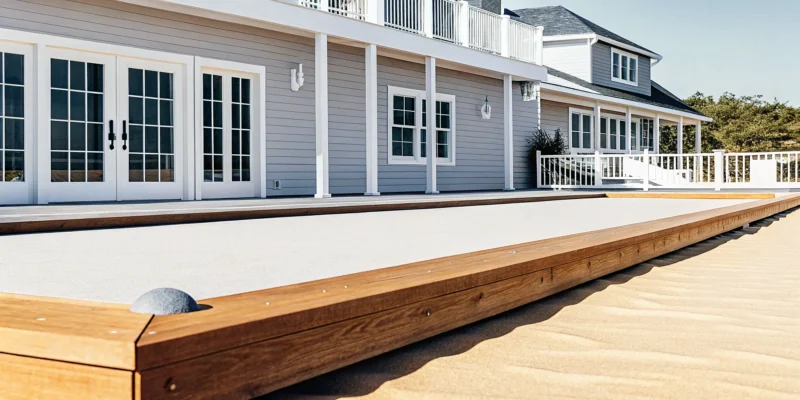
Restored old bocce court with a level surface and wooden borders on Long Island, NY.

Old Bocce Court Restoration on Long Island NY: A Guide

Your backyard is valuable space, and a neglected bocce court is a missed opportunity for fun and relaxation. Instead of letting it sit unused, you can transform it into a premier feature that adds both enjoyment and value to your home. A full restoration turns that forgotten patch of ground into a destination for family gatherings, friendly competitions, and quiet summer evenings. Investing in an old bocce court restoration on Long Island NY is about reclaiming your outdoor living area. In this article, we’ll cover the key considerations, from budgeting and material selection to the long-term benefits of bringing your court back to its former glory, creating a perfect spot for making memories.

Key Takeaways

  • Prioritize structural repairs for lasting results: Before considering aesthetics, address any underlying drainage or surface-leveling issues; this foundational work is crucial for creating a safe and durable court that performs well for years.
  • Choose materials based on maintenance and play style: Your surface choice, from traditional crushed stone to modern synthetic turf, directly impacts upkeep and how the game is played, so select the option that best fits your family’s lifestyle.
  • Partner with an experienced sports games courts contractor: A successful restoration requires specialized skills, so look for a licensed and insured professional with a proven portfolio of building and restoring courts, not just a general landscaper.

What Goes Into Restoring an Old Bocce Court?

Bringing an old bocce court back to its former glory is a rewarding project, but it involves more than just a quick sweep and a fresh layer of sand. A full restoration addresses the court from the ground up, ensuring it’s not only beautiful but also safe and ready for years of friendly competition. The process is a blend of careful repair, material science, and skilled craftsmanship. It starts with assessing the core issues, like an uneven surface or poor drainage, which can make the game frustrating and even cause injuries.

From there, a professional restoration tackles each component systematically. This includes leveling the playing surface, fixing any underlying drainage problems, replacing worn-out borders, and applying the final touches that make the court look pristine. Each step is crucial for creating a durable, high-performance playing area that your family and friends will love. Whether you’re reviving a cherished family court or updating one that came with your home, understanding the process helps you appreciate the work that goes into creating the perfect place to play. Gappsi’s expertise in building sports games courts ensures every detail is handled with precision.

Restoring and Leveling the Surface

The heart of any bocce court is its playing surface. Over time, weather, settling, and regular use can cause cracks, low spots, and an uneven plane. This not only affects how the balls roll but can also be a safety hazard. A proper restoration begins with addressing these imperfections. Surface cracks from temperature changes or heavy use can cause injury, so repairing them with the right mix of sand, binder, or fresh material is the first priority. The goal is to create a perfectly level and smooth surface that allows for a true and predictable roll, making every game fair and enjoyable.

Repairing the Drainage System

Have you ever noticed puddles on your court after it rains? That’s a sign of a drainage problem, one of the most common issues we see with older bocce courts. Without proper drainage, water sits on the surface, leading to material erosion, soft spots, and a shorter lifespan for your court. A thorough restoration involves inspecting the existing drainage system and making necessary repairs. This could mean clearing out old drains, installing new ones, or regrading the base layer to ensure water flows away from the playing area. A court that drains well is a court that lasts.

Replacing Borders and Edging

The borders of a bocce court do more than just frame the playing area; they are essential for keeping the surface material in place and maintaining the court’s structural integrity. Old wooden borders can rot and splinter, while concrete or stone edging can crack and shift over time. Replacing them is a key part of the restoration process. You can choose from a variety of durable and attractive materials, including beautiful porcelain and natural stone options that complement your landscape. Our expert masonry services can create a custom border that is both functional and stylish.

Applying Markings and Finishing Touches

Once the structural work is complete, it’s time for the finishing touches that truly bring the court to life. This final stage is all about the details that enhance both the look and function of the space. This includes applying a fresh coat of paint to the walls or backboards, carefully marking the foul lines and other in-play zones, and cleaning up any excess dirt or debris in and around the court. These final steps transform the area from a construction zone into a polished, game-ready court that looks brand new and invites everyone to play.

How Much Does Bocce Court Restoration Cost on Long Island?

Figuring out the budget for your bocce court restoration is a top priority. While there isn’t a single price tag for every project, understanding the variables can give you a clear picture of the potential investment. The final cost depends on the current condition of your court, the materials you choose, and the overall scope of the work. A simple resurfacing will cost less than a complete overhaul that involves fixing drainage and rebuilding borders. By breaking down the expenses, you can plan effectively and ensure there are no surprises along the way. This approach helps you match your vision with a realistic budget for bringing your court back to life.

What Affects the Final Price?

Several key factors will influence the total cost of your restoration project. The size of your court is the most obvious one; larger courts require more materials and labor. The choice of surface material is also critical, as different options come with different price points and maintenance needs. Your property’s accessibility can play a role too. If the court is in a hard-to-reach part of your yard, it might require more manual labor or specialized equipment. Finally, the extent of the existing damage will heavily impact the price. A court with deep cracks, poor drainage, or crumbling borders will need more intensive and costly repairs than one that just needs a refresh.

Breaking Down the Cost Per Square Foot

To get a ballpark idea, many bocce court projects on Long Island fall into the range of $30 to $40 per square foot. This is a helpful starting point for your budget, but remember it’s a general estimate. This cost typically covers site preparation, materials, and installation. For example, a project using high-quality synthetic turf might be at the higher end of that range, while a restoration with crushed oyster shell could be different. The final per-square-foot price will ultimately depend on the specific materials you select and the complexity of the restoration.

Planning for Additional Costs

When you’re budgeting, it’s smart to plan for more than just the court itself. Think about any extra features you might want to add. This could include new benches, surrounding landscaping, or even a small patio area for spectators. It’s important to ask your contractor for a detailed quote that breaks down every expense, including excavation, materials, labor, and any potential add-ons. This transparency helps you avoid unexpected costs. For instance, if your project requires building a retaining wall or custom seating, those masonry features will be a separate line item. A clear plan ensures your project stays on budget.

Choosing the Best Materials for Your Long Island Bocce Court

Selecting the right materials for your bocce court restoration is about more than just looks. Your choice directly affects how the court plays, how much maintenance it needs, and how well it holds up to Long Island weather. Whether you prefer a traditional feel or a modern, low-maintenance surface, understanding your options is the first step toward creating a court you’ll love for years to come. Let’s walk through the most popular choices for surfaces and borders.

Classic Choices: Clay and Crushed Stone

For a truly authentic playing experience, you can’t go wrong with classic materials like clay or crushed stone. These surfaces provide the traditional, slow roll that bocce enthusiasts love. A properly installed crushed stone base is also fantastic for drainage. It essentially acts as a built-in French drain, channeling water away from the playing surface without the need for visible drains. This is a huge plus for keeping your court in top shape through every season. While these materials require regular grooming to stay level, many find the classic gameplay is well worth the effort.

A Modern Option: Synthetic Turf

If you’re looking for a surface that offers consistent play with minimal upkeep, synthetic turf is an excellent modern alternative. A high-quality turf provides a smooth, predictable ball roll every time, and you won’t have to worry about raking or watering. We often build our premium bocce courts with a sturdy base and top it with durable synthetic turf that looks great and stands up to frequent use. It’s the perfect solution for families who want to spend more time playing and less time on maintenance.

Selecting Your Borders: Porcelain and Natural Stone

The borders of your bocce court do more than just frame the playing area; they are essential for holding the surface material in place and maintaining the court’s structural integrity. This is where you can add a beautiful, high-end touch to your backyard design. Durable and stylish options like porcelain and natural stone create a clean, permanent edge that adds a polished look to the entire space. Proper installation is key to ensuring the borders are level and secure, providing a solid foundation that prevents shifting and erosion over time.

How to Choose the Right Restoration Contractor on Long Island

Finding the right partner for your bocce court restoration is the most important decision you’ll make in this process. A great contractor brings not just skill but also a clear vision and a collaborative spirit to your project. They will guide you through material selection, design choices, and the construction process, ensuring the final result is a beautiful, functional court that your family can enjoy for years. On the other hand, the wrong choice can lead to frustrating delays, unexpected costs, and a court that doesn’t perform as it should.

Your goal is to find a team with proven experience, a transparent process, and the proper credentials. Taking the time to vet your options carefully will give you peace of mind and a finished project you can be proud of. Think of it as building a partnership. You want someone who listens to your ideas and has the expertise to bring them to life, creating a space that perfectly fits your Long Island home.

What to Look For in a Restoration Service

When you start looking for a contractor, focus on their specific experience with bocce courts and other outdoor living projects. Restoring a bocce court requires a unique skill set that goes beyond general landscaping. A true professional understands the nuances of proper surface installation, drainage, and border construction. Look for a company that has a strong portfolio of completed Sports Games Courts and can speak confidently about the technical details.

The choice of surface material is critical, and an experienced contractor can explain the pros and cons of different options, from traditional crushed stone to modern synthetic turf. They should also be experts in installing the frames and borders that keep the surface contained and maintain the court’s structural integrity. A company with deep roots in masonry and landscape construction will have the well-rounded expertise needed for a high-quality restoration.

Key Questions to Ask a Contractor

Before you sign any contracts, it’s important to have a detailed conversation with potential contractors. This is your chance to understand their process and make sure they’re the right fit for your project. Don’t hesitate to ask plenty of questions. Start by asking for a clear, detailed quote that breaks down the costs for excavation, materials, and labor. This transparency helps you avoid surprise expenses down the road.

You should also ask about their project timeline, the specific materials they recommend for your court, and why. Inquire about their team’s experience and ask to see examples of past restoration projects. A great contractor will be happy to walk you through their process for restoration and sealing, explaining how they handle each step from site preparation to the finishing touches.

Why You Should Check for Licenses and Insurance

Verifying that your contractor is fully licensed and insured is a crucial step that protects you and your home. A valid license is proof that the contractor has met local and state requirements, demonstrating their knowledge and professionalism. Insurance, including liability and workers’ compensation, protects you from being held responsible for any accidents or property damage that might occur during the restoration.

Properly restoring a bocce court involves technical work like grading the site, forming concrete borders, and installing vapor barriers. These tasks require professional oversight to ensure they are done correctly. Hiring a licensed and insured company like Gappsi, which has a long history of professional home remodeling, ensures your project is in capable hands and that your investment is secure from start to finish.

Common Restoration Challenges to Prepare For

Bringing an old bocce court back to life is an incredibly rewarding project, but it’s smart to go in with a clear picture of the process. Like any renovation, restoring a court can present a few hurdles. Knowing what to expect helps you plan effectively and ensures the project runs smoothly from start to finish. From uncovering hidden structural issues to working around Long Island’s unpredictable weather, being prepared is the key to a stress-free restoration and a beautiful, long-lasting court you can enjoy for years.

Dealing with Structural and Drainage Problems

One of the most frequent issues with older bocce courts is improper drainage. Over time, a court that doesn’t drain well can lead to a soft, uneven surface, water damage, and an unplayable mess after it rains. The first step in a quality restoration is often to address these foundational problems. This might involve installing a new drainage system and re-leveling the entire surface to ensure water flows away correctly. You may also find that the court surface has cracks from settling or temperature changes, which need to be repaired for safety and playability. Addressing these core structural elements is essential for a professional-level court.

How Weather Can Impact Your Timeline

On Long Island, we know the weather can change in an instant, and this can have a real impact on your restoration timeline. Rain, humidity, and extreme temperatures can cause delays, especially during crucial stages like excavation, pouring materials, or letting surfaces cure. For example, a project planned for early spring might face postponements due to late-season rain or cold snaps. It’s important to have a conversation with your contractor about a realistic timeline that accounts for potential weather delays. Building a little flexibility into your schedule will help manage expectations and prevent frustration if Mother Nature doesn’t cooperate.

Planning for Future Maintenance

Once your beautiful new bocce court is finished, the work isn’t completely over. To protect your investment and keep the court in top condition, you’ll need a plan for ongoing maintenance. Regular upkeep is what preserves the quality and performance of the playing surface for the long haul. This includes simple tasks like keeping the court clean, checking for any new cracks, and making sure the drainage system is clear of debris. With the right care, your restored bocce court can last for decades. Consider talking to your contractor about a maintenance plan or professional restoration and sealing services to keep it looking and playing its best.

Related Articles

Frequently Asked Questions

How long does a typical bocce court restoration take? The timeline for a restoration project really depends on the condition of your court and the scope of the work. A simple resurfacing might only take a few days, but if we need to address significant issues like poor drainage or rebuild the borders, the project could take a couple of weeks. We always provide a clear timeline upfront, keeping in mind that factors like weather can sometimes cause adjustments.

Do I need a full restoration, or can I just get my court resurfaced? This is a great question, and the answer lies in the court’s foundation. If the base is solid and the drainage is working well, a simple resurfacing might be all you need to get it back in playing shape. However, if you’re seeing persistent puddles, major cracks, or an uneven surface, these are signs of deeper issues. A full restoration addresses the court from the ground up, ensuring it will last for years to come.

What kind of upkeep is needed after the restoration is complete? The maintenance your court will need depends heavily on the surface material you choose. Traditional surfaces like crushed stone require regular raking to stay smooth and level. A modern synthetic turf surface, on the other hand, is much lower maintenance and mostly just needs to be kept clear of leaves and debris. We can walk you through the upkeep requirements for each option so you can choose what best fits your lifestyle.

Can I add things like lighting or a seating area during the restoration? Absolutely. The restoration process is the perfect time to integrate other features to create a complete entertainment area. Many homeowners choose to add built-in stone benches, surrounding landscape lighting for evening games, or even a small patio for spectators. Since we handle all aspects of outdoor construction, we can seamlessly incorporate these elements into the overall design.

What is the first step to getting my bocce court restored? The best way to start is with a professional consultation. This allows an expert to come out and assess the current condition of your court, listen to your ideas, and understand your budget. From there, they can provide a detailed plan and a clear quote for bringing your vision to life.

Share this page:

A Masterpiece in Upper Brookville: The Ultimate Backyard Bocce Court

View Gappsi’s YouTube Channel to view A Masterpiece in Upper Brookville: The Ultimate Backyard Bocce Court

There is something timeless about the game of bocce. Whether it’s the gentle clink of the balls meeting on the court or the spirited conversation that flows between frames, bocce is more than just a sport; it’s a lifestyle. At Gappsi, we take pride in bringing these lifestyle dreams to fruition. Our latest project in the prestigious neighborhood of Upper Brookville, NY, is a testament to how traditional craftsmanship and modern materials can create a backyard oasis that is both functional and breathtaking.

If you’ve been considering adding a professional-grade bocce court to your Long Island home, this recent installation showcases exactly what is possible when you prioritize quality and design.

Designing for Durability: The Foundation

When planning a bocce court, the first decision is often the most critical: what will hold it all together? For this Upper Brookville residence, the client had a specific vision. They wanted the warmth and organic feel of wood to define the space.

To satisfy this aesthetic while ensuring the court survives the changing New York seasons, we built the court walls using high-quality, pressure-treated lumber.

Why choose pressure-treated lumber?

  • Longevity: It is chemically treated to resist rot, fungal decay, and wood-boring insects.
  • Structural Integrity: It provides a rigid, straight perimeter that can withstand the impact of bocce balls over years of play.
  • Natural Aesthetics: The lumber walls blend seamlessly into the lush, wooded landscapes typical of Upper Brookville, offering a rustic yet polished look that stone sometimes lacks.

The Surface: Pro-Grade Synthetic Turf

While the walls provide the frame, the playing surface is the heart of the court. In the past, bocce courts were often made of clay, crushed stone, or oyster shells. While authentic, these materials require constant raking, leveling, and moisture control.

For this project, we installed a specialized synthetic turf specifically engineered for bocce courts. This isn’t your average backyard grass; it is a short-pile, high-density turf designed to provide a consistent “roll” and the perfect amount of friction.

The Benefits of Gappsi’s Bocce Turf:

  1. Low Maintenance: No more weeding or leveling. A quick brush-off is all it takes to prepare for a game.

  2. All-Weather Play: Our turf systems are designed for superior drainage. Even after a heavy Long Island summer rain, the court is ready for action in minutes.

  3. Consistency: Every inch of the court offers the same speed and trajectory, allowing players to truly hone their skills.

a-masterpiece-in-upper-brookville-the-ultimate-backyard-bocce-court

Integrating the Landscape

A bocce court shouldn’t just be “dropped” into a yard; it should feel like it has always been there. To achieve this, we focused heavily on the surrounding environment. We landscaped one entire side of the court, creating a soft, living border that anchors the structure into the existing backyard topography.

By integrating professional landscaping, we transformed a “sports installation” into a “garden feature.” The contrast between the clean lines of the pressure-treated lumber and the organic textures of the plantings creates a stunning visual balance.

Accessibility and Comfort: The Walkway and Seating

A great game of bocce is as much about the time spent between turns as it is about the game itself. We wanted to ensure that the transition from the home to the court was elegant and safe.

We constructed a custom walkway using G040 natural stone pavers. This choice was intentional; the G040 series offers a sophisticated color palette and a non-slip texture that complements the wood of the court and the greenery of the yard.

To complete the “clubhouse” feel, we installed two custom benches. Positioned strategically, these benches allow players and spectators to relax, enjoy a drink, and engage in the friendly “trash talk” that makes bocce so much fun. It turns the court into a social hub rather than just a place to play.

Why Upper Brookville Chooses Gappsi

Upper Brookville is known for its sprawling estates and high standards for home improvement. This project is a perfect example of why Gappsi remains the leading choice for luxury outdoor amenities on Long Island. We don’t just “install”; we design, we engineer, and we craft.

“The client wanted a space that felt authentic to the game but was easy to maintain. By combining the classic look of lumber walls with the modern performance of synthetic turf, we delivered a court that looks like a heritage piece but performs like a professional venue.”

Your Turn to Play

The beauty of a custom bocce court is that it encourages us to put down our phones, step outside, and connect with friends and family. Whether you are an expert player or just looking for a new way to entertain guests, a Gappsi-built court is an investment in your home’s value and your quality of life.

Key Features of this Upper Brookville Build:

  • Walls: Pressure-treated lumber for a classic, durable frame.
  • Surface: Specialized synthetic bocce turf for a perfect roll.
  • Hardscape: G040 stone walkway for elegant access.
  • Amenities: Two integrated benches for spectator comfort.
  • Design: One-sided landscaping to blend with the natural environment.

Ready to Transform Your Backyard?

At Gappsi, we specialize in everything from bocce courts and putting greens to full-scale masonry and pool designs. If this Upper Brookville project has inspired you, we would love to help you plan your own backyard retreat.

Contact Gappsi Today

📍 Serving all of Long Island, NY — Nassau & Suffolk Counties
🌐 www.gappsi.com
📞 Call now for a free consultation and estimate!

SCHEDULE A MEETING TODAY WITH GAPPSI

Share this page: