


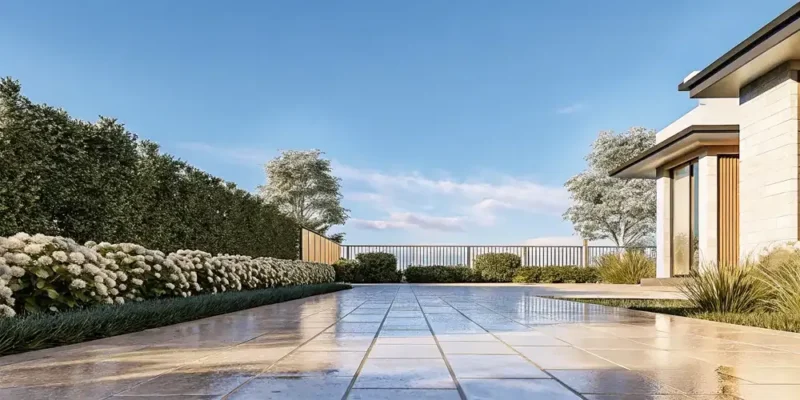
A paver sealer wet look finish deepens the color of concrete or brick pavers and leaves a noticeable sheen, similar to the appearance of the surface after a light rain. It can make a faded patio look richer and easier to maintain, but it is not automatically the best choice for every walkway, driveway, or pool surround.
Request a consultation with Gappsi
The right decision depends on the paver material, existing condition, drainage, desired gloss level, traction needs, and willingness to maintain the finish. Long Island weather adds another consideration because outdoor paving regularly faces moisture, freeze-thaw cycles, summer heat, and seasonal debris. This guide explains the practical advantages and drawbacks so you can choose a finish with realistic expectations.
What is a paver sealer wet look finish?
A wet look sealer is a film-forming product designed to enhance paver color while creating a satin, semi-gloss, or glossy surface. The appearance varies by product and application. Some finishes produce a subtle color boost, while others create a reflective sheen that becomes a prominent design feature.
Wet look does not mean the patio remains physically wet. The phrase describes the darker, more saturated appearance that water temporarily gives many masonry surfaces. A compatible sealer can preserve a similar visual effect after it cures.
How it differs from a natural-look sealer
A natural-look penetrating sealer generally absorbs below the surface and changes the visible finish very little. A wet look product usually forms more of a surface film. That film can deliver stronger color enhancement, but it also makes surface preparation and future maintenance especially important.
| Consideration | Wet look finish | Natural look finish |
|---|---|---|
| Appearance | Deepened color with visible sheen | Minimal visual change |
| Design impact | Becomes part of the patio’s style | Keeps attention on the original material |
| Surface behavior | Often creates a film on top | Usually penetrates below the surface |
| Preparation | Requires careful cleaning, drying, and compatibility checks | Still requires preparation and compatibility checks |
| Traction | Gloss can affect traction, depending on product and conditions | Often preserves more of the original surface texture |
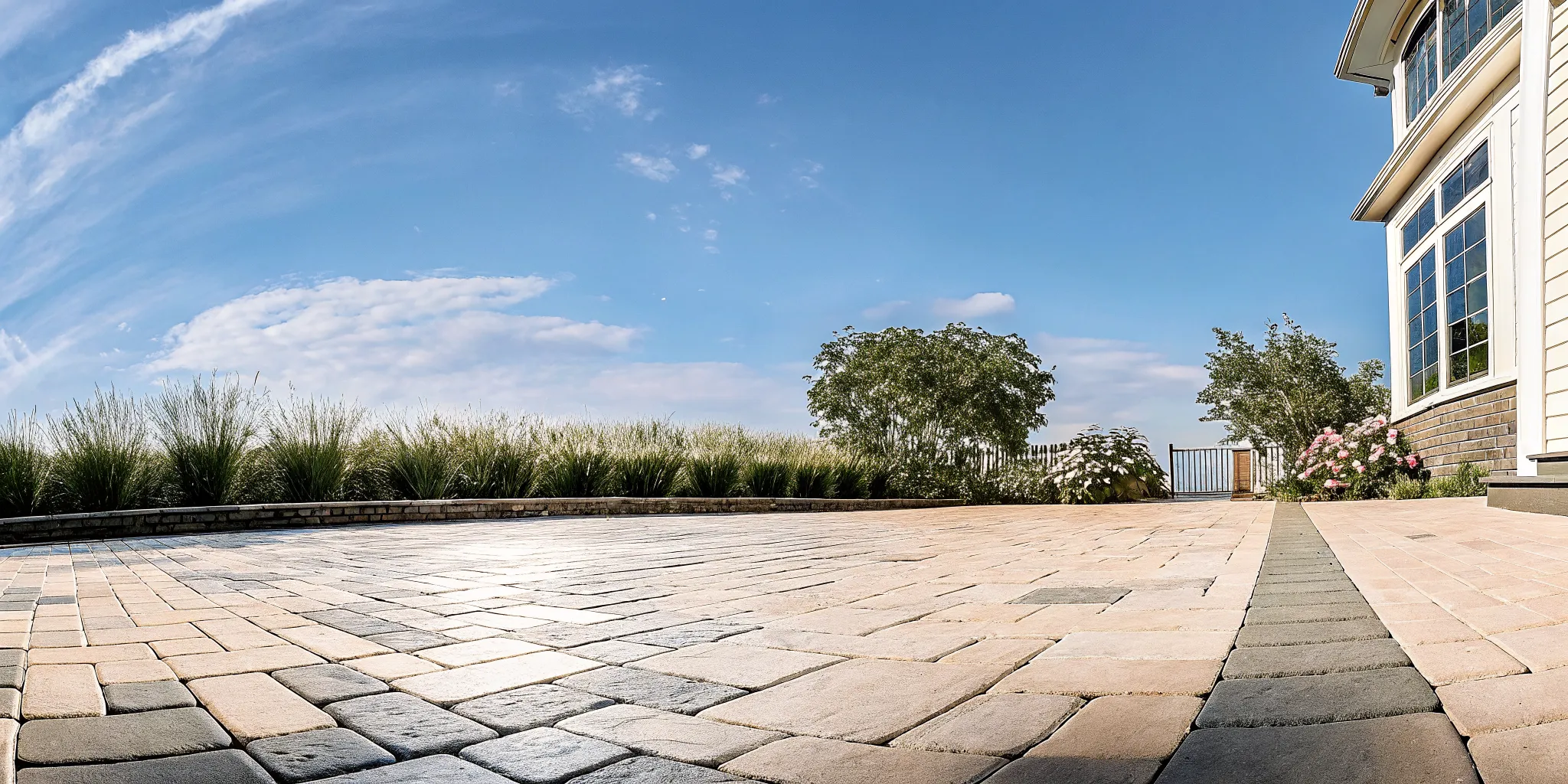
Product chemistry matters as much as finish type. Paver composition, porosity, prior coatings, and site conditions all influence how a sealer bonds and looks. Testing a small, inconspicuous area is one of the most useful ways to evaluate the real result before committing to the full space.
The advantages of a wet look paver sealer
The strongest reason to choose a wet look is visual impact. It can revive muted reds, browns, grays, and blended colors, helping individual pavers and patterns look more defined. On an outdoor living area, that richer color can complement masonry design elements, pool finishes, landscape plantings, and other features.
Richer color and a refreshed appearance
A clean, properly prepared paved surface may still appear faded or dusty when dry. Color-enhancing sealer can give it a more finished appearance without replacing the pavers. This can be especially appealing when the original installation has attractive color variation that no longer stands out.
A surface that may be easier to clean
A compatible film-forming sealer can reduce how readily certain spills and debris contact the porous paver surface. Routine dirt, leaves, and minor spills may be easier to address when maintenance happens promptly. Gappsi’s stone and paver cleaning and sealing services address the surface as a complete care system. Sealing does not make paving stain-proof, however. Cooking grease, rust, organic matter, and other contaminants can still leave marks if ignored.
Help managing joint sand and surface wear
Some products are formulated to help stabilize joint sand. That feature can reduce migration from rain, cleaning, or ordinary use when the product and installation method are suitable. Not every wet look sealer provides joint stabilization, so the product specification and application plan need to match the goal.
A deliberate design finish
Gloss changes how light moves across the paving. Used thoughtfully, it can make a patio, driveway, or walkway feel polished and intentional. Homeowners who want a strong visual transformation may prefer it over an invisible penetrating finish.
These benefits depend on preparation and compatibility. Applying a premium coating over dirty, damp, or previously coated pavers can produce a disappointing result. The finish should be selected as part of a complete material-care plan rather than as a quick cosmetic layer.
Potential drawbacks to consider before sealing
A wet look finish creates a stronger visual change than a natural sealer, so imperfections can also become more noticeable. Uneven coverage, roller marks, trapped contamination, or inconsistent absorption may show clearly after curing. Correcting a failed coating can be far more involved than applying it correctly the first time.
Gloss can affect traction
Some glossy films may feel more slippery when wet, particularly on smooth pavers or around areas exposed to splashing. Pool surrounds, steps, sloped walkways, and frequently wet zones deserve a careful traction assessment. Homeowners planning a pool area can review Gappsi’s custom swimming pool services to consider the deck and water features together. A professional can help evaluate whether a lower sheen, suitable additive, or different sealer type better fits the space.
Moisture can create a cloudy or white appearance
Moisture trapped beneath a film-forming coating can contribute to hazing, whitening, or adhesion problems. Poor drainage, damp pavers, and application too soon after cleaning can increase risk. Long Island’s variable weather makes choosing an appropriate dry application window particularly important.
Old coatings can cause compatibility problems
A new product may not bond properly over an unknown or incompatible old sealer. The surface can peel, turn cloudy, or develop an uneven sheen. Before resealing, identify the existing coating when possible and determine whether it needs professional removal.
The finish requires ongoing care
No exterior coating remains unchanged forever. Sunlight, weather, traffic, deicing materials, cleaning practices, and standing water all affect performance. High-traffic areas may change appearance sooner than protected sections, resulting in inconsistent sheen. A realistic maintenance plan should be part of the decision from the beginning.
Wet look sealer also changes the character of the original material. If you value the subtle texture and natural variation of the pavers, a glossy film may feel too pronounced. Seeing a test section in both sun and shade can prevent a finish choice that looks different than expected.
How do you decide if a wet look is right?
Choosing a finish is easier when you evaluate the site in a logical order instead of selecting based only on a product photo.
- Identify the paving material. Determine the type, porosity, texture, and condition of the pavers. Natural stone and manufactured concrete products can respond differently to sealers.
- Clarify the visual goal. Decide whether you want subtle color enhancement, a satin finish, or a high-gloss appearance. Test samples because product labels cannot show exactly how your specific paving will look.
- Evaluate water and drainage. Look for low areas, standing water, irrigation overspray, and moisture that rises through the paving. Address drainage concerns before adding a film-forming finish.
- Consider traction. Give special attention to pool decks, steps, slopes, and shaded areas that remain wet. Appearance should not outweigh safe everyday use.
- Check for prior sealer. Existing coatings can change the preparation process and limit compatible product choices. Unknown coatings warrant professional evaluation.
- Set maintenance expectations. Consider how the area is used, cleaned, and exposed to weather. A showcase patio and a heavily used driveway do not face the same conditions.
- Use a test area. Confirm color, sheen, absorption, and texture on a small section before treating the whole installation.
A wet look often suits homeowners who want bold color enhancement and are comfortable caring for a visible coating. A natural finish may be better when retaining original texture and minimizing visual change are the priorities. The best choice balances design, material performance, and use of the space.
Why preparation determines the final result
Sealer can only perform as well as the surface beneath it. Preparation starts with an inspection for damaged pavers, failed joints, stains, drainage issues, efflorescence, and old coatings. These concerns should be addressed before sealing rather than hidden beneath a glossy layer.
Cleaning must match the condition
General dirt, algae, grease, rust, and old coating residue require different cleaning methods. Aggressive pressure alone can damage joints or leave an uneven surface. The cleaning approach should remove contaminants without harming the pavers.
The surface needs adequate drying time
A patio can look dry on top while retaining moisture within the pavers or joints. Applying film-forming sealer too soon can trap that moisture. Weather, shade, humidity, and paver porosity all affect drying, so a fixed waiting period is not appropriate for every property.
Application needs controlled conditions
Temperature, direct sun, wind, and the possibility of rain can influence curing. Overapplication may leave a thick, uneven, or tacky finish. Underapplication or inconsistent technique can create visible differences between sections. Following the selected product’s requirements and applying uniform coats are essential.
Gappsi has served Long Island homeowners since 1987 with design-build and material expertise across outdoor environments. That broader perspective helps connect surface care with drainage, landscape design, masonry condition, and how the space is actually used. Explore Gappsi’s outdoor living services and materials when planning a coordinated improvement.
How should a wet look sealed patio be maintained?
Routine care should be gentle and consistent. Remove leaves and organic debris before they sit for long periods. Address spills promptly, and use cleaning methods that are compatible with both the paver and sealer. Harsh chemicals or overly aggressive washing can dull or damage the finish.
Watch for early signs of change
Uneven sheen, whitening, peeling, persistent stains, or areas that remain wet deserve attention. These signs do not always mean the entire surface needs another coat. Adding sealer without identifying the cause can compound the problem.
Avoid automatic resealing schedules
The correct maintenance timing depends on the product, exposure, traffic, cleaning, and site conditions. A sheltered patio may age differently than a sunny driveway. Have the surface evaluated before resealing so the new application is compatible and necessary.
Seasonal observation is useful on Long Island. Check drainage after heavy rain, inspect the surface after winter, and look for joint changes before they grow. Thoughtful upkeep protects the appearance of the whole paved area, not only its shine. For material selection and care questions, homeowners can also explore the Gappsi Store and Smithtown showroom.
Frequently asked questions
Does wet look paver sealer make pavers slippery?
It can affect traction, particularly when a glossy film is applied to a smooth or frequently wet surface. Product choice, paver texture, application rate, and site conditions matter. Pool surrounds, steps, and slopes should receive a specific traction assessment before sealing.
Will wet look sealer make old pavers look new?
It can deepen color and refresh the appearance of sound pavers, but it will not repair cracks, remove stains, correct drainage, or fix failed joints. Cleaning and repairs should come first so the finish does not highlight existing defects.
Can wet look sealer turn white?
Cloudiness or whitening can occur when moisture becomes trapped, incompatible products are layered, or application conditions are unsuitable. A professional evaluation can help identify the cause and the appropriate corrective process.
How long does wet look paver sealer last?
There is no single lifespan that applies to every installation. Product type, preparation, sunlight, weather, traffic, drainage, and maintenance all influence performance. Evaluate the condition before deciding when to reseal.
Can I apply wet look sealer over an old sealer?
Only when the products are compatible and the existing coating remains suitable. Applying a new coating over an unknown or failing sealer can cause adhesion and appearance problems. Testing and possible removal may be necessary.
Choose a finish that fits your Long Island property
A paver sealer wet look finish can add rich color and a polished appearance, but the best outcome starts with the right material assessment, preparation, and maintenance plan. Gappsi can help you evaluate the paving and coordinate the finish with the surrounding outdoor design.
Request a consultation with Gappsi or visit the Smithtown showroom to discuss your patio, walkway, driveway, or pool area.
Bring photos of the existing surface and note where water collects after rain. This information can help guide a more useful first conversation about cleaning, repair, finish choices, and the next steps for your property.