


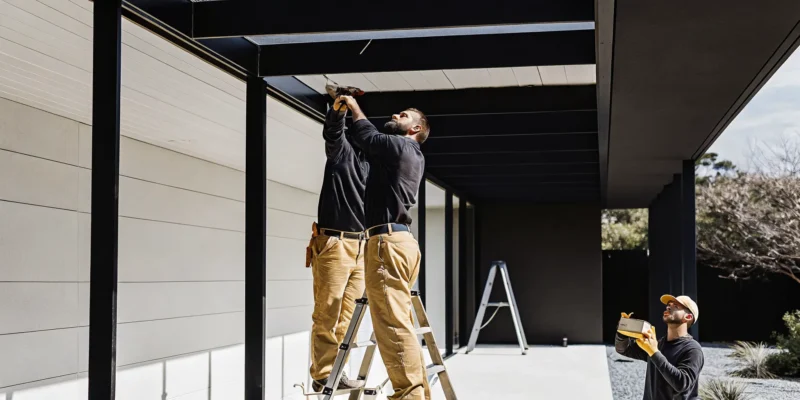
A pergola project involves more than just construction; it requires design expertise, material sourcing, and a deep understanding of local building codes. Juggling a designer, a supplier, and a builder can be complicated and stressful. When you search for “pergola installers near me,” what you’re really looking for is a single, reliable team that can manage the entire project from start to finish. A true professional does more than just assemble a kit; they provide a seamless experience. This guide explains what to look for in a full-service installer, ensuring you find a partner who can handle every detail and deliver a stunning, custom-built pergola for your home.
Key Takeaways
- A Pro Installer is More Than a Builder: A true professional acts as your design partner, helps you select the right materials, and manages the entire permit process to ensure your project is safe, compliant, and perfectly suited to your space.
- Do Your Homework Before Hiring: Protect your investment by thoroughly vetting potential installers. This means verifying their license and insurance, reading past client reviews, reviewing their portfolio, and confirming they offer strong warranties.
- Finalize the Details Before You Sign: Lock in your design and material choices before committing to a contract. Always request a detailed, itemized quote with a clear project timeline and payment schedule to prevent misunderstandings and ensure a smooth process.
What Does a Pergola Installer Do?
So, what exactly does a pergola installer do? It’s much more than just putting together a pre-made kit from a box. A professional installer is a project manager, designer, and craftsperson all in one. They guide you through every step, from the initial idea to the final, beautiful structure that transforms your backyard. Their expertise ensures your pergola is not only stunning but also safe, structurally sound, and built to last. Let’s look at the key responsibilities you can expect your installer to handle.
Custom Design and Materials
A great installer acts as your design partner, helping you create a pergola that perfectly fits your space and style. They should be skilled at creating custom designs, not just standard models. Ask to see a portfolio of their work to get a feel for their capabilities. They will also guide you through selecting the right materials, whether you prefer the classic look of wood, the low maintenance of vinyl, or the modern appeal of aluminum. An expert can help you choose materials that complement your home and existing outdoor features, creating a cohesive and inviting outdoor living space. This collaborative process ensures the final product is truly your own.
Installation and Ongoing Care
Once the design is finalized, the installer gets to work on the physical build. This critical phase includes preparing the site, pouring concrete footings for stability, and assembling the structure with precision. A reputable installer will have comprehensive insurance to protect their team and your property throughout the project. After the installation is complete, they should provide you with clear instructions for ongoing care based on the materials you chose. Some materials require periodic cleaning or sealing to keep them looking their best. Following their guidance will help you protect your investment, and you can always look into professional restoration and sealing services down the line.
Managing Permits and Local Codes
One of the most valuable services a professional installer provides is managing the necessary paperwork. Many permanent outdoor structures require building permits, and local zoning laws dictate where you can build on your property. Trying to figure this out on your own can be confusing and time consuming. A seasoned installer understands local codes and will handle the entire permit application process for you. This prevents costly mistakes, like setback violations that could force you to tear down your new pergola. Hiring an expert who is familiar with local regulations gives you peace of mind, knowing your project is compliant from the start. This is a standard part of any major home improvement project.
How to Find the Right Pergola Installer
Finding the right installer is about more than just getting the job done; it’s about finding a partner who understands your vision and can bring it to life. A little research now will save you from potential headaches later and ensure your new pergola is everything you dreamed it would be. Taking the time to vet your options helps you find a professional you can trust to build a beautiful, lasting addition to your home. Here are three simple steps to guide your search for the perfect pergola installer on Long Island.
Check Online Reviews
Start your search by looking at what past customers have to say. Online reviews on sites like Google and Yelp are a great window into a company’s reputation. While a high star rating is a good sign, you should also read the comments. Look for patterns in the feedback. Are clients consistently praising the installer’s communication, professionalism, and the quality of their work? Seeing a company’s projects in action can also be helpful. You can often watch videos of their completed work to get a feel for their craftsmanship and the scale of their projects before you even pick up the phone.
Ask for Local Recommendations
Nothing beats a recommendation from someone you trust. Ask friends, family, or neighbors in your Long Island community if they have worked with a pergola installer they loved. Firsthand accounts can give you honest insights into the entire process, from the initial design consultation to the final cleanup. If you see a pergola you admire in your neighborhood, don’t be shy about asking the homeowner who did the work. A reputable installer should also be happy to provide you with a list of references you can contact directly to ask about their experience.
Review Their Past Work
A picture is worth a thousand words, especially when it comes to construction projects. A professional installer should have an extensive portfolio of their completed work. As you review their gallery, look for examples of custom designs and projects that align with your personal style. This will show you their range, attention to detail, and ability to handle unique requests. A strong portfolio demonstrates experience and helps you visualize what’s possible for your own backyard. Make sure to browse their specific pavilions and pergolas to confirm their style matches your vision.
What to Look For in a Pergola Installer
Once you have a list of potential installers, it’s time to dig a little deeper to find the right partner for your project. The installer you choose is just as important as the pergola design itself, as their skill and professionalism will shape the entire experience. A great contractor does more than just assemble the structure; they guide you through material selection, handle the necessary permits, and ensure the final build is safe, beautiful, and built to last. Think of them as your project co-pilot.
Finding a team that communicates clearly and respects your home is essential for a smooth process. You want someone who can answer your questions confidently and provide a clear project plan. The best installers combine technical skill with excellent customer service, turning a potentially stressful construction project into an exciting home transformation. As you evaluate your options, focus on three key areas: their official credentials, their track record, and the guarantees they offer on their work. These factors will help you separate the true professionals from the rest. A quality installation from an experienced team ensures your new pergola or pavilion will be a lasting feature of your home.
Licensing and Insurance
Before you talk about design or price, confirm that any installer you consider is fully licensed and insured. This is a non-negotiable first step. A valid license proves they meet state and local requirements for construction, while proper insurance protects you from any liability in case of an accident on your property. A reputable contractor will have no problem providing you with proof of both.
This paperwork is more than just a formality; it’s a sign of professionalism and accountability. Licensed installers are familiar with Long Island’s specific building codes and will make sure your pergola is compliant, saving you from future headaches. A company that invests in proper licensing and insurance is also one that takes its business and your safety seriously, which is a core part of any successful home remodeling project.
Experience and Reputation
General construction experience is good, but specific experience building pergolas is even better. Ask installers about their history with pergola projects like yours. How many have they completed? Can they show you a portfolio of their finished work? A contractor with a deep portfolio can offer design insights and help you avoid common pitfalls. They will understand the nuances of working with different materials and how to ensure the structure withstands Long Island weather.
Beyond their portfolio, look into their reputation. Online reviews and testimonials are a great way to learn about other homeowners’ experiences. A company’s YouTube channel or project gallery can also give you a feel for their work quality and style. Consistently positive feedback is a strong indicator that you’ll receive high-quality service and a beautiful final product.
Material and Workmanship Warranties
A pergola is a significant investment, so you want assurance that it will stand the test of time. Ask potential installers about the warranties they offer. These typically fall into two categories: a material warranty, which covers the physical components of the pergola, and a workmanship warranty, which covers the quality of the installation itself. A confident installer will stand behind their work with a solid guarantee.
The warranties a company offers often reflect the quality of the materials they use. Installers who use high-grade wood, vinyl, or aluminum are more likely to provide strong, long-term protection. For example, using premium porcelain and natural stone for the patio base demonstrates a commitment to durability. Don’t be afraid to ask for warranty details in writing so you know exactly what is covered and for how long.
Key Questions to Ask Before You Hire
Once you have a shortlist of potential installers, it’s time to start the interview process. Being prepared with a specific set of questions helps you gather the information you need to compare companies fairly and make a decision with confidence. Think of this as your checklist for vetting a contractor. It ensures all your bases are covered, from their qualifications to the project specifics, so there are no surprises down the road.
About Their Experience and Credentials
Before you talk about design or price, you need to confirm you’re dealing with a legitimate professional. A reputable installer will have no problem providing proof of their credentials. Start by asking if they are licensed to work in your area and if they carry comprehensive liability and workers’ compensation insurance. This is non-negotiable, as it protects you and your property from any accidents during installation. You can also ask about their experience, such as how long they’ve been in business and how many pergolas they install each year. Don’t hesitate to ask for a portfolio of their work or even a few local references you can contact.
About the Design and Materials
Your pergola should be a beautiful extension of your home, so it’s important to find an installer who can bring your vision to life. A seasoned contractor should be comfortable with custom designs and able to offer creative solutions. Show them your inspiration photos and ask if they can create something similar. This is also the time to discuss materials. Ask what they recommend for your home’s architectural style and the Long Island climate. A great installer will walk you through the pros and cons of different options, like low-maintenance aluminum, classic wood, or durable vinyl, helping you choose the best fit for your aesthetic and budget. You can see examples of our work on our YouTube channel.
About the Project Timeline and Cost
Getting clarity on the project logistics is crucial for a smooth process. Ask for a detailed, itemized quote that breaks down the costs for materials, labor, and any other expenses. This helps you understand exactly what you’re paying for. You should also ask about the estimated project timeline, from the start date to the expected completion. Finally, inquire about the payment schedule. A typical structure involves a down payment to secure the contract, followed by one or two installments as work progresses, and a final payment upon completion. Understanding these details upfront ensures everyone is on the same page before the project begins.
How Much Does Pergola Installation Cost?
Figuring out the budget for your pergola is a huge step, but the truth is, there’s no single price tag. The cost of a professional installation can range from a few thousand dollars for a straightforward kit assembly to tens of thousands for a large, custom-designed structure. Think of it as an investment that adds both value and a new dimension to your home. The final cost depends on a few key factors: the materials you choose, the overall size and design complexity, and any special features you want to include. For example, a simple, freestanding vinyl pergola will naturally cost less than a large, custom-built aluminum pergola attached to your home with integrated lighting and a retractable canopy. At Gappsi, we specialize in creating beautiful and durable pavilions and pergolas that are tailored to your specific vision and property. We work with you to balance your aesthetic goals with your financial plan, ensuring there are no surprises along the way. Understanding how different elements influence the price is the first step to planning a project that fits your budget and gives you the outdoor oasis you’ve been dreaming of for your Long Island home.
How Materials Impact Cost
The material you select for your pergola is one of the biggest factors driving the overall cost. Your choice will depend on your personal style, your long-term maintenance goals, and your budget. Wood, like cedar or pressure-treated pine, offers a classic, natural look but requires regular staining or sealing to protect it from the elements. Low-maintenance options like vinyl and aluminum are incredibly popular because they resist rot, insects, and fading. While they may have a higher upfront cost, you’ll save on upkeep over the years. The foundation is also part of the equation, as the cost can change depending on whether your pergola is built on a deck, a gravel base, or elegant porcelain and natural stone pavers.
How Size and Complexity Affect Price
It’s simple: a larger pergola requires more materials and more labor, which increases the price. But it’s not just about the footprint. The complexity of the design also plays a significant role in the final cost. A standard square or rectangular pergola is more straightforward to build than a custom shape designed to fit a unique corner of your yard. Features like arched beams, decorative lattice, or intricate post details add to the labor involved. Furthermore, integrating your pergola with other structures, like attaching it to your house or building it around masonry columns, adds another layer of complexity and cost. Add-ons like built-in lighting, ceiling fans, or automated canopies will also be factored into the project total.
Getting and Comparing Quotes
Once you have a general idea of what you want, it’s time to get quotes. We recommend contacting at least three reputable installers to get a clear picture of the market rate for your project. A professional quote should be more than just a number; it should be an itemized breakdown of all costs, including materials, labor, permits, and any other fees. Be wary of any bid that seems unusually low, as it could be a red flag for subpar materials or inexperienced labor. When comparing quotes, make sure you’re comparing similar materials and designs. A great way to vet a company is to review its past work, so you can see the quality of its craftsmanship firsthand. You can often find project galleries or videos on a company’s website, like the Gappsi YouTube channel.
Mistakes to Avoid When Hiring an Installer
Finding the right installer is just as important as choosing the perfect pergola design. A great contractor can bring your vision to life smoothly, while the wrong one can turn your dream project into a headache. To help you make the best choice, let’s walk through a few common missteps homeowners make during the hiring process and how you can sidestep them for a stress-free installation.
Not Finalizing the Design First
It’s easy to get excited and hire a builder right away, but one of the biggest mistakes you can make is “choosing a builder before you have a real design plan.” Without a detailed blueprint, you and your installer might not be on the same page. This can lead to miscommunication about everything from the pergola’s dimensions to the materials used. Taking the time to finalize your pergola design first ensures everyone has a clear, shared goal. It acts as your roadmap, preventing costly changes and disappointment down the line, and helps you get an accurate quote from the start.
Choosing on Price Alone
While your budget is definitely important, picking an installer based only on the lowest price can be a recipe for regret. A bid that seems too good to be true often is, potentially hiding lower-quality materials, rushed craftsmanship, or inexperience. As some experts note, “Many homeowners focus on current needs and underestimate how much outdoor living space they’ll actually use once the project is complete.” Investing in quality from the beginning means your pergola will not only look better but will also last longer, giving you more value over time. Think of it as an investment in your home and your future enjoyment of the space.
Forgetting to Check Insurance and Warranties
This is a crucial step that protects you, your home, and your investment. Before you sign any contracts, you should always “verify that the installers are licensed and insured.” Proper licensing proves they meet state and local standards, while insurance protects you from liability if an accident happens on your property during construction. Additionally, ask about warranties. A reputable installer will stand behind their work with a workmanship warranty, and they will use high-quality porcelain and natural stone that come with a manufacturer’s warranty. This gives you peace of mind that your new pergola is built to last.
Why Choose Gappsi for Your Pergola Installation
Choosing an installer for your new pergola is a big decision. You’re not just adding a structure to your yard; you’re creating a new favorite spot for your family to gather and relax. You need a partner who understands your vision and has the expertise to bring it to life flawlessly. At Gappsi, we’ve been that partner for Long Island homeowners since 1987. We combine design, material supply, and expert installation into one seamless experience, so you don’t have to juggle multiple contractors.
Our team has extensive experience building all types of pavilions and pergolas, from classic wood designs to modern aluminum structures. This versatility means we can create a truly custom pergola that perfectly matches your home’s style and your personal taste. We are fully licensed and insured, giving you complete peace of mind throughout the project. Our reputation in Nassau and Suffolk counties is built on decades of quality craftsmanship and happy clients. We see your pergola as part of a complete outdoor living environment, and our expertise in landscaping and masonry ensures it integrates beautifully with your entire backyard. When you work with Gappsi, you get more than an installer, you get a dedicated team committed to building your dream outdoor space.
Related Articles
- What You Should Know About Pergolas on Long Island
- PVC Pergolas and Railings | Long Island, NY
- Custom Pavilions, Pergolas & Gazebos in Long Island, NY
- Pavilions Pergolas and Gazebos Long Island NY – Gappsi Group
- pergolas Archives – Gappsi Group
Frequently Asked Questions
How long does the entire pergola installation process usually take? The timeline can vary quite a bit depending on the project’s complexity. A simple installation might take a few weeks from start to finish, while a large, custom project could take longer. The process includes the design phase, waiting for any necessary permits to be approved by your local municipality, and the actual construction. A professional installer will give you a clear and realistic timeline upfront so you know exactly what to expect.
Do I really need a permit for a pergola on Long Island? In most cases, yes. Permanent outdoor structures typically require a building permit to ensure they are safe, structurally sound, and compliant with local zoning laws, like property line setbacks. While it might seem like a hassle, this step is crucial for protecting your investment and avoiding potential legal issues. A great installer will handle the entire permit process for you, which is a major benefit of hiring a professional.
Can a pergola be installed on my existing deck or patio? Often, the answer is yes, but it requires a professional assessment. An installer will need to inspect your existing deck or patio to make sure its foundation is strong enough to support the weight of the new pergola. If the structure isn’t sufficient, they may need to add new footings or reinforcements to ensure everything is secure for the long term.
What kind of maintenance should I expect with my new pergola? The maintenance required really depends on the material you choose. A wood pergola will need the most attention, typically requiring periodic cleaning and sealing or staining every few years to protect it from weather and prevent rot. Materials like aluminum and vinyl are much lower maintenance and usually just need an occasional cleaning with soap and water to look their best.
Why should I consider a custom design instead of just buying a pergola kit? A pergola kit can seem like an easy solution, but it’s a one-size-fits-all approach that may not perfectly suit your space or style. A custom design, on the other hand, is created specifically for your home. It allows you to choose the exact dimensions, materials, and details that complement your property, ensuring the final structure looks like a seamless and intentional part of your outdoor living area.