


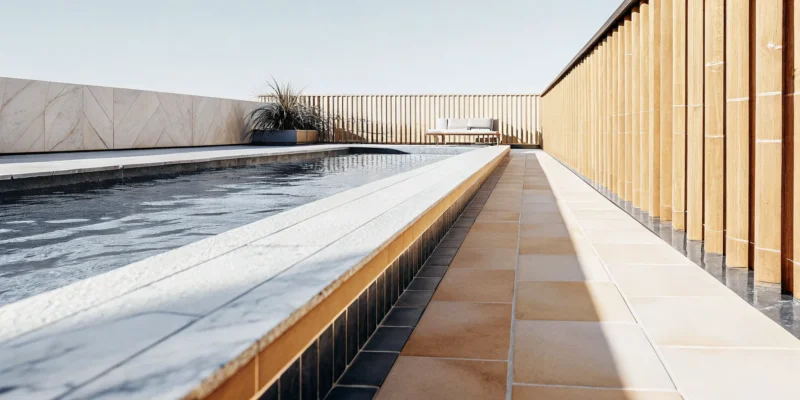
The feel of your pool is just as important as its appearance. While some surfaces can be rough on your feet and swimsuits, a marble dust pool finish offers a silky-smooth texture that defines comfort. This premium plaster surface, made from finely crushed marble, creates a luxurious feel that invites you to relax on steps and benches without any discomfort. Beyond its comfortable texture, it provides a bright, clean aesthetic that makes your pool water sparkle beautifully under the sun. If you prioritize a smooth, non-abrasive surface for your family, this guide will explore why a marble dust finish is a top contender for your gunite pool.
Key Takeaways
- Choose it for a classic look and smooth feel: A marble dust finish gives your pool a timeless, bright white appearance and a surface that is comfortable for swimming. It is a premium plaster option designed specifically for gunite and concrete pools.
- Commit to consistent care for lasting results: The beauty of a marble dust finish depends on regular maintenance. To get the most from its 8 to 10 year lifespan, you must keep the water chemistry balanced and brush the surface weekly to prevent stains and roughness.
- Weigh it against other popular options: Before deciding, compare marble dust to pebble and quartz finishes. Pebble is more durable but rougher, while quartz offers more longevity and color variety, so you can choose based on your priorities for texture, budget, and appearance.
What Is a Marble Dust Pool Finish?
If you’re dreaming of a pool with a classic, brilliant white finish that feels smooth under your feet, you’re likely thinking of marble dust. A marble dust finish, also known as plaster, is one of the most traditional and popular choices for gunite swimming pools. It’s made from a simple mixture of white cement, crushed marble aggregate (the “dust”), and water. This combination creates a reliable and beautiful surface that has been the go-to for pool owners for decades.
Think of it as the final, beautiful coating that waterproofs your pool structure and gives it that iconic, bright blue water appearance. While other finishes have entered the market, marble dust remains a top contender because it offers a timeless look that complements any backyard design. It provides a clean, crisp aesthetic that’s hard to beat. When expertly applied, this finish creates a durable and comfortable swimming environment, making it a fantastic choice for families looking to get the most out of their swimming pools. It’s a tried-and-true method for achieving that perfect backyard oasis.
The Application Process
Applying a marble dust finish is a job for skilled professionals. The process involves carefully mixing white cement and crushed marble to create a plaster. This mixture is then meticulously troweled onto the concrete (gunite) shell of the pool to create a smooth, watertight layer. This type of expert application is a specialized form of masonry that ensures an even and long-lasting surface. Once the plastering is complete, the pool is immediately filled with water. This is a crucial step, as the marble dust finish actually cures underwater over the next seven to ten days. You can start swimming right away, which is great news for anyone eager to dive in.
How It Compares to Other Finishes
When choosing a pool surface, you have several options, and it helps to know where marble dust stands. Standard plaster is the most basic option and typically lasts around seven years. A pebble finish mixes plaster with small stones for a more durable, textured surface that can last over 12 years, though some find it a bit rough. A quartz finish blends plaster with quartz crystals, offering more color variety and stain resistance, with a lifespan of 12 to 15 years. Marble dust is considered a premium plaster finish, offering a great balance of durability, a smooth feel, and a classic look. Your choice of finish is a lot like selecting porcelain and natural stone for your patio; it all comes down to your priorities for appearance, texture, and longevity.
Why Choose a Marble Dust Finish?
When you’re planning your dream pool, the interior finish is one of the most important decisions you’ll make. It affects not only the look and feel of your pool but also its longevity. A marble dust finish, a type of plaster made from crushed marble and white cement, has been a popular choice for gunite pools for decades, and for good reason. It offers a fantastic balance of beauty, durability, and value. If you’re aiming for a classic and inviting swimming experience, here are a few reasons why marble dust might be the perfect fit for your Long Island backyard.
Enjoy Lasting Durability
A new pool is a significant investment, so you want a finish that will stand the test of time. Marble dust is known for its strength and resilience. When properly mixed and applied by professionals, this finish creates a hard, dense surface that can withstand the daily demands of pool use and chemical exposure. While it will eventually need resurfacing, a well-maintained marble dust finish can last for years, giving you a reliable and beautiful pool surface. This makes it a practical and cost-effective choice for homeowners who want to enjoy their swimming pools without worrying about frequent repairs or replacements.
Get a Smooth, Comfortable Surface
One of the biggest draws of a marble dust finish is its texture. The finely crushed marble creates a smooth, non-abrasive surface that feels great on your feet and skin. This is a huge plus for families with children, as it reduces the risk of scrapes and scratches during playtime. The comfortable surface also means your swimsuits won’t snag, and you can relax on steps and benches without any discomfort. This smooth finish contributes to a more luxurious and enjoyable swimming experience, turning your pool into a true backyard oasis where comfort is key.
Achieve a Timeless, Classic Look
If you love the iconic look of a crystal-clear, light-blue swimming pool, a marble dust finish is the way to get it. The traditional white marble dust creates a bright, clean appearance that reflects sunlight beautifully, making your water sparkle. This timeless aesthetic complements any style of home and landscaping, from modern minimalist designs to lush, traditional gardens. The classic look provides a perfect backdrop for your surrounding masonry and patio, creating a cohesive and elegant outdoor living space that will never go out of style.
Explore Your Color Options
While classic white is the most common choice for marble dust, you aren’t limited to just one look. The plaster can be mixed with color pigments to create a range of custom shades. You can opt for a light sky blue to enhance the water’s brightness or choose a deeper marine blue or gray to create the feel of a natural lagoon. This versatility allows you to personalize your pool and tie it into your overall backyard design theme. By coordinating the water color with your porcelain and natural stone decking, you can create a truly unique and harmonious outdoor environment.
What Are the Drawbacks to Consider?
As much as I love the classic beauty of a marble dust finish, it’s important to go into any home improvement project with your eyes wide open. Like any material, it has a few characteristics you should know about before you decide it’s the right fit for your family’s swimming pool. Thinking about these factors ahead of time helps you plan for long-term maintenance and ensures you’ll be happy with your pool for years to come. Let’s walk through the main considerations.
The Need for Future Resurfacing
A marble dust finish is tough, but it won’t last forever. Think of it as a long-term relationship that requires care. Generally, you can expect your pool to need resurfacing every eight to ten years. You’ll know it’s time when you start to see signs of aging, like stubborn stains, flaking plaster, or a rough texture under your feet. Cracks, discoloration, or missing pebbles are also clear indicators. Planning for this eventual refresh is part of owning a gunite pool, and it’s a great opportunity to give your pool a little facelift down the road. When the time comes, professional restoration and sealing can make it look new again.
Potential for Stains and Etching
The smooth, bright surface of a marble dust pool is stunning, but it’s also susceptible to staining and etching if not maintained properly. The finish does more than just make your pool look good; it also protects the underlying swimming pool’s structure from leaks and damage. Things like fallen leaves, metal objects, or unbalanced water chemistry can leave stains or eat away at the surface over time. Consistent care is your best defense. By staying on top of your pool’s water balance and cleaning schedule, you can keep the finish looking pristine and protect your investment from preventable damage.
How the Texture Changes Over Time
When your marble dust finish is first applied, it feels silky smooth. Over the years, however, you might notice the texture becoming rougher. This is often a result of gradual erosion or calcium deposits that build up due to water chemistry imbalances. While it’s a natural process, a rough surface can be less comfortable for swimmers, especially on their feet. Regular brushing helps slow this process down, but eventually, this change in texture is one of the main reasons homeowners decide it’s time to resurface. It’s a good reminder that consistent, gentle maintenance is key to preserving that initial smooth feel for as long as possible.
Installation Safety Concerns
This is less of a concern for you as a homeowner and more of a reason why you should always hire an experienced professional. The application of marble dust is a job for a skilled team. The fine dust can be hazardous if inhaled during the mixing and application process, so installers must wear proper protective gear, including masks. This isn’t a DIY-friendly project. When you work with a professional team, you can relax knowing they have the expertise and equipment to handle the materials safely and deliver a flawless, durable finish without putting anyone at risk.
How Does Marble Dust Compare to Other Finishes?
Choosing the right finish for your swimming pool is a big decision that impacts its look, feel, and long-term maintenance. While marble dust offers a classic, smooth surface, it’s just one of several popular options available for gunite pools. Understanding how it stacks up against other materials like standard plaster, pebble, and quartz will help you find the perfect balance of durability, texture, and style for your backyard oasis.
Each finish has its own unique set of characteristics. Standard plaster is the traditional choice, while pebble and quartz finishes are aggregate materials that mix stones or quartz crystals into the plaster base. These additions change the material’s strength, stain resistance, and texture. Your final choice will likely come down to your budget, how you plan to use your pool, and the aesthetic you want to create for your outdoor living space. We’ll break down the key differences to give you a clear picture of what each option brings to the table.
Marble Dust vs. Plaster
Think of marble dust as an upgraded version of standard plaster. Marble dusting is a smooth plaster finish made from white cement and finely crushed marble. While basic plaster provides a functional surface, it typically lasts around seven years before needing to be redone. The addition of marble dust not only creates a brighter, more luxurious appearance but also adds a layer of protection for your pool’s structure, helping to prevent leaks and damage. If you love the classic look but want something a bit more refined and durable than the entry-level option, marble dust is an excellent choice for your swimming pool.
Marble Dust vs. Pebble
Pebble finishes are known for their incredible durability and natural, rustic look. This finish is created by mixing small, smooth river pebbles into the plaster. The result is a tough, stain-resistant surface that can last for more than 12 years. However, this durability comes with a trade-off. The texture is noticeably rougher underfoot compared to the silky feel of marble dust, which might not be ideal for everyone, especially families with young children. A pebble finish also comes at a higher price point, so you’ll need to weigh the long-term benefits against the initial investment and textural difference.
Marble Dust vs. Quartz
A quartz finish strikes a nice balance between marble dust and pebble. It’s made by mixing quartz aggregate into the plaster, creating a surface that is harder and more stain-resistant than marble dust alone. A quartz finish can extend the life of your pool’s surface to 12 to 15 years and is available in a wider range of colors. While it’s not quite as smooth as marble dust, it’s much less textured than a pebble finish, offering a comfortable middle ground. If you want more longevity and color variety than marble dust without the rough feel of pebble, a quartz finish is a fantastic alternative to explore for your home remodeling project.
What’s the Lifespan of a Marble Dust Finish?
When you invest in a new pool finish, you want to know how long it will last. A marble dust finish typically has a lifespan of about 8 to 10 years, making it a reliable choice for many homeowners. Of course, this timeframe can vary depending on how well you maintain your pool and the specific environmental conditions here on Long Island. To put that into perspective, a standard plaster finish usually lasts around 7 years. On the other end, more durable options like pebble finishes can last over 12 years, and quartz finishes can go for as long as 15 years. Marble dust sits comfortably in the middle, offering a fantastic balance of classic beauty and solid durability.
This makes it a popular and practical investment for your backyard oasis. One interesting way to get even more out of your finish is by incorporating a quartz mix into the plaster. This simple addition can add an extra 5 years to its lifespan, giving you more time to enjoy your pool before thinking about a resurface. When you’re planning your new swimming pool or renovation, this is a great detail to discuss with your contractor. Ultimately, the longevity of your finish comes down to the quality of the installation and the care you put into it. With the right maintenance routine, you can ensure your marble dust finish stays beautiful and functional for as long as possible.
Factors That Influence Durability
A pool finish does more than just make the water look inviting; it also acts as a protective barrier for the pool’s shell, preventing leaks and structural damage. Several factors influence how long your marble dust finish will hold up. Your maintenance routine is the biggest one, as balanced water chemistry and regular cleaning prevent the surface from degrading. The quality of the initial installation also plays a huge role. When you’re choosing a finish, you’ll want to weigh its longevity, appearance, and cost to find the right fit for your home. Proper care and professional restoration and sealing when needed will ensure you get the most out of your investment.
Telltale Signs You Need to Refinish
Over time, even the best-maintained pool will show signs of aging. Knowing what to look for can help you address issues before they become major problems. If you notice widespread stains that don’t come off with brushing, it might be time for a change. Other clear indicators include plaster that is flaking or peeling off (spalling), or a texture that feels rough and sandy under your feet. You should also keep an eye out for visible cracks, significant discoloration, rust spots, or areas where the aggregate is missing. Catching these signs early means you can plan for a refinishing project before the damage gets worse, protecting the integrity of your swimming pool for years to come.
Understanding the Cost of a Marble Dust Finish
When you’re planning a new pool or renovating an existing one, the budget is always a top consideration. A marble dust finish gives your pool that classic, brilliant look, but what does it actually cost? The truth is, there isn’t a single price tag. The final cost depends on several factors, from the size of your pool to the specific materials used. Think of it as an investment in your backyard oasis. A quality finish not only looks beautiful but also protects the structure of your pool for years to come. Understanding the variables that influence the price will help you create a realistic budget and make choices that align with your long-term goals for your home. Let’s break down what goes into the cost and how you can plan for the future.
Key Factors That Affect Price
The price of a marble dust finish is influenced by a few key elements. First is the quality of the material itself. A premium mix, which often includes a special blend of marble dust and other aggregates for added strength, will naturally cost more than a basic plaster. The size and current condition of your swimming pool also play a major role. A larger pool requires more material and labor, and if your existing surface needs significant repairs before the new finish can be applied, that will add to the overall cost. Finally, the expertise of the installation crew is a crucial factor. Applying a smooth, even finish is a craft that requires skill and experience.
How to Budget for Future Resurfacing
No pool surface lasts forever, so it’s smart to plan for future maintenance. A standard marble dust finish typically needs to be redone every 8 to 10 years. Knowing this timeline helps you budget for the eventual cost of resurfacing. While marble dust is often more affordable upfront compared to other options, it’s helpful to look at the long-term value. For example, pebble finishes can last over 12 years, and quartz can last even longer. You can also consider a hybrid approach. Adding a quartz aggregate to your marble dust mix can extend its life by several years, giving you more time to enjoy your pool before needing another update.
Caring for Your Marble Dust Pool
A marble dust finish is a beautiful investment for your pool, and with the right care, it can stay that way for years. Think of it like any other high-quality feature of your home; a little consistent maintenance goes a long way in preserving its look and function. Proper care is not just about keeping it clean, it is about protecting the surface from damage and ensuring your pool remains a safe, inviting oasis for your family. Following a simple routine will help you get the most out of your finish and avoid costly repairs down the line. Here are the key steps to keeping your marble dust pool in top condition.
Keep Your Water Chemistry Balanced
The single most important thing you can do for your marble dust finish is to maintain balanced water chemistry. The water in a pool is a balanced unit, and correct water treatment will ensure that your pool is an asset and not a liability. When pH, alkalinity, and calcium levels are off, the water can become corrosive and start to eat away at the plaster, causing etching and roughness. Regularly testing your water and making small adjustments is key. This not only protects the beautiful surface of your swimming pool but also creates a healthier and more comfortable swimming environment for everyone.
Brush and Clean Your Pool Regularly
To keep your marble dust pool looking pristine, you will want to make brushing a regular habit. Especially after a new finish is applied, it is important to brush the entire pool surface to remove any loose plaster dust. Continuing this routine helps prevent algae from taking hold and stops dirt and debris from causing stains. Think of it as simple preventative maintenance. Proper care and cleaning will help your pool’s finish last longer and keep it feeling smooth under your feet. A good quality pool brush and a bit of weekly effort are all it takes to maintain that brilliant look.
Steer Clear of Harsh Chemicals
When it comes to cleaning, being gentle is the best approach for a marble dust finish. While it is a durable surface, harsh, abrasive chemicals or cleaning tools like steel wool can cause scratching and permanent damage. Always opt for cleaners specifically designed for plaster pool surfaces. If you notice a stubborn stain, it is better to address it with a targeted, gentle treatment rather than an aggressive, all-purpose chemical. Protecting the finish from harsh substances is a critical part of its long-term care and will keep it looking new for many seasons of fun in the sun.
Know When to Call a Pro
Even with the best care, there may come a time when you need a professional eye. If you start to see widespread staining, significant etching, or feel rough patches developing, it is a sign that your finish may need attention. Do not wait for these problems to get worse. Addressing signs of wear and tear early can prevent bigger issues. A professional can assess the condition of your pool and recommend the best course of action, whether it is a simple treatment or a full restoration and sealing. Knowing when to call for help ensures your pool remains a beautiful and safe centerpiece of your backyard.
Is Marble Dust Right for Your Long Island Home?
Deciding on the perfect finish for your swimming pool is a big step. A marble dust finish offers a classic, beautiful look, but it’s important to know if it’s the right fit for your lifestyle and your specific pool. Before you make a final decision, let’s walk through a few key things to consider for your Long Island home. Thinking about these factors will help you choose a finish you’ll love for years to come.
Check Your Pool’s Compatibility
First things first, marble dust is a premium type of plaster finish, which means it’s designed specifically for concrete and gunite swimming pools. If you have one of these, you’re in a great position to consider this option. The plaster is applied over the concrete shell, creating a smooth, waterproof barrier.
However, if your pool has a vinyl liner or is a fiberglass shell, a marble dust finish won’t work. Those pool types require their own specific surfaces and aren’t built to hold a plaster finish. Making sure your pool structure is compatible from the start is the most important step in the selection process.
Consider Your Pool System: Saltwater or Chlorine?
Do you have a saltwater system or a traditional chlorine pool? While marble dust works with both, it’s something to keep in mind. Saltwater can be a bit more aggressive on plaster finishes if the water chemistry isn’t perfectly balanced, potentially leading to etching over time. A chlorine pool can be gentler, but it still requires consistent monitoring.
Regardless of your system, the key is maintaining balanced water chemistry. A well-maintained finish does more than just look good; it also protects your pool’s structure from leaks and damage. Proper care is essential to get the most out of your investment and keep the surface looking its best.
Factor in Long Island’s Climate
Here on Long Island, we get to experience all four seasons, from hot summers to freezing winters. This freeze-thaw cycle can be tough on any pool finish. With marble dust, it’s crucial that your pool is winterized correctly to prevent water from getting behind the plaster and causing cracks or delamination when it freezes.
When you’re choosing an interior finish, you should always consider look, longevity, and your budget. Working with a local pool professional who understands our climate is your best bet. They can ensure the finish is applied correctly and give you the right advice for seasonal care, helping your finish withstand Long Island’s weather year after year.
Assess Your Commitment to Maintenance
A marble dust pool is beautiful, but it does ask for a bit of regular attention to stay that way. To prevent staining and scaling, you’ll need to commit to weekly brushing and keep a close eye on your water chemistry. This routine care helps the finish last longer and maintains its smooth, comfortable feel underfoot.
If you’re someone who enjoys the hands-on work of pool care, marble dust can be a rewarding choice. But if you prefer a more hands-off approach, you might want to explore other finishes that require less frequent maintenance. Being honest about your willingness to keep up with proper care and cleaning will help you make a choice that fits seamlessly into your life.
Is a Marble Dust Finish the Right Choice for You?
Deciding on the perfect finish for your pool is a big step. It’s the backdrop for countless summer memories, so you want to get it right. A marble dust finish offers that timeless, classic swimming pool look, but it’s important to weigh the pros and cons for your specific lifestyle and budget. Ultimately, the best choice comes down to what you value most in your backyard retreat. If you’re drawn to its bright, smooth appearance, you’re on the right track, but there are a few key things to consider before making the final call.
Think about your long-term vision. The smooth, silky texture of marble dust is comfortable on your feet and creates a brilliant, clean aesthetic that makes the water sparkle. If that picture-perfect, traditional pool is what you’re dreaming of, marble dust delivers a look that never goes out of style. It’s a premium finish that provides a durable, protective layer for your pool structure, which is a significant benefit. However, this classic beauty requires a commitment to upkeep to keep it looking its best.
This is where the practical side comes in. Are you prepared for the diligent maintenance a marble dust finish requires? You’ll need to be vigilant about balancing your pool’s water chemistry to prevent stains and etching. While durable, this finish will also need to be resurfaced every 8 to 10 years, which is an important long-term cost to factor into your budget. If you’re comfortable with this level of care and future planning, the stunning result is often well worth the effort. For a deeper look into what this entails, our homeowner’s guide covers the details.
So, is it for you? If your heart is set on a luminous, smooth-as-glass surface and you’re ready to invest in both the initial cost and the ongoing care, then a marble dust finish is an excellent choice for your swimming pool. It’s a decision that balances stunning aesthetics with dedicated maintenance. By considering your personal preferences for looks, upkeep, and budget, you can confidently choose the finish that will bring your dream pool to life.
Related Articles
- marble dusting Archives – Gappsi Group
- Gunite Pool Renovation Archives – Gappsi Group
- What Is a Marble Dust Pool? A Homeowner’s Guide
- Pool Marble Dusting Company Long Island NY – Gappsi Group
Frequently Asked Questions
How is marble dust different from standard pool plaster? Think of a marble dust finish as a premium version of standard plaster. While both are cement-based coatings for gunite pools, a marble dust finish includes finely crushed marble in the mix. This addition makes the surface significantly brighter, smoother, and more durable than basic plaster. It gives your pool that classic, brilliant white look and a more refined feel underfoot.
How long can I expect a marble dust finish to last? With proper care, a marble dust finish typically lasts between eight and ten years. The most important factor for longevity is consistent maintenance, especially keeping your water chemistry balanced to prevent erosion and staining. If you follow a good care routine, you can maximize the life of your finish and keep it looking beautiful for many swimming seasons.
Will a marble dust finish feel rough on my feet? Not at all, especially when it’s new. One of the main appeals of a marble dust finish is its smooth, comfortable texture that is gentle on skin and swimsuits. Over many years, the surface can become less smooth due to natural wear, which is often a sign that it’s time to consider resurfacing. Regular brushing helps maintain that initial silky feel for as long as possible.
Is a marble dust finish difficult to maintain? It’s not difficult, but it does require consistency. The most critical task is regularly testing your water and keeping the pH, alkalinity, and calcium levels balanced. This prevents staining and etching. You will also want to brush the pool walls and floor weekly to remove any debris and prevent algae growth. A simple, steady routine is all it takes to protect your investment.
Can I use a marble dust finish with my saltwater pool? Yes, you can absolutely use a marble dust finish with a saltwater system. The key is to be extra diligent about monitoring your water chemistry. Saltwater can be slightly more aggressive on plaster surfaces if the levels are not properly maintained. As long as you are committed to keeping your water balanced, the finish will perform beautifully.