


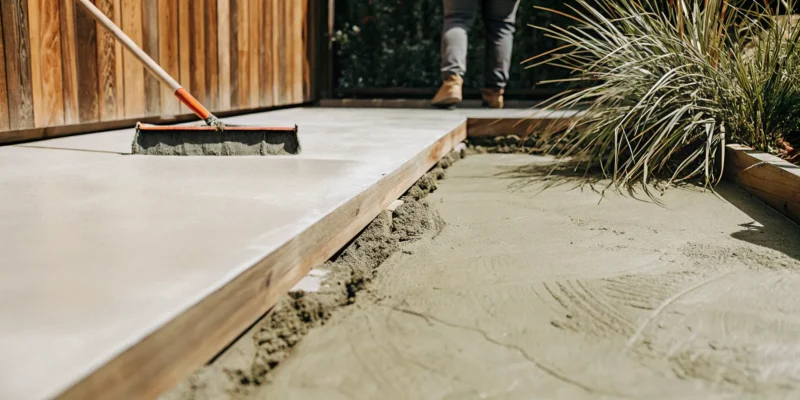
You’ve swept the patio, wiped down the furniture, and are all set to enjoy a beautiful Long Island afternoon in your backyard. But before you can even relax, you notice it: a fine, chalky powder coating the surface again. This is concrete dust on patio surfaces, and it’s a common headache for homeowners. It makes your outdoor living area feel constantly unclean and can even get tracked inside, creating more work for you. This isn’t just dirt; it’s a signal that the surface of your concrete is weak. Fortunately, you don’t have to live with it. This article will show you how to clean the dust effectively and take the right steps to prevent it from coming back.
Key Takeaways
- Dusting Is a Sign of a Weak Surface: That chalky powder on your patio means the top layer of concrete is breaking down, usually because it wasn’t installed or cured correctly. The most effective way to prevent it is to ensure a professional handles the initial installation.
- Follow a Three-Step Fix: To solve an existing dust problem, first clean the surface thoroughly. Then, apply a concrete densifier to strengthen it from the inside out, and finish with a high-quality sealer to create a protective barrier against moisture and wear.
- Know When to Call for Help: If dusting persists after cleaning and sealing, or if you see major cracks, it’s time for a professional solution. This could mean a full restoration or upgrading to a more durable, low-maintenance material like porcelain or natural stone pavers.
What Is Concrete Dust and Why Is It on Your Patio?
Have you ever walked across your concrete patio only to find a fine, chalky powder coating the bottom of your shoes? That annoying film is known as concrete dust. It’s more than just a nuisance that gets tracked into your house; it’s a signal that the top layer of your concrete is weak and slowly breaking down. This dusting happens when the surface fails to cure into a hard, solid finish, leaving behind loose particles. Understanding why this happens is the first step to fixing it for good and protecting your outdoor space.
Common Causes of Concrete Dust
Concrete dusting almost always traces back to the original installation. A strong, durable patio starts with expert craftsmanship, and if any step is rushed or done incorrectly, it can lead to a weak surface. The primary cause is a fragile top layer, which can result from several issues. For instance, if the concrete wasn’t kept properly moist while it was hardening, a process called curing, the surface can become brittle. Another common culprit is improper finishing techniques or a poor concrete mix. Essentially, a well-installed patio shouldn’t dust, which is why professional masonry services are an investment in the longevity of your outdoor surfaces.
How Improper Curing and Mixing Cause Dusting
Think of a concrete recipe like a cake recipe: if you add too much water, the final product will be weak and crumbly. When there’s excess water in a concrete mix, it rises to the top during the setting process. This water brings fine cement particles with it, creating a fragile layer that easily turns to dust once the concrete dries. Curing is another critical factor. Concrete doesn’t just dry; it undergoes a chemical reaction that requires moisture to build strength. If a new patio dries out too quickly, this reaction stops prematurely, leaving the surface weak and prone to dusting. This is why ensuring a proper installation for features like a pool patio is so important for lasting results.
How to Tell If Your Patio Has Concrete Dust
Figuring out if you have concrete dust is simple. Just swipe your hand or a dark cloth across the surface of your patio. If it comes away with a chalky, powdery residue, you’re dealing with concrete dusting. You might also notice that your patio always looks a bit dirty, even after you’ve swept it, or that you’re constantly cleaning up fine gray dust that gets tracked into your home. This isn’t just dirt from the yard; it’s the concrete itself breaking down. Identifying this issue is the first step toward a solution. Once you confirm you have concrete dust, you can begin to explore options to fix the surface, such as a professional restoration and sealing treatment.
How Concrete Dust Damages Your Patio
That fine, chalky powder on your patio is more than just an eyesore. It’s a clear signal that the surface layer of your concrete is breaking down. Left unaddressed, this dusting can lead to more significant issues that affect your patio’s appearance, durability, and even your family’s health. Understanding these impacts is the first step toward protecting your outdoor living space and making sure it remains a beautiful, safe place for years to come.
Staining and Surface Damage
Concrete dust creates a perpetually dirty look that no amount of sweeping can fix. Because the dust is the concrete itself deteriorating, it constantly reappears, settling into the texture of the surface and making your patio look faded and old. This chalky residue can also get tracked into your home on shoes and pet paws, staining your floors. The weak, powdery surface is also more susceptible to stains from spills, leaves, and outdoor furniture. Over time, this continuous breakdown compromises the finish, making it difficult to clean and maintain. Professional restoration and sealing services can often remove this damaged layer and protect the concrete underneath.
Structural Weakening and a Shorter Lifespan
Concrete dusting is a symptom of a weak surface, which means your patio is literally falling apart, one tiny particle at a time. This powder consists of fine bits of cement and sand that have failed to bond properly. As this top layer erodes, it exposes the weaker concrete beneath to the elements, accelerating wear and tear. The surface becomes more porous, allowing water to penetrate, which can lead to cracking, especially during Long Island’s freeze-thaw cycles. What starts as a simple dusting issue can eventually shorten your patio’s lifespan, leading to the need for costly repairs or a full replacement sooner than you expected.
Health Risks of Exposure
Beyond the damage to your patio, concrete dust can also pose health risks. The fine particles are easily kicked up into the air when you walk, sweep, or entertain guests. Exposure to cement or concrete dust can cause irritation to the eyes, nose, and throat. For children, pets, and anyone with respiratory sensitivities like asthma, this can be particularly uncomfortable. More seriously, concrete dust contains crystalline silica. Long-term inhalation of silica dust can lead to chronic lung issues. Taking care of a dusting problem isn’t just about aesthetics; it’s about maintaining a safe and healthy environment for your family.
How to Clean Concrete Dust Off Your Patio: A Step-by-Step Guide
Seeing a layer of fine, white powder on your beautiful patio can be frustrating, but don’t worry, it’s a problem you can solve. Cleaning concrete dust, also known as dusting, just takes a few simple steps and a little bit of patience. Following the right process is key to not only cleaning the surface but also protecting your patio from damage. Here’s a straightforward guide to get your outdoor space looking clean and pristine again.
Step 1: Sweep Away Loose Dust
Before you get anything wet, your first step is to clear away all the loose dust and debris. Grab a stiff-bristled broom and give your patio a thorough sweep. This initial pass removes the majority of the surface powder and prevents you from creating a gritty, muddy paste when you add water. For very light or fresh dust, you might find that a quick sweep followed by a wipe-down with a damp sponge is all you need. Getting the loose particles off first makes the next steps much more effective.
Step 2: Scrub with a Vinegar Solution
For the fine layer of dust that sweeping leaves behind, a simple vinegar solution can work wonders. Mix equal parts white vinegar and water in a bucket. The mild acid in the vinegar is excellent for breaking down the alkaline properties of concrete dust. Before you apply it everywhere, please test the solution on a small, hidden spot. While great for concrete, this mixture can damage certain porcelain and natural stone pavers, so a patch test is essential. Once you confirm it’s safe, use a deck brush to scrub the dusty areas with the solution.
Step 3: Scrape Off Stubborn Dust
Sometimes, you’ll find stubborn patches where the dust has hardened and bonded to the surface. For these tough spots, you may need to gently scrape them away. A plastic putty knife is a great tool for this job because it’s less likely to scratch your concrete. Apply gentle, steady pressure to lift the caked-on dust. Try to avoid using metal scrapers, which can easily gouge or damage the patio surface. If you find yourself needing to apply a lot of force, it might be time to consider professional help to avoid causing permanent marks.
Step 4: Pressure Wash for a Deep Clean
If scrubbing and scraping don’t completely solve the problem, a pressure washer can provide the deep clean your patio needs. Start with the lowest pressure setting and use a wide-angle nozzle (40 degrees is a good starting point) to prevent damaging the concrete. Keep the nozzle at least a foot away from the surface and move in smooth, sweeping motions. A pressure washer is a powerful tool that can strip away weakened top layers of concrete, so a gentle approach is best. For a truly flawless finish, our restoration and sealing services can bring your patio back to life safely.
Common Cleaning Mistakes to Avoid
When tackling concrete dust, what you don’t do is just as important as what you do. One of the biggest mistakes is waiting too long to clean it; the longer the dust sits, the more it can bond with the surface, making it much harder to remove. Another common error is reaching for harsh chemicals like muriatic acid. While it can remove dust, it’s highly corrosive and can cause permanent damage to your concrete and surrounding landscape. Always rinse your patio thoroughly with clean water after using any cleaning solution to wash away any lingering residue.
How to Treat and Seal Your Patio After Cleaning
Once your patio is sparkling clean, the next step is to protect it. Sealing your concrete is not just about looks; it’s about preserving your hard work and extending the life of your patio. A proper seal acts like a shield, defending the surface from moisture, stains, and the wear and tear of Long Island weather. This final treatment ensures your outdoor space remains a beautiful, low-maintenance retreat for years to come. Taking the time to treat and seal the surface correctly will pay off every time you step outside to enjoy your backyard.
Strengthen Your Concrete with Densifiers and Hardeners
Before you seal, think about strengthening the concrete itself. This is where densifiers and hardeners come in. These products are designed to penetrate the concrete, creating a chemical reaction that makes the surface harder and more durable. A denser surface is much less likely to produce that annoying fine dust. By applying a densifier, you’re not just putting a layer on top; you’re fundamentally improving the concrete’s integrity from within. It’s a proactive step that provides a solid foundation for the final sealer and helps prevent future dusting issues, keeping your patio solid and stable for years of enjoyment.
Apply Protective Coatings and Polishes
After cleaning, applying a high-quality protective coating is your best defense. While it might be tempting to grab a cheap sealer from a big-box store, investing in a professional-grade product is worth it. Quality sealers create a durable barrier that blocks contaminants and moisture from seeping into the concrete, which is a primary cause of dusting and deterioration. Think of it as a top coat for your patio. Our restoration and sealing services use premium materials designed to offer long-lasting protection, ensuring your patio withstands foot traffic, patio furniture, and the elements without losing its clean finish.
Choose the Right Sealer for Your Patio
Not all sealers are created equal, and picking the right one is key to long-term success. For concrete patios, you’ll often see recommendations for high-solids or siloxane-based sealers. These are excellent choices because they are breathable. A breathable sealer allows any moisture trapped inside the concrete to escape as vapor while preventing liquid water from getting in. This is crucial for preventing peeling, cracking, and damage from freeze-thaw cycles common in New York. Choosing the right product ensures your patio is protected without trapping moisture that could cause problems down the road.
DIY vs. Professional Sealing: Which Is Right for You?
Deciding whether to seal your patio yourself or hire a professional really comes down to your comfort level and desired outcome. A DIY approach can be rewarding, but it requires careful research to select the right products and precise application for an even finish. If you’re feeling unsure about the process or want to guarantee a flawless, long-lasting result, calling in an expert is your best bet. A professional sealing ensures the job is done correctly with commercial-grade materials, giving you peace of mind and a beautifully protected patio without the guesswork.
Can You Prevent Concrete Dust on Your Patio?
Yes, you absolutely can prevent concrete dust, and being proactive is much easier than dealing with the dusty aftermath. Preventing that chalky film from forming comes down to a combination of proper installation from the start and consistent care over the years. Think of it as protecting your investment. A patio is a wonderful extension of your home, and you want it to remain a beautiful, functional space for relaxing and entertaining, not a source of dusty footprints.
The best defense is a good offense. This starts with ensuring the concrete is mixed, poured, and cured correctly. After that, a simple maintenance routine can keep the surface strong and resilient. Understanding how our Long Island environment affects your patio will also help you make smart choices for its long-term health. By focusing on these key areas, you can significantly reduce the chances of concrete dusting and enjoy a clean, durable patio for years to come. Professional masonry services ensure every step, from mixing to curing, is handled correctly.
The Importance of Proper Curing During Installation
Curing is one of the most critical steps in concrete installation, but it’s often misunderstood. It isn’t just about letting the concrete dry. Curing is a chemical process where the concrete hardens and gains its strength, and it requires consistent moisture to happen correctly. A professional installer will keep the new concrete surface damp for several days using methods like misting it with water, covering it with wet cloths, or applying a liquid curing compound that locks in moisture.
When this process is rushed or ignored, the surface dries out too quickly. This results in a weak, porous top layer that easily breaks down into fine dust. It’s the foundation of a lasting patio, so ensuring it’s done right is non-negotiable for preventing future headaches.
Regular Maintenance for Long Island Patios
Once your patio is properly installed and cured, a little regular maintenance goes a long way in preventing dust. Keeping the surface clean from dirt and debris is a great first step, as these can be abrasive. For an even stronger defense, you can treat the surface with a concrete densifier. This is a liquid that you apply to the patio, which soaks in and creates a chemical reaction inside the concrete.
This reaction makes the surface harder, denser, and much less likely to produce dust. Following up with a high-quality sealer adds another layer of protection against moisture and wear. Think of it as a shield for your patio. Gappsi’s restoration and sealing services can help you protect your concrete and keep it looking its best.
Environmental Factors That Cause Dusting
Sometimes, factors in the environment can contribute to concrete dusting. For instance, if too much water was added to the concrete mix during installation, it can create a weak surface that’s prone to dusting from day one. This is another reason why professional installation is so important.
Over time, a natural process called carbonation can also weaken the surface. This happens when carbon dioxide from the air reacts with the moisture and cement in the concrete, slowly reducing its strength. Here on Long Island, our freeze-thaw cycles can also put stress on concrete. A good sealer is your best defense against these environmental factors, as it limits the concrete’s exposure to air and moisture. For a truly low-maintenance option, many homeowners explore durable alternatives like porcelain and natural stone.
When to Restore or Replace Your Concrete Patio
Deciding whether to repair your concrete patio or start fresh with a new one can feel like a big decision. While cleaning and sealing can handle minor issues, sometimes the problem runs deeper than the surface. If you find yourself constantly battling concrete dust, or if cracks and stains keep coming back, it might be time to weigh your options. A professional assessment can give you clarity, but understanding the signs for restoration versus replacement will help you make an informed choice for your home and budget. Considering a replacement also opens up a world of beautiful, modern materials that can completely change your outdoor living space.
Signs It’s Time for Professional Restoration
If you’ve cleaned and sealed your patio but the chalky dust keeps returning, it’s a clear signal of an underlying issue. Persistent concrete dusting often points to a problem with how the concrete was originally mixed or finished, creating a weak surface layer. This can happen if the water-to-cement ratio was too high or if the slab wasn’t cured properly. While DIY fixes can offer a temporary solution, they don’t address the root cause. A professional can assess the integrity of the concrete and determine the best course of action. Our experts can apply commercial-grade densifiers and sealants that penetrate the surface to restore and seal your patio, creating a stronger, more durable finish that lasts.
Explore Long-Term Alternatives like Porcelain and Stone
If your concrete patio has significant cracks, spalling, or deep-set stains in addition to dusting, a full replacement might be the more practical long-term solution. This is also a fantastic opportunity to upgrade your outdoor space. Instead of pouring new concrete, consider the lasting beauty and durability of pavers. Porcelain and natural stone are excellent alternatives that resist staining, fading, and the kind of surface degradation that causes dusting. These materials offer a huge range of colors and styles to create a truly custom look. With expert masonry design, you can build a patio that not only solves your maintenance headaches but also becomes a stunning centerpiece for your backyard.
Related Articles
- Paver Sealing Archives – Gappsi Group
- Concrete pavers Archives – Gappsi Group
- cleaning and sealing Archives – Gappsi Group
Frequently Asked Questions
Is the dust on my concrete patio actually harmful? Yes, it can be. That fine powder is easily kicked into the air and can irritate your eyes and throat. It’s especially uncomfortable for children, pets, and anyone with respiratory sensitivities like asthma. The dust contains silica, so addressing the problem is not just about keeping your house clean; it’s about maintaining a healthier environment for your family to enjoy.
I keep cleaning my patio, but the white dust always returns. What’s going on? This is a common frustration, and it means the problem is with the concrete itself, not your cleaning routine. When you clean, you are only removing the loose particles that have already broken off. The dust returns because the surface of your patio is weak and continuously deteriorating. To stop the cycle, you need to treat the concrete with a densifier to strengthen it and then protect it with a quality sealer.
Can I just paint my dusty concrete patio to cover it up? Painting over a dusty patio is unfortunately not a good long-term fix. Paint needs a solid, stable surface to bond to properly. Since the dust is a sign of a weak, crumbling surface, the paint will likely start to bubble, peel, and flake off very quickly, creating an even bigger mess. You have to solve the underlying surface issue before any topcoat will last.
My patio is dusty and has a few cracks. How do I know if I should repair it or replace it? A good rule of thumb is to look at the overall condition. If the main issue is surface dusting and maybe a few hairline cracks, a professional restoration can often solve the problem effectively. However, if your patio has wide, deep cracks, crumbling edges, or is uneven, a replacement is likely the better investment. This also gives you a great opportunity to upgrade to a more durable and beautiful material like porcelain or natural stone pavers.
My patio is brand new. Why is it already dusty? Seeing dust on a new patio is a clear sign that something went wrong during the installation. The most common reason is improper curing, which means the concrete dried out too quickly and didn’t have enough moisture to gain its full strength. It could also be caused by a poor concrete mix that had too much water. A properly installed patio should have a hard, durable surface from the start.