


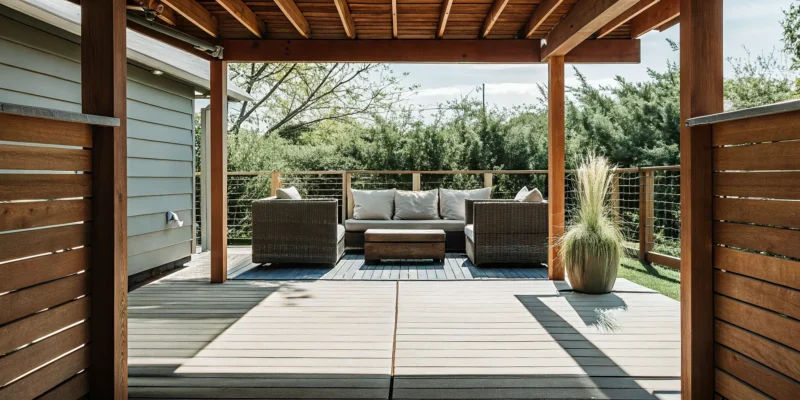
You have a vision for your backyard: a beautiful, functional space where you can relax, entertain, and make memories. A custom cedar pergola often serves as the heart of that vision, creating a defined outdoor room that feels both elegant and inviting. It’s the perfect spot for dining al fresco, lounging by the pool, or enjoying a quiet morning coffee. But how do you turn that dream into a reality? The process starts with a great plan and an even better partner. Choosing an experienced cedar pergola builder Long Island families rely on is the first step. This article covers everything you need to know, from design possibilities to the building process, to create your perfect outdoor oasis.
Key Takeaways
- Choose cedar for lasting beauty and strength: Cedar is a premium material that naturally resists rot and pests, making it a durable, long-term investment for Long Island’s weather compared to other materials.
- A successful project balances vision with a great builder: The final cost is shaped by size, design, and custom features, making it essential to partner with a vetted, professional builder who can bring your specific ideas to life within your budget.
- Plan for simple maintenance and long-term protection: While cedar is low-maintenance, a yearly cleaning preserves its look. Ensure your investment is secure by understanding the simple care options and confirming your builder provides a strong warranty.
Why Choose Cedar for Your Pergola?
When you start planning a new pergola, one of the first big decisions is choosing the right material. While you have a few options, cedar consistently stands out as a premium choice for good reason. It offers a perfect blend of natural beauty, impressive durability, and practical benefits that make it an ideal investment for any Long Island backyard. A well-built cedar pergola does more than just provide shade; it creates a stunning architectural focal point that enhances your entire outdoor living space.
Choosing cedar means you are selecting a material that is built to last and looks incredible while doing it. Its warm tones and classic wood grain bring an organic elegance that synthetic materials just can’t match. Whether your home’s style is rustic, modern, or traditional, a cedar structure can be designed to fit in seamlessly. We often design pavilions and pergolas to complement a home’s existing features, creating a cohesive flow from your house to your yard. This natural appeal makes it a favorite for homeowners who want to create a truly inviting and high-end outdoor retreat.
It Naturally Resists Rot and Pests
One of cedar’s most significant advantages is its built-in defense system. The wood contains natural oils and preservatives that make it inherently resistant to rot, decay, and insect infestations. This is a huge plus for any outdoor structure, especially here on Long Island where moisture and pests can be a constant battle. Because your pergola will be exposed to the elements 24/7, having a material that can protect itself is key to its longevity. This natural resistance means you don’t have to rely on harsh chemical treatments to keep your pergola in great shape, making it a safer and more eco-friendly choice for your family and pets.
How Cedar Handles Long Island Weather
Long Island weather can be tough on outdoor structures, with its humid summers, rainy springs, and cold, snowy winters. Cedar is uniquely equipped to handle these fluctuations. It’s known for being “dimensionally stable,” which is a technical way of saying it doesn’t swell, shrink, or warp easily when the temperature and humidity change. This stability ensures that your pergola will maintain its structural integrity and appearance for years to come. Cedar wood is built to be strong, so you can trust it to stand firm through coastal storms and seasonal shifts without losing its form or strength, making it a reliable foundation for your outdoor oasis.
Cedar vs. Other Pergola Materials
When comparing materials, it’s helpful to look at the long-term picture. A cedar pergola is more expensive upfront than one made from pressure-treated pine, but you’ll typically get a longer serviceable lifespan from cedar. Pressure-treated wood often requires more maintenance to prevent warping and rot, while cedar’s natural durability reduces those concerns. Compared to vinyl or composite materials, cedar offers an authentic beauty that simply can’t be replicated. While low-maintenance alternatives have their place, they lack the rich character and classic feel of real wood. Proper restoration and sealing can further extend cedar’s life, making it a superior value over time.
The Unique Beauty and Scent of Cedar
Beyond its practical benefits, cedar is chosen for its undeniable aesthetic appeal. Cedar wood offers a classic, natural wood look with rich, warm color tones and a beautiful grain that adds a touch of sophistication to any backyard. It has a warm, fancy feel that instantly makes a space more inviting. Plus, it comes with a distinct, pleasant aroma that enhances the experience of relaxing outdoors. You can let your cedar pergola weather naturally to a beautiful silvery-gray patina for a rustic look, or apply a stain to preserve its vibrant reddish-brown hue. This versatility allows you to customize its appearance to perfectly match your landscape design.
What Does a Custom Cedar Pergola Cost in Long Island?
When you start dreaming about adding a pergola to your backyard, one of the first questions you’ll ask is, “What’s this going to cost me?” The honest answer is: it depends. While that might not be the straightforward number you were hoping for, the final price tag for a custom cedar pergola on Long Island is shaped by a few key factors. Your vision, your backyard’s specific needs, and the materials you choose all play a part. Understanding these elements will help you set a realistic budget and partner with a builder to create the perfect outdoor space.
Understanding the Average Price
While you might see general pergola costs ranging from $2,500 to $4,500, it’s important to view this as a starting point. This range often reflects pre-fabricated kits or very basic designs using standard materials. For a custom-built cedar pergola on Long Island, the investment will be different. Cedar is a premium wood, and a custom project involves personalized design, professional labor, and high-quality craftsmanship. The final price will reflect the durability and beauty of a structure that is built specifically for your home, rather than a one-size-fits-all solution. Think of it as the difference between buying off the rack and getting a tailored suit.
How Size and Design Affect Your Cost
The size and complexity of your pergola are two of the biggest factors influencing its final price. A simple, freestanding 10×10 foot square pergola will naturally cost less than a large, 20×30 foot structure that attaches to your home and covers a multi-level patio. More intricate designs, such as those with arched beams, decorative cuts, or unique shapes designed to fit a specific area, require more material and skilled labor. The complexity of the pergola design plays a crucial role in the overall cost, but it’s also what makes your outdoor space truly one-of-a-kind and perfectly suited to your landscape.
Pricing for Custom Features and Add-Ons
Custom features are what transform a simple cedar frame into a luxurious outdoor living room. Each add-on will influence the total project cost, so it’s helpful to consider what’s most important for your lifestyle. Do you envision hosting evening dinners? Integrated lighting is a must. Want relief from the summer sun? A retractable canopy or fixed roofing might be perfect. Other popular custom options include privacy walls, built-in seating, or even mounting for an outdoor television or heaters. These design and material choices allow you to create a beautiful and functional environment that you can enjoy for years to come.
How to Budget for Your Pergola Project
Budgeting for your project starts with defining your priorities. Make a list of your “must-haves” and your “nice-to-haves.” Your must-haves might include a specific size to cover your patio dining set and a durable cedar material. The nice-to-haves could be decorative post bases or a built-in sound system. Having this list ready will help you have a productive conversation with your builder. At Gappsi, we can walk you through the options for pavilions and pergolas and help you understand how different choices affect the price. An open discussion about your budget allows us to suggest creative solutions that align with your vision and financial plan.
How to Choose the Right Pergola Builder
Finding the right builder is just as important as choosing the perfect design for your cedar pergola. The right partner will turn your vision into a beautiful, lasting structure, while the wrong one can lead to headaches and disappointment. You’re not just hiring someone to assemble a kit; you’re collaborating with a craftsperson who will create a custom centerpiece for your backyard. A great builder brings expertise, clear communication, and a commitment to quality to the table. Taking the time to vet your options carefully ensures your investment is in good hands and that the final result is exactly what you dreamed of. This process is about finding a team you can trust to manage your project from the first sketch to the final walkthrough.
Review Their Experience and Past Work
Before you commit, take a close look at a builder’s portfolio. You want to see a proven track record of building high-quality outdoor structures, especially the type of pergola you have in mind. A seasoned builder will have an extensive gallery of completed projects that showcases their craftsmanship and design versatility. As you review their work, ask yourself if their style aligns with your vision. Do their past projects look sturdy and well-integrated into the landscape? A company with deep roots in the community often has a reputation to uphold, which translates to more reliable service and a better final product. Look for a builder who proudly displays their pavilions and pergolas as a testament to their skill.
Verify Their Licensing and Insurance
This step is non-negotiable. Always confirm that any builder you consider is fully licensed and insured to work in Long Island. Proper licensing proves they meet local and state requirements, while insurance protects you from any liability in the unlikely event of an accident on your property. A professional contractor will have this information readily available and should be happy to provide you with copies of their credentials. Think of it as a crucial safety net that provides peace of mind. Hiring an uninsured builder might seem cheaper upfront, but it puts you and your home at significant financial risk. Reputable home improvement companies always prioritize safety and compliance.
Evaluate Their Design and Communication Process
A beautiful pergola begins with a clear and collaborative plan. Pay close attention to how a builder communicates during your initial conversations. Are they attentive listeners who are genuinely interested in your ideas? A great partner will walk you through their entire process, from the initial design consultation to securing permits and the final installation. They should provide a detailed, transparent estimate and be able to answer all your questions clearly. The best builders offer a seamless design and build experience, managing every detail so you don’t have to. This level of organization and open communication is a strong indicator of a smooth, stress-free project ahead.
Common Red Flags to Avoid
Knowing what to watch out for can help you steer clear of potential problems. Be cautious of any builder who gives you a vague estimate, pressures you into making a quick decision, or asks for a large cash deposit upfront. Another red flag is a contractor who suggests you can save money by having a separate, unqualified person handle the installation. Proper installation is critical for the safety and longevity of your pergola. A trustworthy builder will stand behind their work and will never recommend cutting corners. They should also be willing to provide references from past clients. Ultimately, trust your gut. If something feels off, it’s always best to walk away and find a builder who values quality and long-term durability.
How Can You Customize a Cedar Pergola?
A cedar pergola is more than just a structure; it’s a canvas for your personal style. The beauty of a custom build is that you can tailor every detail to fit your home’s architecture and your family’s lifestyle. From its placement in your yard to the amount of shade it provides, customization is what transforms a simple wooden frame into the heart of your outdoor living space. Thinking through these options is the first step toward creating a pergola that feels like it was always meant to be there.
Attached vs. Freestanding Designs
One of the first decisions you’ll make is whether your pergola will be attached to your home or stand on its own. An attached pergola acts as a seamless extension of your house, creating a beautiful transition from indoors to outdoors. It’s perfect for covering a patio just outside your back door, providing shade and architectural interest. A freestanding design, on the other hand, can be placed anywhere in your yard to create a destination. It can define an intimate dining area, create a focal point in a garden, or offer a relaxing retreat by the pool. The choice really depends on how you envision using your outdoor space.
Options for Roofing, Shade, and Lighting
While traditional pergolas have an open-roof design with cross beams for partial shade, modern pavilions and pergolas give you much more control. You can choose a design with more substantial rafters for deeper shade or opt for a louvered roof system. These adjustable roofs can be opened to let the sun in or closed to provide complete protection from rain, often with an integrated gutter system to manage water. We can also incorporate custom lighting, from elegant string lights to recessed fixtures, to ensure your pergola is just as inviting after the sun goes down. These features make your pergola a true all-weather outdoor room.
Integrating Your Pergola with Other Outdoor Features
A pergola truly shines when it works in harmony with the rest of your backyard. Think of it as the centerpiece that connects different elements of your landscape. You can position it to create a shaded lounge area next to your swimming pool or place it over an outdoor kitchen built with beautiful custom masonry. A pergola can also create a stunning frame for a dining space on a patio made from elegant porcelain and natural stone. By integrating your pergola with other features, you create a cohesive and functional outdoor living environment that flows beautifully from one area to the next.
What Is the Pergola Building Process Like?
Building a custom cedar pergola is an exciting project, but it’s natural to wonder what the process actually involves. When you work with an experienced team, it should feel collaborative and straightforward, not overwhelming. A great builder will guide you through each stage, from the first sketch to the final installation, ensuring your vision comes to life exactly as you imagined. Understanding the steps ahead of time helps you feel confident and prepared. Here’s a look at what you can expect when you decide to add a beautiful cedar pergola to your Long Island home.
Step 1: The Initial Design Consultation
This is where the fun begins. Your first meeting with a designer is all about sharing your vision. Before you meet, I suggest gathering some inspiration. Create a Pinterest board or save photos of pergolas you love. Think about how you plan to use the space. Will it be a cozy spot for morning coffee, a shaded area over a dining table, or a relaxing lounge by the swimming pool? Bring photos of your yard and any existing materials or colors you want to complement. This initial conversation helps the design team understand your goals, style, and the unique layout of your property, ensuring your new pergola feels like a natural extension of your home.
Step 2: Choosing Materials and Custom Features
While this guide focuses on cedar, this is the stage where you confirm your material choices and explore all the ways you can personalize your pergola. You’ll discuss everything from the exact stain of the cedar to the style of the support posts. This is also the time to think about custom add-ons. Do you want integrated lighting for evening gatherings, a ceiling fan for warm summer days, or a retractable canopy for adjustable shade? A skilled builder can also design your pergola to work seamlessly with other outdoor elements, like a natural stone patio or an outdoor kitchen, creating a complete and cohesive backyard retreat.
Step 3: Finalizing Plans and Permits
Once the design is perfected, the next step is to finalize the technical plans and handle any necessary paperwork. Navigating local building codes and permit applications can be a complicated part of any home improvement project. This is where a full-service builder truly shines. Instead of leaving you to figure out the requirements for your town in Nassau or Suffolk County, an experienced team will manage the entire permitting process for you. They know the local regulations and will ensure your project is fully compliant, saving you time and preventing potential headaches. This allows you to relax, knowing all the details are being handled correctly and professionally.
Step 4: Construction and On-Site Installation
With the plans approved and materials ordered, it’s time for the build. Most of the precise cutting and preparation of the cedar happens off-site to make the installation process as efficient and clean as possible. On installation day, the professional crew will arrive ready to assemble your pergola. They work carefully to protect your property and landscaping during the build. You’ll be amazed at how quickly the structure takes shape. Once the pergola is built, the team will do a final walkthrough with you to ensure every detail is perfect and that you are completely happy with the result.
How Long Will the Project Take?
While the on-site installation of a pergola can often be completed in just a day or two, the entire project timeline is a bit longer. The full process includes the initial design and revision phase, waiting for any necessary permits to be approved by your town, and the time it takes to order and prepare your custom materials. A realistic timeline from your first consultation to project completion can range from a few weeks to a couple of months, depending on these factors. An all-in-one design and build firm like Gappsi helps keep the project moving efficiently, as there’s no need to coordinate between separate designers, suppliers, and installers.
How Much Maintenance Does a Cedar Pergola Need?
One of the best things about choosing cedar for your pergola is that it delivers stunning natural beauty without demanding a ton of your time. Thanks to its inherent properties, cedar is a fantastic low-maintenance wood. It contains natural oils that make it resistant to decay and insects, which is a huge advantage for any outdoor structure here on Long Island. This natural durability means you can spend more time enjoying your backyard and less time worrying about upkeep.
However, “low-maintenance” doesn’t mean “no-maintenance.” To keep your cedar pergola looking its best and ensure it lasts for decades, a little bit of annual care goes a long way. Think of it as a small investment to protect your beautiful outdoor centerpiece. The good news is that the process is straightforward and doesn’t require a huge commitment. With a simple routine, you can preserve the wood’s integrity and appearance, making sure it remains a highlight of your backyard for years to come.
Simple Tips for Routine Upkeep
You can keep your cedar pergola in excellent shape with just one dedicated maintenance day each year. The goal is to clean off the grime from the seasons and give the structure a quick inspection. Start by gently washing the wood with a simple solution of mild soap and water, using a soft-bristle brush to scrub away any dirt or mildew. Avoid using a high-pressure power washer, as it can be too harsh and damage the wood fibers.
Once it’s clean, take a walk around and check all the hardware, connections, and joints to make sure everything is still secure. Finally, look over the condition of the wood and its finish. If this sounds like a task you’d rather not handle, our professional teams offer restoration and sealing services to keep your outdoor structures in pristine condition.
Cedar Compared to Low-Maintenance Alternatives
When you explore pergola materials, you’ll see options like vinyl and aluminum advertised as virtually maintenance-free. While they don’t require staining or sealing, they can’t replicate the authentic warmth and character of real wood. Cedar offers a perfect balance. It provides the timeless, organic beauty that only wood can, without the constant upkeep required by less durable woods like pressure-treated pine.
While a cedar pergola might have a higher initial cost than one made from pressure-treated wood, its extended lifespan makes it a smarter investment over time. It naturally withstands the elements far better, so you spend less time and money on repairs. You can see a variety of these beautiful structures on our pavilions and pergolas page.
Sealing, Staining, and Long-Term Protection
Cedar’s natural resistance to rot is your first line of defense, but you have choices when it comes to its long-term appearance. If you love the look of weathered wood, you can let your pergola age naturally. Over time, it will develop a beautiful, silvery-gray patina. This is a popular aesthetic choice and doesn’t harm the wood’s structural integrity.
Alternatively, if you want to preserve cedar’s rich, warm color, you can apply a protective finish. A high-quality sealant or stain will shield the wood from moisture and UV rays, which helps prevent discoloration and cracking. This finish typically needs to be reapplied every few years. The exact timing depends on the product you use and how much direct sun and rain your pergola gets.
Do You Need a Warranty for Your Pergola?
When you invest in a beautiful cedar pergola, you’re not just buying a structure; you’re creating a new centerpiece for your outdoor life. Thinking about a warranty might not be the most exciting part of the process, but it’s one of the most important. A solid warranty is a builder’s promise to you. It shows they stand behind the quality of their materials and their craftsmanship, giving you peace of mind that your investment is protected for years to come.
A warranty isn’t just a piece of paper. It’s your assurance that if something unexpected happens, like a defect in the wood or an issue with the construction, you won’t be left with the bill. It separates the professional, confident builders from the rest. Before you sign any contract, understanding the warranty is a non-negotiable step. It reflects the long-term value of your project and ensures your beautiful new pergola remains a source of joy, not stress. A builder who is proud of their work will always back it up with a clear and comprehensive warranty.
What a Strong Warranty Should Cover
A strong warranty should be straightforward and cover the two most critical parts of your pergola: materials and workmanship. The cedar itself should be protected against issues like premature rot or insect damage that go beyond normal wear. Since the quality of the wood is a major factor in the pergola’s lifespan and cost, this coverage is essential. The warranty should also cover the labor or workmanship. This protects you from any problems that might arise from the construction process itself, like joints that loosen or a structure that doesn’t remain level. While you’ll still have simple annual maintenance tasks, a good warranty ensures you’re covered for defects, not for neglect.
Key Questions to Ask Your Builder
Before you commit, it’s vital to have a clear conversation about the warranty. Don’t be shy about asking direct questions, as the answers will reveal a lot about the builder’s process and integrity. Start with the basics: How long does the warranty last, and what does it specifically cover? Ask if it includes both the cedar materials and the construction labor. You should also find out what the process is for filing a claim. A reputable builder will have a simple and clear procedure. Understanding these details upfront helps you compare builders and ensures your project is handled by a professional design and construction company you can trust.
Why Partner With Gappsi for Your Cedar Pergola?
Choosing the right builder for your cedar pergola is just as important as selecting the wood itself. You need a partner who not only understands construction but also has a vision for creating beautiful, functional outdoor spaces. A great builder listens to your ideas, respects your budget, and manages the project smoothly from start to finish. At Gappsi, we pride ourselves on being that partner for homeowners across Long Island. Our approach is built on a foundation of deep expertise, a streamlined process, and a genuine commitment to our local community.
Decades of Outdoor Living Expertise
Our experience speaks for itself. Since 1987, Gappsi has been a premier home improvement company on Long Island, specializing in outdoor living solutions that enhance the beauty and functionality of your home. We don’t just build pergolas; we create comprehensive outdoor environments. Our team’s expertise extends to every facet of backyard design, from masonry and landscaping to swimming pools and patios. This holistic knowledge ensures your new cedar pergola will feel like a natural and intentional part of your overall landscape, not just an afterthought. We understand how all the pieces fit together to create a truly stunning and cohesive outdoor retreat for you and your family to enjoy for years.
A Seamless, All-in-One Design and Build Process
One of the biggest headaches with any home improvement project can be juggling multiple contractors. With Gappsi, you don’t have to. As a full-service outdoor construction company, we handle everything in-house. Our team can design and build your pool, patios, outdoor kitchens, and of course, your beautiful cedar pergola. This integrated approach guarantees a cohesive look and feel for your entire outdoor space. Having one point of contact from the initial design consultation to the final installation means clear communication, a streamlined timeline, and a final result that perfectly matches your vision. We ensure every element, from the porcelain pavers on your patio to the beams of your pergola, works in harmony.
Proudly Serving Homeowners in Nassau and Suffolk County
We aren’t just a company that works on Long Island; we’re part of the community. We live here, we work here, and we are dedicated to enhancing the homes in our neighborhoods across Nassau and Suffolk County. This local focus means we have an intimate understanding of regional building codes, climate considerations, and the specific architectural styles that define our area. When you work with us, you’re partnering with a team that is invested in your satisfaction and the value of your property. Our commitment to quality craftsmanship and customer happiness is evident in every project we complete, from a simple walkway to complete backyard transformations that include stunning pavilions and pergolas.
Related Articles
- What You Should Know About Pergolas on Long Island – Gappsi Group
- Gazebo | Pavilion | Pergola Archives – Gappsi Group
Frequently Asked Questions
How long will a cedar pergola actually last on Long Island? A well-built cedar pergola is a long-term investment. With professional installation and some simple annual care, you can expect it to last for 20 to 30 years, sometimes even longer. Cedar’s natural resistance to rot and insects gives it a huge advantage against the humid Long Island climate. The key is starting with high-quality wood and solid construction, which ensures your structure can stand up to our coastal weather for decades.
Do I need a permit to build a pergola? Most of the time, yes. Permit requirements can vary quite a bit between towns and villages across Nassau and Suffolk County. The rules often depend on the pergola’s size, height, and whether it’s attached to your house. It can be a confusing process, but it’s a step you don’t want to skip. A professional builder will know the specific codes for your area and will handle the entire permitting process for you, making sure your project is built safely and legally.
What’s the real difference between a pergola and a pavilion? The main difference is the roof. A traditional pergola has an open, slatted roof structure designed to provide partial shade while still letting in plenty of light and air. A pavilion, on the other hand, has a solid, continuous roof that offers full protection from both sun and rain. If you want to create a true all-weather outdoor room that keeps you and your furniture dry, a pavilion is likely the better choice. If you’re looking for an elegant architectural feature that defines a space and offers dappled sunlight, a pergola is perfect.
Can a pergola be built on my existing patio or deck? Absolutely. In fact, adding a pergola is one of the best ways to enhance an existing patio or deck, making the space more usable and comfortable. During the design process, a builder will assess the condition of your current surface to make sure it can properly support the weight of the new structure. The posts can often be anchored directly to a concrete patio, or new footings can be installed to create a secure and lasting foundation.
How do I decide between staining my cedar pergola or letting it weather naturally? This is purely a matter of personal taste, as both options are great for the wood. If you love the rich, warm tones of new cedar, applying a high-quality stain every few years will preserve that color and provide extra protection from UV rays. If you prefer a more rustic, coastal look, you can simply let it be. Over time, the cedar will gracefully age to a beautiful silvery-gray patina without compromising its strength or durability.