



Choosing a pool sanitation system is not simply a matter of picking the option that sounds easier. Long Island homeowners should weigh installation requirements, ongoing chemical management, water feel, equipment care, and the demands of closing a pool through cold weather.
Contact Gappsi through our contact page
The best salt water pool vs chlorine pool choice depends on how you want to manage maintenance. A salt system uses a generator to produce chlorine from dissolved salt, while a traditional chlorine pool relies on adding and monitoring chlorine directly. Both systems still require balanced water, routine testing, equipment care, and professional winterization.
Understanding how each system sanitizes the water makes the differences in cost, maintenance, and equipment easier to evaluate. Start with the chemistry behind both options.
How Do Salt Water and Chlorine Pools Sanitize Water?
The central difference in a salt water pool vs chlorine pool comparison is how chlorine enters the water. Both systems rely on chlorine as the active sanitizer. A traditional chlorine pool receives chlorine through manually measured additions. A salt water pool uses a salt chlorine generator, which applies electrolysis to convert dissolved salt into chlorine as water passes through the cell. The generator automates production, but it does not replace water testing or proper pool operation.
In either system, sanitation depends on maintaining the right relationship between chlorine concentration and pH. Chlorine can kill most bacteria quickly when its concentration and pH are maintained according to established guidance. The CDC recommends a pool pH of 7.0 to 7.8 and at least 1 part per million of chlorine for effective treatment. You can review the CDC’s home pool water treatment and testing guidance for the technical recommendations.
Contact Gappsi through our contact page
What happens to chlorine in the water?
Chlorine is consumed as it reacts with contaminants introduced by swimmers, including sweat, dirt, and other organic material. Sunlight can also reduce available chlorine. In a traditional system, the owner or service professional adjusts the dose as testing shows a need. In a salt system, the generator produces chlorine over time, and its output can be adjusted to match the pool’s use and conditions. Either approach still requires attention when the pool has unusually heavy use, receives intense sunlight, or experiences changing weather.
Chlorine does not simply disappear after it performs its job. When it binds with body wastes, it can form chloramines, also called combined chlorine. Chloramines are associated with the familiar strong pool odor and may irritate the skin, eyes, and respiratory tract. That odor is not a reason to assume that more chlorine should be added without testing. It is a signal to evaluate the water chemistry and operating conditions. The CDC explains chloramines and their effects in its chloramines and pool operation guidance.
Why does balanced water matter?
Balanced water supports more than a clear appearance. Keeping pH between 7.0 and 7.8 helps balance disinfection performance, plumbing protection, and swimmer comfort. If pH rises too high, chlorine becomes less effective at killing germs. If chemistry is allowed to drift, the pool may also place unnecessary stress on piping and other components. This applies to gunite, vinyl liner, and fiberglass pools alike.
- Salt system: chlorine generation is automated, but pH and chlorine still need routine checks.
- Traditional system: chlorine is added manually, so accurate testing and dosing are central to maintenance.
- Both systems: balanced chemistry and proper circulation are essential to consistent sanitation.
The practical choice is therefore not chlorine versus no chlorine. It is whether chlorine production is automated or manually dosed, and which maintenance process fits the household, pool design, and service plan.
What Is the Cost Difference Between Salt Water and Chlorine Pools?
The cost difference between a salt water pool and a traditional chlorine pool is less about one universal price and more about when and how the project requires spending. A salt water design usually adds a salt chlorine generator, related plumbing or electrical work, and a cell that will need inspection and eventual replacement. A traditional chlorine setup generally has simpler initial equipment, but the owner buys and adds sanitizer manually over the life of the pool.
That distinction matters when comparing a new installation with a renovation or retrofit. The right choice depends on pool size, swimmer load, sunlight exposure, equipment layout, preferred maintenance routine, and whether existing plumbing and electrical service can support the selected system.
| Cost consideration | Salt water system | Traditional chlorine system |
|---|---|---|
| Initial equipment | Includes a salt chlorine generator, control components, and compatible installation planning. | Typically uses a conventional feeder or chemical-dosing arrangement with fewer specialized components. |
| Installation scope | May require additional plumbing, electrical connections, equipment-pad space, and system configuration. | Often has a more familiar installation path, although the pool design and equipment location still affect labor. |
| Sanitizer purchasing | The generator produces chlorine from dissolved salt, reducing the need for frequent manual chlorine additions. | Requires recurring purchases and manual dosing of chlorine and other balancing chemicals. |
| Testing and adjustments | Still requires routine testing, water balancing, and attention to generator settings. | Requires routine testing and more direct manual adjustments as chlorine is consumed. |
| Equipment care | Includes cell cleaning, inspections, and replacement planning for the generator cell. | Requires maintenance of the feeder and related equipment, without a salt cell. |
| Electricity and operating conditions | Uses electricity to operate the generator. Pool size, run time, and swimmer use affect operating needs. | Electrical demands depend on the pump and other equipment, while chemical use varies with pool conditions. |
| Retrofit considerations | Existing pools may need an equipment, plumbing, electrical, and material-compatibility review before conversion. | May fit existing equipment more directly, but the current feeder, circulation system, and condition still require evaluation. |
Neither system eliminates ownership costs. A salt system can make chlorine production more consistent, but it does not remove the need for testing, balancing, cell cleaning, or electricity. Traditional chlorine can offer a straightforward equipment arrangement, yet its recurring chemical handling and manual dosing require consistent attention. During planning, compare the total operating routine, not only the initial equipment scope. A professional review can also identify whether pool size, expected usage, and existing infrastructure change the balance for your Long Island property.
Which System Requires More Pool Maintenance?
The practical difference is not maintenance versus no maintenance. It is manual chemical handling versus automated chlorine production. A salt chlorine generator uses electrolysis to produce chlorine from dissolved salt, which can reduce the frequency of adding sanitizer by hand. However, the owner still needs to monitor the water and service the equipment. A traditional chlorine pool requires more direct attention to testing, dosing, and balancing, but its routine is straightforward when performed consistently.
What salt water pool maintenance still involves
Salt automation helps with routine chlorine production, but it does not independently manage every part of water chemistry. The water still needs regular testing for chlorine and pH, along with alkalinity checks and adjustments when readings move outside the appropriate range. The generator cell also requires inspection and periodic cleaning. Scale or buildup on the cell can interfere with performance, so cleaning should follow the equipment manufacturer’s instructions rather than a one-size-fits-all schedule.
The salt level and control settings also deserve attention. Pool owners should confirm that the generator is operating, review any alerts, and check whether chlorine output matches the pool’s use, sunlight exposure, and weather. Heavy use or a period of unusually hot weather can change demand even when the generator is running. Automation reduces repetitive dosing, but it does not replace observation.
What traditional chlorine pool maintenance requires
With a traditional chlorine system, the owner typically measures sanitizer and pH, then adds the appropriate chemicals manually. Chlorine levels can be reduced by sunlight, sweat, dirt, and other organic material introduced by swimmers, so the CDC recommends routine testing of pool water. The same guidance places responsibility on residential pool owners to check chlorine concentration and pH regularly.
Chlorine stabilizer, also called cyanuric acid, can help protect chlorine from sunlight, but its concentration must be managed carefully. The CDC’s water-treatment guidance explains that pH and sanitizer levels work together. If pH drifts too high, chlorine becomes less effective. Maintaining pH between 7.0 and 7.8 supports disinfection, piping longevity, and swimmer comfort. Poor balance in either type of pool can create avoidable water-quality and equipment problems.
Recurring maintenance checklist:
- Test chlorine and pH on a regular schedule.
- Check alkalinity and adjust water balance as needed.
- Inspect filters, pumps, and other circulation equipment.
- For salt systems, check salt level, generator output, and cell condition.
- For traditional chlorine systems, measure and add sanitizer manually as required.
- Record test results so gradual changes are easier to identify.
For most homeowners comparing a salt water pool vs chlorine pool, salt is often more convenient for routine dosing, while traditional chlorine offers a simpler equipment setup. Neither system is zero-maintenance, and neither guarantees a lower total cost. The better choice depends on how consistently the household wants to test, balance, inspect, and maintain the pool.
What Equipment and Materials Should Long Island Homeowners Plan For?
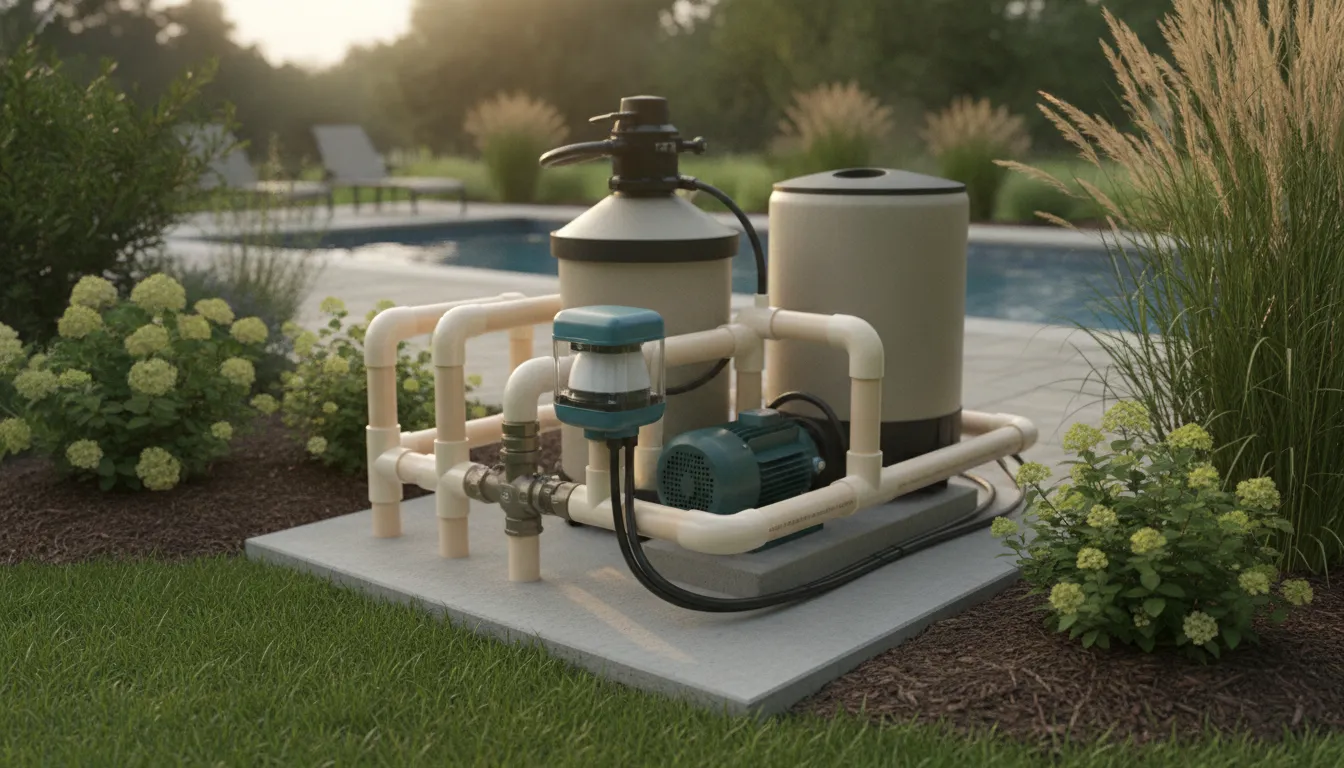
A salt chlorine system is not a stand-alone add-on. It becomes part of the pool’s circulation, electrical, and equipment-pad plan. During design, homeowners should identify where the generator will sit, how water will pass through it, and how the system will be serviced after installation. Gappsi works with salt chlorine generators, ozone systems, and equipment from brands such as Pentair. Hayward, and Autopilot, so the selection can be coordinated with the overall pool design.
Start with the equipment pad. A salt chlorine generator is typically installed as a component of the pad and requires dedicated plumbing and electrical connections. The pad should leave practical access around the pump, filter, controls, and generator. A crowded arrangement can make routine inspection or future service more difficult. Your installer should also confirm that the proposed equipment layout works with the pool’s circulation design, automation, and available electrical service.
For a new pool, these decisions can be made before excavation and rough-ins begin. For an existing-pool retrofit, ask whether the current pad has sufficient space. Whether the plumbing route matches the generator requirements, and whether the electrical panel and disconnect arrangement are appropriate. It is also worth confirming how the generator will interact with any existing automation, heater, ozone equipment, or other treatment components. The goal is a coordinated system, not simply a new device inserted into an old layout.
Which materials deserve closer attention?
Salt exposure makes material selection important. Poorly managed salt conditions can contribute to corrosion on equipment and nearby stone surfaces, but the risk depends on the installation, water balance, exposure, and materials used. Do not assume that every fixture or finish will respond the same way. Review proposed metals, fasteners, light niches, handrails, coping, tile, and natural stone with the installer, especially in areas where splash-out or overspray is likely.
Water balance remains part of material protection. The CDC notes that maintaining pH between 7.0 and 7.8 helps balance disinfection, piping lifespan, and swimmer comfort. That means a generator does not remove the need for owner testing or professional commissioning. Ask how salt concentration, pH, chlorine output, and equipment inspections will be monitored after the pool is opened.
For a practical review of pad layouts, treatment components, and installation considerations, see Gappsi’s pool equipment guide. A detailed equipment plan helps Long Island homeowners compare a salt water pool vs chlorine pool on the basis of integration. Access, and long-term care rather than the generator alone.
How Does Winterization Work for Each Pool System on Long Island?
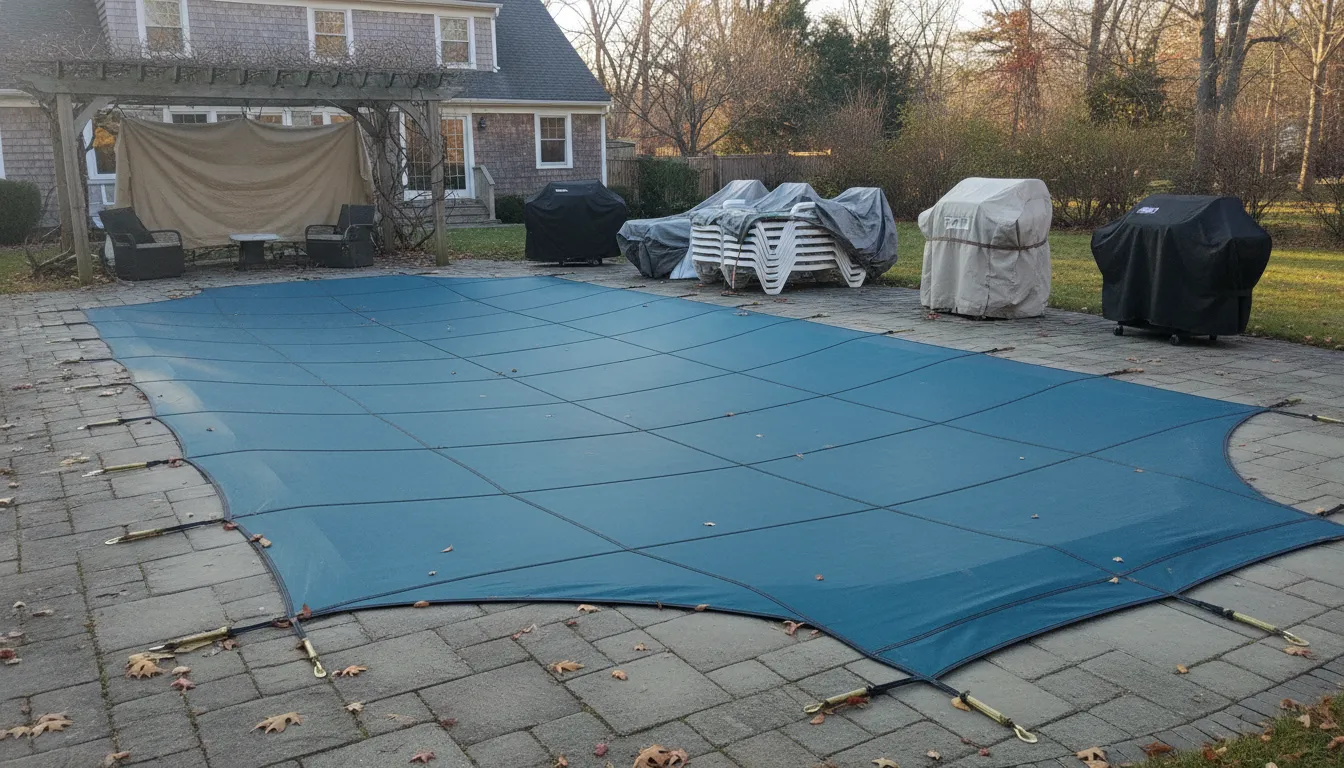
On Long Island, winterization is necessary for both salt water and traditional chlorine pools. The sanitation method changes some equipment checks, but it does not remove the need to prepare plumbing, equipment, and water for freezing weather. A safe closing plan must match the pool’s construction, circulation layout, cover, accessories, and the equipment manufacturer’s directions.
Start with water balance before closing. The pH range of 7.0 to 7.8 helps balance disinfection, swimmer comfort, and the service life of pool piping, according to the CDC’s pool water guidance. Balanced water also supports the pool’s plumbing, liner, and other infrastructure through the off-season. The specific closing chemistry and timing should be determined by the pool professional and product instructions, rather than by a generic checklist.
What changes between salt and chlorine systems?
Both systems need protection from freezing temperatures. Closing work may include preparing the lines, pump, filter, heater, and other equipment as specified for that installation. Water may need to be lowered or removed from selected components, but the correct approach depends on the pool design and the installer or equipment manufacturer’s directions. Improper draining or air-pressure procedures can create avoidable damage, so homeowners should not copy instructions from a different pool.
A salt system adds a generator and cell to the inspection. The closing record should document the generator and cell condition, including visible buildup, damage, connections, and any service recommendation. The cell should be handled according to its manufacturer’s instructions. A traditional chlorine system does not have that cell, but its feeder, chemical storage, circulation equipment, and lines still require a careful inspection.
How should spring startup be planned?
Good winterization creates a useful spring-startup record. Note the equipment condition, cover condition, water level, repairs to schedule, and any generator-cell issue before the pool is closed. At opening, inspect the cover and equipment first, then restore circulation and test the water before swimming. Both salt and chlorine pools still require owner monitoring after startup. A salt generator can automate chlorine production, but it does not replace testing or water-balance decisions.
Contact Gappsi through our contact page
Which Pool System Is the Better Fit for Your Long Island Home?
The right choice depends less on a simple salt water pool vs chlorine pool verdict and more on how you use the pool. How much automation you want, and where you are in the project. A salt chlorine generator can appeal to homeowners who prefer a steadier, more automated way to produce chlorine. Conventional chlorine equipment may suit owners who want a familiar setup with fewer specialized components at the outset.
Think about your maintenance habits honestly. Salt water automation can reduce the need to manually add chlorine day to day, but it does not make pool care hands-off. You still need to monitor water chemistry, including chlorine and pH, and the generator cell requires periodic inspection and cleaning. The CDC states that residential pool owners are responsible for regularly checking chlorine concentration and pH, regardless of the sanitation system used. Learn more about routine pool water testing from the CDC.
Conventional chlorine systems may be a practical fit when you prefer direct control over chemical additions. Already have an established maintenance routine, or are replacing equipment in an existing pool. A salt system may be more attractive during a new build or major renovation. When the generator, plumbing, electrical connections, equipment pad, and surrounding materials can be coordinated together. Salt exposure also makes thoughtful material selection and water-balance management important around equipment and stone surfaces.
Project stage matters because sanitation equipment is part of a larger design decision. Gappsi provides 3D design and engineering for gunite, vinyl liner, and fiberglass pools, helping align circulation, equipment, access, drainage, and outdoor features before construction begins. Its Gappsi swimming pool design and installation service can address the system as part of the complete layout rather than as an afterthought. Homeowners considering a custom shape or integrated patio should also review this custom gunite pool design resource.
For Nassau and Suffolk County properties, the decision also carries into the off-season. Both systems need planned winterization in Long Island conditions. Ask how the selected equipment will be closed, protected, inspected, and reopened, and confirm which maintenance tasks remain yours after installation. Properly balanced water supports the service life of pool plumbing and other infrastructure, so convenience should never replace a clear care plan.
- Choose salt water automation if you value reduced manual dosing and are prepared to test, balance, and service the generator.
- Choose conventional chlorine if you prefer familiar equipment, direct chemical control, and a simpler initial system.
- Plan early if you are building or renovating, so equipment, materials, access, and winterization details work together.
- Ask for a maintenance plan that clearly assigns testing, balancing, cell care, chemical handling, and seasonal service.
Contact Gappsi through our contact page
Frequently Asked Questions
Do salt water pools use chlorine?
Yes. A salt chlorine generator uses electrolysis to convert dissolved salt into chlorine, so the pool is still sanitized with chlorine. The main difference is how chlorine is introduced: the generator produces it on site instead of requiring the owner to add every dose manually.
Is a salt water pool better than a chlorine pool?
Neither system is universally better. A salt system may suit homeowners who want more automated chlorine production and a different water feel. A traditional chlorine system may suit owners who prefer simpler equipment and direct control over chemical dosing. Both require testing, water balancing, and equipment care.
What are the disadvantages of salt water pools?
The main trade-offs are higher installation complexity, periodic generator-cell cleaning or replacement, and the need to manage salt exposure. Poorly managed salinity can contribute to corrosion concerns for some equipment, fixtures, or surrounding stone, so material selection and water balance matter.
Are salt water pools gentler on the skin and eyes?
Many swimmers report that salt water feels gentler, but comfort depends on the whole water chemistry, not salt alone. Improper pH or chloramine buildup can cause irritation in either system. The CDC recommends keeping pool pH between 7.0 and 7.8 and testing chlorine and pH routinely. CDC pool water guidance
How does maintenance differ between salt and chlorine pools?
A salt system automates chlorine generation, but it does not make the pool maintenance-free. Owners still monitor chlorine and pH, balance the water, inspect the generator, and clean the cell as recommended. Traditional chlorine pools require the same routine water checks, with more manual chemical dosing when chlorine levels need adjustment.
Ready to Plan the Right Pool System?
A thoughtful comparison of salt and chlorine can help you coordinate water treatment with your pool design, equipment, materials, and maintenance preferences. For guidance tailored to your Long Island project, Contact Gappsi through our contact page to discuss the options and get started with a system plan that fits your home.