


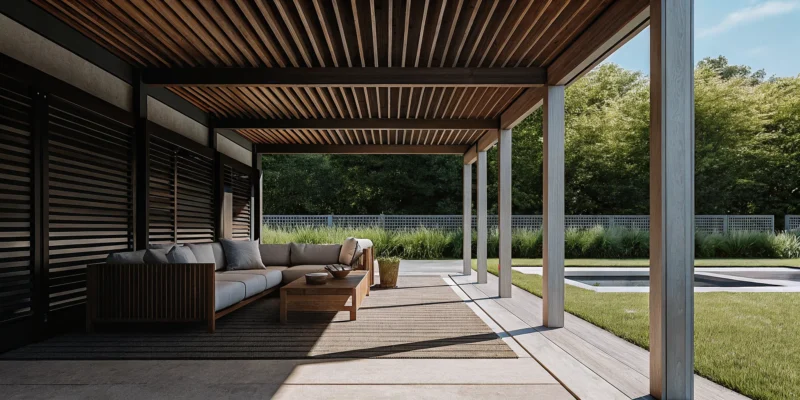
Building on Long Island comes with its own unique set of rules and challenges. Our coastal climate, with its salt air and seasonal storms, demands materials and construction techniques that can stand the test of time. Furthermore, every town from Suffolk to Nassau County has specific building codes and permit requirements. This is why choosing a builder with deep local experience is so important. A team that knows the area understands how to design and construct a pergola that not only complements local architecture but is also built to last. We’ll explain how to identify a pergola builder Long Island whose local knowledge will be your project’s greatest asset.
Key Takeaways
- Choose a builder who sees the big picture: Your ideal builder is a design partner, not just a contractor. They should help you see how the pergola fits with your whole yard, account for Long Island’s specific weather, and handle the project from start to finish.
- Define your pergola’s purpose and material: First, decide if your pergola will be a standalone feature or an extension of your home. Then, select a material (like natural wood, easy-care vinyl, or sleek aluminum) that matches your home’s style and the amount of maintenance you’re comfortable with.
- Protect your investment with proper vetting: Before signing anything, confirm the builder is licensed and insured. Review their portfolio to check for quality and style, and make sure you get a detailed contract that clearly outlines the project scope, timeline, and costs.
Finding the Best Pergola Builder in Long Island
Choosing the right builder for your pergola is just as important as picking the design itself. You’re not just hiring someone to assemble a structure; you’re looking for a partner who can bring your vision for an outdoor oasis to life. A premier builder acts as your guide, helping you through every step from the initial concept to the final installation. They understand the unique character of Long Island homes and how to create beautiful pavilions and pergolas that complement your property’s style and withstand our coastal weather. This local expertise is invaluable for making smart decisions about materials and placement.
A truly great builder offers a holistic approach. They consider how your new pergola will integrate with your existing patio, pool deck, or garden. They think about traffic flow, sun patterns throughout the day, and your long-term goals for the space. This is where working with a comprehensive design and construction company makes a significant difference. Instead of just getting a standalone structure, you get a thoughtfully integrated element of your overall landscape design. They ensure your investment not only looks beautiful on day one but also adds lasting value and enjoyment for years to come. Finding a team that can manage the entire project, from design to sourcing materials, creates a seamless and stress-free experience for you.
What to Look For in a Premier Builder
A premier builder stands out by offering deep expertise and a client-focused process. They should guide you through material options, explaining the benefits of wood, vinyl, or aluminum for our Long Island climate. Look for a team that goes beyond a one-size-fits-all approach. They will carefully assess your property to recommend the right height and dimensions, ensuring the pergola provides effective shade without feeling cramped. A skilled builder also considers how you’ll use the space, planning for comfort at all times of the day. Finally, they must be well-versed in local building codes and handle all necessary permits, guaranteeing your pergola is both safe and structurally sound. This attention to detail, which you can see in a builder’s project portfolio, is what separates a simple contractor from a true design partner.
Exploring Pergola Types and Materials
Choosing the right pergola is about finding the perfect blend of function and style for your backyard. Think of it as creating an outdoor room. Do you want a cozy, defined space away from the house, or a seamless extension of your indoor living area? The first big decision is between a freestanding or attached structure. From there, you get to pick the material that best suits your home’s look and the amount of maintenance you’re willing to do.
Each material, from classic wood to modern aluminum, offers a different aesthetic and level of durability. We’ll walk through the most popular options to help you find the right fit. Gappsi offers a wide selection of custom pavilions and pergolas to match any vision you have for your Long Island home. Understanding these types and materials is the first step toward creating an outdoor space you’ll love for years to come.
Freestanding Pergolas
A freestanding pergola is a standalone structure that isn’t attached to your house. This gives you incredible flexibility with placement. You can position one over a patio in the middle of your yard, create a shaded retreat next to your swimming pool, or design a beautiful focal point for your garden. Because it’s a separate structure, a freestanding pergola acts as a destination, clearly defining an area for dining, lounging, or entertaining. It’s an excellent way to add architectural interest and function to any part of your property.
Attached Pergolas
If you’re looking to create a smooth transition from your indoor space to your backyard, an attached pergola is a fantastic choice. This type of pergola is built directly onto your home, usually extending over a deck or patio just outside a back door. It provides shade and cover right where you need it most, making your outdoor area feel like a true extension of your house. An attached pergola can also help cool the interior of your home by shading windows and glass doors from direct sun. It’s a practical and elegant way to enhance your home’s existing masonry or deck.
Wood Options
For a timeless and natural look, nothing beats a classic wood pergola. Materials like cedar and pine bring warmth and organic texture to your backyard, blending beautifully with gardens and natural surroundings. Wood is also highly customizable; you can have it stained or painted in any color to perfectly match your home’s exterior. While wood requires some periodic maintenance like sealing or staining to protect it from the elements, its traditional charm and versatility make it a consistently popular choice for homeowners looking to enhance their landscape design.
Vinyl and Composite
If you love the look of a classic pergola but prefer a low-maintenance solution, vinyl or composite materials are an excellent alternative. These pergolas are designed to mimic the appearance of painted wood but without the need for regular upkeep. Vinyl and composite are incredibly durable, resisting moisture, rot, and pests. You’ll never have to worry about staining or painting them. They typically come in classic colors like white and almond that stay vibrant for years, giving you a beautiful and hassle-free structure that complements any style of home remodeling.
Aluminum and Metal
For a sleek, modern aesthetic, an aluminum pergola is the ultimate choice. These structures are known for their clean lines, durability, and minimal maintenance. Aluminum is naturally resistant to rust and corrosion, making it a perfect material for Long Island’s climate. Metal pergolas are also incredibly strong, allowing for wider spans and more minimalist designs. Many modern aluminum pavilions and pergolas can be equipped with functional features like adjustable louvers or retractable canopies, giving you complete control over sun and shade. They offer a sophisticated look that lasts a lifetime.
Budgeting for Your Long Island Pergola
Planning your budget is one of the most important first steps when adding a pergola to your home. The total investment can vary quite a bit, depending on what you have in mind. Understanding the key cost factors will help you set a realistic budget and make informed decisions as you work with your builder. From the size of the structure to the materials you select, every choice plays a role in the final price. Let’s walk through what you need to consider as you explore different pergola designs.
How Size and Design Affect Cost
The size of your pergola is one of the biggest factors affecting the cost. A larger structure naturally requires more materials and labor, which increases the price. Beyond just the footprint, the complexity of your design also plays a part. A simple, classic pergola will be more budget-friendly than a custom design with intricate details or built-in features like lighting or motorized louvers. Ultimately, the final price tag is shaped by your vision, your backyard’s layout, and the materials you choose. Thinking through these elements early on will help you and your builder create a beautiful structure that fits your budget.
Understanding Site Prep and Labor Costs
Before construction can begin, your site needs to be ready. Site preparation can include leveling the ground, pouring concrete footings, or even removing an old patio. These tasks add to the overall cost and are essential for a stable, long-lasting pergola. Labor rates on Long Island also influence the final price. A professional team ensures your pergola is built safely and correctly, which is an investment in itself. The right pergola style and material should match your home and patio layout, and a good builder will help you make choices that work with your property and prevent unexpected issues during installation.
Exploring Your Financing Options
A custom pergola is a wonderful addition to your home, but it’s also a significant investment. If you prefer to pay for your project over time, financing can be a great solution. Many homeowners find that breaking down the cost into manageable monthly payments makes their dream backyard more accessible. At Gappsi, we want to make the process as smooth as possible, which is why we offer flexible financing options to help you get started. Investing in a high-quality, professionally built pergola not only adds value to your home but also ensures it meets all safety and structural standards for years of enjoyment.
What to Expect From the Building Process
Bringing a new pergola to life is an exciting project. Knowing the steps involved helps make the process smooth and stress-free, so you can focus on the fun part: imagining all the time you’ll spend in your new outdoor oasis. From the first design sketch to the final installation, here’s a look at what you can expect when you work with a professional builder to create your dream pergola.
Your Initial Consultation and Custom Design
The journey begins with an initial consultation. This is where a designer will meet with you at your home to measure your space and, more importantly, listen to your ideas. We’ll discuss how you plan to use the space, your style preferences, and how the pergola should complement your home’s existing architecture. This collaborative first step is essential for creating a truly custom design that fits your vision and property perfectly. At Gappsi, our design expertise allows us to translate your dreams into a functional and beautiful plan for your new pavilion or pergola, ensuring the final structure feels like it was always meant to be there.
Handling Permits and Local Codes
Before any construction can start, it’s important to address local building codes and secure any necessary permits. While some sources note that homeowners are often responsible for this step, working with an experienced local builder can make it much easier. A seasoned team will be familiar with the specific regulations in towns across Long Island, from Suffolk to Nassau County. This expertise is invaluable for avoiding costly mistakes or delays. Our experience with large-scale home remodeling projects means we know how to manage the permitting process efficiently, ensuring your project is fully compliant from day one and giving you complete peace of mind.
Understanding the Installation Timeline
Once the design is finalized and any permits are approved, the installation can begin. You might be surprised at how quickly your pergola takes shape. While the entire project, from design approval to completion, typically takes a few weeks, the on-site construction is often finished in just a day or two. A professional crew works efficiently to assemble the structure with minimal disruption to your daily life. Our goal is to have you relaxing in your new outdoor living space as soon as possible. You can see our teams in action and get a feel for the installation process on the Gappsi YouTube channel, where we showcase completed projects.
How to Choose the Right Pergola Builder
Selecting the right builder is just as important as choosing the perfect pergola design. This isn’t just about hiring someone to construct a structure; it’s about finding a partner who will bring your vision for an outdoor oasis to life. A great builder guides you through every step, from initial design concepts to the final installation, ensuring the result is not only beautiful but also safe and durable. They should be a trusted resource who can answer your questions, offer expert advice, and manage the project with professionalism.
The best builders combine technical skill with a creative eye, helping you create a custom structure that complements your home and lifestyle. They understand how to work with different materials and can recommend the best options for Long Island’s climate. As you begin your search, focus on finding a company that demonstrates a commitment to quality, transparency, and customer satisfaction. Taking the time to vet your options thoroughly will ensure your investment is in good hands and that you’ll love your new pergola for years to come. Gappsi offers a full range of services for pavilions and pergolas, from design to construction.
Verify Licensing and Insurance
Before you get into the exciting details of design and materials, you need to cover the basics. Confirming that a builder is properly licensed and insured is a critical first step that protects you and your home. A valid license proves they meet state and local requirements to perform the work, while insurance protects you from liability in case of accidents or property damage during construction.
Any professional and reputable builder will readily provide you with their license number and proof of insurance. You can often verify a contractor’s license through local government websites. This simple check gives you peace of mind, knowing you are working with a legitimate business that adheres to industry standards and safety regulations. Don’t be afraid to ask for these documents upfront; it’s a standard part of the hiring process.
Review Their Portfolio and Services
A builder’s past work is the best preview of what they can do for you. Spend time reviewing their portfolio, looking for examples of pergolas they have built. Do their projects align with your personal style? Pay attention to the quality of the craftsmanship, the materials used, and the creativity of the designs. Look for a gallery that showcases a variety of styles, from classic wooden pergolas to modern aluminum structures.
This is also a good time to see what other services they offer. A company that provides comprehensive landscape design and construction can offer a more cohesive and integrated plan for your entire backyard. They can ensure your new pergola fits seamlessly with your existing patio, pool, and garden, creating a unified and stunning outdoor living space.
Assess Communication and Design Options
Building a pergola is a collaborative process, and clear communication is key to its success. From your first conversation, your builder should be an attentive listener who is genuinely interested in your ideas and goals. They should also be a proactive communicator, explaining the process, setting clear expectations, and answering your questions thoroughly. A great builder will help you think through details you might not have considered, like how the sun will hit your patio in the late afternoon or how to position the pergola for optimal privacy.
Avoid anyone who rushes you into a decision. A true professional will take the time to explore all the design possibilities with you, helping you select the right materials and features to fit your budget and lifestyle.
Examine Contracts and Warranties
Once you’ve found a builder you trust, it’s time to get everything in writing. A detailed contract is essential for protecting both you and the builder. It should clearly outline the full scope of the project, including the specific materials to be used, a projected timeline for completion, a payment schedule, and the total cost. Read through it carefully and make sure you understand every detail before signing.
A strong warranty is another sign of a confident and reputable builder. It shows they stand behind the quality of their materials and their workmanship. Ask about the warranties they offer on both the structure and the installation itself. A company that is proud of its work will have no problem guaranteeing it, giving you confidence that your new pergola is built to last.
Common Hiring Mistakes to Avoid
Even with the best intentions, it’s easy to overlook a few key details. One common mistake is not considering how your yard’s conditions change throughout the day. A spot that seems perfect in the morning might be in direct, harsh sunlight by the afternoon. A good builder will help you analyze sun patterns to ensure your pergola provides shade when you need it most.
Another frequent error is choosing a design or roof type that isn’t suited for Long Island’s weather, leaving you with a structure that doesn’t offer enough protection from sun or rain. Similarly, placing a pergola in a location that is too exposed to strong winds can create an uncomfortable environment. An experienced masonry and construction company will anticipate these challenges and design a solution that is both beautiful and functional for your specific property.
Related Articles
- What You Should Know About Pergolas on Long Island – Gappsi Group
- Custom Pavilions, Pergolas & Gazebos in Long Island, NY
- PVC Pergolas and railings | Long Island, NY – Gappsi Group
- pergolas Archives – Gappsi Group
Frequently Asked Questions
How do I decide between an attached and a freestanding pergola? Think about your goal for the space. An attached pergola is perfect if you want to create a seamless transition from your house to your patio, making your outdoor area feel like a true extension of your home. A freestanding pergola is a great choice if you want to create a special destination elsewhere in your yard, like a quiet reading nook in the garden or a shaded lounge area by the pool.
Which pergola material is best for Long Island’s weather? Each material has its benefits for our coastal climate. Wood offers a classic, natural look but requires regular sealing to protect it from moisture. Vinyl and composite give you a traditional appearance without the upkeep, as they resist rot and don’t need painting. For a modern and extremely durable option, aluminum is fantastic because it won’t rust and can withstand strong winds with a sleek, minimal design.
What does the process look like from design to installation? It all starts with a design consultation where we discuss your vision and measure your space. From there, a custom plan is created. Once you approve the design, your builder will handle any necessary permits. The actual on-site installation is surprisingly fast, often taking just a day or two for a professional crew to complete with minimal disruption.
Do I need to handle the building permits myself? While homeowners can sometimes manage permits, you shouldn’t have to. A professional, full-service builder will be an expert on local codes and will handle the entire permitting process for you. This is a major benefit of working with an experienced team, as it ensures your project is compliant from the start and saves you from the stress of managing the paperwork.
How much should I budget for a pergola? The final cost depends on a few key factors: the overall size, the complexity of the design, and the materials you choose. A simple, standard-sized vinyl pergola will have a different price point than a large, custom aluminum structure with motorized louvers. A good builder will work with you to understand your budget and design a beautiful pergola that meets your financial and functional goals.