


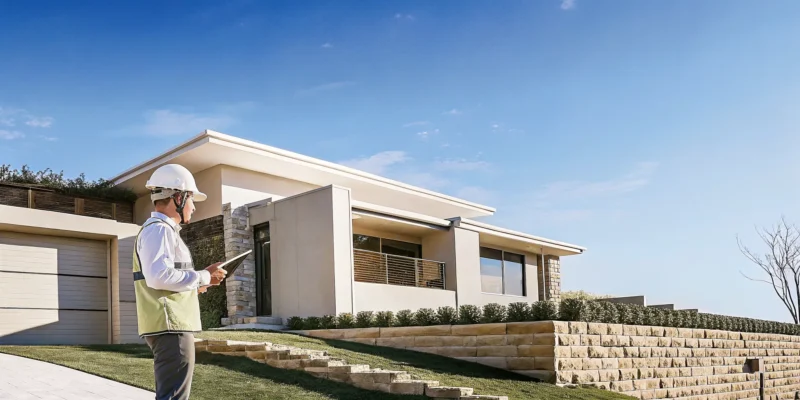
The timeless beauty of a stone wall can completely transform a property, turning an unusable slope into a breathtaking terraced garden. But the stunning stone face you see is only half the story. Behind that wall, an invisible battle is being fought against tons of soil and water pressure. This is why the expertise of a professional stone retaining wall contractor is non-negotiable. They are masters of the unseen, designing and installing critical drainage systems and structural reinforcements that keep your wall from bulging, cracking, or failing. Their work is a careful balance of artful design and robust engineering, ensuring your beautiful new feature stands strong through every season for decades to come.
Key Takeaways
- Focus on structure, not just style: A retaining wall’s longevity depends on its hidden engineering. Success requires a solid footing, proper gravel backfill, and a drainage system designed to manage immense water pressure.
- Choose a specialist, not a generalist: Your most important decision is the contractor. Hire a licensed and insured masonry expert with specific experience building retaining walls on Long Island, and always check their portfolio and references.
- Look for value, not the lowest price: The cheapest quote often leads to expensive future repairs. A quality retaining wall is a long term investment, so select a contractor who provides a detailed, transparent proposal that guarantees quality materials and expert craftsmanship.
What Does a Stone Retaining Wall Contractor Do?
When you decide to build a stone retaining wall, you’re adding a feature that is both functional and beautiful. But a successful wall is much more than a simple stack of stones. A professional stone retaining wall contractor manages the entire project from concept to completion, ensuring your wall is not only stunning but also structurally sound for decades. Their work is a blend of artistry, engineering, and project management.
A contractor’s responsibilities fall into three main categories. First, they handle the technical design and site preparation, which involves creating a solid plan based on your property’s unique conditions. Second, they guide you through material selection, using their expertise to source high-quality stones that fit your aesthetic and budget. Finally, they manage the entire installation process, including the critical, and often confusing, world of local permits and building codes. Hiring an expert for their masonry services means you’re investing in a safe, durable, and professionally executed project that protects and enhances your home.
From Design and Planning to Site Prep
A great contractor begins every project with a detailed plan. They don’t just start digging; they assess your property to understand the slope of the land, the type of soil, and how water moves across the area. This initial analysis is the foundation for a successful wall. A flawless retaining wall installation involves building a deep gravel backfill and installing vital weep holes to let trapped water escape safely from behind the stones. This prevents hydrostatic pressure, the force of water-saturated soil, from pushing against the wall and causing it to bulge or fail over time. This careful landscape design and preparation is what ensures your wall will stand strong through every season.
Sourcing High-Quality Materials
With a solid plan in place, the next step is choosing the right materials. A knowledgeable contractor will walk you through the options, from gorgeous natural stone to versatile manufactured blocks. They can explain the pros and cons of each, helping you find a material that complements your home and can withstand Long Island’s weather. Gappsi offers a wide selection of porcelain and natural stone pavers to suit any style. Furthermore, a reputable contractor often holds certifications from industry organizations. These credentials show a commitment to quality and ongoing education in the best installation practices, giving you confidence that your wall is built with proven, durable materials.
Handling Installation, Permits, and Local Codes
One of the biggest benefits of hiring a professional is letting them handle the red tape. Building a retaining wall, especially one over a certain height, almost always requires a permit. A qualified contractor understands the specific building codes for Long Island towns in Nassau and Suffolk counties. They know the requirements for wall height, footing depth, and drainage, and they will manage the entire permit application process for you. This ensures your project is fully compliant with local regulations, protecting you from potential fines or legal issues. Seeing a contractor’s finished projects can give you a sense of their professionalism and experience in executing these complex jobs correctly.
Key Benefits of a Stone Retaining Wall
A stone retaining wall is a powerful addition to your landscape, doing much more than just holding back soil. It’s a functional work of art that solves common yard problems while adding significant beauty and value to your home. Whether you’re dealing with a sloped yard or just want to create more defined, usable outdoor spaces, a well-built retaining wall offers a range of benefits. From protecting your landscape against erosion to creating stunning visual focal points, these structures are a smart investment in your property’s long-term health and appeal.
Control Soil Erosion and Manage Drainage
If your property has slopes or hills, you know the struggle of soil washing away after a heavy rain. A stone retaining wall is your best defense against erosion, keeping your valuable topsoil right where it belongs. This not only protects your plant beds and lawn but also prevents muddy runoff from covering your patios and walkways. Beyond holding back earth, a professionally installed wall is key for proper water management. Expert masonry construction includes features like gravel backfill and weep holes, which allow water to drain away safely instead of building up pressure behind the wall. This prevents water damage and keeps your yard from becoming a swampy mess.
Enhance Curb Appeal and Property Value
A stone retaining wall does more than just solve landscape problems; it adds a timeless, elegant look that can completely transform your property. By terracing a slope, you can create beautiful, multi-level garden beds or carve out new, functional spaces for a patio or seating area. This added utility and visual appeal directly contribute to your home’s curb appeal and can increase its overall market value. With a wide variety of porcelain and natural stone options available, you can choose textures and colors that perfectly complement your home’s style. A thoughtfully designed wall becomes a stunning focal point, turning an ordinary yard into a sophisticated outdoor retreat.
Choosing the Right Stone for Your Retaining Wall
Selecting the right material for your retaining wall is about more than just looks, it’s about long term performance. The stone you choose will define the wall’s character, influence its durability, and determine how well it complements your home and landscape. Your decision will likely come down to a balance of your personal style, your property’s specific needs, and your budget. From the timeless appeal of natural stone to the engineered strength of concrete blocks, each option brings its own set of benefits to the table. A retaining wall is a significant investment in your property, so making a thoughtful material choice is crucial for getting the results you want.
Thinking through these choices is a key part of the planning process. A great contractor can walk you through the pros and cons of each material, helping you find the perfect fit for your vision. They can also source high quality materials that ensure your wall not only looks fantastic on day one but also stands strong for years to come. Exploring the different types of porcelain and natural stone pavers available can give you a better sense of the textures and colors that might work for your space. We’ll cover the main categories to help you get started.
Natural Stone and Pavers
If you’re aiming for a look that feels both elegant and completely integrated with your landscape, natural stone is an incredible choice. Materials like fieldstone, granite, and limestone offer unique textures and color variations that manufactured products simply can’t replicate. Each stone is one of a kind, giving your retaining wall a timeless character that ages beautifully. This organic appearance helps the wall blend seamlessly into a garden setting, making it feel like a natural part of the environment. Natural stone is not just beautiful, its weight and density also make it an excellent and durable building material for creating a strong, lasting structure.
Manufactured Stone and Concrete Blocks
For homeowners who prioritize strength, versatility, and low maintenance, manufactured stone and concrete blocks are a fantastic solution. These materials are engineered for consistency and durability, designed to withstand the immense pressure that retaining walls endure. While you might think of concrete as purely functional, modern manufactured blocks come in a huge variety of styles, colors, and textures. Many are designed to mimic the appearance of natural stone, giving you a similar aesthetic with added structural integrity and often at a lower cost. This versatility allows you to achieve almost any look, from rustic to modern, while benefiting from the material’s engineered performance.
Custom Stone and Brick Options
For a truly distinctive look, custom stone and brick offer endless possibilities. Brick retaining walls provide a classic, traditional warmth that pairs beautifully with many architectural styles on Long Island. It’s a choice that feels both established and inviting. Custom-cut stone takes personalization a step further, allowing you to create a wall that is completely unique to your property. By working with a skilled masonry designer, you can select specific stones and have them shaped to fit a precise design. This approach is perfect for achieving a specific vision or matching the existing stonework on your home, ensuring your new retaining wall is a perfect, bespoke addition.
Why Local Expertise Matters on Long Island
When you’re building a structure meant to last for decades, who you hire is just as important as what you build. On Long Island, this is especially true. Choosing a contractor with deep local roots isn’t just about convenience; it’s about ensuring your stone retaining wall is built to withstand our specific environment. A local expert brings an understanding of regional soil, coastal weather patterns, and municipal regulations that a general contractor simply can’t match. This knowledge is the foundation of a project that is not only beautiful but also safe and durable for years to come.
Working with Long Island’s Soil Conditions
The ground beneath our feet on Long Island is more complex than you might think. From the sandy shores of the South Shore to the denser, clay-like soils found further inland, each area presents unique challenges for construction. An experienced local contractor understands how this soil will behave over time. They know how it shifts, how it drains (or doesn’t), and how much pressure it will exert on a retaining wall. This expertise informs crucial decisions during the build, like how deep to set the foundation and what type of backfill to use. Getting this right is essential for preventing future leaning, cracking, or failure of your wall.
Designing for Coastal Weather and Drainage
Living on an island means we get our fair share of coastal weather, including heavy rains and nor’easters. All that water needs a place to go, and if it gets trapped behind your retaining wall, it can create immense hydrostatic pressure. This is a leading cause of wall failure. A contractor familiar with Long Island’s climate will prioritize a robust drainage system from the very beginning. This includes installing a proper gravel backfill and weep holes, which allow water to escape safely. This proactive approach to landscape design protects your investment from the powerful forces of nature.
The Value of a Contractor’s Local Experience
A contractor’s local experience is the sum of their knowledge about soil, weather, and something equally important: local building codes. Every town and village on Long Island has its own set of rules and permitting processes. A seasoned local professional has established relationships and a clear understanding of what each municipality requires. This means your project is completed correctly and legally, avoiding potential fines or the need for costly revisions down the road. Their portfolio of local masonry projects serves as proof of their ability to deliver high-quality work that meets our area’s specific standards.
Essential Engineering for a Lasting Wall
A beautiful stone retaining wall is much more than what you see on the surface. Behind the stunning facade is a carefully engineered system designed to hold back tons of earth and water. Without this hidden strength, a wall can fail, leading to costly repairs and safety hazards. Understanding the key engineering principles is crucial, whether your wall is a small garden accent or a major structural element on your property. It’s what separates a wall that lasts a few years from one that stands strong for decades.
Wall Height, Load-Bearing, and When to Call an Engineer
There’s a general rule of thumb in landscaping: once a retaining wall gets taller than four feet, it’s playing in a different league. The pressure from the soil, known as the load, increases exponentially with height. At this point, a simple stacked stone design isn’t enough. This is where a professional engineer steps in to create a detailed plan. These plans specify the exact materials, reinforcement, and drainage needed to ensure the wall is safe and stable. A reputable contractor will always insist on proper engineering for taller walls, protecting both your investment and your property.
The Role of Geogrid Reinforcement and Backfill
For taller walls, geogrid is one of the most important tools in our arsenal. Think of it as a strong, flexible mesh that gets layered within the gravel backfill and connected to the wall. This grid essentially anchors the wall face to the soil behind it, creating a unified, reinforced block of earth that is much stronger and more stable. Just as important is the backfill itself. Using the native clay soil from your yard is a recipe for failure, as it holds water and expands. Instead, we use clean, granular fill like gravel, which allows water to drain freely and prevents pressure from building up behind the wall. Proper masonry techniques depend on using the right materials from start to finish.
Proper Footing Depth and Soil Analysis
Every stable structure starts with a solid foundation, and a retaining wall is no exception. The footing, a deep trench filled with compacted gravel, provides the base that your entire wall rests on. Its depth and width are critical for preventing the wall from shifting, settling, or leaning over time. We also incorporate drainage solutions right from the base, like perforated pipes that collect water and channel it away. For sloped yards, a thorough understanding of the soil and grade is essential. Thoughtful landscape design ensures the wall not only looks great but also effectively manages water runoff and prevents erosion.
How to Choose the Right Retaining Wall Contractor
Finding the right contractor is the most important decision you’ll make for your retaining wall project. A great contractor acts as your partner, guiding you through design, material selection, and construction while ensuring the final structure is both beautiful and built to last. This isn’t just about hiring someone to stack stones; it’s about entrusting an expert with the safety and value of your property. Taking the time to vet your options thoroughly will protect your investment and give you peace of mind. Here’s what to focus on to find a reliable professional for your Long Island home.
Verify Credentials, Licensing, and Insurance
Before you even discuss design, your first step is to confirm the contractor is properly licensed and insured. This is a non-negotiable part of the process. A retaining wall is a structural project, and expert masonry services require specialized skills that not every general contractor has. Neglecting to check credentials is a common mistake that can lead to major headaches.
Ask for proof of a current license to operate in your specific Long Island town, as well as certificates for general liability insurance and worker’s compensation. Liability insurance protects your property from accidental damage, while worker’s comp covers any injuries that might happen on-site. Without this coverage, you could be held financially responsible. A professional contractor will gladly provide these documents.
Review Their Portfolio and Client References
Once you’ve confirmed their credentials, it’s time to look at their work. A contractor’s portfolio is their resume, showcasing their craftsmanship, style, and the types of projects they’ve completed. As you’re reviewing their past projects, look for retaining walls that are similar in scope and material to what you envision for your home. Pay attention to the details, like the evenness of the stone placement and the clean lines of the finished wall.
Don’t stop at photos. Ask for a list of recent client references and take the time to call them. Ask about their experience with the contractor’s communication, professionalism, and ability to stick to the timeline and budget. Were they happy with the final result? A reputable company will be proud to connect you with satisfied customers.
Look for Clear Communication and Transparency
From your very first phone call, pay attention to how the contractor communicates. Are they responsive and easy to talk to? Do they listen to your ideas and answer your questions clearly? A major red flag is poor communication. If they are hard to reach or vague with their answers during the hiring process, it will likely only get worse once the project starts.
A trustworthy contractor is also transparent about costs and project details. They should provide a detailed, written contract that outlines the full scope of work, materials to be used, a clear timeline, and a payment schedule. This document protects both you and the contractor by setting clear expectations from the start. Avoid anyone who gives you a verbal-only quote or pressures you to make a quick decision. Your home improvement project deserves a partner who is open and honest every step of the way.
Understanding Stone Retaining Wall Costs
A stone retaining wall is a significant investment in your property’s beauty and stability. While it’s tempting to focus on the final number, understanding what goes into the cost will help you make a confident and informed decision. The price tag isn’t just about the stone itself; it reflects the design, engineering, materials, and expert labor required to build a structure that lasts for decades. A well-built wall prevents soil erosion, manages water runoff, and can dramatically increase your home’s curb appeal. To get the best value, you need to know what drives the price up or down and how to evaluate contractor quotes beyond the surface level. This means looking at everything from the wall’s dimensions and the type of stone used to the specific challenges of your property. By learning how to read between the lines of a quote, you can ensure you’re paying for quality craftsmanship that will stand the test of time, not just a low initial price that could lead to problems down the road.
Factors That Influence the Final Price
The final price of your retaining wall depends on several key elements. Size is the most obvious factor; a taller, longer wall requires more materials and labor. For perspective, a standard residential wall can range from $18,000 to $35,000, and costs can increase by 20% or more for walls over four feet that require special engineering and permits. The type of porcelain and natural stone you select also plays a major role. While natural stone may have a higher upfront cost, its durability and timeless appeal make it a worthwhile investment for many homeowners. Finally, site-specific conditions like soil type, grading, and property access can influence the labor involved in preparing the site and installing the wall correctly.
How to Compare Quotes Without Sacrificing Quality
When you start receiving quotes, it’s important to look beyond the bottom line. The lowest bid often comes at the expense of quality materials or proper installation techniques, which can lead to costly repairs later. Instead, focus on the value offered. A trustworthy contractor will provide a detailed, written proposal that outlines every aspect of the project. Be sure to verify their credentials, including licensing and insurance. You can also look for contractors with certifications from organizations like the National Concrete Masonry Association. Ask how they plan to manage drainage and handle your property’s unique layout. A quality contractor will provide clear answers, reflecting the expertise found in professional masonry services.
Common Mistakes to Avoid When Hiring a Contractor
Choosing a contractor for your stone retaining wall is a big decision, and it’s easy to feel overwhelmed by the options. While you want a beautiful finished product, the structural integrity of the wall is what truly matters. Making the right hire from the start helps you avoid headaches, unexpected costs, and even total project failure down the road. A great retaining wall should last for decades, but a poorly built one can show signs of trouble in just a few years.
To protect your investment and ensure your project is a success, it helps to know what common pitfalls to look out for. From the materials used behind the wall to the paperwork filed with your local town, every detail counts. By being aware of these potential missteps, you can ask smarter questions and feel more confident in your choice. Let’s walk through some of the most frequent mistakes homeowners make so you can steer clear of them.
Overlooking Proper Drainage Planning
One of the biggest mistakes in retaining wall construction is failing to plan for water. Without a proper drainage system, water from rain and soil can get trapped behind the wall. This creates immense hydrostatic pressure that pushes against the structure, causing it to bulge, crack, or even collapse. A professional contractor will always prioritize drainage in their design.
Your contractor should explain their plan for managing water. This often includes using a specific type of gravel for backfill, installing a perforated pipe at the base to channel water away, and adding weep holes to let moisture escape. Proper masonry design isn’t just about what you see; it’s about the invisible systems that make the wall strong and stable for years to come.
Choosing a Contractor Based on Price Alone
It’s always tempting to go with the lowest quote, but this is rarely a good idea when it comes to structural projects. An unusually low bid can be a red flag for several issues: the contractor might be cutting corners, using subpar materials, hiring an inexperienced crew, or they may not be fully licensed and insured. These shortcuts can lead to a faulty wall that will cost you far more to repair or replace in the future.
Instead of focusing only on the price, consider the overall value. A trustworthy contractor provides a detailed, transparent quote that explains all the costs involved. They should be able to show you a portfolio of their work and connect you with past clients. Investing in quality craftsmanship from the beginning is the best way to ensure your retaining wall is both beautiful and built to last.
Ignoring Local Building Codes and Permits
Building a retaining wall isn’t always a simple weekend project. Many towns on Long Island have specific building codes that dictate how a retaining wall must be constructed, especially if it’s over a certain height (often three or four feet). These rules are in place for safety and to ensure the structure is sound. Ignoring them can lead to hefty fines, legal issues, or even a mandate to tear the wall down.
A reputable contractor will be well versed in local regulations and will handle the entire permitting process for you. They will know when an engineer’s approval is needed and will ensure your project is fully compliant from start to finish. This is a key part of any professional landscape construction project and protects you from future liability.
Using the Wrong Backfill Material
The material placed directly behind your retaining wall is called backfill, and its role is critical. A common mistake is to simply use the dirt that was excavated from the site. Native soil, especially clay-heavy soil found in parts of Long Island, tends to hold water and expand, putting enormous pressure on the wall. This can quickly lead to structural failure.
Professional contractors use specific materials like angular gravel or crushed stone for backfill. These materials allow water to drain freely down to the drainage pipe at the base of the wall, relieving hydrostatic pressure. The choice of backfill is just as important as the natural stone pavers you choose for the wall’s face. Be sure to ask any potential contractor what material they plan to use for backfill and why.
How to Maintain Your New Stone Retaining Wall
A beautiful stone retaining wall is a fantastic investment in your property. To keep it looking great and functioning properly for years to come, a little bit of maintenance goes a long way. Think of it like any other important part of your home; regular check-ins can prevent small issues from becoming big problems. Here’s a simple guide to help you care for your new wall.
Routine Inspections and What to Look For
Making a habit of visually inspecting your retaining wall is the best first step. After a big storm or as the seasons change, take a walk around and look for any shifts. Pay attention to signs like leaning, bulging, or new cracks. It’s helpful to know that not all cracks are a cause for alarm; small fissures near corners can sometimes be a normal result of temperature changes. However, if you spot cracks that are widening, it’s important to keep a close eye on them. Taking a few photos every few months can help you track any changes and give you a clear record if you need professional restoration and sealing services.
Seasonal Upkeep and Drainage Care
Proper drainage is the secret to a long-lasting retaining wall. The entire structure is designed to manage water, so keeping the drainage system clear is your most important job. Water building up behind the wall creates immense pressure and is the most common cause of failure. At least twice a year, especially in the spring and fall, check that the drainage pipes or weep holes at the base of the wall are free of leaves, dirt, and debris. Also, ensure the ground at the top of the wall still slopes away from it, guiding surface water elsewhere. These simple steps help your wall do its job effectively and prevent water from becoming a destructive force.
When to Call Your Contractor for Help
While routine upkeep is manageable, some issues require an expert eye. It’s time to call a professional if you notice any major changes during your inspections. This includes obvious leaning or bulging, cracks that are getting wider or longer, or if entire sections of the wall seem to be shifting. Don’t hesitate to reach out to your contractor for an assessment. A professional can determine the cause of the problem and recommend the right solution. Getting an expert opinion early is the smartest way to protect your investment and ensure the safety and stability of your wall. Gappsi’s team has the masonry expertise to diagnose and resolve any issues.
Build Your Long Island Retaining Wall with Gappsi
Choosing a contractor for your stone retaining wall is a big decision. It’s tempting to assume any general contractor can handle the job, but masonry is a specialized skill that requires deep expertise. To build a wall that is both beautiful and structurally sound, you need a partner with a proven track record in stone and brickwork. Before you commit, it’s smart to verify a contractor’s qualifications and ensure they have specific experience building retaining walls on Long Island.
A great contractor will always start by discussing the unique characteristics of your property, including its soil type, water flow, and overall typography. Proper drainage is absolutely essential for a long-lasting retaining wall, and an experienced team will design a solution that accounts for these factors from day one. At Gappsi, our masonry experts have decades of experience working with the specific environmental conditions of Nassau and Suffolk counties. We take the time to understand your land and create a plan that ensures your wall will stand strong for years to come.
We believe in a transparent process, from the initial design to the final installation. We’ll walk you through our wide selection of high-quality materials, including stunning porcelain and natural stone, to find the perfect look for your home. With Gappsi, you’re not just hiring a contractor; you’re partnering with a team of dedicated designers and craftsmen who are committed to bringing your vision to life. We handle every detail, ensuring your project meets all local codes and exceeds your expectations.
Related Articles
- Cultured Stone & Masonry Contractors in Long Island | Gappsi Inc
- Top Concrete Block Retaining Wall Contractors Long Island
- masonry and landscape estimate long island – Gappsi Group
- Estimate for reinforced poured concrete footer for retaining walls long island – Gappsi Group
- Learn About Quality Retaining Walls for Your Long Island Backyard – Gappsi Group
Frequently Asked Questions
My retaining wall will only be two feet tall. Do I still need to hire a professional? While a very small, decorative garden border can sometimes be a DIY project, any wall that is actively holding back soil should be built with care. Even at two feet, a wall is under pressure from soil and water. A professional ensures the foundation is deep enough, the right backfill material is used, and proper drainage is installed. Hiring an expert prevents future issues like leaning or bulging, protecting your investment and ensuring the wall lasts.
Do I really need a permit to build a retaining wall on my property? In most Long Island towns, the answer is yes, especially if the wall is over a certain height, which is often three or four feet. These regulations are in place to ensure the structure is safe and won’t fail. A qualified local contractor will know the specific codes for your area and will manage the entire permit application process for you, which saves you from the complicated paperwork and ensures your project is fully compliant.
How long does a typical stone retaining wall project take to complete? The timeline for a retaining wall project can vary quite a bit. Factors like the wall’s size, the complexity of the design, site accessibility, and even the weather all play a role. The local permit process can also add time before any work begins. A smaller, straightforward wall might be completed in a week or two, while a large, engineered wall could take several weeks. A good contractor will provide you with a detailed and realistic timeline as part of their project proposal.
What are the most important signs that my existing retaining wall might be failing? The most common warning signs are visible leaning, a noticeable bulge in the face of the wall, or significant cracks that are getting wider over time. These symptoms often point to a deeper problem, usually related to immense pressure from water that isn’t draining properly. If you see any of these signs, it’s a good idea to call a professional for an assessment before the problem gets worse.
Besides the stone itself, what is the biggest factor that determines the cost of a retaining wall? The single biggest factor influencing the cost is the wall’s overall size, specifically its height and length. The cost doesn’t just increase in a straight line; it grows exponentially with height. A taller wall requires a deeper foundation, more reinforcement like geogrid, more extensive excavation, and often the added cost of a licensed engineer’s plan to ensure it is stable. This is why a four foot wall can cost significantly more per square foot than a two foot wall.