


That sloped yard you’ve been staring at doesn’t have to be a challenge. It’s an opportunity. A well-designed retaining wall can transform an unusable hill into a beautiful terraced garden, a level patio perfect for entertaining, or simply a secure, stable landscape free from erosion. But once you decide to move forward, the big question arises. Do you call a landscaper, a mason, or someone else entirely? Understanding who builds retaining walls in Long Island is the first critical step. This guide will walk you through the different types of professionals, what to look for in a contractor, and how to ensure your project is a success from the ground up.
Key Takeaways
- Vet your contractor thoroughly: Your project’s success depends on finding the right partner, so confirm they have a valid license, proper insurance, and a portfolio of local Long Island projects before signing a contract.
- Focus on the foundation and drainage: A retaining wall’s strength comes from its base and its ability to manage water. Ensure your contractor’s plan includes a deep, compacted foundation and a clear drainage strategy to prevent future bulging or collapse.
- Know what influences the final cost: Your total investment is shaped by the materials you choose, the wall’s dimensions, and your property’s specific conditions. Understanding these factors helps you set a realistic budget and evaluate estimates fairly.
Who Builds Retaining Walls on Long Island?
When you decide to add a retaining wall to your property, one of the first questions you’ll have is, “Who do I even call?” It’s a great question, because the right professional can make all the difference. On Long Island, you generally have three types of experts to choose from: masonry contractors, landscaping companies, and general contractors. Each brings a unique set of skills to the table, and the best choice for you really depends on the scope and style of your project. Understanding what each one does will help you find the perfect partner to build a wall that’s not only strong and functional but also a beautiful addition to your home.
Masonry Contractors
If you’re dreaming of a classic stone or intricate brick retaining wall, a masonry contractor is your specialist. These artisans are experts in working with materials like stone, brick, and concrete blocks. Their focus is on structural integrity and craftsmanship, ensuring every piece is perfectly placed for a wall that stands the test of time. Choosing a quality masonry contractor is one of the most important decisions you’ll make, as their skill directly impacts the beauty and longevity of the final project. They have the deep knowledge needed to build a durable structure that can handle Long Island’s changing seasons while looking absolutely stunning.
Landscaping and Hardscaping Companies
For homeowners who see a retaining wall as part of a bigger outdoor vision, a landscaping or hardscaping company is an excellent choice. These professionals think about how the wall integrates with your entire yard. They don’t just build a wall; they design a cohesive outdoor space where the retaining wall prevents erosion while also complementing your garden beds, patio, and overall aesthetic. A professional landscaping company can help you create a design that feels intentional and harmonious, turning a purely functional element into a beautiful landscape feature that enhances your property’s curb appeal.
General Contractors
If your retaining wall is part of a larger home improvement project, like a pool installation or a major backyard overhaul, a general contractor might be the right person to lead the charge. General contractors oversee the entire scope of the work, coordinating different specialists and ensuring everything runs smoothly. A knowledgeable contractor will be well-versed in local building codes and can take on the responsibility of obtaining the necessary permits for you. This is especially helpful for complex jobs where the wall needs to integrate with other structures, making them a great choice for large-scale home remodeling projects.
What Services Do Retaining Wall Contractors Offer?
When you hire a retaining wall contractor, you’re getting more than just someone to stack stones. A true professional offers a complete range of services to ensure your wall is beautiful, functional, and built to last. From the initial concept to the final cleanup, they handle every aspect of the project. This comprehensive approach is what separates a quick fix from a long-term investment in your property. Whether you’re starting from scratch or fixing an existing structure, a qualified contractor provides the expertise needed for a successful outcome.
Design and Planning
The most important phase of any retaining wall project happens before a single stone is laid. During the design and planning stage, a contractor will work with you to create a blueprint for success. This involves a thorough site assessment to understand your property’s slope, soil type, and drainage needs. They’ll discuss the wall’s purpose, whether it’s to create a level yard for a patio or prevent erosion on a hillside. A skilled masonry designer helps you choose the right materials and style to complement your home’s aesthetic, ensuring the final design is both structurally sound and visually appealing.
New Wall Construction
Once the plan is finalized, the contractor moves on to building your new wall. This service covers everything from excavation and foundation preparation to the precise installation of each block or stone. Professionals build custom walls that are perfectly suited to your property’s unique topography and your design preferences. A well-built retaining wall can also be a key element in a larger landscape design, seamlessly integrating with new garden beds, walkways, or pool surrounds. Expert construction is critical for ensuring the wall can withstand pressure and the elements for years to come.
Repair and Restoration
Retaining walls can fail over time due to poor drainage, shifting soil, or improper installation. Experienced contractors offer repair and restoration services to address these issues. This can range from fixing minor cracks and replacing damaged stones to completely rebuilding leaning or collapsing sections. A key part of this service is identifying and correcting the root cause of the problem, which often involves improving the drainage system behind the wall. Professional restoration services can save a failing wall, preventing the need for a full replacement and protecting your property from further damage.
What Are Retaining Walls Made Of?
Choosing the right material for your retaining wall is one of the most important decisions you’ll make. The material determines not only the wall’s appearance but also its strength, lifespan, and overall cost. Your choice should complement your home’s style and the surrounding landscape, creating a cohesive and beautiful outdoor space. From the rugged charm of natural stone to the clean lines of modern concrete, each option has its own unique character and benefits. A well-built wall does more than just hold back soil; it defines garden beds, creates terraced patios, and adds visual interest to your entire property.
As you consider what’s best for your property, think about the look you want to achieve and the level of maintenance you’re comfortable with. Some materials offer timeless durability with little upkeep, while others might provide a specific aesthetic at a different price point. The right material can transform a simple, functional wall into a stunning landscape feature. At Gappsi, our masonry experts can walk you through the best options for Long Island’s climate, ensuring your retaining wall is both beautiful and built to last. Let’s look at some of the most common materials used for retaining walls.
Concrete and Concrete Blocks
Concrete is a true workhorse in the world of retaining walls, prized for its incredible strength and versatility. You can choose from poured concrete for a sleek, seamless look or interlocking concrete blocks for a more textured appearance. These blocks are engineered to fit together perfectly, creating a stable and durable structure. They also come in a huge variety of colors, shapes, and finishes, some of which are designed to mimic the look of natural stone at a more accessible price point. This makes concrete a fantastic choice for almost any design, from modern to traditional.
Natural Stone
If you’re looking for a retaining wall with timeless beauty and character, natural stone is an unbeatable choice. Each stone is unique, giving your wall an organic and high-end look that blends seamlessly into any landscape design. Materials like granite, fieldstone, and limestone are exceptionally durable and can withstand Long Island’s weather for generations. While it can be a bigger investment upfront, a wall built from natural stone adds significant value and a touch of rustic elegance to your property that manufactured materials simply can’t replicate.
Timber and Wood
Timber retaining walls can bring a warm, rustic feel to a garden and are often a more budget-friendly option. They work especially well for smaller, decorative garden beds or in landscapes with a natural, woodsy theme. However, it’s important to be realistic about their lifespan. Even when treated, wood is susceptible to rot, moisture, and insect damage over time, especially in our coastal climate. It will require more maintenance and will likely need to be replaced sooner than a wall made of stone or concrete.
Brick
For a classic and traditional look, brick is an excellent choice. It offers a clean, uniform appearance that can perfectly match a brick home or patio, creating a polished and cohesive design. Brick is very durable and holds up well against the elements, but it may require more maintenance than concrete over the long term. The mortar joints between the bricks can sometimes crack and need repointing to keep the wall structurally sound. Proper installation is key, so working with skilled masonry contractors is essential for a brick wall that lasts.
How Much Does a Retaining Wall Cost on Long Island?
Figuring out the cost of a retaining wall is a lot like pricing out any major home project, there isn’t a single, simple answer. The final price tag depends entirely on the specifics of your property and your vision. Every yard in Long Island is different, so every retaining wall project is, too. The total cost is a combination of a few key factors: the materials you choose, the size of the wall, the condition of your property, and the labor required to build it right.
Think of a retaining wall as a long-term investment in your home’s safety, function, and beauty. It can prevent soil erosion, create more usable flat space for a patio or garden, and add significant visual appeal. Understanding the variables that affect the price will help you set a realistic budget and ask the right questions when you get an estimate from a professional.
How Material Choice Affects the Price
The material you select is one of the biggest factors in your retaining wall’s final cost. Your choice will depend on the look you want, your budget, and how much structural support your yard needs. For example, interlocking concrete blocks are a popular and often cost-effective option that comes in many styles and colors. On the other hand, a wall built from natural stone offers a timeless, high-end look but typically comes with a higher price tag for both the materials and the skilled labor needed to install it. Timber or wood walls can also be an option, though they may require more maintenance over time.
The Impact of Wall Size and Site Conditions
It makes sense that a larger wall will cost more, but the unique conditions of your property also play a huge role. A homeowner on a mostly flat lot in Massapequa who needs a simple two-foot wall faces a very different project than someone in Cold Spring Harbor with a steep hillside requiring an eight-foot engineered wall. Taller walls need more reinforcement, proper drainage systems, and sometimes geogrid to hold back the soil safely. The accessibility of the site also matters. If your yard is difficult to access with machinery, the extra manual labor will add to the overall cost. A thorough site assessment is the first step to getting an accurate price.
Factoring in Labor, Permits, and Regulations
When you hire a professional, you’re paying for more than just the physical construction. The labor cost includes the team’s expertise in understanding Long Island’s soil conditions, designing effective drainage, and building a structure that will last for decades. This isn’t an area where you want to cut corners. Additionally, many towns have regulations for retaining walls. Walls over a certain height, often four feet, typically require building permits and plans from a licensed engineer to ensure they are structurally sound. A reputable masonry contractor will handle the entire permit process for you, making sure your project meets all local codes and is built safely and legally.
How to Choose a Long Island Retaining Wall Contractor
Finding the right contractor is the most important step in ensuring your retaining wall is beautiful, functional, and built to last. A great partner will guide you through material selection, design, and construction, making the entire process feel seamless. The wrong one can lead to costly repairs and headaches. When you start your search, you’re not just hiring someone to stack blocks; you’re entrusting them with the safety and integrity of your landscape.
Taking the time to properly vet your options will pay off for years to come. A professional masonry contractor will have a proven process for everything from the initial consultation to the final cleanup. By focusing on a few key qualifications, you can confidently choose a team that will deliver a high-quality retaining wall that enhances your property’s value and appeal. These steps will help you identify a skilled, reliable, and trustworthy contractor for your Long Island home.
Verify Their Licensing and Insurance
Before you even discuss design or materials, your first step should be to confirm the contractor is properly licensed and insured. This is non-negotiable. A valid license proves they meet New York’s standards for construction, while insurance protects you from any liability. If an accident happens on your property during the project, their general liability and worker’s compensation policies ensure you are not held financially responsible. Any reputable company will be upfront with this information and should provide documentation upon request. Think of it as your first and most important safety check.
Confirm Their Local Expertise
Long Island has its own unique environmental factors, from its sandy soil composition to its coastal weather patterns. A contractor with deep local experience will understand these nuances. They’ll know which materials perform best in our climate and how to engineer a wall that can withstand freeze-thaw cycles and manage water runoff effectively. A team that has spent years designing landscapes in Suffolk and Nassau counties will have the practical knowledge to build a structure that isn’t just attractive, but also structurally sound for the long haul. Their familiarity with local building codes and permit processes also helps your project run smoothly.
Review Their Portfolio of Past Projects
A picture is worth a thousand words, especially when it comes to construction. Ask every potential contractor to see a portfolio of their completed retaining wall projects. This is your chance to assess the quality of their craftsmanship and their stylistic range. Look for examples that are similar to what you have in mind for your own home. Do they have experience working with different materials, like natural stone pavers or modern concrete blocks? A robust portfolio, like the project galleries on the Gappsi YouTube channel, demonstrates experience and gives you a clear idea of the final product you can expect.
Read Reviews and Check Their Reputation
While a portfolio shows the finished work, reviews and testimonials tell you about the client’s experience during the project. Look for feedback on the contractor’s communication, professionalism, timeliness, and what it was like to work with their team. Online reviews on platforms like Google and Houzz are a great starting point. For a deeper insight, ask the contractor for a list of references you can speak with directly. Talking to a past client can give you an honest perspective on the entire process, from the initial bid to the final walkthrough.
Ask for a Transparent Estimate and Contract
Once you’ve narrowed down your choices, the final step is to get a detailed, written estimate and contract. A vague, “ballpark” figure is a red flag. A professional contractor will provide a clear proposal that breaks down all the costs, including materials, labor, permits, and any other potential expenses. The contract should explicitly outline the scope of work, the project timeline, the payment schedule, and the warranties provided. This document protects both you and the contractor by setting clear expectations from the start and preventing any surprises along the way.
Common Retaining Wall Mistakes to Avoid
A well-built retaining wall is a long-term investment in your property’s safety and beauty. But when key steps are missed, that investment can quickly turn into a liability. A failing wall isn’t just an eyesore; it can cause serious property damage and become a safety hazard. Understanding the most common pitfalls is the first step to ensuring your project is a success from day one.
Whether you’re building a new wall or repairing an old one, avoiding these mistakes will save you from costly headaches down the road. It all comes down to proper planning, using the right materials, and working with a contractor who knows the unique challenges of building on Long Island. Let’s walk through the major mistakes so you can feel confident about your project.
Skipping Proper Drainage
One of the biggest mistakes in retaining wall construction is overlooking drainage. Water is incredibly heavy, and when it gets trapped in the soil behind your wall, it creates immense hydrostatic pressure. This pressure is the number one cause of retaining wall failure, leading to bulging, cracking, and even total collapse. It’s a powerful force that can compromise even the strongest materials over time.
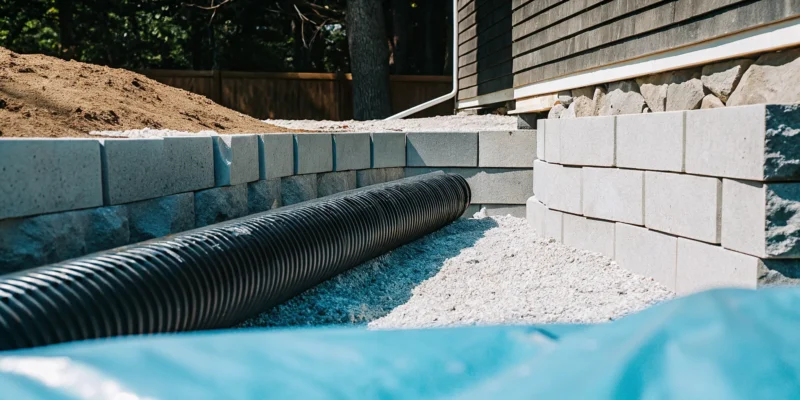
An experienced contractor will always incorporate a drainage system to relieve this pressure. This usually involves using gravel for backfill, installing a perforated pipe to channel water away, and adding weep holes to let moisture escape. A professional team will assess your property’s specific soil conditions and grading to design a drainage solution that keeps your wall stable for decades. Proper masonry design always accounts for water management.
Building on a Weak Foundation
A retaining wall is only as strong as the base it sits on. Without a solid, properly prepared foundation, the wall is destined to fail. A weak foundation will cause the wall to settle unevenly, lean, or shift over time, creating cracks and instability. This is especially true on Long Island, where the freeze-thaw cycles of winter can cause the ground to heave and move.
A proper foundation starts with excavating to the correct depth, which should be below the local frost line. The base must then be filled with compacted aggregate to create a dense, level pad for the first course of blocks or stones. Cutting corners on the foundation might save a little time or money upfront, but it will almost certainly lead to expensive restoration work in the future.
Ignoring Local Permits and Rules
Many homeowners are surprised to learn that retaining walls, especially those over a certain height (often three or four feet), require building permits. Each town and village across Nassau and Suffolk counties has its own set of codes and regulations. Ignoring these rules is a serious risk. If the town discovers an unpermitted wall, they can issue fines and may even require you to tear it down completely.
A reputable contractor will be an expert on local requirements and will handle the entire permitting process for you. If a potential contractor tells you a permit isn’t needed for a significant project, consider it a major red flag. Professionals who perform comprehensive home remodeling services understand that following local codes is a non-negotiable part of any quality construction project.
Choosing the Lowest Bid Without Vetting
It’s always tempting to go with the lowest price, but when it comes to construction, a bargain bid can be a warning sign. Contractors who offer suspiciously low prices are often cutting corners somewhere. This could mean they are using subpar materials, skipping crucial steps like drainage or foundation prep, or are not properly licensed and insured. You might save some money initially, but you’ll pay for it later when the wall fails.
Instead of focusing only on price, thoroughly vet every contractor. Ask for proof of licensing and insurance, look at their portfolio of past work, and read online reviews. You can often see the quality of a company’s work on their website or social media, like Gappsi’s YouTube channel. A transparent estimate from a reputable company might be higher, but it reflects the true cost of building a wall that lasts.
Waiting Too Long to Call a Professional
If you notice your existing retaining wall is leaning, cracking, or bulging, it’s easy to put off dealing with it. Many homeowners hope the problem isn’t serious or will somehow fix itself. Unfortunately, these issues only get worse with time. What might start as a minor issue can quickly escalate, turning a potential repair into a full-blown replacement project, which is much more expensive and disruptive.
Don’t wait for a small problem to become a big one. The moment you see signs of distress, call a professional for an assessment. An expert can diagnose the root cause of the failure and explain your options. Getting a professional opinion early on from a masonry construction company will give you the information you need to make a smart decision before the situation gets out of hand.
Related Articles
- Learn About Quality Retaining Walls for Your Long Island Backyard – Gappsi Group
- Top Concrete Block Retaining Wall Contractors Long Island
- masonry and landscape estimate long island – Gappsi Group
- Estimate for reinforced poured concrete footer for retaining walls long island – Gappsi Group
- Cultured Stone & Masonry Contractors in Long Island | Gappsi Inc
Frequently Asked Questions
My yard has a slope, but how do I know if I actually need a retaining wall? That’s a great question. While a gentle slope might not be a problem, you should consider a retaining wall if you see signs of soil erosion, like dirt washing away after it rains. A wall is also necessary if you want to create more usable, flat space for things like a patio, a garden, or a play area. A professional can assess your property to see if a wall is the right solution to manage your landscape and prevent future issues.
My existing retaining wall is leaning. Can it be repaired, or does it need to be completely replaced? It really depends on why the wall is failing. Sometimes, minor cosmetic issues or a few damaged blocks can be repaired. However, if the wall is leaning or bulging, it often points to a deeper problem, like a failed foundation or a lack of proper drainage. In those cases, a full replacement is usually the safest and most effective long-term solution to correct the root cause of the failure.
How long does a typical retaining wall project take from start to finish? The timeline for a retaining wall project can vary quite a bit. A simple, small garden wall might only take a few days to complete. A larger, more complex project that requires significant excavation, engineering, and permits could take several weeks. Factors like weather, site accessibility, and the permit approval process in your specific town all play a role in the final schedule.
Do I really need a permit for a small retaining wall? You might. Permit requirements are set by your local town or village, and they usually depend on the height of the wall. Many areas on Long Island require a permit for any wall over three or four feet tall. It’s a step you should never skip. A professional contractor will know the specific rules for your area and will handle the entire permitting process for you, ensuring your project is built safely and legally.
What’s the most important factor when choosing a material for my wall? The best material is one that successfully balances three things: your home’s aesthetic, your budget, and the structural demands of the wall. For example, natural stone offers a beautiful, high-end look but comes at a higher cost. Interlocking concrete blocks are very strong and versatile, offering many styles at a more accessible price point. Think about what’s most important to you, a specific look or a specific budget, and a good designer can help you find the perfect fit.