


Your backyard should be a reflection of your personal style, a place where you can relax and entertain. When it comes to designing your patio, you don’t have to settle for a plain, uniform surface. Exposed aggregate concrete gives you a creative canvas to work with. By selecting from a wide variety of natural stones, colors, and textures, you can craft a truly one-of-a-kind look. This versatile material allows you to design a space that feels both high-end and completely personal. We’ll explore how you can use it to create a stunning exposed aggregate concrete alfresco space that complements your home and landscape perfectly.
Key Takeaways
- Balance style with safety: Exposed aggregate offers a highly durable and textured finish, which provides natural slip resistance perfect for pool decks and walkways while still looking beautiful.
- Personalize your patio design: You can create a completely custom look by choosing the specific colors, sizes, and types of stones in the concrete mix, ensuring the final surface matches your home’s aesthetic.
- Prioritize a professional installation: Because repairs can be tricky to match perfectly, a high-quality initial installation is crucial for ensuring proper drainage, structural integrity, and a flawless finish that lasts for years.
What Is Exposed Aggregate Concrete?
If you’re looking for a surface that’s both beautiful and incredibly practical for your outdoor space, exposed aggregate concrete is a fantastic option. Think of it as concrete with its inner beauty revealed. The process involves washing away the top layer of cement paste to uncover the natural stones, pebbles, and sand mixed within. This creates a durable, textured surface that offers a unique, decorative finish, blending the strength of concrete with the organic look of natural stone. It’s a popular and stylish choice for patios, walkways, and pool decks.
How It Compares to Other Finishes
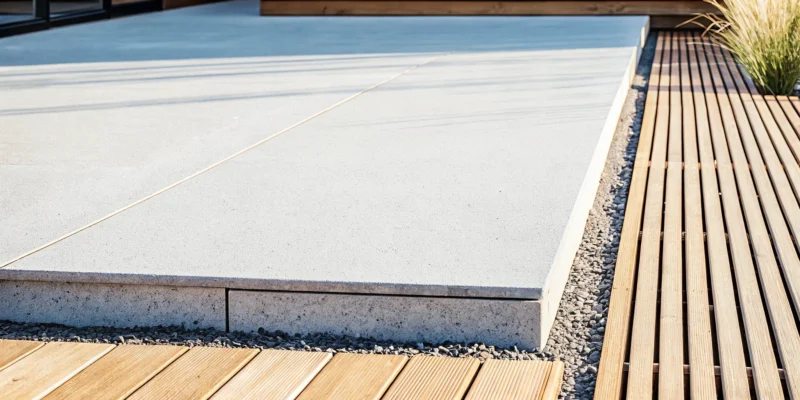
You don’t have to commit to just one material for your entire backyard project. Exposed aggregate offers a distinct look compared to other finishes, and it pairs beautifully with different materials. Unlike the flat, uniform appearance of standard brushed concrete, exposed aggregate provides a multi-tonal, textured surface that feels more natural. While stamped concrete mimics patterns like brick or stone, exposed aggregate showcases the real, varied stones within the mix. You can even use it to create stunning visual contrast by framing your patio with sleek porcelain pavers for a truly custom design.
Why It’s Perfect for Outdoor Spaces
Exposed aggregate is a workhorse for outdoor living areas. It’s one of the most durable concrete finishes available, designed to stand up to heavy foot traffic, patio furniture, and Long Island’s diverse weather conditions. The textured finish isn’t just for looks; it also provides excellent slip resistance, making it a much safer choice for surfaces that get wet. This quality makes it an ideal material for surrounding swimming pools or for walkways and patios where you want extra grip. It’s a surface that is built to last and look great for years to come.
Busting Common Myths About Exposed Aggregate
A few misconceptions float around about exposed aggregate, so let’s clear them up. First is the idea that it’s hard to maintain. In reality, it’s very low maintenance. The varied texture is great at hiding minor dirt, and a quality sealant makes cleaning easy. Regular restoration and sealing will protect it from stains and weather. Another concern is repairs. It’s true that because each batch is a unique mix, getting a perfect color match for a patch can be difficult. This is why a high-quality, professional installation is so important from the start to ensure a flawless finish that won’t need repairs.
Weighing the Pros and Cons for Your Patio
Deciding on the right material for your patio is a big step. Exposed aggregate concrete has some fantastic benefits, but like any material, it also has a few things to keep in mind. Let’s walk through the pros and cons together so you can feel confident in your choice.
Pro: Incredible Durability and Weather Resistance
Exposed aggregate is a powerhouse when it comes to standing up to the elements. Its unique composition makes it incredibly strong and resistant to whatever Long Island weather throws at it, from hot summer sun to freezing winter nights. This isn’t a delicate surface; it’s built to last, handling everything from patio furniture to foot traffic with ease. When you choose exposed aggregate, you’re investing in a surface that will maintain its integrity and function for many years. Proper restoration and sealing can extend its life even further, keeping it looking great season after season.
Pro: A Safer, Slip-Resistant Surface
One of the most practical benefits of exposed aggregate is its textured finish. This natural, pebbly surface provides excellent traction, which is a huge plus for any outdoor space. It helps reduce the risk of slips and falls, especially in wet conditions. This makes it an ideal choice for pool surrounds, walkways, and any area where you want extra peace of mind for your family and guests. When designing your backyard oasis, pairing this slip-resistant surface with one of Gappsi’s custom swimming pools creates a safer and more enjoyable environment for everyone.
Pro: Endless Style and Customization Options
This is where the fun really begins. Exposed aggregate offers a surprising amount of creative freedom. You can completely personalize the look of your patio by choosing from a wide variety of stones, colors, and textures. Whether you prefer a subtle, natural look with earthy tones or a bold design with contrasting aggregates, the choice is yours. This versatility means your patio can be a true reflection of your personal style and a seamless extension of your home’s aesthetic. It’s a key part of creating a cohesive landscape design that feels uniquely you.
Con: Repairs Can Be Tricky
While exposed aggregate is incredibly durable, no surface is completely immune to damage. If a repair is needed, it can be a bit challenging. Because each batch of concrete is a unique mix of stones and cement, getting a perfect color and texture match can be difficult. However, this doesn’t mean it’s impossible. A skilled professional with experience in masonry can often blend repairs so they are nearly invisible. It’s just important to know that fixing a chip or crack might require more expertise than with a standard concrete slab.
Con: The Textured Surface and Bare Feet
The same texture that provides excellent slip resistance can also be a little rough on bare feet. For most people, it’s not a dealbreaker, but it’s something to consider if you envision your family frequently running around barefoot, especially young children. We recommend feeling a sample to see how it feels to you. It’s also a surface where professional installation is key. If the underlying structure isn’t prepared correctly, it can lead to problems down the road. Working with an experienced team ensures your beautiful new patio is built on a solid foundation.
Key Design Considerations for Your Space
Once you’ve decided that exposed aggregate is the right fit for your home, the fun part begins: designing the space. This is your chance to create a truly one-of-a-kind patio that reflects your personal style. From the stones themselves to the overall layout, every choice contributes to the final look. Thinking through these details ahead of time will help ensure your new outdoor area is everything you’ve dreamed of.
Choosing Your Color, Texture, and Stone
The beauty of exposed aggregate concrete is that the top layer is washed away to reveal the natural stones, or aggregate, mixed within. This process gives the surface its signature textured appearance. The type of aggregate you choose is the biggest factor in your patio’s final look. You can select from a wide range of stones, from small, smooth river pebbles to larger, more angular crushed stones. The color palette is just as diverse, with options including earthy browns, cool grays, and warm tans. By carefully selecting your aggregate, you can create a surface that perfectly complements your home’s exterior and your overall landscape design. Our team can show you a variety of porcelain and natural stone options to help you visualize the possibilities.
Mixing Materials for a Custom Look
Exposed aggregate is stunning on its own, but it also pairs beautifully with other materials for a truly custom design. You can create visual interest by adding a smooth concrete border around your aggregate patio or by laying a contrasting pattern of pavers. For example, you might use slip-resistant exposed aggregate around your pool deck and then transition to large, smooth porcelain pavers for the adjoining lounge area. This approach allows you to define different zones within your outdoor space while maintaining a cohesive feel. Combining materials is an art, and our masonry design experts can help you find the perfect balance for a sophisticated, high-end look.
Patio Design Ideas and Inspiration
The versatility of exposed aggregate opens up a world of design possibilities beyond a simple square patio. Think about creating gentle, curved walkways that meander through your garden or designing a multi-level patio with integrated steps. You can use it to craft a sleek, modern outdoor living room or a rustic alfresco dining area. Exposed aggregate is also an excellent choice for driveways, providing a durable and attractive entrance to your home. For more visual ideas and to see how these concepts come to life, you can find a wealth of completed projects on the Gappsi YouTube channel that will surely spark your imagination.
Factoring in Long Island’s Climate
Any outdoor material on Long Island has to be tough enough to handle our distinct seasons, from hot, humid summers to freezing winters. Exposed aggregate concrete is exceptionally strong and known for its ability to withstand weather changes and heavy use. Its durability makes it a reliable choice for our climate. However, proper installation and sealing are critical. A high-quality sealer protects the surface from the freeze-thaw cycles that can cause damage, preventing moisture from seeping in and cracking the concrete. Regular maintenance, including cleaning and resealing, is key to its longevity, and our restoration and sealing services can keep your patio looking its best for years.
Planning for Proper Drainage
Proper drainage is one of the most important, yet often overlooked, aspects of patio installation. Without it, you can end up with pooling water, which can lead to staining, moss growth, and potential damage over time, especially during winter freezes. A professional installation always begins with preparing the ground underneath. The site must be graded with a slight, almost imperceptible slope away from your home’s foundation. This ensures that rainwater and melting snow run off the surface naturally. The ground is then compacted firmly to create a stable base that won’t shift or settle. This foundational work is crucial for the longevity of any patio, and it’s a key part of our expert masonry construction process.
How Is Exposed Aggregate Concrete Installed?
Creating a beautiful and durable exposed aggregate surface is a multi-step process that relies on precision and expertise. While it might seem straightforward, each stage requires careful attention to detail to ensure the final product is not only stunning but also built to last for decades. From preparing the ground correctly to applying the final protective seal, a professional installation is key to getting the results you want. Understanding these steps can help you know what to expect and what to look for when working with your contractor.
Preparing the Site and Foundation
A great patio starts with a solid foundation. Before any concrete is poured, the site needs to be properly prepared. This involves grading the ground to ensure proper drainage and compacting the soil thoroughly to prevent settling. We typically pour a concrete slab that is at least four inches thick, sometimes five for added strength, with thicker edges for more support. To create an ideal base, a layer of compacted gravel is often added, followed by a thin layer of sand. This preparation is a critical part of our masonry construction, ensuring your patio remains stable and level for years to come. A moisture barrier is also placed down to stop water from seeping up from the ground.
Planning for Joints and Expansion
Concrete naturally expands and contracts with changes in temperature. Without a plan for this movement, your beautiful new patio could crack. That’s why we incorporate control and isolation joints into the design. Isolation joints are especially important where the new patio meets your house foundation or another existing concrete structure. These joints create a small gap, often filled with a flexible material, that allows the slabs to move independently without damaging each other. This foresight prevents stress fractures and preserves the structural integrity of both your home and your new outdoor space, ensuring a long-lasting, flawless finish.
The Pouring and Exposure Process
Once the site is prepped, it’s time for the pour. During this stage, we place steel reinforcement, like rebar or wire mesh, inside the forms. We use special supports called “chairs” to hold the steel in the middle of the slab’s thickness, which is essential for providing maximum tensile strength. After the concrete is poured and leveled, the magic happens. The top layer of cement paste is carefully removed to reveal the decorative stones beneath. This can be done by spraying the surface with a retarder and washing it off later or by seeding the aggregate onto the surface. You can see our team’s expert process on the Gappsi YouTube channel.
Curing, Sealing, and Final Touches
The final step is arguably one of the most important for long-term beauty and durability. After the concrete has cured properly, we apply a high-quality sealer. This protective layer is essential for an exposed aggregate finish. It locks the small stones in place, preventing them from coming loose over time. It also provides a crucial barrier against stains from spills, dirt, and leaves, making cleanup much easier. Furthermore, a good sealer helps prevent the growth of mold and mildew. Our restoration and sealing services ensure your patio is protected from the elements and keeps its rich color and texture for years.
Understanding the Cost of Exposed Aggregate
When you’re planning a new patio, driveway, or pool deck, the budget is always a top consideration. Exposed aggregate concrete is a premium finish, and its price reflects the custom craftsmanship and high-quality materials involved. Understanding the costs upfront helps you make an informed decision and appreciate the long-term value this beautiful, durable surface brings to your home. Let’s break down what you can expect to invest in an exposed aggregate project.
A Look at Cost Per Square Foot
Generally, you can expect the price for exposed aggregate concrete to fall somewhere between $11 and $20 per square foot. This range often covers the entire process from start to finish, including the materials, the concrete mix, and the labor to pour and finish the surface. Keep in mind that this is a general estimate. The final cost will depend on the specifics of your project, like the thickness of the concrete slab and the types of stones you choose. While it may be more of an initial investment than simple brushed concrete, its unique look and durability make it a popular choice alongside other premium materials like porcelain and natural stone pavers.
What Factors Influence the Final Price?
Several key factors will determine your final quote. A straightforward project, one that uses local pea gravel and doesn’t require demolition of an old surface, will naturally be on the lower end of the cost spectrum. However, the price can increase based on project complexity. This includes things like extensive site preparation, the removal of existing concrete, or the need for significant grading. The type of aggregate you select also plays a big role. While local stones are cost-effective, choosing more unique or exotic aggregates like colored glass or decorative river rocks will add to the material cost. Our expert masonry team can walk you through these options to find a solution that fits your vision and budget.
Long-Term Care: Cleaning and Maintenance Tips
One of the best things about exposed aggregate is how easy it is to maintain. Despite its textured appearance, it requires very little upkeep, especially when it’s properly sealed. For the most part, you can keep it looking great with a simple hosing down to clear away dirt and leaves. If you encounter a more stubborn spot, a gentle scrub with a mild detergent is usually all it takes. To keep your surface protected from the elements and looking its best, we recommend having it resealed every few years. Gappsi offers professional cleaning and sealing services to ensure your investment stays in top condition for years to come.
Is Exposed Aggregate Worth the Investment?
Absolutely. Exposed aggregate is an investment in both beauty and durability. It’s known for being incredibly strong and capable of handling Long Island’s diverse weather, from hot summers to freezing winters. Its robust nature makes it durable enough for high-traffic areas, including driveways that need to support heavy vehicles. Beyond its strength, you get a one-of-a-kind appearance that adds instant curb appeal and character to your property. Because you can customize the stone type, color, and texture, it integrates perfectly into your overall landscape design. It’s a functional, long-lasting surface that truly enhances the value and enjoyment of your home.
Related Articles
- 3 Best Paving Materials for Pool Patios & Coping
- Build a Stone Patio on Grass: A Step-by-Step Guide
- FAQ about Swimming pools, Landscape, masonry, carpentry, natural stone.
- Paver Sealing Archives – Gappsi Group
- Polymeric Paver Sealing & Cleaning Services | Gappsi Inc
Frequently Asked Questions
Can I really customize the look of my exposed aggregate patio? Yes, absolutely. Customization is one of its best features. You get to choose the specific stones, called aggregate, that are mixed into the concrete. This means you can select the size, shape, and color of the rocks to create a look that is completely unique to your home. You can go for a subtle, natural feel with local pebbles or a more distinct style with different colored stones.
Is exposed aggregate a good choice for around a pool? It’s an excellent choice for pool decks. The natural texture created by the exposed stones provides fantastic slip resistance, which is a huge safety benefit in areas that are constantly wet. It offers much more grip than a standard smooth concrete surface, giving you extra peace of mind when family and friends are enjoying the pool.
How much work is it to keep exposed aggregate looking good? You’ll be happy to know it’s very low maintenance. The textured, multi-tonal surface is great at hiding minor dirt. For general cleaning, a simple rinse with a garden hose is often enough. To keep it in top shape and protect it from stains and weather, we recommend having it professionally cleaned and resealed every few years. This simple step preserves its color and durability.
Is the textured surface uncomfortable to walk on with bare feet? This is a great question and it really comes down to personal preference. The same texture that provides great slip resistance can feel a bit rough to some people, especially those with sensitive feet. It’s not sharp or painful, but it’s not as smooth as indoor flooring. We always suggest feeling a sample to see how you like it before making a final decision.
How long will an exposed aggregate patio last? With professional installation and basic care, an exposed aggregate patio is built for the long haul. It’s an incredibly durable material designed to withstand heavy foot traffic and Long Island’s changing seasons for decades. The key is proper site preparation and sealing from the start, which protects the concrete and ensures it remains a beautiful, functional part of your home for many years.