


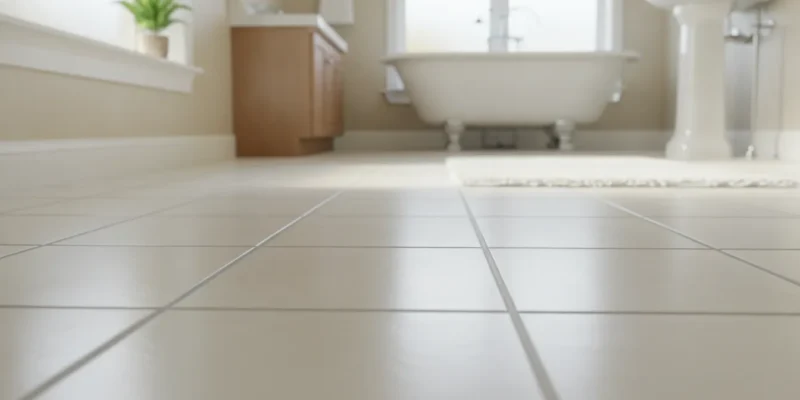
Bathroom grout sealing cost Long Island homeowners see in published local ranges starts around $75 to $200 for a basic bathroom whose grout is already sound and clean. The bill climbs once cleaning, color, or repair is part of the visit. That range is a starting price for tile in good condition, not a bid for stained shower joints or crumbling lines. National figures for a larger 160-square-foot area land near $150 to $250. That is about $1.56 to $2.00 per square foot before stone, small tile, or a deep clean is added.
Contact Gappsi through our contact page for a bathroom grout sealing quote based on the room you actually have.
The number that matters is the one on your floor and shower, not a national average pasted onto a powder room. A small mosaic shower and a matte stone floor is a different job from a guest bath with large glazed tile and tight, intact joints. This guide prices the sealing visit itself. It does not walk through mop-and-steam cleaning steps, color-product picks, or a full remodel budget.
What Is Bathroom Grout Sealing Cost on Long Island?
For a basic seal on tile and grout already in excellent condition, Steam Squad’s July 2026 Long Island guide published starting prices. That guide lists $75 to $150 for a small bathroom with 50 to 80 square feet of tile, and $100 to $200 for a standard bathroom with 80 to 150 square feet. These are not Gappsi prices.
The same note says those figures are starting prices only, and that most jobs cost more once prep is included. Heavy staining, mold, or buildup moves the bill up because the grout has to be cleaned before a sealer will sit in the pores.
National data lines up with that local floor, then stretches it for bigger areas. Angi’s 2026 grout sealing cost guide, updated October 20, 2026, puts professional sealing at $150 to $250 for 160 square feet, with a national average of $200 including materials and labor. Per square foot, Angi cites about $1.56 on a standard 160-square-foot area and up to about $2.00 on larger spaces. Homewyse’s May 2026 unit-cost note puts a basic seal at $1.35 to $2.46 per square foot. Use both as planning bands, not as Gappsi’s price.
| Job | Planning range | What the figure covers |
|---|---|---|
| Small bathroom, basic seal | $75 to $150 | About 50 to 80 sq ft of sound, clean tile. Long Island starting price, July 2026. |
| Standard bathroom, basic seal | $100 to $200 | About 80 to 150 sq ft, same clean-grout assumption. |
| National seal, 160 sq ft | $150 to $250 | Materials and labor. Average cited at $200. About $1.56 to $2.00 per sq ft. |
| Seal labor vs. materials | $1 to $2 labor, $0.30 to $0.50 materials | Per square foot. Labor is the larger share. Some crews bill $30 to $60 per hour instead. |
| Clean plus seal | Up to about $4 per sq ft | National combined figure when a real clean comes before the sealer. |
| Natural stone or matte tile | About $3 to $4 per sq ft | More careful cleaning than glazed ceramic. Not a sealer-only price. |
| Standard bathroom regrout | $500 to $1,200 | Failed grout removed and replaced. A different job from a sealer coat. |
Read the table as a stack, not a menu you add together. A standard bathroom that only needs sealer can sit near the $100 to $200 start. The same room with a stained shower, small mosaic, and a color pass is closer to the clean-and-seal band. It can leave the basic range entirely once joints have to be cut out.
What Changes the Price of a Bathroom Seal?
Square footage is the first lever, and it is easy to misread. Contractors price the tiled surface, not the footprint of the room. A 5-by-8 floor is 40 square feet. Add a shower with walls and a curb and you can double that without changing the floor plan. Angi prices a 160-square-foot example because many whole-bath tile jobs land there once walls are counted. A powder room with floor tile only often stays in the small-bath band.
Tile size is the second lever. Small tile means more grout line per square foot, and each line has to be coated and wiped. Angi puts that extra work near $2 per square foot, at the top of the ordinary seal range. A shower of 1-inch mosaic can take longer than a floor of 12-by-24 glazed porcelain even when the square footage looks smaller on paper.
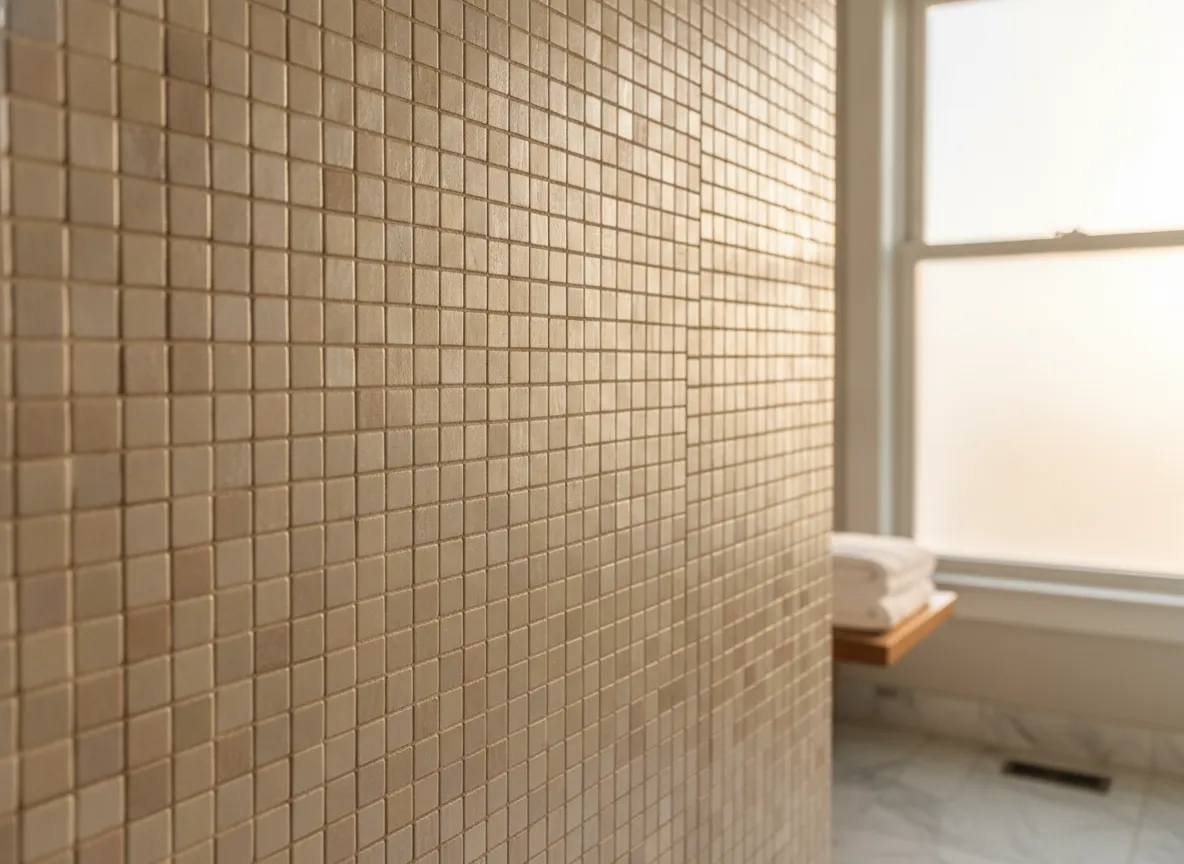
Tile type moves the clean, not just the sealer. Glazed ceramic shrugs off most cleaners. Matte finishes and natural stone do not. Angi cites about $3 to $4 per square foot when the surface is natural stone or another matte finish, because the clean has to be gentler and slower. If your bath is travertine, limestone, or unglazed stone, ask for that rate up front instead of a ceramic price that will not survive the site visit.
Condition decides whether you are buying a sealer or a restoration. Sound, light-colored joints that bead a little water are a seal. Dark, rough, or sandy joints need a clean first. Cleaning plus sealing can reach about $4 per square foot in the national figures. Cracked, missing, or soft grout is repair or replacement, which is outside a sealing quote. Gappsi’s restoration notes treat size, condition, and tile material as the three things that set a restoration price. The same three things set a sealing price when the joints are still sound.
How Much Does a Typical Long Island Bathroom Total?
Take a common main bath: about 50 square feet of floor in large glazed tile, plus a tub surround or small shower of about 60 square feet. Call it 110 square feet of tile. On the Long Island starting band, a basic seal of a room that size sits inside $100 to $200 if the grout is already clean. On Angi’s per-foot math, 110 square feet at $1.56 is about $172, and at $2.00 it is about $220. Those two pictures agree: a straightforward seal on a normal bath is a low-hundreds job, not a remodel line.
Now change one fact. The shower is mosaic, the floor is a matte stone, and the joints hold soap film. You are no longer in the basic band. Cleaning plus sealing near $4 per square foot on 110 square feet is about $440 before any color or spot repair. That is still far under a bathroom rebuild.
Gappsi’s bathroom renovation guide puts a typical Long Island renovation between $7,500 and $27,000, with a full renovation near $17,500. Sealing is maintenance. It is not a stand-in for new tile, a new layout, or a permit-level remodel. If the tile itself is failing, the bathroom renovation guide is the budget to read, and a bathroom tile contractor is the next call.
Minimum charges matter on tiny rooms. A powder room with 30 square feet of floor can still be billed as a trip. Angi notes some crews charge $30 to $60 per hour instead of a per-foot rate. A one-hour minimum plus setup can land a very small room near the $75 start even when the math per foot looks lower. Ask whether the quote is per square foot, per hour, or a flat room price, and whether the shower is included or listed as its own line.
Why Does Cleaning Come Before the Sealer?
Sealer does not hide dirt. It locks in whatever is in the pore. A coat over soiled grout can darken the stain and make the next clean harder. That is why an honest sealing quote either assumes a fresh clean or includes one. The national combined figure, up to about $4 per square foot, is the cost of doing both. Skipping the clean usually means paying for a seal that fails the water test in a season.
Gappsi’s tile and grout work follows a set order. First a pre-treatment cleaner, then steam cleaning. Repair comes only where joints need it. Color goes on indoor grout when you want a different shade, then sealer. The cleaning visit itself is its own subject. The tile and grout cleaning guide covers how a professional clean differs from a mop, indoors and on Long Island patios. This cost page only needs the price consequence. If the joints are dirty, budget the clean. If they are already clean from a recent visit, a seal-only price is fair.
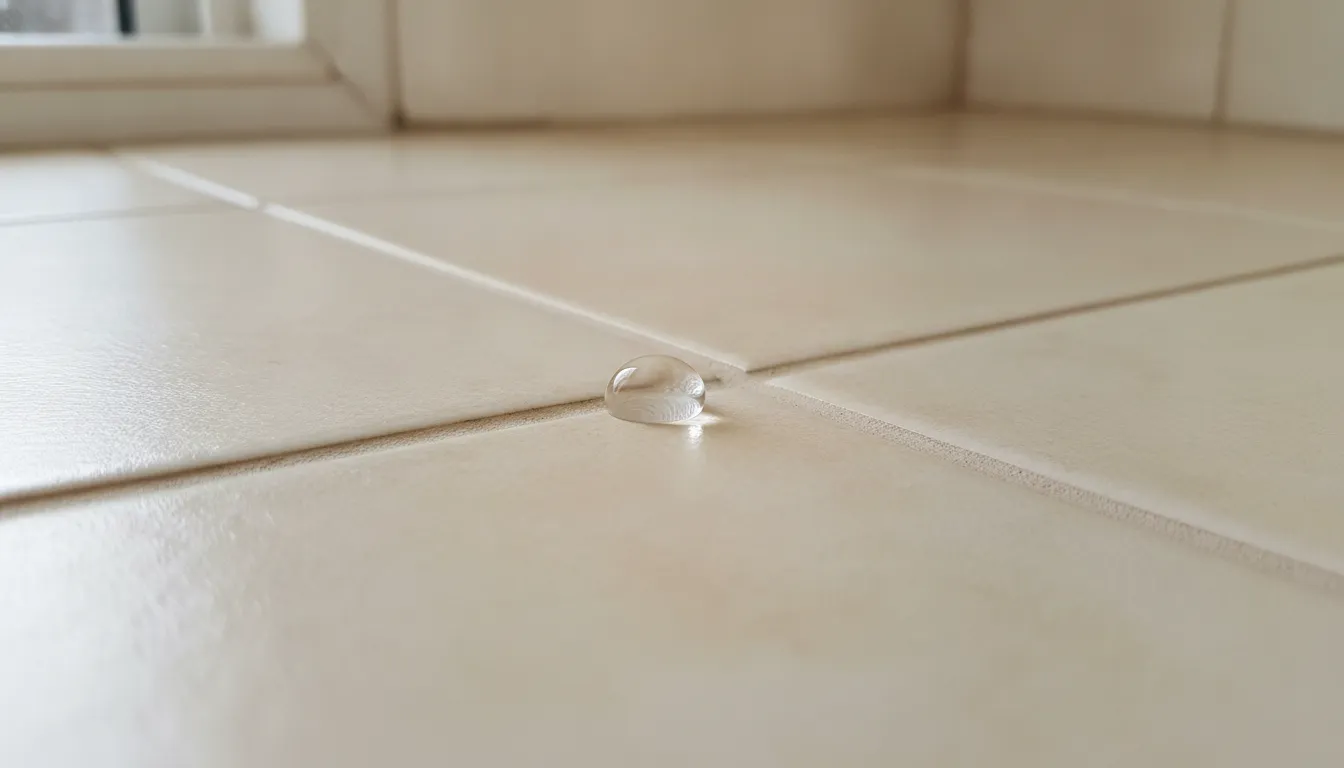
Color is a separate add, not a free part of clear sealer. Clear sealer keeps the grout the color it is. A color sealer changes the shade and seals in one pass, and it takes more product and more wipe-off time. Product choice and how long a color coat lasts belong in the grout coloring and sealing guide. For the cost conversation, treat color as an upgrade line on the quote. Do not assume the $100 starting price includes it.
Finished baths in the indoor tile and grout gallery show the sequence, from steam cleaning through color and a clear protective sealer. The gallery is the scope. The quote is what that scope costs in your rooms.
When Is Sealing the Wrong Spend?
Buy sealer when the grout is intact and the problem is staining, slow cleaning, or a shower that drinks water. Skip sealer when the joint is the problem. Crumbling, hollow, or missing grout will not be fixed by a clear coat.
NYC Stone Care, a bathroom regrouting service for New York City and Long Island, says a standard bathroom typically runs $500 to $1,200 to regrout. The same page says catching failed grout can avoid a $3,000 to $5,000 bathroom tear-out, and that a full replacement can hit that range or more. Those are that company’s figures, not a Gappsi invoice. The gap is the point. Replacement is several times a basic seal, and a full tile reset is several times replacement.
Use a simple sort before you ask for a number:
- Joints are hard, continuous, and only dingy: price a clean and a seal.
- Joints are sound but the color is uneven or too dark to live with: price color plus sealer, and read the coloring guide before you pick a shade.
- Joints are cracked, sandy, or gone in the shower: price repair or regrout. Sealing what is left will not stop water behind the tile.
- Tile is loose, the pan leaks, or the layout is what you dislike: stop pricing maintenance. The restoration overview and the remodeling team are the right next pages.
The tile and grout restoration guide is where repair, recolor, and the reasons to restore instead of replace are covered in full. The older grout color restoration note is the short version of the same idea: color and sealer maintain grout that is still in good condition. Neither page is a price sheet. This one is.
Fresh cement grout has its own clock. A Long Island sealing guide says new cement-based grout should cure at least 48 to 72 hours before a sealer goes on. Seal it the day it is installed and the coat can fail because the joint is still giving up moisture. Gappsi’s maintenance notes for new installations also say to wait before sealing and then to reseal on a multi-year cycle. Follow the installer on a brand-new job, and do not pay for a seal visit on grout that is still curing.
How Long Does a Professional Seal Last?
Life of the coat is part of the cost, because a cheap seal you repeat every year is not cheaper. The same Long Island source that published the $75 to $200 starts says most store-bought sealers need another coat every 6 to 12 months. A professional penetrating sealer often lasts 3 to 5 years. Showers, which stay wet, sit on the short end of that professional range. Angi tells owners to plan on sealing about every three years to keep mold and dirt out.
Do the division before you buy the bottle. A $150 professional seal that holds three years is about $50 a year. A DIY kit you redo every nine months can meet or pass that once you count product, a weekend, and a weak coat. Materials themselves are the small line. Angi puts sealer material at $0.30 to $0.50 per square foot. On a 110-square-foot bath that is roughly $33 to $55 in material. Labor, at $1 to $2 per square foot, is the rest. You are paying for clean pores, even coverage, and wipe-off that does not haze the tile.
Shelf prices at a supply counter are not installed prices, and they are easy to misread. Gappsi sells Ure-Seal H2O Gloss #150 in a 5-gallon pail at $446 and Stone Show H2O Invisible #171 in a 2.5-gallon container at $300. Those are large containers for concrete, pavers, and masonry, listed on the sealers and grouts page. A bathroom does not need a 5-gallon pail, and buying one does not buy the labor. Use them only as proof that sealer product and a finished bathroom visit are different purchases.
Humidity on Long Island is why the shower line items run higher than a dry hallway. Joints in a daily shower see more water, more soap, and more time wet than a powder-room floor. Budget the shower on the 3-year side of the reseal cycle, and budget a low-splash guest bath closer to 5 years if the water-bead test still holds. If water soaks in within a few seconds, the coat is done, whatever the calendar says.
What Should a Sealing Quote List?
A usable quote names the rooms, the square feet of tile, and whether the shower walls are in or out. It says if cleaning is included, if color is included, and if any joints will be repaired before the sealer. It names the product in plain language: a penetrating sealer or a film-forming urethane. It also says how long the crew expects that coat to last in a wet room. A single number with no scope is how a $150 seal becomes a $400 invoice after someone sees the mosaic.
Ask these questions before you compare two bids:
- Is the price for sealer only, or clean plus sealer?
- Are shower walls, the curb, and the floor one price or three?
- What happens to cracked joints: left alone, spot-repaired, or excluded?
- Is color included, or is this a clear coat only?
- Is stone priced differently from glazed ceramic?
- When can new grout be sealed, and when should you reseal?
Gappsi’s home remodeling work covers bathroom tile as part of a larger project, through the home remodeling and construction page. Call that team when the quote you need is new tile. Call for a sealing visit when the tile stays and the joints need a coat. Mixing those two asks on one estimate is how homeowners compare a $200 seal to a $15,000 remodel and think one of the numbers is wrong.
Request a grout sealing visit from Gappsi and include the room sizes, tile type, and whether the shower joints are cracked or only stained.
Frequently Asked Questions
How much is grout cleaning and sealing?
A basic seal on a clean Long Island bathroom starts around $75 to $200, depending on whether the room is small or standard. Cleaning plus sealing runs higher. National figures put the combined work up to about $4 per square foot, so a 110-square-foot bath can land near $440 when the joints need a real clean first. Sealing dirty grout is the expensive way to do it, because the coat fails early.
How expensive is it to regrout a shower?
Regrouting is not sealing. A standard-bathroom regrout in the New York and Long Island market is often quoted at $500 to $1,200, because the old joint is cut out and replaced. A clear sealer on sound grout stays in the low hundreds. If the shower grout is soft, missing, or letting water past the tile, price the repair. A sealer will not bridge a gap.
Does color sealing grout work?
A color sealer can even out faded indoor grout and seal it in the same pass, as long as the joint is solid. It costs more than a clear coat because of the extra product and the wipe-down. It will not rebuild missing grout. For how the products behave and how long the color holds, use the grout coloring guide rather than a cost sheet.
Why do builders not seal grout?
New cement grout is still curing for the first days, and a sealer applied too soon can fail. Guides for fresh joints call for at least 48 to 72 hours of cure, and some new installations are better left longer before the first coat. Builders also leave the wet-area maintenance to the owner. Plan on a first professional seal after the cure, then again about every 3 years in a shower.
Is a 5-gallon pail of sealer the cost of the job?
No. A 5-gallon pail of Ure-Seal H2O Gloss is $446 on Gappsi’s product page, and a 2.5-gallon container of Stone Show is $300. Those prices buy product in contractor quantities for masonry and pavers. A bathroom seal is mostly labor, often $1 to $2 per square foot, on a fraction of a pail. Compare installed quotes, not shelf prices, when you are pricing one bathroom.
Posted by Gappsi Group. The ranges above are planning figures from published 2026 sources and from Gappsi product pages. Your rooms, tile, and grout condition set the real number.
Contact Gappsi through our contact page to price bathroom grout sealing for your Long Island home.